


Search results
Search for "chromatography" in Full Text gives 1991 result(s) in Beilstein Journal of Organic Chemistry. Showing first 200.
Chemical synthesis of glycan motifs from the antitumor agent PI-88 through an orthogonal one-pot glycosylation strategy
Beilstein J. Org. Chem. 2025, 21, 1587–1594, doi:10.3762/bjoc.21.122

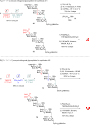
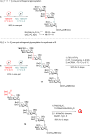
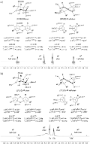
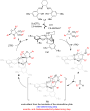
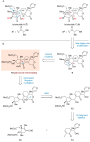
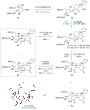
- trials for post-resection hepatocellular carcinoma [26]. Interestingly, Ferro and co-workers revised the structure of PI-88 to I and II in 2017 via successful separation of oligosaccharide phosphate fractions by preparative ion-exchange chromatography (Scheme 1A) [27]. Besides the major components α(1→3



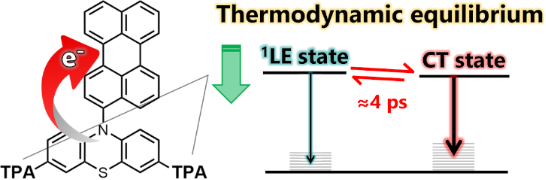
Thermodynamic equilibrium between locally excited and charge transfer states in perylene–phenothiazine dyads
Beilstein J. Org. Chem. 2025, 21, 1577–1586, doi:10.3762/bjoc.21.121
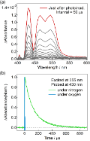
- -catalyzed cross-coupling reactions between bromo-substituted perylene or phenothiazine precursors and appropriate donor or linker units, followed by purification via column chromatography and gel permeation chromatography (Figures S18–S21 in Supporting Information File 1). The details of the syntheses are



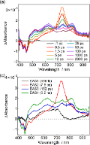

pH-Controlled isomerization kinetics of ortho-disubstituted benzamidines: E/Z isomerism and axial chirality
Beilstein J. Org. Chem. 2025, 21, 1568–1576, doi:10.3762/bjoc.21.120
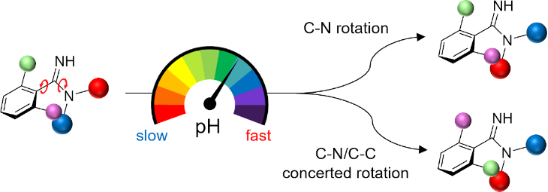
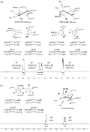
- liquid chromatography (RP-HPLC) using an acidic mobile phase [H2O (0.1% CF3CO2H)/MeCN 72:28]. As shown in Figure 4, the HPLC analysis of amidine 2 showed two peaks corresponding to the E and Z isomers which could be explained by the existence of E/Z isomers of amidine 2 trifluoroacetate salt. After



Synthesis of an aza[5]helicene-incorporated macrocyclic heteroarene via oxidation of an o-phenylene-pyrrole-thiophene icosamer
Beilstein J. Org. Chem. 2025, 21, 1561–1567, doi:10.3762/bjoc.21.119
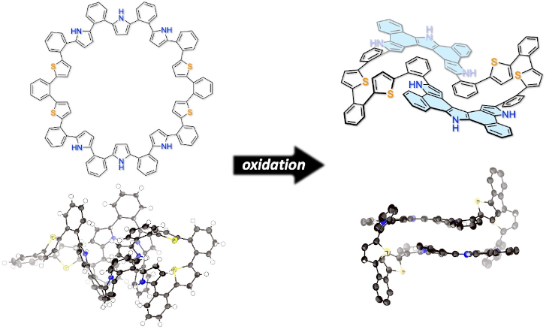
- hybrid decamer 3 in a previous report [26], via a Suzuki–Miyaura cross-coupling reaction between dibromo precursor 1 and borylated precursor 2 (Scheme 1). The resulting mixture was successfully separated by column chromatography on silica using CH2Cl2/n-hexane as an eluent to give icosamer 4 in 6% yield


Facile synthesis of hydantoin/1,2,4-oxadiazoline spiro-compounds via 1,3-dipolar cycloaddition of nitrile oxides to 5-iminohydantoins
Beilstein J. Org. Chem. 2025, 21, 1552–1560, doi:10.3762/bjoc.21.118

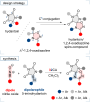
- chromatography on silica gel using DCM as eluent. Design and synthetic strategies for the target hydantoin/1,2,4-oxadiazoline spiro-compounds. Atropoisomerism of ortho-substituted spiro-compounds 5b and 5d. Cytotoxicity investigation of hydantoin/1,2,4-oxadiazolines 5 (MTT test, HCT116 cell line) and selected
- File 1), cusing diffusion mixing N-(2-bromophenyl)formamide (6) was obtained with 80% yield; dproduct was isolated using column chromatography. Cycloaddition of nitrile oxide to 5-iminothiohydantoin 2j. aTriethylamine dropwise addition (2.4 equiv, 0.06 M CH2Cl2 solution, Ar, 0–5 °C); bdiffusion mixing



Ambident reactivity of enolizable 5-mercapto-1H-tetrazoles in trapping reactions with in situ-generated thiocarbonyl S-methanides derived from sterically crowded cycloaliphatic thioketones
Beilstein J. Org. Chem. 2025, 21, 1508–1519, doi:10.3762/bjoc.21.113
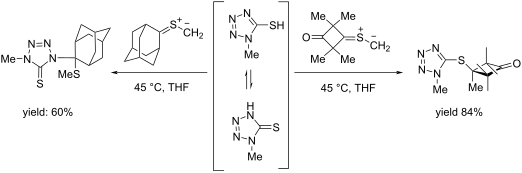
- instances, both products were formed side by side and could be separated by chromatography. Two novel, sterically overcrowded bis-spiro(cyclopentyl) and bis-spiro(cyclohexyl)-substituted thiocarbonyl S-methanides were thermally generated from the corresponding 1,3,4-thiadiazolines and their reactivity
- (ca. 13 mL N2 was collected in the nitrometer). The solvent was evaporated in vacuo and the residue was examined by 1H NMR spectroscopy. A characteristic singlet of the S–CH2 fragment was found in the region of 2.62 ppm. The pure product 8a was isolated by preparative layer chromatography. 1
- evaporated, and the residue was analyzed by 1H NMR. Depending on the composition of the crude product, this material was either separated by preparative layer chromatography on the plates coated with silica gel (CH2Cl2 as the mobile phase) (separation of 9h and 10h) or crystallized from hexane/CH2Cl2 mixture


Microwave-enhanced additive-free C–H amination of benzoxazoles catalysed by supported copper
Beilstein J. Org. Chem. 2025, 21, 1462–1476, doi:10.3762/bjoc.21.108
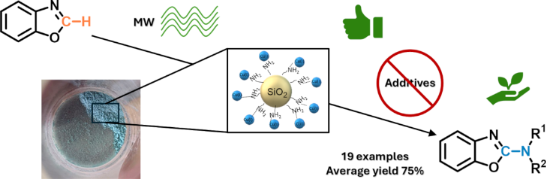
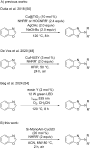
- was purified by flash chromatography over basic alumina, using a PE/EtOAc 7:3 mixture as the eluent. When the reaction was performed in a MW oven, the MicroSynth instrument (Milestone) was used. The reaction was performed in an open round-bottomed flask that was heated to 60 °C for 2 h (see Supporting
- , dried over sodium sulphate and filtered. The solvent was removed under reduced pressure. When required, the residue was purified by flash chromatography over basic alumina, using a PE/EtOAc 7:3 mixture as the eluent. When performed under MW irradiation, the reaction was heated at 80 °C for 2 h. Before



Wittig reaction of cyclobisbiphenylenecarbonyl
Beilstein J. Org. Chem. 2025, 21, 1454–1461, doi:10.3762/bjoc.21.107
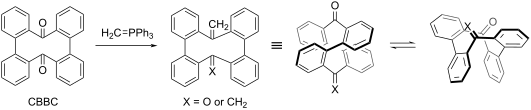
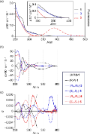
- and rac-5 was conducted using high-performance liquid chromatography (HPLC) equipped with DAICEL CHIRALPAK IE as the chiral stationary phase (eluent: CH2Cl2/hexane 3:2 for 3 and 1:9 for 5). The absolute configurations of the enantiomers were determined by transformation of enantiomerically pure CBBC



Advances in nitrogen-containing helicenes: synthesis, chiroptical properties, and optoelectronic applications
Beilstein J. Org. Chem. 2025, 21, 1422–1453, doi:10.3762/bjoc.21.106
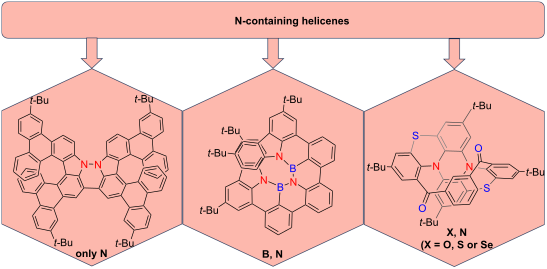
- foundation, the same group in 2024 developed a series of structurally refined aza[7]helicenes (compounds 12a and 12b) under modified Scholl reaction conditions [25]. These products were obtained as optically active diastereomers, which were successfully separated using silica gel chromatography. Additionally

Tautomerism and switching in 7-hydroxy-8-(azophenyl)quinoline and similar compounds
Beilstein J. Org. Chem. 2025, 21, 1404–1421, doi:10.3762/bjoc.21.105
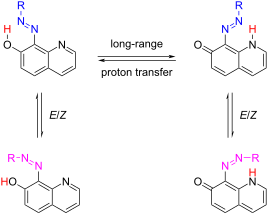
- Fluorochem and used as received. The solvents used for the experimental synthesis (HPLC grade) were purchased from Sigma-Aldrich. All other materials were commercial products of analytical grade and used as supplied. Analytical TLC (thin-layer chromatography) was performed on Merck silica gel 60 F254
- solution during 20 min. The resulting red-orange mixture was stirred at 0 °C for 2 h, and at rt for 15 h. The mixture was neutralized with 1 N aqueous sodium hydroxide, filtered, washed with cold water (5 mL) and dried under vacuum. The dark orange crude material was purified by flash column chromatography
- formed, was washed with water several times and dried. The crude material was purified by column chromatography on silica gel, eluting with dichloromethane. Evaporation of the solvent afforded the pure target compound as orange solid (0.26 g, 38% yield). 1H NMR (500 MHz, DMSO-d6) δ 14.7 (br s, 1H), 8.90




N-Salicyl-amino acid derivatives with antiparasitic activity from Pseudomonas sp. UIAU-6B
Beilstein J. Org. Chem. 2025, 21, 1388–1396, doi:10.3762/bjoc.21.103
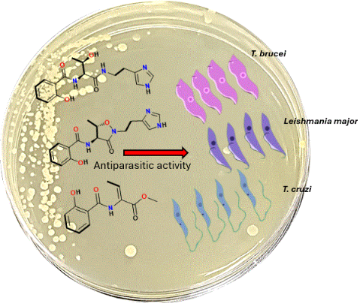
- previously isolated pseudomonine [15]. This resulted in the decision to upscale the bacterial strain at room temperature in an open orbital shaker. The large crude extract (7.5 g) was subjected to Kupchan solvent partitioning followed by medium pressure liquid chromatography (MPLC) and subsequently
- purification by a reversed-phase high pressure liquid chromatography (HPLC) system which led to the isolation of four compounds, trivially named pseudomonins D–G (1–4) and three known compounds 5–7 (Figure 1). Compound 1 was isolated as a yellow oil. The molecular formula C11H13NO5 (Δ: −0.7 ppm, 6 degrees of
- chromatographed using a medium performance liquid chromatography (MPLC) system equipped with a reversed-phase EcoFlex C18 cartridge (80 g, 50 µm) with variable UV and ELSD detectors to monitor the run at 210, 230, and 254 nm wavelengths. It was dissolved in 30–70% H2O/MeOH (15 mL), centrifuged for 5 min and


Optimized synthesis of aroyl-S,N-ketene acetals by omission of solubilizing alcohol cosolvents
Beilstein J. Org. Chem. 2025, 21, 1201–1206, doi:10.3762/bjoc.21.97
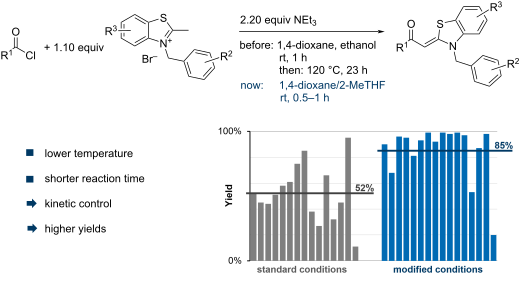
- in Table 1. The yield of compounds 1 after flash chromatography on silica gel under modified conditions (B) are significantly higher than under standard conditions (A). The results demonstrate the broad applicability of the optimized reaction conditions. Acid chlorides with electron-withdrawing (-CN
- ® and purified by flash chromatography on silica gel (n-hexane/acetone 3:1). Then, the crude product was suspended in n-hexane, the supernatant separated by filtration and the precipitate was dried under vacuum to afford aroyl-S,N-ketene acetal 1i (1.78 g, 4.93 mmol, 99%) as a yellow solid. Mp 159 °C


Synthesis of β-ketophosphonates through aerobic copper(II)-mediated phosphorylation of enol acetates
Beilstein J. Org. Chem. 2025, 21, 1192–1200, doi:10.3762/bjoc.21.96
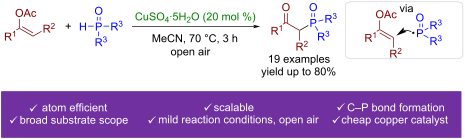
- chromatography on silica gel. Recent approaches for the synthesis of β-ketophosphonates by the oxyphosphorylation of unsaturated compounds. The scope of the discovered copper(II)-mediated phosphorylation of enol acetates. Gram-scale synthesis of 3a. Control experiments. Proposed mechanism for copper(II) mediated


Selective monoformylation of naphthalene-fused propellanes for methylene-alternating copolymers
Beilstein J. Org. Chem. 2025, 21, 1183–1191, doi:10.3762/bjoc.21.95
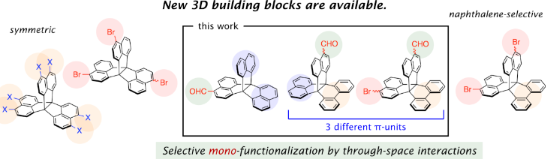
- chromatography on silica gel because of their low polarity and poor solubility in n-hexane. On the other hand, nitration of [3.3.3] gave solely the six-fold nitrated product due to low solubility of the starting material [46]. The current reaction is the first practical method for the selective
- -shifted to ca. 34 ppm in the 13C NMR spectra due to conversion into methylene groups (Figure 2b and Figures S315 and S316 in Supporting Information File 1). However, all 1H NMR signals were broad, and gel permeation chromatography (GPC) charts indicated broad patterns due to multiple products with varying


A multicomponent reaction-initiated synthesis of imidazopyridine-fused isoquinolinones
Beilstein J. Org. Chem. 2025, 21, 1161–1169, doi:10.3762/bjoc.21.92
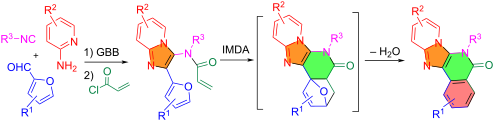
- -acylated compounds 6 in 80–90% yields after flash chromatography with 1:6 EtOAc/hexanes (Scheme 2, Table S2 in Supporting Information File 1) [19]. General procedure for the synthesis of products 8 In the presence of 0.08 equiv of Lewis’s acid AlCl3, N-acylation products 6 (0.1 mmol) in dichlorobenzene
- chromatography with 30:70 EtOAc/hexanes. Product structures were confirmed by 1H and 13C NMR analysis and X-ray crystal structure analysis of 8a. Density functional theory (DFT) calculations DFT computations were conducted utilizing Gaussian 16W with the B3LYP functional and the 6-31G(d,p) basis set [21][22




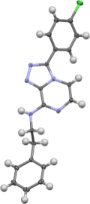
Investigations of amination reactions on an antimalarial 1,2,4-triazolo[4,3-a]pyrazine scaffold
Beilstein J. Org. Chem. 2025, 21, 1126–1134, doi:10.3762/bjoc.21.90
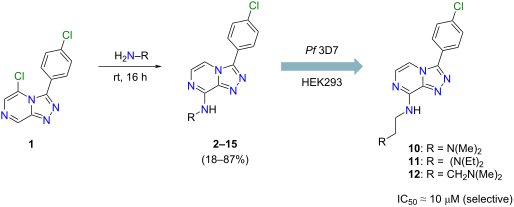
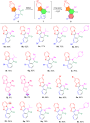
- scaffold for aminations with 14 commercially available primary amines. Reacting scaffold 1 with excess primary amine at room temperature for 16 h generated the desired amine analogues in respectable yields (18–87%) and high purity (≥95%) following chromatography workup. The structures of the 14 previously
- column chromatography (and additionally by HPLC for the toluene reaction), the reactions also gave comparable yields of compound 2 (70% for toluene/silica and 82% for only phenethylamine at room temperature). Only the tele-substituted product was observed in either reaction mixture, consistent with
- mixtures were separated by silica flash column chromatography, and in some cases, were subsequently separated by HPLC where required. All reactions gave easily isolated product in high purity (≥95%), with yields ranging from 18% to 87%. No ipso-substituted products, and no triazole–imidazole rearrangement




A versatile route towards 6-arylpipecolic acids
Beilstein J. Org. Chem. 2025, 21, 1104–1115, doi:10.3762/bjoc.21.88
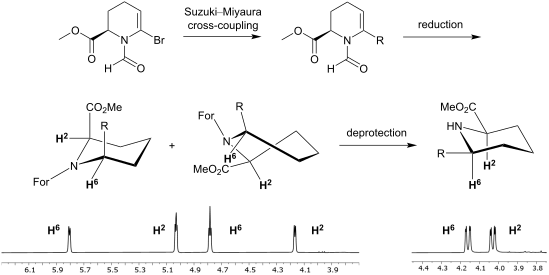
- after workup. Purifying the bromide 2 via column chromatography was deemed unnecessary after comparing the NMR spectra of the worked-up and the purified product. While the worked-up product 2 exhibited only slight differences in impurities, the yield was significantly reduced due to purification by
- column chromatography. The vinyl bromide 2 had been shown to undergo palladium-catalysed cross-coupling reactions, e.g., Suzuki–Miyaura or Sonogashira–Hagihara cross-coupling reactions [35]. Emphasis was placed on the Suzuki–Miyaura reaction to give a variety of arylated compounds, as previous attempts
- kinetically controlled diastereofacial selectivity. The resulting diastereomers are separable by chromatography. 1H NMR was used to assign the configuration of the 2 diastereomers [53][54][55]. Carbon C2 is R-configured, as ᴅ-2-aminoadipic acid (1) was employed as the starting material. The minor diastereomer





Salen–scandium(III) complex-catalyzed asymmetric (3 + 2) annulation of aziridines and aldehydes
Beilstein J. Org. Chem. 2025, 21, 1087–1094, doi:10.3762/bjoc.21.86
- was refluxed over sodium with benzophenone as an indicator and freshly distilled prior to use. Column chromatography was performed on silica gel (normal phase, 200–300 mesh) from Anhui Liangchen Silicon Material Co., Ltd. or basic aluminum oxide (pH 9–10) from Shanghai Titan Technology Co., Ltd
- . Petroleum ether (PE, 60–90 °C fraction) and ethyl acetate (EA) were used as eluent. Reactions were monitored by thin-layer chromatography (TLC) on GF254 silica gel plates (0.2 mm) from Anhui Liangchen Silicon Material Co., Ltd. The plates were visualized by UV light. 1H NMR (400 MHz) and 13C NMR (101 MHz
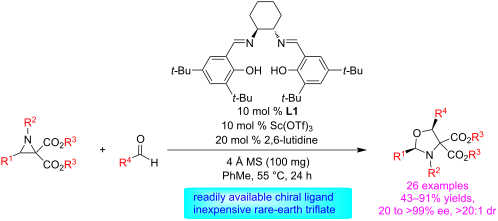
- with a syringe and the mixture was stirred at 55 °C for 24 h. After gradually cooling to room temperature and removal of the solvent under reduced pressure, the crude residue was purified by basic aluminum oxide column chromatography with petroleum ether/ethyl acetate 1:10 to 3:7 (v/v) as eluent to



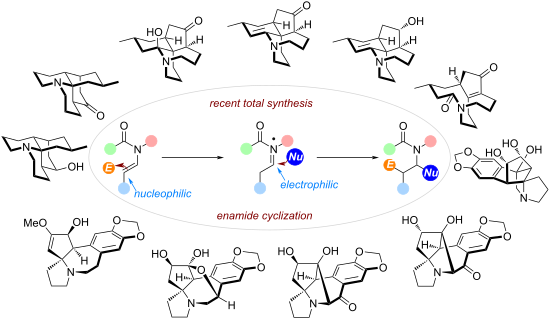
Recent total synthesis of natural products leveraging a strategy of enamide cyclization
Beilstein J. Org. Chem. 2025, 21, 999–1009, doi:10.3762/bjoc.21.81
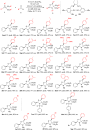
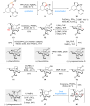
- column chromatography was required during this process, the synthetic route is highly practical. The enantioselective annulation of tertiary enamide 28 with enoldiazoacetate 29 was then explored under the catalysis of a chiral dirhodium catalyst. While Doyle and co-workers had previously reported an




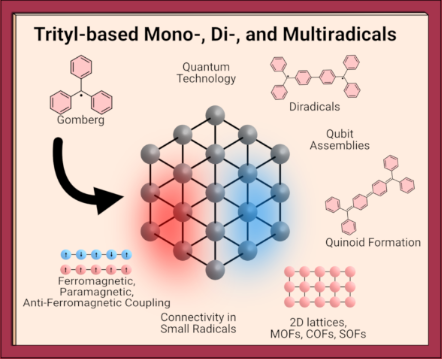
On the photoluminescence in triarylmethyl-centered mono-, di-, and multiradicals
Beilstein J. Org. Chem. 2025, 21, 964–998, doi:10.3762/bjoc.21.80
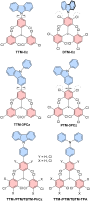
- mixture of right- and left-handed propellers can be resolved by chiral high pressure liquid chromatography (HPLC) into the P- and M-enantiomers, respectively [40][41]. However, due to the low racemization barrier of only about 22 kcal mol−1, the enantiomers racemize within minutes at room temperature. TTM
- donor unit (see Figure 11). Chiral chromatography provides access to all four stereoisomers, as both, the helicene and the TTM unit, are chiral (as discussed above). However, the TTM propellers racemize quickly so that effectively one receives the diastereomers with the respective helicene chirality









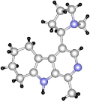
Studies on the syntheses of β-carboline alkaloids brevicarine and brevicolline
Beilstein J. Org. Chem. 2025, 21, 955–963, doi:10.3762/bjoc.21.79

- chromatography of the corresponding racemate. To continue this work, we decided to attempt the synthesis of brevicarine (2), a structurally related alkaloid, as well. There are some published examples for the synthesis of brevicarine in the literature. The first semi-synthetic access to brevicarine (2) was


A convergent synthetic approach to the tetracyclic core framework of khayanolide-type limonoids
Beilstein J. Org. Chem. 2025, 21, 926–934, doi:10.3762/bjoc.21.75
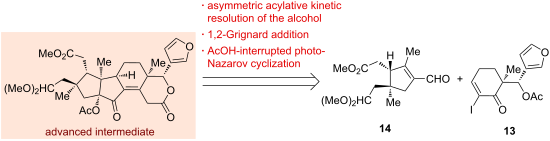
- 4.4:1 mixture of regioisomeric alcohols with the desired isomer being the major component, presumably due to the considerable steric hindrance from the quaternary carbon at C4. However, decagram-scale separation of these two isomers by chromatography proved troublesome. Fortunately, the distinct




Data accessibility in the chemical sciences: an analysis of recent practice in organic chemistry journals
Beilstein J. Org. Chem. 2025, 21, 864–876, doi:10.3762/bjoc.21.70

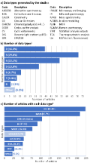
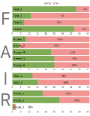
- community risks becoming left behind without urgent cultural change. Journal data policies for the study timeframe, 01 February – 31 March 2023. ‘All data’ refers to: spectroscopic data (NMR, IR, UV–vis, Raman, circular dichroism and mass spectrometry), chromatography (GC, HPLC, SEC), physical data (m.p





Light-enabled intramolecular [2 + 2] cycloaddition via photoactivation of simple alkenylboronic esters
Beilstein J. Org. Chem. 2025, 21, 854–863, doi:10.3762/bjoc.21.69
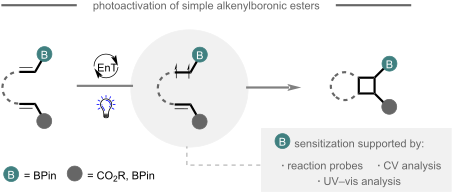
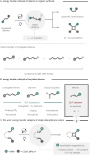
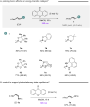
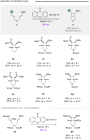
- detrimental to reactivity leading to substrate degradation. Given the ease of access and enhanced stability of pinacol esters to column chromatography, this motif was advanced for further reaction design. Cyclic voltammetry analysis of 1a indicates that single-electron-transfer processes with the excited



Unraveling cooperative interactions between complexed ions in dual-host strategy for cesium salt separation
Beilstein J. Org. Chem. 2025, 21, 845–853, doi:10.3762/bjoc.21.68

- determined extraction efficiency (extracted Cs+ versus the initial amount; concentrations were recorded by ion chromatography) of CsCl, CsNO3, Cs2CO3, Cs2SO4 and Cs3PO4 were 82%, 36%, 61%, 41%, and 100%, respectively. In contrast, by using an individual 18-crown-6 or hexaurea receptor, a clear enhancement of





