Search results
Search for "light" in Full Text gives 1413 result(s) in Beilstein Journal of Organic Chemistry. Showing first 200.
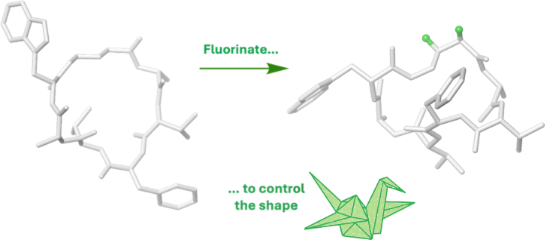
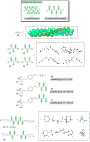
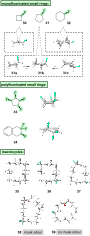
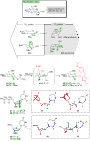
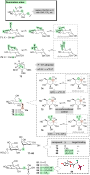
Origami with small molecules: exploiting the C–F bond as a conformational tool
Beilstein J. Org. Chem. 2025, 21, 680–716, doi:10.3762/bjoc.21.54


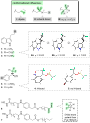


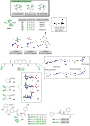
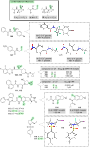


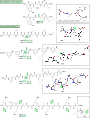


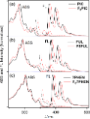
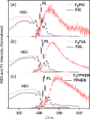
Photochemically assisted synthesis of phenacenes fluorinated at the terminal benzene rings and their electronic spectra
Beilstein J. Org. Chem. 2025, 21, 670–679, doi:10.3762/bjoc.21.53

- ][11][12], luminophores in light-emitting devices [13][14][15], organic semiconductors [16][17][18], and even as aromatic superconductors [19]. Later, parent and chemically modified phenacenes were applied to active layers in high-performance organic field-effect transistors. Thus, the phenacene
- 18-crown-6 produced fluorine-containing diarylethene 8 as a mixture of E- and Z-isomers. Subsequently, the E/Z mixture of 8 was subjected to the Mallory photoreaction without separation. Thus, compound 8 was irradiated with fluorescent black-light lamps (300 nm, 6 × 16 W) in the presence of a


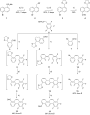



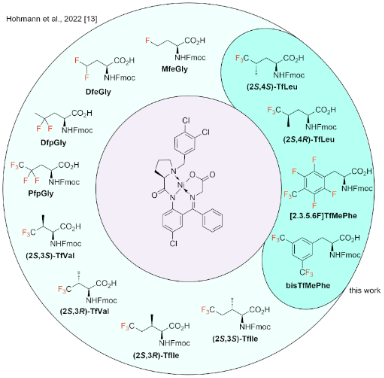
Asymmetric synthesis of fluorinated derivatives of aromatic and γ-branched amino acids via a chiral Ni(II) complex
Beilstein J. Org. Chem. 2025, 21, 659–669, doi:10.3762/bjoc.21.52
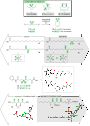
- ) was carried out on aluminum plates coated with silica gel 60 F254 (Merck, Darmstadt, Germany). The TLC plates were analyzed using UV light at 254 nm. Flash chromatography was performed on silica gel 60 M from Macherey-Nagel (grain size of 40−63 μm). The conditions are given in the form “(A/B = a:b


Photocatalyzed elaboration of antibody-based bioconjugates
Beilstein J. Org. Chem. 2025, 21, 616–629, doi:10.3762/bjoc.21.49
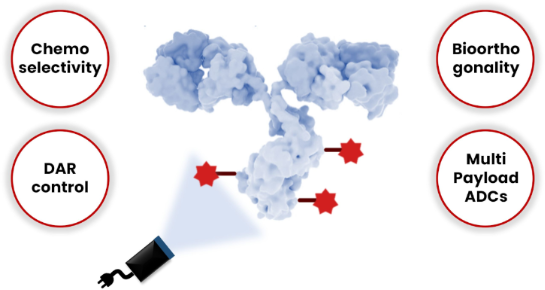
- proteins. By harnessing light to drive chemical transformations, photoredox techniques can facilitate the synthesis of antibody bioconjugates. This perspective will discuss the drive to develop and empower photoredox methods applied to antibody functionalization. Keywords: antibodies; bioconjugation
- selective chemical reactions, often for bioconjugation, by utilizing photoaffinity reagents. These reagents are typically photoreactive molecules that can be activated by light to form covalent bonds with nearby molecules [31][32][33]. PAL involves using a light-activated group (often a photo-crosslinker
- ) that can form covalent bonds when exposed to UV or visible light. These photoaffinity tags or crosslinkers are designed to bind to specific biomolecules, such as proteins, nucleic acids, or lipids, in a highly selective manner. The light irradiation triggers a chemical reaction, such as a bond


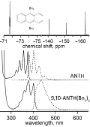
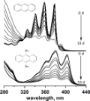
Deep-blue emitting 9,10-bis(perfluorobenzyl)anthracene
Beilstein J. Org. Chem. 2025, 21, 515–525, doi:10.3762/bjoc.21.39
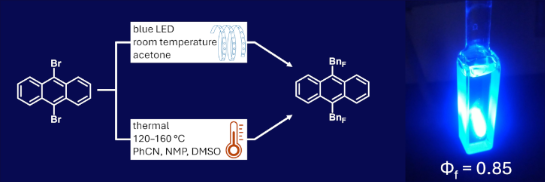
- emitters for organic light emitting diodes (OLEDs) [4][5][6][7][8]. More recently, an increased interest in the studies of triplet–triplet annihilation mechanisms in anthracene emitter materials [9] and the design of efficient OLED emitters based on hyperfluorescence [10][11], which could exhibit high
- efficiencies in OLED performance, since lower applied voltages will be required. It has been shown that a desired applied voltage should be below 10 V to obtain significant light intensity from ANTH-based OLEDs [8]. Such low operating voltage may reduce power consumption and increase the lifetime of a blue
- achieved due to chemical modification of ANTH [25][32]. Changes in the UV–vis spectra were typically used as an indication of the compounds’ decomposition. It is well established that ANTH is rapidly oxidized to form anthraquinone upon exposure to light in the presence of oxygen. Furthermore, endoperoxides





Unprecedented visible light-initiated topochemical [2 + 2] cycloaddition in a functionalized bimane dye
Beilstein J. Org. Chem. 2025, 21, 500–509, doi:10.3762/bjoc.21.37
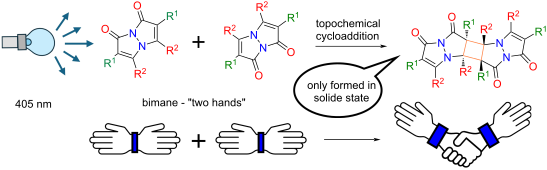
- E. M. Kosower in 1978. In this study, we report the topochemical cycloaddition of diethyl 2,6-dichloro-1,7-dioxo-1H,7H-pyrazolo[1,2-a]pyrazole-3,5-dicarboxylate (Cl2B), initiated by visible light. Crystal structure analysis confirmed that the reactive double bonds are parallel and coplanar, in line
- with the Schmidt criteria for topochemical cycloaddition. Additionally, two other bimane derivatives with different substitution patterns were synthesized and investigated. Our findings suggest that functionalizing bimanes to redshift their absorption maxima into the visible-light spectrum provides a
- crystal lattice and are often reversible, requiring either high-energy light or heat for initiation [6][7][8]. Notably, topochemical polymerizations align with the principles of green chemistry, as they are solvent-free and do not involve toxic reagents [9]. The highly ordered and uniform nature of


Synthesis of N-acetyl diazocine derivatives via cross-coupling reaction
Beilstein J. Org. Chem. 2025, 21, 490–499, doi:10.3762/bjoc.21.36
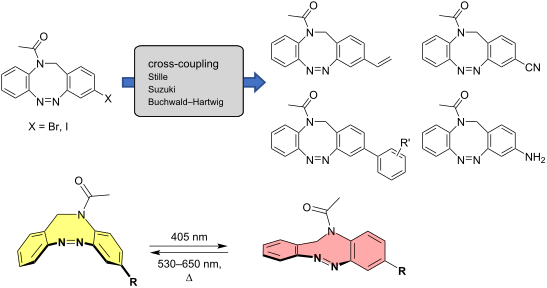
- subsequently activated with light at the site of illness with high spatiotemporal resolution. Thus, collateral damage in the surrounding healthy tissue can be avoided. In addition, the quantitative thermal back-isomerization from the active E to the inactive Z configuration prevents contamination and
- designing a photoswitchable drug is to place the switch at a position in the pharmacophore that allows switching of the biological effect by irradiation with light without greatly reducing the overall activity by unselective interference with the inhibitor–receptor interaction. This is a difficult task
- efficiency. In any case the light-induced geometry change via isomerization should selectively control the interaction between the inhibitor and the receptor [21]. Currently there is only one example reported in the literature for the incorporation of N-acetyl diazocines into biologically active molecules


Photomechanochemistry: harnessing mechanical forces to enhance photochemical reactions
Beilstein J. Org. Chem. 2025, 21, 458–472, doi:10.3762/bjoc.21.33

- Sustainability, University of Parma, Parco Area delle Scienze 17/A, 43124 Parma, Italy 10.3762/bjoc.21.33 Abstract Photomechanochemistry, i.e., the merger of light energy and mechanical forces, is emerging as a new trend in organic synthesis, enabling unique reactivities of fleeting excited states under solvent
- -minimized conditions. Despite its transformative potential, the field faces significant technological challenges that must be addressed to unlock its full capabilities. In this Perspective, we analyze selected examples to showcase the available technologies to combine light and mechanical forces, including
- research. Keywords: light-mediated synthesis; mechanochemistry; photomechanochemistry; Introduction Light-mediated synthetic methodologies have significantly transformed contemporary organic chemistry by enabling a broad array of previously unattainable transformations [1]. In fact, the absorption of a




Beyond symmetric self-assembly and effective molarity: unlocking functional enzyme mimics with robust organic cages
Beilstein J. Org. Chem. 2025, 21, 421–443, doi:10.3762/bjoc.21.30
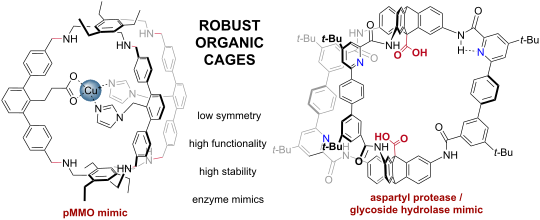
- chemistry [200]. “Switchable” metal-organic cages [212] use a stimulus like light to change ligand geometries. This often triggers disassembly since new geometries can lead to new thermodynamic minima, though where geometric changes are tolerated within the original structure the stimuli can trigger guest




Synthesis, characterization, antimicrobial, cytotoxic and carbonic anhydrase inhibition activities of multifunctional pyrazolo-1,2-benzothiazine acetamides
Beilstein J. Org. Chem. 2025, 21, 348–357, doi:10.3762/bjoc.21.25
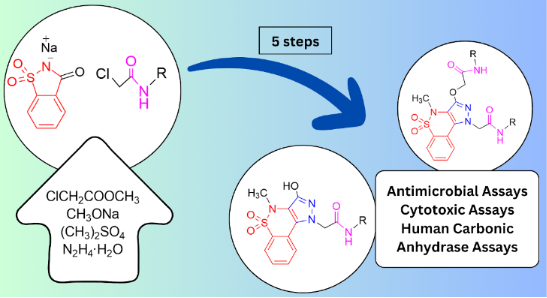
- have low to negligible inhibition potential but dialkylated ones have no inhibition potential at all for directed CAs (I, II, IX, and XII). From the low inhibiting compounds, 7b showed the highest inhibition potential with a minimum Ki value of 72.9 μM. In light of the above findings, these newly

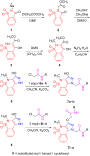

Synthesis of new condensed naphthoquinone, pyran and pyrimidine furancarboxylates
Beilstein J. Org. Chem. 2025, 21, 340–347, doi:10.3762/bjoc.21.24
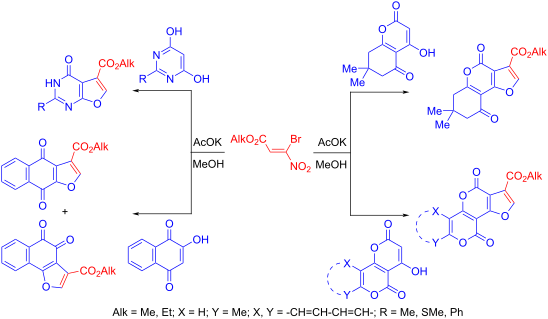
- data, they luminesce in DMSO solution when irradiated with light at wavelengths of 352 and 283 nm. Compounds 7a–f are capable of existing as lactim–lactam tautomers due to the presence of an amide fragment in their structure (Scheme 7). At the same time, the 1H and 13C NMR spectra of compounds 7a–f
- phase and visualized under UV light (λ 254 nm). X-ray structure determination X-ray diffraction studies of single crystals of compounds 5a, 5b, 6b, 6c, and 7a were carried out on a Bruker D8 QUEST diffractometer. The cell parameters and experimental data were obtained at 100 K (graphite monochromator


Red light excitation: illuminating photocatalysis in a new spectrum
Beilstein J. Org. Chem. 2025, 21, 296–326, doi:10.3762/bjoc.21.22

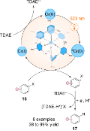
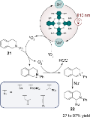
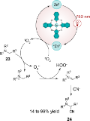
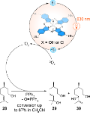
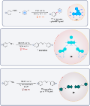
- Picardie Jules Verne UR 7378, 10 rue Baudelocque, 80000 Amiens, France Institute of Physics and Chemistry of Materials of Strasbourg (IPCMS), University of Strasbourg UMR 7504, 23 rue du Loess, BP 43, 67034 Strasbourg CEDEX 2, France 10.3762/bjoc.21.22 Abstract Red-light-activated photocatalysis has
- become a powerful approach for achieving sustainable chemical transformations, combining high efficiency with energy-saving, mild conditions. By harnessing the deeper penetration and selectivity of red and near-infrared light, this method minimizes the side reactions typical of higher-energy sources
- , making it particularly suited for large-scale applications. Recent advances highlight the unique advantages of both metal-based and metal-free catalysts under red-light irradiation, broadening the range of possible reactions, from selective oxidations to complex polymerizations. In biological contexts















Effect of substitution position of aryl groups on the thermal back reactivity of aza-diarylethene photoswitches and prediction by density functional theory
Beilstein J. Org. Chem. 2025, 21, 242–252, doi:10.3762/bjoc.21.16
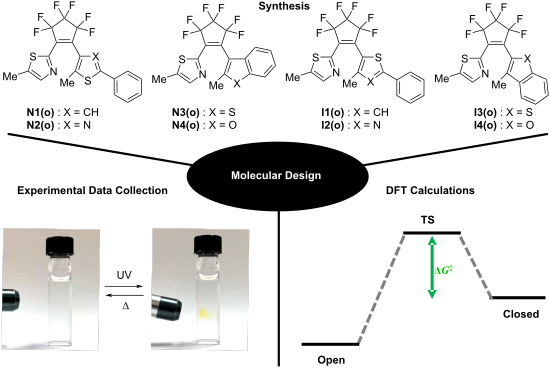
- Molecular photoswitches have been studied for a long time because their physicochemical properties such as refractive index [1][2], dipole moment [3][4], conductivity [5][6], magnetism [7][8], and fluorescence [9][10][11] can be spatiotemporally modulated by light without physical contact. Therefore
- -withdrawing substituents on the N-aryl moieties enhanced the thermal stability of the Z-isomers while maintaining the advantageous photoswitching properties upon irradiation with red light [52]. The effect of substituents on the thermal cis–trans isomerization of azobenzenes has also been widely studied, and
- Information File 1. The photochromic properties of N3, N4, and I1–I4 were investigated in n-hexane. Figure 1a,b and Figure S1 in Supporting Information File 1 show the absorption spectral changes of N3, N4, and I1–I4 in n-hexane upon UV light irradiation. Compounds N3(o), N4(o), and I1(o)–I4(o) have


Visible-light-promoted radical cyclisation of unactivated alkenes in benzimidazoles: synthesis of difluoromethyl- and aryldifluoromethyl-substituted polycyclic imidazoles
Beilstein J. Org. Chem. 2025, 21, 234–241, doi:10.3762/bjoc.21.15
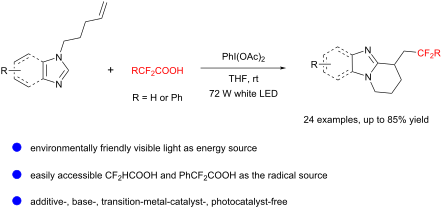
- , Palestine 10.3762/bjoc.21.15 Abstract An efficient and eco-friendly approach for synthesizing difluoromethyl- and aryldifluoromethyl-substituted polycyclic imidazoles was established via a visible-light-promoted radical cyclization reaction. This method employed the readily accessible and inexpensive
- target products in good to excellent yields. Mechanistic studies revealed that the reaction proceeds via a radical pathway. Keywords: cyclization; difluoromethylation; hypervalent iodine; polycyclic imidazole; visible light; Introduction Organofluorine compounds continue to play important roles in
- reaction of unactivated alkenes within benzimidazole molecules using CF2HSO2Na [18]. Subsequently, in 2024, Jin [19] and Yang [20] developed visible light-induced difluoromethylation strategies for unactivated alkenes within benzimidazoles using different CF2H sources (CF2HSO2Na and ([Ph3PCF2H]+Br


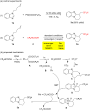
Streamlined modular synthesis of saframycin substructure via copper-catalyzed three-component assembly and gold-promoted 6-endo cyclization
Beilstein J. Org. Chem. 2025, 21, 226–233, doi:10.3762/bjoc.21.14
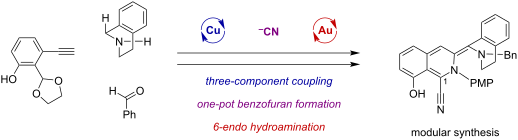
- degassed solvent and light-shielding flask, the oxidative conversion of 12 to the imidate 18 proceeded smoothly. Notably, the transient intermediate 18, exhibiting a sky-blue fluorescence, further underwent a ring opening to afford the tetracyclic 14 with the simultaneous regeneration of both a nitrile and
- , excited at 375 nm): 0.07 (c = 10 μM). Emission image was captured under UV light (365 nm, c = 100 μM in CHCl3). Strategies for the construction of the pentacyclic core scaffold of saframycin A (1). (a) Biosynthetic machinery catalyzed by an NRPS module SfmC. (b) Total syntheses utilizing the Pictet


Hydrogen-bonded macrocycle-mediated dimerization for orthogonal supramolecular polymerization
Beilstein J. Org. Chem. 2025, 21, 179–188, doi:10.3762/bjoc.21.10
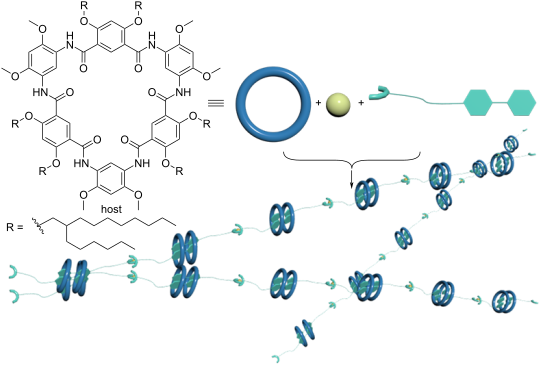
- , when G2 and zinc salt were mixed together in a 1:1 molar ratio, results from dynamic light scattering experiments showed that the average hydrodynamic diameter (Dh) was 524 nm, and no particles of discernible size were observed for a mixture of the macrocycle H1 and G2, or H1 and the salt, whereas with



Recent advances in electrochemical copper catalysis for modern organic synthesis
Beilstein J. Org. Chem. 2025, 21, 155–178, doi:10.3762/bjoc.21.9

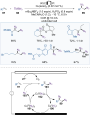
- products and drugs has proven to be useful in these reactions. As shown in Figure 7, the photocatalyst sodium anthraquinone-2,7-disulfonate (AQDS) is excited by 395 nm light to form AQDS* and undergoes electron transfer with arylalkanes 20 to generate an ion-radical pair (AQDS•−, 20•+). This ion radical








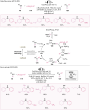
Cu(OTf)2-catalyzed multicomponent reactions
Beilstein J. Org. Chem. 2025, 21, 122–145, doi:10.3762/bjoc.21.7

- and sulfur dioxide afforded vinyl sulfones with excellent regio- and stereoselectivity (Scheme 9) [22]. The authors used DABCO(SO2)2 to generate sulfur dioxide, and visible light irradiation and the mandatory presence of a photocatalyst for this transformation suggested a radical mechanism. The






Recent advances in organocatalytic atroposelective reactions
Beilstein J. Org. Chem. 2025, 21, 55–121, doi:10.3762/bjoc.21.6
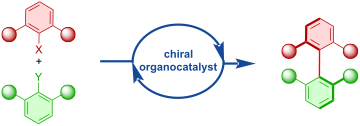
- astounding enantioselectivities. Both, light and organocatalyst proved crucial for the reaction. The photochemical aspect isomerizes the double bond to (Z)-configuration, and CPA stabilizes the structure whilst mediating the cyclization. The wavelength of 405 nm was chosen so that only the starting material
- , not the organocatalyst nor the product being formed, effectively absorb the light. An atroposelective C–H amination was done with the help of SPINOL-derived chiral phosphoric acids C51, C40, and C42 (Scheme 66) [96]. It was a reaction of naphthalenyldiazene carboxylates 222 with derivatives of


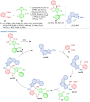





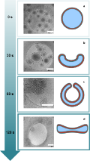
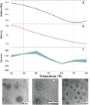
Hot shape transformation: the role of PSar dehydration in stomatocyte morphogenesis
Beilstein J. Org. Chem. 2025, 21, 47–54, doi:10.3762/bjoc.21.5
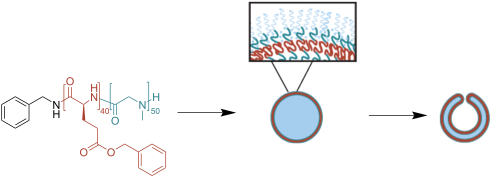
- broadening their potential applications in drug delivery and nanotechnology. Our findings shed light on the unique capabilities of polysarcosine-based polymers, paving the way for further exploration and harnessing of their distinctive properties in biomedical research. Keywords: biodegradable; poly(benzyl


Emerging trends in the optimization of organic synthesis through high-throughput tools and machine learning
Beilstein J. Org. Chem. 2025, 21, 10–38, doi:10.3762/bjoc.21.3
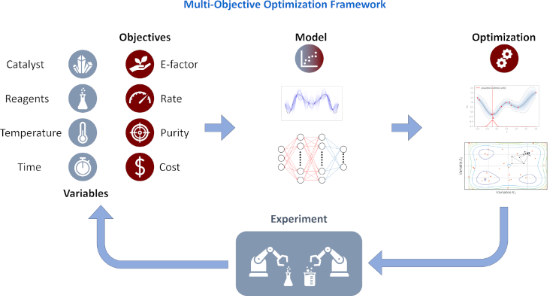
- with feedback DOE facilitated the rapid identification of appropriate solvents. Notably, the use of DMSO, DMF, and pyridine led to an enhanced yield of the monoalkylated product. An experimental setup was developed for single-droplet studies of visible-light photoredox catalysis using an oscillatory
- light [40]. The design allows the screening to be more material- and time-efficient in the optimization of both continuous variables (e.g., temperature and residence time) and discrete variables (e.g., catalyst, base). Pieber et al. [46] reported the application of a segmental flow reactor for
- . Photochemical reactions require uniform light penetration of the reaction mixture, and flow setups with uniform path lengths would be ideal for such reactions. A self-optimizing continuous-flow reactor was designed by Poscharny et al. [59] for [2 + 2]-cycloaddition reactions promoted by light. The optimization


Synthesis, structure and π-expansion of tris(4,5-dehydro-2,3:6,7-dibenzotropone)
Beilstein J. Org. Chem. 2025, 21, 1–7, doi:10.3762/bjoc.21.1
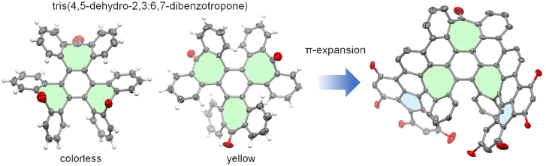
- the colorless crystal, two of these [5]helicenoid moieties display P and M helix structures respectively, whereas the third moiety (colored in light blue) adopts a structure with approximate plane symmetry, recognized as a transition state for the enantiomerization of helicenes. The central benzene
- to Cs-1 (4.37 eV) as calculated at the B3LYP/6-311++G(d,p) level of DFT. The reduced HOMO–LUMO gap of C2-1 can be attributed to the greater conjugation in the essentially flat dibenzotropone moiety. This finding aligns with the fact that the yellow crystal of C2-1 absorbs light of a longer wavelength
- represent the helicity of the three [5]helicenoid moieties. The geometry of 3 deviates from ideal C2 symmetry, as the light blue moiety of 3 (top view in Figure 3) is shaped like a saddle. However, the 1H NMR spectrum of 3 shows only 12 different signals in the aromatic region, indicating a two-fold


Synthesis, characterization, and photophysical properties of novel 9‑phenyl-9-phosphafluorene oxide derivatives
Beilstein J. Org. Chem. 2024, 20, 3299–3305, doi:10.3762/bjoc.20.274
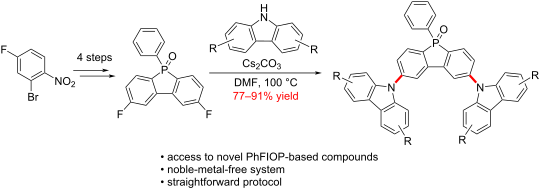
- phosphine oxide (PO) groups have recently received considerable attention for their high thermal stability and unique optoelectronic features, and thus being widely applied in organic light-emitting diodes (OLEDs) [1][2]. To date, tremendous efforts have been devoted to the development of a variety of high




Synthesis of acenaphthylene-fused heteroarenes and polyoxygenated benzo[j]fluoranthenes via a Pd-catalyzed Suzuki–Miyaura/C–H arylation cascade
Beilstein J. Org. Chem. 2024, 20, 3290–3298, doi:10.3762/bjoc.20.273
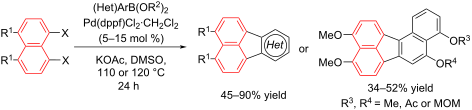
- fluorescent chemosensors and probes [4][5][6], as well as materials for applications in organic light-emitting diodes (OLEDs) [7][8][9], organic field-effect transistors (OFETs) [10], and perovskite solar cells [11]. In this respect, replacing either one or more of the carbons or rings of a fluoranthene with


Reactivity of hypervalent iodine(III) reagents bearing a benzylamine with sulfenate salts
Beilstein J. Org. Chem. 2024, 20, 3281–3289, doi:10.3762/bjoc.20.272
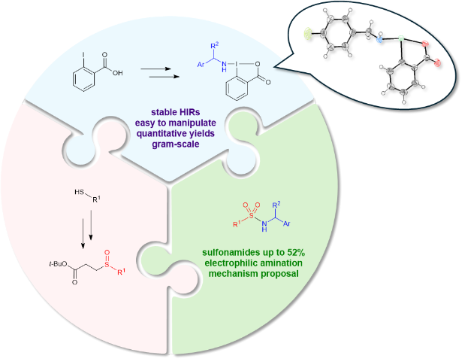
- . A deeper analysis of the composition of the crude mixture revealed the presence of sulfide 3a and disulfide 7a, which formation might probably result from an oxidative reaction involving species generated from 2 sulfenate molecules. A further experiment was carried out in the absence of light. Under
- reaction mechanism that would support both the obtained yields and the formation of unexpected species. As mentioned above, the presence of light influences the reaction outcome. When the reaction was carried out in the absence of light, only 4a, 3a, and 7a were isolated (under these conditions, there was
- a high decrease in the isolated amount of 3a, compared to the same experiment carried out in the presence of light, from 20% to 2% yield). Considering the potential occurrence of a radical pathway, additional experiments were conducted in the presence of galvinoxyl and TEMPO, powerful radical