Search results
Search for "natural products" in Full Text gives 1039 result(s) in Beilstein Journal of Organic Chemistry. Showing first 200.
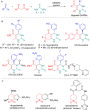
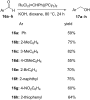
O,S,Se-containing Biginelli products based on cyclic β-ketosulfone and their postfunctionalization
Beilstein J. Org. Chem. 2024, 20, 2143–2151, doi:10.3762/bjoc.20.184
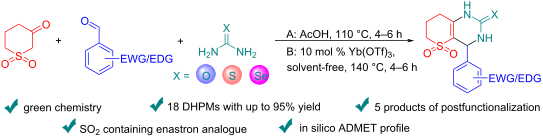
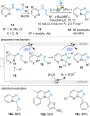
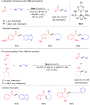
- organic and medicinal chemists. DHPMs are found in a variety of marine-sourced alkaloids, which are essential for creating biologically active natural products [10]. Some of the DHPM derivatives are also known as functional polymers, adhesives, and fabric dyes [8][12]. In recent decades, the scope of the



Diastereoselective synthesis of highly substituted cyclohexanones and tetrahydrochromene-4-ones via conjugate addition of curcumins to arylidenemalonates
Beilstein J. Org. Chem. 2024, 20, 2016–2023, doi:10.3762/bjoc.20.177
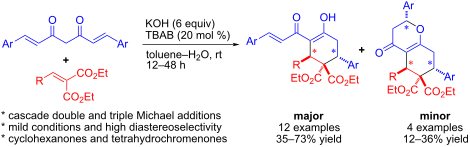
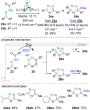
- considerable interest in the stereoselective synthesis of the cyclohexanone skeleton as it constitutes the core structure in many natural products and pharmaceutical drugs [1][2]. Garsubellin A with a cyclohexanone skeleton is a potent inducer of choline acetyltransferase (ChAT) and could be used for the


Harnessing the versatility of hydrazones through electrosynthetic oxidative transformations
Beilstein J. Org. Chem. 2024, 20, 1988–2004, doi:10.3762/bjoc.20.175
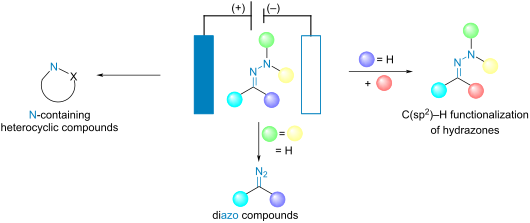
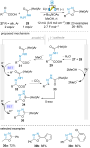
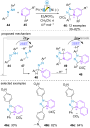
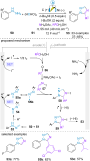
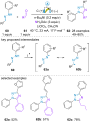
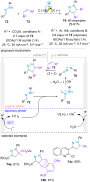
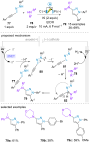
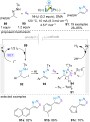
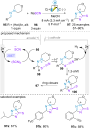
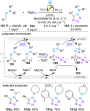
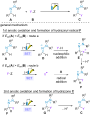
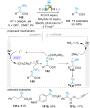
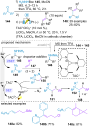
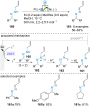
- as pivotal element during the total synthesis of natural products. Therefore, the development of mild and efficient methods to access this motif from readily available starting materials is a never-ending quest. With the aim to propose an alternative to the classical olefination of carbonyls through


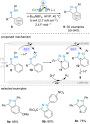







Allostreptopyrroles A–E, β-alkylpyrrole derivatives from an actinomycete Allostreptomyces sp. RD068384
Beilstein J. Org. Chem. 2024, 20, 1981–1987, doi:10.3762/bjoc.20.174
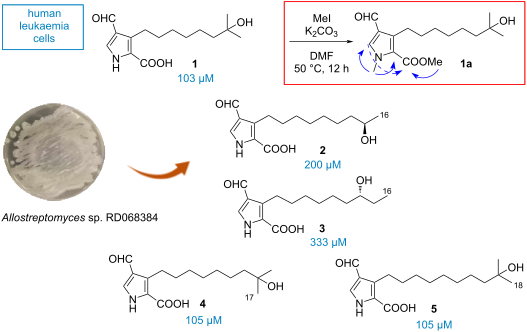
- many marine natural products [6][7], pyrroles substituted with long hydrocarbon chains (pyrrole lipids) are seldomly isolated, and their presence is limited to certain marine organisms [8]. A series of 3-alkylpyrrole-2-carbaldehydes/carboxylic acid/methylcarboxylate was reported from the marine sponge
- of this specific composition have not been reported. The pyrrole-2-carboxyl skeleton is a recurring framework in pyrrolic natural products including microbial pyrrolostatin and aminocoumarin antibiotics [2], plant-derived brachystemidines [26], and lamellarins from marine invertebrates [6] (Figure


Regioselective alkylation of a versatile indazole: Electrophile scope and mechanistic insights from density functional theory calculations
Beilstein J. Org. Chem. 2024, 20, 1940–1954, doi:10.3762/bjoc.20.170
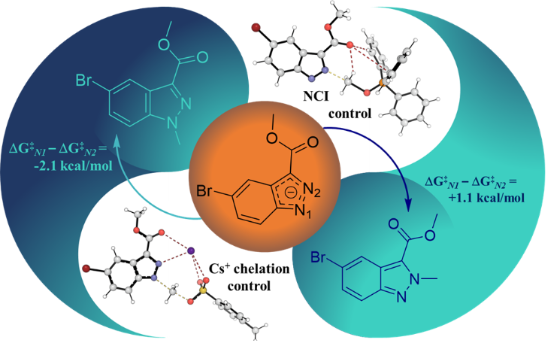
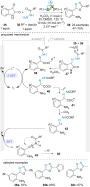
- heterocycles with interesting biological and medicinal properties. Indazole, also called benzpyrazole, is a heterocyclic organic compound commonly found as a structural motif in natural products, pharmaceuticals, agrochemicals, and bioactive compounds [1][2][3][4][5][6]. Indazole-containing compounds possess a


Solvent-dependent chemoselective synthesis of different isoquinolinones mediated by the hypervalent iodine(III) reagent PISA
Beilstein J. Org. Chem. 2024, 20, 1914–1921, doi:10.3762/bjoc.20.167
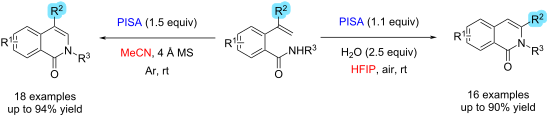
- is an important heterocyclic framework in natural products and biologically active molecules, and the efficient synthesis of this structural motif has received much attention in recent years. Herein, we report a (phenyliodonio)sulfamate (PISA)-mediated, solvent-dependent synthesis of different
- ); isoquinolinone; solvent-dependence; Introduction Isoquinolinone is an important heterocyclic structure found in many natural products and biologically active compounds, including pharmaceuticals [1]. For instance, lycoricidine, found in the medicinal plant Lycoris radiata, may inhibit the MCPyV LT protein
- . Selected natural products, pharmaceuticals, and biologically active compounds having an isoquinolinone scaffold. Chemoselective and PISA-mediated, solvent-controlled synthesis of different isoquinolinone derivatives 2 and 3. Substrate scope for the synthesis of 4-substituted isoquinolinones 2. Reaction




The Groebke–Blackburn–Bienaymé reaction in its maturity: innovation and improvements since its 21st birthday (2019–2023)
Beilstein J. Org. Chem. 2024, 20, 1839–1879, doi:10.3762/bjoc.20.162
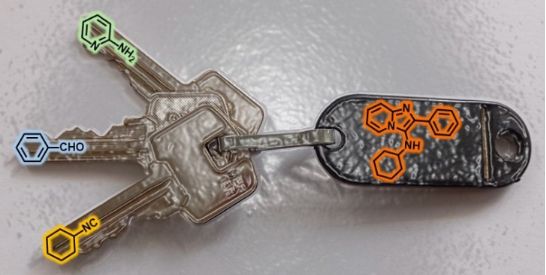
- avoid opening of the furan ring. The authors explored the substrate scope by using different isocyanides and 2-aminoazines, obtaining 6 potentially bioactive pseudo natural products 35 in low to moderate yield (21–67%). Bräse et al. [45] reported the possibility of exploiting the GBB-3CR to synthesize a






Discovery of antimicrobial peptides clostrisin and cellulosin from Clostridium: insights into their structures, co-localized biosynthetic gene clusters, and antibiotic activity
Beilstein J. Org. Chem. 2024, 20, 1800–1816, doi:10.3762/bjoc.20.159

- associated bioactive peptides. Keywords: antimicrobials; genome mining; lantibiotics; lanthipeptides; multi-drug resistant bacteria; natural products; Introduction Antimicrobial resistance (AMR) is a significant public health challenge. Only in 2019, there were 4.95 million deaths associated with AMR [1
- are derived from bacterial natural products (NPs), which have proven to be a valuable source of antimicrobial agents. During the latter part of the 20th century, the discovery of NPs was hindered by the limitation of traditional methods, which often led to the rediscovery of previously identified NPs




Chemo-enzymatic total synthesis: current approaches toward the integration of chemical and enzymatic transformations
Beilstein J. Org. Chem. 2024, 20, 1693–1712, doi:10.3762/bjoc.20.151
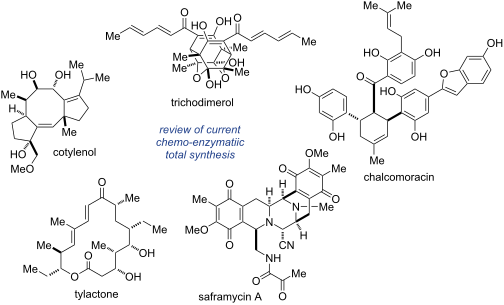
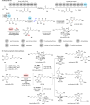
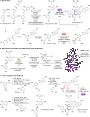
- biosynthetic enzymatic transformations with chemical conversions. This review focuses on the total synthesis of natural products and classifies the enzymatic reactions into three categories. The total synthesis of five natural products: cotylenol, trichodimerol, chalcomoracin, tylactone, and saframycin A, as
- approach" merging efficient enzymatic synthesis – traditionally employed in the biosynthesis of natural products by microorganisms and plants – with precise chemical synthesis conducted by chemists. Chemo-enzymatic total syntheses reported recently fall into three main categories based on the purpose for
- stereoselective cyclization reactions. This review aims to provide an overview of these approaches and parallel comparisons with original biosynthetic pathways by highlighting five examples of chemo-enzymatic total syntheses of natural products reported since 2017. The examples are the synthesis of cotylenol (1




Methyltransferases from RiPP pathways: shaping the landscape of natural product chemistry
Beilstein J. Org. Chem. 2024, 20, 1652–1670, doi:10.3762/bjoc.20.147
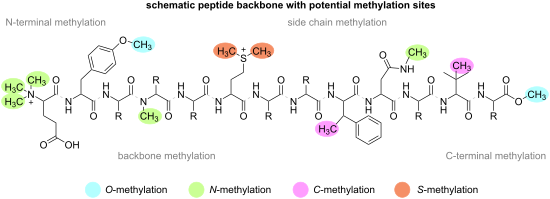
- within the context of ribosomally synthesised and post-translationally modified peptide (RiPP) natural products. Methyltransferases play a pivotal role in the biosynthesis of diverse natural products with unique chemical structures and bioactivities. They are highly chemo-, regio-, and stereoselective
- bioactivities [1]. RiPP natural products are typically encoded in a biosynthetic gene cluster (BGC) and produced following defined biosynthetic rules. Initially, a precursor peptide encompassing a core peptide, a leader part and/or a follower part, is synthesised at the ribosome. Next, distinct maturases
- resulting natural products with a spectrum of chemical complexity, contributing to the broad range of biological activities exhibited by RiPPs. Bioactivities attributed to RiPPs include a wide range of effects, such as antibiotic, antifungal, antiviral, antiparasitic, antitumour, analgesic, anti




Polymer degrading marine Microbulbifer bacteria: an un(der)utilized source of chemical and biocatalytic novelty
Beilstein J. Org. Chem. 2024, 20, 1635–1651, doi:10.3762/bjoc.20.146
- novelty. In this review, we summarize the distribution of Microbulbifer bacteria, activities of the various polymer degrading enzymes that these bacteria produce, and an up-to-date summary of the natural products that have been isolated from Microbulbifer strains. We argue that these bacteria have been
- hiding in plain sight, and contemporary efforts into their genome and metabolome mining are going to lead to a proliferation of Microbulbifer-derived natural products in the future. We also describe, where possible, the ecological interactions of these bacteria in marine microbiomes. Keywords: bacteria
- ; hydrolases; marine natural products; Introduction Microbial natural products represent an important reservoir for drug discovery and along with their (semi)synthetic derivatives, constitute a major component of the contemporary pharmaceutical arsenal. Their thusly validated utility is juxtaposed against the




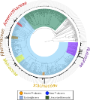
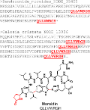
Mining raw plant transcriptomic data for new cyclopeptide alkaloids
Beilstein J. Org. Chem. 2024, 20, 1548–1559, doi:10.3762/bjoc.20.138

- discovering diverse natural products from bacteria and fungi. In plants, this approach is often more limited due to the lack of available annotated genomes and transcriptomes combined with a less consistent clustering of biosynthetic genes. The recently identified burpitide class of ribosomally synthesized
- and post-translationally modified peptide (RiPP) natural products offer a valuable opportunity for bioinformatics-guided discovery in plants due to their short biosynthetic pathways and gene encoded substrates. Using a high-throughput approach to assemble and analyze 700 publicly available raw
- transcriptomic data sets, we uncover the potential distribution of split burpitide precursor peptides in Streptophyta. Metabolomic analysis of target plants confirms our bioinformatic predictions of new cyclopeptide alkaloids from both known and new sources. Keywords: burpitides; natural products; plants; RiPPs





Primary amine-catalyzed enantioselective 1,4-Michael addition reaction of pyrazolin-5-ones to α,β-unsaturated ketones
Beilstein J. Org. Chem. 2024, 20, 1518–1526, doi:10.3762/bjoc.20.136
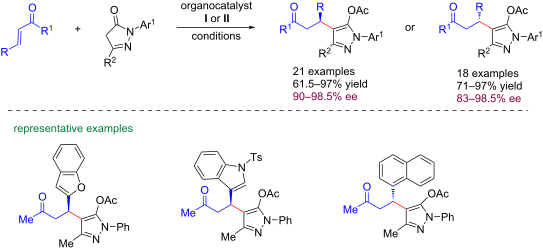
- ; organocatalysis; pyrazoles; Introduction N-Heterocycles are attractive molecules owing to their extensive applications in small-molecule drugs, natural products, and agrochemical products [1][2][3]. Among the N-heterocycles, pyrazole is an important structural scaffold, found in several marketed drugs and




Electrophotochemical metal-catalyzed synthesis of alkylnitriles from simple aliphatic carboxylic acids
Beilstein J. Org. Chem. 2024, 20, 1497–1503, doi:10.3762/bjoc.20.133
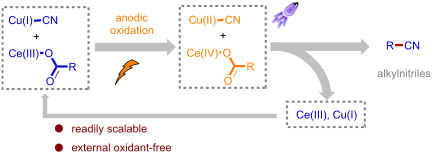
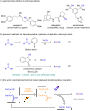
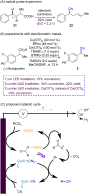
- ][18]. Owing to the prevalence of aliphatic carboxylic acids in biomass and natural products, decarboxylative cyanation represents one of the most straightforward and attractive approaches to accessing alkylnitriles [19][20]. As an elegant example, Barton demonstrated the application of redox-active


Bioinformatic prediction of the stereoselectivity of modular polyketide synthase: an update of the sequence motifs in ketoreductase domain
Beilstein J. Org. Chem. 2024, 20, 1476–1485, doi:10.3762/bjoc.20.131
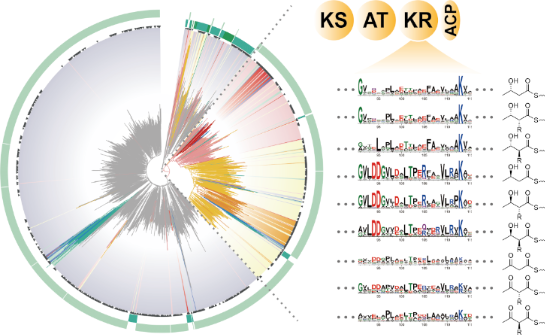
- University, Hangzhou 310030, China Institute of Natural Sciences, Westlake Institute for Advanced Study, Hangzhou 310024, China Westlake Laboratory of Life Sciences and Biomedicine, Hangzhou 310030, China 10.3762/bjoc.20.131 Abstract Polyketides are a major class of natural products, including bioactive


Synthesis of 4-functionalized pyrazoles via oxidative thio- or selenocyanation mediated by PhICl2 and NH4SCN/KSeCN
Beilstein J. Org. Chem. 2024, 20, 1453–1461, doi:10.3762/bjoc.20.128
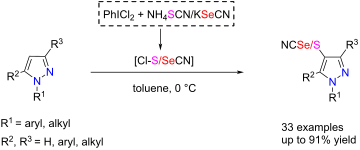
- efficient strategies for accessing functionalized pyrazole derivatives. Thio/selenocyano groups are widely existing in the core structural motifs of various natural products and pharmaceutical agents [16][17][18][19][20]. Many S/SeCN-containing bioactive small molecules have been proved to possess wide


Challenge N- versus O-six-membered annulation: FeCl3-catalyzed synthesis of heterocyclic N,O-aminals
Beilstein J. Org. Chem. 2024, 20, 1412–1420, doi:10.3762/bjoc.20.123
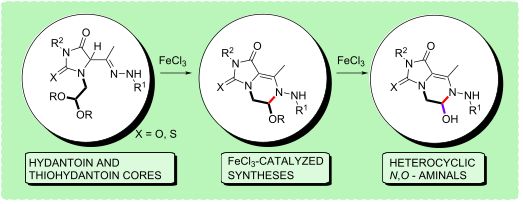
- natural products, pharmaceuticals, and functional materials (Figure 1) [1][2][3]. It has been assessed that almost one-third of the best-selling therapeutics contains fused heterocyclic structures [4]. Among the N-heterocycles, imidazopyrazine structures [5][6], derived from amalgamation of privileged
- a new example of cyclic N,O-aminals and carbinolamine derivatives, an interesting class of organic compounds that are common structural motifs embedded within diverse biologically important natural products and pharmaceuticals [32][33][34][35][36][37]. On the other hand, the N,O-aminals are stable


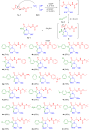


Synthetic applications of the Cannizzaro reaction
Beilstein J. Org. Chem. 2024, 20, 1376–1395, doi:10.3762/bjoc.20.120
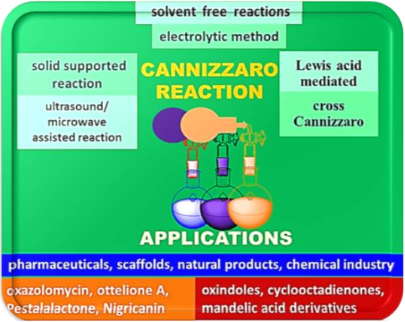
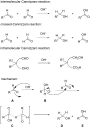
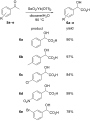
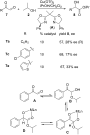
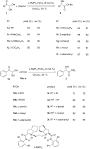
- intramolecular synthetic strategies. Immense applications in the synthesis of hydroxy acids and esters, heterocycles, fused carbocycles, natural products, and others with broad substrate scope have raised profound interest from methodological and synthetic standpoints. The ongoing development of reagents
- potentially useful molecules. Keywords: Cannizzaro reaction; crossed-Cannizzaro; desymmetrization; Lewis acid catalyst; natural products; Introduction The synthesis of functionalized molecules with structural complexity has always been a challenge to synthetic chemists. The Cannizzaro reaction, in its
- methodologies, such as Lewis acid catalysis, desymmetrization of symmetrical dialdehydes, synthesis of natural products, and building blocks. These modifications constitute the main highlight of this review. The use of modern technology and newer strategies aiming towards industrial benefit is the goal for the








Computation-guided scaffold exploration of 2E,6E-1,10-trans/cis-eunicellanes
Beilstein J. Org. Chem. 2024, 20, 1320–1326, doi:10.3762/bjoc.20.115

- natural products containing a foundational 6/10-bicyclic framework and can be divided into two main classes, cis and trans, based on the configurations of their ring fusion at C1 and C10. Previous studies on two bacterial diterpene synthases, Bnd4 and AlbS, revealed that these enzymes form cis- and trans
- rearrangement; DFT calculations; diterpene; electrophilic cyclization; eunicellane; Introduction The eunicellane diterpenoids are a family of nearly 400 natural products that present a conserved 6/10-bicyclic hydrocarbon framework [1][2][3]. Mostly known from soft corals [2], but with a growing number of
- functional groups at C6 (Figure 4). The goals were to evaluate the scope of electrophile-mediated cyclization and diversify the gersemiane skeleton for bioactivity assays. A structural similarity search of 5 and 6 revealed that several natural products, including the coral gersemiols [24] and plagicosin N


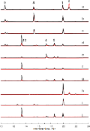
Cofactor-independent C–C bond cleavage reactions catalyzed by the AlpJ family of oxygenases in atypical angucycline biosynthesis
Beilstein J. Org. Chem. 2024, 20, 1198–1206, doi:10.3762/bjoc.20.102
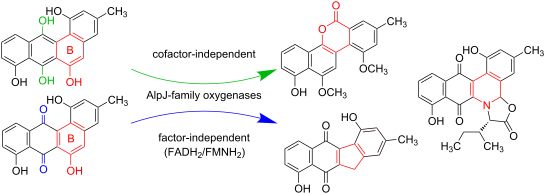
- cofactor-independent manner. Keywords: angucyclines; aromatic polyketide; biosynthesis; cofactor-independent oxygenase; oxidative rearrangement reaction; Introduction The angucyclines represent a large class of natural products biosynthesized by type II polyketide synthases. Within this category, a




Stability trends in carbocation intermediates stemming from germacrene A and hedycaryol
Beilstein J. Org. Chem. 2024, 20, 1189–1197, doi:10.3762/bjoc.20.101
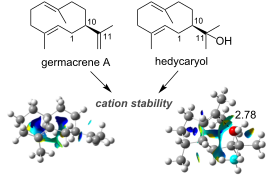
- derived from germecrene A. Keywords: carbocation; germacrene A; hedycaryol; stability trend; terpenes; Introduction Terpenoids form a large and highly diverse group of natural products with a wide range of usage in the pharmaceutical, cosmetic, agricultural, food, and energy industry. Among their
- , whereas natural products from C are unknown and a few sesquiterpenes are known products of D. Similarly, in the case of hedycaryols, cation A-OH can undergo deprotonations to yield α-eudesmol [20], β-eudesmol [14], or γ-eudesmol [15]. Cation B-OH can potentially lead to alcohols by deprotonation or to


Bismuth(III) triflate: an economical and environmentally friendly catalyst for the Nazarov reaction
Beilstein J. Org. Chem. 2024, 20, 1167–1178, doi:10.3762/bjoc.20.99
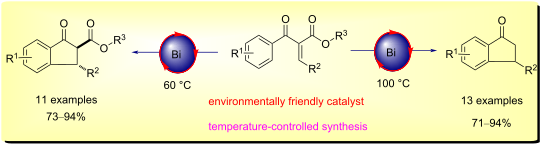
- ; indanones; Nazarov reaction; Introduction Natural products are the source of inspiration for several research groups that develop new synthetic methodologies. The chemistry of five-membered rings plays an important role in organic chemistry, both because of the wide occurrence in nature [1][2][3][4][5][6
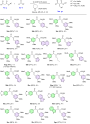
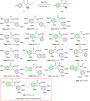
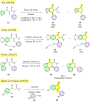
- found in a series of natural products and synthetic molecules with different biological activities [11][80][81]. In particular, 1-indanones substituted in position 3 are important synthons for some drugs and natural products [82][83][84]. A bibliographic survey revealed that some methods were developed




Manganese-catalyzed C–C and C–N bond formation with alcohols via borrowing hydrogen or hydrogen auto-transfer
Beilstein J. Org. Chem. 2024, 20, 1111–1166, doi:10.3762/bjoc.20.98
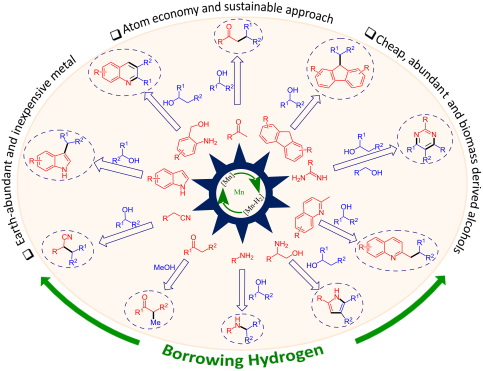
- are of substantial importance for the fine chemical industry, pharmaceuticals, agrochemicals, dyes, and natural products [25]. The synthesis of amine derivatives can be accomplished using many powerful techniques, including Buchwald–Hartwig and Ullmann cross-coupling reactions, hydroamination
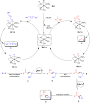
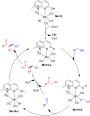
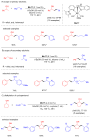
- interrupted BH approach using Mn26 (3 mol %) and t-BuOK (50 mol %) in toluene at 130 °C for 24 h (Scheme 67). Fascinatingly, this process was used to synthesize pharmacologically active compounds like vibrindole A and turbomycin B alkaloids and natural products like gramine and dipterine analogues. Discrete























A Diels–Alder probe for discovery of natural products containing furan moieties
Beilstein J. Org. Chem. 2024, 20, 1001–1010, doi:10.3762/bjoc.20.88
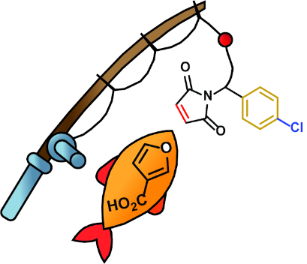
- , Indiana 47906, United States 10.3762/bjoc.20.88 Abstract Natural products (NPs) are fantastic sources of inspiration for novel pharmaceuticals, oftentimes showing unique bioactivity against interesting targets. Specifically, NPs containing furan moieties show activity against a variety of diseases
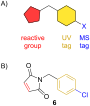
- products, methylenomycin furan (MMF) hormones, and MMF derivatives. Moreover, the molecular probe has been tested in crude supernatants of various Streptomyces strains and enables identification of MMFs. Keywords: Diels–Alder reaction; furans; methylenomycin furan hormones; natural products; reactivity
- -based probes; Introduction To date, natural products and their derivatives have served as the foundation of many pharmaceuticals used today. These compounds have activity against various diseases such as cancer, bacterial infections, and fungal infections, as well as other indications [1]. Specifically




Enhancing structural diversity of terpenoids by multisubstrate terpene synthases
Beilstein J. Org. Chem. 2024, 20, 959–972, doi:10.3762/bjoc.20.86
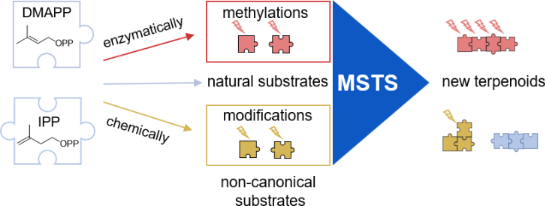
- TaiKang Center for Life and Medical Sciences, Wuhan University, Wuhan, Hubei 430071, China 10.3762/bjoc.20.86 Abstract Terpenoids are one of the largest class of natural products with diverse structures and activities. This enormous diversity is embedded in enzymes called terpene synthases (TSs), which
- multisubstrate terpene synthases (MSTSs) and highlight their potential applications. Keywords: noncanonical terpene; substrate promiscuity; synthetic biology; terpene synthase; terpenoid; Introduction Terpenoids constitute the largest class of natural products with more than 80000 known structures [1] and a
- noncanonical prenyl substrates Most of the terpene biosynthesis is well defined by the ‘isoprene rule’ to form natural products by the polymerization of C5 isoprene. Although terpenes with irregular carbon atoms (C6, C7, C11, C12, C16, and C17) have been characterized, they are thought to be synthesized by