Search results
Search for "water" in Full Text gives 2261 result(s) in Beilstein Journal of Organic Chemistry. Showing first 200.
Entry to 2-aminoprolines via electrochemical decarboxylative amidation of N‑acetylamino malonic acid monoesters
Beilstein J. Org. Chem. 2025, 21, 630–638, doi:10.3762/bjoc.21.50
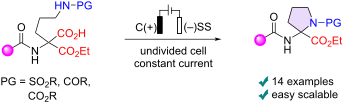
- ]. Accordingly, the electrolysis of monoester 9a in a 2:1 MeCN/H2O mixture in the presence of 0.025 M LiClO4 solution under constant current conditions (j = 12 mA/cm2) with graphite both as an anode and a cathode material afforded the desired N-tosylpyrrolidine 6a in 67% yield (Table 1, entry 1). The water
- amount of water was reduced from 33% to 17% (Table 1, entry 8 vs entry 7), an observation that might be useful for substrates of low aqueous solubility. However, further reduction of water amount to 5 equivalents completely inhibited the anodic oxidation of 9a, and only traces of the desired 6a were
- (entry 10, Table 1) in deuterated solvents (Scheme 2; for details, see Supporting Information File 1, page S40). Surprisingly, the electrolysis in a 5:1 mixture of MeCN-d3 and water delivered 11d without deuterium incorporation (Scheme 2, reaction 1). In contrast, the formation of deuterated 11d-D was



Photocatalyzed elaboration of antibody-based bioconjugates
Beilstein J. Org. Chem. 2025, 21, 616–629, doi:10.3762/bjoc.21.49
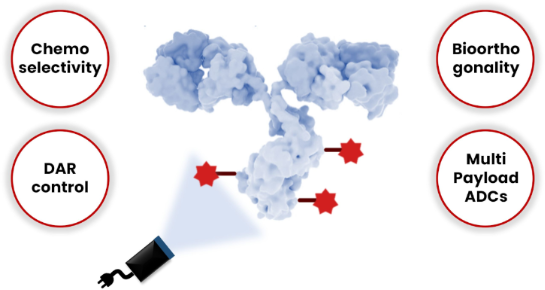
- available and inexpensive Ru(bpy)3, along with a water-soluble, air- and moisture-stable Ni(dabpy)Br2 catalyst. Moreover, they demonstrated that this system works efficiently in aqueous conditions, making it highly suitable for applications involving antibodies. These characteristics make the method highly
- facilitated a site-specific covalent linkage to the antibody, resulting in the formation of a DAR 2 ADC precursor. For their ADC design strategy, the group selected a polyethylene glycol (PEG) linker, as it enhances the water solubility of the ADC, while the payload consists of the cytotoxic agent DM1, which
- aqueous media is essential for the modification of antibodies, as these biomolecules are typically dissolved in water or aqueous buffers to maintain their stability and activity. Antibodies are sensitive to their environment, and using a non-negligible amount of organic solvents or harsh chemical


Semisynthetic derivatives of massarilactone D with cytotoxic and nematicidal activities
Beilstein J. Org. Chem. 2025, 21, 607–615, doi:10.3762/bjoc.21.48
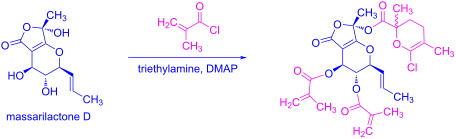
- Agilent 1100 series preparative HPLC system [ChemStation software (Rev. B.04.03 SP1); binary pump system; column: Kinetex 5u RP C18, dimensions 250 × 21.20 mm; mobile phase: ACN + 0.05% trifluoroacetic acid (TFA) and water + 0.05% TFA; flow rate: 20 mL/min; diode array UV detector; 226 fraction collector
- mixture was stirred at room temperature overnight. The reaction mixture was suspended in water (25 mL) and extracted with CH2Cl2 (2 × 25 mL). The combined organic layer was evaporated to dryness to give a residue, which was dissolved in methanol (300 μL) and purified by preparative HPLC [ChemStation
- software (Rev. B.04.03 SP1); binary pump system; column: Kinetex 5u RP C18, dimensions 250 × 21.20 mm; mobile phase: ACN + 0.05% trifluoroacetic acid (TFA) and water + 0.05% TFA; flow rate 20 mL/min; diode array UV detector; 226 fraction collector. A gradient from 47 to 72% solvent B in 50 min was used


Sequential two-step, one-pot microwave-assisted Urech synthesis of 5-monosubstituted hydantoins from L-amino acids in water
Beilstein J. Org. Chem. 2025, 21, 596–600, doi:10.3762/bjoc.21.46
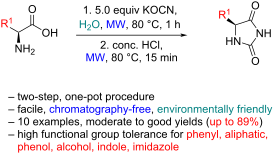
- hydantoins [19][20], we aim towards creating a more efficient procedure to access hydantoins. We are interested in the synthesis of hydantoins from amino acids and potassium cyanate in water due to its simplicity and environmental friendliness, which also precludes the use of water-sensitive and highly toxic
- Discussion As the first step of Urech hydantoin synthesis involved the N-carbamylation of amino acids, we carried out the microwave-assisted synthesis of urea derivatives in water, utilizing ʟ-phenylaniline as the representative amino acid. The optimal conditions for the N-carbamylation of ʟ-phenylaniline
- were first verified using different equivalents of KOCN at different temperatures in water under microwave heating conditions (Scheme 1, Table 1), and 5.0 equiv of KOCN and microwave irradiation at 80 °C produced the best yield for H1a (Table 1, entry 2). Inspired by the simplicity of the procedure, a


Formaldehyde surrogates in multicomponent reactions
Beilstein J. Org. Chem. 2025, 21, 564–595, doi:10.3762/bjoc.21.45
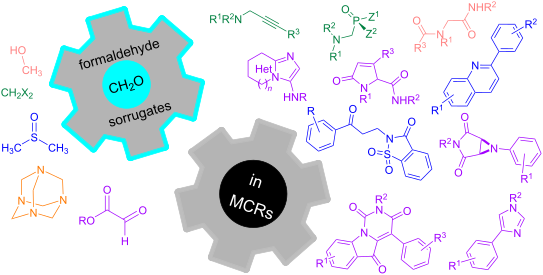
- carbon atom, due to the readiness for losing a water molecule. Formaldehyde is commonly used in its polymeric form (paraformaldehyde) or in a 37% aqueous solution (formalin). The exceptional solubility of formaldehyde in water or biobased solvents, such as ethanol and glycerol, enhances the feasibility
- [17][18]. An important drawback of this solvent is the difficulty of its removal from the reaction crude, and extractions with water are commonly employed before purification. Depending on the reaction conditions, DMSO can be transformed into different products, e.g., under redox conditions, DMSO can
- ], DMSO [64], water, and even neat conditions [62]. In some cases, the same dihalomethane can be used as both the reactant and solvent. For example, Aguilar et al., proved that when using CH2Cl2 as both a solvent and a C1 source, they could obtain propargylamines 29 with good yields from secondary amines


Binding of tryptophan and tryptophan-containing peptides in water by a glucose naphtho crown ether
Beilstein J. Org. Chem. 2025, 21, 541–546, doi:10.3762/bjoc.21.42
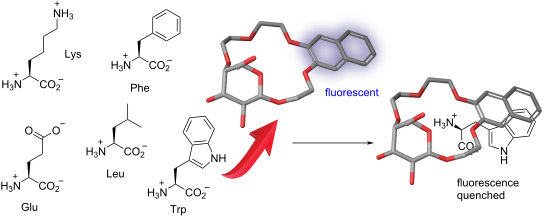
- binding of tryptophan is therefore important for diagnostic and medicinal applications. Recently, we reported a glucose naphtho crown ether which is a chemoselective receptor for the esters of aromatic amino acids, in particular tryptophan, in water. Herein, we demonstrate that the same compound also
- binding of tryptophan in water [9]. However, the development of selective amino acid receptors in aqueous environments is challenging since it requires a combination of hydrophobic and polar interactions for binding [10][11][12]. As a result, the number of reported selective receptors for tryptophan in
- in water [21]. Crown ether 1 is particularly suited for the sensing of Trp methyl ester, which it binds with a higher affinity than the Phe and Tyr esters. Additionally, the binding of Trp-OMe results in a highly efficient fluorescence quenching of the naphthalene unit in the receptor. Herein, we


Deep-blue emitting 9,10-bis(perfluorobenzyl)anthracene
Beilstein J. Org. Chem. 2025, 21, 515–525, doi:10.3762/bjoc.21.39
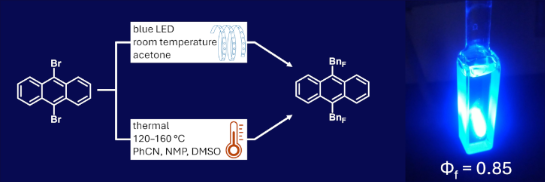
- , dried over 4 Å molecular sieves); quinine hemisulfate salt monohydrate (Fluka); sulfuric acid (EMD Chemicals); diethyl ether anhydrous (EMD Chemicals, ACS grade); chloroform-d (CDCl3, Cambridge Isotope Labs, 99.8%); hexafluorobenzene (C6F6, Oakwood Products); deionized distilled water (purified with a
- Barnstead NANOpure Ultrapure Water system, producing water with a final resistance of at least 18 MΩ); and silica gel (Sigma-Aldrich, 70–230 mesh, 60 Å). For HPLC separations: acetonitrile (Fisher Scientific ACS grade); toluene (Fisher Scientific, ACS grade); and heptane (Mallinckrodt Chemicals, ACS grade
- were extracted with Et2O and washed four to six times with doubly distilled water removing the aqueous layer each time. Anhydrous MgSO4 was added to the organic layer and passed through silica gel with DCM as the eluent. The organic layer was then concentrated to dryness. Yield (isolated): 9-H-10-BnF





Synthesis of N-acetyl diazocine derivatives via cross-coupling reaction
Beilstein J. Org. Chem. 2025, 21, 490–499, doi:10.3762/bjoc.21.36
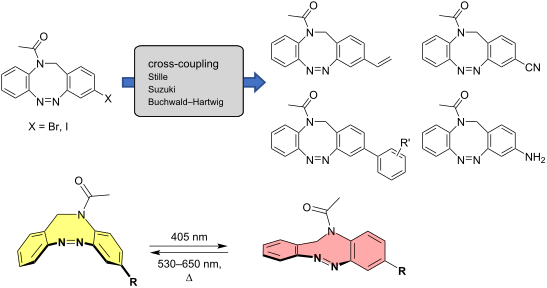
- azobenzene is that the switching efficiency decreases sharply with increasing water content in the solvent. In a recently published paper, we reported that replacing one CH2 group in the bridge with NCOCH3 not only confers intrinsic water solubility, but also largely eliminates the problem of reduced
- neurotransmitters [10][11] or as switching units for potential dependent potassium channels [12]. Compared to the Z → E conversion rate of 92% (in n-hexane) of the parent diazocine the conversion in water/DMSO mixtures is decreasing with increasing water concentration (73% in water/DMSO 9:1) [8][9][10][11][12
- ]. Moreover, the parent diazocine is insoluble in water (precipitation in water/DMSO > 9:1). Substitution with polar substituents such as CH2NH2 provides water solubility, however, it does not restore the high Z → E conversion rates of the parent system in organic solvents, which is a disadvantage, since


Organocatalytic kinetic resolution of 1,5-dicarbonyl compounds through a retro-Michael reaction
Beilstein J. Org. Chem. 2025, 21, 473–482, doi:10.3762/bjoc.21.34
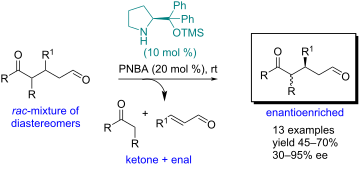
- a greater or lesser extent, in all the solvents tested except in water (Table 1, entry 19), where the mixture remains unchanged after 100 hours. The enantiomeric ratio of the diastereomer anti-1 depends on the solvent used, with toluene (Table 1, entry 22) providing the best results. Finally


Photomechanochemistry: harnessing mechanical forces to enhance photochemical reactions
Beilstein J. Org. Chem. 2025, 21, 458–472, doi:10.3762/bjoc.21.33
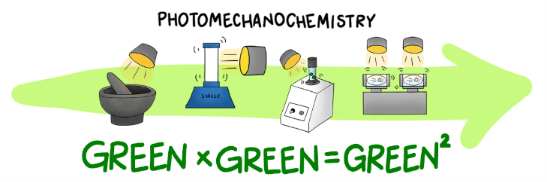
- of organic solvents [34] required for light-mediated transformations including on- and in-water approaches [35][36][37], the use of supercritical CO2 as solvent [38], and the melting point depression strategy [39]. However, a more drastic option would be to remove the solvent: no solvent is the best




Beyond symmetric self-assembly and effective molarity: unlocking functional enzyme mimics with robust organic cages
Beilstein J. Org. Chem. 2025, 21, 421–443, doi:10.3762/bjoc.21.30
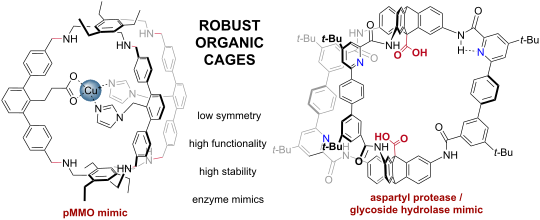
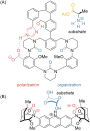
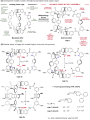
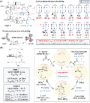
- water (Figure 2A) [71][72][73], or by binding a hydrophobic substrate and holding it close to a functional(ized) rim (e.g., as in cyclodextrins) that performs a reaction (Figure 2B) [74][75][76][77][78][79]. These effects are driven mostly by effective concentration/molarity (i.e., proximity of reacting
- phosphodiesters by 105–107 by electrophilic activation of ester and nucleophilic activation of water or peroxide at the metal ion [101][102]. The takeaway message is that polarization is most effective when it is bifunctional. In enzymes, there is never just a nucleophile – there is always a metal, “oxyanion hole
- a size-selective space [105][126][129][130][132][134]. A key advantage is that these capsules have been made on multi-hundred-gram scales and can be recycled [132]. Additionally, control of structural or bound water by the capsule [105] and properties such as a lowered pKa inside [125] demonstrate a




Identification and removal of a cryptic impurity in pomalidomide-PEG based PROTAC
Beilstein J. Org. Chem. 2025, 21, 407–411, doi:10.3762/bjoc.21.28
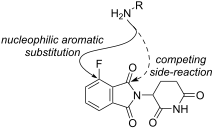
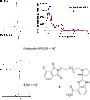
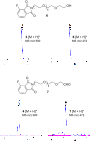
- confirmed the presence of 6 that similarly co-eluted with 3 and 7 that completely overlapped with 4 on HPLC under our standard conditions (MeCN/0.1% TFA in water, 10%→60% 0→7 min, 60%→100% 7→10 min, 100% 10→15 min) (Figure 3). The identity of these impurities was further confirmed by independent synthesis




Synthesis, structure, ionochromic and cytotoxic properties of new 2-(indolin-2-yl)-1,3-tropolones
Beilstein J. Org. Chem. 2025, 21, 358–368, doi:10.3762/bjoc.21.26
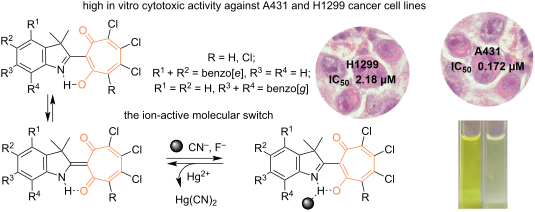
- represent molecular switches of optical and fluorescent properties under sequential addition of CN− and Hg2+ ions and the transformation cycle presented in Scheme 3 can be repeated at least 5–6 times. The resulting compounds 7b and 8a,b have extremely low water solubility, which makes it impossible to
- prepare concentrations sufficient for studying cellular cytotoxicity. In this regard, 1,3-tropolone 7a, which has an acceptable level of solubility in water, was used for biological testing. The in vitro cytotoxic activity was investigated with A431 skin cancer and H1299 lung cancer cell lines. A standard




Synthesis, characterization, antimicrobial, cytotoxic and carbonic anhydrase inhibition activities of multifunctional pyrazolo-1,2-benzothiazine acetamides
Beilstein J. Org. Chem. 2025, 21, 348–357, doi:10.3762/bjoc.21.25
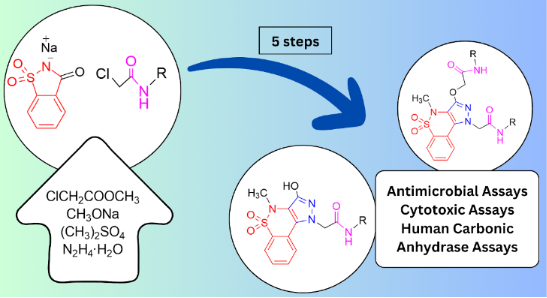
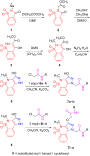
- of pyrazolo-1,2-benzothiazine derivative 5 A solution of compound 4 (269 mg, 1 mmol) in ethanol (10 mL) was refluxed with excess of hydrazine monohydrate for 24 hours. After the completion of reaction, unreacted hydrazine was removed under vacuum. Cold acidified water was poured into the residue
- . Yellow-colored precipitates of product 5 were formed which were separated via filtration followed by washing with excess of water. After drying, recrystallization was done with ethanol. Mp 265–266 °C; yield: 221 mg (88%). Synthesis of pyrazolo-1,2-benzothiazine-N-aryl/benzyl/cyclohexylacetamides 7a–h
- diluted with cold water and acidified with 5% cold HCl. The solution was allowed to stand for 15 minutes to complete precipitation. Precipitates were collected via filtration and washed with excess distilled water. The dried product was then recrystallized from absolute ethanol. Synthesis of pyrazolo-1,2


Synthesis of new condensed naphthoquinone, pyran and pyrimidine furancarboxylates
Beilstein J. Org. Chem. 2025, 21, 340–347, doi:10.3762/bjoc.21.24
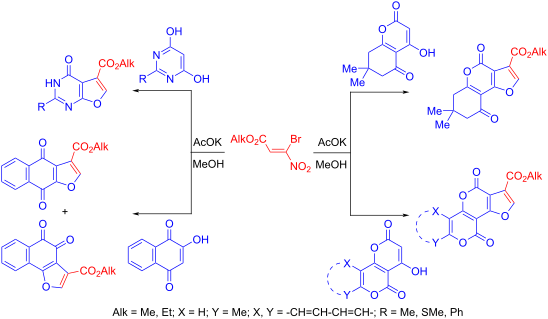
- (2c) or 4-hydroxy-2H,5H-pyrano[3,2-c][1]benzopyran-2,5-dione (2d) in yields up to 51% (Scheme 6). Furopyrimidines 7a–f were obtained by reacting bromonitroacrylates 1a,b with representatives of substituted pyrimidines 2e–g. The reactions proceed successfully by refluxing in a water–alcohol (in the


Antibiofilm and cytotoxic metabolites from the entomopathogenic fungus Samsoniella aurantia
Beilstein J. Org. Chem. 2025, 21, 327–339, doi:10.3762/bjoc.21.23
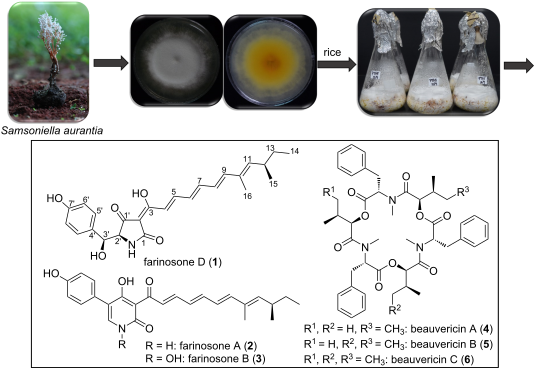
- isolated from a lepidopteran larva found on the leaf litter buried in the soil, on October 6, 2012. Cultivation and extraction Samsoniella aurantia was cultivated on potato dextrose agar (PDA: 200 g potato, 20 g dextrose, 15 g agar in 1 L distilled water, Difco). Mycelial plugs, each with a diameter of 7.0
- mm, were inoculated with rice in 10 × 1 L Erlenmeyer flasks, each containing 180 g of rice and 180 mL of distilled water that were foremost autoclaved, and the mixture was incubated for 16 days under static conditions at room temperature until full mycelial growth was achieved. Upon reaching optimal
- evaporation at 40 °C, forming a semi-solid residue dispersed in water. Liquid–liquid extraction against EtOAc (1:1) was conducted twice. The organic phases were combined, filtered, and evaporated under vacuum, while the aqueous phase was discarded. Isolation of compounds 1–6 The obtained organic crude extract


Effect of substitution position of aryl groups on the thermal back reactivity of aza-diarylethene photoswitches and prediction by density functional theory
Beilstein J. Org. Chem. 2025, 21, 242–252, doi:10.3762/bjoc.21.16
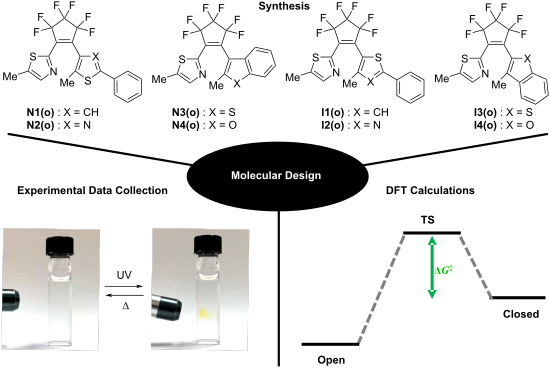
- dropwise to the solution at −78 °C, and the mixture was refluxed for 20 min. Perfluorocyclopentene (1.2 mL, 8.7 mmol) was added, and the mixture was stirred for 2 h. An adequate amount of distilled water was added to the mixture to quench the reaction. The reaction mixture was neutralized by an aqueous HCl
- mixture was refluxed for 40 min. Perfluorocyclopentene (2.2 mL, 17 mmol) was added, and the mixture was stirred for 5 h. An adequate amount of distilled water was added to the mixture to quench the reaction. The reaction mixture was neutralized by HCl aqueous solution, extracted with ether, washed with
- solution at −78 °C, and the mixture was refluxed for 40 min. 2-Methyl-3-(perfluorocyclopent-1-en-1-yl)benzofuran [68] (0.73 g, 2.3 mmol) dissolved in THF (5 mL) was added, and the mixture was stirred for 2 h. An adequate amount of distilled water was added to the mixture to quench the reaction. The


Heteroannulations of cyanoacetamide-based MCR scaffolds utilizing formamide
Beilstein J. Org. Chem. 2025, 21, 217–225, doi:10.3762/bjoc.21.13
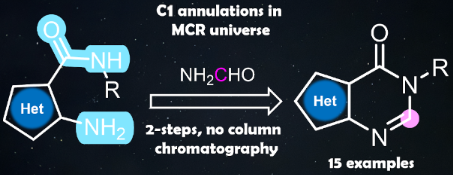
- be established as a C1 feedstock. [25]. Its high polarity and dielectric constant (it is miscible with water) [26], with the ability to solubilize a wide range of reagents, from salts to polymers, proteins and saccharides, renders formamide an excellent C1 building block [25][27]. Thus, our target




Nickel-catalyzed cross-coupling of 2-fluorobenzofurans with arylboronic acids via aromatic C–F bond activation
Beilstein J. Org. Chem. 2025, 21, 146–154, doi:10.3762/bjoc.21.8
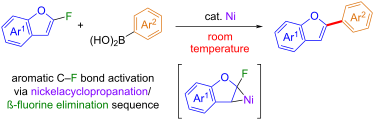
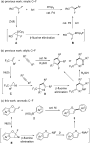
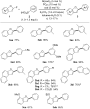
- water, which effectively promoted the reaction and resulted in a 70% yield of 3bi. Furthermore, when methoxy- and ethoxy-substituted benzofurans 1c and 1d were used, the corresponding coupling products 3ca and 3da were obtained with yields of 67% and 65%, respectively. Additionally, in the coupling



Cu(OTf)2-catalyzed multicomponent reactions
Beilstein J. Org. Chem. 2025, 21, 122–145, doi:10.3762/bjoc.21.7

- known processes, a particular Mannich-type reaction was realized in water in the presence of a dendritic 2,2’-bipyridine ligand 2 and Cu(OTf)2 (Scheme 2) [16]. The hydrophobic ligand surrounding the metal revealed to be essential for the organic synthesis in water, thus increasing the reaction yields
- the allyl carbenium ion VI through the loss of a molecule of water, then undergoes a Friedel–Crafts alkylation by attack of the aromatic partner. The outcome of the reaction proceeds through a Markovnikov protonation of the allylated arene VII by triflic acid, which generates the carbocation
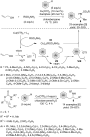
- formation releasing Cu(OTf)2. The final bicyclic product 33 arises from isomerization and water elimination. Recently, Singh's research group developed a cascade process to access imidazo[1,2-a]pyridines-linked isoxazoles 35. Isoxazole carbaldehydes treated with 2-aminopyridines and isonitriles in the






Hot shape transformation: the role of PSar dehydration in stomatocyte morphogenesis
Beilstein J. Org. Chem. 2025, 21, 47–54, doi:10.3762/bjoc.21.5
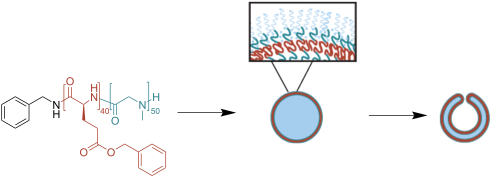
- properties are crucial, particularly its permeability. Excessive permeability allows water molecules – and potentially larger molecules – to traverse the membrane without exerting adequate force, undermining the transformation process [20][21]. Lastly, membrane stiffness plays a role; the stiffness of the
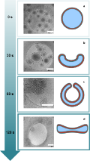
- response [23][24][25]. An excessive stiffness will eventually even impede deformation entirely [26]. This characteristic is harnessed in systems to stabilize shapes by water addition, effectively locking the membrane in a kinetically stable state [27]. In a recent study by Elafify, M. S. et al. it was
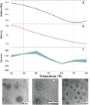
- addition water – this process was facilitated by the glass-transition temperature (Tg) of the polymer, marking the transition from a fluid to a glassy state. To replicate this methodology, it is important that the Tg of PSar-PBLG is high enough to freeze the different morphologies by water addition. The Tg


Facile one-pot reduction of β-nitrostyrenes to phenethylamines using sodium borohydride and copper(II) chloride
Beilstein J. Org. Chem. 2025, 21, 39–46, doi:10.3762/bjoc.21.4
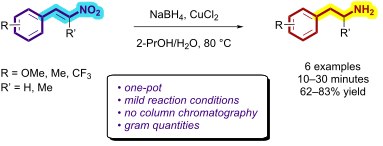
- -consuming. Additionally, the effect of the addition order of the reagents was evaluated, and the results are also provided in Supporting Information File 1. Furthermore, methanol, 2-propanol, and water were independently tested as reaction solvents. Solubility issues, which lead to the formation of dense
- suspensions and precipitation of the starting materials, make these solvents unsuitable for this reaction and the isolation of the products troublesome. The use of 2-propanol/water (2:1), together with the application of heat, ensures optimal solubility of the species involved. Moreover, the workup procedure


Emerging trends in the optimization of organic synthesis through high-throughput tools and machine learning
Beilstein J. Org. Chem. 2025, 21, 10–38, doi:10.3762/bjoc.21.3
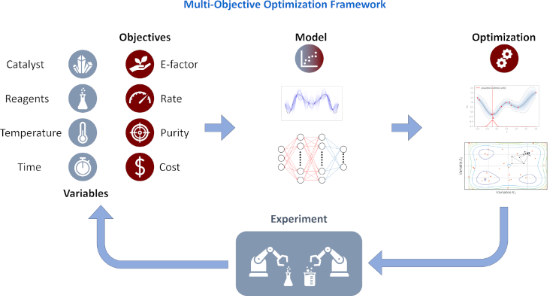
- photocatalytic reactions for water molecule cleavage to produce hydrogen. The mobile robot (Figure 2b) acted as a substitute of a human experimenter by executing tasks and linking eight separate experimental stations, including solid and liquid dispensing, sonication, several characterization equipments, and
- conventional photopolymerization reactions but also helps to identify structure–property relationships for copolymer libraries. We have generated a segmented flow pattern (Figure 3b) by alternating the infusion of organic components and degassed water to create nine different compositions [53]. The organic


Reactivity of hypervalent iodine(III) reagents bearing a benzylamine with sulfenate salts
Beilstein J. Org. Chem. 2024, 20, 3281–3289, doi:10.3762/bjoc.20.272
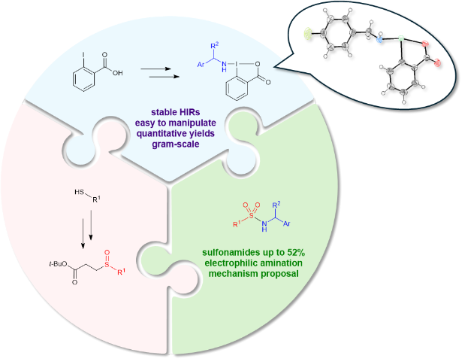
- )benziodoxolones (BBXs) 2 with ORTEP-3 diagram of compound 2d, using 50% probability level ellipsoids. One co-crystallized water molecule was omitted for clarity. CCDC 2368436 contains the supporting crystallographic data for this paper. Scope of the different β-sulfinyl esters 4 [32][33]. Isolated yields. rt



Giese-type alkylation of dehydroalanine derivatives via silane-mediated alkyl bromide activation
Beilstein J. Org. Chem. 2024, 20, 3274–3280, doi:10.3762/bjoc.20.271
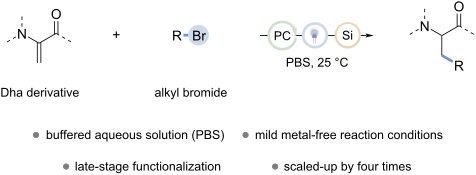
- , forming a new C(sp3)–C(sp3) bond. The reaction can be performed in a phosphate-buffered saline (PBS) solution and shows post-functionalization prospects through pathways involving classical peptide chemistry. Keywords: dehydroalanine; Giese-type reaction; hydroalkylation; photocatalysis; water
- decrease in product formation (38% yield, 90% conv.), meaning BP l increases the productivity of the reaction. Having established that the reaction works in CH3CN, we evaluated its compatibility with water. To our delight, the reaction in water provided full conversion and a higher yield than the one
- observed in CH3CN (58% yield, 100% conv.; Table 1, entry 3). These conditions were further refined by adding of phosphate-buffered saline and decreasing the amount of (TMS)3SiH to 1.1 equiv, as no further increase in yield was noticed during the optimization. Similar to the reaction in deionized water, all