Search results
Search for "water" in Full Text gives 2261 result(s) in Beilstein Journal of Organic Chemistry. Showing first 200.
Computational toolbox for the analysis of protein–glycan interactions
Beilstein J. Org. Chem. 2024, 20, 2084–2107, doi:10.3762/bjoc.20.180
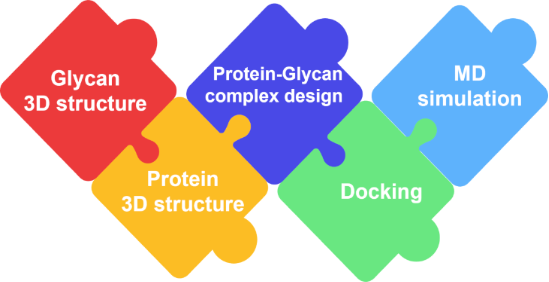
- interface, and a wide range of analysis tools for studying complex biomolecular systems. AMBER provides various force fields, specifically optimised for simulating biological molecules, as lipids (lipids21) [57], proteins (ff14SB) [58], water molecules (TIP3P) [59], general organic molecules (gaff2) [60
- ) sample the glycan conformational space; ii) investigate how the glycan behaves in a solution (if the MD is performed in explicit solvent), describing carbohydrate–water interactions; iii) monitoring the intramolecular interactions. Usually, this information has to be further validated by performing
- , water network prediction, and 3D-QSAR. GRID 2021 introduced a new interface aimed at structure-based design. It enables users to explore binding sites using classic GRID MIFs, encompassing 74 different chemical types. Additionally, it offers a new molecular probe for generating MIFs specific to


Multicomponent syntheses of pyrazoles via (3 + 2)-cyclocondensation and (3 + 2)-cycloaddition key steps
Beilstein J. Org. Chem. 2024, 20, 2024–2077, doi:10.3762/bjoc.20.178

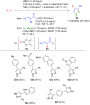
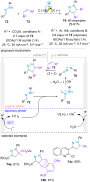
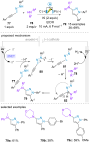
- -hydroxypyrazoles 143 and not tautomeric 3-pyrazolones. Alternative access to alkynones can be achieved by nucleophilic addition of lithiated alkynes to N-substituted phthalimides 145, followed by ring opening to give, upon the addition of water, the corresponding 3-hydroxyindolines. These intermediates are in




Understanding X-ray-induced isomerisation in photoswitchable surfactant assemblies
Beilstein J. Org. Chem. 2024, 20, 2005–2015, doi:10.3762/bjoc.20.176
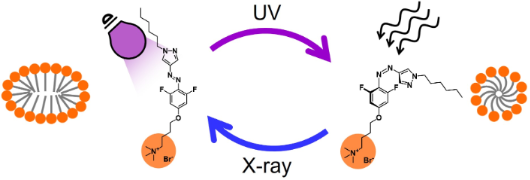
- lipid tail length in the Z isomer [26]. Notably, these authors observed that the X-rays themselves also induced Z–E isomerisation in Azo-lipids, which they attributed to the X-ray radiolysis of water, which produces radicals and reactive species that can catalyse Z–E conversion [27]. This effect was
- greater using low-energy X-rays (8 keV) due to their greater photoabsorption in water, thus leading the authors to conclude that higher energy (≈36 keV) should be used for future small-angle X-ray scattering (SAXS) experiments on photoswitchable systems. However, this may not always be achievable
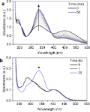
- . With comparison to the rate of Z–E isomerisation on addition of acid to the PS systems, we show that factors beyond the production of protons (H+) upon X-ray radiolysis of water may have an effect to produce the large, rapid structural changes observed using SAXS. To conclude, we create a set of



Harnessing the versatility of hydrazones through electrosynthetic oxidative transformations
Beilstein J. Org. Chem. 2024, 20, 1988–2004, doi:10.3762/bjoc.20.175
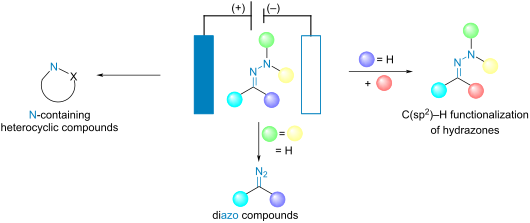
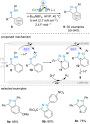
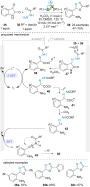
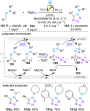
- prepared prior to the electrolysis through the condensation of 2-hydrazinopyridine 13 and various aromatic, aliphatic and α,β-unsaturated aldehydes 14. The electrooxidative transformation was performed under constant current at 7 mA in a mixture of acetonitrile and water under heating. From a mechanistic
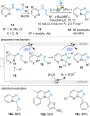
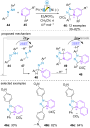
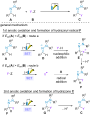
- the presence of iodide anion as electromediator. An important challenge is to avoid the competitive formation of the corresponding methoxy(phenylazo)alkane [46][47] or carbonyl compound [48] upon SET anodic oxidation of the hydrazone and subsequent reaction with methanol or water, respectively. In
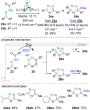
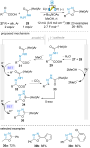
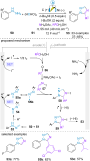
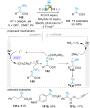
- thiocyanation of ketene dithioacetals, Wang and Yang et al. mentioned one example of thiocyanation of benzaldehyde-derived hydrazone 120 using potassium thiocyanate as a source of thiocyanate radical. The electrolysis was conducted in the presence of two equivalents of water in acetonitrile with lithium









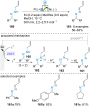
Allostreptopyrroles A–E, β-alkylpyrrole derivatives from an actinomycete Allostreptomyces sp. RD068384
Beilstein J. Org. Chem. 2024, 20, 1981–1987, doi:10.3762/bjoc.20.174
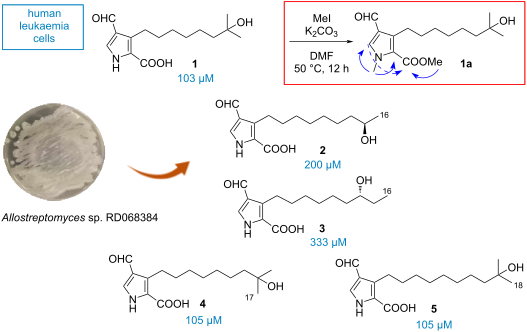
- monitored by TLC. The solution was diluted with water and extracted with EtOAc three times. The organic layer was washed with brine and evaporated to dryness to afford bismethylated derivative of 1 (1a, 1.9 mg, 88% yield). DFT methodology Prior to the calculations of the molecular properties of compounds 2


Regioselective alkylation of a versatile indazole: Electrophile scope and mechanistic insights from density functional theory calculations
Beilstein J. Org. Chem. 2024, 20, 1940–1954, doi:10.3762/bjoc.20.170
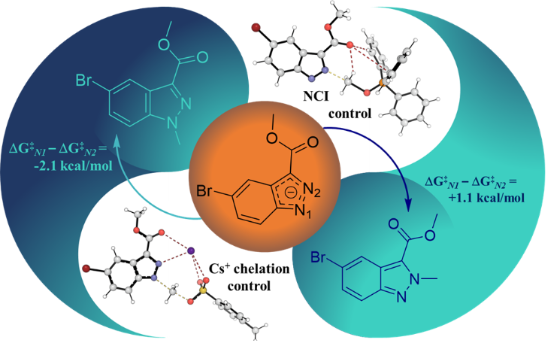
- cesium carbonate (766 mg, 2.352 mmol) followed by the necessary tosylate (1.5 equiv). The resulting mixture was stirred for 2 hours at 90 °C. The mixture was poured into EtOAc (500 mL) and washed with water (100 mL) and brine. The organic layer was dried and concentrated, the obtained residue was


A new platform for the synthesis of diketopyrrolopyrrole derivatives via nucleophilic aromatic substitution reactions
Beilstein J. Org. Chem. 2024, 20, 1933–1939, doi:10.3762/bjoc.20.169
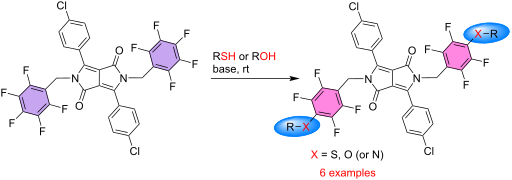
- and then it was diluted with CH2Cl2 and water. The organic layer was separated and washed with water and brine. The product was isolated by column chromatography on silica gel using CH2Cl2 as the eluent. Yield: 61%; mp: 278–280 °C; 1H NMR (300 MHz, CDCl3) δ (ppm) 7.62–7.66 (m, 4H), 7.47–7.52 (m, 4H
- and water. The organic layer was then separated and washed with brine and water. The products were isolated by preparative TLC using CH2Cl2/hexane mixtures as the eluent. Compound 3a. Yield: 51%; mp 274–276 °C; 1H NMR (CDCl3, 300 MHz) δ (ppm) 8.43 (AA’XX’, J = 6 Hz, 4H), 7.68 (AA’BB’, J = 8.7 Hz, 4H


Solvent-dependent chemoselective synthesis of different isoquinolinones mediated by the hypervalent iodine(III) reagent PISA
Beilstein J. Org. Chem. 2024, 20, 1914–1921, doi:10.3762/bjoc.20.167
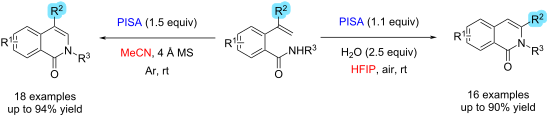
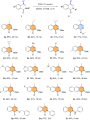
- zwitterionic water-soluble hypervalent iodine reagent (phenyliodonio)sulfamate (PISA). In water, PISA is strongly acidic, and the pH value can reach 2.05 in a saturated aqueous solution. With PISA, various indoles have been synthesized via C–H amination of 2-alkenylanilines involving an aryl migration
- product in the reaction, with a yield of 86% in 20 minutes (Table 1, entry 1). Encouraged by this result, we added additives to the reaction with the aim of further increasing the chemical yield of 2a. When 1.5 equivalents of water were added to the reaction, the yield of 2a dropped to 79% (Table 1, entry
- migration and reductive elimination, along with the release of iodobenzene and sulfamic acid. Cyclization of protonated G takes place to afford the intermediate H. Finally, release of water and β-proton elimination produces the rearranged product 3a (Scheme 8). Conclusion In summary, we reported the




Electrochemical radical cation aza-Wacker cyclizations
Beilstein J. Org. Chem. 2024, 20, 1900–1905, doi:10.3762/bjoc.20.165
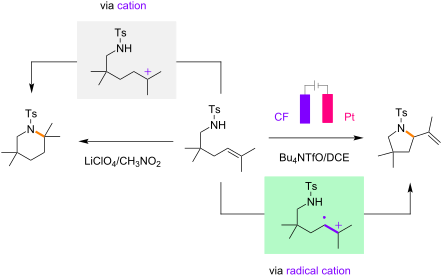
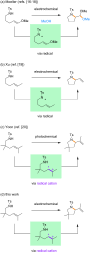
- with stirring. The solution was diluted with water and extracted with dichloromethane. The combined organic layers were dried over Na2SO4, filtered, and concentrated in vacuo. Yields were determined by 1H NMR analysis using benzaldehyde as an internal standard (Table 1). Silica gel column




Access to 2-oxoazetidine-3-carboxylic acid derivatives via thermal microwave-assisted Wolff rearrangement of 3-diazotetramic acids in the presence of nucleophiles
Beilstein J. Org. Chem. 2024, 20, 1894–1899, doi:10.3762/bjoc.20.164

- -methoxyethylamine. Attempts to obtain directly 2-oxoazetidine carboxylic acid (or its decarboxylation product) or its trifluoroethyl ester by running the synthesis with water or trifluoroethanol were also unsuccessful. Acylation of the π-excessive double bonds of N-alkylindole and dihydropyran by the in situ


The Groebke–Blackburn–Bienaymé reaction in its maturity: innovation and improvements since its 21st birthday (2019–2023)
Beilstein J. Org. Chem. 2024, 20, 1839–1879, doi:10.3762/bjoc.20.162
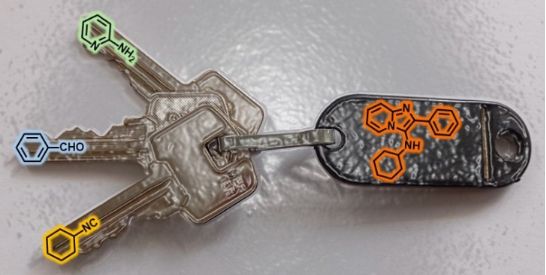
- catalyst was tested only with 5-aminopyrazole 4, and no comparison with a “classic” GBB reaction can be made, the authors compared HEDP with other catalysts on the same substrates, demonstrating that HEDP in MeOH/water was superior for yields, mildness, and less hazardous conditions (Scheme 3). Longo et al
- . 1.3 Compartmented and enzyme-mediated reactions Compartmentation of reaction media has already found many applications in chemistry. Amphiphilic molecules can associate in water to nanometer-sized micelles, above a certain critical concentration. Such micelles are characterized by a lipophilic core
- and a hydrophilic corona and can serve as heterogeneous systems for solubilizing hydrophobic chemicals in water. By concentrating reactants in nanometer-sized vessels, their reactivity is altered, and reaction rates are often accelerated. As a result, mild reaction conditions can be achieved






A facile three-component route to powerful 5-aryldeazaalloxazine photocatalysts
Beilstein J. Org. Chem. 2024, 20, 1831–1838, doi:10.3762/bjoc.20.161
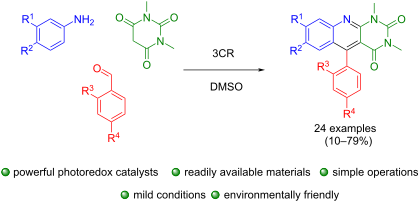
- , water), which has become a common method for the synthesis of these derivatives [3][22][25][30][31][32][33]. In our previous studies [14][15][16][17][18][19] we have shown that the 5-aryl and 7,8-substitutients of the pyrimido[4,5-b]quinoline core have a significant effect on the photocatalytic activity




Discovery of antimicrobial peptides clostrisin and cellulosin from Clostridium: insights into their structures, co-localized biosynthetic gene clusters, and antibiotic activity
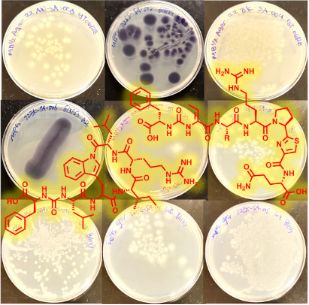
Beilstein J. Org. Chem. 2024, 20, 1800–1816, doi:10.3762/bjoc.20.159

- 0.1% w/v poly-ʟ-lysin solution in water (Sigma-Aldrich) and immediately deposited onto freshly cleaved mica to be incubated for 10 min at room temperature to allow adsorption. The surface was then rinsed using 600 µL of ultrapure 0.2 µm filtered water and slowly dried using compressed air. Imaging was




Oxidative fluorination with Selectfluor: A convenient procedure for preparing hypervalent iodine(V) fluorides
Beilstein J. Org. Chem. 2024, 20, 1785–1793, doi:10.3762/bjoc.20.157
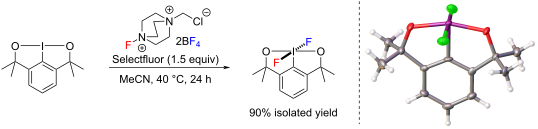
- rate of decomposition was reduced significantly (green line in Figure 3). The hydrolysis of the four hypervalent iodine(V) fluorides was also investigated in acetonitrile-d3 by adding 5 equivalents of water. All four compounds decomposed to their corresponding iodosyl compounds and the order of


Ugi bisamides based on pyrrolyl-β-chlorovinylaldehyde and their unusual transformations
Beilstein J. Org. Chem. 2024, 20, 1773–1784, doi:10.3762/bjoc.20.156
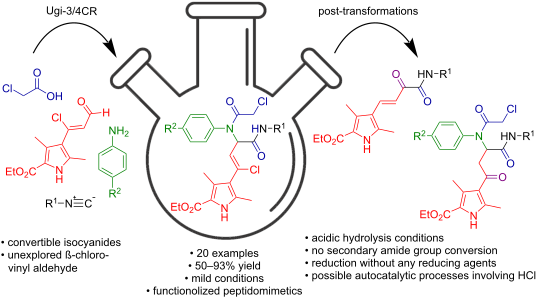
- chlorine atom in the chlorovinyl fragment to the hydroxy group, probably under the influence of water (Figure 4). It is worth noting that the synthesis of Ugi bisamides 5–8 (Table 1) yielded compounds 10 and ketobisamide 12 in some cases. For example, in the Ugi reaction involving benzyl isocyanide (4b
- moiety under the influence of water. The appearance of HCl in these cases was identified by the specific odor and detected by pH measurements. It is likely that this catalytic amount of HCl is enough for the conversion and formation of the amides 10. To confirm the influence of HCl and its necessity to




Synthesis of polycyclic aromatic quinones by continuous flow electrochemical oxidation: anodic methoxylation of polycyclic aromatic phenols (PAPs)
Beilstein J. Org. Chem. 2024, 20, 1746–1757, doi:10.3762/bjoc.20.153
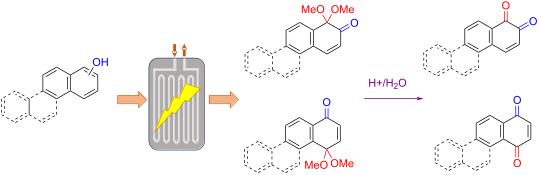
- control of the current [32][33][34]. Early studies on the electrochemical oxidation of phenols revealed that the oxidation passes through a phenoxonium ion and forms acetals in methanol but quinones in the presence of water [35][36][37]. However, the reaction is sometimes accompanied by the formation of
- shown), where methanol further served as nucleophile. Some THF was needed to improve the solubility of some of the substrates. Acidic conditions (Table 1, entry 5) or methanol/water (Table 1, entry 6) gave a complex mixture with overoxidized products. Although the desired oxidation is a 4-electon
- flowrate of 100 µL/min. The current was increased from 1 mA to 13 mA to increase the electron equivalents from 1 F/mol to 8 F/mol at a potential of 1.7–3.0 V. The crudes, after evaporation of the solvents, were further hydrolysed with a mixture of HCl, acetic acid, and water to release the quinones before




Syntheses and medicinal chemistry of spiro heterocyclic steroids
Beilstein J. Org. Chem. 2024, 20, 1713–1745, doi:10.3762/bjoc.20.152
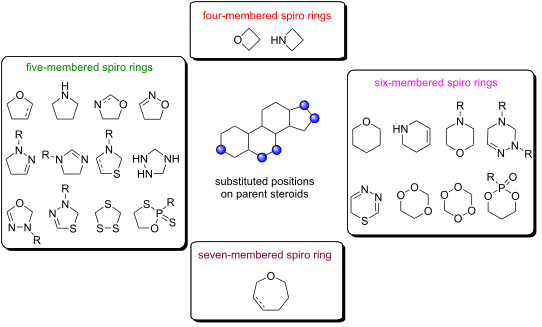
- spirosteroids was underscored by the synthesis of spironolactone [3] (Figure 1), which plays a pivotal role in edema treatment. Aldosterone, implicated in water and salt retention in conditions such as congestive heart failure, hypertension, nephrosis, liver cirrhosis, and toxemia of pregnancy, prompted the
- –water–NaOAc mixture. Spiro heterocycle 99 was obtained in 52% overall yield as a single product (Scheme 29). The reaction mechanism was elucidated based on the hard and soft acid and base theory. Spiro-1,3,4-thiadiazoline steroids In 2006, Mazoir et al. [56] reported the synthesis of 4α,14α-dimethyl-5α


Chemo-enzymatic total synthesis: current approaches toward the integration of chemical and enzymatic transformations
Beilstein J. Org. Chem. 2024, 20, 1693–1712, doi:10.3762/bjoc.20.151
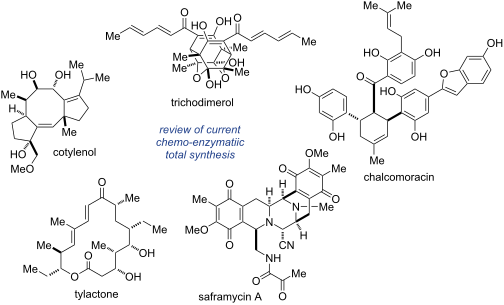
- approach, they used a chiral boron catalyst as a Lewis acid and achieved at best an endo/exo selectivity of 1.9:1 in a similar DA reaction. The use of Diels–Alderase in their recent work significantly improved the endo/exo selectivity under mild conditions in water, thereby highlighting the strengths of




Polymer degrading marine Microbulbifer bacteria: an un(der)utilized source of chemical and biocatalytic novelty
Beilstein J. Org. Chem. 2024, 20, 1635–1651, doi:10.3762/bjoc.20.146
- diverse marine holobionts such as sponges [3][4], sediments [5], algae [6], and corals [7] using media that mimic the native salt water habitat. Strains of this genus are detected together with Pseudovibrio and Ruegeria strains that grow in identical culture conditions, and hence obtaining axenic




New triazinephosphonate dopants for Nafion proton exchange membranes (PEM)
Beilstein J. Org. Chem. 2024, 20, 1623–1634, doi:10.3762/bjoc.20.145

- . Romão Ramalho, 59, 7000-671 Évora, Portugal 10.3762/bjoc.20.145 Abstract A new paradigm for energy is underway demanding decarbonized energy systems. Some of them rely on emerging electrochemical devices, crucial in hydrogen technologies, including fuel cells, CO2 and water electrolysers, whose
- applications and performances depend on key components such as their separators/ion-exchange membranes. The most studied and already commercialized Nafion membrane shows great chemical stability, but its water content limits its high proton conduction to a limited range of operating temperatures. Here, we
- exchange membrane devices [5][6], such as proton exchange membrane fuel cells (PEMFCs) [3][7][8][9], due to their high-power density and high power-to-weight ratio, and CO2 electrolysers, which can reduce the polluting gas CO2 and produce syngas from the co-electrolysis of CO2 and water [10][11], or water




Generation of multimillion chemical space based on the parallel Groebke–Blackburn–Bienaymé reaction
Beilstein J. Org. Chem. 2024, 20, 1604–1613, doi:10.3762/bjoc.20.143

- than two chiral centers were not included. This resulted in 271,026,660 library members with nearly 85% expected synthetic accessibility according to the model experiments described in the previous section. Distributions of the resulting chemical space over molecular weight (MW), 1-octanol–water


Supramolecular assemblies of amphiphilic donor–acceptor Stenhouse adducts as macroscopic soft scaffolds
Beilstein J. Org. Chem. 2024, 20, 1590–1603, doi:10.3762/bjoc.20.142
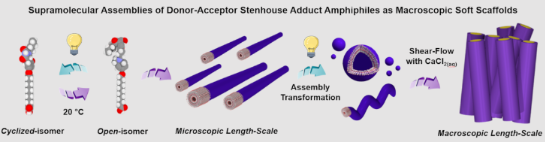
- ][40]. Photoresponsive supramolecular amphiphiles are responsive, complex, and adaptable in aqueous medium [41][42][43]. Supramolecular assemblies of photoresponsive molecular amphiphiles in aqueous medium can undergo transformation in solution or at the air–water interface and even sustained
- were investigated in aqueous medium. An aqueous solution of 5.0 wt % DA11 in Milli-Q water was prepared, followed by deprotonation with 1.0 equivalent of NaOH, showing excellent solubility up to 93 mM, giving a deep purple solution. An aqueous 43 µM solution DA11, diluted from the 5.0 wt % stock
- source (380–800 nm, 300 W) positioned at a distance of 1 cm from the sample. Preparation of aqueous samples All aqueous solutions of DAn were prepared according to the following general procedure: DAn (5.0 wt %) was mixed with 1.0 equivalent NaOH in Milli-Q water. The obtained aqueous solution was




Regio- and stereochemical stability induced by anomeric and gauche effects in difluorinated pyrrolidines
Beilstein J. Org. Chem. 2024, 20, 1572–1579, doi:10.3762/bjoc.20.140
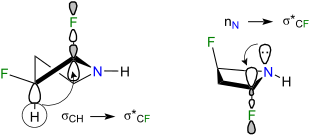
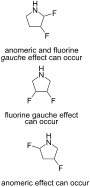
- only slightly more stable than the other three conformers in both the gas phase and implicit water [4]. Hence, it appears that strong intramolecular interactions, and not only hydrogen bonding, govern the orientation of the fluorine atom in the F‒C‒C‒N fragment, favoring the cis-isomer of 3





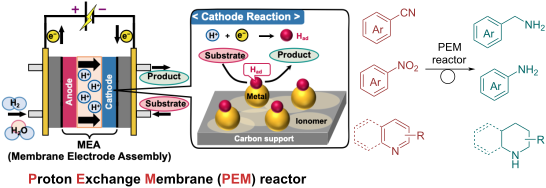
Electrocatalytic hydrogenation of cyanoarenes, nitroarenes, quinolines, and pyridines under mild conditions with a proton-exchange membrane reactor
Beilstein J. Org. Chem. 2024, 20, 1560–1571, doi:10.3762/bjoc.20.139
- ). To ensure the capture of 2a, we performed reduction with phosphoric acid (pKa = 2.12). Although the generation of 3a was suppressed, only a trace amount of 2a was obtained, and almost 1a was recovered (Table 2, entry 4). This was probably because the presence of water inhibited the reaction


Mining raw plant transcriptomic data for new cyclopeptide alkaloids
Beilstein J. Org. Chem. 2024, 20, 1548–1559, doi:10.3762/bjoc.20.138

- . After the extractions were finished and dried by rotary evaporation, the extract was resuspended in basic water (pH 10 using NaOH) and vacuum filtered to remove insoluble particulates. Liquid–liquid extraction was performed three times with basic water and DCM. The DCM layer was collected and dried
- . Afterward, the extract was resuspended in 0.1% formic acid in water. A Combiflash EZ prep system was used to purify the burpitides from C. americanus. Water with 0.1% formic acid (A) and methanol (B) were used as solvents for a reversed phase column (C18 21 × 250 mm Kinetix 5 µm C18 100 Å (00G-4601-P0-AX5
- min, 5% B; 13 min, 5% B where solvent A was water with 0.1% of formic acid and solvent B was acetonitrile with 0.1% of formic acid. A top 5 HCD method at 25 NCE (200–2000 m/z) was used on each plant tissue extract. See Supporting Information File 1, Table S2 for complete acquisition parameters. The