


Search results
Search for "monomer" in Full Text gives 364 result(s) in Beilstein Journal of Organic Chemistry. Showing first 200.
Synthesis and acaricidal activity against Varroa destructor of α- and γ-costic acid dimers
- Alessandro Santarsiere,
- Ernesto Santoro,
- Maria Letizia Ciavatta,
- Marianna Carbone,
- Sonia Ganassi,
- Cosimo Tedino,
- Antonio De Cristofaro,
- Antonio Evidente and
- Stefano Superchi
Beilstein J. Org. Chem. 2026, 22, 1088–1096, doi:10.3762/bjoc.22.87
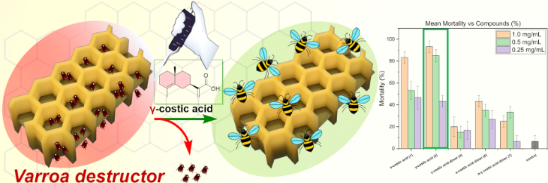
- , although with values that were always much lower than those of the monomer. The γ-costic acid homodimer 4 showed stable but lower mortality (15–20%) at all doses, while the α,γ-heterodimer 7 showed comparable activity at the medium and high concentration but no activity at the lowest concentration

Graphical Abstract

Figure 1: Structures of costic acid isomers.

Scheme 1: Synthesis of costic acids derivatives. Reaction conditions: (a) ethylene glycol (0.5 equiv), pTsOH ...

Figure 2: Mean mortality vs compounds (%).

Figure 3: Computed main conformers (DFT/B3LYP/def2-TZVP/gas phase) of compound 1 (left picture) and compound 3...
Amino acid-based surfactants: sustainable synthesis and antimicrobial mechanisms
- Rafaela Gomes Bezerra,
- Lourdes Pérez and
- Francisco Fábio Oliveira de Sousa
Beilstein J. Org. Chem. 2026, 22, 1067–1085, doi:10.3762/bjoc.22.85
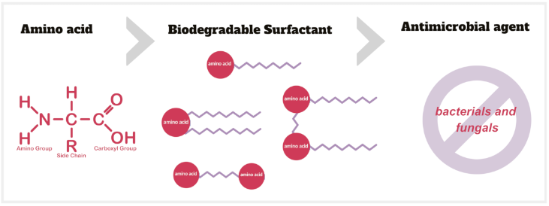
- activity against Gram-negative bacteria (MIC 16–128 μg/mL) and LANHC18 (Table 1, entry 6) is only active against E. coli at higher concentrations (64–256 μg/mL) [44]. This trend correlates with increasing hydrophobicity and lower CMC values, which reduce monomer bioavailability. Glycerolipidic arginine

Graphical Abstract

Figure 1: General structure of a surfactant monomer. The monomer consists of a hydrophilic (polar) head and a...

Figure 2: Micellization process. Surfactant monomers progressively reduce surface tension until reaching the ...

Figure 3: Study selection flowchart based on PRISMA guidelines. The process includes identification, screenin...

Figure 4: Representative synthetic routes illustrating the main structural classes of amino acid-based surfac...
Rh(III)-catalyzed chelation-assisted C–H activation/annulation of 2-arylimidazolines with cyclic diazo-1,3-dicarbonyl compounds: a novel approach to tetracyclic annulated derivatives of 2,3-dihydroimidazo[2,1-a]isoquinoline
- Ivan Lyutin,
- Grigory Kantin,
- Olga Bakulina and
- Dmitry Dar'in
Beilstein J. Org. Chem. 2026, 22, 997–1003, doi:10.3762/bjoc.22.78
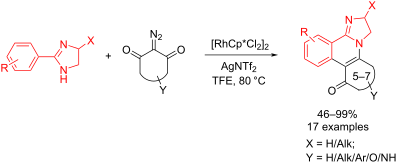
- with AgNTf2. An external non-bridging anion such as NTf is required to replace the bridging chloride ligand, which converts the inert dimeric rhodium complex into the reactive monomer. Next, a Rh(III)-catalyzed chelation-assisted C–H activation of imidazoline 2 occurs, generating a rhodacyclic

Graphical Abstract

Figure 1: a,b) Structure of biologically active 2,3-dihydroimidazo[2,1-a]isoquinolines (1) and their publishe...

Scheme 1: C–H activation/annulation of 2-arylimidazolines with diazo-1,3-dicarbonyl compounds. aReaction cond...

Figure 2: Structures of products from unsuccessful reactions of 2-arylimidazolines with diazo 1,3-dicarbonyl ...

Figure 3: a) Proposed reaction mechanism; b) Experimental isolation of intermediate B (compound 5) from equim...
The role of spacer length and flexibility in peptide self-assembly
- Julian Link,
- Albin Lahu,
- Manfred Wagner,
- Tanja Weil and
- David Y. W. Ng
Beilstein J. Org. Chem. 2026, 22, 986–996, doi:10.3762/bjoc.22.77
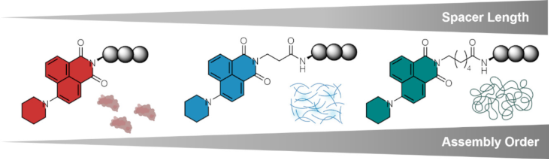
- contrast, lower peptide monomer signals were detected in the PBS-incubated samples as self-assembly removes the peptide monomers from the bulk solution. The assembly conversion rates were calculated based on the integrated absorbance intensities at λ = 214 nm using Equation S1 (Supporting Information File

Graphical Abstract

Scheme 1: Synthetic scheme for the naphthalene–peptide conjugates C6-Nap-ICA 6, C3-Nap-ICA 7, and C0-Nap-ICA 8...

Figure 1: A) Bar plot representing the assembly conversion of C6-Nap-ICA 6, C3-Nap-ICA 7, and C0-Nap-ICA 8 (a...

Figure 2: A) Scheme depicting the self-assembly propensities of C6-Nap-ICA 6, C3-Nap-ICA 7, and C0-Nap-ICA 8 ...

Figure 3: A) Fluorescence emission and B) absorbance of C6-Nap-ICA 6, C3-Nap-ICA 7, and C0-Nap-ICA 8 (all 100...

Figure 4: 1H NMR spectroscopy data (700 MHz, 298 K, mixtures of TFE-d3 and D2O) of C0-Nap-ICA 8 (left), C3-Na...
Molecular tweezer–peptide conjugates disrupt the protein–protein interaction between survivin and histone H3 essential in mitosis
- Catherine Gsell,
- Philipp Rebmann,
- Karina Opara,
- Christine Beuck,
- Peter Bayer,
- David Bier,
- Ingrid R. Vetter and
- Thomas Schrader
Beilstein J. Org. Chem. 2026, 22, 557–567, doi:10.3762/bjoc.22.41
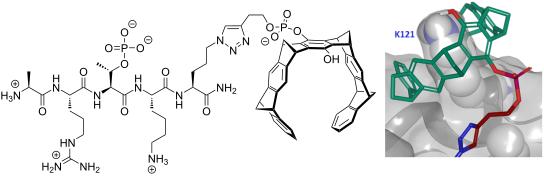
- binds in the canonical H3-peptide binding site with very well defined density. The tweezer moiety and the linker also have very well defined densities, but, contrary to our expectation, the tweezer does not bind to Lys-121, but instead packs against a proline of the second survivin monomer in the

Graphical Abstract

Figure 1: Mechanism of CPC recruitment to centromeres and kinetochores. A) Initially phosphomarks are placed ...

Figure 2: Ribbon model of crystal structure PDB ID 4A0J (https://doi.org/10.2210/pdb4A0J/pdb) [8] of survivin (o...
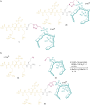
Scheme 1: A) Peptide tweezer conjugates 1 and 2a with triazoles linking the tweezer and H3 peptide at its C-t...

Figure 3: Survivin complexes with peptide tweezers: Fluorescence polarization measurements of wild type and m...

Figure 4: Crystal structure of the survivin dimer with complexed tweezer H3 conjugate 2a. To distinguish both...

Figure 5: Survivin–borealin–INCENP complex structures (PDB ID 2QFA) [5] with tweezer model, side and top views. ...

Figure 6: A) Lewis structure of the truncated tweezer peptide monophosphate 2b. B) Close-up of the binding mo...
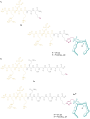
Scheme 2: A) Lewis structures of the new slightly extended binding peptide 3b and the respective click conjug...
Cone p-aminocalix[4]arenes enriched with ‘clickable’ alkyne or azide functionalities
- Ilia Korniltsev,
- Vasily Bazhenov,
- Alexander Gorbunov,
- Dmitry Cheshkov,
- Stanislav Bezzubov,
- Vladimir Kovalev and
- Ivan Vatsouro
Beilstein J. Org. Chem. 2026, 22, 399–415, doi:10.3762/bjoc.22.28
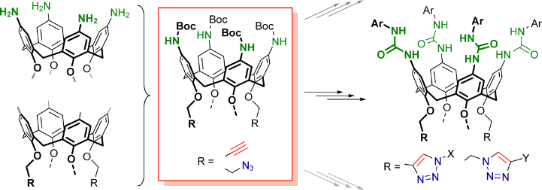
- bonds. However, the effect of adding this polar solvent turned out to be too strong, and the resulting spectrum only contained signals from the tetraurea monomer 47, indicating the disruption of intermolecular hydrogen bonds between the urea moieties as well. Still, it was discovered by chance that

Graphical Abstract

Figure 1: General concept of building multifunctional calix[4]arenes by joining propargyl/2-azidoethyl and p-...
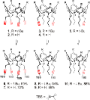
Scheme 1: Silylation of the calixarene propargyl ethers. Conditions: i) LiHMDS (HMDS + n-BuLi), TBSCl, THF, −...
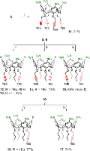
Scheme 2: Nitration of calixarenes 6, 8–10. Conditions: i) HNO3 (fuming, 10 equiv per calixarene aromatic uni...
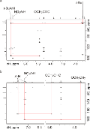
Figure 2: Parts of 1H,13C HMBC spectra of calixarenes 12 (a) and 13 (b) recorded in CDCl3 solutions at 600 MH...

Figure 3: Molecular structures of partially nitrated calixarene 16 (a) and exhaustively nitrated calixarene 15...

Scheme 3: Reduction of calixarenes 11, 15 and 17. Conditions: i) SnCl2·2H2O, HCl, EtOH, H2O, 70 °C, then KOH,...
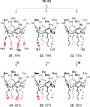
Scheme 4: Protecting group replacement in propargylated p-aminocalix[4]arenes. Conditions: i) Boc2O, Et3N, di...

Scheme 5: Synthesis of 2-azidoethylated p-aminocalix[4]arenes. Conditions: i) HNO3 (fuming, 10 equiv per cali...

Scheme 6: Synthesis of triazolated p-aminocalix[4]arenes 37–39 from the propargylated calixarene precursors 24...

Scheme 7: Synthesis of triazolated p-aminocalix[4]arenes 40 and 41 from the 2-azidoethylated calixarene precu...

Scheme 8: Removal of Boc protection in calixarenes 37–41; (i) CF3CO2H, dichloromethane, rt, then NaHCO3/H2O.

Scheme 9: Synthesis of triazolated tetraureacalix[4]arenes 47–51. Conditions: (i) p-tolyl isocyanate, toluene...

Figure 4: Planar and energy-minimized structures (with CHCl3 molecule included and triazole groups highlighte...

Figure 5: Planar structures of homodimers 482, 512, and heterodimer 48·52 (a); fragment of the 1H NMR spectru...

Figure 6: Planar structures of homodimers 472, 502, and heterodimer 47·52 (a); fragment of the 1H NMR spectru...
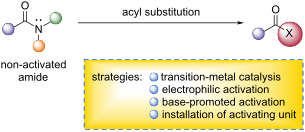
Recent advances in the cleavage of non-activated amides
- Eun-Sol Choi and
- Hyo-Jun Lee
Beilstein J. Org. Chem. 2026, 22, 352–369, doi:10.3762/bjoc.22.23
- in 60% yield and 98% ee. Furthermore, nylon 6,6 was cleanly depolymerized to its monomer 98 in 32% yield. The Mukherjee group employed dihydrogen tetrametaphosphate as a Lewis acid to activate formamides for transamidation (Scheme 17) [65]. In the presence of one equivalent of [PPN]2[P4O12H2], DMF

Graphical Abstract
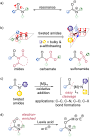
Scheme 1: a) Resonance structure of amide. b) Concept of twisted amides. c) Transition-metal-catalyzed activa...
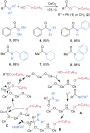
Scheme 2: Esterification of amides catalyzed by CeO2.

Scheme 3: Hydrolysis of amides catalyzed by Nb2O5.
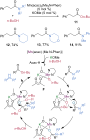
Scheme 4: Manganese-catalyzed esterification of tertiary amides.
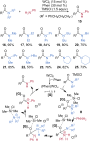
Scheme 5: Tungsten-catalyzed transamidation of hindered tertiary amides.
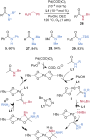
Scheme 6: Palladium-catalyzed transamidation of amides.

Scheme 7: Synthesis of benzyl esters via electrophilic activation of amides using DPT-BM.

Scheme 8: Esterification of amides promoted by SO2F2.
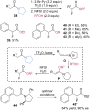
Scheme 9: α-Fluorinative cleavage of pyrrolidine-based tertiary amides via double electrophilic activation wi...
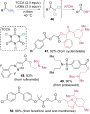
Scheme 10: Esterification of primary amides using TCCA via the generation of RCONCl2.
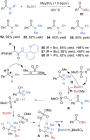
Scheme 11: Esterification of amides via electrophilic activation with Me2SO4.
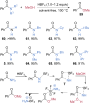
Scheme 12: HBF4-mediated esterification of amides.
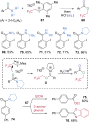
Scheme 13: Synthesis of 2,2,2-trifluoroethyl esters via electrophilic esterification of amide promoted by 67.
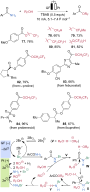
Scheme 14: Electrochemical activation of C–N bonds for esterification.

Scheme 15: Catalyst- and reagent-free transamidation of amide using aniline hydrochloride salt.
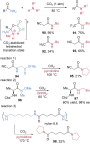
Scheme 16: CO2-catalyzed transamidation of amides.
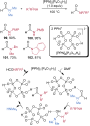
Scheme 17: Transamidation of formamides using cyclic dihydrogen tetrametaphosphate.

Scheme 18: BF3·OEt2-mediated transamidation of primary amides.

Scheme 19: Acyl iodide intermediate 121 generation from amides for the transamidation using HOTf and KI.
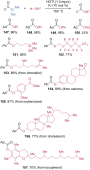
Scheme 20: Esterification of N,N-dimethyl amides via electrophilic generation of acyl iodide intermediates.

Scheme 21: Transamidation of DMAc promoted by KOt-Bu.
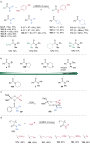
Scheme 22: a) LiHMDS-mediated transamidation of tertiary amides. b) Computed reactivities of selected amides. ...

Scheme 23: Zn-catalyzed chemoselective cleavage of amides directed by tert-butyl nicotinate.

Scheme 24: Chemoselective cleavage of N-PMB anilide for transamidation via acyl fluoride 194 generation. a) Cu...
Spirobarbiturates with a pyrrolizidine moiety: synthesis, structure and biological evaluation
- Arthur A. Puzyrkov,
- Andrew S. Drachuk,
- Ekaterina A. Popova,
- Alexander V. Stepakov and
- Vitali M. Boitsov
Beilstein J. Org. Chem. 2026, 22, 274–288, doi:10.3762/bjoc.22.20
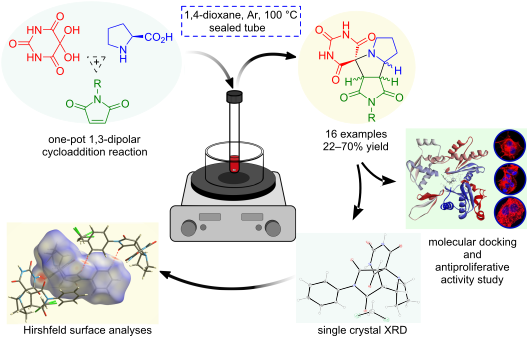
- . Taking into account that the conformation of the actin monomer in the described structures is basically the same, the structure of non-muscle β-actin (8DNH, 2.99 Å) obtained by cryo-electron microscopy was used for this study. Docking was performed to both known clefts (hydrophobic or target-binding one

Graphical Abstract

Scheme 1: Biologically active compounds with a spirobarbiturate moiety in their structure [7-12].

Scheme 2: Biologically active alkaloids with a pyrrolizidine moiety.

Scheme 3: Previous studies on the three-component synthesis of spirobarbiturates.
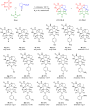
Scheme 4: Synthesis of racemic spirobarbiturates 4a–p via one-pot three-component reaction of alloxan (1), ʟ-...

Scheme 5: A plausible mechanism of spirobarbiturate formation from alloxan (1), ʟ-proline (2), and N-substitu...

Figure 1: Schematic structures of endo- and exo-adducts of spirobarbiturates 4.

Figure 2: X-ray crystal structures of compounds 4b (CCDC 2391172, left) and 4c (CCDC 2391171, right).

Figure 3: Unit cell packing of products 4b (left) and 4c (right).

Figure 4: HS mapped with dnorm for compounds 4b (left) and 4c (right).

Figure 5: A segment of the crystal structure of compound 4b with the HS (dnorm), showing intermolecular conta...

Figure 6: A segment of the crystal structure of compound 4c with the HS (dnorm), showing intermolecular conta...
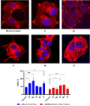
Figure 7: Microscopic images of treated cells and state of the actin cytoskeleton of Sk-mel-2 cells after cul...
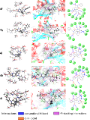
Figure 8: Docked view of compounds 4f, 4g, 4i, 4k, and 4l with the target protein (PDB ID: 8DNH).
Synthesis and applications of alkenyl chlorides (vinyl chlorides): a review
- Daniel S. Müller
Beilstein J. Org. Chem. 2026, 22, 1–63, doi:10.3762/bjoc.22.1
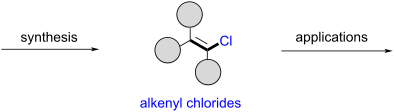
- ], and pesticides [7] (Figure 2). Throughout this review, the term “alkenyl chloride” refers broadly to chloroalkenes beyond vinyl chloride (CH2=CHCl), the monomer used in polyvinyl chloride (PVC) production. Before detailing the synthesis and applications of alkenyl chlorides, we wish to acknowledge
- the monomer for polyvinyl chloride (PVC) [87]. The hydrochlorination of acetylene remains a key industrial process for vinyl chloride synthesis – particularly in China, where approximately 70% of the total production is based on this route. The reaction is typically catalyzed by carbon-supported

Graphical Abstract
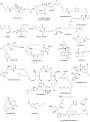
Figure 1: Representative alkenyl chloride motifs in natural products. References: Pinnaic acid [8], haterumalide ...

Figure 2: Representative alkenyl chloride motifs in pharmaceuticals and pesticides. References: clomifene [25], e...
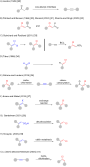
Figure 3: Graphical overview of previously published reviews addressing the synthesis of alkenyl chlorides.

Figure 4: Classification of synthetic approaches to alkenyl chlorides.

Scheme 1: Early works by Friedel, Henry, and Favorsky.

Scheme 2: Product distribution obtained by H NMR integration of crude compound as observed by Kagan and co-wo...

Scheme 3: Side reactions observed for the reaction of 14 with PCl5.

Scheme 4: Only compounds 15 and 18 were observed in the presence of Hünig’s base.

Scheme 5: Efficient synthesis of dichloride 15 at low temperatures.
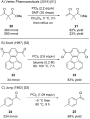
Scheme 6: Various syntheses of alkenyl chlorides on larger scale.

Scheme 7: Scope of the reaction of ketones with PCl5 in boiling cyclohexane.

Scheme 8: Side reactions occur when using excess amounts of PCl5.

Scheme 9: Formation of versatile β-chlorovinyl ketones.

Scheme 10: Mixture of PCl5 and PCl3 used for the synthesis of 49.

Scheme 11: Catechol–PCl3 reagents for the synthesis of alkenyl chlorides.

Scheme 12: (PhO)3P–halogen-based reagents for the synthesis of alkenyl halides.

Scheme 13: Preparation of alkenyl chlorides from alkenyl phosphates.

Scheme 14: Preparation of alkenyl chlorides by treatment of ketones with the Vilsmeier reagent.

Scheme 15: Preparation of electron-rich alkenyl chlorides by treatment of ketones with the Vilsmeier reagent.

Scheme 16: Cu-promoted synthesis of alkenyl chlorides from ketones and POCl3.

Figure 5: GC yield of 9 depending on time and reaction temperature.

Figure 6: Broken reaction flask after attempts to clean the polymerized residue.

Figure 7: GC yield of 9 depending on the amount of CuCl and time.

Scheme 17: Treatment of 4-chromanones with PCl3.

Scheme 18: Synthesis of alkenyl chlorides from the reaction of ketones with acyl chlorides.

Scheme 19: ZnCl2-promoted alkenyl chloride synthesis.
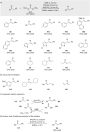
Scheme 20: Regeneration of acid chlorides by triphosgene.

Scheme 21: Alkenyl chlorides from ketones and triphosgene.
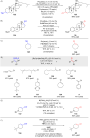
Scheme 22: Various substitution reactions.

Scheme 23: Vinylic Finkelstein reactions reported by Evano and co-workers.

Scheme 24: Challenge of selective monohydrochlorination of alkynes.

Scheme 25: Sterically encumbered internal alkynes furnish the hydrochlorination products in high yield.

Scheme 26: Recent work by Kropp with HCl absorbed on alumina.

Scheme 27: High selectivities for monhydrochlorination with nitromethane/acetic acid as solvent.

Figure 8: Functionalized alkynes which typically afford the monhydrochlorinated products.
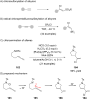
Scheme 28: Related chorosulfonylation and chloroamination reactions.
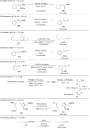
Scheme 29: Reaction of organometallic reagents with chlorine electrophiles.

Scheme 30: Elimination reactions of dichlorides to furnish alkenyl chlorides.

Scheme 31: Elimination reactions of allyl chloride 182 to furnish alkenyl chloride 183.

Scheme 32: Detailed studies by Schlosser on the elimination of dichloro compounds.

Scheme 33: Stereoselective variation caused by change of solvent.

Scheme 34: Elimination of gem-dichloride 189 to afford alkene 190.

Scheme 35: Oxidation of enones to dichlorides and in situ elimination thereof.

Scheme 36: Oxidation of allylic alcohols to dichlorides and in situ elimination thereof.

Scheme 37: Chlorination of styrenes with SOCl2 and elimination thereof.

Scheme 38: Chlorination of styrenes with SOCl2 and elimination thereof.

Scheme 39: Fluorine–chlorine exchange followed by elimination.

Scheme 40: Intercepting cations with alkynes and trapping of the alkenyl cation intermediate with chloride.

Scheme 41: Investigations by Mayr and co-workers.

Scheme 42: In situ activation of benzyl alcohol 230 with BCl3.

Scheme 43: In situ activation of benzylic alcohols with TiCl4.
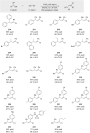
Scheme 44: In situ activation of benzylic alcohols with FeCl3.

Scheme 45: In situ activation of benzylic alcohols with FeCl3.

Scheme 46: In situ activation of aliphatic chlorides and alcohols with ZnCl2, InCl3, and FeCl3.

Scheme 47: In situ generation of benzylic cations and trapping thereof with alkynes.
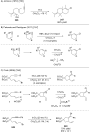
Scheme 48: Intramolecular trapping reactions affording alkenyl halides.

Scheme 49: Intramolecular trapping reactions affording alkenyl chlorides.

Scheme 50: Intramolecular trapping reactions of oxonium and iminium ions affording alkenyl chlorides.
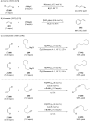
Scheme 51: Palladium and nickel-catalyzed coupling reactions to afford alkenyl chlorides.

Scheme 52: Rhodium-catalyzed couplings of 1,2-trans-dichloroethene with arylboronic esters.

Scheme 53: First report on monoselective coupling reactions for 1,1-dichloroalkenes.

Scheme 54: Negishi’s and Barluenga’s contributions.

Scheme 55: First mechanistic investigation by Johnson and co-workers.

Scheme 56: First successful cross-metathesis with choroalkene 260.

Scheme 57: Subsequent studies by Johnson.
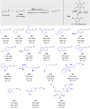
Scheme 58: Hoveyda and Schrock’s work on stereoretentive cross-metathesis with molybdenum-based catalysts.
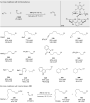
Scheme 59: Related work with (Z)-dichloroethene.
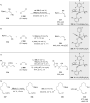
Scheme 60: Further ligand refinement and traceless protection of functional groups with HBpin.

Scheme 61: Alkenyl chloride synthesis by Wittig reaction.

Scheme 62: Alkenyl chloride synthesis by Julia olefination.

Scheme 63: Alkenyl chloride synthesis by reaction of ketones with Mg/TiCl4 mixture.

Scheme 64: Frequently used allylic substitution reactions which lead to alkenyl chlorides.
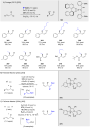
Scheme 65: Enantioselective allylic substitutions.

Scheme 66: Synthesis of alkenyl chlorides bearing an electron-withdrawing group.

Scheme 67: Synthesis of α-nitroalkenyl chlorides from aldehydes.

Scheme 68: Synthesis of alkenyl chlorides via elimination of an in situ generated geminal dihalide.

Scheme 69: Carbenoid approach reported by Pace.

Scheme 70: Carbenoid approach reported by Pace.

Scheme 71: Ring opening of cyclopropenes in the presence of MgCl2.

Scheme 72: Electrophilic chlorination of alkenyl MIDA boronates to Z- or E-alkenyl chlorides.

Scheme 73: Hydroalumination and hydroboration of alkynyl chlorides.

Scheme 74: Carbolithiation of chloroalkynes.

Scheme 75: Chlorination of enamine 420.

Scheme 76: Alkyne synthesis by elimination of alkenyl chlorides.

Scheme 77: Reductive lithiation of akenyl chlorides.

Scheme 78: Reactions of alkenyl chlorides with organolithium reagents.

Scheme 79: Reactions of alkenyl chlorides with organolithium reagents.

Scheme 80: Addition–elimination reaction of alkenyl chloride 9 with organolithium reagents.

Scheme 81: C–H insertions of lithiumcarbenoids.
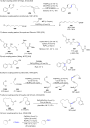
Scheme 82: Pd-catalyzed coupling reactions with alkenyl chlorides as coupling partner.

Scheme 83: Ni-catalyzed coupling of alkenylcopper reagent with alkenyl chloride 183.

Scheme 84: Ni-catalyzed coupling of heterocycle 472 with alkenyl chloride 473.

Scheme 85: Synthesis of α-chloroketones by oxidation of alkenyl chlorides.

Scheme 86: Tetrahalogenoferrate(III)-promoted oxidation of alkenyl chlorides.

Scheme 87: Chlorine–deuterium exchange promoted by a palladium catalyst.

Scheme 88: Reaction of alkenyl chlorides with thiols in the presence of AIBN (azobisisobutyronitrile).

Scheme 89: Chloroalkene annulation.
Isoorotamide-based peptide nucleic acid nucleobases with extended linkers aimed at distal base recognition of adenosine in double helical RNA
- Grant D. Walby,
- Brandon R. Tessier,
- Tristan L. Mabee,
- Jennah M. Hoke,
- Hallie M. Bleam,
- Angelina Giglio-Tos,
- Emily E. Harding,
- Vladislavs Baskevics,
- Martins Katkevics,
- Eriks Rozners and
- James A. MacKay
Beilstein J. Org. Chem. 2025, 21, 2513–2523, doi:10.3762/bjoc.21.193
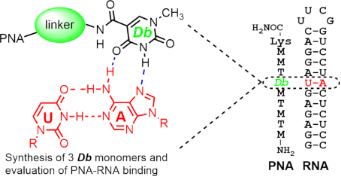
- distal binding monomers (Db) demonstrated slightly higher affinity for A–U base pairs while one demonstrated slightly higher affinity for the G–C base pair. These results provide insight into the nature of PNA monomer design particularly around linker design and rigidity. Keywords: Hoogsteen hydrogen
- monomer. We reported a similar result for 5-triazolyluracil [28]. However, despite the development of pyrimidine-recognizing bases (P, P9, E, etc.), the sequence selective recognition of any double helical region of RNA remains an elusive problem owing to the difficulties in pyrimidine recognition via a
- % of the final desired monomer 8 was also isolated in the coupling step, presumably due to hydrolysis of the allyl ester in the iron reduction step. The remaining allyl ester 7 was deallylated via Pd(PPh3)4 to afford the monomer 8 in 51% yield. Db2 Synthesis Db2 was prepared through a convergent

Graphical Abstract

Figure 1: (a) Structure of a PNA oligomer with the N-(2-aminoethyl)glycine backbone (in red); (b) Representat...

Figure 2: Representative extended nucleobase triples through Hoogsteen hydrogen bonding (blue dashed lines). ...

Figure 3: Evolution of the strategy for U–A recognition.

Figure 4: Isoorotamide-derived nucleobases for A–U recognition.

Figure 5: Proposed isoorotamide distal binding (Db) nucleobases designed from the Io5 core. Hydrogen bonding ...

Scheme 1: Synthesis of the Db1 monomer (8).

Scheme 2: Synthesis of Db2 monomer 15.

Scheme 3: Synthesis of Db3 monomer 21.

Figure 6: Sequences for RNA hairpins and PNA ligands used for binding studies.

Figure 7: Major-groove view of hydrogen-bonding interactions in the (A) Db1*U–A triplet, (B) Db2*U–A triplet,...
Comparative analysis of complanadine A total syntheses
- Reem Al-Ahmad and
- Mingji Dai
Beilstein J. Org. Chem. 2025, 21, 2334–2344, doi:10.3762/bjoc.21.178
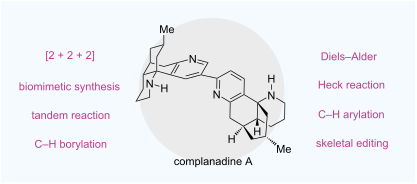
- synthetic route enabled Siegel and co-workers to determine the first biological target of complanadine A. Screening against a panel of cell surface GPCRs revealed that complanadine A acts as a selective agonist of MrgprX2, while the monomer lycodine showed no significant activity towards this target. This

Graphical Abstract
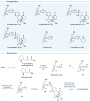
Scheme 1: Complanadine natural products and their plausible biosynthesis.

Scheme 2: The Siegel total synthesis of complanadine A enabled by [2 + 2 + 2] cycloadditions.
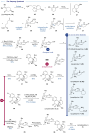
Scheme 3: The Sarpong total synthesis of complanadine A enabled by a biomimetic strategy and C–H activation.
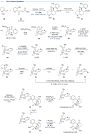
Scheme 4: The Tsukano total synthesis of complanadine A enabled by Diels–Alder cycloaddition, Heck cyclizatio...
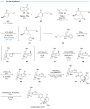
Scheme 5: The Dai total synthesis of complanadine A using single-atom skeletal editing.

Scheme 6: Comparative summary of the four complanadine A total syntheses.
Insoluble methylene-bridged glycoluril dimers as sequestrants for dyes
- Suvenika Perera,
- Peter Y. Zavalij and
- Lyle Isaacs
Beilstein J. Org. Chem. 2025, 21, 2302–2314, doi:10.3762/bjoc.21.176
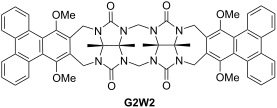
- have studied water-soluble acyclic CB[n] based on methylene-bridged glycoluril monomer–tetramer and found that glycoluril tetramer-derived hosts displayed the highest binding affinity toward hydrophobic alicyclic dications due to enhanced ion–dipole interactions [40][41]. Separately, we studied

Graphical Abstract

Figure 1: Chemical structures of selected hosts used as the basis for sequestrants.

Scheme 1: a) Synthesis of triphenylene-derived aromatic walls W1 and W2, and b) structure of commercially ava...

Scheme 2: Synthesis of methylene-bridged glycoluril dimers G2W1–G2W4. Conditions: a) TFA: Ac2O, 95 °C, 3.5 h (...

Figure 2: Chemical structures of dyes used in this study.

Figure 3: 1H NMR spectra recorded (400 MHz, DMSO-d6, rt) for: a) G2W1, b) G2W2, c) G2W3, d) G2W4.

Figure 4: Plot of removal efficiency of dyes from water after incubating with equimolar amounts (7.2 μmol) of ...

Figure 5: Cross-eyed stereoview of: a) one molecule of G2W3 in the crystal, and b) the packing of G2W3 in the...

Figure 6: Cross-eyed stereoview of: a) a molecule of G2W1 in the crystal, b) the packing of G2W1 along the xz...
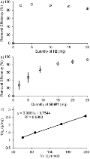
Figure 7: a) Plot of removal efficiency of methylene blue (240 μM, 1 mL) from water after incubating with dif...

Figure 8: Plot of the removal efficiency versus methylene blue concentration (70, 90, 120, 180, 240, 300, 100...
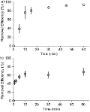
Figure 9: a) Plot of removal efficiency of methylene blue (240 μM, 1 mL) from water as a function of time aft...
C2 to C6 biobased carbonyl platforms for fine chemistry
- Jingjing Jiang,
- Muhammad Noman Haider Tariq,
- Florence Popowycz,
- Yanlong Gu and
- Yves Queneau
Beilstein J. Org. Chem. 2025, 21, 2103–2172, doi:10.3762/bjoc.21.165

Graphical Abstract

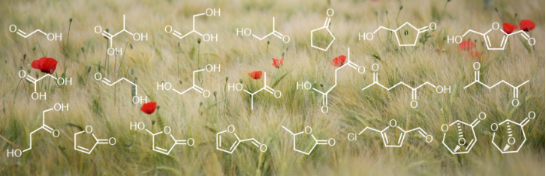
Figure 1: C2–C6 biobased carbonyl building blocks.

Scheme 1: Proposed (2 + 2) route to glycolaldehyde and glycolic acid from erythritol by Cu/AC catalyst (AC = ...

Scheme 2: Reductive amination of GCA.

Scheme 3: N-Formylation of secondary amines by reaction with GCA.

Scheme 4: Synthesis and conversion of hydroxy acetals to cyclic acetals.

Scheme 5: Synthesis of 3-(indol-3-yl)-2,3-dihydrofurans via three-component reaction of glycolaldehyde, indol...

Scheme 6: BiCl3-catalyzed synthesis of benzo[a]carbazoles from 2-arylindoles and α-bromoacetaldehyde ethylene...

Scheme 7: Cu/NCNSs-based conversion of glycerol to glycolic acid and other short biobased acids.

Scheme 8: E. coli-based biotransformation of C1 source molecules (CH4, CO2 and CO) towards C2 glycolic acid.

Scheme 9: N-Formylation of amines with C2 (a) or C3 (b) biomass-based feedstocks.

Scheme 10: Methods for the formation of propanoic acid (PA) from lactic acid (LA).

Scheme 11: Co-polymerization of biobased lactic acid and glycolic acid via a bicatalytic process.

Scheme 12: Oxidation of α-hydroxy acids by tetrachloroaurate(III) in acetic acid–sodium acetate buffer medium.

Figure 2: Selective catalytic pathways for the conversion of lactic acid (LA).

Scheme 13: Synthesis of 1,3-PDO via cross-aldol reaction between formaldehyde and acetaldehyde to 3-hydroxypro...

Scheme 14: Hydrothermal conversion of 1,3-dihydroxy-2-propane and 2,3-dihydroxypropanal to methylglyoxal.

Scheme 15: FLS-catalyzed formose reaction to synthesize GA and DHA.

Scheme 16: GCA and DHA oxidation products of glycerol and isomerization of GCA to DHA under flow conditions us...

Scheme 17: Acid-catalyzed reactions of DHA with alcohols.

Scheme 18: Synthesis of dihydroxyacetone phosphate from dihydroxyacetone.

Scheme 19: Bifunctional acid–base catalyst DHA conversion into lactic acid via pyruvaldehyde or fructose forma...

Scheme 20: Catalytic one-pot synthesis of GA and co-synthesis of formamides and formates from DHA.

Scheme 21: (a) Synthesis of furan derivatives and (b) synthesis of thiophene derivative by cascade [3 + 2] ann...

Scheme 22: Brønsted acidic ionic liquid catalyzed synthesis of benzo[a]carbazole from renewable acetol and 2-p...

Scheme 23: Asymmetric hydrogenation of α-hydroxy ketones to 1,2-diols.

Scheme 24: Synthesis of novel 6-(substituted benzylidene)-2-methylthiazolo [2,3-b]oxazol-5(6H)-one from 1-hydr...

Scheme 25: ʟ-Proline-catalyzed synthesis of anti-diols from hydroxyacetone and aldehydes.

Scheme 26: C–C-bond-formation reactions of a biomass-based feedstock aromatic aldehyde (C5) and hydroxyacetone...

Scheme 27: Ethanol upgrading to C4 bulk chemicals via the thiamine (VB1)-catalyzed acetoin condensation.

Scheme 28: One-pot sequential chemoenzymatic synthesis of 2-aminobutane-1,4-diol and 1,2,4-butanetriol via 1,4...

Scheme 29: Synthesis of 1,4-dihydroxybutan-2-one by microbial transformation.

Scheme 30: Conversion of polyols by [neocuproine)Pd(OAc)]2(OTf)2] to α-hydroxy ketones.

Scheme 31: Chemoselective oxidation of alcohols with chiral palladium-based catalyst 2.

Scheme 32: Electrochemical transformation of furfural to 5-hydroxy-2(5H)-furanone (HFO).

Scheme 33: Selective hydrodeoxygenation of HFO and oxidation to γ-butyrolactone (GBL).

Scheme 34: Photosensitized oxygenation of furan towards HFO via ozonide intermediates.

Scheme 35: Conversion of furfural to HFO and MAN by using mesoporous carbon nitride (SGCN) as photocatalyst.

Scheme 36: Synthesis of HFO from furan derivatives.

Scheme 37: Photooxidation of furfural to 5-hydroxy-2(5H)-furanone (HFO).

Scheme 38: Synthesis of Friedel–Crafts indole adduct from HFO.

Scheme 39: Conversion of HFO to α,γ-substituted chiral γ-lactones.

Scheme 40: Tautomeric transformation of HFO to formylacrylic acid.

Scheme 41: Hydrolysis of HFO to succinic acid in aqueous solution.

Scheme 42: Substitution and condensation reactions of 5-hydroxy-2(5H)-furanone (HFO).

Scheme 43: (a) Conversion of HFO towards valuable C4 chemicals and (b) anodic oxidation of 5-hydroxy-2(5H)-fur...

Figure 3: Conversion of HFO towards other natural and synthetic substances.

Scheme 44: Conversion of furfural to maleic anhydride (reaction a: VOx/Al2O3; reaction b: VPO).

Scheme 45: Conversion of furfural into succinic acid.

Scheme 46: Electro‑, photo‑, and biocatalysis for one-pot selective conversions of furfural into C4 chemicals.

Scheme 47: Production route of furfural from hemicellulose.

Scheme 48: Mechanism for xylose dehydration to furfural through a choline xyloside intermediate.

Scheme 49: Conversion of furfural to furfuryl alcohol and its derivatives.

Scheme 50: Conversion of furfural to furfuryl alcohol and 3-(2-furyl)acrolein.

Scheme 51: The aerobic oxidative condensation of biomass-derived furfural and linear alcohols.

Scheme 52: The single-step synthesis of 2-pentanone from furfural.

Scheme 53: Electrocatalytic coupling reaction of furfural and levulinic acid.

Scheme 54: Conversion of furfural to m-xylylenediamine.

Scheme 55: Conversion of furfural to tetrahydrofuran-derived amines.

Scheme 56: Formation of trans-4,5-diamino-cyclopent-2-enones from furfural.

Scheme 57: Production of pyrrole and proline from furfural.

Scheme 58: Synthesis of 1‑(trifluoromethyl)-8-oxabicyclo[3.2.1]oct-3-en-2-ones from furfural.

Scheme 59: Conversion of furfural to furfural-derived diacids.

Scheme 60: A telescope protocol derived from furfural and glycerol.

Scheme 61: A tandem cyclization of furfural and 5,5-dimethyl-1,3-cyclohexanedione.

Scheme 62: A Ugi four-component reaction to construct furfural-based polyamides.

Scheme 63: One-pot synthesis of γ-acyloxy-Cy7 from furfural.

Scheme 64: Dimerization–Piancatelli sequence toward humins precursors from furfural.

Scheme 65: Conversion of furfural to CPN.

Scheme 66: Synthesis of jet fuels range cycloalkanes from CPN and lignin-derived vanillin.

Scheme 67: Solar-energy-driven synthesis of high-density biofuels from CPN.

Scheme 68: Reductive amination of CPN to cyclopentylamine.

Scheme 69: Asymmetric hydrogenation of C=O bonds of exocyclic α,β-unsaturated cyclopentanones.

Scheme 70: Preparation of levulinic acid via the C5 route (route a) or C6 route (routes b1 and b2).

Scheme 71: Mechanism of the rehydration of HMF to levulinic acid and formic acid.

Scheme 72: Important levulinic acid-derived chemicals.

Scheme 73: Direct conversion of levulinic acid to pentanoic acid.

Scheme 74: Catalytic aerobic oxidation of levulinic acid to citramalic acid.

Scheme 75: Conversion of levulinic acid to 1,4-pentanediol (a) see ref. [236]; b) see ref. [237]; c) see ref. [238]; d) see r...

Scheme 76: Selective production of 2-butanol through hydrogenolysis of levulinic acid.

Scheme 77: General reaction pathways proposed for the formation of 5MPs from levulinic acid.

Scheme 78: Selective reductive amination of levulinic acid to N-substituted pyrroles.

Scheme 79: Reductive amination of levulinic acid to chiral pyrrolidinone.

Scheme 80: Reductive amination of levulinic acid to non-natural chiral γ-amino acid.

Scheme 81: Nitrogen-containing chemicals derived from levulinic acid.

Scheme 82: Preparation of GVL from levulinic acid by dehydration and hydrogenation.

Scheme 83: Ruthenium-catalyzed levulinic acid to chiral γ-valerolactone.

Scheme 84: Catalytic asymmetric hydrogenation of levulinic acid to chiral GVL.

Scheme 85: Three steps synthesis of ε-caprolactam from GVL.

Scheme 86: Multistep synthesis of nylon 6,6 from GVL.

Scheme 87: Preparation of MeGVL by α-alkylation of GVL.

Scheme 88: Ring-opening polymerization of five-membered lactones.

Scheme 89: Synthesis of GVL-based ionic liquids.

Scheme 90: Preparation of butene isomers from GVL under Lewis acid conditions.

Scheme 91: Construction of C5–C12 fuels from GVL over nano-HZSM-5 catalysts.

Scheme 92: Preparation of alkyl valerate from GVL via ring opening/reduction/esterification sequence.

Scheme 93: Construction of 4-acyloxypentanoic acids from GVL.

Scheme 94: Synthesis of 1,4-pentanediol (PDO) from GVL.

Scheme 95: Construction of novel cyclic hemiketal platforms via self-Claisen condensation of GVL.

Scheme 96: Copper-catalyzed lactamization of GVL.

Figure 4: Main scaffolds obtained from HMF.

Scheme 97: Biginelli reactions towards HMF-containing dihydropyrimidinones.

Scheme 98: Hantzsch dihydropyridine synthesis involving HMF.

Scheme 99: The Kabachnik–Fields reaction involving HMF.

Scheme 100: Construction of oxazolidinone from HMF.

Scheme 101: Construction of rhodamine-furan hybrids from HMF.

Scheme 102: A Groebke–Blackburn–Bienaymé reaction involving HMF.

Scheme 103: HMF-containing benzodiazepines by [4 + 2 + 1] cycloadditions.

Scheme 104: Synthesis of fluorinated analogues of α-aryl ketones.

Scheme 105: Synthesis of HMF derived disubstituted γ-butyrolactone.

Scheme 106: Functionalized aromatics from furfural and HMF.

Scheme 107: Diels–Alder adducts from HMF or furfural with N-methylmaleimide.

Scheme 108: Pathway of the one-pot conversion of HMF into phthalic anhydride.

Scheme 109: Photocatalyzed preparation of humins (L-H) from HMF mixed with spoiled HMF residues (LMW-H) and fur...

Scheme 110: Asymmetric dipolar cycloadditions on HMF.

Scheme 111: Dipolar cycloadditions of HMF based nitrones to 3,4- and 3,5-substituted isoxazolidines.

Scheme 112: Production of δ-lactone-fused cyclopenten-2-ones from HMF.

Scheme 113: Aza-Piancatelli access to aza-spirocycles from HMF-derived intermediates.

Scheme 114: Cross-condensation of furfural, acetone and HMF into C13, C14 and C15 products.

Scheme 115: Base-catalyzed aldol condensation/dehydration sequences from HMF.

Scheme 116: Condensation of HMF and active methylene nitrile.

Scheme 117: MBH reactions involving HMF.

Scheme 118: Synthesis of HMF-derived ionic liquids.

Scheme 119: Reductive amination/enzymatic acylation sequence towards HMF-based surfactants.

Scheme 120: The formation of 5-chloromethylfurfural (CMF).

Scheme 121: Conversion of CMF to HMF, levulinic acid, and alkyl levulinates.

Scheme 122: Conversion of CMF to CMFCC and FDCC.

Scheme 123: Conversion of CMF to BHMF.

Scheme 124: Conversion of CMF to DMF.

Scheme 125: CMF chlorine atom substitutions toward HMF ethers and esters.

Scheme 126: Introduction of carbon nucleophiles in CMF.

Scheme 127: NHC-catalyzed remote enantioselective Mannich-type reactions of CMF.

Scheme 128: Conversion of CMF to promising biomass-derived dyes.

Scheme 129: Radical transformation of CMF with styrenes.

Scheme 130: Synthesis of natural herbicide δ-aminolevulinic acid from CMF.

Scheme 131: Four step synthesis of the drug ranitidine from CMF.

Scheme 132: Pd/CO2 cooperative catalysis for the production of HHD and HXD.

Scheme 133: Different ruthenium (Ru) catalysts for the ring-opening of 5-HMF to HHD.

Scheme 134: Proposed pathways for preparing HXD from HMF.

Scheme 135: MCP formation and uses.

Scheme 136: Cu(I)-catalyzed highly selective oxidation of HHD to 2,5-dioxohexanal.

Scheme 137: Synthesis of N‑substituted 3‑hydroxypyridinium salts from 2,5-dioxohexanal.

Scheme 138: Ru catalyzed hydrogenations of HHD to 1,2,5-hexanetriol (a) see ref. [396]; b) see ref. [397]).

Scheme 139: Aviation fuel range quadricyclanes produced by HXD.

Scheme 140: Synthesis of HDGK from HXD and glycerol as a chain extender.

Scheme 141: Synthesis of serinol pyrrole from HXD and serinol.

Scheme 142: Synthesis of pyrroles from HXD and nitroarenes.

Scheme 143: Two-step production of PX from cellulose via HXD.

Scheme 144: Preparation of HCPN from HMF via hydrogenation and ring rearrangement.

Scheme 145: Suggested pathways from HMF to HCPN.

Scheme 146: α-Alkylation of HCPN with ethylene gas.

Scheme 147: Synthesis of 3-(hydroxymethyl)cyclopentylamine from HMF via reductive amination of HCPN.

Scheme 148: Production of LGO and Cyrene® from biomass.

Scheme 149: Synthesis of HBO from LGO and other applications.

Scheme 150: Construction of m-Cyrene® homopolymer.

Scheme 151: Conversion of Cyrene® to THFDM and 1,6-hexanediol.

Scheme 152: RAFT co-polymerization of LGO and butadienes.

Scheme 153: Polycondensation of HO-LGOL and diols with dimethyl adipate.

Scheme 154: Self-condensation of Cyrene® and Claisen–Schmidt reactions.

Scheme 155: Synthesis of 5-amino-2-(hydroxymethyl)tetrahydropyran from Cyrene®.
Solar thermal fuels: azobenzene as a cyclic photon–heat transduction platform
- Jie Yan,
- Shaodong Sun,
- Minghao Wang and
- Si Wu
Beilstein J. Org. Chem. 2025, 21, 2036–2047, doi:10.3762/bjoc.21.159
- monomer to 103 min for the polymer. Linear azobenzene polymer solar thermal fuels Linear azobenzene polymers possess excellent processability and serve as ideal solid-state matrices for photoisomerization [49][50][51][52][53][54][55][56][57], making them suitable candidates for solar thermal fuels
- azobenzene polymer solar thermal fuels: (a) Photoisomerization and thermally induced reverse isomerization of diacetylene monomers. The inset depicts the crystal structure of diacetylene monomer (n = 6, X = N–H) with dashed lines indicating intermolecular hydrogen bonds. Figure 4a was used with permission of
- subject to CC BY 4.0. (b) Schematic illustration of diacetylene monomer photopolymerization and the conjugated polydiacetylene structure. Figure 4b was redrawn from [47]. (c) Photoisomerization of a conjugated azobenzene polymer with a carbazole backbone. Figure 4c was redrawn from [48]. Linear azobenzene

Graphical Abstract

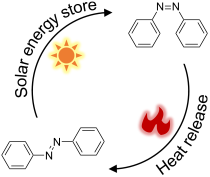
Figure 1: Schematic diagram of molecular solar thermal energy storage system.

Figure 2: Photoisomerization of different types of molecular optical switches. Figure 2 was redrawn from [8].

Figure 3: Nanocarbon-based azobenzene polymer solar thermal fuels: (a) SWCNT templating. Figure 3a is from [43] (T. J. Kuc...
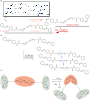
Figure 4: Conjugated azobenzene polymer solar thermal fuels: (a) Photoisomerization and thermally induced rev...
Figure 5: Linear azobenzene polymer solar thermal fuels: (a) Schematic illustration of the trans-to-cis isome...

Figure 6: Representative examples of azobenzene small-molecule derivative solar thermal fuels. (a) Polarized ...

Figure 7: (a) Deicing test of charged solar thermal fuels under green light irradiation (550 nm). Figure 7a was reprin...
Synthesis of optically active folded cyclic dimers and trimers
- Ena Kumamoto,
- Kana Ogawa,
- Kazunori Okamoto and
- Yasuhiro Morisaki
Beilstein J. Org. Chem. 2025, 21, 1603–1612, doi:10.3762/bjoc.21.124

- , enantiopure [2.2]paracyclophane was used as a chiral monomer to prepare optically active conjugated polymers and cyclic trimers [21], in which π-electron systems were stacked to form zigzag and triangular structures, respectively. The conjugated polymers and cyclic trimers exhibited circularly polarized
- –Hagihara cross-coupling [37][38] of (Sp)-1 with diiodotolane 2 afforded the corresponding ribbon-shaped compound (Sp)-3 in 39% isolated yield. Triisopropylsilyl (TIPS) groups in (Sp)-3 were removed using Bu4NF to afford diyne (Sp)-4 as a monomer in 45% isolated yield. The reaction of (Sp)-4 with
- diiodobenzene 5 using a Pd2(dba)3/PPh3/CuI catalytic system in toluene and Et3N under diluted conditions (monomer concentration = approximately 1.3 × 10⁻³ M) was performed. The corresponding cyclic dimer (Sp)-6 and trimer (Sp)-7 were detected mainly by thin-layer chromatography (TLC) and separated roughly using

Graphical Abstract
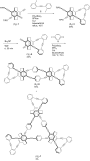
Scheme 1: Synthesis of cyclic dimer (Sp)-6 and trimer (Sp)-7.

Figure 1: UV–vis and PL spectra of (Sp)-6 and (Sp)-7 in CHCl3 (1.0 × 10⁻⁵ M). Excitation wavelength 370 nm an...
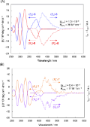
Figure 2: (A) UV, CD, PL, and CPL spectra of (Sp)- and (Rp)-6 in CHCl3 (1.0 × 10⁻⁵ M). (B) UV, CD, PL, and CP...
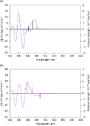
Figure 3: (A) CD spectrum of (Sp)-6 in CHCl3 (1.0 × 10⁻⁵ M), and the plot of the calculated rotatory strength...

Figure 4: Molecular orbitals and simulated CPL profiles in the S1 states of (A) (Sp)-6 and (B) (Sp)-7 (TD-MN1...
Supramolecular assembly of hypervalent iodine macrocycles and alkali metals
- Krishna Pandey,
- Lucas X. Orton,
- Grayson Venus,
- Waseem A. Hussain,
- Toby Woods,
- Lichang Wang and
- Kyle N. Plunkett
Beilstein J. Org. Chem. 2025, 21, 1095–1103, doi:10.3762/bjoc.21.87
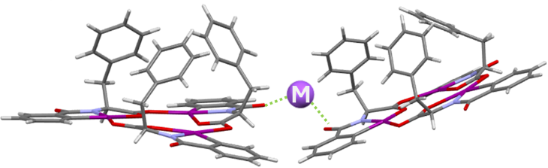
- initiate the disassembly of the HIM trimer into a HIM monomer [18]. The HIMs were found not to interact with tetrabutylammonium nitrate, signifying a lack of association between the HIM and the bulky cation (tetrabutylammonium) or the non-nucleophilic anion (nitrate). With these observations, and the

Graphical Abstract

Figure 1: (A) Our previous work: Assembly and disassembly of phenylalanine hypervalent iodine macrocycles (Ph...

Figure 2: Two conformations of the HIM were found. One conformation projected all three benzyl groups in a ve...

Figure 3: A) Chemical structure of HIM 1: Three iodine atoms and three inward projected ester carbonyls curcu...

Figure 4: 1H NMR titration experiment of 1 with LiBArF20 at an incremental equivalency in CDCl3 and (CD3)2CO ...

Figure 5: Crystal structures of HIM 1 and LiBArF20 (A) and NaBArF24 (B). BARF cation is omitted for clarity. ...

Figure 6: Alternative view of the crystal structure of the HIM 1 and LiBArF20 complex. BArF20 anion is omitte...

Figure 7: Isotherms of 1 titrated with NaBArF24 orLiBArF20. The solid lines are the predicted model fits for ...

Figure 8: Lithium complex 2 (red) overlaid with lithium complex 3 (blue). In lithium complex 2, one benzyl ri...
On the photoluminescence in triarylmethyl-centered mono-, di-, and multiradicals
- Daniel Straub,
- Markus Gross,
- Mona E. Arnold,
- Julia Zolg and
- Alexander J. C. Kuehne
Beilstein J. Org. Chem. 2025, 21, 964–998, doi:10.3762/bjoc.21.80
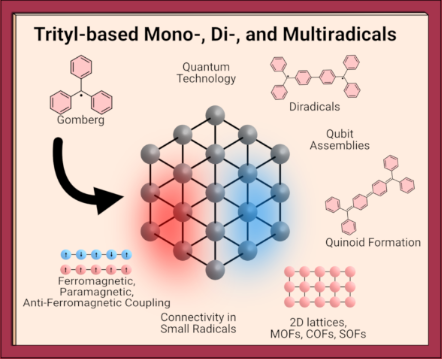

Graphical Abstract

Figure 1: a) Tris(trichlorophenyl)methyl (TTM) radical and related trityl radicals, b) HDMO, SOMO, LUMO orbit...

Figure 2: Mixed halide tri- and perhalogenated triphenylmethyl radicals: a) Molecular structures of homo- and...

Figure 3: Pyridine-functionalized triarylmethyl radicals. a) Chemical structures of X2PyBTM, Py2MTM, and Au-F2...

Figure 4: Pyridine-functionalized triarylmethyl radicals. a) Molecular structure of Mes2F2PyBTM, and b) its f...

Figure 5: Carbazole functionalized triarylmethyl radical. a) Chemical structure of Cz-BTM and b) its energy d...
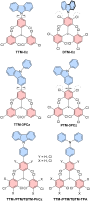
Figure 6: Donor-functionalized triphenylmethyl radicals. Molecular structures of TTM-Cz, DTM-Cz, TTM-3PCz, PT...

Figure 7: Tuning of the donor strength. Functionalization with electron-donating and electron-withdrawing gro...
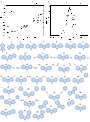
Figure 8: Tuning of the donor strength, by varying the Cz-derived donor (1–36) on a TTM radical fragment. a) ...

Figure 9: Three-state model and Marcus theory: q is the charge transfer coordinate and G the free energy. Gro...

Figure 10: Dendronized carbazole donors on TTM radicals. a) Molecular structures of G3TTM and G4TTM. b) Photol...

Figure 11: Electronic extension of the Cz donor. a) Molecular structures and optoelectronic properties of TTM-...

Figure 12: Kekulé diradicals: a) hexadeca- and perchlorinated Thiele (TTH, PTH), Chichibabin (TTM-TTM, PTM-PTM...
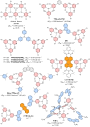
Figure 13: Non-Kekulé diradicals: perchlorinated Schlenk–Brauns radical (m-PTH), meta-coupled TTM radicals in ...

Figure 14: UV–vis absorption and photoluminescence spectra of a) TTH in solvents of different polarity, b) dir...

Figure 15: Molecular structures of m-4BTH (meta-butylated Thiele hydrocarbon), m-4TTH (meta-trichlorinated Thi...

Figure 16: a) Polystyrene-based TTM-Cz polymer. b) Molecular structure of radical particles with backbone thro...
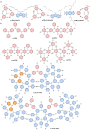
Figure 17: Molecular structures of polyradicals. a) Molecular structures of p-TBr6Cl3M-F8, p-TBr6Cl3M-acF8 and ...
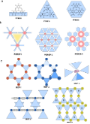
Figure 18: Structures of coordination and metal-organic frameworks. a) Carboxylic acid functionalized monomers...

Figure 19: Structures of coordination and metal-organic frameworks. a) Molecular structures of monomers TTMDI, ...

Figure 20: Molecular structures of covalent organic frameworks m-TPM-Ph-COF, m-PTM-Ph-COF, p-TPH-COF, p-PTH-COF...
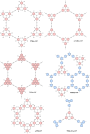
Figure 21: Molecular structures of covalent organic frameworks PTMAc-COF, oxTAMAc-COF, TOTAc-COF, PTMTAz-COF, p...
Acyclic cucurbit[n]uril bearing alkyl sulfate ionic groups
- Christian Akakpo,
- Peter Y. Zavalij and
- Lyle Isaacs
Beilstein J. Org. Chem. 2025, 21, 717–726, doi:10.3762/bjoc.21.55
- modular synthesis, acyclic CB[n] can be easily modified synthetically [42][43][44][45][46][47][61]. Acyclic CB[n]-type receptors featuring different length glycoluril oligomers (monomer–pentamer) and different aromatic walls (e.g., naphthalene, anthracene, triptycene) have been studied [42][62][63][64][65

Graphical Abstract

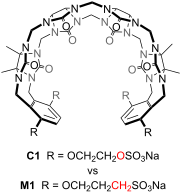
Figure 1: Chemical structures of CB[n] and selected acyclic CB[n]-type molecular containers M1 and M0.
Scheme 1: Synthesis of C1. Conditions: a) TFA/Ac2O, 70 °C, 3.5 h, 71%; b) LiOH, 50 °C, 69%; c) dry pyridine, ...

Figure 2: a) 1H NMR spectrum (600, D2O, rt) and b) 13C NMR spectrum recorded (150 MHz, D2O, rt) for C1.

Figure 3: Chemical structures of guests used in this study along with the complexation induced changes in che...

Figure 4: 1H NMR spectra recorded (400 MHz, D2O, rt) for: a) Me6PXDA (0.5 mM), b) a mixture of C1 (0.5 mM) an...

Figure 5: Cross-eyed stereoview of the C1·Me6CHDA complex in the crystal. Color code: C, gray; H, white; N, b...

Figure 6: Cross-eyed stereoview of the crystal packing observed in the molecular cell of C1·Me6CHDA. H-atoms ...

Figure 7: a) Representative plot of DP (μcal s−1) versus time from the titration of C1 (0.1 mM) in the ITC ce...
Unprecedented visible light-initiated topochemical [2 + 2] cycloaddition in a functionalized bimane dye
- Metodej Dvoracek,
- Brendan Twamley,
- Mathias O. Senge and
- Mikhail A. Filatov
Beilstein J. Org. Chem. 2025, 21, 500–509, doi:10.3762/bjoc.21.37
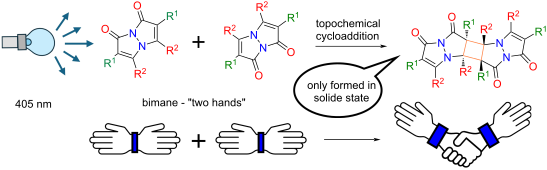
- its photophysical properties. While a pure sample of the dimer has not yet been isolated, a UV–vis spectrum of Cl2B after 1.75 hours of irradiation in DCM was recorded. The peak corresponding to the remaining monomer was observed, along with a new peak blueshifted by 47 nm compared to the parent

Graphical Abstract

Figure 1: Structures of a) the unfunctionalized bimane scaffold and b) the two isomers of bimanes with their ...

Figure 2: a) Structures of the bimanes studied and b) the reaction scheme of the [2 + 2] photocycloaddition o...

Figure 3: Synthetic approach to bimanes.

Figure 4: View of the molecular structures in the crystal of the functionalized bimanes studied: a) Cl2B (B),...

Figure 5: View of the molecular structure in the crystal of a) symmetry generated by inversion bimanes Cl2B (...

Figure 6: View of the packing of the unit cells of a) Me2B viewed normal to the c-axis and b) Me4B viewed nor...

Figure 7: UV–vis spectrum of Cl2B after irradiation in DCM.

Figure 8: Proposed mechanism for the topochemical [2 + 2] photocycloaddition of Cl2B.
Red light excitation: illuminating photocatalysis in a new spectrum
- Lucas Fortier,
- Corentin Lefebvre and
- Norbert Hoffmann
Beilstein J. Org. Chem. 2025, 21, 296–326, doi:10.3762/bjoc.21.22

- -red region, providing excellent control over molecular weight and polydispersity in the polymerization of various monomers, including methyl acrylate. The authors highlight that under red-light irradiation, the bacteriochlorin catalyst has achieved 89% monomer conversion in just 12 hours, with
- molecular weights closely matching theoretical predictions and low polydispersity indexes. Even with reduced catalyst loadings (down to 10 ppm), the polymerization process has remained efficient, maintaining high monomer conversions and well-controlled molecular weights. What makes this approach

Graphical Abstract
Figure 1: Influence of the metal center M (Fe, Ru, Os) on the position of the MLCT and MC (metal-centered) ab...

Scheme 1: Red-light-mediated ring-closing metathesis through activation of a ruthenium catalyst by an osmium ...

Scheme 2: Photocatalyzed polymerization of dicylopentadiene mediated with red or blue light.

Figure 2: Comparison between [Ru(bpy)3]2+ and [Os(tpy)2]2+ in a photocatalyzed trifluoromethylation reaction:...

Scheme 3: Red-light photocatalyzed C–N cross-coupling reaction by T. Rovis et al. (SET = single-electron tran...

Figure 3: Red-light-mediated aryl oxidative addition with a bismuthinidene complex.

Scheme 4: Red-light-mediated reduction of aryl derivatives by O. S. Wenger et al. (PC = photocatalyst, anh = ...
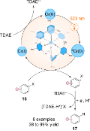
Scheme 5: Red-light-mediated aryl halides reduction with an isoelectronic chromium complex (TDAE = tetrakis(d...

Scheme 6: Red-light-photocatalyzed trifluoromethylation of styrene derivatives with Umemoto’s reagent and a p...
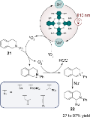
Scheme 7: Red-light-mediated energy transfer for the cross-dehydrogenative coupling of N-phenyltetrahydroisoq...
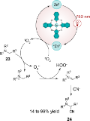
Scheme 8: Red-light-mediated oxidative cyanation of tertiary amines with a phthalocyanin zinc complex.

Scheme 9: Formation of dialins and tetralins via a red-light-photocatalyzed reductive decarboxylation mediate...
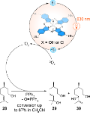
Scheme 10: Oxidation of β-citronellol (28) via energy transfer mediated by a red-light activable silicon phtha...

Scheme 11: Formation of alcohol derivatives 32 from boron compounds 31 using chlorophyll (chl) as a red-light-...

Scheme 12: Red-light-driven reductive dehalogenation of α-halo ketones mediated by a thiaporphyrin photocataly...

Figure 4: Photoinduced electron transfer-reversible addition-fragmentation chain transfer polymerization medi...
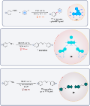
Figure 5: Recent examples of red-light-mediated photocatalytic reactions with traditional organic dyes.

Figure 6: Squaraine photocatalysts used by Goddard et al. and aza-Henry reaction with squaraine-based photoca...

Figure 7: Reactions described by Goddard et al. involving 40 as the photocatalyst.

Figure 8: Various structures of squaraine derivatives used to initiate photopolymerizations.
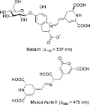
Figure 9: Naturally occurring cyanins.

Figure 10: Influence of the structure on the photophysical properties of a cyanin dye.

Figure 11: NIR-light-mediated aza-Henry reaction photocatalyzed by 46.

Scheme 13: Photocatalyzed arylboronic acids oxidation by 46.
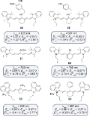
Figure 12: Cyanin structures synthetized and characterized by Goddard et al. (redox potentials given against s...
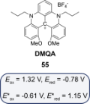
Figure 13: N,N′-Di-n-propyl-1,13-dimethoxyquinacridinium (55) with its redox potentials at its ground state an...
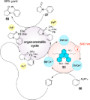
Scheme 14: Dual catalyzed C(sp2)–H arylation of 57 using DMQA 55 as the red-light-absorbing photocatalyst.

Scheme 15: Red-light-mediated aerobic oxidation of arylboronic acids 59 into phenols 60 via the use of DMQA as...

Figure 14: Red-light-photocatalyzed reactions proposed by Gianetti et al. using DMQA as the photocatalyst.

Scheme 16: Simultaneous release of NO and production of superoxide (O2•−) and their combination yielding the p...
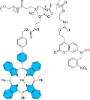
Figure 15: Palladium porphyrin complex as the photoredox catalyst and the NO releasing substrate are linked in...

Scheme 17: Uncaging of compound 69 which is a microtubule depolymerizing agent using near IR irradiation. The ...

Scheme 18: Photochemical uncaging of drugs protected with a phenylboronic acid derivative using near IR irradi...

Scheme 19: Photoredox catalytical generation of aminyl radicals with near IR irradiation for the transfer of b...

Scheme 20: Photoredox catalytical fluoroalkylation of tryptophan moieties.

Figure 16: Simultaneous absorption of two photons of infrared light of low energy enables electronic excitatio...

Scheme 21: Uncaging Ca2+ ions using two-photon excitation with near infrared light.
Hydrogen-bonded macrocycle-mediated dimerization for orthogonal supramolecular polymerization
- Wentao Yu,
- Zhiyao Yang,
- Chengkan Yu,
- Xiaowei Li and
- Lihua Yuan
Beilstein J. Org. Chem. 2025, 21, 179–188, doi:10.3762/bjoc.21.10
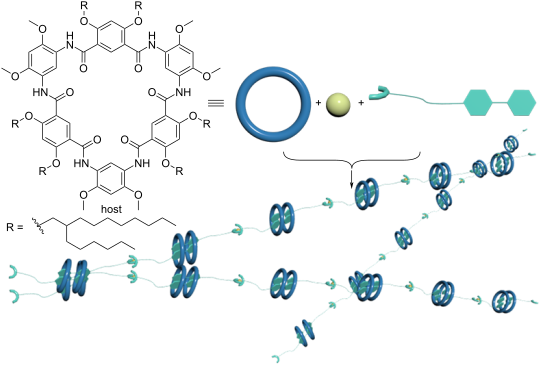
- polymers (Scheme 1). The terpyridyl group and the pyridinium cation in the AB-type monomer G2 each function as a “sticker” to enable supramolecular polymerization in the presence of the macrocyclic component and zinc ions. The driving force for the recognition involves multiple cooperative interactions
- that by applying the design rules commonly known for metallosupramolecular polymers and macrocycle-mediated dimerization to supramolecular chemistry, we would be able to generate supramolecular polymers with this heterodifunctional monomer, with one end comprising two macrocycles and the other end
- coordinating metal ions. In such supramolecular polymers, orthogonal host–guest and coordination interactions are responsible for polymerization. Host–guest complexation and zinc coordination When forming supramolecular polymers, an AB-type monomer, i.e., the guest G2, is supposed to interact with the

Graphical Abstract
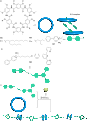
Scheme 1: a) Chemical structures of H-bonded macrocycles H1, H2, and guest G1, and schematic representation o...

Figure 1: ESIMS spectrum of an equimolar mixture of G1 and H1 in CHCl3/CH3CN (1:1, v/v), including calculated...

Figure 2: Stacked 1H NMR spectra (CDCl3/CD3CN 1:1, v/v, 400 MHz, 298 K) of G1 upon addition of different equi...

Figure 3: Single-crystal X-ray structure of the complex H2 ⊃ G1. a) Dimeric structure formed by cyclo[6]arami...

Figure 4: Stacked 1H NMR spectra (CDCl3/CD3CN 1:1, v/v, 400 MHz, 298 K) of G2 upon addition of different equi...

Figure 5: TEM images of a solution of H1, G2, and Zn(ClO4)2 at different concentrations (CHCl3/CH3CN 1:1, v/v...

Figure 6: Stacked 1H NMR spectra (CDCl3/CD3CN 1:1, v/v, 400 MHz, 298 K) of G2 and Zn2+ upon addition of diffe...

Figure 7: Specific viscosity of the linear supramolecular polymer in CHCl3/CH3CN (1:1, v/v, 298 K) at variabl...

Figure 8: Variable-concentration 1H NMR spectra of the supramolecular polymer: (a) 2.0 mM, (b) 4.0 mM, (c) 6....
Efficient synthesis of fluorinated triphenylenes with enhanced arene–perfluoroarene interactions in columnar mesophases
- Yang Chen,
- Jiao He,
- Hang Lin,
- Hai-Feng Wang,
- Ping Hu,
- Bi-Qin Wang,
- Ke-Qing Zhao and
- Bertrand Donnio
Beilstein J. Org. Chem. 2024, 20, 3263–3273, doi:10.3762/bjoc.20.270
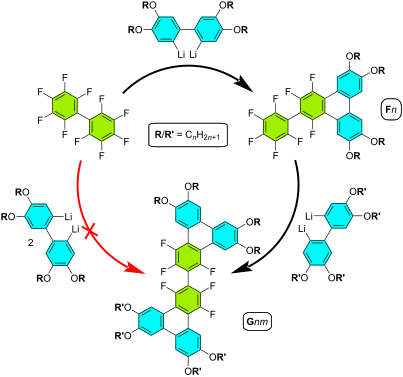
- possesses higher HOMO and LUMO energy levels than that of the monomer F1, with a smaller HOMO–LUMO energy gap (3.92 eV for F1 versus 4.11 eV for PH1). The DFT results thus agree pretty well with the fluorescence spectra in solution: G66 shows a fluorescence peak at 470–500 nm, while F6 has peaks located

Graphical Abstract

Figure 1: Fluorotriphenylene derivatives and their nonfluorinated homologs obtained by SNFAr from 2,2'-dilith...

Scheme 1: Synthesis, yields, and nomenclature of 1,2,4-trifluoro-6,7,10,11-tetraalkoxy-3-(perfluorophenyl)tri...

Figure 2: Single crystal structure of 1,2,4-trifluoro-3-(perfluorophenyl)triphenylene (F) viewed along the ma...

Figure 3: POM textures, observed between crossed polarizers of Janus and dimer, F6, F12, G66, and G48, respec...

Figure 4: Comparative bar graph summarizing the thermal behavior of Fn, BTP6, and PHn derivatives (2nd heatin...
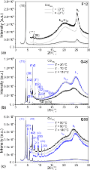
Figure 5: Representative S/WAXS patterns of Fn and Gnm compounds.

Figure 6: Absorption (a) and emission (b) spectra of F6 and G66, measured in different solvents at a concentr...

Figure 7: DFT calculated frontier molecular orbitals and optimized molecular structures for F1 and G11.
Advances in the use of metal-free tetrapyrrolic macrocycles as catalysts
- Mandeep K. Chahal
Beilstein J. Org. Chem. 2024, 20, 3085–3112, doi:10.3762/bjoc.20.257
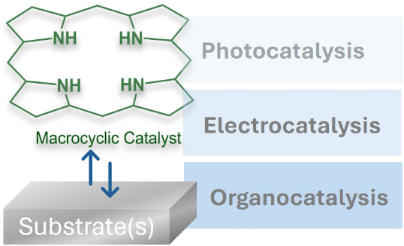
- monomer. Since the aggregates were found catalytically inactive, while the monomers in the solution were active, the system acts as a pH-switchable ‘ON–OFF’ organocatalyst. In the case of the enamine-mediated addition of cyclohexanone (62) to 4-nitrobenzaldehyde (7), using 10 mol % of 58 provided up to 99

Graphical Abstract

Figure 1: Chemical structures of the main tetrapyrrolic macrocycles studied in this review for their role as ...

Figure 2: Calix[4]pyrroles 3 and 4 and an their acyclic analogue 5 used for the transformation of Danishefsky...

Figure 3: Calixpyrrole-based organocatalysts 11 and 12 for the diastereoselective addition reaction of TMSOF ...

Figure 4: (a) Chemical structures of macrocyclic organocatalysts used for the synthesis of cyclic carbonates ...

Figure 5: Cuprous chloride-catalyzed aziridination of styrene (22) by chloramine-T (23) providing 1-tosyl-2-p...

Figure 6: Chemical structures of the various porphyrin macrocycles (18, 25–41) screened as potential catalyst...

Figure 7: Organocatalytic activity of distorted porphyrins explored by Senge and co-workers. Planar macrocycl...

Figure 8: Chemical structures of H2EtxTPP (x = 0, 2, 4, 6, 8) compounds with incrementally increasing nonplan...

Figure 9: Chemical structures of OxP macrocycles tested as potential organocatalysts for the conjugate additi...

Figure 10: a) Fundamental structure of the J-aggregates of diprotonated TPPS3 53 and b) its use as a catalyst ...

Figure 11: Chemical structures of amphiphilic porphyrin macrocycles used as pH-switchable catalysts based on i...

Figure 12: a) Chemical structures of porphyrin macrocycles for the cycloaddition of CO2 to N-alkyl/arylaziridi...

Figure 13: Electron and energy-transfer processes typical for excited porphyrin molecules (Por = porphyrin mac...

Figure 14: Proposed mechanism for the light-induced α-alkylation of aldehydes with EDA in the presence of H2TP...

Figure 15: a) Chemical structures of porphyrins screened as photoredox catalysts, b) model reaction of furan (...

Figure 16: Porphyrin macrocycles H2TPP (18) and PPIX 78 as photoreductants for the red light-induced C–H aryla...

Figure 17: Porphyrin macrocycles H2TPP (18) and PPIX 78 as photoredox catalyst for (a) α-alkylation of an alde...

Figure 18: Corrole macrocycles 98–100 as photoredox catalysts for C–H arylation and borylation reactions. Adap...

Figure 19: Proposed catalytic cycle of electrocatalytic generation of H2 evolution using tetrapyrrolic macrocy...

Figure 20: a) Chemical structures of tetrapyrrolic macrocycles 109, 73, and 110 used for oxygen reductions in ...

Figure 21: a) Absorption spectra (left) of the air-saturated DCE solutions containing: 5 × 10⁻⁵ M H2TPP (black...

Figure 22: Chemical structures of N,N’-dimethylated saddle-distorted porphyrin isomers, syn-Me2P 111 and anti-...

Figure 23: Reaction mechanisms for the two-electron reduction of O2 by a) syn-Me2Iph 113 and b) anti-Me2Iph 114...

Figure 24: O2/H2O2 interconversion using methylated saddle-distorted porphyrin and isophlorin (reduced porphyr...

Figure 25: Chemical structures of distorted dodecaphenylporphyrin macrocycle 117 and its diprotonated form 118...
Copper-catalyzed yne-allylic substitutions: concept and recent developments
- Shuang Yang and
- Xinqiang Fang
Beilstein J. Org. Chem. 2024, 20, 2739–2775, doi:10.3762/bjoc.20.232
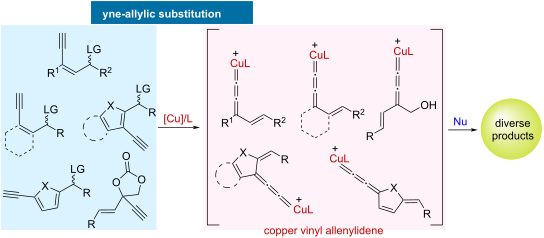
- confirmed that a copper–ligand monomer complex exists in the mechanism through nonlinear relationship experiments and kinetic studies (Scheme 17). He et al. [68] developed the regio- and enantioselective monofluoroalkylation of yne-allylic esters using fluorinated malonates as the starting materials, giving

Graphical Abstract

Scheme 1: Copper-catalyzed allylic and yne-allylic substitution.

Scheme 2: Challenges in achieving highly selective yne-allylic substitution.

Scheme 3: Yne-allylic substitutions using indoles and pyroles.

Scheme 4: Yne-allylic substitutions using amines.

Scheme 5: Yne-allylic substitution using 1,3-dicarbonyls.

Scheme 6: Postulated mechanism via copper acetylide-bonded allylic cation.

Scheme 7: Amine-participated asymmetric yne-allylic substitution.

Scheme 8: Asymmetric decarboxylative yne-allylic substitution.

Scheme 9: Asymmetric yne-allylic alkoxylation and alkylation.

Scheme 10: Proposed mechanism for Cu(I) system.

Scheme 11: Asymmetric yne-allylic dialkylamination.

Scheme 12: Proposed mechanism of yne-allylic dialkylamination.

Scheme 13: Asymmetric yne-allylic sulfonylation.

Scheme 14: Proposed mechanism of yne-allylic sulfonylation.

Scheme 15: Aymmetric yne-allylic substitutions using indoles and indolizines.

Scheme 16: Double yne-allylic substitutions using pyrrole.

Scheme 17: Proposed mechanism of yne-allylic substitution using electron-rich arenes.

Scheme 18: Aymmetric yne-allylic monofluoroalkylations.

Scheme 19: Proposed mechanism.
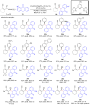
Scheme 20: Aymmetric yne-allylic substitution of yne-allylic esters with anthrones.

Scheme 21: Aymmetric yne-allylic substitution of yne-allylic esters with coumarins.

Scheme 22: Aymmetric yne-allylic substitution of with coumarins by Lin.

Scheme 23: Proposed mechanism.

Scheme 24: Amination by alkynylcopper driven dearomatization and rearomatization.

Scheme 25: Arylation by alkynylcopper driven dearomatization and rearomatization.

Scheme 26: Remote substitution/cyclization/1,5-H shift process.

Scheme 27: Proposed mechanism.

Scheme 28: Arylation or amination by alkynylcopper driven dearomatization and rearomatization.

Scheme 29: Remote nucleophilic substitution of 5-ethynylthiophene esters.

Scheme 30: Proposed mechanism.

Scheme 31: [4 + 1] annulation of yne-allylic esters and cyclic 1,3-dicarbonyls.
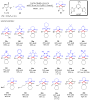
Scheme 32: Asymmetric [4 + 1] annulation of yne-allylic esters.

Scheme 33: Proposed mechanism.

Scheme 34: Asymmetric [3 + 2] annulation of yne-allylic esters.

Scheme 35: Postulated annulation step.

Scheme 36: [4 + 1] Annulations of vinyl ethynylethylene carbonates and 1,3-dicarbonyls.

Scheme 37: Proposed mechanism.

Scheme 38: Formal [4 + 1] annulations with amines.

Scheme 39: Formal [4 + 2] annulations with hydrazines.

Scheme 40: Proposed mechanism.
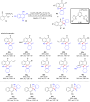
Scheme 41: Dearomative annulation of 1-naphthols and yne-allylic esters.

Scheme 42: Dearomative annulation of phenols or 2-naphthols and yne-allylic esters.

Scheme 43: Postulated annulation mechanism.

Scheme 44: Dearomative annulation of phenols or 2-naphthols.

Scheme 45: Dearomative annulation of indoles.

Scheme 46: Postulated annulation step.

Scheme 47: Asymmetric [4 + 1] cyclization of yne-allylic esters with pyrazolones.

Scheme 48: Proposed mechanism.

Scheme 49: Construction of C–C axially chiral arylpyrroles.

Scheme 50: Construction of C–N axially chiral arylpyrroles.

Scheme 51: Construction of chiral arylpyrroles with 1,2-di-axial chirality.

Scheme 52: Proposed mechanism.

Scheme 53: CO2 shuttling in yne-allylic substitution.

Scheme 54: CO2 fixing in yne-allylic substitution.

Scheme 55: Proposed mechanism.
Synthesis of fluoroalkenes and fluoroenynes via cross-coupling reactions using novel multihalogenated vinyl ethers
- Yukiko Karuo,
- Keita Hirata,
- Atsushi Tarui,
- Kazuyuki Sato,
- Kentaro Kawai and
- Masaaki Omote
Beilstein J. Org. Chem. 2024, 20, 2691–2703, doi:10.3762/bjoc.20.226

- parent compounds. Furthermore, fluoroalkenes can be utilized as feedstock for fluoropolymers. Teflon, which is a well-known fluoropolymer with excellent water-repellent and oleophobic properties, is synthesized by polymerizing a monomer called tetrafluoroethylene. As a consequence, convenient and diverse

Graphical Abstract

Scheme 1: Synthesis of monofluoroalkenes using fluorine-containing building blocks.



