Search results
Search for "LED" in Full Text gives 775 result(s) in Beilstein Journal of Nanotechnology. Showing first 200.
Nanoglasses: a trail towards uncharted regions of vitreous materials and their properties?
Beilstein J. Nanotechnol. 2026, 17, 1047–1062, doi:10.3762/bjnano.17.72

- deposition, that new structural motifs in previously unexplored regions of the complex energy landscape of glasses may become accessible. One recent example is given by so-called “ultrastable glasses”, where specific conditions for the formation during deposition of thin-film glasses have led to the


Ultrasonic irradiation in the synthesis of nanohydroxyapatite: a chemically friendly technique for improving hemocompatibility and antibiofilm applications
Beilstein J. Nanotechnol. 2026, 17, 991–1015, doi:10.3762/bjnano.17.68
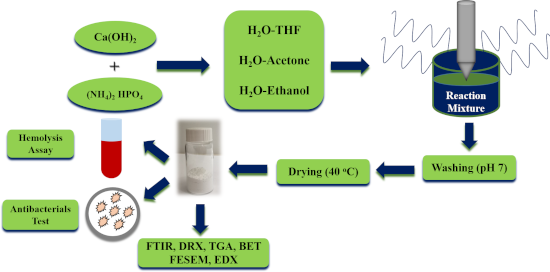
- morphology. These particles can be in the form of needles, regular and irregular spheres, rods, and many others [20][21]. They also exhibit high degrees of crystallinity, high purity, and nanoscale dimensions [22]. The fascinating properties of the resulting materials have led to very promising results




Supramolecular one-dimensional conducting nanofibers from a C3-symmetric tetrathiafulvalene derivative
Beilstein J. Nanotechnol. 2026, 17, 872–881, doi:10.3762/bjnano.17.63
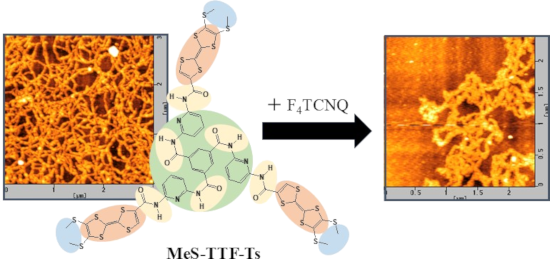
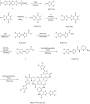
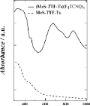
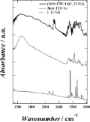
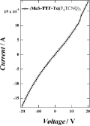
- formation of uniform interconnected fibrous networks. These findings demonstrate that hierarchical control of supramolecular structures can be achieved through solvent modulation. Furthermore, combining MeS-TTF-Ts with the strong electron acceptor F4TCNQ led to the formation of a charge-transfer complex


Restorative potential of laser-synthesized silver nanoparticles with Salvia officinalis for periodontal disease treatment: an in vitro study
Beilstein J. Nanotechnol. 2026, 17, 781–795, doi:10.3762/bjnano.17.55
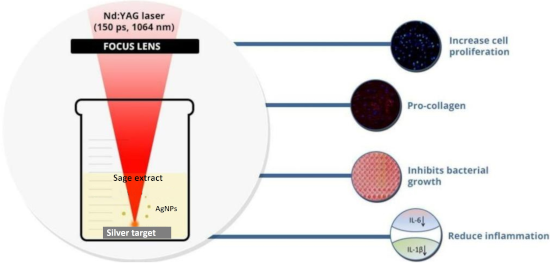
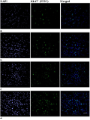
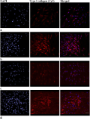
- %), suggesting a cytotoxic effect at 1 × MIC concentration after both exposure times. In contrast, pure sage extract led to a moderate increase in cell viability after 24 h of treatment, significant at the concentration that corresponds to 1 × MIC of SageAgNPs6mJ (p < 0.01), while 48 h of treatment induced mild



Environmental applications of silver nanoparticles: state-of-the-art review and emerging trends
Beilstein J. Nanotechnol. 2026, 17, 697–736, doi:10.3762/bjnano.17.49
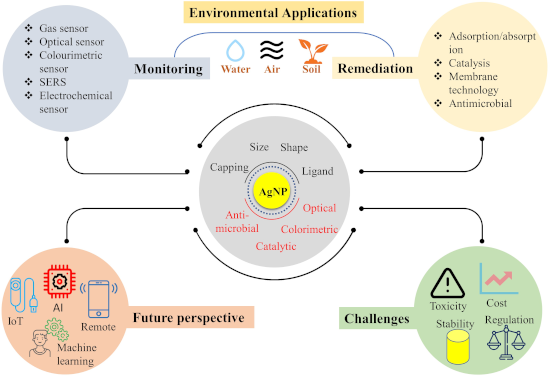
- technologies incorporating AgNPs. The advent of technological advancements aimed at providing safe water for individuals led to the incorporation of AgNPs into membrane technology, enabling sustained Ag release to remove pathogens and biofouling microorganisms in a continuous-flow system [22]. Nanosilver


Molecular engineering of individual dye-based nanoparticle photostability for ultrabright two-photon fluorescence
Beilstein J. Nanotechnol. 2026, 17, 688–696, doi:10.3762/bjnano.17.48
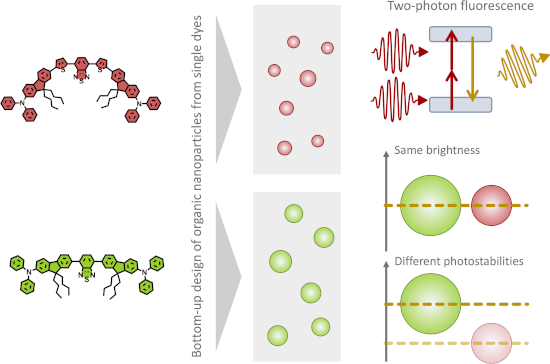
- yield (ΦΔ) of 0.03. For dye 2, we were unable to detect any triplet state formation. This lack of reactive triplet states led us to conclude that the primary deactivation pathway for the S1→S0 transition in both dFONs is internal conversion, likely facilitated by the long alkyl chains and defects in the
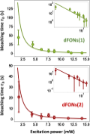
- dFONs(2) (bottom). For each observed nanoparticle, we measured the emission as a function of the excitation power (e.g., half-wave plate position) and then calculated the emission normalized to its maximum value. Over a collection of nanoparticles, it led to a distribution of curves: Here, the colored


Protein-based custom-designed molecular nanotraps for biomedical applications
Beilstein J. Nanotechnol. 2026, 17, 683–687, doi:10.3762/bjnano.17.47
- stability, but raise concerns when intended for therapeutic uses and systemic administration. Overcoming adverse effects, allergic reactions, and toxic degradation by-products led us to conceptualize nanoMIPs in a radically new way. Recently, the original use of natural polymers, in particular of proteins

Decontamination from water pollutants and pathogens by electrospun nanofibers doped with heavy-atom-free borafluorene-BODIPY photosensitizers
Beilstein J. Nanotechnol. 2026, 17, 668–682, doi:10.3762/bjnano.17.46
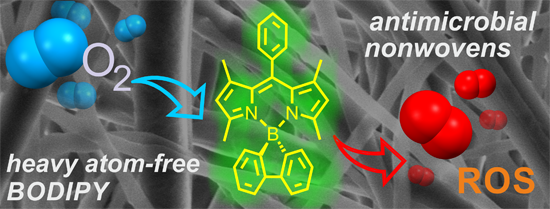
- mg·mL−1, used as internal reference for 1H NMR analysis), and fragments of the photoactive material (5 × 5 mm) were placed in the photoreactor equipped with 26 W neutral-white light (CIE 1931 (0.38899; 0.37837)) LED stripes (Figure S5, Supporting Information File 1). The distance from the light source
- of 1 photocatalyst per one equivalent of cimetidine. The reaction mixtures were vigorously stirred and irradiated with neutral-white LED light (26 W) at T = 25 °C in a photoreactor (irradiance of 40 mW·cm−2). The progress of the photocatalytic reaction was monitored using 1H NMR spectroscopy. The 1H
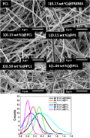
- images showed that the increase in dye content led to a gradual decrease in the average PCL fiber diameter, from 600 ± 70 nm for 1(0.15 wt %)@PCL to 210 ± 44 nm for 1(1.00 wt %)@PCL (Figure 3). This effect may be due to changes in solution properties, such as a possible decrease in viscosity due to



Cellulose as a photocatalyst support material: extraction, structural features, and environmental applications
Beilstein J. Nanotechnol. 2026, 17, 635–652, doi:10.3762/bjnano.17.44
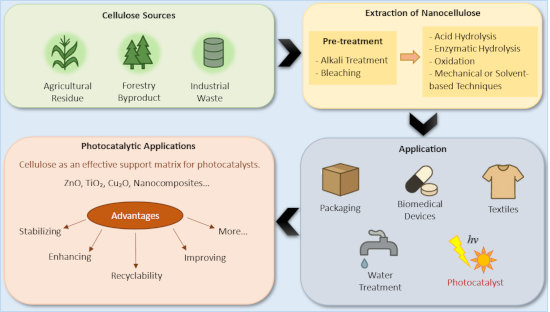
- their structural integrity [12]. Cellulose possesses strong mechanical properties, and its favorable dimensions and strength make it an ideal material for water treatment membranes. This led researchers to apply it as a base material for developing such membranes [13]. A new approach involves


Recent progress in enhancing built-in electric fields of perovskite solar cells via junction engineering
Beilstein J. Nanotechnol. 2026, 17, 602–621, doi:10.3762/bjnano.17.42



Defects and defect-mediated engineering of two-dimensional materials: challenges and open questions
Beilstein J. Nanotechnol. 2026, 17, 454–488, doi:10.3762/bjnano.17.31
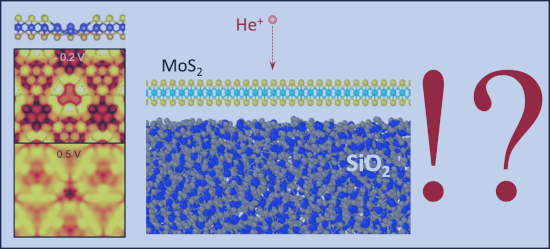
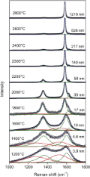
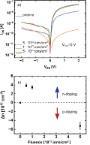
- spectroscopy has led to metrological procedures to access defect concentration in graphene. Well-established formulae are available to determine defect quantity based on the D/G ratio and the linewidth of the G band (see Figure 2) [86][87][88][89]. In a wider context, while Raman-active local vibrational modes





Eco-efficient materials for agricultural crops based on a mineral rich in MOR- and HEU-type zeolites
Beilstein J. Nanotechnol. 2026, 17, 381–395, doi:10.3762/bjnano.17.26
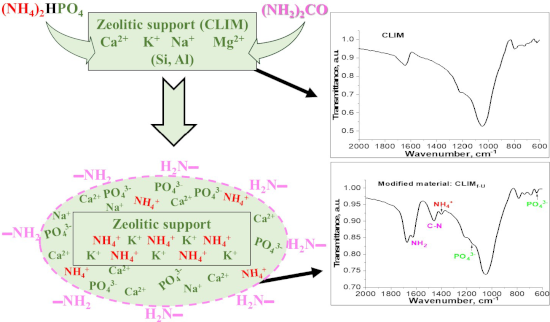
- bidentate and tridentate species. Studies carried out by Gualtieri et al. [28] led to the conclusion that, in bidentate structures, hydrogen bonds exhibit weak interaction with the oxygen atoms of the structure; this means that the ammonium molecules interact weakly with the zeolitic lattice and, as a




Polycatecholamine nanocoatings on stainless steel: the effect on attachment of human fibroblasts and platelets
Beilstein J. Nanotechnol. 2026, 17, 365–380, doi:10.3762/bjnano.17.25
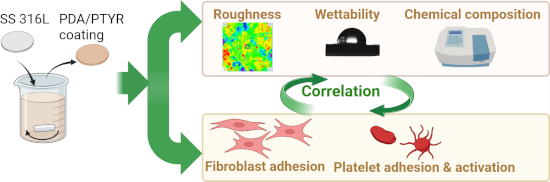
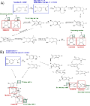
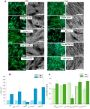
- and PTYR coating variants led to a significant decrease in CA. The decrease in CA is caused by many hydrophilic chemical groups incorporated in PDA and PTYR coatings, for example, hydroxy or amino groups. In the case of all materials, the longer the coating time was, the more hydrophilic the surface
- became. For SS-PDA, the shortest time of coating resulted in a CA of 52.97°. The longest coating duration decreased the CA to 11.89°. Similarly, PTYR coating led to hydrophilic surfaces, but the CA decreased only to 23.00° after the coating process of 24 h. The materials obtained with extreme coating




Beam shaping techniques for pulsed laser ablation in liquids: Unlocking tunable control of nanoparticle synthesis in liquids
Beilstein J. Nanotechnol. 2026, 17, 309–342, doi:10.3762/bjnano.17.22
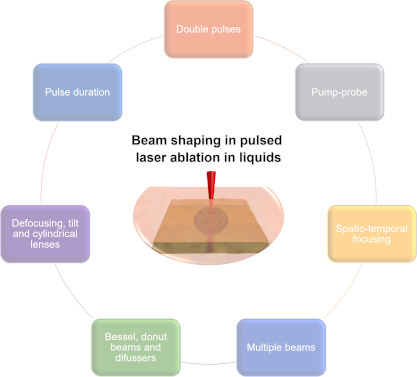
- . have demonstrated that the optical properties of Si/Au NPs, their structure, as well as their chemical composition can be modified by defocusing [143]. Defocusing 0.5 mm inside the target led to enhanced chemical stability of the colloids and increased concentration. Moreover, NP size control could be







Advancing nanolithography: a comprehensive review of materials for local anodic oxidation with AFM
Beilstein J. Nanotechnol. 2026, 17, 275–291, doi:10.3762/bjnano.17.19
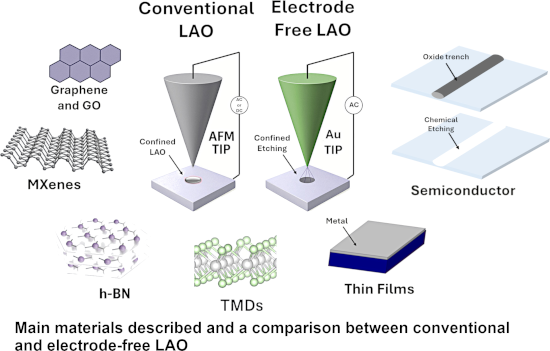
- provide a comprehensive understanding of material selection in LAO and its implications for advancing nanotechnology. Keywords: local anodic oxidation; nanofabrication; scanning probe lithography; Review 1 Introduction Advancements in nanotechnology have led to the development of numerous nanoscale
- of −5 to −10 V led to the formation of GO. Beyond −16 V, ablation occurs, resulting in the formation of trenches where the carbon atoms are removed [98][102]. Feature dimensions are also affected by the tip speed; slower speeds result in wider features, while faster speeds narrow the oxidized lines


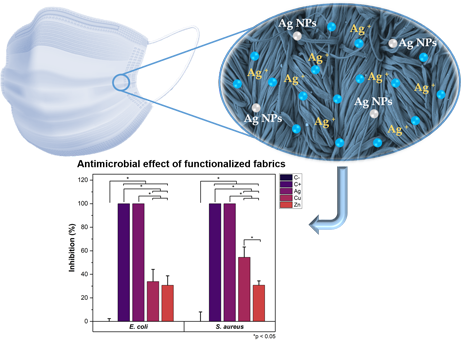
Durable antimicrobial activity of fabrics functionalized with zeolite ion-exchanged nanomaterials against Staphylococcus aureus and Escherichia coli
Beilstein J. Nanotechnol. 2026, 17, 262–274, doi:10.3762/bjnano.17.18
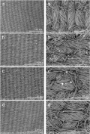
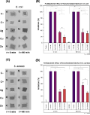
- crystallographic planes (101), (101), and (002), respectively. Modification of the fabrics with nanomaterials led to an increase in the intensity of all peaks, while the position of the signals in XRD patterns remained unchanged (Figure 3). The later may be explained by the increase in crystallinity due to




Multilayered hyperbolic Au/TiO2 nanostructures for enhancing the nonlinear response around the epsilon-near-zero point
Beilstein J. Nanotechnol. 2026, 17, 251–261, doi:10.3762/bjnano.17.17
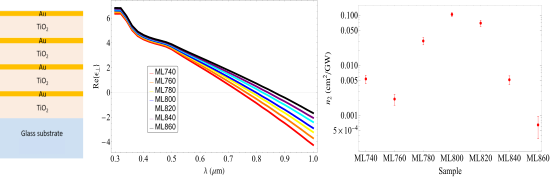
- , a value that is comparable to other ENZ materials in literature. Keywords: epsilon-near-zero (ENZ); hyperbolic metamaterials; nonlinear optics (NLO); Introduction In recent years, the invention of new techniques to fabricate nanostructured materials led to the creation of metamaterials. These new


Gold nanoparticle-decorated reduced graphene oxide as a highly effective catalyst for the selective α,β-dehydrogenation of N-alkyl-4-piperidones
Beilstein J. Nanotechnol. 2026, 17, 218–238, doi:10.3762/bjnano.17.15
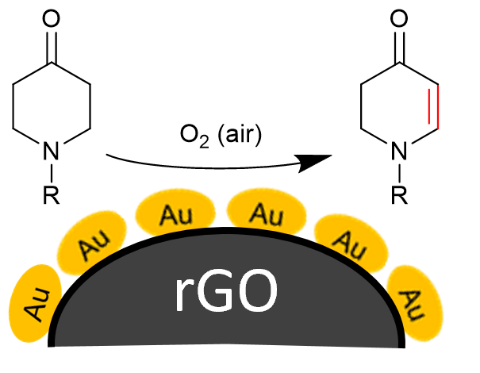
- scale have led to many catalytic studies at the industrial and laboratory scale [1]. Nanocatalysis is no longer just an academic field, but a rapidly evolving field for industries wishing to develop green and sustainable processes with very high turnover numbers, turnover rates, and stabilities [2]. The
- (entry 3, 6, 7, and 9) extending the reaction time up to 10 or 15 h led only to a slight increase in conversion, except for the Au@SiW9/AC catalyst in entry 7, which reached 100% conversion after an additional 7 h (i.e., 15 h in total) (see the conversion data in Supporting Information File 1, Table S3


Micro- and nanoscale effects in biological and bioinspired materials and surfaces
Beilstein J. Nanotechnol. 2026, 17, 214–217, doi:10.3762/bjnano.17.14
- discussions and collaborations from this symposium led to the motivation of vigorously representing this area in the Beilstein Journal of Nanotechnology, resulting in more than just one thematic issue showcasing novel research in this field. Emerging from this event, a first thematic issue "Biomimetics and
Safe and sustainable by design with ML/AI: A transformative approach to advancing nanotechnology
Beilstein J. Nanotechnol. 2026, 17, 176–185, doi:10.3762/bjnano.17.11
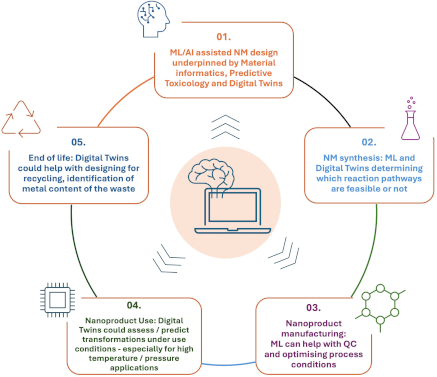
- valuable, are resource intensive and inadequate to fully address the dynamic risks associated with ENMs and their myriad nanoscale forms (i.e., different sizes, geometries, coatings) [11]. The need for more proactive and efficient methodologies has led to the emergence of the Safe and Sustainable by Design


From shield to spear: Charge-reversible nanocarriers in overcoming cancer therapy barriers
Beilstein J. Nanotechnol. 2026, 17, 159–175, doi:10.3762/bjnano.17.10
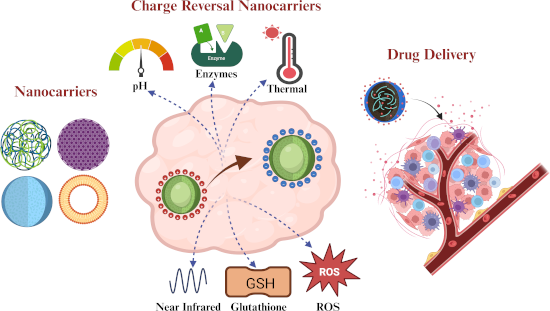
- and melatonin to MCF-7 breast cancer cells, achieved efficient cellular uptake and significant cytotoxicity, which led to cell apoptosis in acidic conditions [82]. Guo et al. designed dual-pH-responsive, CRNs DMMA-P-DOX/LAP for co-delivering doxorubicin and lapatinib to breast cancer cells, enabling


Capabilities of the 3D-MLSI software tool in superconducting neuron design
Beilstein J. Nanotechnol. 2026, 17, 122–138, doi:10.3762/bjnano.17.8

- investigations were performed as described in Appendix A. Numerical simulations were carried out assuming a truncated superconducting screen with a gap between the structure and the screen edge of 50 μm. Thus, the screen size (225…170 μm × 243…177 μm) was larger compared to test C-shaped SQUIDs, which led to an



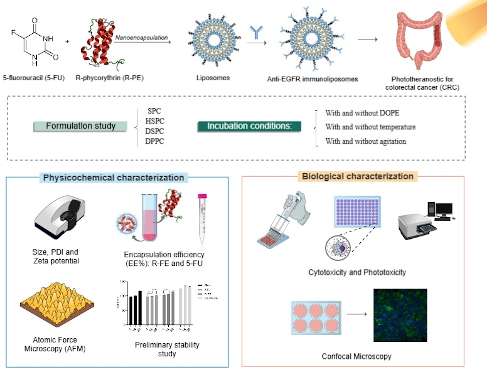
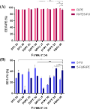
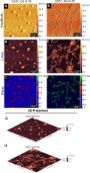
Development and in vitro evaluation of liposomes and immunoliposomes containing 5-fluorouracil and R-phycoerythrin as a potential phototheranostic system for colorectal cancer
Beilstein J. Nanotechnol. 2026, 17, 97–121, doi:10.3762/bjnano.17.7



Reduced graphene oxide paper electrode for lithium-ion cells – towards optimized thermal reduction
Beilstein J. Nanotechnol. 2026, 17, 24–37, doi:10.3762/bjnano.17.3
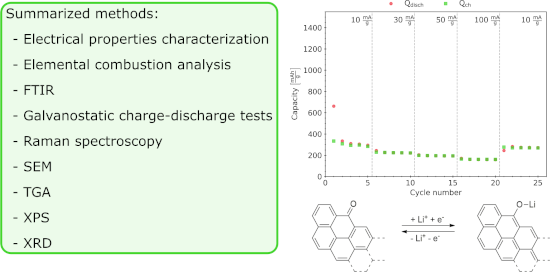
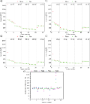
- tests led to further loss in capacity. For a current density of 30 mA/g, the discharge capacity values dropped to 246, 109, 190, and 221 mAh/g for samples M300, T400, T600, and T800; the discharge capacity dropped further to 145, 45, 148, and 193 mAh/g when a current density of 50 mA/g was applied. At



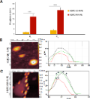
Quantitative estimation of nanoparticle/substrate adhesion by atomic force microscopy
Beilstein J. Nanotechnol. 2026, 17, 1–14, doi:10.3762/bjnano.17.1

- particles between 6 and 12 nm. In addition, an applied positive substrate bias voltage led to more energetic landing conditions and thus to increased adhesion forces. This study underscores the suitability of atomic force microscopy in characterizing adhesion on the nanoscale and offers insights into future