Search results
Search for "Ne" in Full Text gives 111 result(s) in Beilstein Journal of Nanotechnology.
Synthesis and characterization of RF-sputtered ZnTe/Cu2−xTe thin films for solar cell applications
Beilstein J. Nanotechnol. 2026, 17, 1016–1027, doi:10.3762/bjnano.17.69
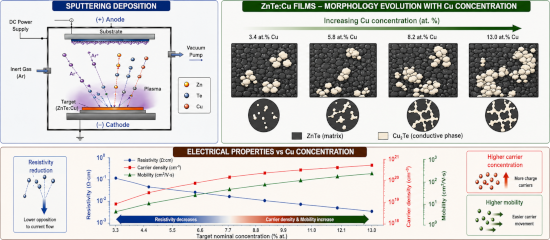
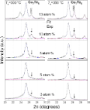
- ) diffractometer with Co Kα radiation (λ = 1.7889 Å). Raman spectra were obtained in a micro-Raman system (Labram, Dilor) with a 20 mW He–Ne laser (λ = 632.8 nm) focused through a 50× objective, resulting in a spot size of approximately 2 µm. Neutral density filters were employed to minimize local heating effects



Tuning the electronic properties of defect-rich MoS2
Beilstein J. Nanotechnol. 2026, 17, 796–805, doi:10.3762/bjnano.17.56
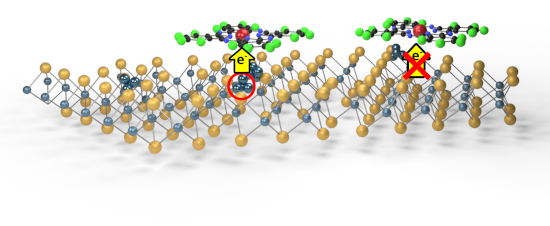
- Fermi energy in such defect-rich MoS2 can be tuned by the subsequent deposition of CoPcF16, which is verified by a shift in Fermi level for the Ne sputtered surface, under complex charge rearrangements including a charge transfer from all the substrates towards the cobalt atom of the organic molecule
- contamination-free surface could be confirmed. The samples were sputtered with a IQE 10 ion source (SPECS GmbH, Berlin, Germany) using Ar and Ne gas (purity: 4.5, Linde plc, Dublin, Ireland and Westfalen AG, Münster, Germany). The pressure in the vacuum chamber was maintained at a constant level of 5 × 10⁻⁵
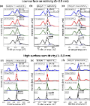
- position of the Fermi level of MoS2 upon Ar+ and Ne+ ion bombardment and subsequent deposition of CoPcF16 in the monolayer range are monitored using ARPES M–Γ–K maps of three different experiments, namely, Ne ion sputtering for 1 min (Figure 1a,d,g), Ar ion sputtering for 1 min (Figure 1b,e,h), and Ar ion


Restorative potential of laser-synthesized silver nanoparticles with Salvia officinalis for periodontal disease treatment: an in vitro study
Beilstein J. Nanotechnol. 2026, 17, 781–795, doi:10.3762/bjnano.17.55
- mg·L−1 ± SD. The hydrodynamic diameters (dH) of the obtained nanoparticles were analyzed by using the dynamic light scattering (DLS) technique using a Zetasizer NanoZS90 (Malvern Panalytical, UK) with a 633 nm He–Ne laser source and 90° detection optics. The measurements were performed in disposable



Fractional shot noise of an SU(N) Kondo system
Beilstein J. Nanotechnol. 2026, 17, 515–540, doi:10.3762/bjnano.17.34


![[Graphic 127]](/bjnano/content/inline/2190-4286-17-34-i187.svg?max-width=637&scale=1.18182)

Microscopic study of the intermediate mixed state in intertype superconductors
Beilstein J. Nanotechnol. 2026, 17, 57–62, doi:10.3762/bjnano.17.5
- eigenstates, and f(E) is the Fermi–Dirac distribution function. The electron density is kept constant at ne = 0.25 throughout all calculations by adjusting the chemical potential μ. Notice that the system is well away from the resonance at ne = 1 and, at the chosen value, the electronic dispersion is well


Internal 3D temperature mapping in biological systems using ratiometric light-sheet imaging and lipid-coated upconversion nanothermometers
Beilstein J. Nanotechnol. 2025, 16, 2306–2316, doi:10.3762/bjnano.16.159
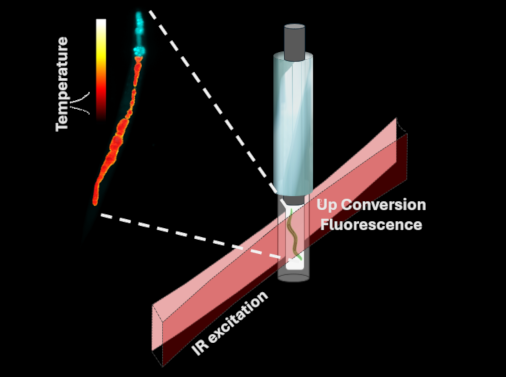
- chamber was used to house the capillary tube. The chamber featured a temperature-controlled water recirculation system consisting of a peristaltic pump (KF Technology, NE-9000), a solution heater (Warner Instruments, Hamden), and a temperature controller (Warner Instruments, TC-324C). This setup enabled


Geometry-controlled engineering of the low-temperature proximity effect in normal metal–superconductor junctions
Beilstein J. Nanotechnol. 2025, 16, 2265–2273, doi:10.3762/bjnano.16.155
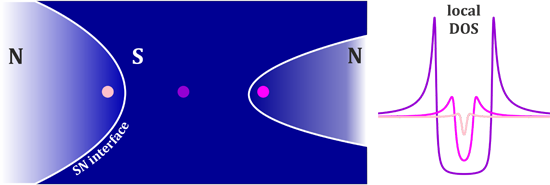
- being in resonance with the peak in the single-particle density of states at ne = 1. The order parameter Δij = Δiδij and the Hartree potential Ui are determined from the self-consistency equations. For the order parameter, we have [50] where Fi is a pair amplitude, and for the Hartree potential with


Hartree–Fock interaction in superconducting condensate fractals
Beilstein J. Nanotechnol. 2025, 16, 2177–2182, doi:10.3762/bjnano.16.150
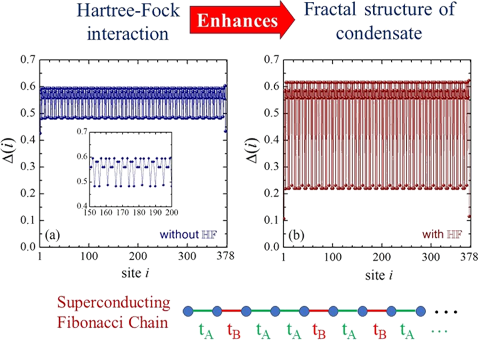
- ). Second, using the resulting quasiparticle energies and wave functions, we compute new values for Δ(i) and UHF(i) from Equation 8. Third, we adjust μ to achieve the desired average occupation number ne from Equation 9. The new values of μ, Δ(i), and UHF(i) are then reinserted into the BdG equations, and
- units of tB). Our calculations are performed away from the half-filling as this regime was shown to produce a uniform electronic distribution in Fibonacci chains [22], where the HF potential does not alter superconducting properties. Here, we adopt an electron density of ne = 0.5. Our qualitative


Beyond the shell: exploring polymer–lipid interfaces in core–shell nanofibers to carry hyaluronic acid and β-caryophyllene
Beilstein J. Nanotechnol. 2025, 16, 2015–2033, doi:10.3762/bjnano.16.139
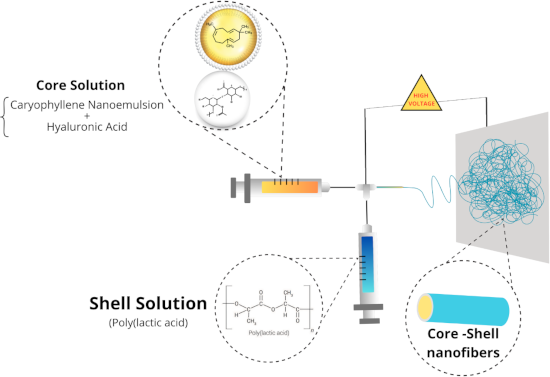
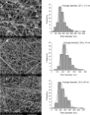
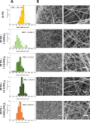
- structural integrity and effectively encapsulating a core comprising a nanoemulsion containing β-caryophyllene (NE-βCp) alongside HA. A rigorous optimization of the electrospinning process was critical, involving the systematic evaluation of key parameters. This optimization successfully identified the
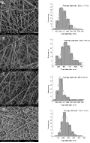
- optimal core formulation (1% w/w HA, 2% w/w NE) and process parameters (17 kV applied voltage, 6.25 flow rate ratio (0.04 mL/h inner; 0.25 mL/h outer), 12 cm needle-to-collector distance). These conditions provided highly uniform fibers with an average diameter of 439 ± 100 nm, notably 37% larger than
- membrane applications. Thermal and crystalline analyses demonstrated improved thermal stability upon NE-βCp incorporation. Collectively, these results provide robust evidence for the feasibility of producing multifunctional nanofiber membranes that successfully integrate a polymer–lipid hybrid core




Evaluating metal-organic precursors for focused ion beam-induced deposition through solid-layer decomposition analysis
Beilstein J. Nanotechnol. 2025, 16, 1942–1951, doi:10.3762/bjnano.16.135
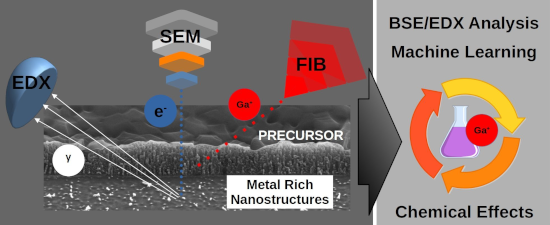
- commercial FIBID systems commonly employ Ga+ ions, alternative ion species such as He+, Ne+, Ar+, or Xe+ can also be used [11][12][13][14]. The resulting FEBID/FIBID deposits are widely used for repairing photolithographic masks and printing or modifying integrated circuits. In addition, they are applied for


Targeting the vector of arboviruses Aedes aegypti with nanoemulsions based on essential oils: a review with focus on larvicidal and repellent properties
Beilstein J. Nanotechnol. 2025, 16, 1894–1913, doi:10.3762/bjnano.16.132
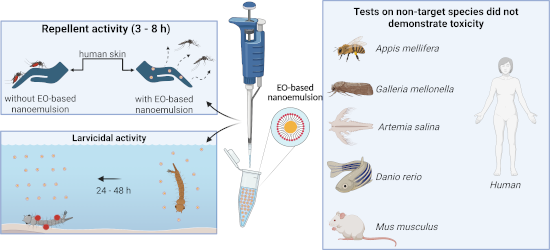
- by phase inversion, using polysorbate 80 and sorbitan monooleate 20 as surfactants. The NE presented an average size of 105.3 nm (±1.36) and a polydispersity index of 0.263 (± 0.004). The larvicidal bioassays against third-stage Aedes aegypti larvae produced an LC50 of 61.4 µg/mL at 48 hours and 26.8
- µg/mL at 144 hours. The toxicity of NE in Apis mellifera was evaluated, proving that the formulated nanoemulsion did not present toxicity for this non-target species. Viana et al. (2023) explored the larvicidal activity of a nanoemulsion formulated with an essential oil extracted from the leaves of
- using a low-energy method with sorbitan monooleate 80 and polysorbate 20. The NE presented an average droplet size of 74.5 nm (±1.939) and a polydispersity index of 0.271 (±0.007), remaining physicochemically stable for up to 180 days. Larvicidal bioassays against third-stage Aedes aegypti larvae


Phytol-loaded soybean oil nanoemulsion as a promising alternative against Leishmania amazonensis
Beilstein J. Nanotechnol. 2025, 16, 1826–1836, doi:10.3762/bjnano.16.126

- attracted attention due to their broad biological activities. To increase their solubility, stability, and cell delivery, nanotechnology-based systems, such as nanoemulsions (NEs), represent a promising approach. In this study, soybean oil nanoemulsions loaded with phytol (PHYT-NE) were developed using the
- phase inversion composition (PIC) method, and then characterized and evaluated. The PHYT-NE had a mean droplet diameter close to 200 nm, a polydispersity index of less than 0.2, spherical shape, and a pH value compatible with cutaneous application. The formulation showed high colloidal stability for at
- least 30 days of storage and at least 15 days even under stress conditions, with no signs of macroscopic instability or changes in droplet size. The cytocompatibility of NEs was confirmed in 3T3 fibroblasts at the concentrations tested, indicating potential safety for in vivo trials. Notably, PHYT-NE


Multifunctional anionic nanoemulsion with linseed oil and lecithin: a preliminary approach for dry eye disease
Beilstein J. Nanotechnol. 2025, 16, 1711–1733, doi:10.3762/bjnano.16.120
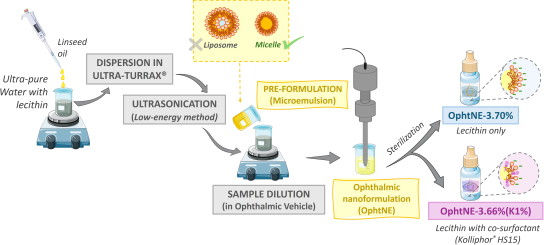
- ingredient [1]. NEs are designed as droplets that can potentially replenish the lipid layer in DED patients, mimicking the trilayered structure of the tear film, consisting of lipid, aqueous, and mucin layers [13][15][18][20]. According to the literature, the tear film compromises the stability of NE
- components. When NE is instilled, the oil nanodroplets merge with the lipid layer, the water in the formulation interacts with the aqueous layer of the tear film, and the surfactant interacts with the mucin layer [21][22][23]. The literature cites various lipids as components of the oily phase in
- ), making it a promising ingredient for NE formulations [31][32][33]. Clinical studies have demonstrated that fatty acids derived from linseed oil are effective in alleviating DED, primarily by modulating inflammatory responses and downregulating key molecular markers, such as interleukin-1 beta, matrix



Wavelength-dependent correlation of LIPSS periodicity and laser penetration depth in stainless steel
Beilstein J. Nanotechnol. 2025, 16, 1302–1315, doi:10.3762/bjnano.16.95
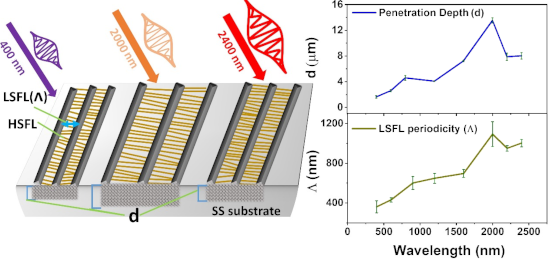
- unbound electrons within stainless steel oscillate in the presence of an electromagnetic field is known as the plasma frequency. The metallic substance’s electron density and effective electron mass also affect the plasma frequency. where ωp is the plasmonic frequency, ne is the electron density, and me




Retrieval of B1 phase from high-pressure B2 phase for CdO nanoparticles by electronic excitations in CdxZn1−xO composite thin films
Beilstein J. Nanotechnol. 2025, 16, 551–560, doi:10.3762/bjnano.16.43

- minimal variation in lattice temperature (≈300 K) and Debye temperature (≈255 K) for CdO, the electron–phonon coupling constant can be expressed using the following equations: where v is the velocity of sound in CdO, ne is the electron number density, Ke and Te are the specific heat and temperature of the


Ion-induced surface reactions and deposition from Pt(CO)2Cl2 and Pt(CO)2Br2
Beilstein J. Nanotechnol. 2024, 15, 1427–1439, doi:10.3762/bjnano.15.115

- sputtering of deposited material [21][22][25]. Recently, it was reported that the ion identity plays a major role in FIBID of Pt from MeCpPtMe3 [41]. In this study, Pt(IV) reduction from Ne+ and Ar+ bombardment resulted in the loss of four CH3 groups, whereas He+ and H2+ bombardment resulted in the loss of



Lithium niobate on insulator: an emerging nanophotonic crystal for optimized light control
Beilstein J. Nanotechnol. 2024, 15, 1415–1426, doi:10.3762/bjnano.15.114
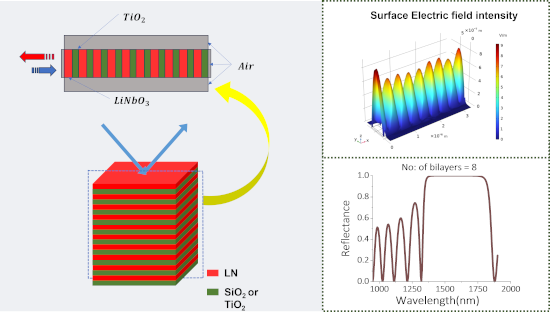
- . The large refractive index (indices of refraction of ordinary and extraordinary waves no = 2.21 and ne = 2.14, respectively, at 1550 nm) contrast between ordinary rays and extraordinary waves enables strong reflections in DBR structures, leading to high extinction ratios [9][10]. LiNbO3 exhibits


Interaction of graphene oxide with tannic acid: computational modeling and toxicity mitigation in C. elegans
Beilstein J. Nanotechnol. 2024, 15, 1297–1311, doi:10.3762/bjnano.15.105

- ][50][80][81][82], analyzing differences in electron density when an electron is removed (Equation 1) or added (Equation 2) to the molecule: where the electron densities ρ(Ne), ρ(Ne − 1), and ρ(Ne + 1) correspond to systems with Ne, Ne − 1, and Ne + 1 electrons, respectively. Biological assays Initial


Electrospun polysuccinimide scaffolds containing different salts as potential wound dressing material
Beilstein J. Nanotechnol. 2024, 15, 781–796, doi:10.3762/bjnano.15.65
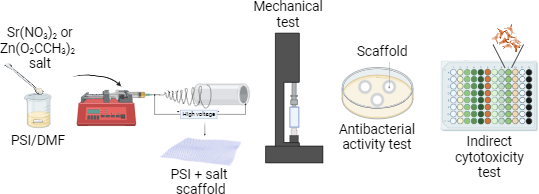
- Table 1. Electrospinning The PSI/DMF/salt solutions were placed in a syringe pump (NE-500 model, New Era Pump Systems, Inc., USA), and the flow rate was adjusted between 0.4 and 0.5 mL/h. In every case, the scaffolds were made from 1 mL of the solutions. The fibers were collected on an aluminum foil



Exploring disorder correlations in superconducting systems: spectroscopic insights and matrix element effects
Beilstein J. Nanotechnol. 2024, 15, 199–206, doi:10.3762/bjnano.15.19
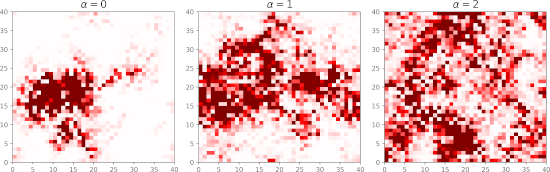
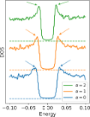
- ][64]. Additionally, we determine the chemical potential μ from the condition that the average electron density ne is fixed. In the calculations, we choose ne = 0.875. This is quite far from the half-filling condition ne = 1, at which a singular van Hove singularity appears in the DOS in the middle of
- the conduction band, which is an artefact of the 2D tight-binding model with only nearest neighbor direct hopping. This choice of ne ensures that our results have general applicability beyond the constraints of the specific lattice configuration, making them equally valid for the 3D scenario. Actually
- , it is worth noting that the choice of the value of ne is not important for our conclusions, as long as μ is far from the singularity [5][6]. The calculations are carried out for the strong coupling regime with g = 1t. The Debye energy is taken as ℏωD = 5t, implying that the coupling is active for all


Development and characterization of potential larvicidal nanoemulsions against Aedes aegypti
Beilstein J. Nanotechnol. 2024, 15, 104–114, doi:10.3762/bjnano.15.10
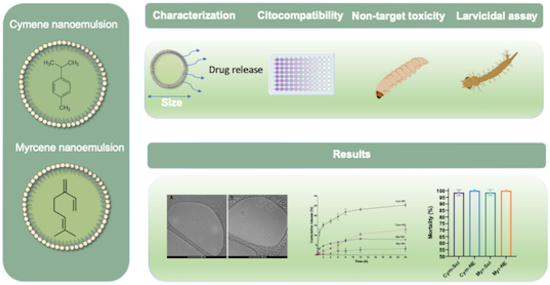
- present work was (i) to develop stable oil-in-water nanoemulsions containing myrcene or cymene as the dispersed phase, (ii) to determine the required rHLB values for emulsion stability, (iii) to assess the biocompatibility via in vitro and in vivo assays, and (iv) to evaluate the bioefficacy of the NE
- the best ratio between two surfactants, one more lipophilic and one more hydrophilic, which will be necessary to obtain a stable NE [18]. The rHLB of myrcene and cymene was determined using a mixture of Span 80 (lipophilic) and Tween 20 (surfactant). At a time of 24 h after preparation, formulations
- aqueous media [37]. According to NTA measurements, the Cym-NE particle size was 145.7 ± 7.7 nm, while the Myr-NE particle size was 126.4 ± 5.6 nm, confirming the nanometric droplet size. Cryogenic transmission electron microscopy Cryogenic transmission electron microscopy (cryo-TEM) is one of the most


Curcumin-loaded nanostructured systems for treatment of leishmaniasis: a review
Beilstein J. Nanotechnol. 2024, 15, 37–50, doi:10.3762/bjnano.15.4
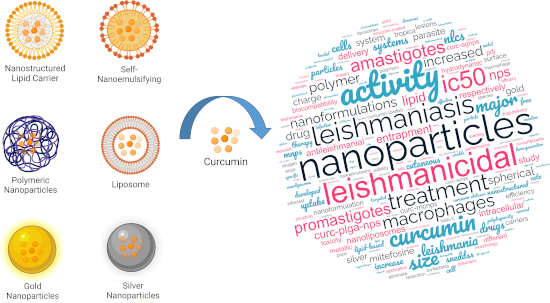
- after 21 days, while the group treated with Pentostan healed after 28 days. Moraes and colleagues prepared nanoemulsions (NE) of andiroba oil (Carapa guianensis Aublet, anoandi) and copaiba oil (Copaifera sp. Linnaeus, nanocopa) and tested their effects against L. infantum and L. amazonensis
- when treated by both nanoandi and nanocopa. Moreover, there was a decrease in lesion size and parasite load from the liver and spleen of mice treated with NE. In ultrastructural analysis performed by scanning electron microscopy, it was possible to observe morphological changes, oval aspect, and
- disappearance of the flagellum in the promastigote parasites treated with doses of NE above the IC50. Peixoto and collaborators developed epoxy-α-lapachone-loaded microemulsions (ME). They assessed the ME in vivo performance against L. amazonensis in infected BALB/c mice. The ME droplet size was smaller than


Fragmentation of metal(II) bis(acetylacetonate) complexes induced by slow electrons
Beilstein J. Nanotechnol. 2023, 14, 980–987, doi:10.3762/bjnano.14.81
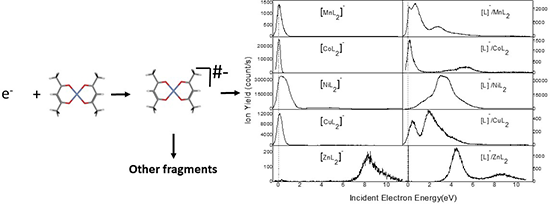
- representing the ratio of the density of neutral precursors, must then be weighted with the (yet unknown) electron attachment cross sections to compare the experimentally measured ratio between CoL2− anions and MnL2− anions, via Nion = ε·Ne·Nneutral·σion·L, where ε is the ion detection efficiency, Ne and


Silver-based SERS substrates fabricated using a 3D printed microfluidic device
Beilstein J. Nanotechnol. 2023, 14, 793–803, doi:10.3762/bjnano.14.65
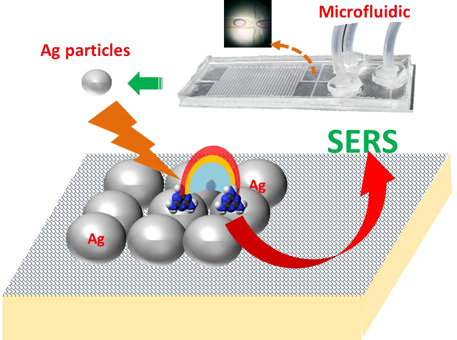
- syringe pumps (NE-300 InfusionONE Syginge Pump, USA) were used to inject mineral oil mixed with the surfactant Span 80 (2% w/v), solution (a), and solution (b) into the droplet-based microfluidic system at flow rates of 20 and 80 µL·min−1, respectively. The as-synthesized colloidal solution of Ag NPs was



Biocatalytic synthesis and ordered self-assembly of silica nanoparticles via a silica-binding peptide
Beilstein J. Nanotechnol. 2023, 14, 280–290, doi:10.3762/bjnano.14.25
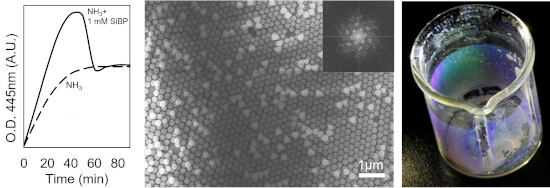
- NE-1002X micro-fluidics automatic syringe pump (New Era Pump Systems Inc., Farmingdale, NY, USA) and the other end was vertically dipped into the as-synthesized colloidal solution of particles (see Supporting Information File 1, Figure S3) The syringe pump was run at a speed of 1.50 µm/s until the