Search results
Search for "Pt" in Full Text gives 493 result(s) in Beilstein Journal of Nanotechnology. Showing first 200.
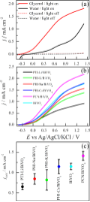
Glycerol photoelectrochemical oxidation reaction at carbon nitrides/BiVO4 materials
Beilstein J. Nanotechnol. 2026, 17, 806–817, doi:10.3762/bjnano.17.57
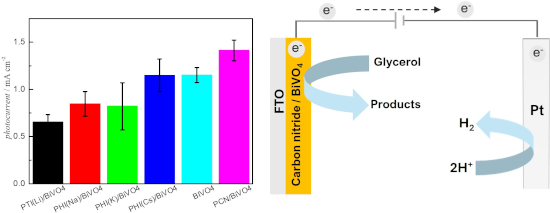
- process are 1,3-dihydroxyacetone, glyceraldehyde, formic acid, and glyceric acid [25][26]. Hessel et al. compared the photochemical oxidation of methanol, ethylene glycol, and glycerol in CdS [27], BiVO4 [25], and BiVO4:Zr,Mo/Pt [25] thin films, concluding that regardless of the material, glycerol




Tailoring Ag–Pt nanoalloys through solid-state dewetting: structural and optical insights
Beilstein J. Nanotechnol. 2026, 17, 748–759, doi:10.3762/bjnano.17.52

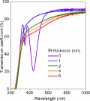
- .17.52 Abstract In this work, a cost-effective method for fabricating silver–platinum nanoalloys through thermally activated dewetting of thin metallic films is demonstrated. Ag and Pt bilayers with a total thickness of 8 nm were deposited using DC magnetron sputtering, followed by annealing at 650 °C
- process. Optical measurements revealed the presence of a single resonance peak. The composition-dependent plasmonic resonance band was observed for low Pt contents, while progressively blue-shifting and decreasing in intensity with increasing Pt concentration. This behavior is consistent with the strong d
- -electron contribution of platinum, which suppresses plasmonic oscillations. The obtained results demonstrate that thermally activated dewetting enables the synthesis of homogeneous Ag–Pt nanoalloys at the nanoscale, both in volume and on the surface of nanostructures, overcoming miscibility limitations of




Oxidative atmosphere-driven formation of single-phase spinel CuRh2O4 nanofibers for alkaline water oxidation
Beilstein J. Nanotechnol. 2026, 17, 737–743, doi:10.3762/bjnano.17.50
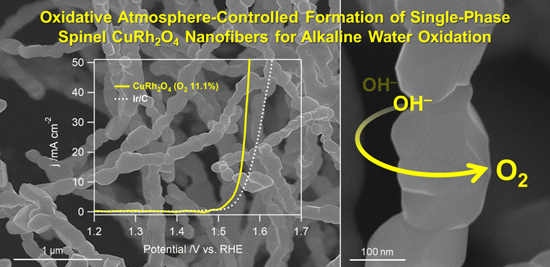
- electrochemical measurements were conducted using a standard three-electrode configuration, with the catalyst-loaded GC electrode as the working electrode, a saturated calomel electrode (SCE) as the reference electrode, and a coiled Pt wire as the counter electrode. The OER activity was evaluated by rotating disk




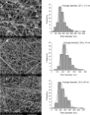
Decontamination from water pollutants and pathogens by electrospun nanofibers doped with heavy-atom-free borafluorene-BODIPY photosensitizers
Beilstein J. Nanotechnol. 2026, 17, 668–682, doi:10.3762/bjnano.17.46
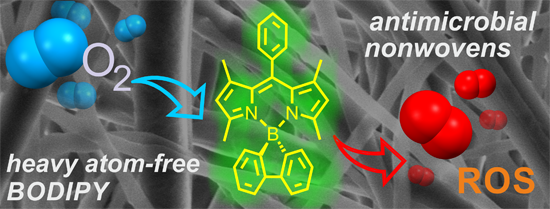
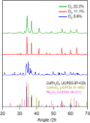
- heavy atoms (e.g., I, Ru, Pt, and Au) [17][18][19][20], which enhance intersystem crossing induced by spin–orbit coupling (SOC-ISC), but also increase dark toxicity, shorten the triplet lifetime, and decrease photostability [21][22][23]. For these reasons, heavy-atom-free BODIPY photosensitizers have



Impacts of annealing on structural and photophysical properties of zinc phthalocyanine adsorbed on graphene
Beilstein J. Nanotechnol. 2026, 17, 576–585, doi:10.3762/bjnano.17.39
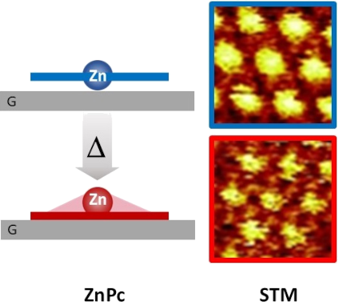
- background (i.e., acquired with a clean-glass sample) is systematically subtracted. Scanning tunneling microscopy The STM images of the dry samples were recorded under ambient conditions (at air and room temperature T ≈ 300 K) with a homemade digital system. The tip was mechanically cut in a Pt/Ir 250 µm


Defects and defect-mediated engineering of two-dimensional materials: challenges and open questions
Beilstein J. Nanotechnol. 2026, 17, 454–488, doi:10.3762/bjnano.17.31
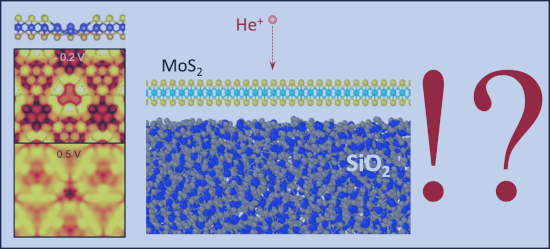
- used to assign defects in other samples to allow for a non-invasive metrology standard. More data is available for deliberately doped TMD samples [128] and Pt chalcogenides [129][130]. Nevertheless, a comprehensive data base of the STM images of defects for different bias voltages and corresponding





Nanoinformatics: spanning scales, systems and solutions
Beilstein J. Nanotechnol. 2026, 17, 423–427, doi:10.3762/bjnano.17.28

- are challenging to experimentally measure. Using computational descriptors commonly used in nano-QSAR models, such as the potential energy of surface atoms and the water–NP surface energy, the model predicts that Pt NPs are more toxic than Au NPs, based on their surface properties, which drive

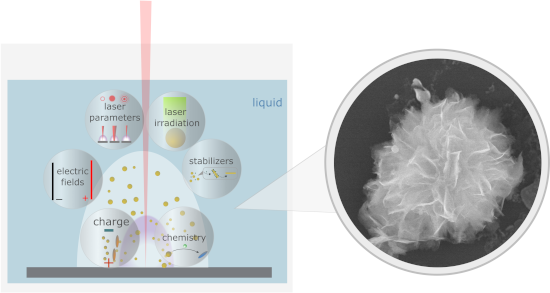
Beam shaping techniques for pulsed laser ablation in liquids: Unlocking tunable control of nanoparticle synthesis in liquids
Beilstein J. Nanotechnol. 2026, 17, 309–342, doi:10.3762/bjnano.17.22
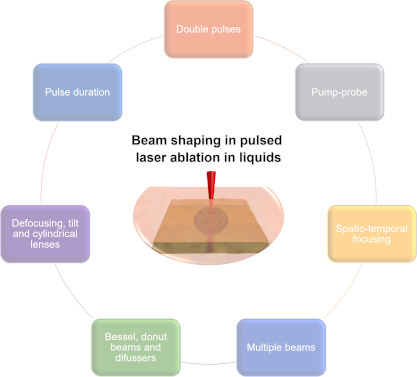


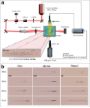

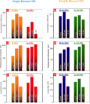


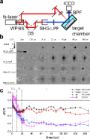


Advancing nanolithography: a comprehensive review of materials for local anodic oxidation with AFM
Beilstein J. Nanotechnol. 2026, 17, 275–291, doi:10.3762/bjnano.17.19
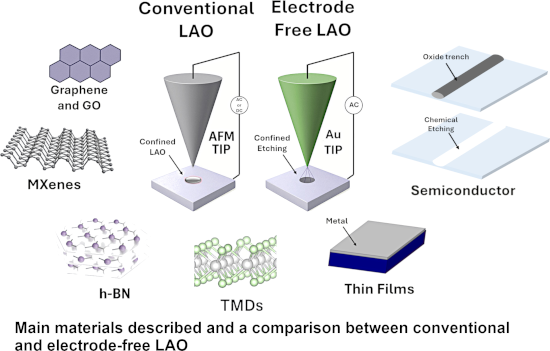
- materials used in LAO experiments are highly doped Si or metals including W, Pt, Au, and Ir. Si-based tips are cheap but lack mechanical durability, frequently suffering from deformation or damage during imaging and patterning. Metal-coated tips all offer excellent electrical conductivity and improved


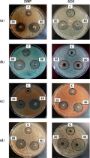
Durable antimicrobial activity of fabrics functionalized with zeolite ion-exchanged nanomaterials against Staphylococcus aureus and Escherichia coli
Beilstein J. Nanotechnol. 2026, 17, 262–274, doi:10.3762/bjnano.17.18
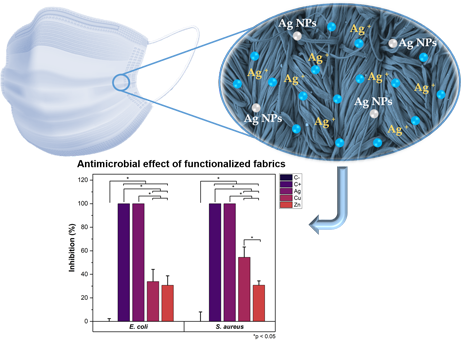
- different components, fiber material composites, nanoscale fibers, and immersion in NPs solutions with a binder. Nanoparticles such as Ag, Au, TiO2, ZnO, Se, SiO2, CuO, and Pt are widely used for textile functionalization [25]. Common methods for incorporating Ag and Cu NPs into cotton textiles involve




From shield to spear: Charge-reversible nanocarriers in overcoming cancer therapy barriers
Beilstein J. Nanotechnol. 2026, 17, 159–175, doi:10.3762/bjnano.17.10
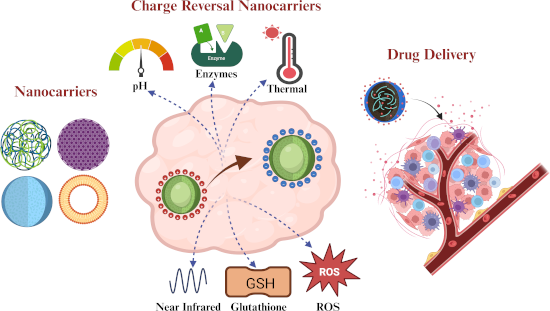
- -reversal system (CDs-Pt (IV)@PEG-PAH/DMA) for imaging-guided drug delivery, which enhanced cancer therapeutic effects [85]. 4 Preclinical and clinical insights of charge-reversible nanocarriers Preclinical studies have revealed that CRNs significantly improve antitumour performance by enhancing tumour


Microplastic pollution in Himalayan lakes: assessment, risks, and sustainable remediation strategies
Beilstein J. Nanotechnol. 2025, 16, 2144–2167, doi:10.3762/bjnano.16.148
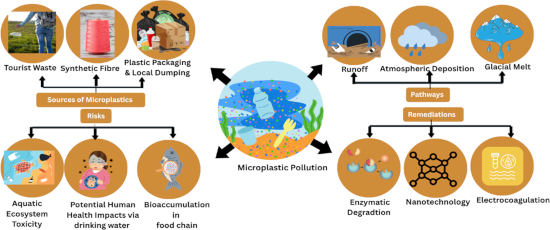
- -term performance in natural water systems by not only breaking down MPs, but also preventing the development of biofilms [79]. The use of TiO2 nanomaterials doped with Pt nanoparticles has also been investigated in case studies; these materials showed quicker breakdown rates for persistent PET MPs


Electron transport through nanoscale multilayer graphene and hexagonal boron nitride junctions
Beilstein J. Nanotechnol. 2025, 16, 2132–2143, doi:10.3762/bjnano.16.147
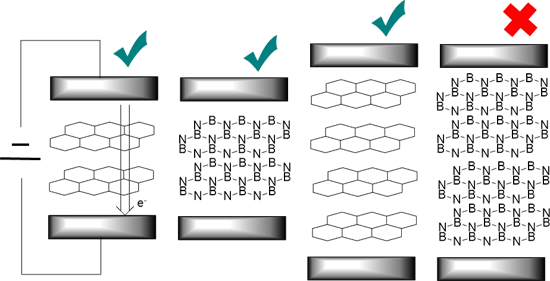
- for the Pt atoms and a double-zeta polarized basis set was used for all other atoms. Geometry optimization was performed with the LBFGS algorithm until all forces are converged below 0.05 eV·Å−1. The k-point density was selected to be four k-points per angstrom. In case of NEGF, the k-point density in
- the c-direction was selected to be 150 k-points per angstrom. Benchmark tests were performed using the NEGF method with Au electrodes instead of Pt, and the Heyd–Scuseria–Ernzerhof 2006 screened hybrid functional (HSE06) instead of PBE. The results obtained from those benchmark simulations showed
- Pt(111) surface, graphene, and h-BH using the QuantumWise ATK interface builder. The process involves strain minimization in the lattice mismatch by symmetry multiplication of the unit cells. The junctions shown in Figure 4 and Figure 5 have 1.06% distributed strain over Pt and graphene or h-BN. The


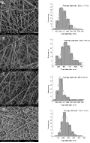
Beyond the shell: exploring polymer–lipid interfaces in core–shell nanofibers to carry hyaluronic acid and β-caryophyllene
Beilstein J. Nanotechnol. 2025, 16, 2015–2033, doi:10.3762/bjnano.16.139
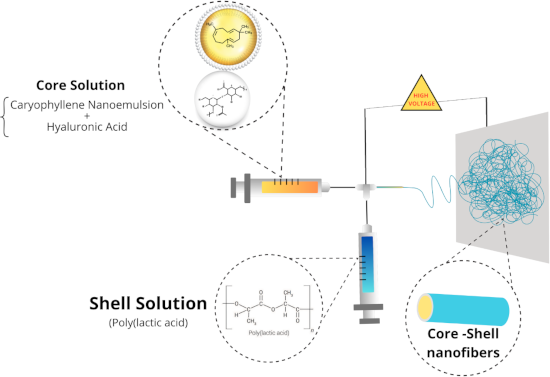
- analysis The thermal stability of the nanofibers was investigated using a Q500 thermogravimetric analyzer (TA Instruments, USA) equipped with platinum (Pt) crucibles. Mass loss as a function of temperature was recorded from 30 to 700 °C at a heating rate of 10 °C/min under a nitrogen atmosphere. Samples




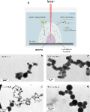
Laser ablation in liquids for shape-tailored synthesis of nanomaterials: status and challenges
Beilstein J. Nanotechnol. 2025, 16, 1963–1997, doi:10.3762/bjnano.16.137




Evaluating metal-organic precursors for focused ion beam-induced deposition through solid-layer decomposition analysis
Beilstein J. Nanotechnol. 2025, 16, 1942–1951, doi:10.3762/bjnano.16.135
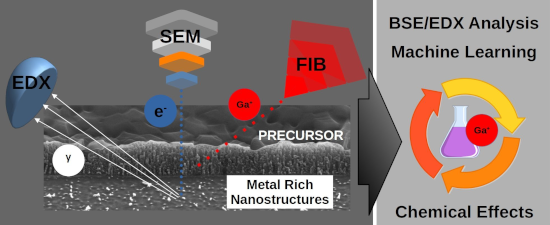
- -dose rate for each studied complex based on the dimensions of the final structures and the applied ion dose. This enables us to compare the ability of studied precursors to form metal-rich structures under gallium ion FIB irradiation with that of the commonly used Pt precursor trimethyl
- (methylcyclopentadienyl)platinum(IV) [Pt(η5-CpMe)Me3] [35][36]. The results indicate that precursors 2 and 4 exhibit a performance comparable to that of the Pt precursor, with precursor 4 being the most comparable. Our ultimate goal was to identify the promising precursor that would exhibit a high metal content while


Low-temperature AFM with a microwave cavity optomechanical transducer
Beilstein J. Nanotechnol. 2025, 16, 1873–1882, doi:10.3762/bjnano.16.130
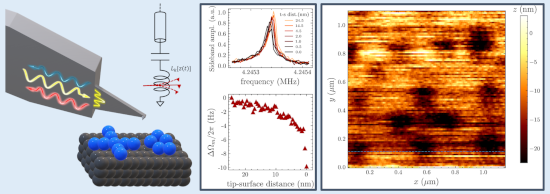
- edge of the plate, giving rise to a modulation of its kinetic inductance due to surface strain generated by cantilever bending. A Pt–C tip with curvature radius below 10 nm at its apex is formed at the free end of the cantilever through a series of electron-beam-assisted depositions. Figure 1d shows a
- LC resonator realized from a single layer of Nb–Ti–N and a Pt–C tip deposited at the cantilever apex. (d) Experimental setup. The scanner box is suspended from the 10 mK stage with soft springs. Folded copper braids provide thermalization and additional mechanical damping. The digital synthesizer and


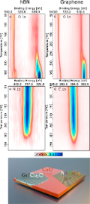
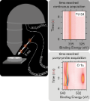
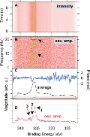
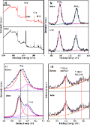
Ambient pressure XPS at MAX IV
Beilstein J. Nanotechnol. 2025, 16, 1677–1694, doi:10.3762/bjnano.16.118
- precious metals such as Rh, Pd, and Pt [14][15]. Their atom-level dispersion maximizes surface exposure and minimizes metal consumption, which is critical for both economic and environmental sustainability. However, their inherently low site density and metastability under reaction conditions present





Nanotechnology-based approaches for the removal of microplastics from wastewater: a comprehensive review
Beilstein J. Nanotechnol. 2025, 16, 1607–1632, doi:10.3762/bjnano.16.114
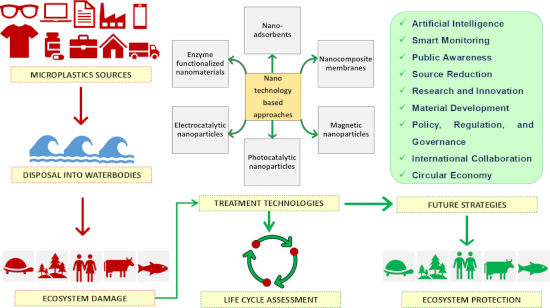
- fabrication process involves thermally transforming Ti3C2Tx MXene into multilayered TiO2 with photocatalytic properties, followed by coating with platinum and decorating the surface with magnetic γ-Fe2O3 nanoparticles. These engineered γ-Fe2O3/Pt/TiO2 microrobots exhibit light-driven, fuel-free movement with


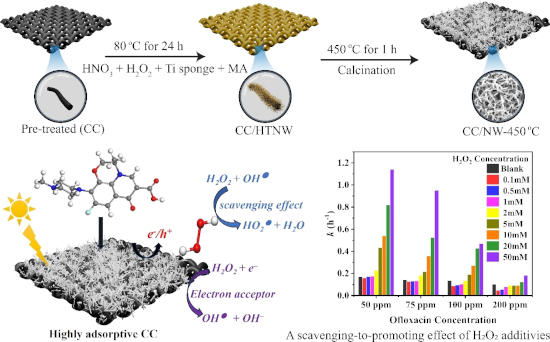
Photocatalytic degradation of ofloxacin in water assisted by TiO2 nanowires on carbon cloth: contributions of H2O2 addition and substrate absorbability
Beilstein J. Nanotechnol. 2025, 16, 1567–1579, doi:10.3762/bjnano.16.111
- × 2 cm in size) was taken as working electrode, the Pt electrode as counter electrode (3 cm × 3 cm in size), and a saturated calomel electrode as reference electrode; the electrolyte is 0.5 mol/L aqueous Na2SO4 solution. No bias potential was applied for the photocurrent evaluations. Results and


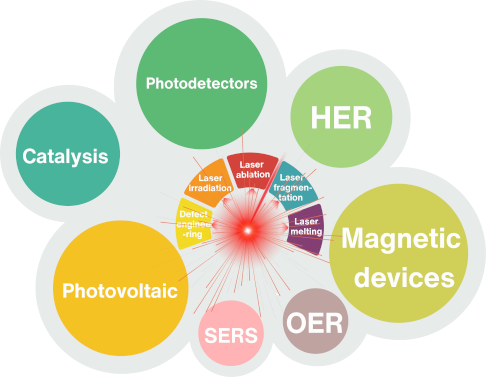
Laser processing in liquids: insights into nanocolloid generation and thin film integration for energy, photonic, and sensing applications
Beilstein J. Nanotechnol. 2025, 16, 1428–1498, doi:10.3762/bjnano.16.104
- ]. Figure 10a shows a photograph of a typical spin-coating setup, along with high-speed images capturing the dynamics of and film formation on a rotating substrate. Mono and bi-metallic Pt, Pd, and Pt80Pd20 NPs were synthesized using a Nd:YAG laser operating at λ = 1064 nm, a fluence of 5 J/cm2, and a
- repetition rate of 10 Hz. In order to synthesize Pt and Pd NPs, pure platinum and palladium metal plates were used as ablation targets. Metallic NPs synthesized through PLAL can be utilized not only for forming thin films of their own but also in combination with organic semiconductors via spin coating. Thin






Parylene-coated platinum nanowire electrodes for biomolecular sensing applications
Beilstein J. Nanotechnol. 2025, 16, 1392–1400, doi:10.3762/bjnano.16.101
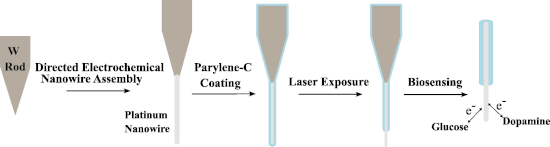
- , Pt, Fe, Cu, or Ir) solution are used for nanowire growth, where adjustments to the AC field parameters and solution composition allow the fabrication of either single cylindrical nanowires (ranging from 15 to 600 nm in diameter and up to several hundreds of micrometers in length) or dendritic


Enhancing the photoelectrochemical performance of BiOI-derived BiVO4 films by controlled-intensity current electrodeposition
Beilstein J. Nanotechnol. 2025, 16, 1289–1301, doi:10.3762/bjnano.16.94
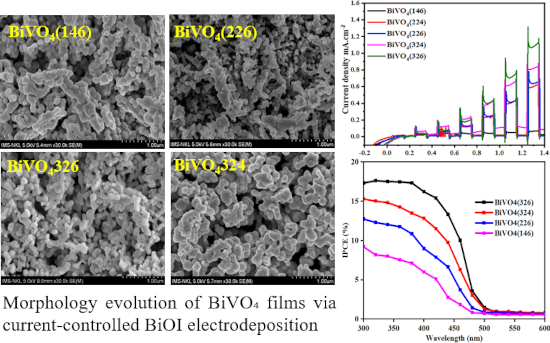
- electrochemical workstation (CHI650E, CH Instruments, USA). The three electrodes included a working electrode (BiVO4 photoelectrode, 1.0 × 1.0 cm2), counter electrode (Pt plate), and reference electrode (Ag/AgCl). The electrolyte used in the photoelectrochemical measurements was 0.50 M Na2SO4 (pH 5.6), and the



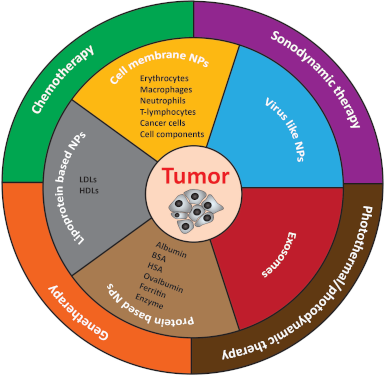
Better together: biomimetic nanomedicines for high performance tumor therapy
Beilstein J. Nanotechnol. 2025, 16, 1246–1276, doi:10.3762/bjnano.16.92







Functional bio-packaging enhanced with nanocellulose from rice straw and cinnamon essential oil Pickering emulsion for fruit preservation
Beilstein J. Nanotechnol. 2025, 16, 1234–1245, doi:10.3762/bjnano.16.91
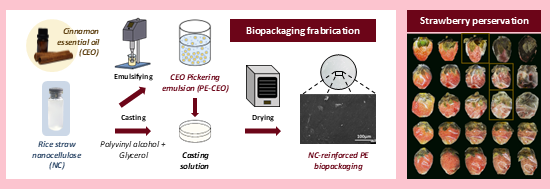
- materials (BP, rBP, and rCBP) was observed using a scanning electron microscope (SEM), model Primas E (US). The samples were coated with Pt for 30 s prior to measurement. Bioactive properties UV absorption. Transparency and UV absorption of the films were determined using UV–vis spectroscopy in the