Search results
Search for "annealing" in Full Text gives 502 result(s) in Beilstein Journal of Nanotechnology. Showing first 200.
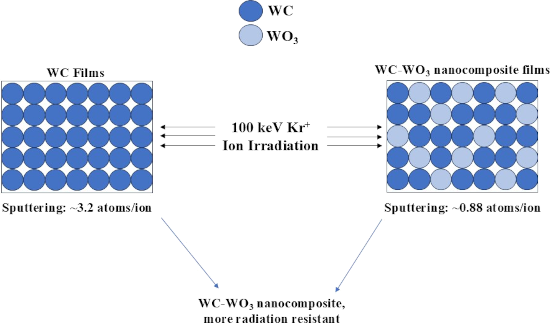
Enhanced erosion resistance and radiation stability of WC–WO3 nanocomposite films under 100 keV Kr+ ion irradiation
Beilstein J. Nanotechnol. 2026, 17, 922–934, doi:10.3762/bjnano.17.65
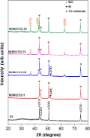
- annealing at ~700 °C in a tubular furnace in air atmosphere. The oxygen in air facilitates the growth of the carbide and oxide phases simultaneously at high temperature. Otherwise, the as-deposited films were amorphous as shown in Figure 2a. A description of the synthesized samples of typical sizes of 1 cm
- pristine WC–WO3 nanocomposite and WC films The GIXRD pattern of the as-deposited WC films, shown in Figure 2a, reveals that the room-temperature-deposited films were amorphous as no reflection peak was observed in the pattern. However, after thermal annealing of these films at ~700 °C, grain growth took



Cross-scale design of chemosensor arrays: from molecular self-assembly in water to paper-based devices for metal ion detection
Beilstein J. Nanotechnol. 2026, 17, 828–838, doi:10.3762/bjnano.17.59
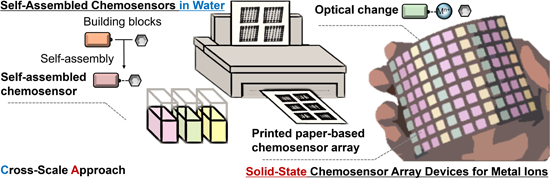
- printed wax layer melts on a hot plate during annealing. Next, an inkjet printer is employed to deposit chemosensor solutions onto predefined regions of the paper substrate. The fiber structures of paper substrates contribute to highly dispersed chemosensor elements, resulting in uniform solid-state


Sustainable fabrication of 2D-based devices through reuse of substrates with microfabricated electrodes
Beilstein J. Nanotechnol. 2026, 17, 818–827, doi:10.3762/bjnano.17.58
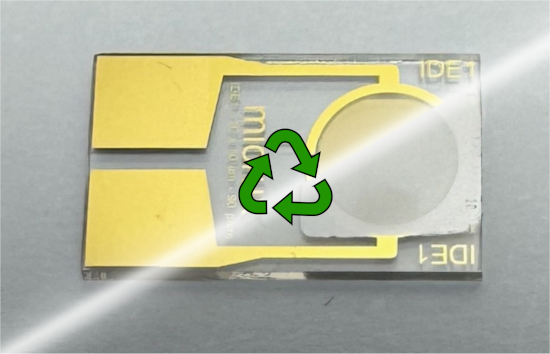
- confirmed via differential reflectance spectroscopy [38][39][40]. A selected flake was then transferred using an all-dry deterministic method to bridge a pair of gold electrodes (Figure 5a, top) [41]. After high-vacuum annealing, the device was electrically characterized in a custom high-vacuum probe
- 50 V. Devices that underwent annealing were characterized under a vacuum of 1.5 × 10⁻⁵ mbar [42]. Raman characterization Raman mapping measurements were performed on the electrode region in three states, namely, pristine electrode, electrode after roll-to-roll mechanically exfoliated MoS2 transfer


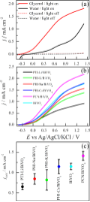
Glycerol photoelectrochemical oxidation reaction at carbon nitrides/BiVO4 materials
Beilstein J. Nanotechnol. 2026, 17, 806–817, doi:10.3762/bjnano.17.57
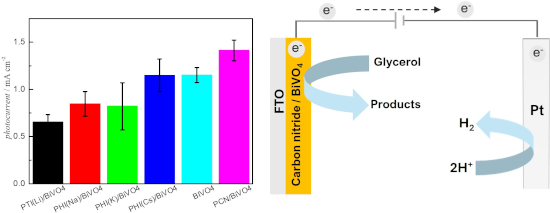
- electrolysis (i.e., it has not leached during electrolysis). Therefore, one can conclude the PCN/BiVO4 is an active and stable material for glycerol photoelectrochemical oxidation. During the BiVO4 synthesis, an annealing step at 500 °C is necessary to obtain the monoclinic phase. Given the CNs thermal




Tailoring Ag–Pt nanoalloys through solid-state dewetting: structural and optical insights
Beilstein J. Nanotechnol. 2026, 17, 748–759, doi:10.3762/bjnano.17.52

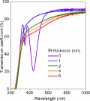
- .17.52 Abstract In this work, a cost-effective method for fabricating silver–platinum nanoalloys through thermally activated dewetting of thin metallic films is demonstrated. Ag and Pt bilayers with a total thickness of 8 nm were deposited using DC magnetron sputtering, followed by annealing at 650 °C
- homogeneous elemental distribution, as measured by energy dispersive spectroscopy. Additionally, X-ray photoelectron spectroscopy measurements confirmed the coexistence of both metals in metallic states, with a slight Ag deficiency attributed to its higher instability and desorption during the annealing
- a region with a lower film thickness at grain boundaries, which is well visible on the linear AFM profile in Figure 1 [45][46][47]. Figure 2a presents an exemplary scanning electron microscopy (SEM) image of nanostructures formed as a result of annealing of a silver–platinum bilayer with a thickness




Oxidative atmosphere-driven formation of single-phase spinel CuRh2O4 nanofibers for alkaline water oxidation
Beilstein J. Nanotechnol. 2026, 17, 737–743, doi:10.3762/bjnano.17.50
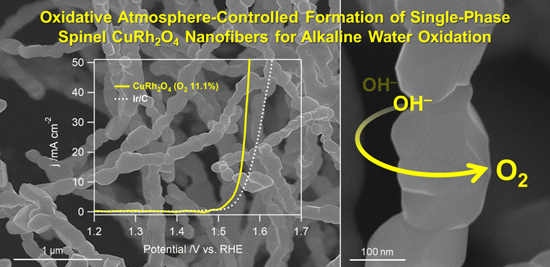
- (IMMS), Ewha Womans University, Seoul 03760, Republic of Korea 10.3762/bjnano.17.50 Abstract Cu–Rh bimetallic single-phase spinel oxide nanofibers were synthesized via electrospinning followed by post-annealing in precisely controlled oxidative environments. By systematically tuning the O2
- concentration in the He carrier gas flow during the annealing process, the optimal atmosphere was identified to produce phase-pure CuRh2O4. The as-prepared CuRh2O4 nanofibers exhibited excellent electrocatalytic performance toward the oxygen evolution reaction in 1.0 M NaOH (aq), highlighting the importance of
- atmosphere-controlled thermal treatment for engineering high-activity spinel oxide electrocatalysts. Keywords: annealing; electrocatalyst; electrospinning; oxygen evolution reaction; spinel oxide; Introduction The oxygen evolution reaction (OER) is a kinetically demanding, multistep process that governs




Impacts of annealing on structural and photophysical properties of zinc phthalocyanine adsorbed on graphene
Beilstein J. Nanotechnol. 2026, 17, 576–585, doi:10.3762/bjnano.17.39
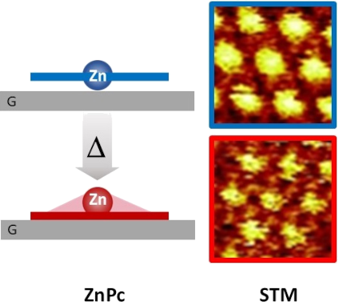
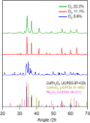
- confinement allows us to track a phase change induced by annealing, which we discuss in terms of a planar-square to shuttlecock molecular transition. We show that after annealing of the adsorbed ZnPc, the exposition of Zn atoms to reactants in a supernatant solution is improved, for example, for metal-ligand
- experienced by ZnPc self-assembled monolayer on graphene or HOPG. Single ZnPc molecules are guest-isolated within the nanocavities of a self-assembled 2D host matrix, preventing intermolecular interactions and allowing for individual characterization. This phase change, induced by annealing, is discussed in
- the dried samples both before and after annealing at 80 °C for 30 or 180 min. Optical absorption micro-spectroscopy Optical absorption was measured by transmission micro-spectroscopy for ZnPc:TSB35-C12 grown on a highly transparent CVD graphene monolayer transferred to a microscope glass cover plate


Defects and defect-mediated engineering of two-dimensional materials: challenges and open questions
Beilstein J. Nanotechnol. 2026, 17, 454–488, doi:10.3762/bjnano.17.31
- still require further study. Moreover, it has been shown that even the exposure of TMD films to ordinary laboratory light in air can accelerate oxidation [73], although the underlying mechanism of this effect remains unclear. Does high-temperature annealing increase or decrease the concentration of
- defects in 2D materials? In bulk systems, when the defect concentration n is well above the equilibrium value neq at temperature T, defined by the defect formation energy Ef, n normally decreases upon high-temperature annealing in vacuum, as defects migrate towards the surface and disappear. The
- evaporation of the material at the surface is ignored. The situation is different in 2D materials [74] as the concentration of intrinsic defects or impurities (e.g., oxygen in MoS2) can decrease at moderate-temperature annealing [75], but ablation of atoms at high temperatures cannot be ignored, and more





Time of flight secondary ion mass spectrometry imaging of contaminant species in chemical vapour deposited graphene on copper
Beilstein J. Nanotechnol. 2026, 17, 200–213, doi:10.3762/bjnano.17.13
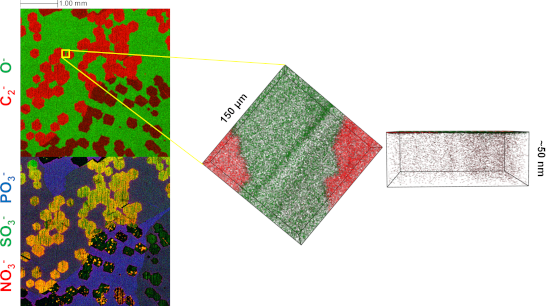
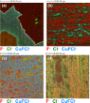
- × 10−2 mbar. The Cu foils were placed into the CVD chamber and the temperature was ramped to 1065 °C at 100 °C/min in either an Ar atmosphere (Ar) or a 4:1 (200 SCCM:50 SCCM) mixture of Ar and H2 (Ar:H2). The samples were then held at 1065 °C for an annealing time of 30 min. Subsequently, the carbon
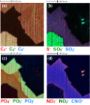
- -SIMS. To confirm that P was coming from the Cu foil, a 200 nm layer of high-purity Cu was deposited on top of a sample of the same Cu foil used for graphene growth by physical vapour deposition (PVD). ToF-SIMS depth profile measurements were taken before and after annealing to the graphene growth
- interface with the Cu foil substrate. Upon annealing, the interfacial PO3− signal is observed to diffuse to the surface of the PVD layer, indicating that the phosphorous species are very mobile within the Cu. The sulphur signal that was previously observed is no longer detectable, indicating that the





Structure-dependent thermochromism of PAZO thin films: theory and experiment
Beilstein J. Nanotechnol. 2026, 17, 186–199, doi:10.3762/bjnano.17.12
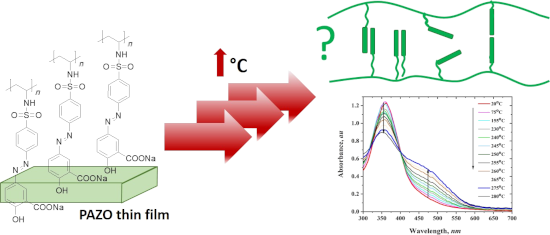
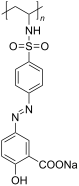
- applications. We investigated the thermochromic behavior of PAZO films and highlighted the significant impact of structural organization and thermal treatment on their optical properties. Thermal annealing notably enhanced the photoinduced birefringence under 532 nm laser excitation, while no such improvement


Reduced graphene oxide paper electrode for lithium-ion cells – towards optimized thermal reduction
Beilstein J. Nanotechnol. 2026, 17, 24–37, doi:10.3762/bjnano.17.3
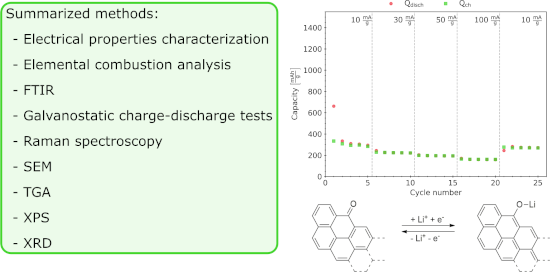
- description of oxygen species and their behavior during the thermal annealing of GO, allowing them to specify a temperature range expected to provide optimal type and amount of oxygen species [27]. According to this article, the desired ketone groups partially remain, while carboxyl, epoxy, and hydroxy groups
- in defect formation within the graphene structure. However, the G peak intensity behavior after thermal annealing at various temperatures suggests that higher temperatures promote better preservation of areas with sp2-bonded atoms. This peak can also involve a contribution from sp2-hybridized carbon



Ambient pressure XPS at MAX IV
Beilstein J. Nanotechnol. 2025, 16, 1677–1694, doi:10.3762/bjnano.16.118
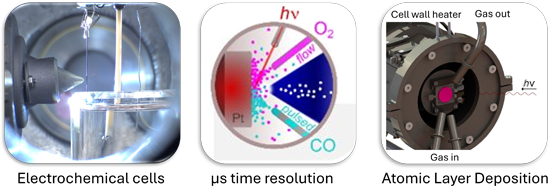
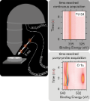
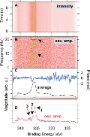
- equipped with complementary instruments (e.g., mass spectrometers) mainly allowing researchers to probe gas phase products and connect this information easily to the XPS data acquired from the surface. Common in-vacuum surface preparation tools (e.g., Ar ion sputtering and sample annealing) are





Laser processing in liquids: insights into nanocolloid generation and thin film integration for energy, photonic, and sensing applications
Beilstein J. Nanotechnol. 2025, 16, 1428–1498, doi:10.3762/bjnano.16.104
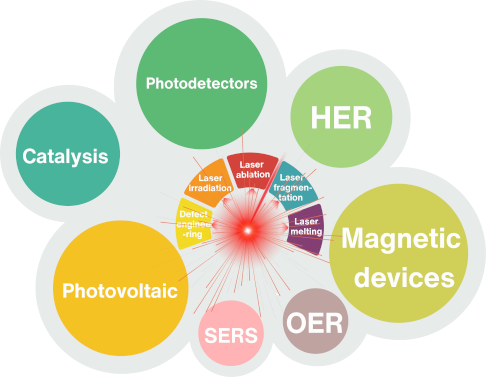
- fabricated using the doctor blade method (Figure 12b), and the effects of annealing on their morphology, compositional homogeneity, and optical properties were investigated for photocatalytic activities [124][125]. The properties of these films are further discussed in the latter section of this article. A
- generation of NPs during the PLAL process when DMF was used and the spray conditions used to fabricate the nanocolloids into films, including substrate temperature and liquid medium properties (density and boiling point). Additionally, the annealing process contributed to the formation of more compact films






Automated collection and categorisation of STM images and STS spectra with and without machine learning
Beilstein J. Nanotechnol. 2025, 16, 1367–1379, doi:10.3762/bjnano.16.99
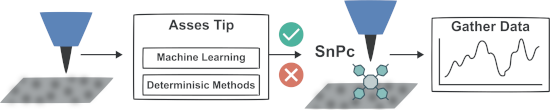
- for 30 min, measuring a drain current of ≈7.0 μA, before annealing at 500 °C for 30 min and then placed into the scan head for imaging. Platinum–iridium STM tips were used throughout this work and were prepared by standard STM methods (voltage pulses, controlled contacts with the sample) until good




Enhancing the photoelectrochemical performance of BiOI-derived BiVO4 films by controlled-intensity current electrodeposition
Beilstein J. Nanotechnol. 2025, 16, 1289–1301, doi:10.3762/bjnano.16.94
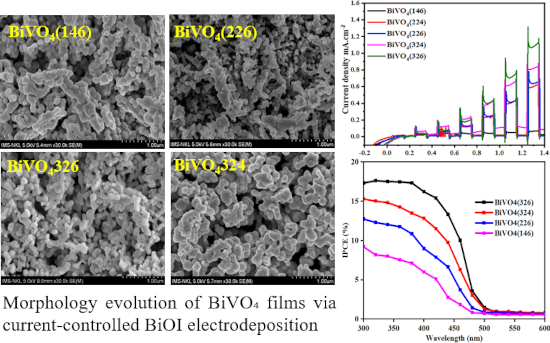
- recrystallization during the annealing process (Figure 2a,c,e). At lower current densities (e.g., BiVO4(146)), the BiVO4 films exhibited larger and more irregular particles with relatively low surface coverage (Figure 2b). In contrast, higher current densities (e.g., BiVO4(324) and BiVO4(326)) resulted in more



Influence of ion beam current on the structural, optical, and mechanical properties of TiO2 coatings: ion beam-assisted vs conventional electron beam evaporation
Beilstein J. Nanotechnol. 2025, 16, 1097–1112, doi:10.3762/bjnano.16.81
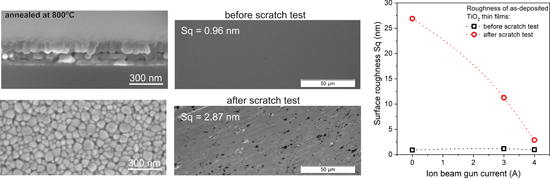
- ) coatings deposited using electron beam evaporation (EBE) and ion beam-assisted deposition (IBAD) are presented. Post-process annealing at 800 °C was also conducted to examine its impact on the properties of the prepared coatings. After annealing at 800 °C, a transition from amorphous to the anatase phase
- , annealing caused a decrease of the transparency level by 32% for films deposited by EBE, while for films from the IBAD process the decrease was less than 10%. The use of an ion gun increased the hardness of the TiO2 films from 2.4 to 3.5 GPa (Iibg = 4 A). Although a similar relationship was observed for
- coatings after annealing, hardness values were lower than for as-deposited coatings. The most notable differences were observed in the abrasion tests, where the IBAD process significantly enhanced the abrasion resistance of the coatings. This research highlights the potential of IBAD to prepare dense




Soft materials nanoarchitectonics: liquid crystals, polymers, gels, biomaterials, and others
Beilstein J. Nanotechnol. 2025, 16, 1025–1067, doi:10.3762/bjnano.16.77
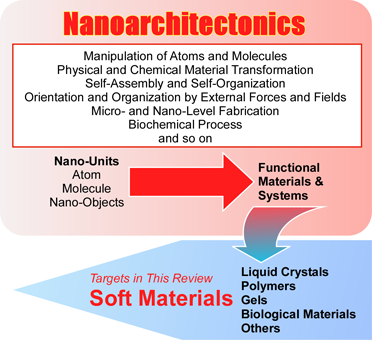
- . Additionally, they can be employed as precursors to produce CaFe2O4 thin films upon calcination. The resulting transparent solution is coated and subjected to calcination/annealing to form mesoporous thin films. The mesoporous films display excellent performance in the oxygen evolution reaction. It would be






Multifunctional properties of bio-poly(butylene succinate) reinforced with multiwalled carbon nanotubes
Beilstein J. Nanotechnol. 2025, 16, 1014–1024, doi:10.3762/bjnano.16.76
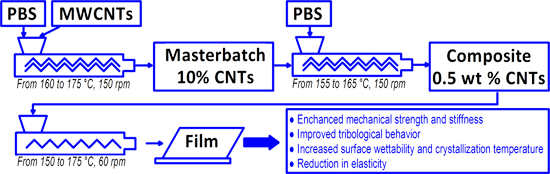
- of 10 °C·min−1, annealing at 300 °C for 3 min, cooling to 0 °C at 10 °C·min−1, and reheating to 300 °C at 10 °C·min−1. The Universal STARe SW 11.00 software (Mettler Toledo) was used to analyze the obtained data and calculate the degree of crystallinity of PBS, assuming a thermodynamic fusion



Tendency in tip polarity changes in non-contact atomic force microscopy imaging on a fluorite surface
Beilstein J. Nanotechnol. 2025, 16, 944–950, doi:10.3762/bjnano.16.72
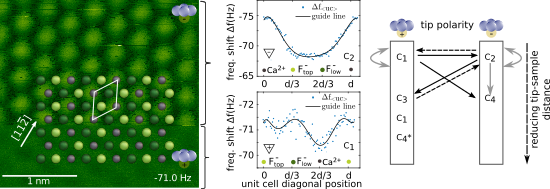
- . The sample was prepared in situ by first degassing a p-type Si (B-doped) sample (Institute of Electronic Materials Technology, Warsaw, Poland) for several hours after introduction into the vacuum. Second, the Si(111)-(7 × 7) termination was formed by flash annealing cycles. Third, CaF2 material (99.9


Structural and magnetic properties of microwave-synthesized reduced graphene oxide/VO2/Fe2O3 nanocomposite
Beilstein J. Nanotechnol. 2025, 16, 921–932, doi:10.3762/bjnano.16.70
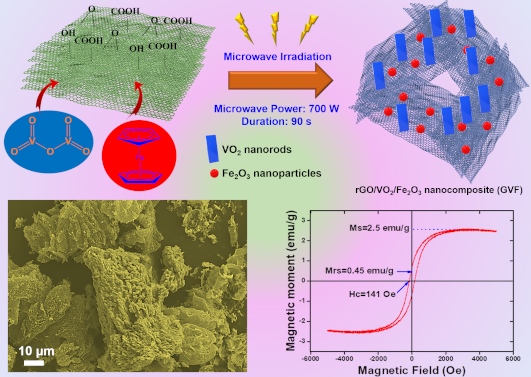
- ternary NCs of graphene materials, several conventional approaches, such as sol–gel, hydrothermal/solvothermal, calcination/thermal annealing, chemical vapor deposition, liquid-phase exfoliation, and freeze-drying have been reported. However, the MW-assisted synthetic approaches are found to be superior
- phase change of this metal oxide is generally implemented through a few approaches, including annealing, sol–gel process, hydrothermal process, vapor transport method. However, such approaches are time consuming [26][27][28]. In this context, the ultrafast reduction of V2O5 to VO2 through the MW route


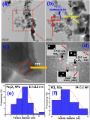

Heat-induced transformation of nickel-coated polycrystalline diamond film studied in situ by XPS and NEXAFS
Beilstein J. Nanotechnol. 2025, 16, 887–898, doi:10.3762/bjnano.16.67
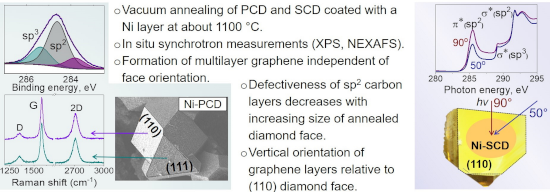
- thin nickel film deposited by thermal evaporation. The graphitization of diamond with and without a nickel coating as a result of high-vacuum annealing at a temperature of about 1100 °C was studied in situ using synchrotron-based X-ray photoelectron spectroscopy (XPS) and near-edge X-ray absorption
- crystallites; however, the layer defectiveness increased in areas with fine-dispersed crystallites. According to NEXAFS and Raman spectroscopy data, the most ordered atomic structure of graphitic layers was obtained by annealing nickel-coated SCD. The angular dependence of NEXAFS C K-edge spectra of nickel
- -coated (110) face after annealing discovered the vertical orientation of sp2-hybridized carbon layers relative to the diamond surface. The observed behavior suggests that sp2 carbon layers were formed on the diamond surface due to its saturation by released carbon atoms as a result of etching by nickel


Ar+ implantation-induced tailoring of RF-sputtered ZnO films: structural, morphological, and optical properties
Beilstein J. Nanotechnol. 2025, 16, 872–886, doi:10.3762/bjnano.16.66
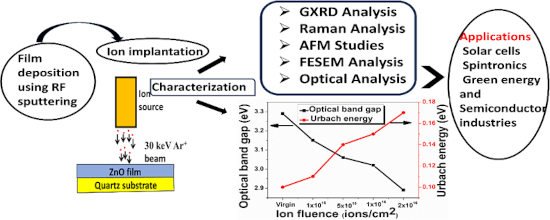
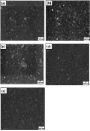
- deposition rates and uniform growth of films with good reproducibility [4]. The physical properties of grown ZnO films can be tuned by altering various growth parameters and employing post-deposition treatments such as ion implantation and thermal annealing. Ion implantation has proven a versatile tool to






Insights into the electronic and atomic structures of cerium oxide-based ultrathin films and nanostructures using high-brilliance light sources
Beilstein J. Nanotechnol. 2025, 16, 860–871, doi:10.3762/bjnano.16.65

- configurations at 110 and 125 eV, respectively [23][25][26][27][28]. Figure 1 reports valence band spectra from an ultrathin cerium oxide film before and after ultrahigh vacuum (UHV) annealing at 600 °C, acquired at the two resonant energies. Using a photon energy at the Ce4+-related resonance (110 eV), the
- spectrum shows only minor modifications after annealing, while if the Ce3+-related resonant energy is used (125 eV), a marked Ce 4f peak appears around 2 eV binding energy after the annealing. This demonstrates the significantly higher sensitivity to Ce3+ that can be achieved by exploiting resonant
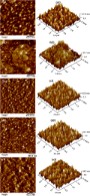
- extent of their spatial propagation, are extremely relevant questions in order to design materials with optimal efficiency. Valence band photoemission spectra of 1.3 MLE cerium oxide/Rh(111) as laid (a, b) and after annealing at 600 °C (c, d). Spectra (b) and (d) have been excited by a photon energy of


Synchrotron X-ray photoelectron spectroscopy study of sodium adsorption on vertically arranged MoS2 layers coated with pyrolytic carbon
Beilstein J. Nanotechnol. 2025, 16, 847–859, doi:10.3762/bjnano.16.64
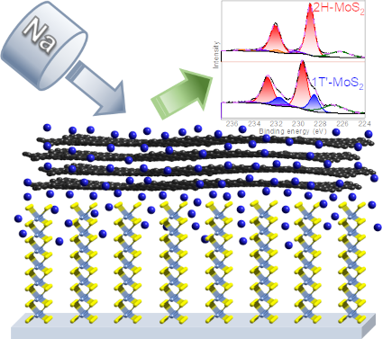
- interaction with MoS2 leads to the transformation of the original hexagonal structure into a distorted tetragonal one. Under the experimental conditions, sodium is unable to diffuse through the carbon film consisting of horizontally oriented graphene domains and is almost completely removed by annealing the
- film, and annealing of the sodiated sample restores its structure. The obtained results demonstrate the important role of the graphitic coating in the development of viable MoS2-based electrodes for energy storage systems. Keywords: graphitic coating; molybdenum disulfide film; Na adsorption
- the preparation and measurement chambers. The Na/Mo ratio on the surface of the MoS2 film is 2.0 after Na deposition for 10 min, 5.5 after additional Na deposition for 20 min, and 3.0 after annealing (Figure 4c). The corresponding Na/Mo ratios in the bulk of the MoS2 film are 1.0, 2.4, and 1.5 (Figure


Facile one-step radio frequency magnetron sputtering of Ni/NiO on stainless steel for an efficient electrode for hydrogen evolution reaction
Beilstein J. Nanotechnol. 2025, 16, 837–846, doi:10.3762/bjnano.16.63
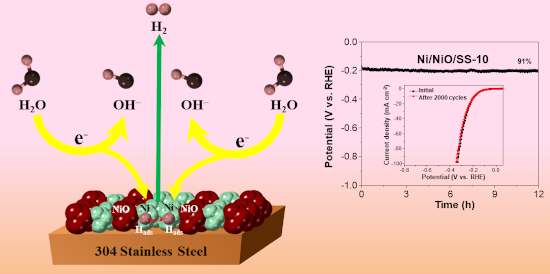
- and coworkers prepared Ni/NiO nanosheets via a hydrothermal process and annealing, which gave a high HER efficiency [18]. Wang et al. found that Ni metal plays a crucial role in NiOx-based material for water electrolysis [19]. However, using chemical methods to fabricate Ni/NiO-based nanomaterials is