Search results
Search for "antioxidant" in Full Text gives 90 result(s) in Beilstein Journal of Nanotechnology.
Restorative potential of laser-synthesized silver nanoparticles with Salvia officinalis for periodontal disease treatment: an in vitro study
Beilstein J. Nanotechnol. 2026, 17, 781–795, doi:10.3762/bjnano.17.55
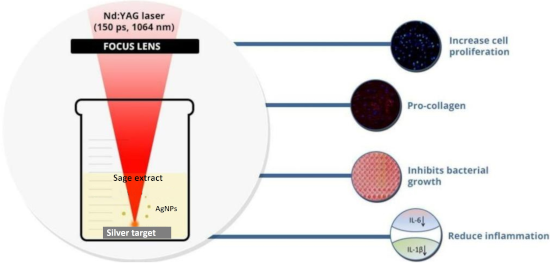
- aqueous extraction and lyophilization exhibits potent antioxidant, antigenotoxic, and immunomodulatory activities with potential applications in preventing or treating inflammatory conditions [13]. Additionally, we have shown that AgNPs synthesized by PLAL using citrate solution possess antibacterial
- significantly lower cytotoxic effects than their uncoated counterparts, probably by attenuating the release of Ag+ ions and through sage’s inherent antioxidant activity that helps scavenge ROS, thus decreasing oxidative cellular damage [45][46]. In biological media, silver speciation is highly dynamic due to
- differences between bacterial and eukaryotic cell metabolisms may be the cause of this selectivity. Eukaryotic cells have strong antioxidant systems that can neutralize ROS as long as particle concentrations stay within therapeutic ranges [50]. The sage extract compounds enhance this selectivity by providing



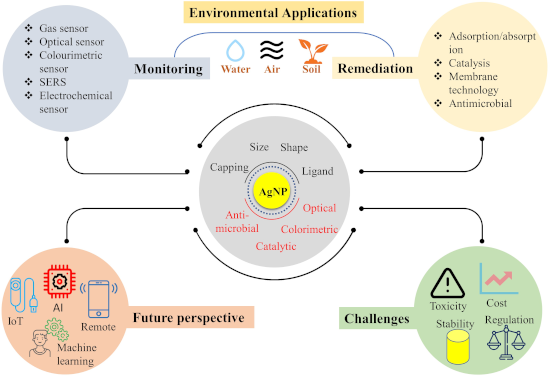
Environmental applications of silver nanoparticles: state-of-the-art review and emerging trends
Beilstein J. Nanotechnol. 2026, 17, 697–736, doi:10.3762/bjnano.17.49


Recent progress in enhancing built-in electric fields of perovskite solar cells via junction engineering
Beilstein J. Nanotechnol. 2026, 17, 602–621, doi:10.3762/bjnano.17.42
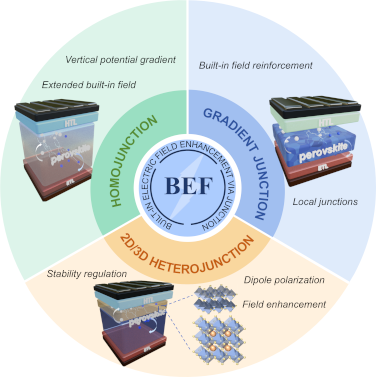
- natural vitamin C into the SnO2 ETL to reduce defects and improve electron transport. They also exploited the antioxidant and passivation effects of vitamin D2 to convert the perovskite surface from n-type to p-type, thereby forming a p-region approximately 80 nm thick at the top and spontaneously



Advances in nanotechnology applied to natural products
Beilstein J. Nanotechnol. 2026, 17, 555–558, doi:10.3762/bjnano.17.36

- , including: (i) antioxidant, (ii) anti-inflammatory, (iii) antimicrobial, (iv) vector-control capacity (e.g., larvicidal and repellent properties), and (v) antitumor [2]. However, despite their chemical and functional diversity, they have significant limitations, such as (a) low solubility, (b) thermal or
Nanocarrier-integrated multilayer films produced by 3D printing for improved skin adhesion and curcumin photostability
Beilstein J. Nanotechnol. 2026, 17, 440–453, doi:10.3762/bjnano.17.30
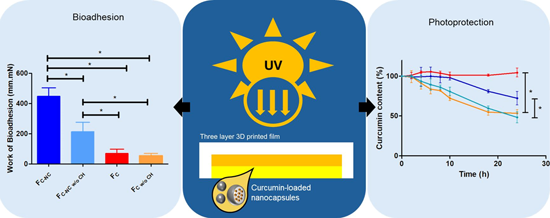
- antioxidant compound. The development of topical films for cutaneous delivery faces several challenges, including the need for strong skin adhesion and the protection of photolabile actives from light exposure. We hypothesized that multilayered films designed for the cutaneous delivery of curcumin and
- as antioxidant activity through reactions with free radicals or reactive oxygen species (ROS) and inhibition of lipid peroxidation and DNA damage. These mechanisms contribute to reduced oxidative stress and enhanced wound-healing processes [17]. Consequently, curcumin is currently under investigation
- nanocapsules or non-encapsulated curcumin was based on previous studies demonstrating the ability of nanocarriers to improve the aqueous solubility and antioxidant activity of curcumin when formulated as a gel [24][25][26]. Consequently, the objective of the present study was to use SSE 3D printing to design


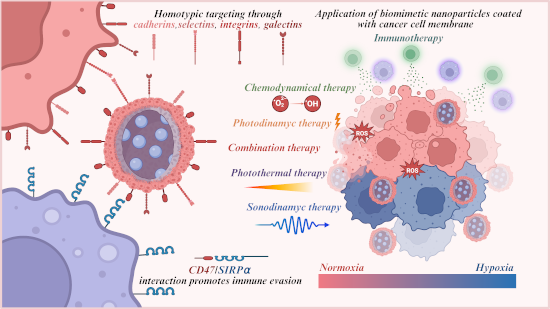
Biomimetic nanoparticles in cancer photodynamic therapy: a review of targeted delivery systems and therapeutic outcomes
Beilstein J. Nanotechnol. 2026, 17, 396–422, doi:10.3762/bjnano.17.27


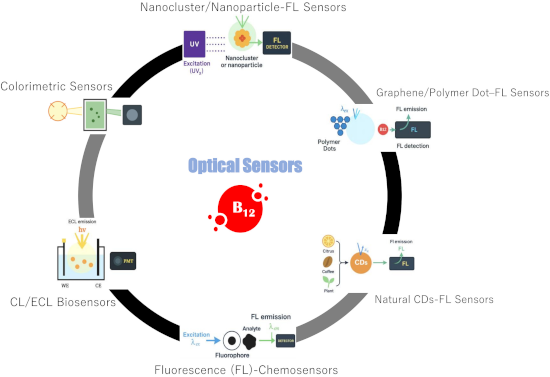
Optical bio/chemical sensors for vitamin B12 analysis in food and pharmaceuticals: state of the art, challenges, and future outlooks
Beilstein J. Nanotechnol. 2025, 16, 2207–2244, doi:10.3762/bjnano.16.153


Quality by design optimization of microemulsions for topical delivery of Passiflora setacea seed oil
Beilstein J. Nanotechnol. 2025, 16, 2116–2131, doi:10.3762/bjnano.16.146
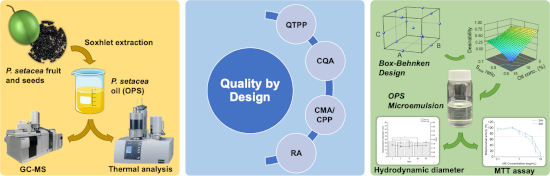
- , Brazil 10.3762/bjnano.16.146 Abstract Passiflora setacea seed oil is a natural source of bioactive unsaturated fatty acids, notably linoleic acid (ω-6) and oleic acid (ω-9), with promising antioxidant and anti-inflammatory potential for dermatological applications. However, its direct use is limited by
- and polydispersity index below 0.2 and remained stable for 60 days. The ME was gelled with sodium carboxymethyl cellulose, while vitamin E and Liquid Germall® Plus were incorporated as antioxidant and preservative agents, respectively, yielding the final topical gel formulation. Cytocompatibility
- underexplored wild species, such as Passiflora setacea [2][3]. Notably, seed oil extracted from P. setacea (OPS) is particularly rich in unsaturated fatty acids, predominantly linoleic acid (ω-6) and oleic acid (ω-9). Compared to other wild Passiflora species, OPS exhibits a markedly higher antioxidant capacity


Rapid synthesis of highly monodisperse AgSbS2 nanocrystals: unveiling multifaceted activities in cancer therapy, antibacterial strategies, and antioxidant defense
Beilstein J. Nanotechnol. 2025, 16, 2105–2115, doi:10.3762/bjnano.16.145
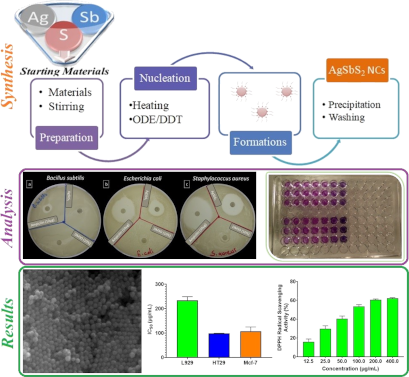
- , particularly on cancer cell lines (MCF-7 and HT-29), in a dose-dependent manner over a 24 h period. These findings highlight the potential of the NCs as anticancer agents. Furthermore, the synthesized NCs demonstrated potent antibacterial properties against the tested microorganisms and notable antioxidant
- ; antibacterial activity; antioxidant activity; cytotoxic activity; Introduction Nanoscience serves as a unique platform to reveal new properties of substances through collaborative efforts with other fields (e.g., molecular chemistry, pharmaceutical science, applied health sciences, and engineering). In recent
- biological activity (e.g., antioxidant, antimicrobial, and anticancer) of nanomaterials has emerged as a crucial area of investigation in the field of nanoscience and nanotechnology. In many studies, chemically or biologically synthesized nanoparticles have a wide range of pharmacological activity ranging


Beyond the shell: exploring polymer–lipid interfaces in core–shell nanofibers to carry hyaluronic acid and β-caryophyllene
Beilstein J. Nanotechnol. 2025, 16, 2015–2033, doi:10.3762/bjnano.16.139
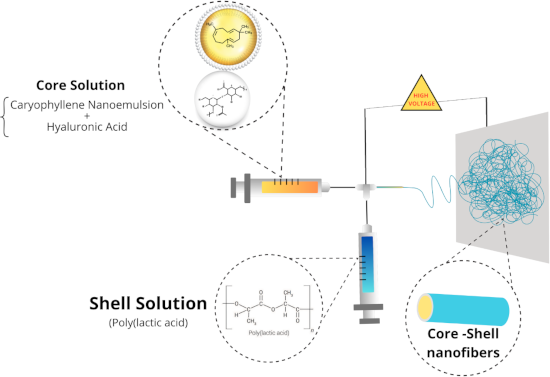
- various biomedical applications [28][29]. Complementing the regenerative and biocompatible profile of HA, β-caryophyllene (βCp) is another critical component of significant pharmaceutical potential. Among the array of attributes exhibited by βCp, it notably possesses potent analgesic, antioxidant




Targeting the vector of arboviruses Aedes aegypti with nanoemulsions based on essential oils: a review with focus on larvicidal and repellent properties
Beilstein J. Nanotechnol. 2025, 16, 1894–1913, doi:10.3762/bjnano.16.132
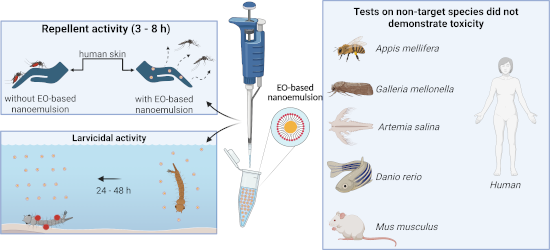
- ], photodynamic therapy [96], antimicrobial applications [97], intracellular parasites such as Trypanosoma cruzi and Leishmania spp. [98][99], and for antioxidant potential [100], larvicidal, and repellent activities against arthropod vectors [101]. Nanotechnology has shown the potential to enhance the


On the road to sustainability – application of metallic nanoparticles obtained by green synthesis in dentistry: a scoping review
Beilstein J. Nanotechnol. 2025, 16, 1851–1862, doi:10.3762/bjnano.16.128
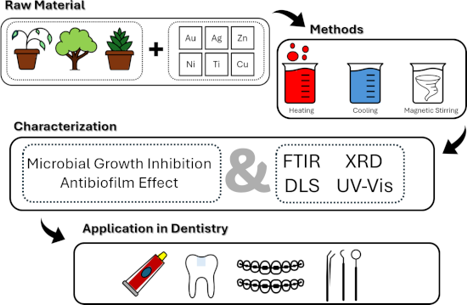
- properties that enhance their versatility across multiple applications [23][24][25]. Biosynthesized AgNPs have been assessed regarding their antimicrobial, antioxidant, and anticancer effects, as well as for their therapeutic potential in treating dermatitis and other conditions [26]. Studies have
- demonstrated that these nanoparticles exhibit low toxicity, effectiveness against antibiotic-resistant microorganisms, and strong colloidal stability, ensuring long-term dispersion [26][27]. Additionally, they exhibit antioxidant activity and selective cytotoxic effects on tumor cells, including oral cancer
- morphology and size, which are crucial for optimizing biological activity [8][38]. The Myrtaceae family, particularly Syzygium aromaticum, is a well-established source of eugenol, a potent phenolic compound with known antimicrobial and antioxidant properties, enhancing the bioactivity of synthesized


Exploring the potential of polymers: advancements in oral nanocarrier technology
Beilstein J. Nanotechnol. 2025, 16, 1751–1793, doi:10.3762/bjnano.16.122


Multifunctional anionic nanoemulsion with linseed oil and lecithin: a preliminary approach for dry eye disease
Beilstein J. Nanotechnol. 2025, 16, 1711–1733, doi:10.3762/bjnano.16.120
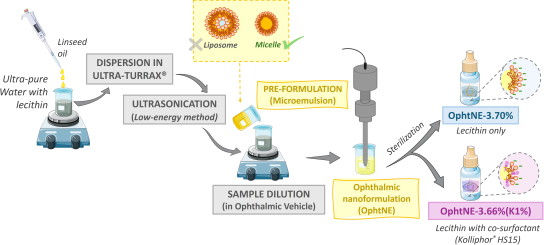
- for therapeutic effectiveness. In contrast to traditional drug delivery systems (DDS), a functional ophthalmic nanoemulsion was specifically designed to alleviate symptoms of DED by leveraging its antioxidant and osmoprotective properties. The study evaluated the optimal concentration of lecithin
- , resulting in OphtNE-3.70% with a droplet diameter of 173 nm and a zeta potential of −44.7 mV. The addition of Kolliphor® HS15 in OphtNE-3.66%(K1%) initially reduced the droplet size to 70.8 nm and enhanced the antioxidant effect. Although the droplet size and polydispersity index increased after more than
- >75% cell viability in L929 cells and ~10% 2,2-diphenyl-1-picrylhydrazyl (DPPH) antioxidant effect. These findings support the multifunctional potential (cytocompatibility and antioxidant) of sterile OphtNE-3.66%(K1%) for the treatment of DED, emphasizing the need for in vivo studies to ensure its



Prospects of nanotechnology and natural products for cancer and immunotherapy
Beilstein J. Nanotechnol. 2025, 16, 1644–1667, doi:10.3762/bjnano.16.116
- ][82]. In phenolic compounds such as catechins, procyanidin, tannic acid, and thymoquinone, the arrangement and presence of the aromatic ring, along with hydroxy, methoxy, and carboxyl groups, directly influence the antioxidant activity of these substances and their ability to induce apoptosis [83][84
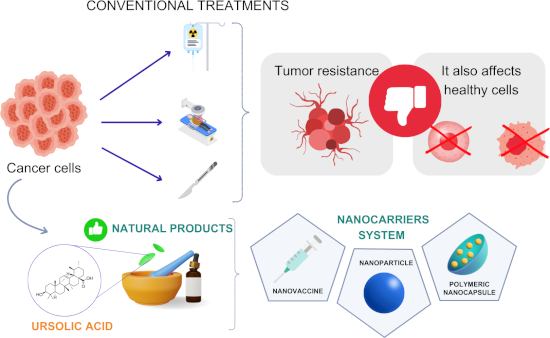
- selective solvent [110]. Ursolic acid exhibits anti-inflammatory, antimicrobial, antiviral, antioxidant, and antiproliferative properties, making it a potential antitumor agent [111]. It inhibits tumor cell proliferation, prevents metastasis and angiogenesis, and induces cell death [112]. The therapeutic
- compounds present remarkable properties in treating and preventing cancer, including antioxidant, anti-inflammatory, and antiangiogenic effects, as well as inhibitory effects on protein kinases. This results in cancer cell apoptosis, suppression of proteinases, strong inhibition of telomerase, and


Nanotechnology-based approaches for the removal of microplastics from wastewater: a comprehensive review
Beilstein J. Nanotechnol. 2025, 16, 1607–1632, doi:10.3762/bjnano.16.114
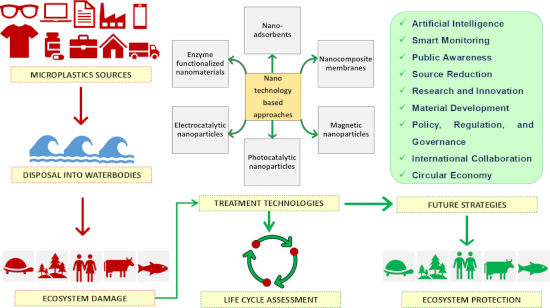
- of MP contamination [47]. In a study performed by Raza et al. [48], it was seen that, MPs, particularly polyacrylamide, pose significant risks to aquatic environments by accumulating in fish tissues, disrupting antioxidant enzyme activity, and altering blood parameters. Their presence leads to


Enhancing the therapeutical potential of metalloantibiotics using nano-based delivery systems
Beilstein J. Nanotechnol. 2025, 16, 1350–1366, doi:10.3762/bjnano.16.98
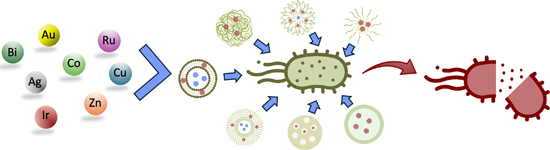
- drugs. Copper complexes Copper complexes have garnered attention due to their diverse applications, owing to their antioxidant, antiviral, antibacterial and anticancer properties [114]. Many studies attribute the antibacterial activity of copper to its capacity to release ions that can disrupt bacterial


Ferroptosis induction by engineered liposomes for enhanced tumor therapy
Beilstein J. Nanotechnol. 2025, 16, 1325–1349, doi:10.3762/bjnano.16.97
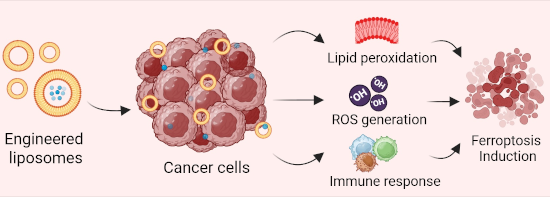
- substances like erastin or RLS3, which disturb the body’s antioxidant system, can cause ferroptosis. However, this process can be stopped by using iron chelators like deferoxamine (DFO). Elevated intracellular iron levels can enhance ROS production during the Fenton reaction [6]. Additionally, iron can
- , IRPs induce the expression of iron-enhancing proteins by binding to IREs. The induction of IRPs is associated with a stimulation of ferroptosis [59][61][62]. 2.1.3 Amino acid-mediated pathway. Glutamine and the system xc− are effective in producing lipids and the production of the antioxidant GSH [63
- ), is necessary for the growth of mammalian cells [65]. The need for this amino acid can be prevented by vitamin E with antioxidant function [66]. As a result, the role of cysteine in the regeneration of GSH with antioxidant function has been determined [67]. Cysteine can be produced intracellularly in


Acrocomia aculeata oil-loaded nanoemulsion: development, anti-inflammatory properties, and cytotoxicity evaluation
Beilstein J. Nanotechnol. 2025, 16, 1277–1288, doi:10.3762/bjnano.16.93
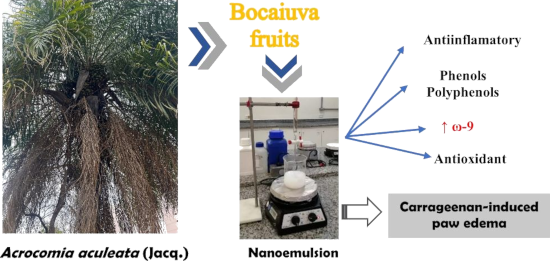
- the regional culture [3][4]. Bocaiúva oil contains several antioxidant compounds such as phenols, terpenes, β-carotenes, and compounds that present antioxidant properties [5][6]. It contains free fatty acids, monoglycerides, triglycerides, sterols [6][7][8], and saturated and unsaturated fatty acids
- hypoglycemic [28], cholesterol-lowering, anti-inflammatory, and antioxidant effects [11][22][23][24][25][26][27][28][29][30]. Bocaiúva oil is widely used to treat cardiovascular, inflammatory, and renal diseases [31][32]. In addition, one of the main characteristics of this oil is its orange color due to the
- presence of phenols and carotenoids, which were characterized in this study. These secondary metabolites are considered to have high antioxidant activity and provide high stability to the oil [5]. These metabolites have been shown to possess anti-inflammatory and immunostimulant properties [1][33


Better together: biomimetic nanomedicines for high performance tumor therapy
Beilstein J. Nanotechnol. 2025, 16, 1246–1276, doi:10.3762/bjnano.16.92
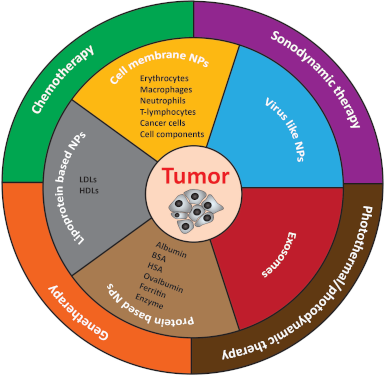
- acids are not degraded in the lysosome and can safeguard the payload [64]. 1.2.2 High-density lipoprotein (HDL). HDL plays an important role in cancer regulation due to its effect on immunomodulation, and anti-inflammatory and antioxidant action to suppress tumor growth [65]. Additionally, HDL can





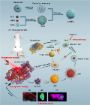

Functional bio-packaging enhanced with nanocellulose from rice straw and cinnamon essential oil Pickering emulsion for fruit preservation
Beilstein J. Nanotechnol. 2025, 16, 1234–1245, doi:10.3762/bjnano.16.91
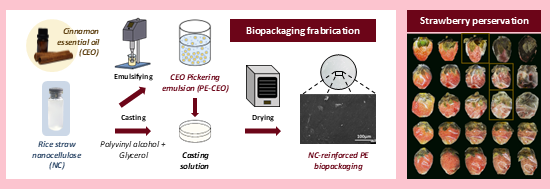
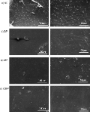
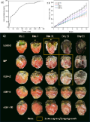
- (CFU) were counted to determine the antimicrobial activity of the films. Inhibition rates were calculated according to where CCcontrol is the cell count of the control tube substance and CCsample is the cell count of the sample after 24 h. Antioxidation properties. The antioxidant capacity of the



Hydrogels and nanogels: effectiveness in dermal applications
Beilstein J. Nanotechnol. 2025, 16, 1216–1233, doi:10.3762/bjnano.16.90
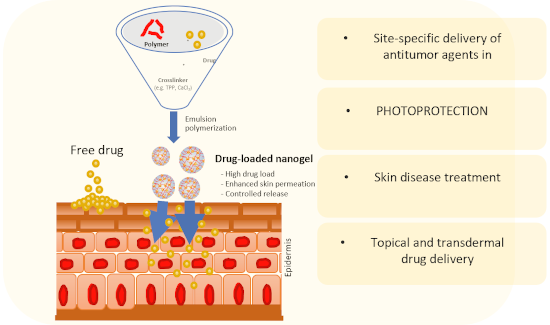
- [220][221]. Ethosomal nanogels containing sulforaphane, a potent natural antioxidant [222], showed a significant anti-cancer effect (p < 0.05) in murine tumor cell type B16-F10, proven to be an attractive strategy for skin cancer therapy [192]. A hydrogel system based on oligopeptides and embedded
- prevention were tested by Bagde et al. (2019) [195]. The obtained nanogels were incorporated with quercetin, a natural antioxidant, and titanium dioxide (TiO2), which acts as an inorganic sunscreen. Formulations containing 0.08% and 0.12% quercetin exhibited an encapsulation rate of 89.3 ± 1.4% and 90.4


Efficiency of single-pulse laser fragmentation of organic nutraceutical dispersions in a circular jet flow-through reactor
Beilstein J. Nanotechnol. 2025, 16, 711–727, doi:10.3762/bjnano.16.55
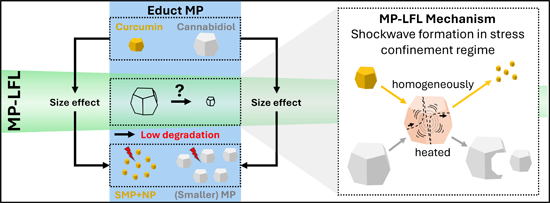
- particle surface and quantified regarding feedstock mass concentration and nutraceutical type. Cytotoxicity in HepG2 cancer cells was significantly reduced in cells treated with laser-processed curcumin in comparison to unirradiated curcumin controls, and antioxidant effects were proven, ensuring high
- viability even at high curcumin concentrations. Keywords: antioxidant; cannabidiol; curcumin; drug; food additive; low degradation; nanoparticle; pulsed laser ablation in liquids; solubilization; Introduction Laser synthesis and processing of colloids (LSPC) has become increasingly popular over the last
- required, especially when processing sensitive nutraceuticals intended for the use as food additives or medical applications. This is complemented by evaluations of the biocompatibility and antioxidant features (i.e., suppression of reactive oxygen species (ROS)) of laser-processed curcumin. Results and


Colloidal few layered graphene–tannic acid preserves the biocompatibility of periodontal ligament cells
Beilstein J. Nanotechnol. 2025, 16, 664–677, doi:10.3762/bjnano.16.51
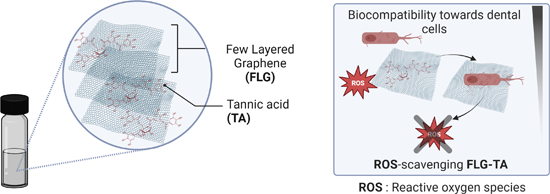
- synthesized through a straightforward, bio-based methodology. Physicochemical characterizations elucidated the structural and morphological attributes of the biocomposite. By incorporating antioxidant TA molecules onto the FLG surface, the biocomposite dynamically mitigated reactive oxygen species
- , demonstrating no cytotoxicity to periodontal ligament cells up to 200 µg·mL−1 while promoting cellular adhesion and maintaining chromatin integrity. Overall, because of its favorable biocompatibility FLG–TA holds promise as a novel biomaterial for dental applications. Keywords: antioxidant properties
- , particularly antioxidant effects [16][17][18]. Bioactive antioxidants reduce oxidative stress by inhibiting unstable oxygen radicals [17]. Oxidative stress occurs when reactive oxygen species (ROS) damage cellular components because of an imbalance in the normal redox state of cells [17][19]. ROS, which




A formulation containing Cymbopogon flexuosus essential oil: improvement of biochemical parameters and oxidative stress in diabetic rats
Beilstein J. Nanotechnol. 2025, 16, 617–636, doi:10.3762/bjnano.16.48
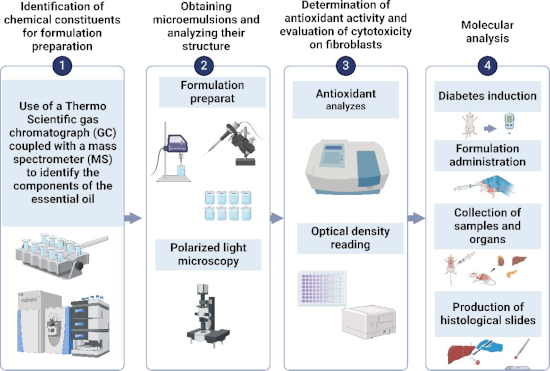
- bactericidal, antiviral, antifungal, antioxidant, and hypoglycemic effects. Therefore, this study aims to obtain a microemulsified formulation containing the essential oil of Cymbopogon flexuosus (EOCF) and to evaluate its antioxidant and antidiabetic activity in diabetic rats. The microemulsion (ME) was
- obtained after consulting the corresponding pseudoternary phase diagram and showed stability, isotropy, Newtonian behavior, nanometric size (15.2 nm), and pH 4.2. Both EOCF and the ME showed high antioxidant activity, but the ME resulted in greater antioxidant activity, potentiating the activity of
- . Additionally, the ME was able to provide additional benefits, such as reduced liver damage, improved renal function, reduced systemic inflammation, and increased high-density lipoprotein levels. Overall, the results show that EOCF was efficiently incorporated into the microemulsion, improving its antioxidant