


Search results
Search for "composite" in Full Text gives 514 result(s) in Beilstein Journal of Nanotechnology. Showing first 200.
Cross-scale design of chemosensor arrays: from molecular self-assembly in water to paper-based devices for metal ion detection
Beilstein J. Nanotechnol. 2026, 17, 828–838, doi:10.3762/bjnano.17.59
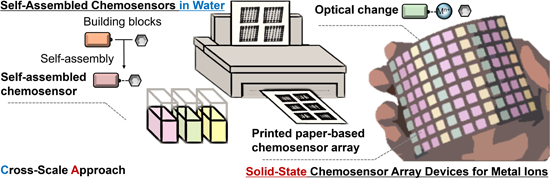
- optimized using a central composite design [58]. The selection of appropriate paper substrates also plays a significant role in reproducible sensing [59]. The mechanical properties of paper substrates depend on their thickness, pore size, and liquid absorbability [21]. In particular, the thickness of the


Glycerol photoelectrochemical oxidation reaction at carbon nitrides/BiVO4 materials
Beilstein J. Nanotechnol. 2026, 17, 806–817, doi:10.3762/bjnano.17.57
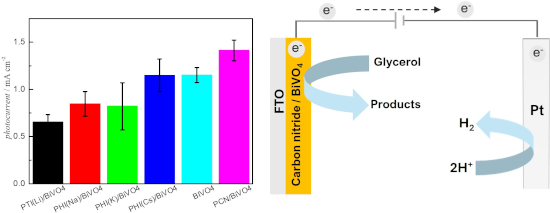
- glycerol was also tested (Supporting Information File 1, Figure S8b) in the same experimental conditions and released photocurrent of ca. 1 μA·cm−2. Therefore, the positive effects observed on composite materials come from the synergy between BiVO4 and CN. Long-term electrolysis experiments were performed





Environmental applications of silver nanoparticles: state-of-the-art review and emerging trends
Beilstein J. Nanotechnol. 2026, 17, 697–736, doi:10.3762/bjnano.17.49
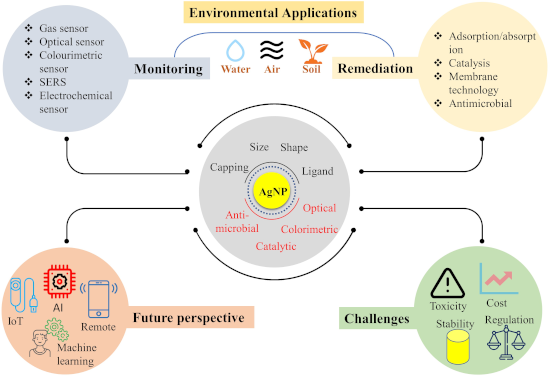
- ultrafiltration membrane technologies used for management of water pollutants. In addition, AgNPs-assisted nanosystems in fibrous filter membranes and photocatalytic composite coatings for the removal of volatile organic compounds, particulate matter, and gaseous pollutants are reviewed. Furthermore, AgNP
- nanosilver composite exhibited an enhanced adsorption capacity against PFAS, an emerging environmental contaminant. The two nanocomposites were prepared using chemically and physically activated carbon from maize tassel [29]. Chemically activated nanocomposites exhibited the highest adsorption capacities for
- PFOS and PFOA, at 454.1 mg/g and 321.2 mg/g, respectively [29]. It was also observed that nanosilver interacted with microplastics in water and adsorbed onto their surfaces, including polypropylene, polyethene, and polystyrene [99]. However, the removal of microplastics from the nanosilver composite is


afspm: A framework for manufacturer-agnostic automation in scanning probe microscopy
Beilstein J. Nanotechnol. 2026, 17, 653–667, doi:10.3762/bjnano.17.45
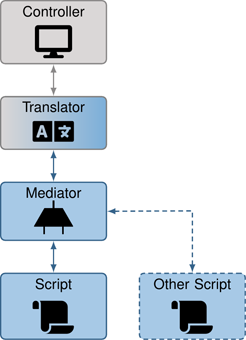
- experiment-specific as they are sample- or system-dependent. Last, a single script is often written for performing a composite task, that is, one comprising multiple interdependent subtasks. In this example, we have two tasks, namely, one performing the experimental loop (Task A) and one determining where to
- example; see section “Communication Protocol” of Supporting Information File 1 for more information. The use of a configuration file also simplifies separating a composite task into subtasks, as seen in Figure 7. This example performs the same logic as that shown in Figure 6, but with the logic split in





Cellulose as a photocatalyst support material: extraction, structural features, and environmental applications
Beilstein J. Nanotechnol. 2026, 17, 635–652, doi:10.3762/bjnano.17.44
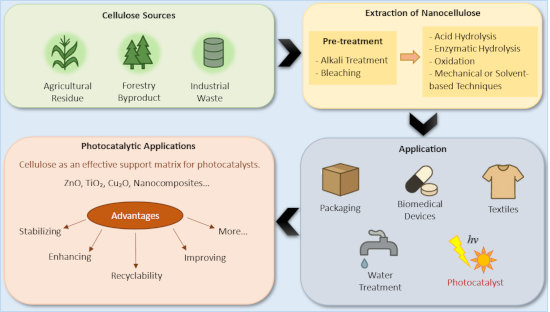
- solubility, improved compatibility with biological systems, and the ability to be tuned or functionalized for the development of advanced composite materials [68][69]. These forms of cellulose are particularly valuable in producing highly purified wound dressings that promote tissue regeneration, especially
- engineered composites that combine strong durability with full environmental sustainability [79]. The growing interest in isolating and utilizing MCC fibers in composite materials arises from their remarkable mechanical strength, stiffness, and lightweight characteristics, as well as their renewable and
- conditions, thereby improving the colloidal stability of the nanofibers. Through this modification, nanocellulose gains the ability to form stronger interactions with hydrogels and composite materials, which further enhances its reinforcing performance and widens its potential applications [80][81]. CNCs


Electrochemical determination of ciprofloxacin using a MIL-101/reduced graphene oxide-modified electrode
Beilstein J. Nanotechnol. 2026, 17, 541–554, doi:10.3762/bjnano.17.35
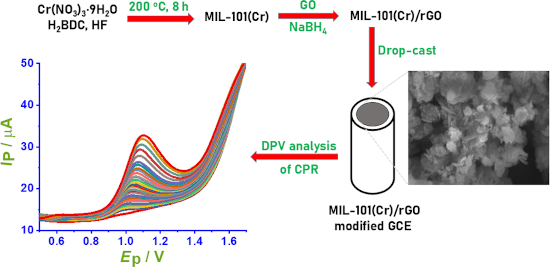
- electrochemical performance of the composite material. This combination can promote efficient analyte adsorption and fast charge transfer at the electrode interface. Consistent with this idea, Gu et al. reported that MIL-101/rGO composites exhibit enhanced electrocatalytic activity toward the reduction of
- stirring, followed by ultrasonication for 30 min. Sodium borohydride (NaBH4) was then introduced into the mixture, which was heated at 60 °C and stirred continuously for 12 h to reduce GO and form the MIL-101/rGO composite (Table 1). After the reaction was completed, the product was collected by filtration
- µm) on a polishing cloth, thoroughly rinsed with deionized water, and sonicated in ethanol and water to remove residual impurities. To prepare the modified electrode, a specific amount of MIL-101/rGO composite was dispersed in deionized water using ultrasonication to create a uniform suspension (1


Multilayered hyperbolic Au/TiO2 nanostructures for enhancing the nonlinear response around the epsilon-near-zero point
Beilstein J. Nanotechnol. 2026, 17, 251–261, doi:10.3762/bjnano.17.17
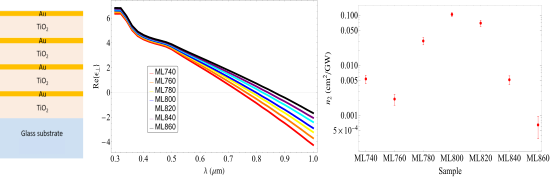
- the principal components and of the composite, which are given by [25]: where dm and dd are the widths of the metallic and dielectric layers, respectively, as seen in Figure 1a. The z-scan technique employed to study the nonlinear properties of the samples involves normal incident light, where the


Gold nanoparticle-decorated reduced graphene oxide as a highly effective catalyst for the selective α,β-dehydrogenation of N-alkyl-4-piperidones
Beilstein J. Nanotechnol. 2026, 17, 218–238, doi:10.3762/bjnano.17.15
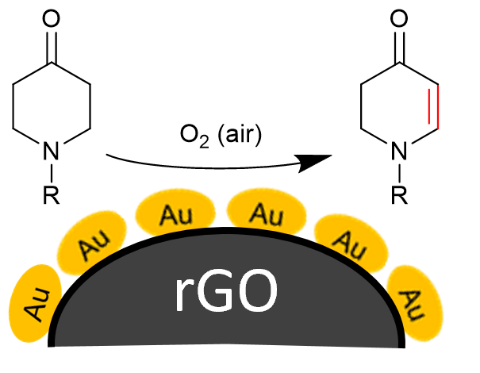
- -metal nanoparticles in heterogeneous catalysis is their separation from the reaction mixture for re-use or recycling, and also to avoid contamination of the products. The difficulty in separating small nanoparticles demands for the efficient and easy formation of a composite that can be separated by
- distribution histograms (Figure 7). The Au-SiW9/AC composite had already been synthesized by Xia et al. [13] and our results of particle size and distribution closely match their outcomes, confirming the successful deposition and comparable dispersion of gold nanoparticles on the activated carbon support
- seen in many sections of the Au@SiW9/rGO composite (Figure 8b). For Au@SiW9/AC and Au@SiW9/CB, such strong aggregation is all what is seen for the Au@SiW9 particles (Supporting Information File 1, Figure S2). According to the literature, these are indeed aggregates and not large individual particles [6


Micro- and nanoscale effects in biological and bioinspired materials and surfaces
Beilstein J. Nanotechnol. 2026, 17, 214–217, doi:10.3762/bjnano.17.14

- the medium in which adhesives need to properly function. Two studies on different proteinaceous invertebrate adhesives exemplify recent advances in the field of marine bioadhesion. Duthoo et al. [14] studied the complex composite cement of a tube-dwelling annelid in regard to the ultrastructure and
- independently evolved multiple times in this group in a comparative morphological framework with phylogenetically informed analyses. Other sources for potential bioinspiration have been discussed in a review on the composite hydrogel-like mucilages of plant seeds by Kreitschitz and Gorb [18]. The mucilage
Functional surface engineering for cultural heritage protection: the role of superhydrophobic and superoleophobic coatings – a comprehensive review
Beilstein J. Nanotechnol. 2026, 17, 63–96, doi:10.3762/bjnano.17.6

- Giuseppe Cesare Lama Marino Lavorgna Letizia Verdolotti Federica Recupido Giovanna Giuliana Buonocore Bharat Bhushan Institute for Polymers, Composite and Biomaterials, National Council of Research (IPCB-CNR), P.le E. Fermi 1, 80055 Portici, Italy Dept of Mechanical and Aerospace Engineering, The
- , pollutants, and oily substances. These functional surfaces, often based on coatings consisting of polymeric, ceramic, and composite materials, can provide durable, non-invasive protection tailored to specific substrate weaknesses and exposure environments (indoor and outdoor). Objective of this review
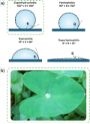
- −) can reach the metal surface. In Figure 6a, the production process and final application of a novel organic–inorganic composite coating, designed to provide advanced anticorrosion protection for bronze artifacts is described. The coating combines waterborne polyurethane (WPU) with the nanomaterials ZIF





Reduced graphene oxide paper electrode for lithium-ion cells – towards optimized thermal reduction
Beilstein J. Nanotechnol. 2026, 17, 24–37, doi:10.3762/bjnano.17.3
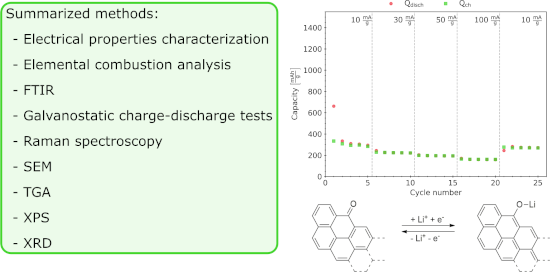
- few examples of rGO-based materials for electrodes, especially for lithium-ion batteries, LiFePO4 and rGO composite cathodes were reported by Wi et al. and Wei and colleagues [8][9]. Moreover, Wang et al. described a method for LiMn0.75Fe0.25PO4 nanorod production on rGO sheets [10]. Again, the
- -ion batteries with Li4T5O12 and LiFePO4 active materials for the electrodes [13]. Chen et al. described current collectors based on rGO films [14]. Reduced graphene oxide finds further use in sodium-ion composite cathode materials as a conduction-improving agent with Prussian white as the active
- a composite lithium cobalt oxide electrode [55]. Furthermore, the introduction of defects as a result of iodine doping reported by Li et al. resulted in improved sodium ion storage and electron transport [56]. The carbon lattice in rGO flakes provides electrical conductivity, while defects and



Internal 3D temperature mapping in biological systems using ratiometric light-sheet imaging and lipid-coated upconversion nanothermometers
Beilstein J. Nanotechnol. 2025, 16, 2306–2316, doi:10.3762/bjnano.16.159
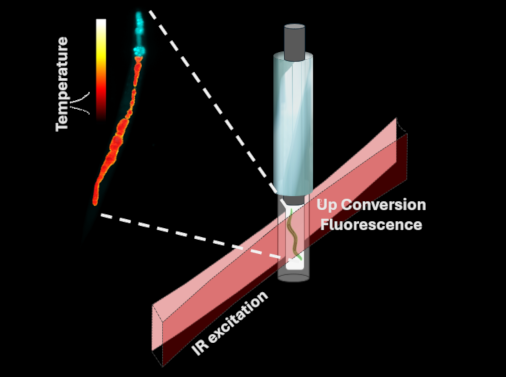
- photonic UC of multiple NIR photons into visible luminescence [38]. As an example, in the NaYF4:Er3+/Yb3+ composite (such as that used in this work), the NaYF4 crystal matrix is co-doped with Yb3+ acting as the sensitizer to enhance the NIR absorption cross section, whereas the Er3+ ion acts as the emitter
- , as depicted in Figure 1. When UCNPs of this composite are irradiated with 980 nm NIR light, they emit two thermally coupled green fluorescence bands at 525 and 550 nm. These bands arise from the 2H11/2→4I15/2 (blue) and 4S3/2→4I15/2 (purple) transitions of Er3+ ions, respectively [39][40][41
- ]. Thermally coupled bands, defined as bands separated by less than 2000 cm−1 (<0.248 eV), favor a higher-level population with an increase in thermal energy, thereby enabling temperature-sensitive fluorescence emission [42]. For the NaYF4:Er3+/Yb3+ composite, the energy bands (2H11/2 and 4S3/2) are separated


Improving magnetic properties of Mn- and Zn-doped core–shell iron oxide nanoparticles by tuning their size
Beilstein J. Nanotechnol. 2025, 16, 2285–2295, doi:10.3762/bjnano.16.157

- present study, the Zn0.4Fe2.6O4 sample exhibits a peak at approximately 715 cm−1, significantly higher than expected, and this peak shifts further to 730 cm−1 in the Zn0.4Fe2.6O4@MnFe2O core–shell composite. The higher vibrational frequency in Zn0.4Fe2.6O4 can be attributed to the partial substitution of



Optical bio/chemical sensors for vitamin B12 analysis in food and pharmaceuticals: state of the art, challenges, and future outlooks
Beilstein J. Nanotechnol. 2025, 16, 2207–2244, doi:10.3762/bjnano.16.153
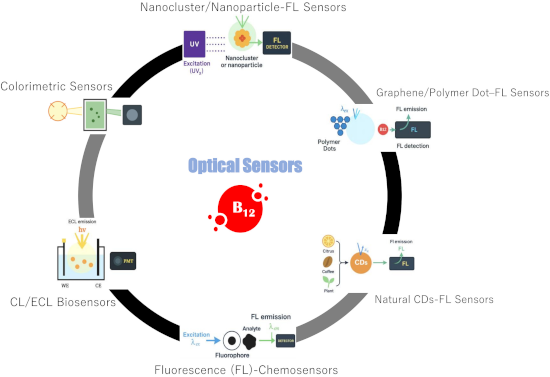
- and fluid milk, infant formula, cereal-based foods, baby food composite, meat, and liver) using a non-labeled inhibition protein-binding assay, in which the recognition relied on protein–vitamin binding, the sensor surface acted as the indicator, and the signal was measured by resonance response. The


Missing links in nanomaterials research impacting productivity and perceptions
Beilstein J. Nanotechnol. 2025, 16, 2168–2176, doi:10.3762/bjnano.16.149
- Santosh K. Tiwari Nannan Wang Centre for New Materials and Surface Engineering, Department of Chemistry, NMAM Institute of Technology (NMAMIT), Nitte (Deemed to be University), Nitte 574110, Karnataka, India State Key Laboratory of Featured Metal Materials and Life-cycle Safety for Composite
Microplastic pollution in Himalayan lakes: assessment, risks, and sustainable remediation strategies
Beilstein J. Nanotechnol. 2025, 16, 2144–2167, doi:10.3762/bjnano.16.148
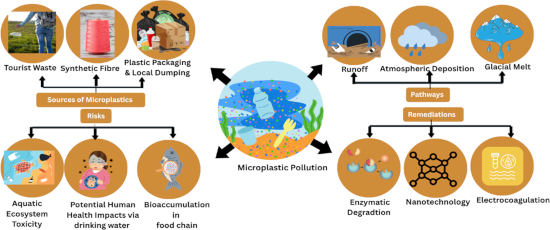
- safe for the environment. Photocatalysis produces reactive oxygen species (ROS), which attack polymer chains and cause oxidative cleavage. Studies have shown that, under ideal circumstances, this process is quite successful in degrading polymers such as PS [74]. Bionanomaterials, which are composite
- more surface area, allowing for better interaction with MPs [76]. The incorporation of GO in composite materials not only improves photocatalytic activity, but it also serves a second purpose by adsorbing MPs prior to degradation. The utilization of photocatalysts that have been engineered with defects


Quality by design optimization of microemulsions for topical delivery of Passiflora setacea seed oil
Beilstein J. Nanotechnol. 2025, 16, 2116–2131, doi:10.3762/bjnano.16.146
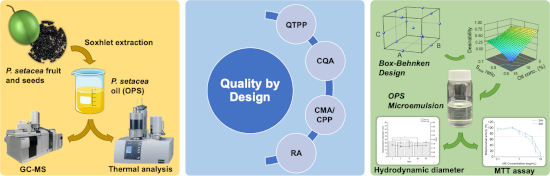
- (CPPs, Supporting Information File 1, Tables S2 and S3) [23]. To quantify the overall influence of each CMA and CPP on the final product quality, the two-risk estimation matrices (QTPP–CQA and CQA–CMA/CPP) were mathematically combined. The resulting composite scores are presented as a heatmap in Figure


Multifrequency AFM integrating PeakForce tapping and higher eigenmodes for heterogeneous surface characterization
Beilstein J. Nanotechnol. 2025, 16, 2077–2085, doi:10.3762/bjnano.16.142
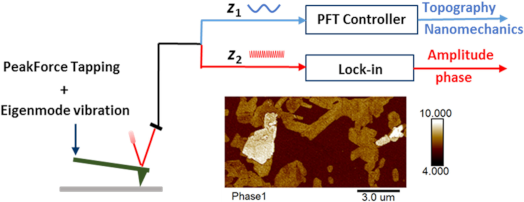
- considerably smaller than the PFT amplitude and can be varied independently. Signal routing and processing The composite deflection signal from the photodetector, comprising both the low-frequency PeakForce component and the high-frequency eigenmode oscillation, is electrically split into two independent
- “Experimental setup” effectively separates the composite cantilever deflection signal into two independent channels. The low-frequency path secures stable topographic feedback, while the high-frequency path preserves the eigenmode signals for material-sensitive detection. This combination of physical damping


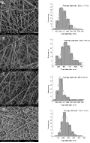
Beyond the shell: exploring polymer–lipid interfaces in core–shell nanofibers to carry hyaluronic acid and β-caryophyllene
Beilstein J. Nanotechnol. 2025, 16, 2015–2033, doi:10.3762/bjnano.16.139
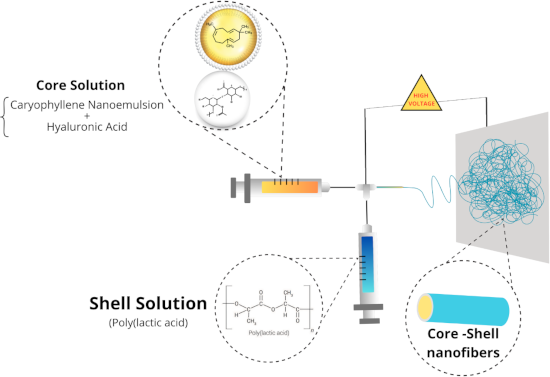
- conventional fibrous materials. Their flexibility in fabrication allows for integration into a broad range of applications, from drug delivery scaffolds to composite biomaterials, contributing to their increasing relevance in both scientific research and industrial development [11][12][13][14]. To leverage the
- -loaded electrospun scaffolds compared to that of the gel formulation [44], and Coelho et al. (2021) reporting PVA nanofibers containing chalcone NE as a potential treatment for cutaneous leishmaniasis [45]. Despite these advances in nanofiber composite structures incorporating various nanosystems, a




The cement of the tube-dwelling polychaete Sabellaria alveolata: a complex composite adhesive material
Beilstein J. Nanotechnol. 2025, 16, 1998–2014, doi:10.3762/bjnano.16.138
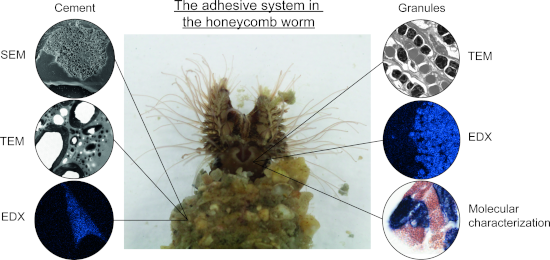
- and that of the cement suggests that the inclusions of the heterogeneous granules would inflate through a still unexplained process to form hollow spheroids dispersed in the cement matrix, leading to the formation of a complex composite material. Keywords: adhesive protein; Annelida; biological
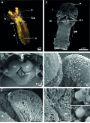
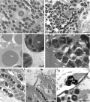
- adhesive systems are remarkably similar although some differences have been noted such as the absence of sulfated polysaccharides in S. alveolata [31]. Production of a solid composite material forming highly resistant cement spots The ultrastructural study (SEM and TEM) of the adhesive system of S
- the expansion of heterogeneous granule inclusions [9][34]. In the cement, hollow spheroids could function as microdashpots, absorbing shocks and constraints [35], or act as stiff reinforcements in a softer matrix (see below). In both cases, the composite nature of the cement would allow S. alveolata



Laser ablation in liquids for shape-tailored synthesis of nanomaterials: status and challenges
Beilstein J. Nanotechnol. 2025, 16, 1963–1997, doi:10.3762/bjnano.16.137
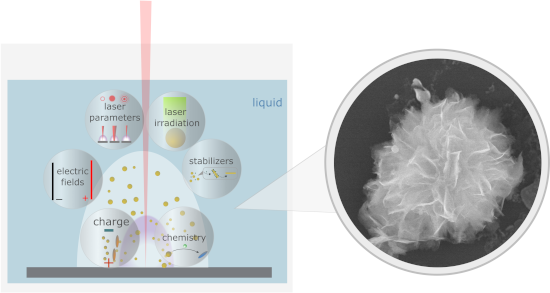
- complex multielement or composite targets are ablated. In this case, the reactions between the species comprising a target and liquid-produced species can determine the resulting morphology and NP structure. In [29], ZnS nanowires were formed by laser ablation of a Cu/Zn target immersed in dodecyl




Mechanical property measurements enabled by short-term Fourier-transform of atomic force microscopy thermal deflection analysis
Beilstein J. Nanotechnol. 2025, 16, 1952–1962, doi:10.3762/bjnano.16.136
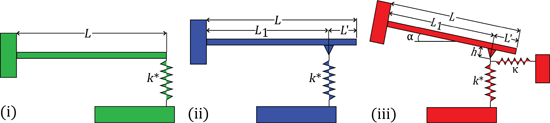
- viscoelastic modulus) of surfaces [5]. It is particularly useful for the measurement of heterogeneous surfaces, characteristic of composite and biological materials, where understanding the interplay between microstructure and mechanical properties of the constituent materials is critical for the performance




On the road to sustainability – application of metallic nanoparticles obtained by green synthesis in dentistry: a scoping review
Beilstein J. Nanotechnol. 2025, 16, 1851–1862, doi:10.3762/bjnano.16.128
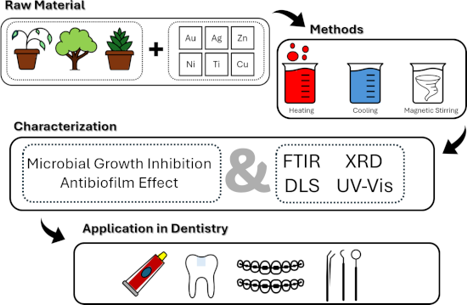
- development of antimicrobial compounds such as oral antiseptics and toothpastes with prolonged antimicrobial action, restorative materials (including composite resins and cements) with antibacterial properties, nanoparticle-reinforced sealants and fluoride varnishes for caries prevention, and antibiofilm
- coatings for dental and orthodontic surfaces. Beyond the initial findings, nanoparticles have also been incorporated into a wide range of preventive and restorative dental materials. Composite resins and glass ionomer cements reinforced with silver or zinc oxide nanoparticles exhibit enhanced antimicrobial
- , and composite resins to inhibit or reduce microbial colonization by key oral pathogens such as Streptococcus mutans, Lactobacillus spp., and Candida albicans [27][28]. Their antimicrobial efficacy contributes to disrupting biofilm formation and controlling infection processes fundamental to dental


Current status of using adsorbent nanomaterials for removing microplastics from water supply systems: a mini review
Beilstein J. Nanotechnol. 2025, 16, 1837–1850, doi:10.3762/bjnano.16.127
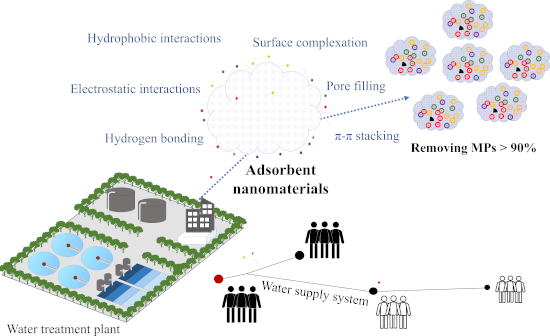
- performance for six cycles with only a 5% efficiency loss, and enabled in situ degradation of MPs through thermal treatment to prevent desorption risks [75]. A high capture efficiency of microplastics was also achieved using novel magnetic composite nanoparticles composed of silica, gelatin, and chitosan. At
- synthesized Co-MOFs for removing MPs. SEM images of (a) CeO2, (b) CeO2 3D flower-spheres, (c, d) ZIF-67 before and after calcination at 500 °C, (e, f) ZIF-67-90@CeO2, and (g, h) Co–N/C-90@CeO2 composites. TEM images of (i) CeO2 3D flower-spheres, (j) Co–N/C-90@CeO2 composite. (k) Enlarged TEM image of Co–N/C
- -90@CeO2 composite. (l) HRTEM, (m) HAADF, and (n–r) elemental mapping images of Co–N/C-90@CeO2 composites [(n) O, (o) Co, (p) Ce, (q) C, and (r) N]. Figure 3 was reprinted from [67], Chem. Eng. J., Vol. 514, by Wang, H.; Chen, H.; Wan, Q.; Zheng, Y.; Wan, Y.; Liu, X.; Song, X.; Ma, W.; Huo, P


Piezoelectricity of layered double hydroxides: perspectives regarding piezocatalysis and nanogenerators
Beilstein J. Nanotechnol. 2025, 16, 1812–1817, doi:10.3762/bjnano.16.124

- is still in its infancy and this review explores its recent advances. The discussion encompasses LDH-based piezoelectric nanogenerators, piezocatalytic and piezo-photocatalytic properties of LDHs, and composite material synergies that enhance the overall electroactive performance. Looking to the
- piezoelectric properties of the ZnCo/Al-LDH-catalyst accelerated carrier transport and promoted regeneration of the Co2+ catalytic active center. Another variety of LDH-based catalysts are composite materials produced from constituent materials with LDHs as one of them. When combined with BaTiO3, Zn/Al-LDH
- -LDH alone. The authors proposed that the enhanced efficiency was due to the interaction between the lamellar structure of Zn/Al-LDH and the piezoelectric attributes of BaTiO3, along with heterojunctions within the BaTiO3/LDH composite. However, this study raises doubts concerning the successful




