


Search results
Search for "efficiency" in Full Text gives 1038 result(s) in Beilstein Journal of Nanotechnology. Showing first 200.
Breaking barriers: nanosystems to overcome solubility and permeability challenges of second-generation tyrosine kinase inhibitors
Beilstein J. Nanotechnol. 2026, 17, 1063–1086, doi:10.3762/bjnano.17.73
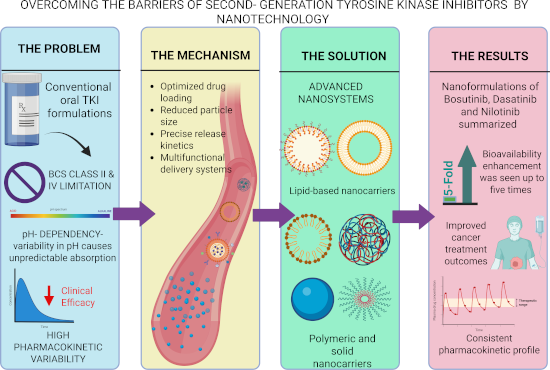
- penetration, as observed by fluorescence assay, resulting in superior pharmacological activity compared with conventional formulations [28]. NTB-loaded NLCs made up of liquid lipid Caproyl® PGMC, solid lipid Gelot®64, and emulsifying surfactant Sween 20 exhibited a high entrapment efficiency (EE) of 90.5%, a
- systems can form endo-lysosomal vesicles, thereby enhancing intracellular drug delivery and anticancer activity. In this context, wool-like hollow PCL nanoparticles with a pH-sensitive NTB core and an enzyme-sensitive imatinib shell exhibited 64.65 ± 0.06% encapsulation efficiency and drug loading of 1.53
- [53]. A DTB–HP-β-cyclodextrin inclusion complex was prepared using a mechanochemical approach, in which the piperazine ring of DTB interacted with the cyclodextrin cavity, with the complexation efficiency exceeding 90%. This strategy enhanced bioavailability and solubility (15–40-fold), enabling


Nanoglasses: a trail towards uncharted regions of vitreous materials and their properties?
Beilstein J. Nanotechnol. 2026, 17, 1047–1062, doi:10.3762/bjnano.17.72



Influence of an external electric field on the catalytic CO oxidation of nanoscaled CeO2 and its La3+ and Gd3+ congeners
Beilstein J. Nanotechnol. 2026, 17, 1028–1038, doi:10.3762/bjnano.17.70
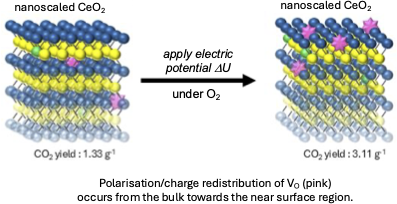
- the efficiency of CO oxidation [1]. The potential applicability of CeO2 in this reaction as well as in photocatalysis, gas sensing, solar cells, electrocatalysis, and as ultraviolet absorbent has been investigated extensively [2]. CeO2 crystallizes in the fluorite crystal structure in which each Ce4
- doubled the apparent CO oxidation efficiency compared with the field-free condition (Figure 6a,b). The different behaviour of Gd3+- and La3+-doped nCeO2 may also be related to their different interactions with oxygen vacancies. Gd3+ incorporation is expected to favour the formation of oxygen vacancies
- largest activity and thus response to the field, with nearly a twofold increase in apparent CO oxidation efficiency under bias, while 5%Gd3+–nCeO2 exhibits a clear synergistic enhancement consistent with sufficient defect mobility and interfacial responsiveness. In contrast, 2.5%Gd3+–nCeO2 appears


Synthesis and characterization of RF-sputtered ZnTe/Cu2−xTe thin films for solar cell applications
Beilstein J. Nanotechnol. 2026, 17, 1016–1027, doi:10.3762/bjnano.17.69
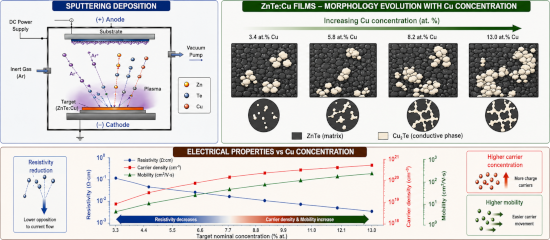
- -based modules have achieved certified power conversion efficiencies exceeding 21% at the industrial level, demonstrating the technological maturity of this material system [3]. Despite these advances, further improvements in device efficiency, long-term stability, and cost reduction remain critical



Ultrasonic irradiation in the synthesis of nanohydroxyapatite: a chemically friendly technique for improving hemocompatibility and antibiofilm applications
Beilstein J. Nanotechnol. 2026, 17, 991–1015, doi:10.3762/bjnano.17.68
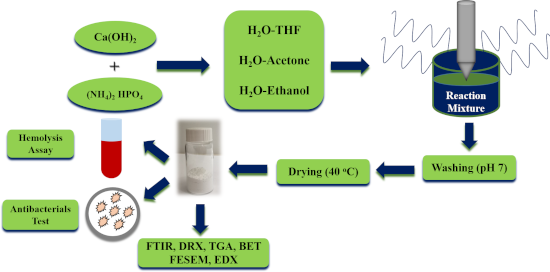
- mathematical model or kinetic fit. This visual outline highlights a consistent increase in yield, which remains steadily above 70% from the initial stages, reflecting the high efficiency of the sonochemical process under the conditions evaluated in this research. The yield values ranged from 78% to 97%; the




Development of Protium heptaphyllum essential oil-loaded nanocapsules: experimental design and biological activity
Beilstein J. Nanotechnol. 2026, 17, 974–990, doi:10.3762/bjnano.17.67
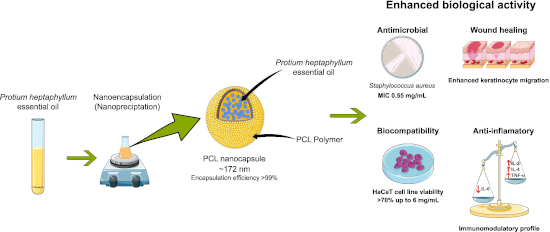
- ± 0.04, a zeta potential of −25.49 ± 1.08 mV and an encapsulation efficiency above 99%, in addition to long-term colloidal stability. Cell viability assays in HaCaT cells showed high biocompatibility, with cell viability above 70% up to 6 mg/mL and only moderate toxicity at 12 mg/mL. In antimicrobial
- potential. The optimized nanosystems were subsequently evaluated in terms of stability, encapsulation efficiency, cell viability, antimicrobial activity against Staphylococcus aureus (S. aureus), wound healing potential (scratch assay), and cytokine modulation. The results of this study contribute to a
- , potentially favoring droplet growth and particle enlargement. Analysis of the response surface plots (Figure 1) further suggests that the combined increase in PCL and EO may reduce the efficiency of mass transport during nanoprecipitation, consistent with diffusion-controlled mechanisms described by the




Materials challenges in solid-state sensors for continuous monitoring of ions in water
Beilstein J. Nanotechnol. 2026, 17, 935–973, doi:10.3762/bjnano.17.66
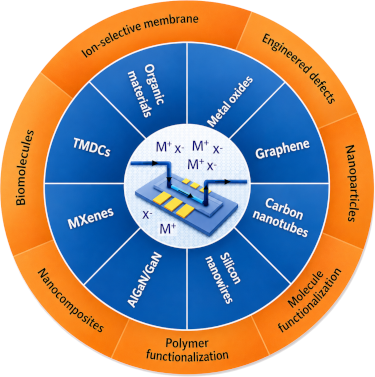
- quick corrective actions [2][3][4][5]. In large-scale water systems, integrating widely deployed sensors with telemetry creates intelligent networks that enhance efficiency, identify issues like contamination or corrosion, and inform infrastructure decisions. Ultimately, online monitoring transforms



Enhanced erosion resistance and radiation stability of WC–WO3 nanocomposite films under 100 keV Kr+ ion irradiation
Beilstein J. Nanotechnol. 2026, 17, 922–934, doi:10.3762/bjnano.17.65
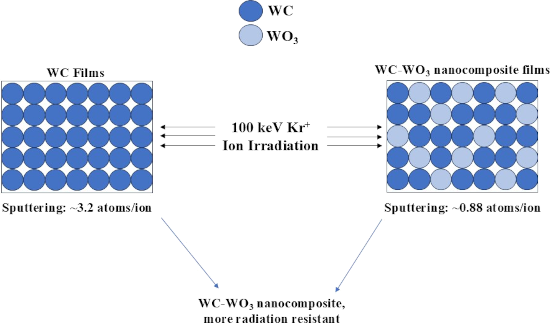
- tendency to form He bubbles and get fragmented; this contaminates the plasma, compromising the purity and efficiency of the fusion plasma. Erosion of the material is one of the major concerns in selection of a PFC material along with the radiation damage studies for nuclear reactor applications. Sputtering
- the ions (Z1) and the target atoms (Z2). The energy loss may be lower than the predicted TRIM values because energy transfer efficiency changes for certain Z1 and Z2 combinations where resonance-like effects are absent. This results in TRIM overestimating/understimating sputtering yields compared to



Nanocarrier strategies to overcome P-glycoprotein-mediated drug resistance in cancer therapy
Beilstein J. Nanotechnol. 2026, 17, 882–921, doi:10.3762/bjnano.17.64
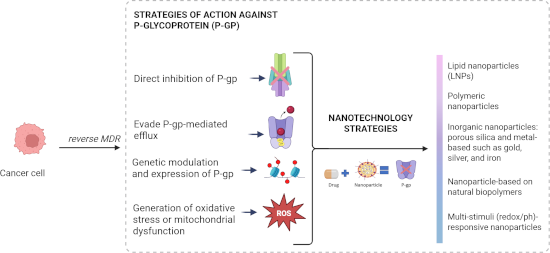
- efficiency. Defects in apoptotic signaling, while downstream of drug–target interaction, can be partially circumvented by nanocarriers co-delivering pro-apoptotic agents alongside cytotoxic agents. These intersections are noted where relevant throughout the review, but mechanistic detail on non-ABCB1
- of free therapies. EQNPs increased Ertb and Quer uptake while decreasing P-gp and nuclear epidermal growth factor receptor expression [30]. Another study aimed at increasing the efficiency of two chemotherapeutic drugs and reducing their adverse effects combined doxorubicin (DOX) and chloroquine (CQ
- typically have diameters of less than 200 nm and an encapsulation efficiency of 70–75%. Upon cellular internalization, they significantly enhance intracellular retention of the anthracycline and increase its cytotoxicity five- to tenfold [63]. Chitosan coating, intended to improve hydrophilicity and


Light-driven ammonia electrooxidation via carbon nitride–ruthenium molecular interfaces
Beilstein J. Nanotechnol. 2026, 17, 854–862, doi:10.3762/bjnano.17.61
- protein scaffold. These antenna pigments absorb photons across a broad range of the visible spectrum and funnel the resulting electronic excitation energy, with near-unity quantum efficiency, to a specialised reaction centre. This energy funnelling process is called photosensitization: The antenna
- efficiency [13]. Each allotrope presents a distinct combination of optical, electronic, and surface properties, and their comparison in hybrid architectures is itself a source of mechanistic insight. Beyond allotrope selection, post-synthetic strategies offer a complementary route to tuning the optical and
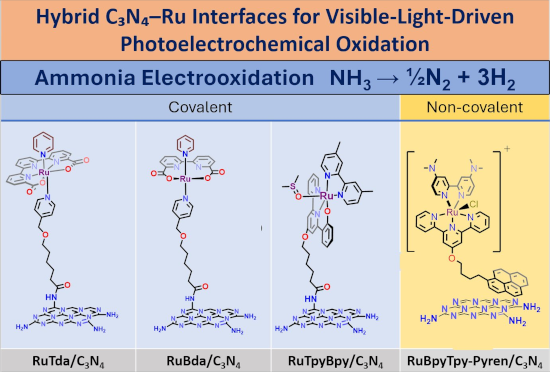
- efficiency of 100% for electrochemical ammonia oxidation in propylene carbonate, producing N2 as the sole nitrogen-containing product, a benchmark result that established the molecular framework for AOC [26]. RuTda (Ru coordinated by 2,2′:6′,2″-terpyridine-6,6″-dicarboxylic acid), with its extended


Sustainable fabrication of 2D-based devices through reuse of substrates with microfabricated electrodes
Beilstein J. Nanotechnol. 2026, 17, 818–827, doi:10.3762/bjnano.17.58
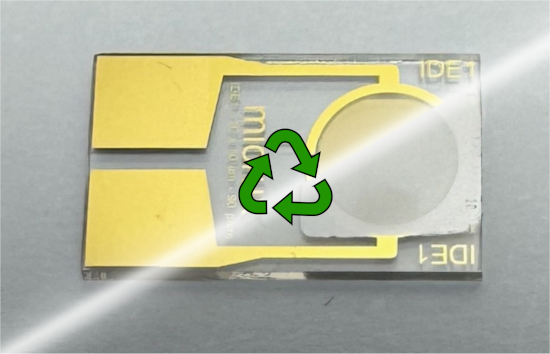
- conditions is also compared. The similarly high cleaning efficiency observed for both NMP and DMF, even for samples stored for over six months (see Supporting Information File 1, Figure S2), indicates that effective cleaning can be achieved by more than one highly polar aprotic solvent under the present
- NMP as the representative cleaning solvent, Supporting Information File 1 shows that DMF exhibits comparable cleaning efficiency under the tested conditions, whereas DMSO and acetone are less effective. These observations suggest that solvents known to perform well for layered materials can also help


Restorative potential of laser-synthesized silver nanoparticles with Salvia officinalis for periodontal disease treatment: an in vitro study
Beilstein J. Nanotechnol. 2026, 17, 781–795, doi:10.3762/bjnano.17.55
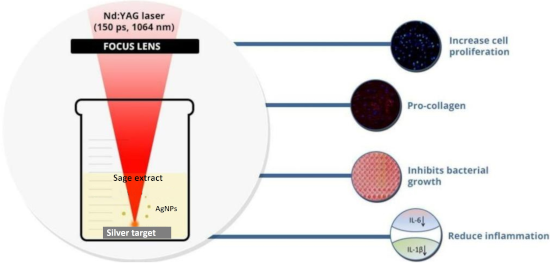
- . Other terpenes and flavonoids were present in low concentrations and were therefore considered unlikely to contribute to the AgNP synthesis [13][33]. To assess the influence of sage extract and laser energy on the AgNP synthesis efficiency, four samples of AgNPs were synthesized. Higher laser pulse
- parameters on size and concentration of the nanoparticles. A shorter pulse time, 150 ps pulses in our experimental setup, leads to quick evaporation, minimum heating of the target area, and very low absorbed energy, thereby enhancing ablation efficiency. The aqueous liquid sage extract environment



Substrate-dependent pore formation in molybdenum disulfide monolayers under ion irradiation
Beilstein J. Nanotechnol. 2026, 17, 769–780, doi:10.3762/bjnano.17.54
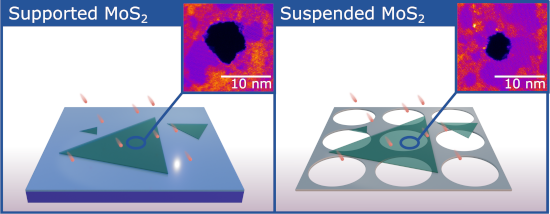
- suspended MoS2, MoS2 on SiO2, bilayer MoS2, and MoS2 on gold. Both pore size and pore formation efficiency exhibit a pronounced dependence on the type of substrate. Pores are largest and most frequent in MoS2 on SiO2, while the gold substrate massively quenches pore formation. The observed pore dimensions
- governs the efficiency of pore formation under HCI irradiation [44], the larger pores observed in MoS2 on SiO2 can be interpreted in terms of substrate-modified electronic energy dissipation within the MoS2 layer. For an insulating substrate, out-of-plane dissipation remains limited. However, substrate
- ) shows both reduced pore radii and reduced pore formation efficiency (Figure 2b). In trilayer regions (3L), fully perforating pores are strongly suppressed and partially perforating (non-through) pores occur (Figure 2c). These observations indicate that out-of-plane electronic energy dissipation is


Superconducting artificial neural networks and quantum circuits
Beilstein J. Nanotechnol. 2026, 17, 744–747, doi:10.3762/bjnano.17.51
- dissipation; Research on artificial neural networks (ANNs) is currently one of the most rapidly developing areas of modern science and technology [1]. Neural networks have demonstrated high efficiency in solving problems of pattern recognition and classification, clustering, forecasting, approximation, and
- developed worldwide, and recent demonstrations include a microprocessor with a total energy consumption of approximately 15 fJ per operation at a clock frequency of 5 GHz, including cooling overhead. This level of efficiency is comparable to the energy consumption of a single CMOS transistor [13]. The
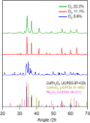
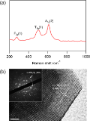
Oxidative atmosphere-driven formation of single-phase spinel CuRh2O4 nanofibers for alkaline water oxidation
Beilstein J. Nanotechnol. 2026, 17, 737–743, doi:10.3762/bjnano.17.50
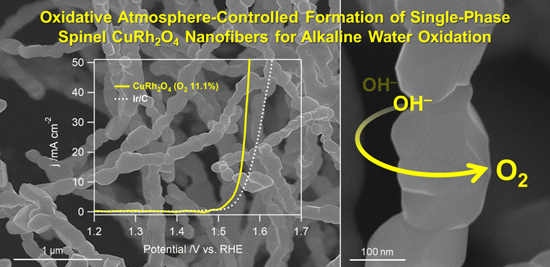
- the efficiency of alkaline water electrolysis [1]. Developing robust and highly active OER electrocatalysts is therefore essential for practical hydrogen production and large-scale renewable energy conversion. Among numerous catalyst platforms, spinel oxides (AB2O4) have attracted significant




Environmental applications of silver nanoparticles: state-of-the-art review and emerging trends
Beilstein J. Nanotechnol. 2026, 17, 697–736, doi:10.3762/bjnano.17.49
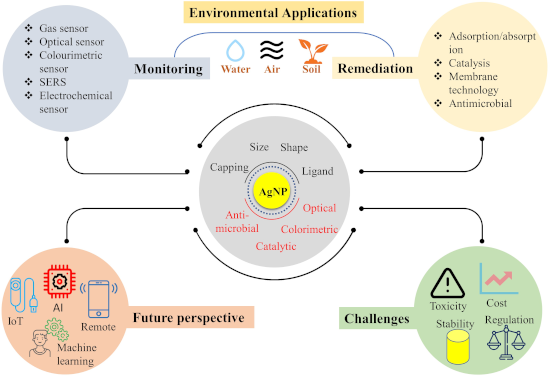
- techniques, as well as chemical and biological methods, are available to address these pollutants, but their limited efficiency, cost-effectiveness, on-site usability, technical skills, and environmental compatibility restrict their use to specific conditions [6]. Thus, researchers have sought alternatives
- pseudo-first-order reaction kinetics [25]. The addition of AgNPs to a matrix may improve their efficiency in removing various contaminants via adsorption mechanisms, which can be ionic or covalent, depending on the nanocomposite surface chemistry [26]. In a study, Ag-decorated reduced graphene oxide was
- removal of PAHs with 100% efficiency [30]. AgNPs and AgNP-based nanocomposites provide an efficient system for pollutant removal, with good reusability, as evident from the above studies. However, despite their benefits, the escalating production and utilisation of AgNPs also raise concerns about their


Molecular engineering of individual dye-based nanoparticle photostability for ultrabright two-photon fluorescence
Beilstein J. Nanotechnol. 2026, 17, 688–696, doi:10.3762/bjnano.17.48
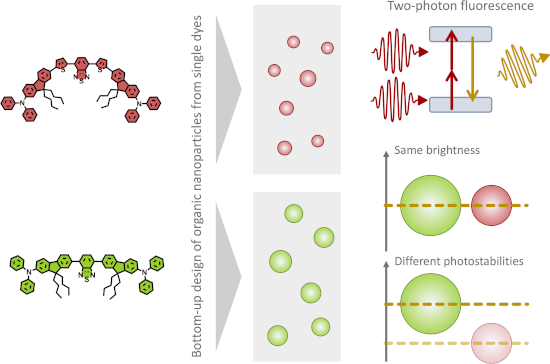
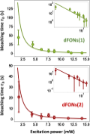
- significantly faster, confirming the trade-off between absorption efficiency and photostability. These results demonstrate that the photophysical behavior of dFONs can be rationally engineered at the molecular level and provide design principles for the development of optimized organic nanoparticles for
- faster photobleaching rate, as confirmed by direct time-resolved measurements and their quadratic dependence on excitation power. Together, these results validate the bottom-up design strategy used for nanoparticle synthesis and highlight the trade-off between absorption efficiency and photostability


Decontamination from water pollutants and pathogens by electrospun nanofibers doped with heavy-atom-free borafluorene-BODIPY photosensitizers
Beilstein J. Nanotechnol. 2026, 17, 668–682, doi:10.3762/bjnano.17.46
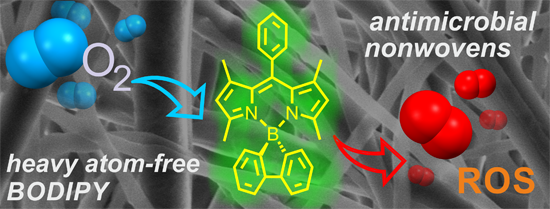
- antimicrobial efficacy similar to that of higher concentrations while potentially reducing toxicity and improving cost efficiency. The photoactivity of 1@PCL materials is comparable to that of a BODIPY-embedded electrospun PCL material studied by Cakmak et al. [62], which achieved 0.6–2.6 log reductions in



afspm: A framework for manufacturer-agnostic automation in scanning probe microscopy
Beilstein J. Nanotechnol. 2026, 17, 653–667, doi:10.3762/bjnano.17.45
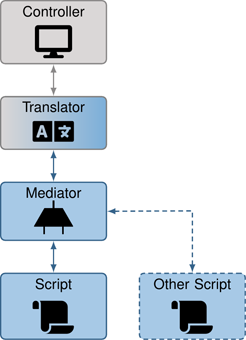
- during the experiment, has been used in SPM for 2D scan efficiency [10] as well as in SPM spectroscopy [11]. Furthermore, investigators have used hypothesis learning, where a model chooses between a number of hypotheses by testing them during the experiment [12]. As an example of a complete autonomous





Cellulose as a photocatalyst support material: extraction, structural features, and environmental applications
Beilstein J. Nanotechnol. 2026, 17, 635–652, doi:10.3762/bjnano.17.44
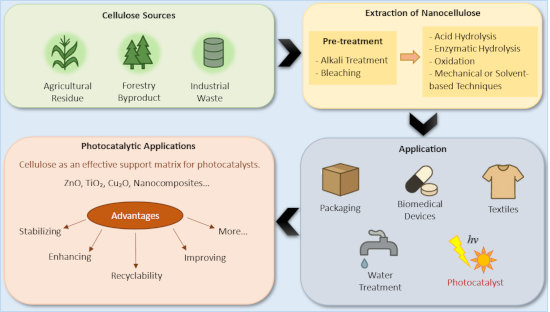
- of functional groups enable it to act as an effective support matrix for photocatalysts such as ZnO, TiO2, Cu2O, and various hybrid nanocomposites. Through stabilizing nanoparticles, preventing their aggregation and contributing to pollutant adsorption, cellulose enhances the overall efficiency of
- the primary enzymes in this method, although other enzymes may also participate in breaking down fibers, contributing to the overall efficiency of the process [40]. TEMPO-mediated oxidation. 2,2,6,6-Tetramethyl-1-piperidinyloxy (TEMPO)-mediated oxidation is a widely studied chemical method for
- gained prominence because of their ability to selectively target specific organs and tissues, thereby reducing side effects, minimizing systemic toxicity, and improving overall treatment efficiency [23]. Researchers are increasingly developing cellulose-based scaffolds for tissue engineering as these


Two-step laser synthesis of Ag@TiO2 nanomaterials for the photocatalytic degradation of rhodamine B
Beilstein J. Nanotechnol. 2026, 17, 622–634, doi:10.3762/bjnano.17.43
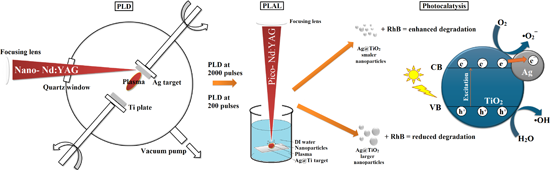
- UV–vis spectroscopy confirmed the formation of nanoparticles with a predominantly anatase TiO2 phase. The synthesized particles exhibited spherical morphology, with average diameters ranging from 97–331 nm for the 200p sample and 86–144 nm for the 2000p sample. The photocatalytic efficiency was
- photocatalytic performance, nanomaterials were prepared using PLAL after submerging the obtained Ag-coated Ti targets in water. The efficiency of the synthesized materials was evaluated through the degradation of rhodamine B under UV–vis light irradiation. Comprehensive structural and compositional
- evidence of distinct mechanisms [30]. Similar trends, where particle size and silver loading influence the kinetic model of the reaction, have also been reported for Ag-TiO2 composites in recent studies [16]. Comparation of current research with literature data The photocatalytic efficiency of the


Recent progress in enhancing built-in electric fields of perovskite solar cells via junction engineering
Beilstein J. Nanotechnol. 2026, 17, 602–621, doi:10.3762/bjnano.17.42
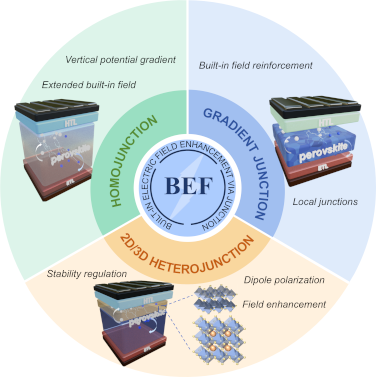
- , optimizing the BEF provides a powerful lever for advancing power conversion efficiency, open-circuit voltage, and long-term operational stability in state-of-the-art PSCs, while avoiding the introduction of parasitic energy barriers. Keywords: band alignment; built-in electric field; carrier dynamics
- ; junction; perovskite solar cells; Introduction Driven by the global push for carbon neutrality, next-generation high-efficiency and low-cost photovoltaic technologies have gained increasing attention. Due to their high absorption coefficients, long carrier diffusion lengths, tunable bandgaps, and solution
- processability, perovskite solar cells (PSCs) have advanced significantly since their inception [1]. The power conversion efficiency (PCE) of single-junction devices has risen from 3.8% to 27.3% [2][3][4], highlighting their potential to approach the Shockley–Queisser limit. In typical heterojunction solar cells




Probing tribological evolution in atomically thin MoS2 at different scales
Beilstein J. Nanotechnol. 2026, 17, 586–597, doi:10.3762/bjnano.17.40
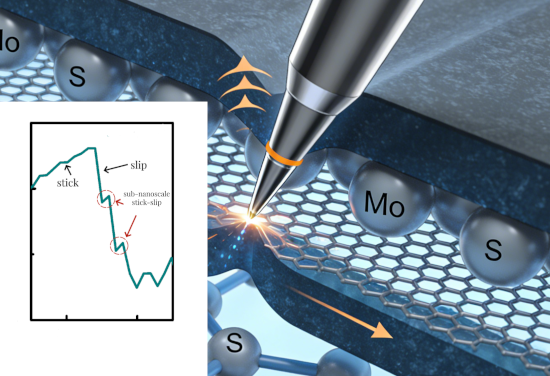
- -friction coatings, high-efficiency lubricants, and durable MEMS/NEMS. (a) AFM topographic image of atomically thin MoS2 along with the cross-sectional height profiles in the insets. (b) AFM phase image corresponding to the topographic image along with the cross-sectional profiles in the insets. (c, d


Impacts of annealing on structural and photophysical properties of zinc phthalocyanine adsorbed on graphene
Beilstein J. Nanotechnol. 2026, 17, 576–585, doi:10.3762/bjnano.17.39
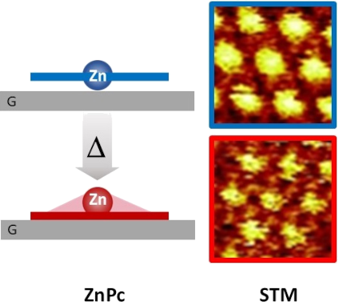
- treatments, as often shown for example with α and β phases of zinc phthalocyanines (ZnPc), with consequences on molecule orientations relative to the substrate and absorbance efficiency [21] or dynamics of charge migration and charge transfer to substrate [22]. Even inside a given phase, minute structural


Laser–material interactions in liquids for the synthesis of nanomaterials: current status and perspectives
Beilstein J. Nanotechnol. 2026, 17, 571–575, doi:10.3762/bjnano.17.38
- broadly, beam shaping techniques are gaining attention as a means to improve process control and efficiency [24]. For example, non-Gaussian beam profiles, such as donut-shaped beams, have been shown to modify the nanoparticle size distribution [71]. The balance between implementation complexity, cost



