Search results
Search for "films" in Full Text gives 1003 result(s) in Beilstein Journal of Nanotechnology. Showing first 200.
Nanoglasses: a trail towards uncharted regions of vitreous materials and their properties?
Beilstein J. Nanotechnol. 2026, 17, 1047–1062, doi:10.3762/bjnano.17.72

- a transmission electron microscope (TEM), so that projection artefacts that are inherent in the analysis of powder-compacted nanoglasses can be avoided. Figure 3a presents a scanning electron microscopy (SEM) overview of the columnar nanoglass thin films, highlighting their overall structural
- . These interfaces have been previously proposed in nanoglasses synthesized through alternative methods and have been confirmed for the first time for the case of columnar thin-film nanoglasses [17]. It is important to underscore that the observed grain-like structure in the sputtered films is not
- attributable to open porosity, as confirmed by TEM analyses and radiotracer diffusion measurements. In contrast, nanoglasses fabricated through inert gas condensation frequently exhibit substantial porosity, which can compromise their structural integrity. This suggests that sputtered films may offer a more


Influence of an external electric field on the catalytic CO oxidation of nanoscaled CeO2 and its La3+ and Gd3+ congeners
Beilstein J. Nanotechnol. 2026, 17, 1028–1038, doi:10.3762/bjnano.17.70
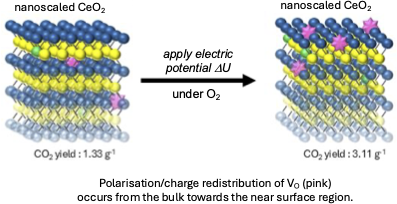
- Information File 1, Figures S20–S24). All cerium oxide nanoparticles are strongly aggregated and form dense strongly corrugated films with an agglomerated particle size of about 50 nm in scanning electron microscopy (SEM) (Supporting Information File 1, Figure S25). Transmission electron microscopy (TEM) and


Synthesis and characterization of RF-sputtered ZnTe/Cu2−xTe thin films for solar cell applications
Beilstein J. Nanotechnol. 2026, 17, 1016–1027, doi:10.3762/bjnano.17.69
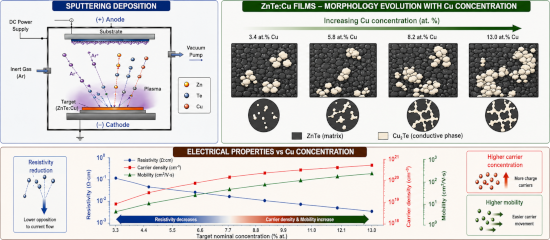
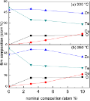
- /bjnano.17.69 Abstract The incorporation of copper and oxygen into zinc telluride (ZnTe) thin films deposited by radio-frequency magnetron sputtering from a single ZnTe–CuO composite target was investigated. The nominal Cu and O concentrations ranged from 3 to 13 atom %, and films were grown at substrate
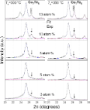
- temperatures of 300 and 350 °C. Energy-dispersive X-ray spectroscopy confirmed controlled compositional transfer from the target to the films. X-ray diffraction analysis revealed that all films are polycrystalline, exhibiting a coexistence of zinc blende and wurtzite ZnTe phases. Low dopant concentrations
- transmittance with increasing Cu concentration, attributed to the metallic-like absorption of Cu2−xTe phases. Electrical characterization revealed a transition from semiconducting to highly conductive behavior with resistivity decreasing from approximately 102 to 10−2 Ω·cm for films grown at 300 °C and from 101



Materials challenges in solid-state sensors for continuous monitoring of ions in water
Beilstein J. Nanotechnol. 2026, 17, 935–973, doi:10.3762/bjnano.17.66
- behavior of the analyte [80]. Amperometric sensors, by contrast, operate at a fixed potential and measure a steady-state current proportional to analyte concentration [81]. These sensors are particularly effective for redox-active species or, when coupled with enzymatic films, for indirectly measuring ions
- ., bismuth or gold films) that enable preconcentration of trace metal ions before measurement [82]. The ASV process involves two stages: (1) deposition, where metal ions are reduced and plated onto the electrode surface, and (2) stripping, where oxidation peaks are recorded and quantified [82][83]. This
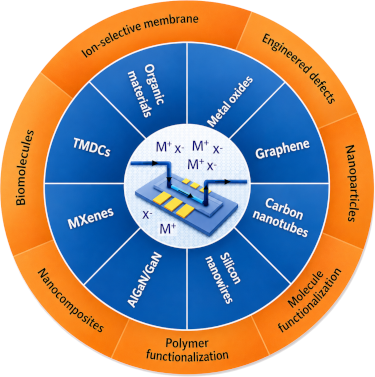
- mechanical integrity during repeated cycling to deliver long-term performance [107]. Inorganic materials Semiconducting metal oxides. Metal-oxide thin films (such as ZnO, SnO2, IGZO, In2O3) are classified as classic inorganic semiconductors with a wide bandgap (3–4 eV). The surface of a semiconducting metal



Enhanced erosion resistance and radiation stability of WC–WO3 nanocomposite films under 100 keV Kr+ ion irradiation
Beilstein J. Nanotechnol. 2026, 17, 922–934, doi:10.3762/bjnano.17.65
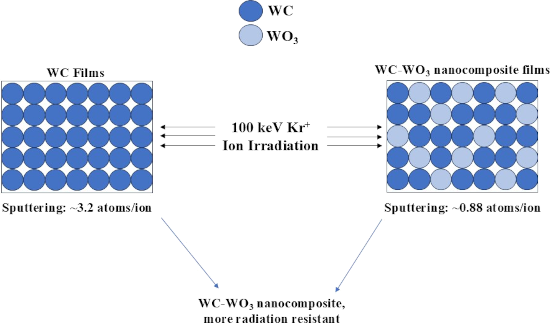
- potential ceramic-based PFC materials, specifically tungsten carbide (WC) thin films and their nanocomposite counterpart, WC–WO3, under 100 keV Kr+ ion irradiation. The films were irradiated at fluences of 1 × 10¹⁶, 3 × 10¹⁶, and 1 × 10¹⁷ ions/cm2. Rutherford backscattering spectrometry was employed to
- evaluate W sputtering yields and compositional stability. The WC–WO3 nanocomposite exhibited significantly reduced W erosion compared to pure WC films, attributed to the higher W binding energy and the existence of heterointerfaces within the nanocomposite matrix. SRIM simulations corroborated the
- experimental sputtering trends. Furthermore, preferential sputtering of lower-Z elements (C and O) was observed in both material systems. Glancing incidence X-ray diffraction analysis revealed post-irradiation grain growth in WC–WO3 films, while scanning electron microscopy results show morphological changes



Supramolecular one-dimensional conducting nanofibers from a C3-symmetric tetrathiafulvalene derivative
Beilstein J. Nanotechnol. 2026, 17, 872–881, doi:10.3762/bjnano.17.63
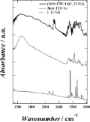
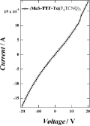
- method or from cast films deposited on quartz substrates, depending on the sample form. Conductivity measurements Electrical conductivity was measured by a direct current (DC) two-probe method. Gold electrodes with a thickness of 100 nm were deposited on mica substrates by vacuum evaporation. Electrical
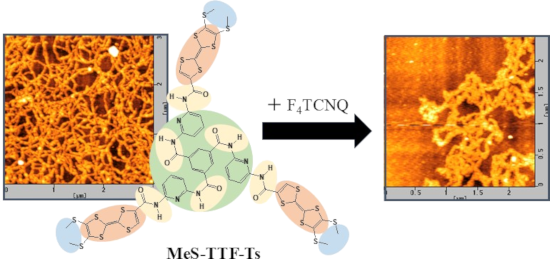
- films of MeS-TTF-Ts revealed the formation of well-defined one-dimensional nanostructures with relatively uniform morphology. Specifically, dimethylformamide (DMF) solution of MeS-TTF-Ts (6 mM) was dripped onto a mica substrate, and the solvent was allowed to evaporate, resulting in the formation of
- F4TCNQ at a molar ratio of 1:3. AFM observations of the cast films of the resulting (MeS-TTF-Ts)(F4TCNQ)3 solution revealed the formation of well-defined one-dimensional nanofiber structures. Specifically, a mixed solution of MeS-TTF-Ts in DMSO and F4TCNQ in acetonitrile was prepared at a final


Nanoparticle delivery systems for HIV pre-exposure prophylaxis (PrEP): advances and challenges
Beilstein J. Nanotechnol. 2026, 17, 839–853, doi:10.3762/bjnano.17.60
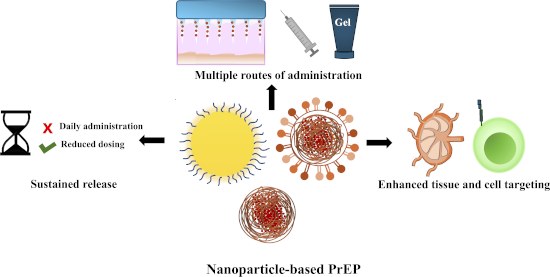
- versatile platform for LA ARV delivery due to their tunable biodegradability and ability to encapsulate a wide range of drugs. Polymeric nanoparticle systems can be designed as injectables, microneedle patches, implants, or topical films and gels, allowing them flexibility in administration routes beyond IM


Sustainable fabrication of 2D-based devices through reuse of substrates with microfabricated electrodes
Beilstein J. Nanotechnol. 2026, 17, 818–827, doi:10.3762/bjnano.17.58
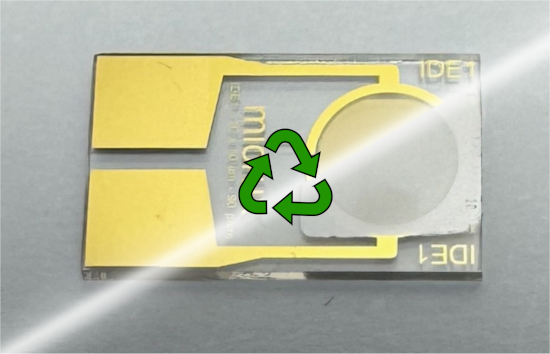
- gaps. In addition to the cleaning of films of roll-to-roll mechanically exfoliated van der Waals materials, we investigated the cleaning and reuse of substrates with chemical vapor deposition (CVD)-grown MoS2 flakes (see Supporting Information File 1, Figure S5) [35][36]. To examine the feasibility of
- channel material from the active device region. Although some variations were observed in the electrical characteristics of the re-fabricated FETs, this is expected due to the inherent stochastic nature of the MoS2 films fabricated by roll-to-roll mechanical exfoliation, which consist of a network of
- fabrication. These results show that the cleaning process can support repeated substrate reuse under the tested conditions and reduce the need for newly fabricated chips. The cleaning process was also applied to MoS2 and WSe2 films on indium tin oxide (ITO) substrates, as shown in Supporting Information File


Glycerol photoelectrochemical oxidation reaction at carbon nitrides/BiVO4 materials
Beilstein J. Nanotechnol. 2026, 17, 806–817, doi:10.3762/bjnano.17.57
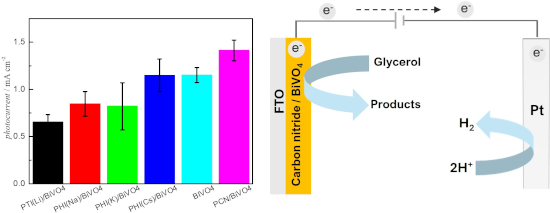
- process are 1,3-dihydroxyacetone, glyceraldehyde, formic acid, and glyceric acid [25][26]. Hessel et al. compared the photochemical oxidation of methanol, ethylene glycol, and glycerol in CdS [27], BiVO4 [25], and BiVO4:Zr,Mo/Pt [25] thin films, concluding that regardless of the material, glycerol
- °C·min−1 up to 500 °C and held for 2 h. After completing this step, the films were soaked into NaOH solution (1.0 mol·L−1) for 30 min to remove the excess of unreacted vanadium, washed with distilled water, and dried at ambient temperature. Characterization of materials Prior to deposition on FTO
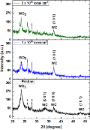
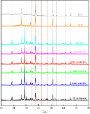
- . Figure 2 shows the XRD for the synthesized CNs/BiVO4 films and for BiVO4 and PCN films onto FTO substrate. The XRD pattern for clean FTO was also included (gray line) making it easier to observe its contribution to the other diffractograms. Notably, in all films, it is possible to observe the diffraction




Tuning the electronic properties of defect-rich MoS2
Beilstein J. Nanotechnol. 2026, 17, 796–805, doi:10.3762/bjnano.17.56
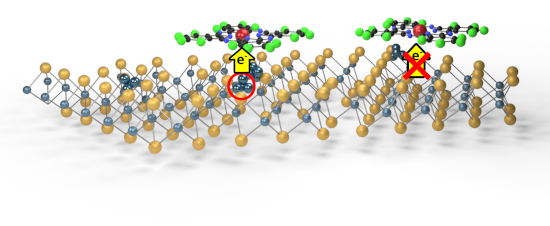
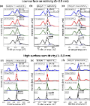
- the mono- or multilayer range on Ne+ or Ar+ sputtered MoS2. Co 2p XPS spectra before and after the deposition of mono- and multilayer films of CoPcF16 after (a) 2.5 min Ne sputtering (b) 2.5 min Ar sputtering, (c) 10 min Ne-sputtering, and (d) 10 min Ar sputtering. Molecule-related C 1s (a,b,c) and N


Tailoring Ag–Pt nanoalloys through solid-state dewetting: structural and optical insights
Beilstein J. Nanotechnol. 2026, 17, 748–759, doi:10.3762/bjnano.17.52

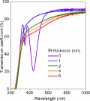
- .17.52 Abstract In this work, a cost-effective method for fabricating silver–platinum nanoalloys through thermally activated dewetting of thin metallic films is demonstrated. Ag and Pt bilayers with a total thickness of 8 nm were deposited using DC magnetron sputtering, followed by annealing at 650 °C
- the bulk Ag–Pt system, and provide insight into their structure–property relationships relevant for catalytic and plasmonic applications. Keywords: Ag–Pt alloy; dewetting; nanoalloys; plasmon resonance; thin films; Introduction Nanoalloys in the form of nanostructures exhibit novel and intriguing
- to be thermally activated dewetting of thin metal films deposited on glass or other substrates [9][10][11][12]. This method is noteworthy due to its cost-effectiveness, making it a compelling alternative for various applications. From a thermodynamic perspective, continuous metallic layers with




Cellulose as a photocatalyst support material: extraction, structural features, and environmental applications
Beilstein J. Nanotechnol. 2026, 17, 635–652, doi:10.3762/bjnano.17.44
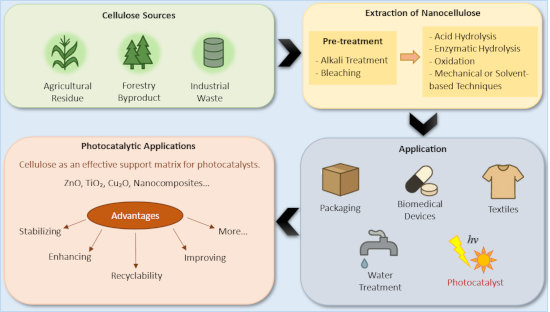
- sustainable choice for next-generation healthcare solutions. In recent years, cellulose-based fibers, films, and aerogels have found widespread application in drug delivery, where cellulose typically serves as the foundational material that can be further modified to enhance its performance. These
- occurs through covalent bonding that reinforces the polymer structure, making the cellulose chain more rigid and requiring greater energy to break. By using cellulose films or membranes as supports for TiO2 nanoparticles, researchers not only strengthen the structural stability of the composite but also
- health. The growing interest in cellulose films as supports for TiO2 is further driven by cellulose’s natural advantages: it is biodegradable, widely available, cost-effective, and highly versatile, with a structure that can be easily modified to suit diverse applications including photocatalytic


Two-step laser synthesis of Ag@TiO2 nanomaterials for the photocatalytic degradation of rhodamine B
Beilstein J. Nanotechnol. 2026, 17, 622–634, doi:10.3762/bjnano.17.43
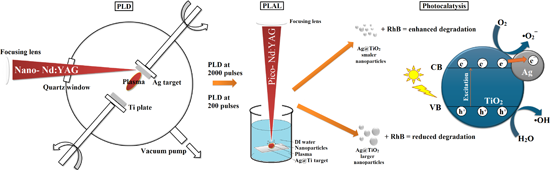
- results highlight the potential of this chemical-free, laser-based approach as a sustainable and versatile platform for fabricating advanced nanomaterials tailored for high-efficiency environmental remediation. Experimental Synthesis of photocatalysts TiO2 and Ag@TiO2 (200p and 2000 p) Thin films of Ag


Recent progress in enhancing built-in electric fields of perovskite solar cells via junction engineering
Beilstein J. Nanotechnol. 2026, 17, 602–621, doi:10.3762/bjnano.17.42
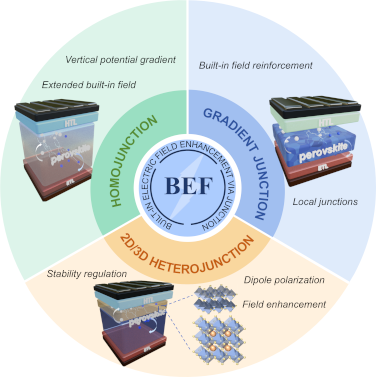
- . [35] applied an isopropanol (IPA) post-treatment on finished organic–inorganic perovskite films, which induced the in situ formation of a PbI2-rich top layer. This created an n/n+ homojunction between the weakly n-type bulk and the more n-type surface layer, generating downward band bending and an
- initial PCE of 91%. Beyond establishing sustained band tilting in conventional three-dimensional perovskite films, gradient-engineering strategies also exhibit considerable potential in addressing performance bottlenecks in specific types of perovskite devices [53]. The key lies in targeting the unique




Probing tribological evolution in atomically thin MoS2 at different scales
Beilstein J. Nanotechnol. 2026, 17, 586–597, doi:10.3762/bjnano.17.40
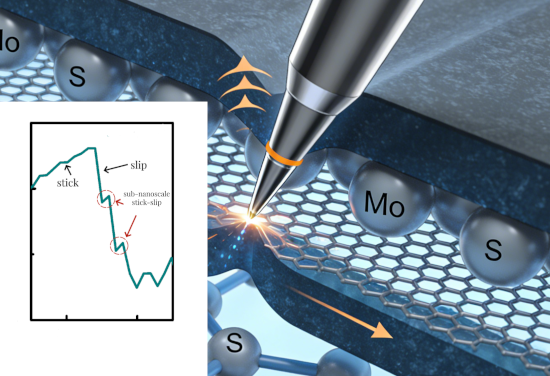
- layers increases, attributed to the reduced out-of-plane flexibility in thicker films. Critically, we identify the slip distance during the slip phase as a reliable metric for sub-nanoscale stick–slip motion. The slip distance increases with the frequency of sub-nanoscale stick–slip events and exhibits a
- were performed on relatively flat regions of the MoS2 films, and the AFM tip was calibrated to ensure a constant tip radius during all measurements. To quantify the sub-scale slip distance, the slip phase of nanoscale stick–slip motion was first extracted. Then a linear baseline was fitted for the
- roughness induces slight strain and wrinkle deformation of MoS2 films, which slightly expands the stick–slip period. However, this modulation is a systematic effect for both 1L and 4L MoS2 under all load conditions, and it does not change the relative variation trend of the strengthening effect and sub


Probing internal continua and atomic ultrafast charge transfer within size-controlled nanoparticles by post-collision interaction in core-hole clock spectroscopy
Beilstein J. Nanotechnol. 2026, 17, 505–514, doi:10.3762/bjnano.17.33
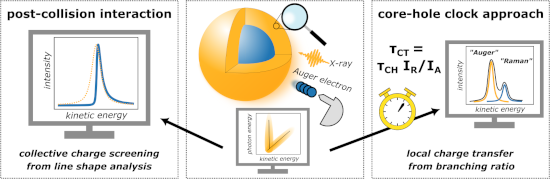
- % of the Auger signal originates solely from the shell, while, in the shell with eleven double layers, this value increases to over 60% [32]. Given that the QDs are covered with a surface layer of long-chain hydrocarbon ligands (hexadecylamine) and that such films can reach film thicknesses of 1–2 nm



Defects and defect-mediated engineering of two-dimensional materials: challenges and open questions
Beilstein J. Nanotechnol. 2026, 17, 454–488, doi:10.3762/bjnano.17.31
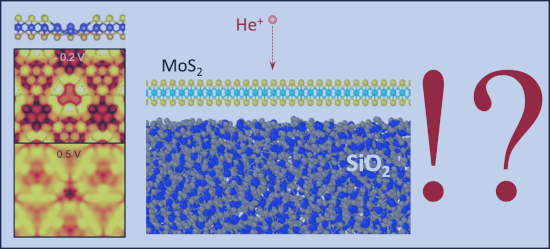
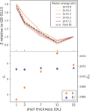
- concentration of individual S vacancies and a lower concentration of S vacancy dimers in exfoliated single-layer films [61]. In contrast, density functional theory (DFT) calculations reveal that molecular oxygen reacts very readily with larger S vacancy clusters (three or more vacancies), with O2 dissociation
- ], which can propagate further the formation of larger vacancy clusters. It is expected that the mechanisms of oxidation will be similar for multilayer films and defective monolayers and driven by the effective charges of W atoms exposed by S vacancy clusters. However, changes in the positions of the
- multilayer films into the bulk are poorly understood. In relatively unstable TMDs, such as MoTe2 and WTe2, an ultrathin amorphous layer of MoO3 or TeO2 is immediately formed when CVD or MBE-grown MoTe2 is exposed to ambient environments [53][68]. However, the barrier for S vacancy diffusion between TMD





Nanocarrier-integrated multilayer films produced by 3D printing for improved skin adhesion and curcumin photostability
Beilstein J. Nanotechnol. 2026, 17, 440–453, doi:10.3762/bjnano.17.30
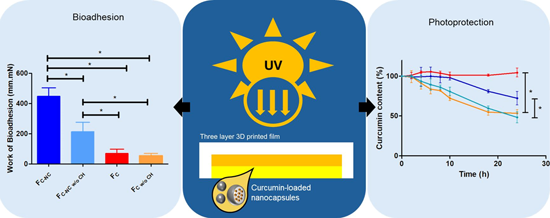
- , Brazil 10.3762/bjnano.17.30 Abstract This proof-of-concept study evaluated whether semi-solid extrusion (SSE) 3D printing could be used to fabricate multilayer topical films that simultaneously enhance skin bioadhesion and photoprotection of curcumin, a highly photolabile anti-inflammatory and
- antioxidant compound. The development of topical films for cutaneous delivery faces several challenges, including the need for strong skin adhesion and the protection of photolabile actives from light exposure. We hypothesized that multilayered films designed for the cutaneous delivery of curcumin and
- efficiency. Films were fabricated containing either C-NCs (FC-NC) or unloaded curcumin (FC) and consisted of three layers, namely, a chitosan-based bottom layer, a middle layer of carboxymethylcellulose and alginate, and a carboxymethylcellulose top layer incorporating titanium dioxide (TiO2). The lower and


Polycatecholamine nanocoatings on stainless steel: the effect on attachment of human fibroblasts and platelets
Beilstein J. Nanotechnol. 2026, 17, 365–380, doi:10.3762/bjnano.17.25
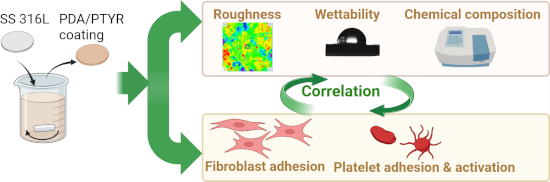
- several weeks and prolonged antimicrobial activity [21][22][23]. Beyond classical PDA films, broader catechol-based and PDA-inspired chemistries have been explored, including phenolic polymer systems, mussel-inspired adhesive interfaces and catechol-rich surface architectures, which have been shown to
- polycatecholamines, as standalone coating systems [12][26]. Their results indicated that polycatecholamines may provide tunable surface properties distinct from those of conventional PDA films. Although PDA and PTYR originate from different amino acid precursors, both polymers are believed to undergo oxidation
- [30], and autoxidation in basic solution leading to films 2 nm or less [31][32]. In contrast, immersion processes produce approximately 1 µm films [33]. These results differ from our PDA coating thickness values due to divergent reaction parameters and, most probably, distinct initial surface




Interconnection morphology effects on the radio frequency response of carbon nanotube sponges
Beilstein J. Nanotechnol. 2026, 17, 343–351, doi:10.3762/bjnano.17.23
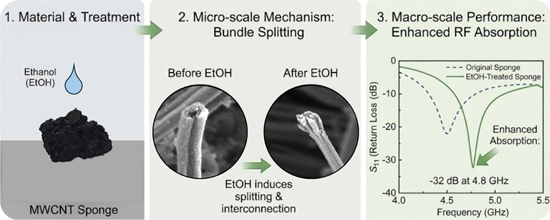
- supporting substrate, showing high flexibility, light weight, and mechanical robustness. We tested our synthesized CNSs as active material for the production of antennas working in the radio frequency (RF) range to determine whether CNT sponges present, in addition to practical advantages over CNT films
- conductors is not appreciable. Interesting results have been found for shear-aligned CNT films, which showed a radiation efficiency of 94% at 10 and 14 GHz, comparable to copper antennas [18]. Threads made of twisted bundles of as-grown CNTs worked as dipole antennas resonating at 2.45 GHz [6]. A recent
- dimensions compared to SWCNTs and have higher conductivity. Wang et al. [15], demonstrated that films of MWCNTs can operate as antennas when irradiated with light in the visible and near-UV regions. In particular, the maximum intensity of the reflected light in the visible range is obtained when the average




Beam shaping techniques for pulsed laser ablation in liquids: Unlocking tunable control of nanoparticle synthesis in liquids
Beilstein J. Nanotechnol. 2026, 17, 309–342, doi:10.3762/bjnano.17.22







Fast vortex dynamics and relaxation times in NbRe-based heterostructures
Beilstein J. Nanotechnol. 2026, 17, 292–302, doi:10.3762/bjnano.17.20
- that NbRe thin films are polycrystalline with oriented grains of nanometric size, of the order of a few nanometers [20][21]. Furthermore, earlier investigations have demonstrated that the superconducting and transport properties of NbRe are robust against moderate thickness variations [19]. These
- characteristics, together with disorder-dominated transport, favor very short temperature-independent quasiparticle relaxation times of the order of hundreds of picoseconds [22] making NbRe-based films particularly attractive for studying non-equilibrium effects and for the realization of fast superconducting
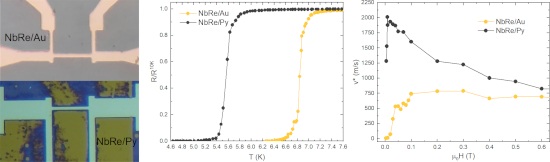
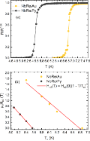
- characterization The normalized resistive transitions, R/R10K, of the two microbridges are reported in Figure 1a. The critical temperatures are = 6.8 K and = 5.6 K. The obtained values are smaller than those reported for NbRe thin films of similar thickness [19][22], with a stronger reduction observed in the


Advancing nanolithography: a comprehensive review of materials for local anodic oxidation with AFM
Beilstein J. Nanotechnol. 2026, 17, 275–291, doi:10.3762/bjnano.17.19
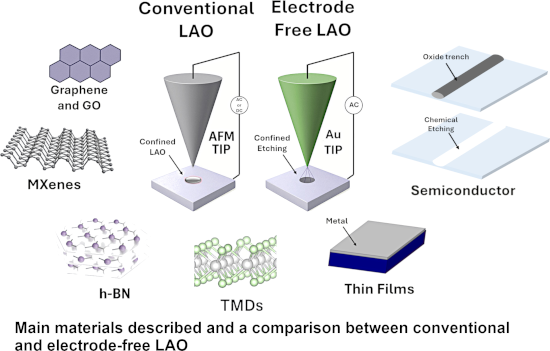
- layers as thin as sub-nanometer for SiO2 [37] and extending to tens of nanometers for materials such as SiOxCy [34], TiOx, and MoOx [38]. In contrast, atomic layer deposition (ALD) provides exceptional conformality and atomic-scale thickness control, typically depositing films at 0.1–0.2 nm per cycle [39
- films and highlight its relevance beyond inorganic substrates. Table 2 presents a comparative analysis of the key materials that have been successfully utilized for LAO experiments and device fabrication. 2.5.1 Semiconductors. Semiconductors like silicon have been widely studied for LAO due to their
- [29]. A more recent study demonstrates the use of LAO to nanostructure thin amorphous vanadium oxide (VOx) films [97], converting them locally to vanadium pentoxide (V2O5) for selective removal. Achieving sub-50 nm lateral precision and sub-0.3 nm depths, the process is influenced by humidity, film


Time of flight secondary ion mass spectrometry imaging of contaminant species in chemical vapour deposited graphene on copper
Beilstein J. Nanotechnol. 2026, 17, 200–213, doi:10.3762/bjnano.17.13
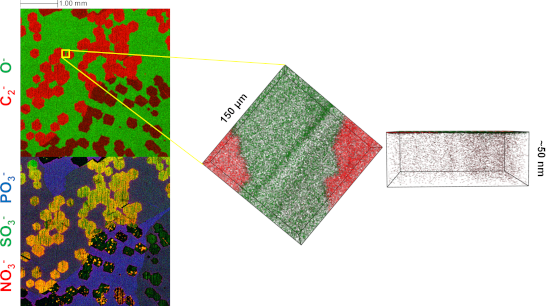
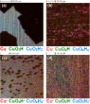
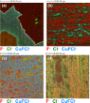
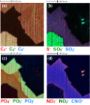
- present within the graphene films, which facilitate oxygen diffusion, depending on the growth process. The variation in the colour distribution also reflects potential variations in the composition of the oxide layer that forms on the surface. To further explore the extent of the substrate oxidation in





Structure-dependent thermochromism of PAZO thin films: theory and experiment
Beilstein J. Nanotechnol. 2026, 17, 186–199, doi:10.3762/bjnano.17.12
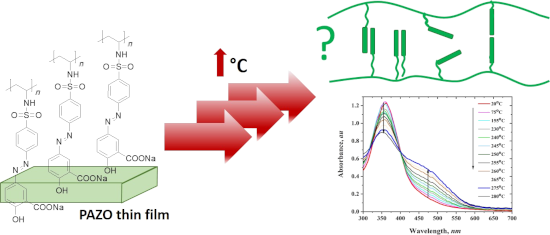
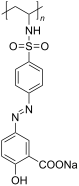
- ]-1,2-ethanediyl, sodium salt] (PAZO) exhibits a range of unique physical properties that are critical for its diverse applications in photonics, optoelectronics, memory devices, and sensing technologies. In this study, we investigate the thermochromic behavior of PAZO thin films, focusing on the
- relationship between the structural organization of the polymer side chains and temperature-induced optical changes. By combining experimental spectroscopic techniques with theoretical modeling, we demonstrate that the thermochromic response of PAZO films is strongly influenced by molecular aggregation, film
- calculations further support these findings, indicating that temperature-dependent intermolecular interactions and conformational changes play a significant role in shaping the optical behavior of the films. These results provide new insights into the structure–property relationships underlying thermochromism