Search results
Search for "hydrogen peroxide" in Full Text gives 119 result(s) in Beilstein Journal of Nanotechnology.
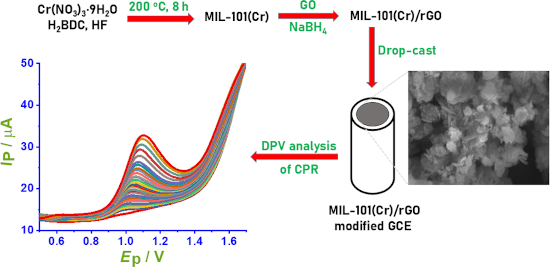
Electrochemical determination of ciprofloxacin using a MIL-101/reduced graphene oxide-modified electrode
Beilstein J. Nanotechnol. 2026, 17, 541–554, doi:10.3762/bjnano.17.35
- ·9H2O), terephthalic acid (H2BDC), graphite powder, potassium permanganate (KMnO4), sodium borohydride (NaBH4), sulfuric acid (H2SO4), hydrogen peroxide (H2O2), and other analytical-grade reagents were purchased from standard chemical suppliers. Britton–Robinson (BR) buffer solutions at different pH


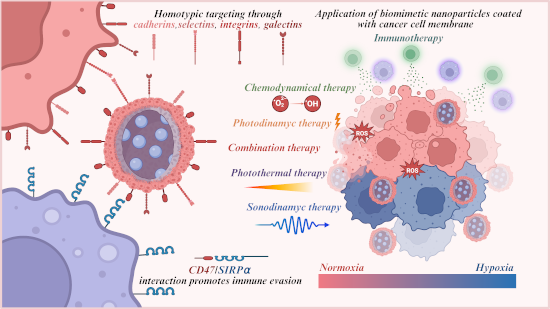
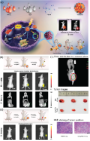
Biomimetic nanoparticles in cancer photodynamic therapy: a review of targeted delivery systems and therapeutic outcomes
Beilstein J. Nanotechnol. 2026, 17, 396–422, doi:10.3762/bjnano.17.27


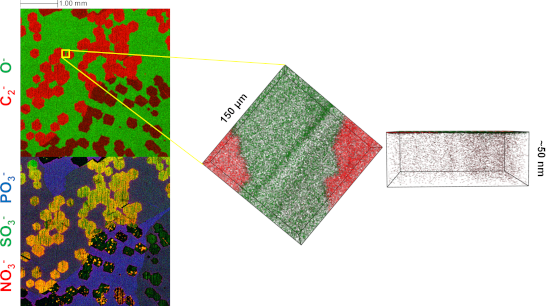
Time of flight secondary ion mass spectrometry imaging of contaminant species in chemical vapour deposited graphene on copper
Beilstein J. Nanotechnol. 2026, 17, 200–213, doi:10.3762/bjnano.17.13
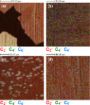
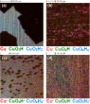
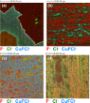
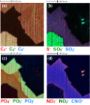
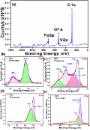
- % H2O2 solution (Fisher Scientific) heated to 100 °C for 300 s. The Cu foil was gently placed on the H2O2 solution such that the Cu foil floated, and the top side was not exposed to hydrogen peroxide. Subsequently, the Cu foil was rinsed in DI water and IPA and dried with flowing N2. The surface





Optical bio/chemical sensors for vitamin B12 analysis in food and pharmaceuticals: state of the art, challenges, and future outlooks
Beilstein J. Nanotechnol. 2025, 16, 2207–2244, doi:10.3762/bjnano.16.153
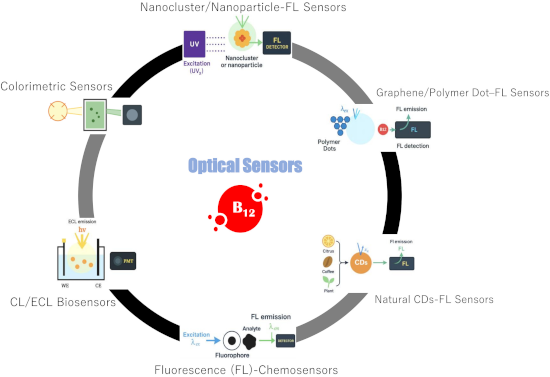
- hydrogen peroxide (H2O2). The H2O2 is electrochemically produced in real-time by utilizing a negative bias to an electrode, which converts dissolved oxygen in the flow cell. The linear range, LOD, and RSD for the detection of VB12 were 0.001–10 mg/L, 0.0035 mg/L, and less than 3.5%, respectively [102


Microplastic pollution in Himalayan lakes: assessment, risks, and sustainable remediation strategies
Beilstein J. Nanotechnol. 2025, 16, 2144–2167, doi:10.3762/bjnano.16.148
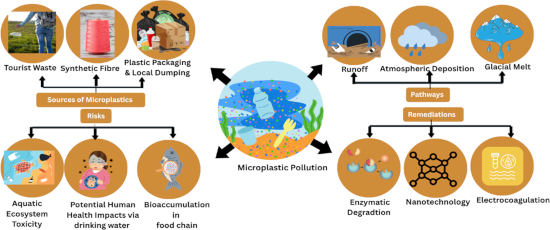
- MPs. They are therefore ideal for use in high-altitude lakes [44]. The goal of chemical methods for MP remediation is to convert polymers into non-toxic substances. Advanced oxidation processes (AOPs) use strong oxidants like ozone, hydrogen peroxide, or hydroxyl radicals to break down MPs [45]. The
- most promising among them are photocatalytic processes that utilize titanium dioxide nanoparticles under UV radiation. These are very efficient degradation processes for degrading plastics to carbon dioxide (CO2) and water [43]. Fenton reactions, involving a mixture of hydrogen peroxide and iron


Laser ablation in liquids for shape-tailored synthesis of nanomaterials: status and challenges
Beilstein J. Nanotechnol. 2025, 16, 1963–1997, doi:10.3762/bjnano.16.137
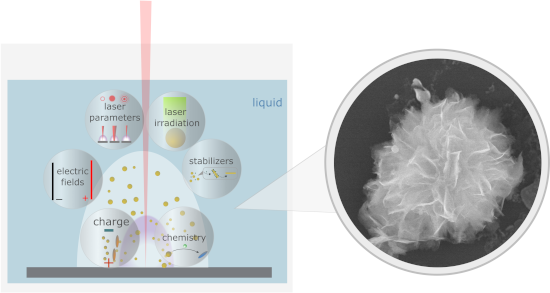
- adsorb onto the active planes of the MoS₂ target during exfoliation, thereby inducing changes in phase and morphology. The role of hydrogen peroxide in the preparation of nanosheets by laser ablation was further studied by Azadi et al. [54], who performed laser ablation of Cu in a hydrogen peroxide
- solution by ns laser pulses. As a result, the dependence of the CuO content in the nanosheets on hydrogen peroxide concentration in solution was found, and the conclusion on the CuO nanosheet formation via reactions of the ablated Cu with H2O2 was made. Other products of liquid decomposition are gases
- , produced either through liquid evaporation or from reactive species generated during decomposition, such as hydrogen, hydrogen peroxide, and oxygen. The type of gas emitted depends on the liquid composition and can influence the morphology of the resulting NPs. As shown in [55], the ablation in ethanol


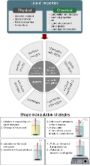


Exploring the potential of polymers: advancements in oral nanocarrier technology
Beilstein J. Nanotechnol. 2025, 16, 1751–1793, doi:10.3762/bjnano.16.122
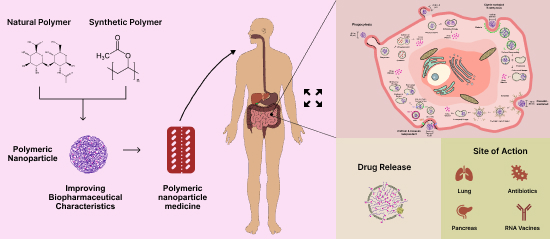


Nanotechnology-based approaches for the removal of microplastics from wastewater: a comprehensive review
Beilstein J. Nanotechnol. 2025, 16, 1607–1632, doi:10.3762/bjnano.16.114
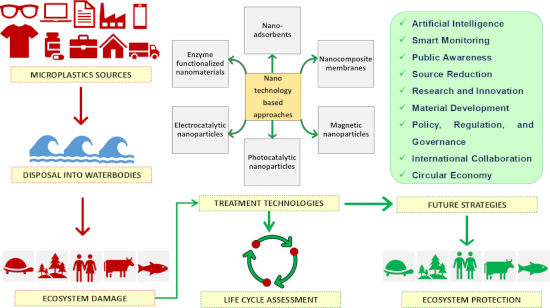
- pollutants adsorbed on its surface. In Fenton and Fenton-like processes, hydroxyl (•OH) radicals are formed when hydrogen peroxide reacts with a metallic active phase, such as Fe2+, facilitating the oxidation and breakdown of contaminants [58]. Table 2 depicts the advantages and limitations of various


Photocatalytic degradation of ofloxacin in water assisted by TiO2 nanowires on carbon cloth: contributions of H2O2 addition and substrate absorbability
Beilstein J. Nanotechnol. 2025, 16, 1567–1579, doi:10.3762/bjnano.16.111
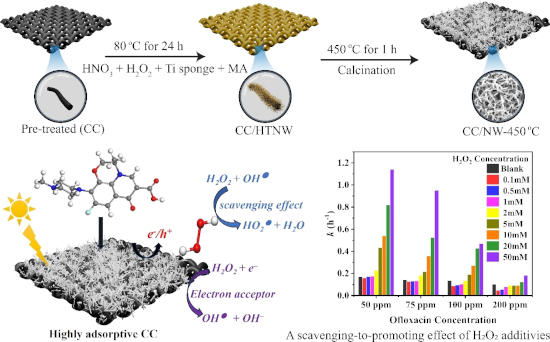
- nanowires remove 90–97% OFL in water with a high initial concentration of 50 ppm in 6 h under UV light irradiation for up to six cycles. The contributions of the hydrogen peroxide (H2O2) additive were also studied. An enhanced efficiency could be achieved only when the H2O2 in water reaches a critical
- . Hydrogen peroxide (30 wt %, AR), HNO3 (65 wt %, AR), and ethyl alcohol (99.7 wt %, AR) were purchased from Sinopharm Chemical Reagent Co., Ltd., China. Melamine (99 wt %, AR) was purchased from Aladdin, China. PHILPS Lighting Investment Company Limited, China, provided the UV lamp. All chemicals were used
- , the hydrogen titanate nanowires precipitate. In the acidic medium, the reaction between metallic Ti sponge and hydrogen peroxide produces titanium hydroxide species in solution. Once the concentration of these species reaches saturation, hydrogen titanate nanowires nucleate and grow directly on the


Laser processing in liquids: insights into nanocolloid generation and thin film integration for energy, photonic, and sensing applications
Beilstein J. Nanotechnol. 2025, 16, 1428–1498, doi:10.3762/bjnano.16.104






Photochemical synthesis of silver nanoprisms via green LED irradiation and evaluation of SERS activity
Beilstein J. Nanotechnol. 2025, 16, 1417–1427, doi:10.3762/bjnano.16.103
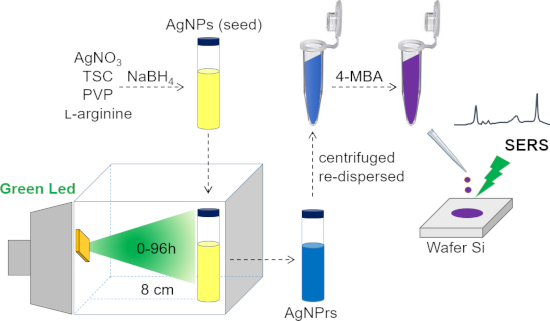
- step of the entire process [3]. During this stage, small silver nanoparticles (seeds) can combine and evolve into anisotropic nanostructures through a chemical process in the presence of hydrogen peroxide (H2O2) and sodium borohydride, commonly referred to as the Mirkin method [4]. Recently


Hydrogels and nanogels: effectiveness in dermal applications
Beilstein J. Nanotechnol. 2025, 16, 1216–1233, doi:10.3762/bjnano.16.90
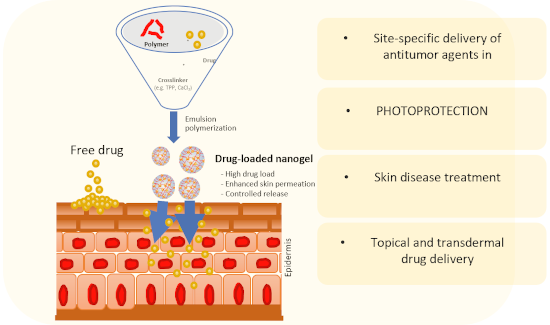
- through the oxidative coupling of catechol groups using a hydrogen peroxide/horseradish peroxidase (H2O2/HRP) catalytic system [41]. The addition of the antibiotic doxycycline provided the hydrogels with antimicrobial activity to treat infected full-thickness defect wounds. Flexible films composed of


Piezoelectricity of hexagonal boron nitrides improves bone tissue generation as tested on osteoblasts
Beilstein J. Nanotechnol. 2025, 16, 1068–1081, doi:10.3762/bjnano.16.78
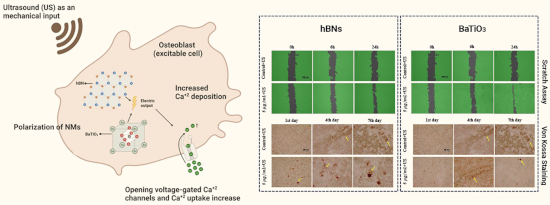
- ’-dicfloroflurescin diacetate (DCFDA) (D6883-50MG; Mw: 487.29 g/mol) probe, chosen specifically for its ability to detect the presence of cellular hydrogen peroxide (H2O2) in HOb cells following treatment with NMs and US exposure. First, the cells were seeded in 96-well plates at 104 cells/well and incubated for 24 h


Structural and magnetic properties of microwave-synthesized reduced graphene oxide/VO2/Fe2O3 nanocomposite
Beilstein J. Nanotechnol. 2025, 16, 921–932, doi:10.3762/bjnano.16.70
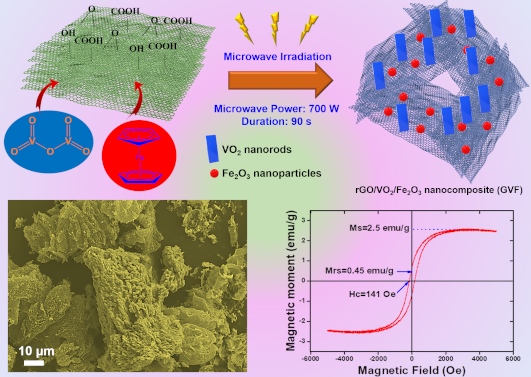
- applications. Experimental Materials Vanadium (V) oxide (V2O5) powder and ferrocene were purchased from Alfa Aesar. The other chemicals used for the synthesis of graphite oxide, such as conc. sulfuric acid (H2SO4), hydrogen peroxide (H2O2), conc. hydrochloric acid (HCl), potassium chlorate (KClO3), conc



Colloidal few layered graphene–tannic acid preserves the biocompatibility of periodontal ligament cells
Beilstein J. Nanotechnol. 2025, 16, 664–677, doi:10.3762/bjnano.16.51
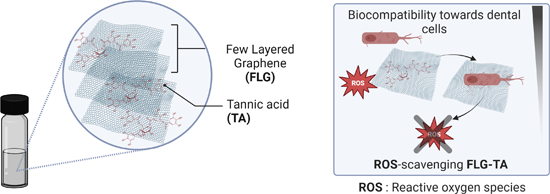
- include superoxide radicals, hydroxyl radicals, and hydrogen peroxide, are natural byproducts of the oxidative metabolism. Mammalian cells maintain balanced ROS levels for homeostasis and cellular proliferation. However, excess ROS creates an electron imbalance that triggers continuous electron transfer
- reactions, leading to oxidative stress [17]. Studies have shown that TA exhibits significant antioxidant properties by suppressing hydroxyl radical formation and neutralizing both superoxide anion radicals and hydrogen peroxide. However, its antioxidant efficacy is concentration-dependent. While it shows




Graphene oxide–chloroquine conjugate induces DNA damage in A549 lung cancer cells through autophagy modulation
Beilstein J. Nanotechnol. 2025, 16, 316–332, doi:10.3762/bjnano.16.24
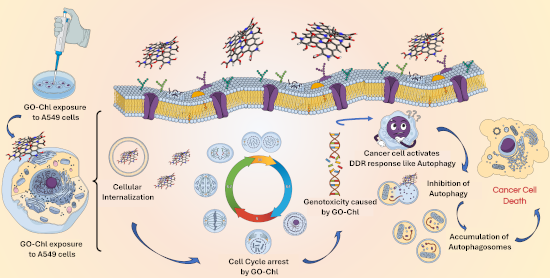
- . P4170), Triton X-100 (Cat. No. T8787), monodansylcadaverine (MDC; Cat. No. D4008), anti-SQSTM1 (Cat. No. P0067), anti-MLKL primary antibody (Cat. No. SAB5700808), protein A/G agarose beads (Cat. No. IP10), and hydrogen peroxide (H2O2; Cat. No. H1009) were purchased from Sigma-Aldrich (St. Louis, MO, USA



Unveiling the potential of alginate-based nanomaterials in sensing technology and smart delivery applications
Beilstein J. Nanotechnol. 2024, 15, 1077–1104, doi:10.3762/bjnano.15.88
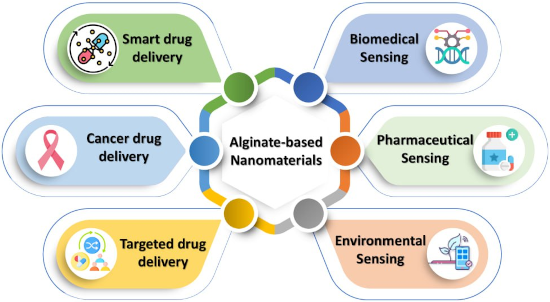
- discussed, including drug delivery and environmental sensing applications for humidity, heavy metals, and hydrogen peroxide. Moreover, biomedical sensing applications of alginate-based nanoparticles regarding various analytes such as glucose, cancer cells, pharmaceutical drugs, and human motion will also be
- glyoxal from water. An exceptional formaldehyde adsorption capacity of 58.30 mg/g and an adsorption removal effectiveness of 93.5% was demonstrated for APOF@ZIF-8/CS [15]. Hydrogen peroxide sensing: Hydrogen peroxide (H2O2) sensing is a crucial aspect of various fields, including biomedical research and
- environmental monitoring. Accurate detection and measurement of H2O2 levels is vital for understanding its role in biological processes, diagnosing diseases, and monitoring environmental pollutants [114]. Alginate-based nanoparticles have depicted great potential in hydrogen peroxide sensing. A silver/poly(3


A review on the structural characterization of nanomaterials for nano-QSAR models
Beilstein J. Nanotechnol. 2024, 15, 854–866, doi:10.3762/bjnano.15.71
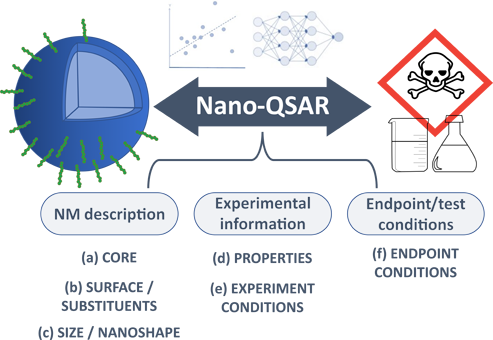
- its interaction with other substances, as for example using the maximum salt concentration in the medium with no significant coagulation or the rate constant of its oxidation by hydrogen peroxide [68]. It should be noted that the use of experimental descriptors can be exclusive, and there are models


Intermixing of MoS2 and WS2 photocatalysts toward methylene blue photodegradation
Beilstein J. Nanotechnol. 2024, 15, 817–829, doi:10.3762/bjnano.15.68
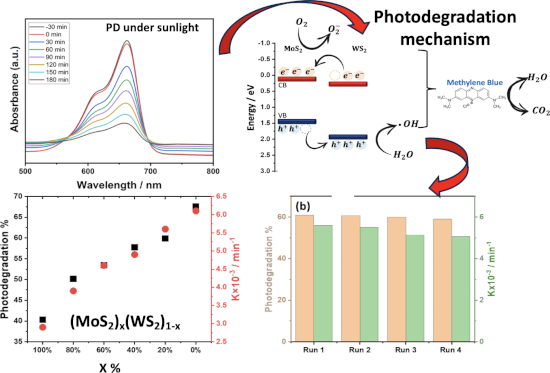
- electrons (e−), leading to the formation of superoxide anions (O2−) [43]. The adsorbed oxygen has the ability to undergo a reaction with two electrons, resulting in the formation of hydrogen peroxide (H2O2). Hydrogen peroxide subsequently reacts with an electron, forming hydroxyl radicals (•OH), which are


Simultaneous electrochemical determination of uric acid and hypoxanthine at a TiO2/graphene quantum dot-modified electrode
Beilstein J. Nanotechnol. 2024, 15, 719–732, doi:10.3762/bjnano.15.60
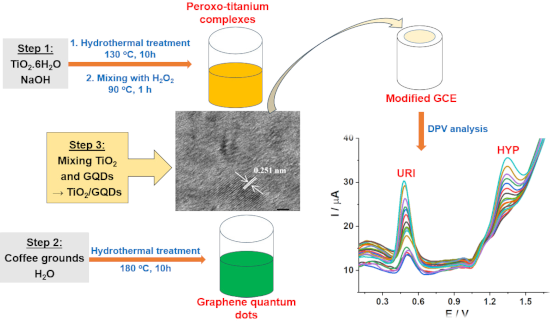
- HYP using a TiO2/GQDs-modified electrode were addressed. Experimental Materials Coffee grounds were collected from the local area. Anatase (98%), hydrogen chloride (39%), hydrogen peroxide (30%), boric acid (99%), phosphoric acid (85%), acetic acid (99%), uric acid (99%), and hypoxanthine (99%) were


Laser synthesis of nanoparticles in organic solvents – products, reactions, and perspectives
Beilstein J. Nanotechnol. 2024, 15, 638–663, doi:10.3762/bjnano.15.54
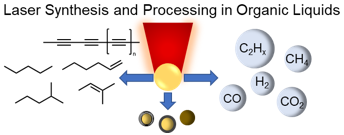
- nanoparticle synthesis in water is always accompanied by the production of gases [66][67]. Although gas formation has often been attributed to the vaporization of water, the formation of hydrogen and oxygen also occurs. Additionally, the formation of hydrogen peroxide was observed during LAL [50][51] and LRL
- oxygen species (ROS), for example, hydrogen peroxide, hydroxyl radicals, or dissolved oxygen, react with the particles leading to their surface oxidation. During irradiation of water with intense laser pulses, a weakly ionized plasma forms because of optical breakdown, supercontinuum emission, or both
- added different additives. In the case of gaseous additives (nitrogen, carbon dioxide, and argon), they saturated the solution by bubbling. Further additives were 0.3 vol % hydrogen peroxide and 0.2 vol % water (for ethanol only). Depending on the chosen additive, they found a different degree of




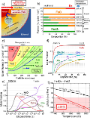

Classification and application of metal-based nanoantioxidants in medicine and healthcare
Beilstein J. Nanotechnol. 2024, 15, 396–415, doi:10.3762/bjnano.15.36
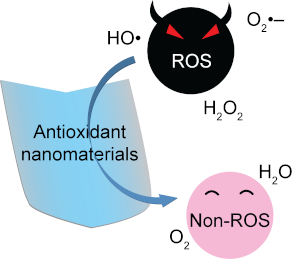
- peroxide or organic hydroperoxide (ROOH) to produce ROS. In nature, biological systems commonly use catalase (CAT) and glutathione peroxidase (GPx) as preventive antioxidants to degrade hydrogen peroxide, which is a precursor of ROS. CAT, containing a heme active site, and GPx, containing a selenium active
- radicals through several pathways such as chelating transition metals, quenching singlet oxygens, decomposing hydrogen peroxides, and deactivating superoxides without generating active radicals [17][18][19]. Transition metals such as Fe2+ and Cu2+ initiate a Fenton reaction in the presence of hydrogen


Exploring the relationships between physiochemical properties of nanoparticles and cell damage to combat cancer growth using simple periodic table-based descriptors
Beilstein J. Nanotechnol. 2024, 15, 297–309, doi:10.3762/bjnano.15.27
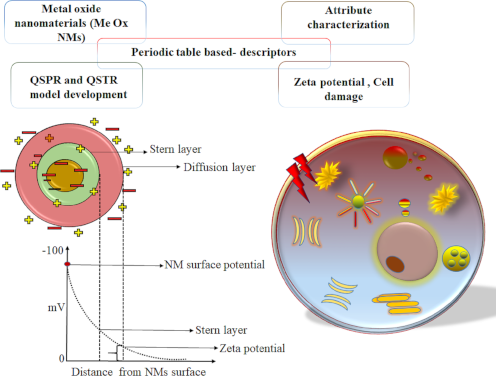
- are involved in the Fenton reaction, which generates hydroxyl radicals from hydrogen peroxide. Similarly, the Haber–Weiss reaction involves the oxidized forms of redox-active metal ions and superoxide anions, which generate the reduced form of the metal ion. This reduced form can then be coupled to


Nanoarchitectonics of photothermal materials to enhance the sensitivity of lateral flow assays
Beilstein J. Nanotechnol. 2023, 14, 988–1003, doi:10.3762/bjnano.14.82
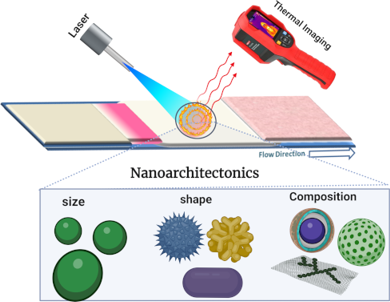
- , bleaching, and degradation. Gold nanoparticles possess intrinsic peroxidase-like activity, which converts particular peroxidase substrates into coloured products in the presence of hydrogen peroxide. The enzyme-like properties of nanomaterials have been utilized in various LFA formats. The inclusion of


Silver-based SERS substrates fabricated using a 3D printed microfluidic device
Beilstein J. Nanotechnol. 2023, 14, 793–803, doi:10.3762/bjnano.14.65
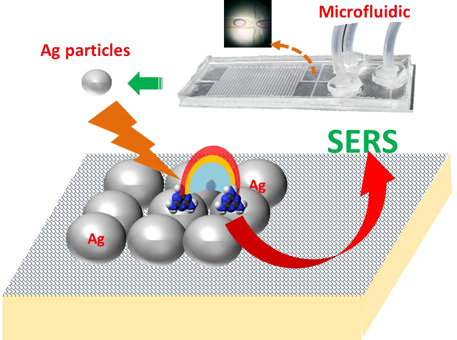
- from Krackeler Scientific (USA). Methyl alcohol, hydrogen peroxide (35%), sodium hydroxide (<97%), ammonia water (25–29%), acetone (99.5%), ethyl alcohol (95%), and 2-propanol (99.5%) were bought from Daejung (Republic of Korea). The Formlabs 3D printer and clear V4 resin were purchased from Formlabs