


Search results
Search for "interaction" in Full Text gives 1559 result(s) in Beilstein Journal of Nanotechnology. Showing first 200.
Protein-based custom-designed molecular nanotraps for biomedical applications
Beilstein J. Nanotechnol. 2026, 17, 683–687, doi:10.3762/bjnano.17.47

- recognized as functionally active, often undergoing partial folding upon interaction with molecular partners [12]. These observations are reshaping the current understanding of protein structure–function relationships, opening the possibility of employing unfolded or disordered proteins as functional
- interaction between any pair composed of a building block and a target molecule should be understood and modeled in thermodynamic and kinetic terms. Ideally, a tool to enable a rational choice of the protein building block for the bioMIP synthesis should be developed. Additionally, future endeavors must focus

afspm: A framework for manufacturer-agnostic automation in scanning probe microscopy
Beilstein J. Nanotechnol. 2026, 17, 653–667, doi:10.3762/bjnano.17.45
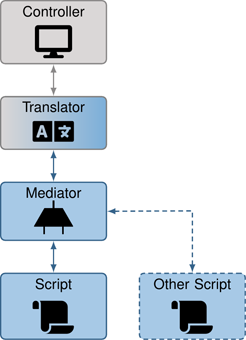
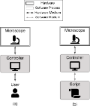
- to replace a user’s manual interaction (Figure 1a) with equivalent programmatic commands sent to a microscope controller (Figure 1b). Note that here we refer to the software controller when we discuss the microscope controller; this software application is responsible for managing the programmatic
- sanity check before beginning an experiment. As this test suite validates correct interaction between controller and translator, the actual data recorded during a test is unimportant. We therefore consider it a best practice to run these with the tip disengaged, to avoid unnecessary risk to tip or sample




Cellulose as a photocatalyst support material: extraction, structural features, and environmental applications
Beilstein J. Nanotechnol. 2026, 17, 635–652, doi:10.3762/bjnano.17.44
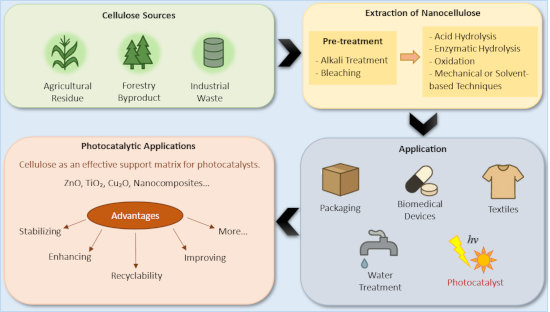
- used to develop entirely new high-performance ones [83]. The effectiveness of CNCs is due to especially the high surface area and the abundance of hydroxy groups, which enable improved interaction with water contaminants while also aligning with environmental sustainability goals [82][83]. In practical
- and holes but also enhance the adsorption of contaminants while preventing the undesirable aggregation of TiO2 particles, thereby improving both the stability and efficiency of the photocatalyst [101]. There is strong compatibility between TiO2 nanoparticles and cellulose chains, as the interaction


Two-step laser synthesis of Ag@TiO2 nanomaterials for the photocatalytic degradation of rhodamine B
Beilstein J. Nanotechnol. 2026, 17, 622–634, doi:10.3762/bjnano.17.43
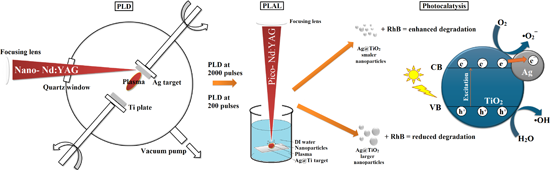
- positive potential with increasing Ag content, which can be attributed to the interaction between Ag species and the TiO2 lattice as well as the formation of localized energy states near the conduction band. Meanwhile, the VB edge also shows a small downward shift. These changes in band structure
- photocatalytic activity. The improved activity of Ag@TiO2 is not mainly due to bandgap reduction. It is more likely related to Ag–TiO2 interaction, where Ag reduces electron–hole recombination and enhances light absorption through surface plasmon resonance, leading to increased formation of reactive oxygen
- be explained by several factors. The higher amount of silver increases plasmonic effects and helps to separate electrons and holes, reducing recombination. The smaller particle size gives more active surface sites, while the more uniform distribution of Ag in TiO2 improves interaction with RhB


Recent progress in enhancing built-in electric fields of perovskite solar cells via junction engineering
Beilstein J. Nanotechnol. 2026, 17, 602–621, doi:10.3762/bjnano.17.42
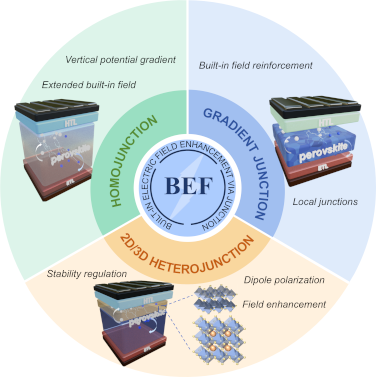
- continuous illumination for 500 h. Although ACN exhibits higher polarity than IPA, it is a polar aprotic solvent with weak Lewis basicity toward Pb2+. Consequently, its interaction with the Pb–I framework is more controllable, enabling a relatively mild interfacial modulation. In the half-precursor (HP



Towards targeted drugs and next generation of nanomedicines
Beilstein J. Nanotechnol. 2026, 17, 598–601, doi:10.3762/bjnano.17.41
- interaction with the low density lipopoprotein receptor (LDLR) on the hepatocytes [29]. Other examples of nanomedicines exploiting endogenous targeting are the so-called selective organ-targeting (SORT) lipid nanoparticles, which adsorb different corona proteins on their surface depending on their charge
Probing tribological evolution in atomically thin MoS2 at different scales
Beilstein J. Nanotechnol. 2026, 17, 586–597, doi:10.3762/bjnano.17.40
- ) complicates direct thickness identification of 1L MoS2; thus, phase imaging (Figure 1b) was used to distinguish MoS2 from the substrate (based on the contrast from differences in tip–sample interaction). Cross-sectional profiles (Figure 1a inset) show two distinct thicknesses of 0.7 and 1.8 nm. The
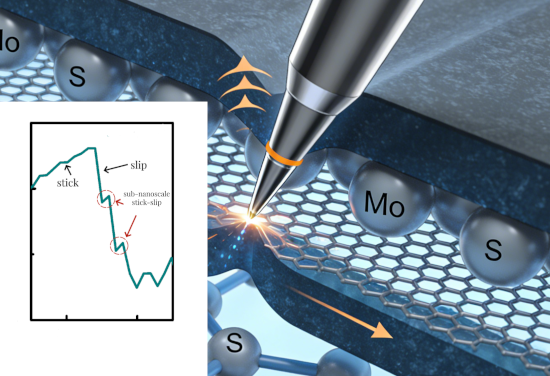
- atom sticks at an energetically stable position, and then suddenly slips to next energetically stable position when the external force exceeds the interfacial interaction [26]. However, our data show intermediate “sub-nanoscale sticks” (blue arrows) and “sub-nanoscale slips” (green arrows) within the
- strengthening effect discussed earlier. For the 4L MoS2 film, the bottom layer is strongly adsorbed on the SiO2/Si substrate via van der Waals interaction, while the upper three layers are less strongly bound to each other. During AFM sliding, the tip drags the top layer, and the weak interlayer van der Waals


Impacts of annealing on structural and photophysical properties of zinc phthalocyanine adsorbed on graphene
Beilstein J. Nanotechnol. 2026, 17, 576–585, doi:10.3762/bjnano.17.39
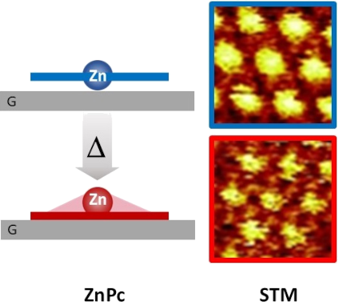
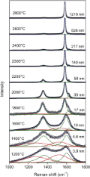
- background appears attenuated after annealing, which corresponds to an improved quenching by the graphene and suggests an increased interaction of the ZnPc π-conjugated electrons with graphene. Concerning the Raman scattering, the pattern formed by the three main peaks in the range 1300–1600 cm−1 is


Laser–material interactions in liquids for the synthesis of nanomaterials: current status and perspectives
Beilstein J. Nanotechnol. 2026, 17, 571–575, doi:10.3762/bjnano.17.38
- techniques capable of probing the initial stages of nanoparticle synthesis with high temporal and/or spatial resolution [32][33]. In particular, accessing the picosecond time window needed to capture the initial interaction of the ablation plume with the liquid environment, which defines the subsequent
Synthesis of Cu–Mo/TiO2 and Co–Mo/TiO2 photocatalysts for the efficient degradation of organic pollutants in water
Beilstein J. Nanotechnol. 2026, 17, 559–570, doi:10.3762/bjnano.17.37
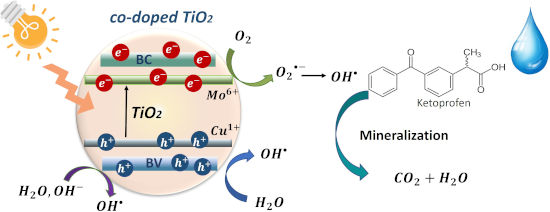
- incorporation of 0.5 wt % of molybdenum, the photocatalyst’s absorption slightly increases toward the visible spectrum. Likewise, the incorporation of both copper and cobalt increases the absorption in the visible spectrum, which may be a consequence of the interaction of Mo–TiO2 with the copper and cobalt
- the TiO2 spectrum, which can be assigned to band-to-band recombination [35], which may be caused by the interaction of electrons and holes present in the valence and conduction bands of TiO2 [36]. The photoluminescence spectra of co-doped materials show broad signals centered at 385 and 382 nm for
- photocatalysts are positively charged at pH < PZC, the electrostatic forces between the negatively charged organic molecules, such as the carboxylate groups of nonsteroidal anti-inflammatory drug molecules, and the positive charge of the catalyst surface, favor the interaction between both chemical species



Electrochemical determination of ciprofloxacin using a MIL-101/reduced graphene oxide-modified electrode
Beilstein J. Nanotechnol. 2026, 17, 541–554, doi:10.3762/bjnano.17.35
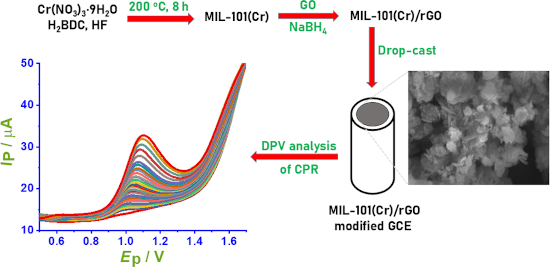
- declines at higher pH levels, showing that both CPR’s protonation state and its interaction with the electrode significantly influence the electrochemical response (Supporting Information File 1, Figure S3). As a result, pH 4 was selected as the optimal condition. Additionally, the oxidation peak potential
- in the interaction between the CPR molecules and the electrode surface at higher concentrations. At lower concentrations, CPR molecules are effectively adsorbed onto the active sites of the MIL-101/rGO-modified electrode, resulting in higher sensitivity. However, as the concentration increases, the
- -assisted method, displayed a favorable microstructure and strong interfacial interaction between MIL-101 and rGO, leading to an improved electrochemical response to ciprofloxacin oxidation. Electrochemical investigations showed that the modified electrode exhibited enhanced electrochemical performance and


Fractional shot noise of an SU(N) Kondo system
Beilstein J. Nanotechnol. 2026, 17, 515–540, doi:10.3762/bjnano.17.34
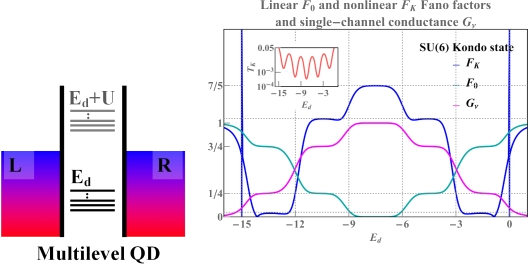
- of a single excess charge on the dot increases. Strong dynamic correlations start to play a dominant role when Coulomb interaction exceeds electron kinetic energy. For dots weakly coupled to the leads, many-body resonances build up at low temperatures, opening new paths for coherent transport. Due to
- contribution to noise is consistent with Landauer–Büttiker theory. Out-of-equilibrium interaction between quasiparticles shows up, and noise is nonlinear and strongly enhanced. This is caused by two-particle and three-particle scattering events and the accompanying backscattering processes [85]. In the present
- fluctuations. Therefore, this method cannot be used for analysis of nonlinear noise and non-diagonal susceptibilities. One way to solve this problem is to perform tedious calculations of fluctuations of boson fields around the saddle point [89][90]. The role of interaction beyond mean-field approximation can


![[Graphic 127]](/bjnano/content/inline/2190-4286-17-34-i187.svg?max-width=637&scale=1.18182)

Probing internal continua and atomic ultrafast charge transfer within size-controlled nanoparticles by post-collision interaction in core-hole clock spectroscopy
Beilstein J. Nanotechnol. 2026, 17, 505–514, doi:10.3762/bjnano.17.33
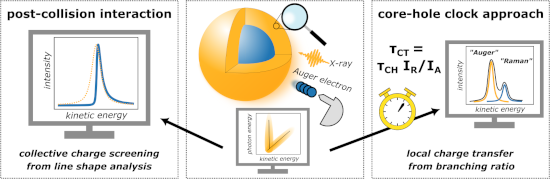
- -Liebknecht-Straße 24/25, 14476 Potsdam-Golm, Germany 10.3762/bjnano.17.33 Abstract This study investigates size-controlled, quantum-confined CdSe/ZnS core–shell quantum dots using core-hole clock spectroscopy in combination with post-collision interaction (PCI) line shape analysis, providing insights into
- -collision-interaction; quantum dots; resonant Auger spectroscopy; Introduction The interplay of electron localization, itinerance, and charge transfer is essential to functional nanoparticles and quantum dots (QDs) [1][2][3][4][5][6]. In terms of electronic structure properties, materials on the nanoscale
- nanoparticles via a line-shape analysis revealing post-collision interaction (PCI) effects within the conduction band continuum. We investigate CdSe/ZnS core–shell nanoparticles with a constant CdSe core size of 3.5 nm and varying shell thicknesses of ZnS that allow for atomic layer control with narrow size



Upcycling agroindustrial waste into graphene oxide supports for gold nanoparticles: toward sustainable nanomaterials
Beilstein J. Nanotechnol. 2026, 17, 489–504, doi:10.3762/bjnano.17.32
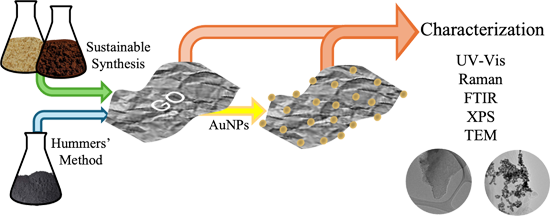
- photochemical growth of AuNPs. This approach takes advantage of the strong affinity between gold precursors and oxygen-containing functional groups on the GO surface, which act as nucleation and anchoring sites for AuNPs, thereby modulating their size, spatial distribution, and interaction with the carbon
- organic pollutants, including nitroaromatic compounds and dye molecules, under mild reaction conditions [57][58][59]. The synergistic interaction between AuNPs and GO enhances electron transfer, enabling lower noble-metal loading while maintaining high catalytic performance. Furthermore, AuNPs@GO
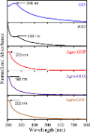
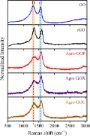
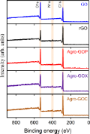
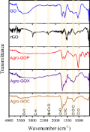
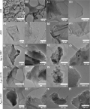
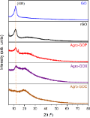
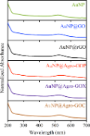
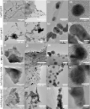
- agroindustrial waste-derived samples (Agro-GOP, Agro-GOX, and Agro-GOC). UV–vis spectra of AuNPs and AuNPs supported on GO samples. The plasmon resonance peak appears at 522 nm for AuNPs and is redshifted (526–531 nm) in the hybrids, indicating interaction with the GO surface. TEM images of AuNP-decorated GO



Defects and defect-mediated engineering of two-dimensional materials: challenges and open questions
Beilstein J. Nanotechnol. 2026, 17, 454–488, doi:10.3762/bjnano.17.31
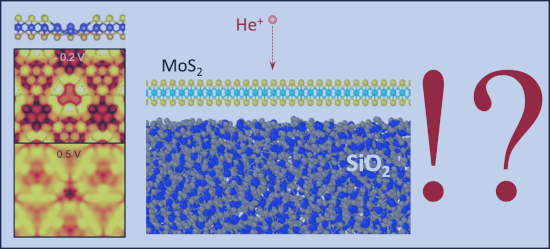
- Abstract Compared to bulk solids, defects in low-dimensional materials and, specifically, 2D systems are expected to have a stronger effect, detrimental or beneficial, on their properties. Owing to their geometry, defects in 2D materials can easily be formed due to the interaction with the environment or
- -mediated engineering of nanomaterials for energy and quantum applications” organized by the Beilstein-Institut. Following the discussions at the symposium, here, we present the challenges and open questions in our understanding of the behavior of defective 2D materials, interaction of energetic particles
- to the interaction with the environment, for example, because of oxidation. The imperfections have a strong influence on the electronic, optical, thermal, and mechanical properties of 2D materials [2][3]. They normally deteriorate the characteristics; but they can also be beneficial, for example, in





Nanocarrier-integrated multilayer films produced by 3D printing for improved skin adhesion and curcumin photostability
Beilstein J. Nanotechnol. 2026, 17, 440–453, doi:10.3762/bjnano.17.30
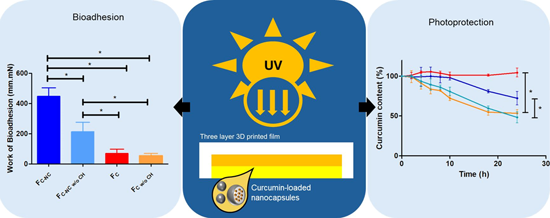
- previously demonstrated for SSE-based systems [27]. The incorporation of alginate contributes to biocompatibility and creates a hydrogel microenvironment resembling the extracellular matrix, which may favour tissue interaction [33]. The upper layer, composed of a CMC hydrogel containing titanium dioxide


Nanoinformatics: spanning scales, systems and solutions
Beilstein J. Nanotechnol. 2026, 17, 423–427, doi:10.3762/bjnano.17.28
- milk consisting of the six most abundant milk proteins found in natural cow milk and lactose, the most abundant sugar found in dairy products, based on their corresponding interaction strengths. The resulting freely accessible multiscale computational model enables predictions of the binding strength
- , preferred orientations, and relative abundance of the specified molecules on the specified material surfaces giving an insight into the mechanisms of bio–nano interaction [4]. Varsou et al. demonstrated a novel approach to evaluate the performance of different models for the same endpoint (zeta potential of
- to treat neurodegenerative disease [10]. Moving into the realm of mixture toxicity and environmental impacts of nanomaterials, Petry et al. investigated the interaction of graphene oxide (GO) with tannic acid (TA) and its consequences for GO toxicity to the earthworm Caenorhabditis elegans. Reactive

Biomimetic nanoparticles in cancer photodynamic therapy: a review of targeted delivery systems and therapeutic outcomes
Beilstein J. Nanotechnol. 2026, 17, 396–422, doi:10.3762/bjnano.17.27
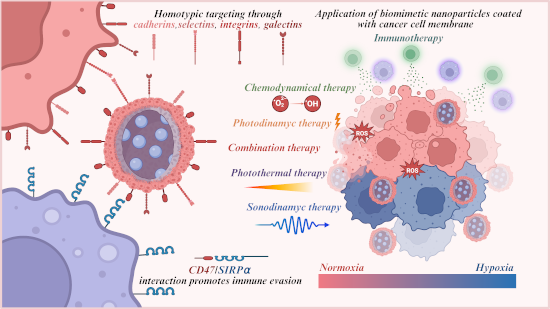
- interaction with target cells [58]. Common techniques include (i) physical co-extrusion, where nanoparticles and membranes are forced through porous membranes to form uniform coatings; (ii) sonication, which uses ultrasonic energy to induce membrane fusion and often favors correct protein orientation; and
- to damaged vasculature (common in tumors) and circulating tumor cells (CTCs); they also express CD47 for extended circulation and modulate immune cell interactions and inflammation [154]. These properties allow for deep tumor penetration and direct interaction with immune components within the TME


Eco-efficient materials for agricultural crops based on a mineral rich in MOR- and HEU-type zeolites
Beilstein J. Nanotechnol. 2026, 17, 381–395, doi:10.3762/bjnano.17.26
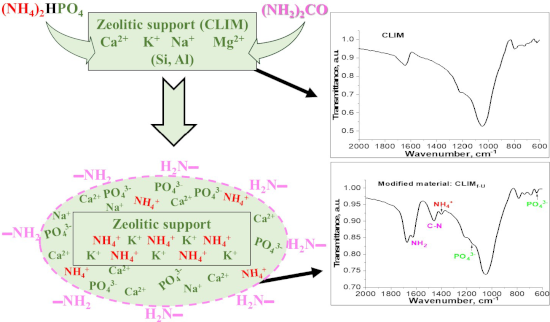
- affect the interaction of chemical species with the zeolitic matrix, altering the behaviour of the resulting materials. In this work, a mineral consisting mainly of a mixture of two zeolites, mordenite (MOR) and clinoptilolite-heulandite (HEU) with equivalent fractions, was used to develop materials
- key role in its interaction with various chemical species, which affects the behaviour of the resulting material. In general, due to the peculiarities of geochemical processes, only one main zeolitic phase is usually formed during the formation of zeolite deposits. This main phase coexists with other
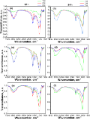
- absorption bands near to 1400 cm−1 corresponding to the bending vibrations of N–H bonds in NH4+-modified natural zeolites. In general, when ammonium interacts with the oxygen atoms of the zeolitic structure, various configurations are formed, each of which exhibits different interaction strength depending on




Polycatecholamine nanocoatings on stainless steel: the effect on attachment of human fibroblasts and platelets
Beilstein J. Nanotechnol. 2026, 17, 365–380, doi:10.3762/bjnano.17.25
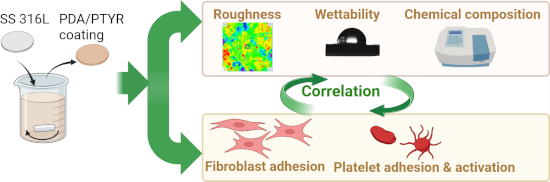
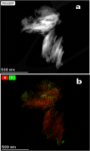
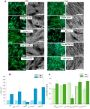
- integrins and, at the same time, high Rku with sharp nanofeatures hindered cell migration. As a result, there was no sufficient cell–cell interaction, which may lead to the detachment of cells [34]. It was reported that surfaces characterized by low CA values do not support fibroblast adhesion. Kim et al
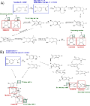
- groups (positively charged) are likely to promote platelet adhesion (negatively charged) by electrostatic interaction, as also observed in the case of SS-PDA 10 min variant. Moreover, low –NH2 content is linked to suppression of thrombogenicity since it enhanced maintaining the natural conformation of




Ferroelectric nanodot reservoir for neuromorphic computing
Beilstein J. Nanotechnol. 2026, 17, 352–364, doi:10.3762/bjnano.17.24
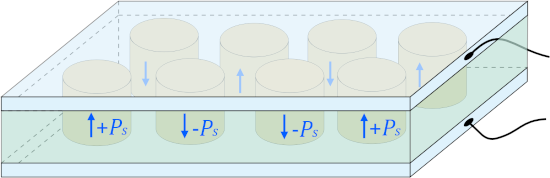
- interaction of local polarization with an effective dipolar field, where: The final term U0 is independent of the configuration {mi}. Because all Jij are positive, the system is highly frustrated, meaning it has many nearly degenerate states near the energy minimum, a property that enables high information
- interaction with the ferroelectric reservoir without physical wiring, expanding integration possibilities with optical platforms, scanning probe tools, and flexible electronics. In the implementations illustrated in Figure 7, the ferroelectric reservoir is operated using contactless methods for data input and
- coupled system. Interaction matrix and local fields arise naturally from electrostatic coupling, while the discrete polarization states map to binary Ising variables. This analogy provides a physically grounded platform for implementing neuromorphic functionality. The system operates through charge


Beam shaping techniques for pulsed laser ablation in liquids: Unlocking tunable control of nanoparticle synthesis in liquids
Beilstein J. Nanotechnol. 2026, 17, 309–342, doi:10.3762/bjnano.17.22
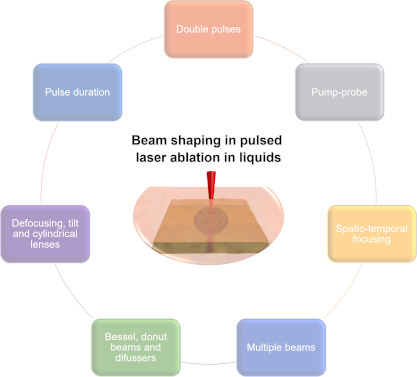
- –material interaction and temporal modification to optimise pulse duration and energy delivery. The current advancements in beam shaping techniques, their impact on the nanoparticle characteristics, and their broader implications for scaling pulsed laser ablation in liquids to meet industrial demands are
- they enable. Similarly, temporal pulse shaping modifies the interaction time and heat generation and dissipation, allowing for better control of overheat accumulation and nonlinear effects during ablation. These approaches provide a path toward more consistent and tunable NP synthesis, further
- synthesis and the underlying optical mechanisms including its influence on ablation efficiency, size control, and colloidal stability. Refractive elements rely on the interaction of light with a transparent material with a different refractive index than air. Standard refractive optics elements such as







Calculation of the dynamic stiffness of a cantilever under torsional oscillation
Beilstein J. Nanotechnol. 2026, 17, 303–308, doi:10.3762/bjnano.17.21
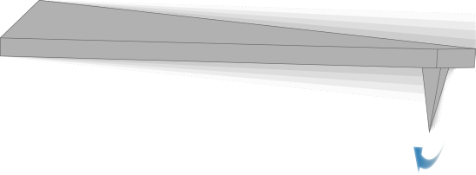
- the lateral interactions [7][12][13][14]. The torsional oscillation modes of AFM cantilevers are sensitive to in-plane interaction [15][16][17]. This method enabled highly accurate imaging of the in-plane crystalline orientation by utilizing friction information [14]. Quartz tuning fork AFM is useful
- of 4 pm [18]. Quantitative interpretation of the conservative interaction energy and the energy dissipation requires the stiffness of the oscillators [19][20][21]. The oscillator exhibits different stiffnesses in dynamic and static cases [22][23][24]. While the static stiffness is easily obtained

Fast vortex dynamics and relaxation times in NbRe-based heterostructures
Beilstein J. Nanotechnol. 2026, 17, 292–302, doi:10.3762/bjnano.17.20
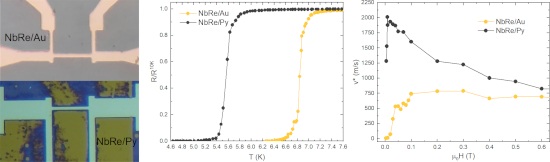
- ]. The enhancement of vortex dynamics and the reduction of τE are strongly linked to the optimization of quasiparticle relaxation mechanisms. Excited quasiparticles can relax primarily through two processes, namely thermal electron–phonon (e–ph) interaction and electron–electron (e–e) recombination [1
- , substrate-related thermal effects can be considered equivalent, and the observed differences can be attributed to the specific properties of the capping layers and their interaction with the superconducting film. In this respect, Au and Py are expected to affect the vortex dynamics in qualitatively


Advancing nanolithography: a comprehensive review of materials for local anodic oxidation with AFM
Beilstein J. Nanotechnol. 2026, 17, 275–291, doi:10.3762/bjnano.17.19
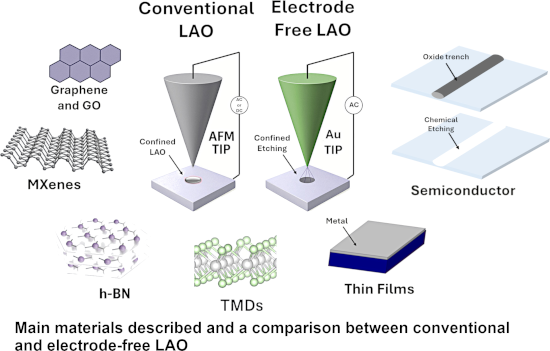
- low throughput of traditional SPL. 3.2.5 Machine learning. Optimizing LAO process parameters (such as pulse amplitude, width, and tip–sample interaction) remains a complex challenge. Recent developments in numerical simulation and machine learning (ML) offer promising avenues to address these





