Search results
Search for "nanoparticles (NPs)" in Full Text gives 239 result(s) in Beilstein Journal of Nanotechnology. Showing first 200.
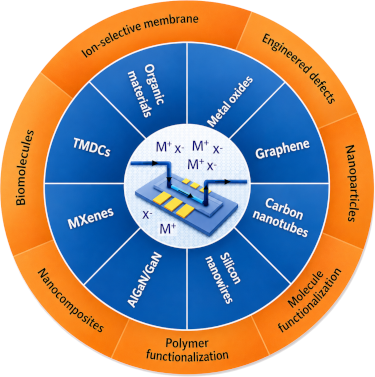
Materials challenges in solid-state sensors for continuous monitoring of ions in water
Beilstein J. Nanotechnol. 2026, 17, 935–973, doi:10.3762/bjnano.17.66



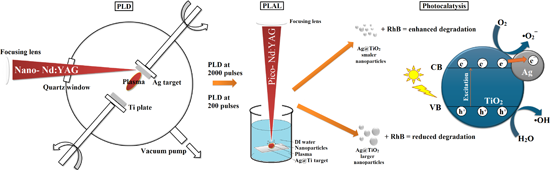
Two-step laser synthesis of Ag@TiO2 nanomaterials for the photocatalytic degradation of rhodamine B
Beilstein J. Nanotechnol. 2026, 17, 622–634, doi:10.3762/bjnano.17.43
- techniques, as illustrated in Figure 4a–f. The TEM images of the Ag@TiO2 200p and Ag@TiO2 2000p nanoparticles (NPs) are displayed in Figure 4a and Figure 4d, respectively. The synthesized nanoparticles exhibit a spherical morphology, with diameters varying from 97 to 331 nm for Ag@TiO2 200p NPs and from 86


Nanoinformatics: spanning scales, systems and solutions
Beilstein J. Nanotechnol. 2026, 17, 423–427, doi:10.3762/bjnano.17.28

- nanomaterial’s behaviour, preparation, or test conditions) [2]. Voyiatzis et al. computationally studied, using atomistic molecular dynamics simulations, the morphological transformations (from molten/amorphous to crystalline) during rapid cooling of 1–8 nm spherical gold and platinum nanoparticles (NPs), which

Beam shaping techniques for pulsed laser ablation in liquids: Unlocking tunable control of nanoparticle synthesis in liquids
Beilstein J. Nanotechnol. 2026, 17, 309–342, doi:10.3762/bjnano.17.22
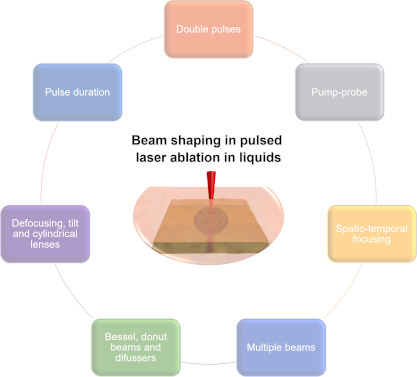
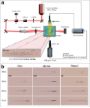
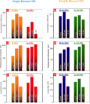
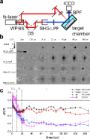
- , heating, and evaporation of the material, leading to plasma formation. The plasma cools down in the surrounding liquid releasing nanoparticles (NPs) into the liquid; the cooling process also generates gas bubbles from the liquid environment. These gas bubbles nucleate, forming a cavitation bubble (CB







Durable antimicrobial activity of fabrics functionalized with zeolite ion-exchanged nanomaterials against Staphylococcus aureus and Escherichia coli
Beilstein J. Nanotechnol. 2026, 17, 262–274, doi:10.3762/bjnano.17.18
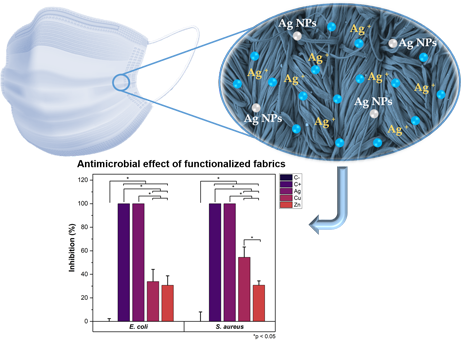
- nanotechnology has expanded into different areas of science, including physics, chemistry, biology, and medicine, over the past few decades [1][2]. Recently, nanoparticles (NPs), nanomaterials, and nanocomposites have been applied in various fields, including medicine and biotechnology, to reduce the recurrence




Quantitative estimation of nanoparticle/substrate adhesion by atomic force microscopy
Beilstein J. Nanotechnol. 2026, 17, 1–14, doi:10.3762/bjnano.17.1

- strategies for tailoring nanoparticle/substrate interactions. Keywords: adhesion; atomic force microscopy; magnetron sputtering; nanomanipulation; nanoparticles; Introduction Nanoparticles (NPs) are at the forefront of basic research and technological innovation, captivating researchers and engineers from
- adhesion energies, the model still highlights a key point: A higher impact energy does not necessarily lead to stronger NP adhesion. Conclusion In this study, we examined the adhesion properties of Cu nanoparticles (NPs) on Si substrates, with a focus on varying landing conditions affected by the applied



Improving magnetic properties of Mn- and Zn-doped core–shell iron oxide nanoparticles by tuning their size
Beilstein J. Nanotechnol. 2025, 16, 2285–2295, doi:10.3762/bjnano.16.157
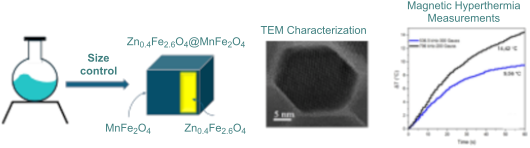
- substitution of Fe3+ ions by Zn2+ ions, which influence the lattice parameters without disrupting the spinel framework. HRTEM observations The primary objective of this study was to synthesize core–shell nanoparticles (NPs) with polyhedral morphology and enhanced magnetic properties. The synthesis approach



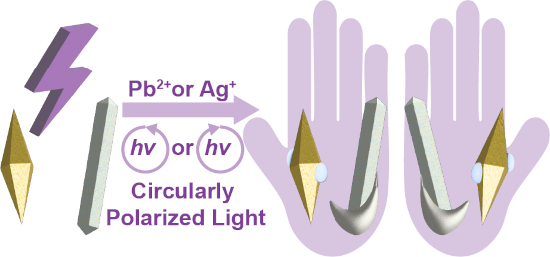
Chiral plasmonic nanostructures fabricated with circularly polarized light
Beilstein J. Nanotechnol. 2025, 16, 2245–2264, doi:10.3762/bjnano.16.154





Microplastic pollution in Himalayan lakes: assessment, risks, and sustainable remediation strategies
Beilstein J. Nanotechnol. 2025, 16, 2144–2167, doi:10.3762/bjnano.16.148
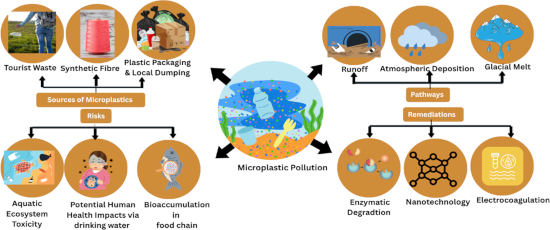
- -altitude lakes, where particles accumulate in the gut and gill tissues and interfere with normal physiological functions [113]. The low molecular weight of MPs, and particularly nanoparticles (NPs), allows them to easily translocate into organs and tissues resulting in inflammation, oxidative stress, and


Exploring the potential of polymers: advancements in oral nanocarrier technology
Beilstein J. Nanotechnol. 2025, 16, 1751–1793, doi:10.3762/bjnano.16.122
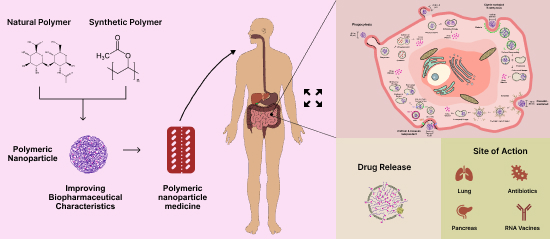
- investigated. These nanoparticles (NPs) preserve the bioactivity of the active compound during gastric transit and facilitate permeation through mucus and absorption by epithelial cells, enabling targeted delivery. In essence, PNs offer superior performance in protecting, targeting, and enhancing both the


Venom-loaded cationic-functionalized poly(lactic acid) nanoparticles for serum production against Tityus serrulatus scorpion
Beilstein J. Nanotechnol. 2025, 16, 1633–1643, doi:10.3762/bjnano.16.115
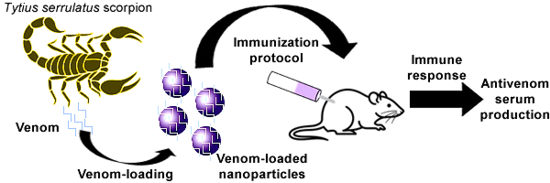
- -loaded PLA nanoparticles were fabricated by nanoprecipitation methods. In this technique, the PLA nanoparticles (NPs) were produced by low-energy solvent displacement and functionalized with polyethylenimine (cationic polymer) for the T. serrulatus protein adsorption. The NPs showed a mean diameter of
- *** or ###p < 0.001, ** or ##p < 0.01, or * or #p < 0.05 were considered statistically significant. Electrophoretic profile of Tityus serrulatus venom (Tsv), bovine serum albumin (BSA), PLA nanoparticles (NPs), T. serrulatus venom protein-loaded PLA nanoparticles at 0.5% (NPs + Tsv 0.5%), and T
- ± standard deviation. **p < 0.01 and *p < 0.05 compared to NPs + Tsv 1.0% group with AH + Tsv 1.0%. ##p < 0.01 compared to NPs + Tsv 0.5% group with AH + Tsv 0.5%. Encapsulation efficiency (EE), mean diameter and zeta potential of PLA nanoparticles (NPs), T. serrulatus venom protein-loaded PLA nanoparticles


Influence of laser beam profile on morphology and optical properties of silicon nanoparticles formed by laser ablation in liquid
Beilstein J. Nanotechnol. 2025, 16, 1533–1544, doi:10.3762/bjnano.16.108
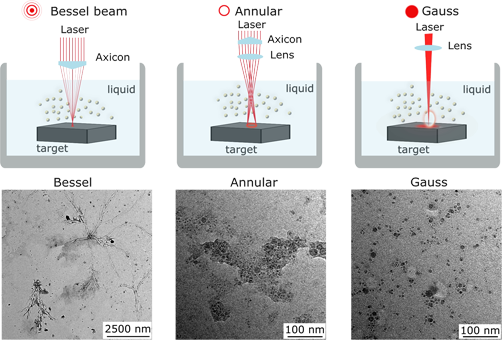
- Abstract In this study, silicon nanoparticles (NPs) were produced by pulsed laser ablation in a liquid, aiming to investigate the influence of a laser beam profile on the properties of the resultant NPs. Morphology, inner structure, and phase composition of the formed NPs were characterized by means of
- certain progress in this field, there is still a need for reliable and controlled synthesis methods for silicon-based nanostructures. Nowadays, pulsed laser ablation in liquids (PLAL) has been recognized as a general and important route for the synthesis of nanoparticles (NPs) with tuned optical and


Cross-reactivities in conjugation reactions involving iron oxide nanoparticles
Beilstein J. Nanotechnol. 2025, 16, 1504–1521, doi:10.3762/bjnano.16.106
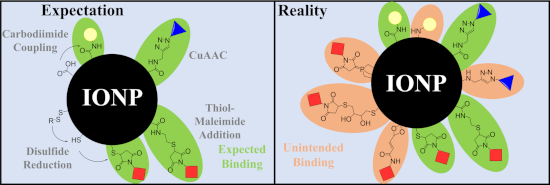
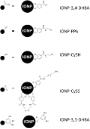
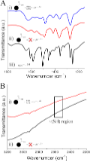
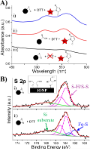
- ]. Magnetite (Fe3O4) nanoparticles (NPs), in particular, have been explored for these applications, due to their low toxicity, biocompatibility, and high saturation magnetization [4]. These applications require reliable and controlled surface functionalization to impart desired functionality, such as tissue







Laser processing in liquids: insights into nanocolloid generation and thin film integration for energy, photonic, and sensing applications
Beilstein J. Nanotechnol. 2025, 16, 1428–1498, doi:10.3762/bjnano.16.104
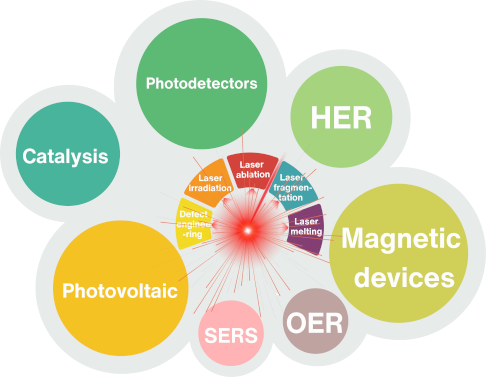
- examples of nanoparticle synthesis by laser ablation were discussed [7]. They have clearly depicted how the properties of the nanoparticles (NPs) depend strongly on size, shape, and size uniformity. Pulsed laser ablation in liquids (PLAL) is a promising method for producing pristine and supported materials






Enhancing the therapeutical potential of metalloantibiotics using nano-based delivery systems
Beilstein J. Nanotechnol. 2025, 16, 1350–1366, doi:10.3762/bjnano.16.98
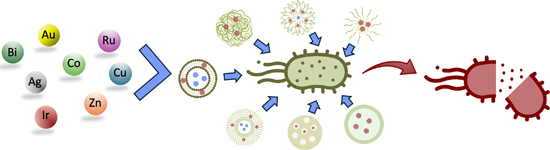
- , combining high biocompatibility, prolonged release properties, and the capacity to encapsulate a diverse range of therapeutic agents. Ongoing research efforts are focused on overcoming existing limitations to fully realize the clinical potential of SLNs [76]. Polymer nanoparticles. Polymeric nanoparticles
- (NPs) are highly versatile drug delivery systems that can be synthesized from natural or synthetic materials, providing a broad range of possible structures and characteristics. These NPs are typically fabricated through techniques such as emulsification, nanoprecipitation, or microfluidics, and can


Better together: biomimetic nanomedicines for high performance tumor therapy
Beilstein J. Nanotechnol. 2025, 16, 1246–1276, doi:10.3762/bjnano.16.92
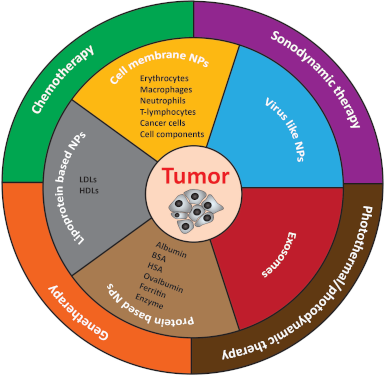
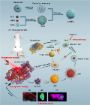
- , there is an ultimate need to produce suitable carriers, which can reduce the side effects and toxicity, while achieving high therapeutic efficacy. Consequently, the use of nanoparticles (NPs) has been proven a great breakthrough in the field of cancer treatment. NPs, smaller than 100 nm, show unique







Time-resolved probing of laser-induced nanostructuring processes in liquids
Beilstein J. Nanotechnol. 2025, 16, 968–1002, doi:10.3762/bjnano.16.74
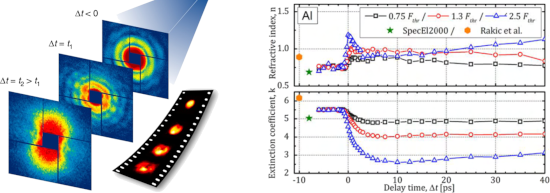
- scattering; Review Introduction Laser synthesis and processing of materials with emphasis on structure formation on the nanoscale offers a multitude of pathways to desired structure-related functions [1]. In green processes, nanostructures and nanoparticles (NPs) can be produced that serve applications in


Structural and magnetic properties of microwave-synthesized reduced graphene oxide/VO2/Fe2O3 nanocomposite
Beilstein J. Nanotechnol. 2025, 16, 921–932, doi:10.3762/bjnano.16.70
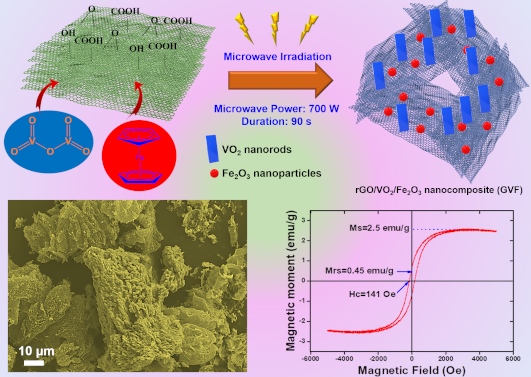
- to these approaches due to lesser time consumption and the lack of sophisticated instrumentation. In this aspect, Kumar et al. demonstrated a facile MW-assisted synthetic route for the perforation and decoration of Pd nanoparticles (NPs) on rGO sheets [10]. The resultant NC displayed its potential



Insights into the electronic and atomic structures of cerium oxide-based ultrathin films and nanostructures using high-brilliance light sources
Beilstein J. Nanotechnol. 2025, 16, 860–871, doi:10.3762/bjnano.16.65

- hybridization occurring at the interface between cerium oxide and metals, either as substrates [23], as supported nanoparticles (NPs) [26][27] or as dopants [28]. The insight provided by such studies is highly relevant, since cerium oxide is often combined with metals in various applications. For example, it


Synthesis and magnetic transitions of rare-earth-free Fe–Mn–Ni–Si-based compositionally complex alloys at bulk and nanoscale
Beilstein J. Nanotechnol. 2025, 16, 823–836, doi:10.3762/bjnano.16.62
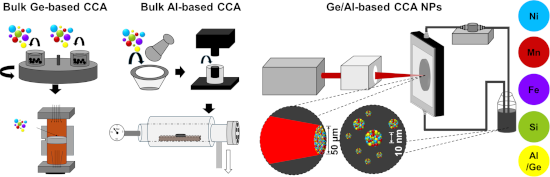
- are prepared by ball milling and spark plasma sintering or powder pressing and sintering. Nanoparticles (NPs) from the bulk materials are synthesized by pulsed laser ablation in liquid. Magnetization measurements confirm a ferromagnetic-to-paramagnetic phase transition in bulk alloys, with Tc = 179 K
- because they exhibit remarkable properties due to the interplay between their compositional complexity and nanoscale effects, such as a high surface-to-volume ratio and quantum confinement. These unique characteristics make CCA nanoparticles (NPs) highly suitable for catalysis [26][27], energy storage [28


Morphology and properties of pyrite nanoparticles obtained by pulsed laser ablation in liquid and thin films for photodetection
Beilstein J. Nanotechnol. 2025, 16, 785–805, doi:10.3762/bjnano.16.60
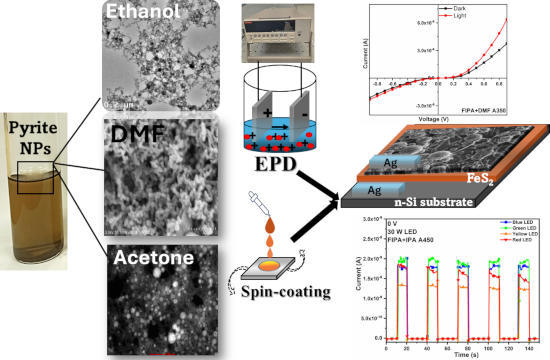
- disulfide (FeS2)) nanoparticles (NPs) of different morphologies using pulsed laser ablation in liquid (PLAL) in different organic solvents. The impact of the solvent on the morphological, compositional, and optical properties of the synthesized NPs is investigated by techniques such as transmission electron






Efficiency of single-pulse laser fragmentation of organic nutraceutical dispersions in a circular jet flow-through reactor
Beilstein J. Nanotechnol. 2025, 16, 711–727, doi:10.3762/bjnano.16.55
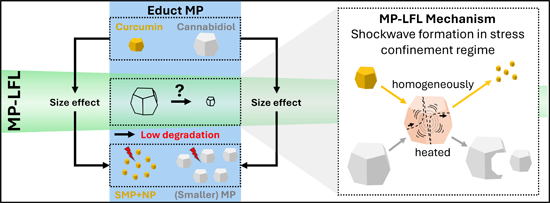
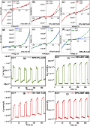
- ), and laser melting (LML) in liquids are aimed at synthesizing nanoparticles (NPs) from bulk targets (LAL), by downsizing (LFL), or by increasing/reshaping (LML) particle dispersions [1]. On the other hand, pulsed laser defect engineering in liquids (PUDEL) processes involve targeted post-treatment of


Nanomaterials in targeting amyloid-β oligomers: current advances and future directions for Alzheimer's disease diagnosis and therapy
Beilstein J. Nanotechnol. 2025, 16, 561–580, doi:10.3762/bjnano.16.44
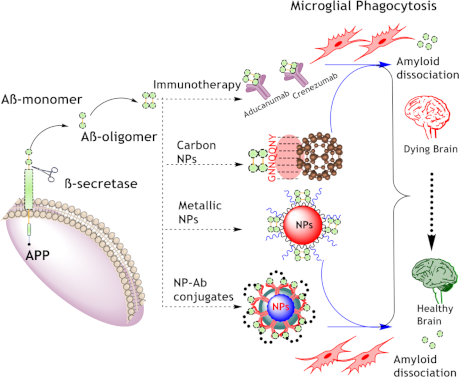
- biosensors for early diagnosis and improving the sensitivity of AβO detection. In imaging, nanoparticles (NPs) can help to visualize localized protein accumulation, complementing existing diagnostic methods. Materials such as carbon-based NMs (e.g., graphene oxide) and metal NPs (e.g., gold and silver


Size control of nanoparticles synthesized by pulsed laser ablation in liquids using donut-shaped beams
Beilstein J. Nanotechnol. 2025, 16, 407–417, doi:10.3762/bjnano.16.31
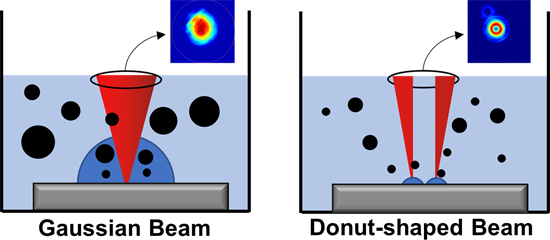
- nanoparticles (NPs) with defined particle sizes and narrow size distribution width is driven by the growing integration of nanomaterials into various industrial applications, such as medicine [1][2][3], catalysis [4][5], sensors [6][7], and additive manufacturing [8]. The performance of NPs typically depends on


Radiosensitizing properties of dual-functionalized carbon nanostructures loaded with temozolomide
Beilstein J. Nanotechnol. 2025, 16, 229–251, doi:10.3762/bjnano.16.18
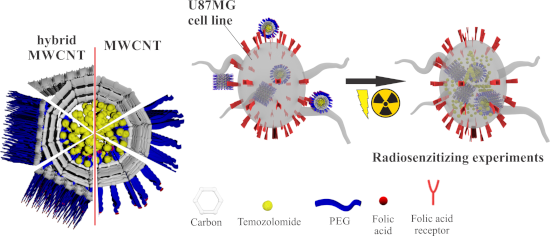
- incorporation of TMZ in organic and inorganic nanomaterials and their hybrids, designed in a wide variety of shapes such as nanoparticles (NPs), conjugates, dendrimers, and liposomes [35]. With various bioengineering techniques, the nanomaterials’ size, shape, and surface properties were modified to improve