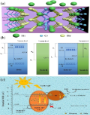
Search results
Search for "oxygen vacancies" in Full Text gives 110 result(s) in Beilstein Journal of Nanotechnology.
Influence of an external electric field on the catalytic CO oxidation of nanoscaled CeO2 and its La3+ and Gd3+ congeners
Beilstein J. Nanotechnol. 2026, 17, 1028–1038, doi:10.3762/bjnano.17.70
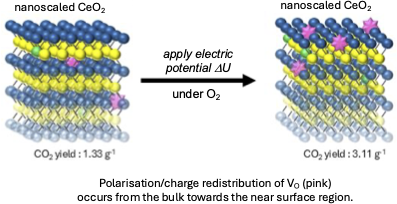
- external electrical field modulates the catalytic activity of nanoscale ceria (nCeO2) towards CO oxidation. Gd3+ and La3+ were doped into the nCeO2 lattice. Such doping influences the concentration and mobility of oxygen vacancies, which are promoting CO oxidation to CO2. When applying an electric
- example, Ce1−xMxO2−δ (M = metal) [3][16]. Under these conditions oxygen vacancies (VO) are formed. The incorporated dopant elements thus allow one to modify the coordination environment in the CeO2 lattice by creating oxygen vacancies, decreasing the energy of VO formation, and improving charge migration
- transport is commonly discussed in terms of small-polaron hopping between neighbouring cerium sites (Figure 4, left panel) [31][32][33][34]. In parallel, oxygen vacancies may rearrange within the fcc ceria lattice under suitable conditions (Figure 4, middle panel) [35]. In the present work, these processes


Materials challenges in solid-state sensors for continuous monitoring of ions in water
Beilstein J. Nanotechnol. 2026, 17, 935–973, doi:10.3762/bjnano.17.66
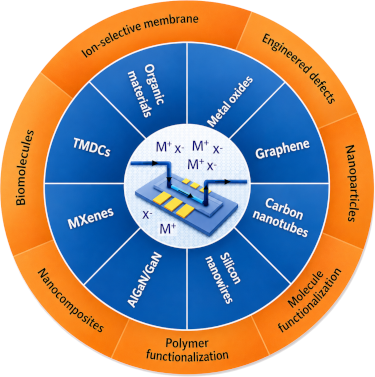
- transfer gets heavily modulated by surface adsorbate interactions and grain boundary barriers. Metal oxides typically show conductivities of 10−6–102 S/m, mobilities of 0.1–50 cm2/V·s, and electron concentrations of 1016–1019 cm−3. These values shift dramatically with oxygen vacancies, doping, and



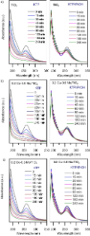
Synthesis of Cu–Mo/TiO2 and Co–Mo/TiO2 photocatalysts for the efficient degradation of organic pollutants in water
Beilstein J. Nanotechnol. 2026, 17, 559–570, doi:10.3762/bjnano.17.37
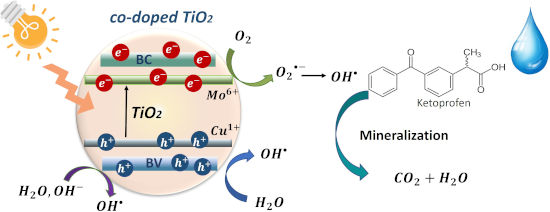
- can improve light absorption and photocatalytic activity of the material through the generation of oxygen vacancies, which act as electron traps [12]. The Mo6+ ion has a radius similar to that of Ti4+; thus, it is ideal for introduction into the TiO2 lattice without causing significant disturbances
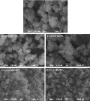
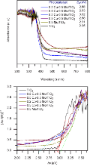
- causes the inhibition of crystalline phase transformation from anatase to rutile, which is an expected behavior for cationic dopants of valence higher than 4. The change in lattice parameters may also indicate the presence of oxygen vacancies created by the incorporation of impurities as Mo. The charge
- compensation could be mainly achieved by the ionized vacancies, especially by doubly ionized oxygen vacancies [29]. In addition, the volume cell increase was observed not only in the material Mo/TiO2, but also in the materials with the content of the two metal ions, which may indicate a slight contribution



Advancing nanolithography: a comprehensive review of materials for local anodic oxidation with AFM
Beilstein J. Nanotechnol. 2026, 17, 275–291, doi:10.3762/bjnano.17.19
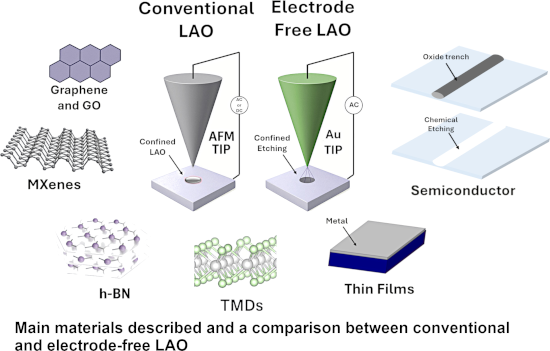
- oxide structure, while deeper regions exhibit increased contributions of Ti2O3 and TiO. The authors claim that the precise control of oxygen vacancies during LAO would enable the reproducible and scalable production of high-performance ReRAM devices. Aluminum oxidation by AFM LAO is well suited for


Microplastic pollution in Himalayan lakes: assessment, risks, and sustainable remediation strategies
Beilstein J. Nanotechnol. 2025, 16, 2144–2167, doi:10.3762/bjnano.16.148

- simultaneously utilizing the abundant UV radiation [75]. It has been demonstrated that the light absorption of ZnO and TiO2 is improved by defect engineering, such as the introduction of oxygen vacancies. According to Kim and Youn, these defects trap light energy, which lowers charge carrier recombination rates


Piezoelectricity of layered double hydroxides: perspectives regarding piezocatalysis and nanogenerators
Beilstein J. Nanotechnol. 2025, 16, 1812–1817, doi:10.3762/bjnano.16.124

- evidence demonstrated that dual oxygen vacancies in Ni/Fe-LDHs create interfacial bonds that mitigate carrier localization effects and unfavorable influences during piezocatalysis and photocatalysis. These features promote exciton dissociation and charge transfer. Furthermore, the strong electronic
- instead arise from triboelectric, electrochemical, or mechanochemical contributions. (2) Confusion of mechanisms: Different studies attribute performance improvements either to symmetry breaking (ultrathin LDH, loss of inversion centers, piezoelectrical properties), to defects (oxygen vacancies and

Photocatalytic degradation of ofloxacin in water assisted by TiO2 nanowires on carbon cloth: contributions of H2O2 addition and substrate absorbability
Beilstein J. Nanotechnol. 2025, 16, 1567–1579, doi:10.3762/bjnano.16.111
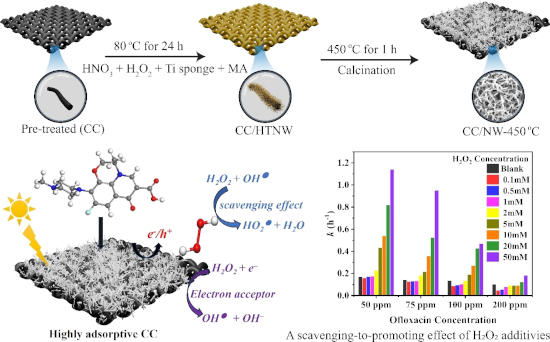
- , the content of hydroxyl groups in CC/HTNW is evaluated to be ca. 52%, which reduced to approximately 16% after the final air calcination, suggesting abundant residual surface oxygen vacancies in CC/NW-450 °C. These vacancies are beneficial for enhancing photocatalytic activity [26][27]. Photocatalytic


Laser processing in liquids: insights into nanocolloid generation and thin film integration for energy, photonic, and sensing applications
Beilstein J. Nanotechnol. 2025, 16, 1428–1498, doi:10.3762/bjnano.16.104






Enhancing the photoelectrochemical performance of BiOI-derived BiVO4 films by controlled-intensity current electrodeposition
Beilstein J. Nanotechnol. 2025, 16, 1289–1301, doi:10.3762/bjnano.16.94
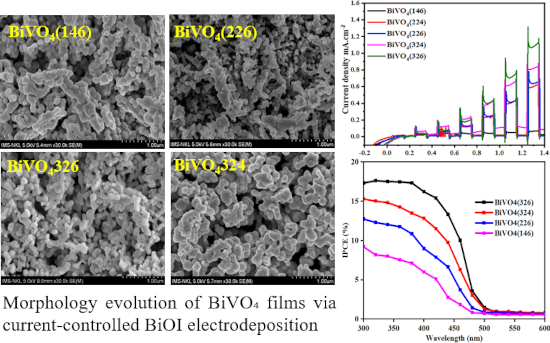
- improvements through stronger peaks, suggesting fewer defects. The decrease in the bandgap (≈0.16 eV) is consistent with research linking oxygen vacancies to band tailing in BiVO4 films [26]. Besides, Figure 3a shows that the BiVO4(326) and BiVO4(324) samples have absorption that goes beyond 520 nm, with some
- suggests an optimal concentration of oxygen vacancies that broadens light absorption while avoiding excessive recombination of the charge carriers. In contrast, BiVO4(146) has a clear absorption edge and very little tailing, indicating that it has fewer defects but does not absorb light well beyond 520 nm
- . These findings match other studies that connect oxygen vacancies to the spread of light absorption and smaller optical bandgaps in BiVO4 [26]. Vibrational properties (Raman) The Raman spectra (Figure 4) corroborated the XRD findings, displaying characteristic peaks of monoclinic BiVO4 at 219, 329, 370



Ar+ implantation-induced tailoring of RF-sputtered ZnO films: structural, morphological, and optical properties
Beilstein J. Nanotechnol. 2025, 16, 872–886, doi:10.3762/bjnano.16.66
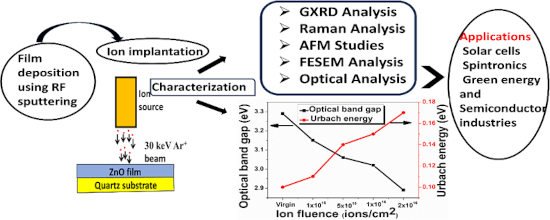
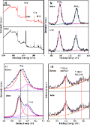
- optical phonon modes is ascribed to the formation of oxygen vacancies, which are supposed to be electron carriers in ZnO. Therefore, the evolution of the A1 (LO) mode acts as indirect evidence of a rise in carrier concentration, which can in turn alter the optical bandgap. Moreover, the presence of
- 4a). The A1 (LO) mode evolves because of defects present in the film in the form of oxygen vacancies, zinc interstitials, and their complexes. For the case of ZnO films implanted at 1 × 10¹⁵ ions·cm−2 fluence (Figure 4b), the intensity of the E2 (low) and A1 (LO) modes increases, while the peak
- . [14] have also reported such behavior of the A1 (LO) Raman mode in 300 keV argon ion-implanted ZnO films. Mondal et al. [29] and Li et al. [30] have ascribed these peaks centered at 577 and 554 cm−1 to oxygen vacancies and zinc interstitials, respectively. Moreover, the peak related to the A1 (LO






Retrieval of B1 phase from high-pressure B2 phase for CdO nanoparticles by electronic excitations in CdxZn1−xO composite thin films
Beilstein J. Nanotechnol. 2025, 16, 551–560, doi:10.3762/bjnano.16.43

- of the O K edge spectrum. This attenuation suggests that O ion irradiation diminishes the likelihood of core-level electronic transitions from O 1s to the hybridized Zn 4s–O 2p orbitals. It is plausible that O ion irradiation generates oxygen vacancies (VO) at lattice sites and introduces defects


Quantification of lead through rod-shaped silver-doped zinc oxide nanoparticles using an electrochemical approach
Beilstein J. Nanotechnol. 2025, 16, 422–434, doi:10.3762/bjnano.16.33
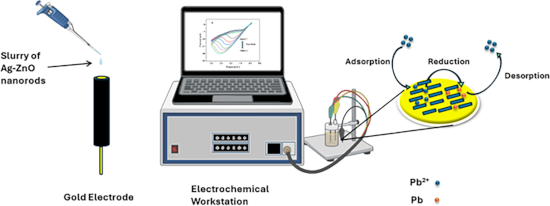
- of oxygen on the surface by means of the formation of oxygen vacancies, leading to enhanced catalytic activity. Also, the small doping of Ag introduces more active sites on the catalyst surface, potentially improving the overall catalytic activity [12][13]. This study demonstrates an efficient and
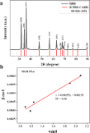
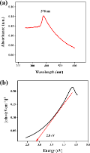
- region of the Brillouin zone. Oxygen vacancies are commonly linked to the A1(LO) phonon mode. The presence of a small peak at 218 cm−1 denotes the radial movement of Ag atoms. Raman peaks at around 356 cm−1 are specifically attributed to the A1(TO) mode. Also, the results of Ag doping in ZnO coincide





Emerging strategies in the sustainable removal of antibiotics using semiconductor-based photocatalysts
Beilstein J. Nanotechnol. 2025, 16, 264–285, doi:10.3762/bjnano.16.21
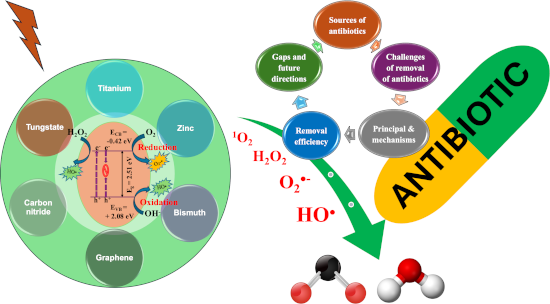
- recombination rates, and the generated oxygen vacancies, ultimately enhancing catalytic efficiency in visible light or solar-simulated light. The durability of the modified TiO2 relied on the number of electrons in the dopants and their ionic size. Although researchers have significantly improved the catalytic
- photocatalyst [74]. In a recent study, Jeyaprakash and coworkers [75] synthesized Ti3+-doped TiO2 with oxygen vacancies utilizing ultrasonic treatment for the degradation of tetracycline (TC) via sono-photocatalysis under visible halogen lamp irradiation. The modified TiO2 demonstrated remarkable degradation of



Mn-doped ZnO nanopowders prepared by sol–gel and microwave-assisted sol–gel methods and their photocatalytic properties
Beilstein J. Nanotechnol. 2024, 15, 1283–1296, doi:10.3762/bjnano.15.104
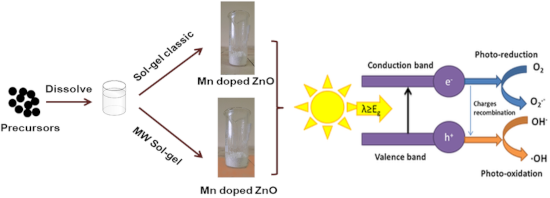
- activity of the modified nanomaterials can be modulated by the dopant concentration. Figure 9 shows for both investigated samples a main emission peak at 420 nm and a smaller one at 480 nm. According to the literature data, both maxima correspond to the excitonic PL related to surface oxygen vacancies and
- signal of the SG sample (assigned to surface oxygen vacancies and defects) and can be further analyzed taking into account the photocatalytic test results. Photocatalytic activity Oxidative photodegradation of oxalic acid in aqueous solution (Figure 13) was used to compare the catalytic activity of the


Effect of repeating hydrothermal growth processes and rapid thermal annealing on CuO thin film properties
Beilstein J. Nanotechnol. 2024, 15, 743–754, doi:10.3762/bjnano.15.62
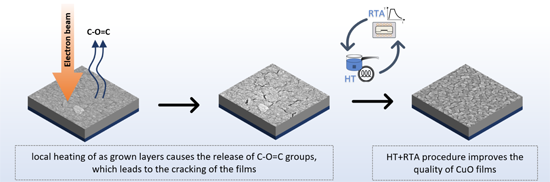
- structural properties and elemental composition among the 1×, 2×, and 3× samples. Hence, it is believed that the most probable cause for the increasing work function value is the annealing atmosphere of the samples (O2/N2, 1:1) [66]. The presence of oxygen in the annealing atmosphere fills the oxygen
- vacancies present in the material, consequently leading to an elevation in the work function value. The combination of O2 and N2 was chosen over pure oxygen because of cost-effectiveness. At the same time, efforts were made to ensure that the selected annealing atmosphere was closer to the composition of




Elastic modulus of β-Ga2O3 nanowires measured by resonance and three-point bending techniques
Beilstein J. Nanotechnol. 2024, 15, 704–712, doi:10.3762/bjnano.15.58
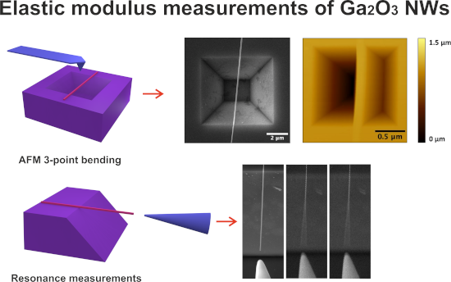
- error simulations of the geometry uncertainty indicate that a ±25 nm width error (SEM method) and ±15 nm height error (AFM method) for NWs with 100 nm width/height corresponds to the observed scattering in elastic modulus values in Figure 4. Finally, point defects, such as oxygen vacancies, can increase
- the average bond length and thus result in a reduction in the elastic modulus [31][32][33]. For example, Wang et al. [34] showed that ZnO NWs with a higher density of oxygen vacancies, inferred from photoluminescence measurements, exhibited significantly (up to 20%) lower Young’s modulus. Wang et al
- . [35] measured a lower (up to 16%) elastic modulus for Al2O3 NBs in comparison to the theoretical value and attributed this difference to oxygen vacancies within NBs. As per our previous study [36], our as-grown Ga2O3 NWs exhibit a strong photoluminescence band related to oxygen vacancies, indicating a


Aero-ZnS prepared by physical vapor transport on three-dimensional networks of sacrificial ZnO microtetrapods
Beilstein J. Nanotechnol. 2024, 15, 490–499, doi:10.3762/bjnano.15.44
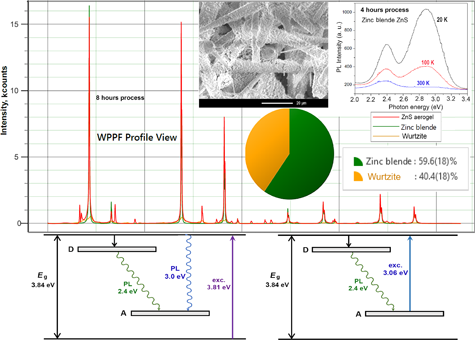
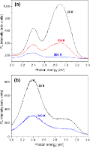
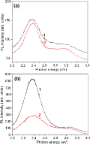
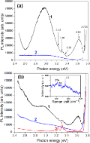
- processes, including those related to oxygen species adsorbed by the huge surface of the aeromaterial, as previously observed in ZnS nanostructures [42]. Some of these states may be related to oxygen vacancies and complex centers. Under ambient conditions, some oxygen species from the air are adsorbed at
- the surface states, forming complexes with oxygen vacancies. These complexes may be responsible for the PL band around 2.4 eV. Under vacuum conditions, the oxygen species are desorbed from the surface, annihilating the formed complexes. As a result, the intensity of the PL band around 2.4 eV decreases
- [43]. The adsorption of oxygen species from the environment on the sample surface promoted by oxygen vacancies results also in a strong interaction between the photoexcited electrons captured by oxygen vacancies and the adsorbed oxygen species. The formation of the SnO2 phase in the prepared aero-ZnS



Classification and application of metal-based nanoantioxidants in medicine and healthcare
Beilstein J. Nanotechnol. 2024, 15, 396–415, doi:10.3762/bjnano.15.36
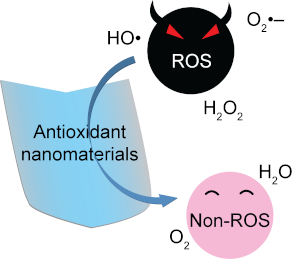
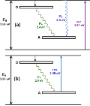
- ]. The heterostructures increase surface electron deficiency, redox couples, and oxygen vacancies through an intrinsic electric field and lattice mismatch at the metal–semiconductor interface. Thus, a high level of oxygen vacancies enhances the adsorption and activation of oxygen-containing ROS, that is
- higher Ce4+ content are known to have higher CAT activity, while cerium nanomaterials with greater Ce3+ content enhance SOD activity. It was reported that Ce3+ has more oxygen vacancies providing more active sites for the binding of superoxide radicals on the surface [77][78][79]. By controlling the Ce3


Controllable physicochemical properties of WOx thin films grown under glancing angle
Beilstein J. Nanotechnol. 2024, 15, 350–359, doi:10.3762/bjnano.15.31
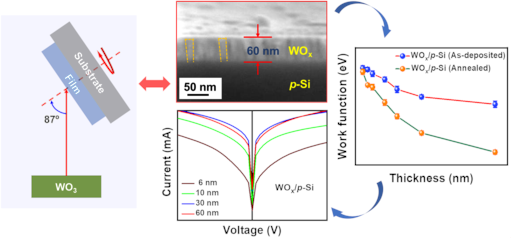
- revealed from the XRD studies, as-deposited NS-WOx films are amorphous in nature, whereas post-growth vacuum-annealed (at 673 K for 1 h) films show an amorphous-to-crystalline structural phase transition. XPS analysis confirms an increasing concentration of defect density in the form of oxygen vacancies
- conduction across the heterojunction with increasing film thickness indicates a possible role of oxygen vacancies in facilitating smooth charge transport till the thickness reaches 30 nm, above which the series resistance effect within the WOx film starts to dominate. Overall, this study demonstrates a wide


The microstrain-accompanied structural phase transition from h-MoO3 to α-MoO3 investigated by in situ X-ray diffraction
Beilstein J. Nanotechnol. 2023, 14, 692–700, doi:10.3762/bjnano.14.55
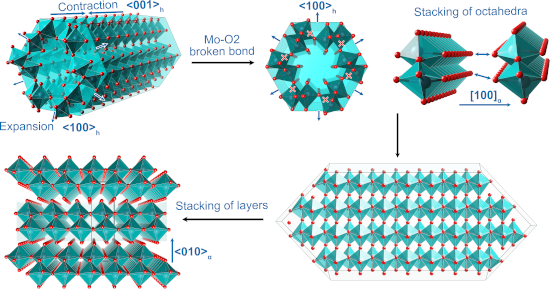
- from +2 to +6 [1][2], leading to a range of molybdenum oxides. Molybdenum oxides include the fully stoichiometric MoO3 with a large bandgap above 2.7 eV, the reduced oxides MoO3−x with oxygen vacancies, and the semimetal MoO2. The degree of reduction influences the bandgap energy of molybdenum oxides


Titania nanoparticles for photocatalytic degradation of ethanol under simulated solar light
Beilstein J. Nanotechnol. 2023, 14, 616–630, doi:10.3762/bjnano.14.51
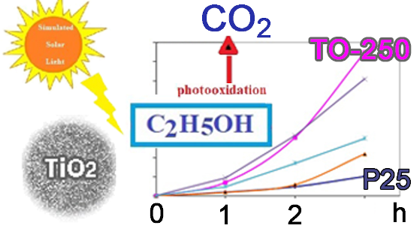
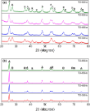
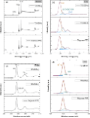
- indicate changes regarding the variation of the nanoparticle surfaces according to the value of the working pressure. Since XPS analysis is a surface measurement and the samples were calcined in air, the possibility to identify the presence of Ti3+ species and oxygen vacancies is small, but we do not




Plasmonic nanotechnology for photothermal applications – an evaluation
Beilstein J. Nanotechnol. 2023, 14, 380–419, doi:10.3762/bjnano.14.33




Bismuth-based nanostructured photocatalysts for the remediation of antibiotics and organic dyes
Beilstein J. Nanotechnol. 2023, 14, 291–321, doi:10.3762/bjnano.14.26
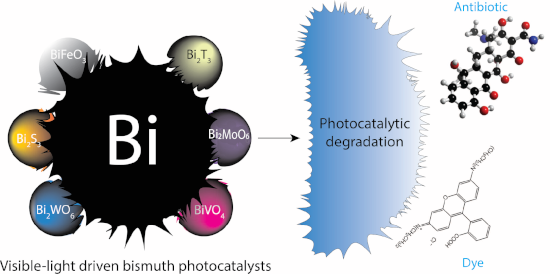
- ][104][110][144][145][146][147][148][149][150]. Doping reduces the bandgap energy, introduces intermediate energy levels to overcome constraints, creates trap sites to capture photogenerated charge carriers, and increases the absorption of visible light. Additionally, after doping, oxygen vacancies or


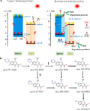
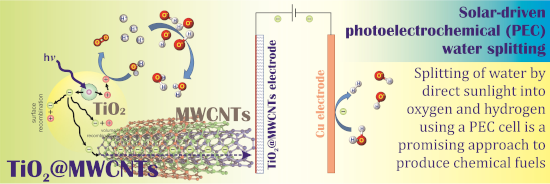
A TiO2@MWCNTs nanocomposite photoanode for solar-driven water splitting
Beilstein J. Nanotechnol. 2022, 13, 1520–1530, doi:10.3762/bjnano.13.125
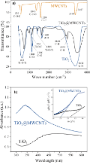
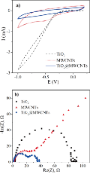
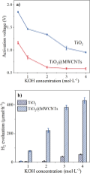
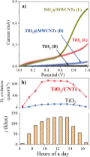
- transforms into rutile. This could be due to the carbon components on the MWCNTs acting as a robust reducing agent for facilitating the transformation from anatase to rutile TiO2 by forming oxygen vacancies [30]. Generally, the capacitance of the photoelectrochemical electrode is associated with the



Recent trends in Bi-based nanomaterials: challenges, fabrication, enhancement techniques, and environmental applications
Beilstein J. Nanotechnol. 2022, 13, 1316–1336, doi:10.3762/bjnano.13.109
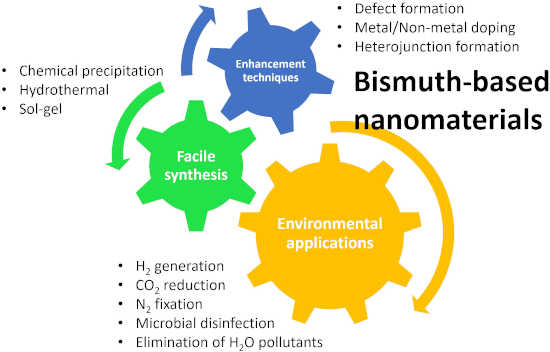
- type of halogen used. The activation of otherwise inert CO2 and H2O molecules is greatly aided by the ease with which photoinduced oxygen vacancies (OVs) are produced on the surface [25]. The excellent photocatalytic performance can be attributed to the layered crystal structures and small bandgap
- sample synthesized at pH 4 demonstrated outstanding visible-light photocatalytic performance regarding the degradation of RhB. This was due to the low thickness, exposed (001) facets, and an appropriate number of oxygen vacancies. This work proposed that revolutionary photoexcitation mechanisms were
- found on oxygen vacancies. Irradiation with visible light excites the electrons in the VB to transition into defect states. In addition, photogenerated defect states cannot readily recombine with photogenerated holes because oxygen vacancies operate as electron traps. Because of this, electrons trapped