


Search results
Search for "radicals" in Full Text gives 232 result(s) in Beilstein Journal of Nanotechnology. Showing first 200.
Ultrasonic irradiation in the synthesis of nanohydroxyapatite: a chemically friendly technique for improving hemocompatibility and antibiofilm applications
Beilstein J. Nanotechnol. 2026, 17, 991–1015, doi:10.3762/bjnano.17.68
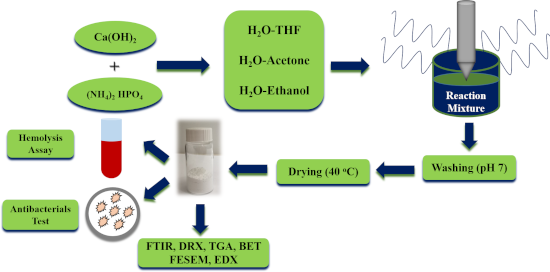
- sonochemical theory calculations and experimental evidence, this process can generate local temperatures as high as 3000 K and local pressures as high as 1000 atm, heating and cooling the medium at rates as high as 109 K/s [16]. In this harsh reaction environment, ions, free radicals, and other highly reactive
- energy is available to induce ethanol pyrolysis, whose fragments interact with the hydroxyl radicals (OH•) generated by water sonolysis to favor the synthesis of carbonate groups. This mechanism, although complex, is supported by the efficacy of sonochemical processes in converting organic solvents into




Cellulose as a photocatalyst support material: extraction, structural features, and environmental applications
Beilstein J. Nanotechnol. 2026, 17, 635–652, doi:10.3762/bjnano.17.44
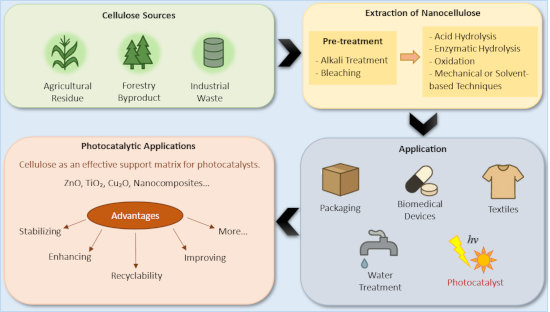
- absorb photons from light, typically ultraviolet (UV) radiation or visible light, and generate reactive oxygen species (ROS) such as hydroxyl radicals (•OH) or superoxide radicals (O2•−) through photoexcitation [16][17]. In photocatalytic degradation, the catalysts typically used are semiconductor


Synthesis of Cu–Mo/TiO2 and Co–Mo/TiO2 photocatalysts for the efficient degradation of organic pollutants in water
Beilstein J. Nanotechnol. 2026, 17, 559–570, doi:10.3762/bjnano.17.37
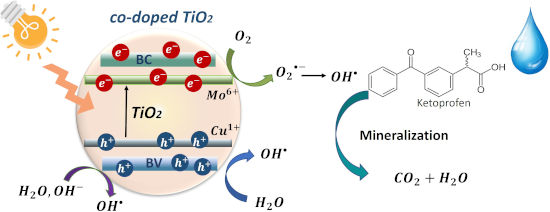
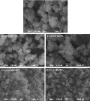
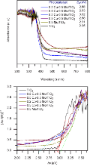
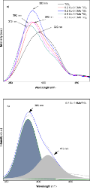
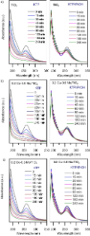
- the complete degradation of ketoprofen and 90% of mineralization. It was determined that HO· radicals play an important role in the oxidation reactions. Keywords: co-doping; photocatalysis; titanium dioxide; water remediation; Introduction Water is an essential part of every living entity
- (AOPs) have been considered an alternative to conventional water treatment technologies [2]. They are initiated through the formation of reactive and short-lived radicals (e.g., ·OH, HOO·, ·O2−), where the hydroxyl radical (HO·) is the most reactive and powerful oxidant (E0 = 2.7 V), which reacts with
- intermediate organic products detected and the reaction route, it was determined that hydroxyl radicals, HO·, play the major role in the oxidation mechanism during the photodegradation reaction. To obtain more information about the photocatalytic oxidation mechanism of ketoprofen in this work, the importance



Nanocarrier-integrated multilayer films produced by 3D printing for improved skin adhesion and curcumin photostability
Beilstein J. Nanotechnol. 2026, 17, 440–453, doi:10.3762/bjnano.17.30
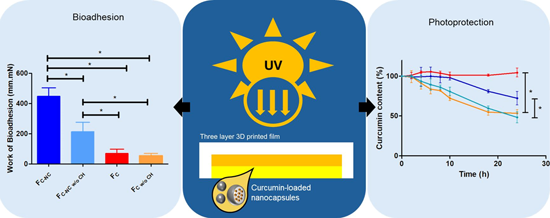
- as antioxidant activity through reactions with free radicals or reactive oxygen species (ROS) and inhibition of lipid peroxidation and DNA damage. These mechanisms contribute to reduced oxidative stress and enhanced wound-healing processes [17]. Consequently, curcumin is currently under investigation


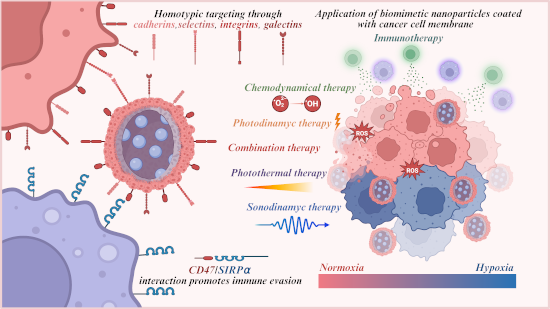
Biomimetic nanoparticles in cancer photodynamic therapy: a review of targeted delivery systems and therapeutic outcomes
Beilstein J. Nanotechnol. 2026, 17, 396–422, doi:10.3762/bjnano.17.27


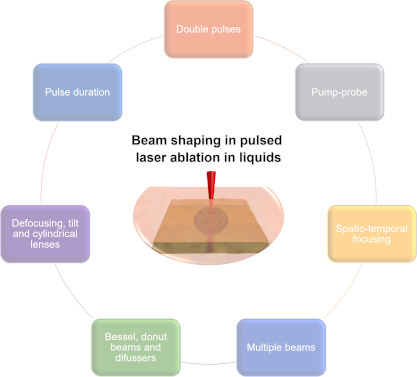
Beam shaping techniques for pulsed laser ablation in liquids: Unlocking tunable control of nanoparticle synthesis in liquids
Beilstein J. Nanotechnol. 2026, 17, 309–342, doi:10.3762/bjnano.17.22
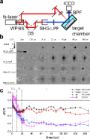
- . These effects facilitate multiphoton absorption and avalanche ionisation processes, effectively lowering the breakdown threshold of the liquid compared to NP-free conditions. This is shown by the fluence dependence of the generation rate of hydroxyl radicals during optical breakdown in water in the







Optical bio/chemical sensors for vitamin B12 analysis in food and pharmaceuticals: state of the art, challenges, and future outlooks
Beilstein J. Nanotechnol. 2025, 16, 2207–2244, doi:10.3762/bjnano.16.153
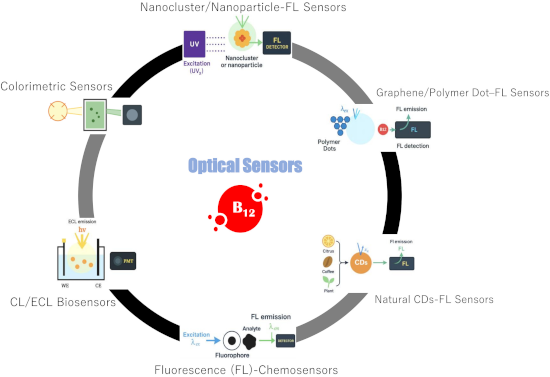
- , facilitating luminol oxidation in the catalytic presence of AuNPs, thereby generating a potent CL emission. The catalytic action of AuNPs enables the conversion of luminol to luminol radicals via interaction with AgNO3, which subsequently reacts with dissolved oxygen to produce CL emission. This innovative CL


Microplastic pollution in Himalayan lakes: assessment, risks, and sustainable remediation strategies
Beilstein J. Nanotechnol. 2025, 16, 2144–2167, doi:10.3762/bjnano.16.148
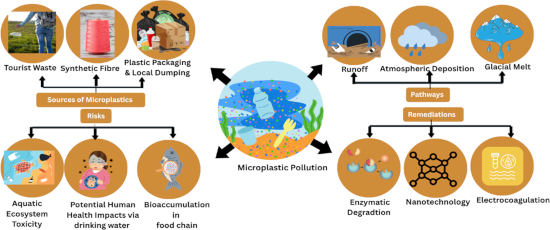
- MPs. They are therefore ideal for use in high-altitude lakes [44]. The goal of chemical methods for MP remediation is to convert polymers into non-toxic substances. Advanced oxidation processes (AOPs) use strong oxidants like ozone, hydrogen peroxide, or hydroxyl radicals to break down MPs [45]. The
- -altitude pH variability. 6 Nanomaterial applications in microplastic remediation 6.1 Role of photocatalysis in degradation Photocatalysis uses nanomaterials to break down MPs by converting light energy, often UV or visible light, into ROS. These ROS, which include superoxide anions and hydroxyl radicals


Rapid synthesis of highly monodisperse AgSbS2 nanocrystals: unveiling multifaceted activities in cancer therapy, antibacterial strategies, and antioxidant defense
Beilstein J. Nanotechnol. 2025, 16, 2105–2115, doi:10.3762/bjnano.16.145
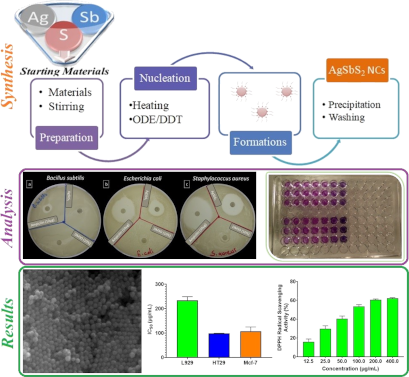
- novel antimicrobial agents. Nanoparticle therapy is emerging as a prominent avenue toward that end [8]. Free radicals represent an important focus in pharmacological research. The severity of oxidative stress, defined as the imbalance between the formation of reactive oxygen/nitrogen species (ROS/RNS
- cascade of events leads to DNA breakage, heightened expression of death receptors, and ultimately culminates in apoptosis-driven cell death [10]. Therefore, nanoparticles can be considered as a medical agent in the treatment of various diseases that can be caused by free radicals, such as cancer
- ratio and enhanced surface reactivity [30]. These features, combined with the tunable surface chemistry of nanoparticles, allow for efficient interactions with free radicals and facilitate electron transfer reactions, resulting in robust antioxidant activity [49]. This activity involves scavenging free


Stereodiscrimination of guests in chiral organosilica aerogels studied by ESR spectroscopy
Beilstein J. Nanotechnol. 2025, 16, 2034–2054, doi:10.3762/bjnano.16.140
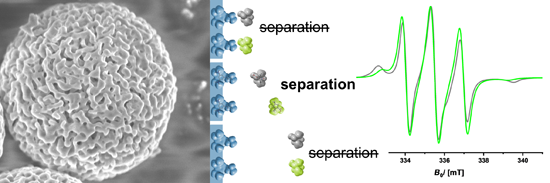
- , one is able to gather information about transport processes happening at 1–3 nm. If one selects an appropriate spin probe, the ESR spectra contain much valuable information. Line shape analysis and spin relaxation times can provide information on the motion and reactivity of trapped radicals. This can
- distance of ≈4 nm between the surface-attached radicals. It needs to be mentioned that the method of Ionita et al. [70] is sensitive only for very small distances below 5 nm; if distances between the spins are larger, the degree of dipolar coupling is too small to lead to notable changes in the ESR




Laser ablation in liquids for shape-tailored synthesis of nanomaterials: status and challenges
Beilstein J. Nanotechnol. 2025, 16, 1963–1997, doi:10.3762/bjnano.16.137
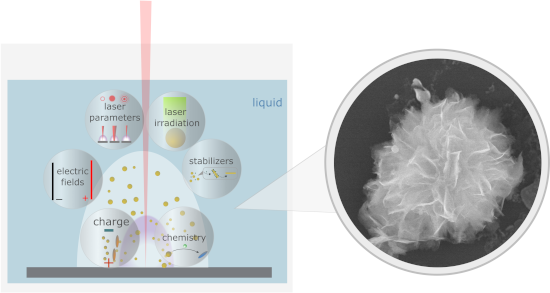
- hydrogen and peroxide radicals, as well as hydroxide and hydrogen ions that are changing the liquid parameters (such as pH) and can participate in the processes occurring with NPs during the later stages of growth, self-organization, and ageing. The produced reactive species might result in NP surface
- , but typically highly active species, such as radicals and ions, are formed. Their adsorption and reactions at the NP surface results in composition, shape, and structure transformations induced in NPs. As an example, Zhang et al. [30] explained the formation of Mn-doped Ni(OH)2 nanosheets, observed
- during Mn target ablation in a nickel chloride solution, by the involvement of hydrogen radicals, hydroxide ions, and hydroxyl groups reacting with Ni2+ ions. The authors state further shape transformation of the formed nanosheets into hierarchical spheres. In a similar process, Hunter et al. [51





Piezoelectricity of layered double hydroxides: perspectives regarding piezocatalysis and nanogenerators
Beilstein J. Nanotechnol. 2025, 16, 1812–1817, doi:10.3762/bjnano.16.124

- biocompatibility might exhibit a piezoelectric effect under ultrasound irradiation and generate superoxide anion radicals [5]. The results confirmed the potential of the selected LDH for application in novel piezocatalytic tumor therapy as an effective sonosensitizer. The obtained data indicated that the

Electrical, photocatalytic, and sensory properties of graphene oxide and polyimide implanted with low- and medium-energy silver ions
Beilstein J. Nanotechnol. 2025, 16, 1794–1811, doi:10.3762/bjnano.16.123
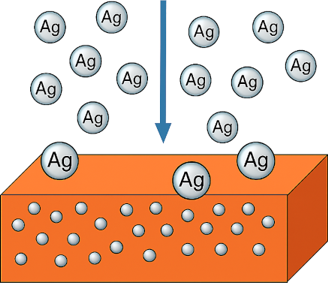
- ions are due to electronic stopping power (Se) and nuclear stopping power (Sn) [4]. Electronic stopping most often leads to the excitation of electrons to higher energy levels or to the ionization of the atoms and contributes to the formation of free radicals [21]. In contrast, nuclear stopping most
- formation of free radicals and their subsequent recombination [26]. The results obtained from the XPS analysis, in conjunction with the RBS findings, reveal a consistent trend indicative of ongoing carbonization processes occurring in the surface layers of the PI samples. The reduction in oxygen-containing
- consequently enhance the photocatalytic power [34]. Another process that may influence the photocatalytic degradation of rhodamine B is the presence of free radicals. Free radicals are generated during ion implantation in which the implanted ion significantly ionizes its surroundings, resulting in the


Exploring the potential of polymers: advancements in oral nanocarrier technology
Beilstein J. Nanotechnol. 2025, 16, 1751–1793, doi:10.3762/bjnano.16.122
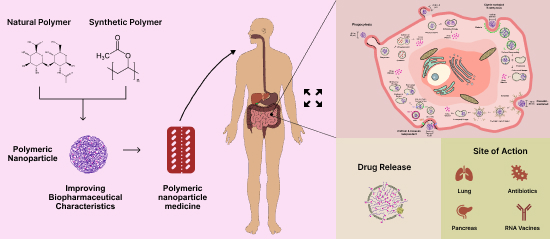
- frequently involve non-biodegradable monomers, generate non-biocompatible byproducts, and require extensive purification to eliminate potentially toxic residues, thereby complicating scalability and regulatory compliance. Moreover, the use of free radicals or ultraviolet light to initiate polymerization


Multifunctional anionic nanoemulsion with linseed oil and lecithin: a preliminary approach for dry eye disease
Beilstein J. Nanotechnol. 2025, 16, 1711–1733, doi:10.3762/bjnano.16.120
- inhibition percentage) was calculated using Equation 2 [57]. The IC50 (the concentration required to achieve 50% inhibition) of the radical scavenging activity was determined via linear regression analysis [58]. where Abscontrol, represents the absorbance of the DPPH radicals, Abssample, represents the



Nanotechnology-based approaches for the removal of microplastics from wastewater: a comprehensive review
Beilstein J. Nanotechnol. 2025, 16, 1607–1632, doi:10.3762/bjnano.16.114
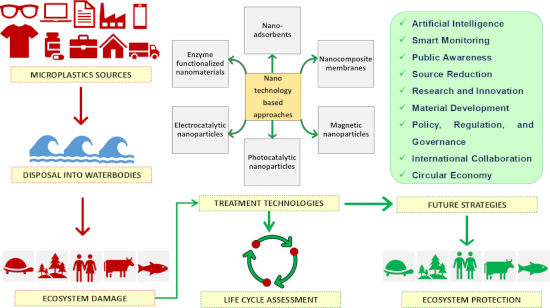
- generating highly reactive radicals through techniques such as Fenton and photo-Fenton reactions, UV/H2O2 systems, ozonation, TiO2, photocatalysis, and electrochemical oxidation [53]. These methods hold potential for breaking down MPs into smaller, less harmful by products, although optimization and
- pollutants adsorbed on its surface. In Fenton and Fenton-like processes, hydroxyl (•OH) radicals are formed when hydrogen peroxide reacts with a metallic active phase, such as Fe2+, facilitating the oxidation and breakdown of contaminants [58]. Table 2 depicts the advantages and limitations of various
- biological treatments aimed at removing organic contaminants [96]. In photocatalysis, under UV illumination, electron–hole pairs are generated. These pairs interact with water molecules and dissolved oxygen to generate reactive oxygen species, such as hydroxyl radicals and superoxide anions. These highly


Photocatalytic degradation of ofloxacin in water assisted by TiO2 nanowires on carbon cloth: contributions of H2O2 addition and substrate absorbability
Beilstein J. Nanotechnol. 2025, 16, 1567–1579, doi:10.3762/bjnano.16.111
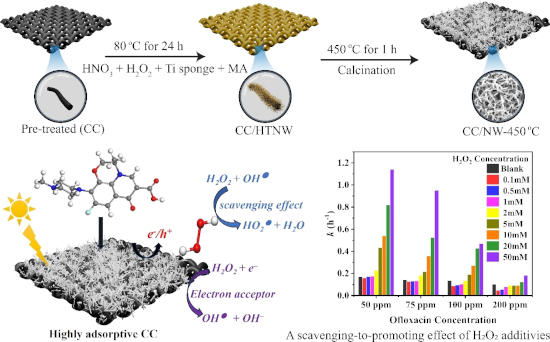
- concentration were studied. The higher production of hydroxyl radicals (•OH) in the degradation of organic pollutants enhances the degradation efficiency of OFL. The TiO2 nanowires exhibited significant photodegradation of OFL in water with a high initial concentration range of 50–200 ppm, which is much higher
- beyond which the H2O2 additive contributes to OFL degradation. This dual behavior can be attributed to competing roles of H2O2 in advanced oxidation processes. At sub-critical concentrations, H2O2 may act as a scavenger of hydroxyl radicals (OH•) or holes (h+), reducing their availability for OFL
- degradation, as explained by (Equation 5): Above the critical concentration, H2O2 primarily serves as an electron acceptor (Equations 6 and 7), generating additional OH• radicals via reactions with superoxide radicals (O2•–) or photogenerated electrons (e–) [28], demonstrated by the subsequent reactions


Laser processing in liquids: insights into nanocolloid generation and thin film integration for energy, photonic, and sensing applications
Beilstein J. Nanotechnol. 2025, 16, 1428–1498, doi:10.3762/bjnano.16.104






Ferroptosis induction by engineered liposomes for enhanced tumor therapy
Beilstein J. Nanotechnol. 2025, 16, 1325–1349, doi:10.3762/bjnano.16.97
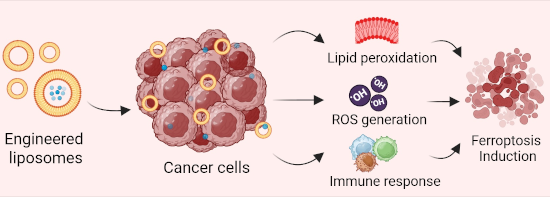
- a common biomarker of ferroptosis [22]. In general, ferroptosis begins with the Fenton reaction, in which unsaturated lipid molecules are oxidized by •OH radicals produced when iron ions and H2O2 are combined [28]. An iron-containing porphyrin molecule called hemin can also trigger ferroptosis
- site [88]. (III) Organic peroxides are chemical compounds with one or more oxygen bonds. The bond between the two oxygen atoms (O–O) can be easily disrupted, leading to the formation of alkoxy radicals (•RO). These organic peroxides are commonly employed to induce oxidative damage in cellular models


Better together: biomimetic nanomedicines for high performance tumor therapy
Beilstein J. Nanotechnol. 2025, 16, 1246–1276, doi:10.3762/bjnano.16.92






Functional bio-packaging enhanced with nanocellulose from rice straw and cinnamon essential oil Pickering emulsion for fruit preservation
Beilstein J. Nanotechnol. 2025, 16, 1234–1245, doi:10.3762/bjnano.16.91
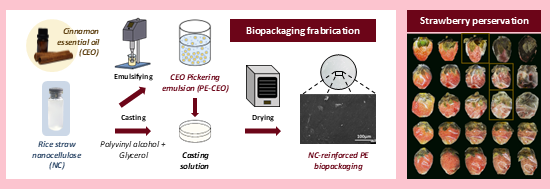
- radicals [47]. The antioxidative performance of the films aligns with previous studies on essential oil-infused biopolymer matrices, confirming their potential to enhance food packaging stability by preventing oxidative degradation [48]. With increasing CEO concentration, transmittance decreased
- kept in the dark for 30 min. Measurements was performed using a 754 STECH INTERNATIONAL (China) UV–vis spectrophotometer at 517 nm. The DPPH radicals scavenging ability was calculated using (Equation 6): where Acontrol is the absorbance of the sample without the test substance, Asample is the



Hydrogels and nanogels: effectiveness in dermal applications
Beilstein J. Nanotechnol. 2025, 16, 1216–1233, doi:10.3762/bjnano.16.90
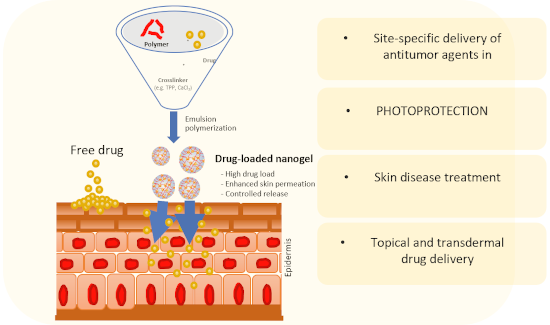
- . (2017), the authors developed an innovative hydrogel that can be directly injected into the injured skin. The benefits associated with wound healing stand out: self-regeneration potential, antibacterial activity, neutralization of free radicals, high adhesion to the skin, and biocompatibility. These


Crystalline and amorphous structure selectivity of ignoble high-entropy alloy nanoparticles during laser ablation in organic liquids is set by pulse duration
Beilstein J. Nanotechnol. 2025, 16, 1141–1159, doi:10.3762/bjnano.16.84
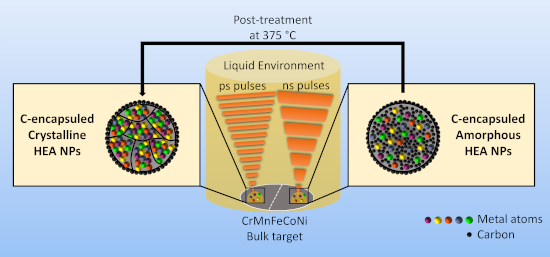
- organic solvents, active carbon species (radicals, permanent gases, degradation and condensation products as well as elemental carbon) were shown to form by various studies, conducting techniques such as gas-displacement quantifications and subsequent analysis via gas chromatography-coupled techniques [92




Fabrication of metal complex phthalocyanine and porphyrin nanoparticle aqueous colloids by pulsed laser fragmentation in liquid and their potential application to a photosensitizer for photodynamic therapy
Beilstein J. Nanotechnol. 2025, 16, 1088–1096, doi:10.3762/bjnano.16.80
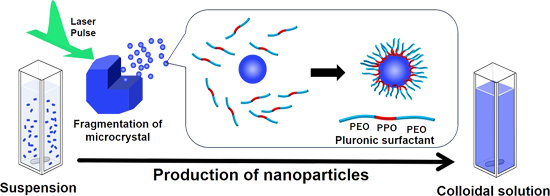
- photosensitized ROS generation was examined by using 1,3-diphenylisobenzofuran (DBPF) as chemical quencher. DPBF is a substance that reacts efficiently with ROS such as singlet oxygen, hydroxyl radicals, and superoxide anions [32][33][34]. The generation of ROS was monitored by absorption spectroscopy of the


Time-resolved probing of laser-induced nanostructuring processes in liquids
Beilstein J. Nanotechnol. 2025, 16, 968–1002, doi:10.3762/bjnano.16.74
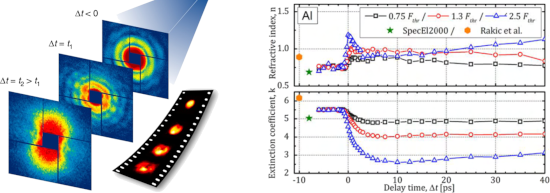
- , liquid water produces hydrated electrons and water cations (H2O+), which undergo proton transfer with neighboring water molecules at timescales shorter than 100 fs to generate hydroxyl radicals (OH) and hydronium cations (H3O+) [97]. Simultaneously, the ionized electrons in the excited p-like state
- undergo rapid solvation by neighboring water molecules in ≈50 fs or transition nonadiabatically to the s-like state at a similar timescale [98][99][100]. The hydrated and thermalized electrons then recombine with ion cores and hydroxyl radicals through geminate and non-geminate recombination processes





