


Search results
Search for "scalability" in Full Text gives 91 result(s) in Beilstein Journal of Nanotechnology.
Restorative potential of laser-synthesized silver nanoparticles with Salvia officinalis for periodontal disease treatment: an in vitro study
Beilstein J. Nanotechnol. 2026, 17, 781–795, doi:10.3762/bjnano.17.55
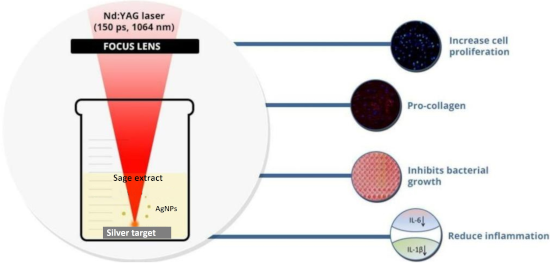
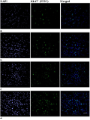
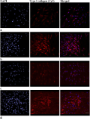
- chemical synthesis [5][6], recent advances in laser systems have significantly improved its scalability. Importantly, the absence of chemical reagents and purification steps reduces downstream processing costs, making PLAL a promising and economically feasible approach for the production of high-purity



Environmental applications of silver nanoparticles: state-of-the-art review and emerging trends
Beilstein J. Nanotechnol. 2026, 17, 697–736, doi:10.3762/bjnano.17.49
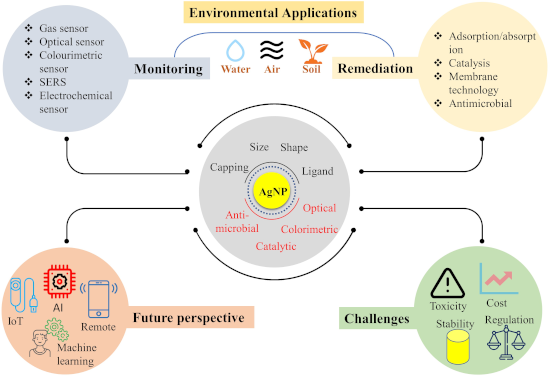
- simplicity, scalability, versatility, and ability to control size [36]. Chemical reduction methods are widely used to synthesise AgNPs, utilising reducing agents such as sodium borohydride, citrate, and ascorbic acid to reduce silver ions in solution, followed by the use of capping agents or stabilisers to


Protein-based custom-designed molecular nanotraps for biomedical applications
Beilstein J. Nanotechnol. 2026, 17, 683–687, doi:10.3762/bjnano.17.47

- . The scalability and environmental friendliness of this approach, together with the inherent biodegradability of the natural polymers, support their translational potential. At a critical perspective, while the use of proteins for the preparation of bioMIPs could prove competitive with established

Cellulose as a photocatalyst support material: extraction, structural features, and environmental applications
Beilstein J. Nanotechnol. 2026, 17, 635–652, doi:10.3762/bjnano.17.44
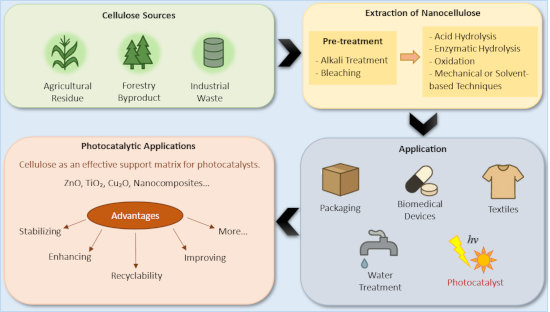
- photodegradation of organic pollutants by photocatalyst. This review aims to summarize current methods for extracting cellulose-based materials, focusing on their technical, economic, and environmental aspects. Key considerations include yield, purity, energy use, and scalability. The discussion includes
- dispersions. Recent studies have also examined mixed-acid systems, which aim to balance reactivity and dispersion by blending different mineral acids. Yet, while this approach appears promising, further investigation is still needed to optimize processing conditions and improve scalability [41][59]. Figure 4


Defects and defect-mediated engineering of two-dimensional materials: challenges and open questions
Beilstein J. Nanotechnol. 2026, 17, 454–488, doi:10.3762/bjnano.17.31
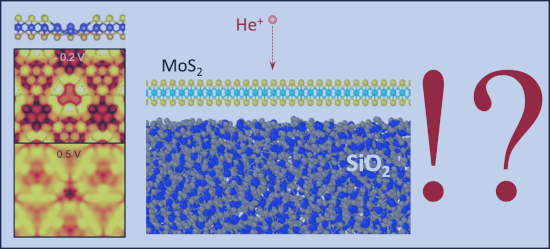
- for the atoms in the investigated material, or under specific imaging conditions using STM, as described in section “Where are the limits for controlled defect engineering in terms of spatial precision, single type or size (e.g., hole size), and scalability?”. As a non-invasive technique, Raman
- the groundwork for spin-based quantum technologies in van-der-Waals materials. Where are the limits for controlled defect engineering in terms of spatial precision, single type or size (e.g., hole size), and scalability? Defect engineering in 2D materials is of obvious relevance for applications. For
- controlled defect engineering. We will see that it is not each single factor, spatial precision, uniformity of defect species, and scalability, that creates the challenge, but their combination. STM is a tool that provides atomic precision and has been used successfully for atomic manipulation. Recent





Biomimetic nanoparticles in cancer photodynamic therapy: a review of targeted delivery systems and therapeutic outcomes
Beilstein J. Nanotechnol. 2026, 17, 396–422, doi:10.3762/bjnano.17.27
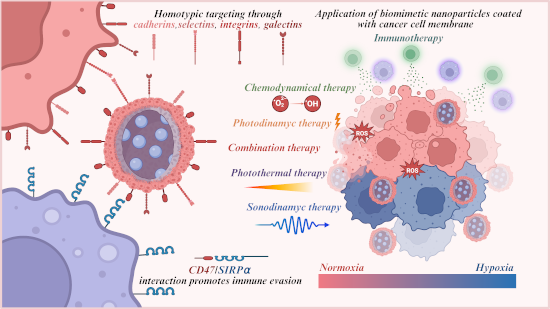
- isolation procedures, heterogeneity, scalability limitations, and potential loss of membrane protein activity during processing [122]. CCM-coated platforms involve cloaking synthetic nanoparticle cores (e.g., PLGA, silica, and metal-organic frameworks (MOFs)) with membranes derived from tumor cells [123
- parent cancer cell type, restricting broad applicability, and scalability challenges in membrane production and fusion. RBC membrane-coated platforms employ the readily available membranes of RBCs to encapsulate nanoparticle cores [130]. Their primary advantages are their exceptional ability to evade the
- advantageous, the precise molecular mechanisms governing MSC homing require further elucidation, and scalability/reproducibility of MSC culture and membrane isolation remain practical challenges. Immune cell membrane-based platforms incorporate membranes from various immune cells (e.g., macrophages


Ferroelectric nanodot reservoir for neuromorphic computing
Beilstein J. Nanotechnol. 2026, 17, 352–364, doi:10.3762/bjnano.17.24
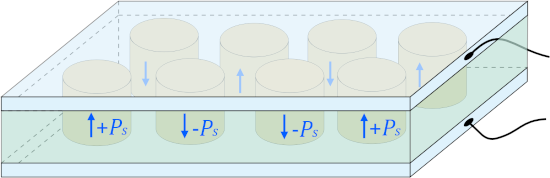
- distinguishes it from traditional logic-oriented implementations and brings it closer to biologically inspired neural architectures. The distinction between the single- and multiinput configurations shown in Figure 1 reflects the system’s scalability and adaptability. In real-world neuromorphic systems
- neuromorphic purposes using abstract or spin-based physical systems [43][44], the ferroelectric platform described here uniquely combines analog configurability, scalability, and low-energy operation due to the intrinsic dielectric polarization physics. In contrast to spintronic or CMOS-based implementations


Beam shaping techniques for pulsed laser ablation in liquids: Unlocking tunable control of nanoparticle synthesis in liquids
Beilstein J. Nanotechnol. 2026, 17, 309–342, doi:10.3762/bjnano.17.22
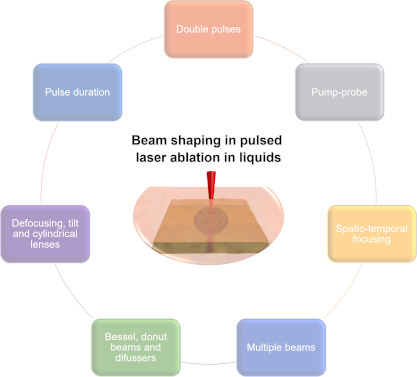
- categories, that is, catalysis [90], advanced materials [91], sensing and filtration [92], and bio-applications [93]. Figure 2 schematically illustrates this classification. However, several limitations remain that hinder the widespread industrial adoption of PLAL, including the overall yield and scalability







Advancing nanolithography: a comprehensive review of materials for local anodic oxidation with AFM
Beilstein J. Nanotechnol. 2026, 17, 275–291, doi:10.3762/bjnano.17.19
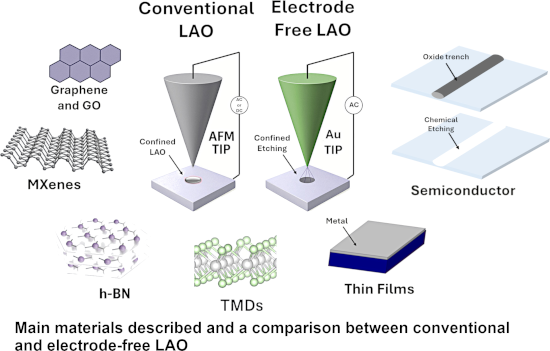
- dichalcogenides, demonstrate unique oxidation behaviors, enabling high-resolution applications in electronics and quantum devices. Recent advancements, such as electrode-free LAO, have expanded the range of applicable materials and improved the precision and scalability of the process. This paper also aims to
- ], making it the preferred technique for large-scale, uniform coatings. However, LAO remains advantageous for high-resolution, direct-write patterning at the nanoscale, despite its limited scalability. Furthermore, the resulting LAO oxide can be easily etched by mild acid solutions [40] or water [24]. A
- precision. EBL, although not a scanning probe technique, remains the industrial standard for high-resolution patterning and sets the baseline for assessing scalability and throughput. Their inclusion highlights where LAO stands relative to established nanolithography methods and clarifies its unique


Safe and sustainable by design with ML/AI: A transformative approach to advancing nanotechnology
Beilstein J. Nanotechnol. 2026, 17, 176–185, doi:10.3762/bjnano.17.11
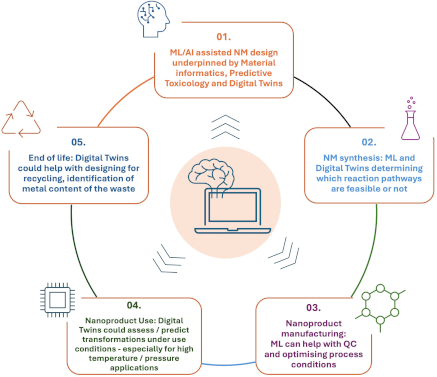
- . Role of ML/AI for scalability and complexity The increasing complexity of ENMs calls for advanced, data-driven computational tools to enhance analysis and decision-making. ML and AI play a crucial role in this effort, offering powerful capabilities for: (1) Predictive toxicology: AI-driven quantitative


From shield to spear: Charge-reversible nanocarriers in overcoming cancer therapy barriers
Beilstein J. Nanotechnol. 2026, 17, 159–175, doi:10.3762/bjnano.17.10
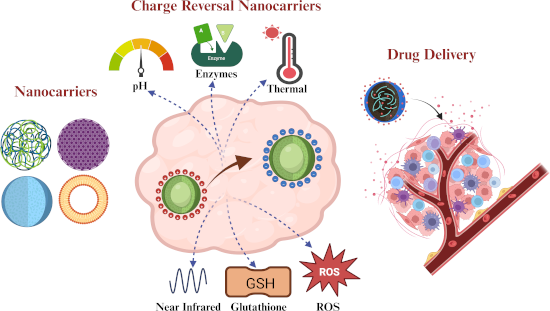
- theranostics. Despite these promising developments, challenges related to nanocarrier stability, safety, manufacturing scalability, and regulatory approval still impede clinical translation. Nevertheless, emerging trends in nanocarrier design, the advancement of personalised medicine, and integration with
- reproducibility among various formulations [97]. In addition, the synthesis of CRNs often involves elaborate multistep processes to achieve accurate charge-switching properties, which can lead to inconsistencies between production batches and create scalability challenges [98]. The inclusion of diverse functional


Capabilities of the 3D-MLSI software tool in superconducting neuron design
Beilstein J. Nanotechnol. 2026, 17, 122–138, doi:10.3762/bjnano.17.8

- and Gauss neurons whose layouts (see Figure 5) were obtained mainly by scaling down previously studied prototypes [26][27]. Some design adjustments were made also to explore the scalability of neurons layouts and to suppress screen-mediated interactions. In particular, the minimum linewidth of the



Functional surface engineering for cultural heritage protection: the role of superhydrophobic and superoleophobic coatings – a comprehensive review
Beilstein J. Nanotechnol. 2026, 17, 63–96, doi:10.3762/bjnano.17.6




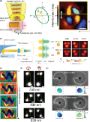
Chiral plasmonic nanostructures fabricated with circularly polarized light
Beilstein J. Nanotechnol. 2025, 16, 2245–2264, doi:10.3762/bjnano.16.154
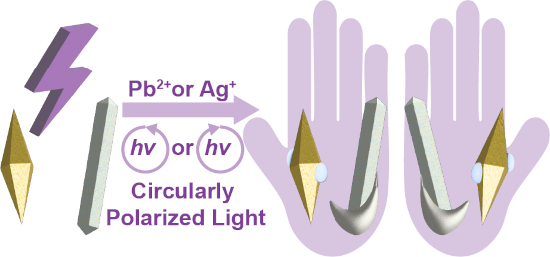
- that templated the growth of quasihelical shells on the NC surface (Figure 1e). These seeded-growth methods have several advantages, namely, ease of synthesis, homogeneity and large optical dissymmetry of the product, scalability, and relatively low cost. Therefore, much effort has been devoted on





Optical bio/chemical sensors for vitamin B12 analysis in food and pharmaceuticals: state of the art, challenges, and future outlooks
Beilstein J. Nanotechnol. 2025, 16, 2207–2244, doi:10.3762/bjnano.16.153
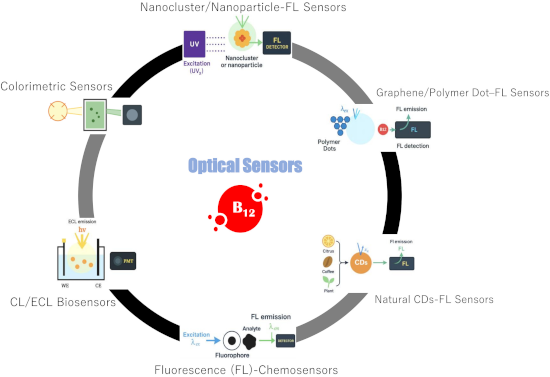
- 53.5 ng/mL using graphene nanoribbons modified with specific recognition elements [96]. Moreover, Bareza et al. demonstrated the scalability and industrial applicability of this bioassay through the use of large-area nanostructured graphene films, proving the promising future of graphene-based mid-IR


Missing links in nanomaterials research impacting productivity and perceptions
Beilstein J. Nanotechnol. 2025, 16, 2168–2176, doi:10.3762/bjnano.16.149
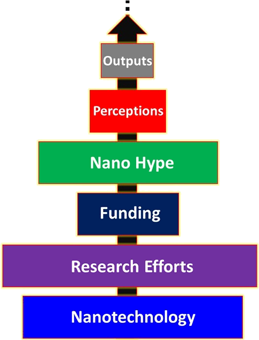
- manufacturable products, supported by co-funded pilot projects and shared IP models. (3) Implement strategic and transparent funding models that prioritize translational potential, incorporating techno-economic analyses, reproducibility metrics, and scalability considerations to accelerate technology readiness
Toward clinical translation of carbon nanomaterials in anticancer drug delivery: the need for standardisation
Beilstein J. Nanotechnol. 2025, 16, 2092–2104, doi:10.3762/bjnano.16.144
- to maintain the desired therapeutic and safety profiles. Assessing this aspect includes quantifying the density and distribution of attached ligands or therapeutic agents. In addition to evaluating the NMs themselves, the manufacturing process must be carefully monitored. Reproducibility, scalability
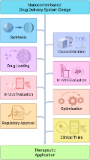
- well as opportunities [48]. These include regulatory hurdles, safety and efficacy concerns, manufacturing scalability, cost-effectiveness, and intellectual property considerations (Figure 4). Regulatory approval processes are often lengthy and vary by country, requiring early engagement with agencies



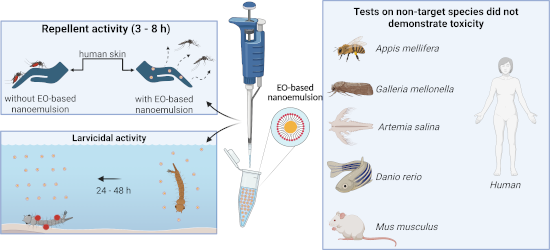
Targeting the vector of arboviruses Aedes aegypti with nanoemulsions based on essential oils: a review with focus on larvicidal and repellent properties
Beilstein J. Nanotechnol. 2025, 16, 1894–1913, doi:10.3762/bjnano.16.132


Self-assembly and adhesive properties of Pollicipes pollicipes barnacle cement protein cp19k: influence of pH and ionic strength
Beilstein J. Nanotechnol. 2025, 16, 1863–1872, doi:10.3762/bjnano.16.129
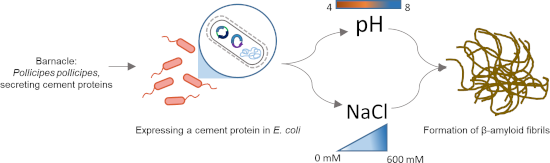
- scalability concerns [10]. Additionally, M. edulis Mfp exhibits optimal adhesion under acidic conditions [11], potentially limiting its biomedical application. Meanwhile, synthetic sealants based on DOPA functionalisation of natural or synthetic polymers have shown promise in biomedical applications, but
- , permanent attachment to a wide range of natural and synthetic surfaces [1][14][15]. Notably, the absence of DOPA means that several barnacle cement proteins have been produced in E. coli, providing an advantage over mussel adhesive proteins in terms of reproducibility and scalability [16][17][18][19][20][21


On the road to sustainability – application of metallic nanoparticles obtained by green synthesis in dentistry: a scoping review
Beilstein J. Nanotechnol. 2025, 16, 1851–1862, doi:10.3762/bjnano.16.128
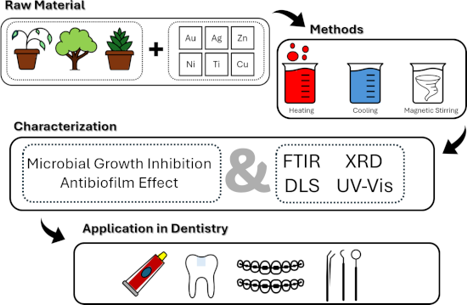
- properties. Only a minority of studies investigated mechanisms of action (18.9%; n = 16) or addressed the scalability and reproducibility of the synthesis process (17.6%; n = 15), which are crucial for industrial and clinical translation. Comparisons with conventional treatments or commercial products were


Current status of using adsorbent nanomaterials for removing microplastics from water supply systems: a mini review
Beilstein J. Nanotechnol. 2025, 16, 1837–1850, doi:10.3762/bjnano.16.127
- ensure their safe integration into existing water treatment infrastructures [119]. Furthermore, addressing challenges such as high production costs, scalability, and the risk of secondary pollution is imperative for the widespread adoption of nanomaterial-based technologies in MP elimination [120
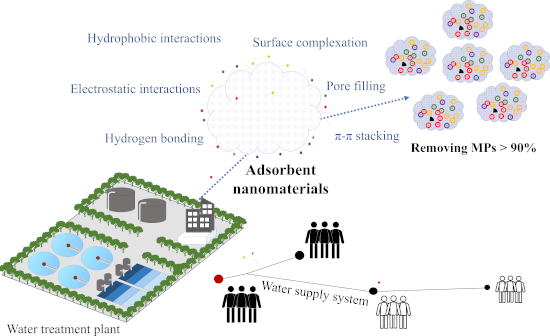
- scalability, adsorbent nanomaterials offer a strong foundation for sustainable solutions that safeguard both human health and aquatic ecosystems. Sources and distribution of MPs in environmental systems. An illustration of the four main groups and mechanisms of adsorbent nanomaterials. SEM and TEM image of


Phytol-loaded soybean oil nanoemulsion as a promising alternative against Leishmania amazonensis
Beilstein J. Nanotechnol. 2025, 16, 1826–1836, doi:10.3762/bjnano.16.126

- permeation. Nevertheless, the present findings indicate that entrapment enhances selectivity and therapeutic efficacy of phytol. Therefore, PHYT-NE emerges as a promising and safe alternative for the treatment of cutaneous leishmaniasis, warranting additional evaluations to access the scalability potential


Exploring the potential of polymers: advancements in oral nanocarrier technology
Beilstein J. Nanotechnol. 2025, 16, 1751–1793, doi:10.3762/bjnano.16.122
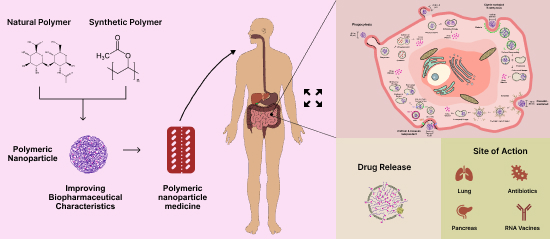
- frequently involve non-biodegradable monomers, generate non-biocompatible byproducts, and require extensive purification to eliminate potentially toxic residues, thereby complicating scalability and regulatory compliance. Moreover, the use of free radicals or ultraviolet light to initiate polymerization


Ambient pressure XPS at MAX IV
Beilstein J. Nanotechnol. 2025, 16, 1677–1694, doi:10.3762/bjnano.16.118
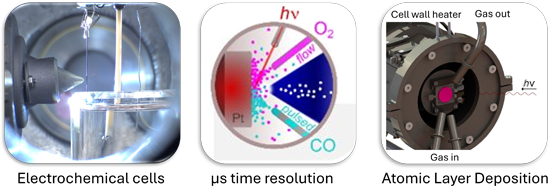
- performance in integrated circuits. Its precision, scalability, and ability to produce conformal films on intricate surfaces make ALD a cornerstone in the pursuit of miniaturization and enhanced performance in technology. ALD achieves such high levels of growth control by a well-separated alternating exposure





Prospects of nanotechnology and natural products for cancer and immunotherapy
Beilstein J. Nanotechnol. 2025, 16, 1644–1667, doi:10.3762/bjnano.16.116
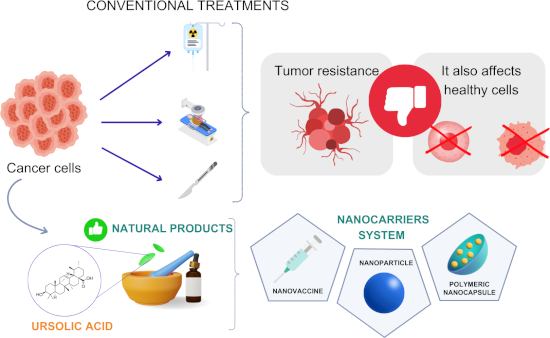
- biological environments, potential immunogenicity, scalability of manufacturing processes, and the need for comprehensive long-term toxicity studies [20][21]. Overcoming biological barriers, such as penetration through the dense tumor extracellular matrix, also remains a major hurdle [19]. Nevertheless
- compounds must have properties that contribute to a stable formulation, difficulty in controlling physicochemical characteristics, such as particle size, which can affect reproducibility and scalability, and problems related to rapid clearance and interaction with non-target tissues, mainly due to the





