Search results
Search for "separation" in Full Text gives 797 result(s) in Beilstein Journal of Nanotechnology. Showing first 200.
Sustainable fabrication of 2D-based devices through reuse of substrates with microfabricated electrodes
Beilstein J. Nanotechnol. 2026, 17, 818–827, doi:10.3762/bjnano.17.58
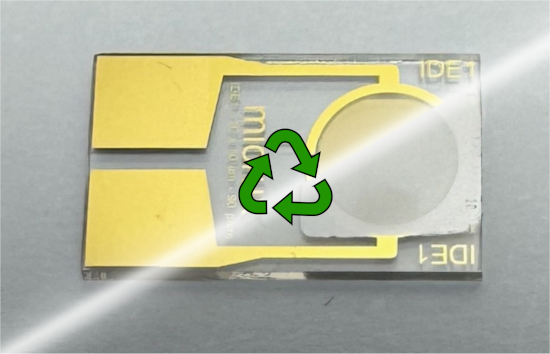
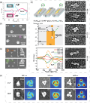
- ) fabrication, initially covered with a large-scale MoS2 film produced by roll-to-roll mechanical exfoliation. Figure 2c,d displays a Ti/Au interdigitated electrode on glass with the 10 µm gap separation, widely used for electrochemistry and biosensing applications [34]. For both cases, the cleaning process


Glycerol photoelectrochemical oxidation reaction at carbon nitrides/BiVO4 materials
Beilstein J. Nanotechnol. 2026, 17, 806–817, doi:10.3762/bjnano.17.57
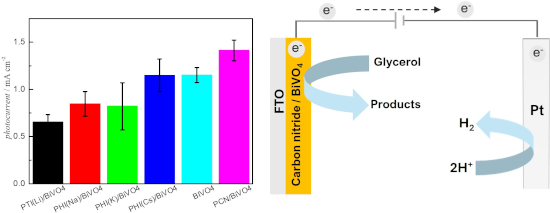
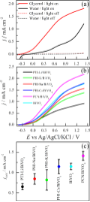
- occurs by the following pathway: (i) Photon absorption by BiVO4, (ii) electron–hole (e-–h+) separation, (iii) electron(s) transfer from glycerol molecule to h+, and (iv) glycerol deprotonation yielding oxidized products as shown in Equation 1. The products usually described in the literature for this




Restorative potential of laser-synthesized silver nanoparticles with Salvia officinalis for periodontal disease treatment: an in vitro study
Beilstein J. Nanotechnol. 2026, 17, 781–795, doi:10.3762/bjnano.17.55
- ) in water in the concentration range of 5–500 μg·mL−1 was prepared. 5 μL of sample was injected and separation was performed on a Zorbax Eclipse XDB-C18 column (150 mm × 4.6 mm, 5 μm) at 35 °C. The components were eluted with a mobile phase based on a 0.1% aqueous solution of formic acid (A) and



Tailoring Ag–Pt nanoalloys through solid-state dewetting: structural and optical insights
Beilstein J. Nanotechnol. 2026, 17, 748–759, doi:10.3762/bjnano.17.52

- metallic layers is their thickness: the thinner the layer, the lower the temperature at which it transforms into isolated islands. It can be stated that the significant influence of surface energy in thin-film structures, phase separation boundaries (layer–substrate, layer–liquid phase), grain boundaries




Oxidative atmosphere-driven formation of single-phase spinel CuRh2O4 nanofibers for alkaline water oxidation
Beilstein J. Nanotechnol. 2026, 17, 737–743, doi:10.3762/bjnano.17.50
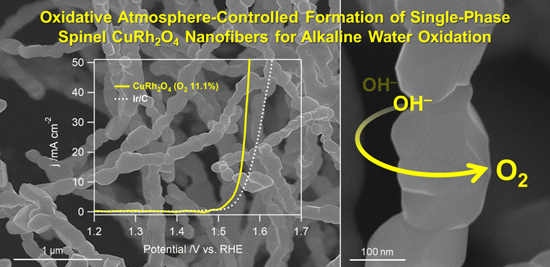
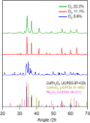
- structure. However, under excessively oxidative conditions (i.e., 22.2% O2), mixed phases consisting of CuRh2O4 along with CuRhO2 and Rh2O3 are observed. A similar trend in phase evolution and separation of Cu–Rh bimetallic oxides was observed under an alternative annealing condition of 3 h, while all other




Environmental applications of silver nanoparticles: state-of-the-art review and emerging trends
Beilstein J. Nanotechnol. 2026, 17, 697–736, doi:10.3762/bjnano.17.49
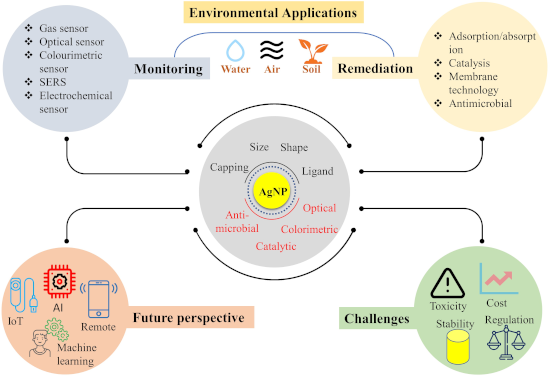
- , including industrial processes, transportation, and consumer products, and pose significant health and environmental risks. AgNPs exhibited light-induced photocatalytic air purification and pollutant degradation [163]. The AgNPs act as electron sinks, promoting charge separation and reducing electron–hole


Cellulose as a photocatalyst support material: extraction, structural features, and environmental applications
Beilstein J. Nanotechnol. 2026, 17, 635–652, doi:10.3762/bjnano.17.44
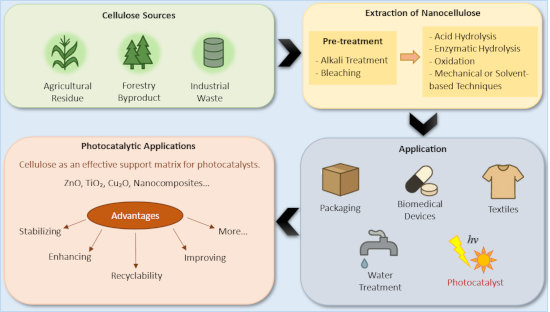
- immobilizing photocatalysts on membrane surfaces to create a polymer photocatalytic membrane matrix, which has shown strong effectiveness in degrading water contaminants [14]. They also prevent biofouling, a major problem in membrane separation. Scientists are increasingly combining cellulose with different
- enhancing photocatalytic performance by promoting charge separation, supporting surface functionalization, and improving light absorption, while one of its most valuable contributions lies in reducing the recombination of photogenerated electron–hole pairs. Its large surface area further helps stabilize


Two-step laser synthesis of Ag@TiO2 nanomaterials for the photocatalytic degradation of rhodamine B
Beilstein J. Nanotechnol. 2026, 17, 622–634, doi:10.3762/bjnano.17.43
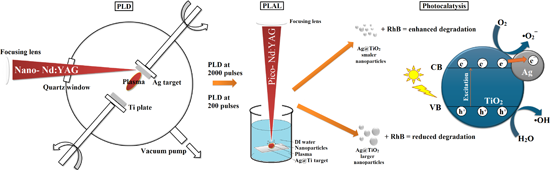
- resonance effects and facilitates the formation of Schottky barriers at the metal–semiconductor interface, both of which contribute to an extended light absorption range and enhanced charge carrier separation. The improved activity is primarily attributed to the narrowing of TiO2’s effective bandgap and the
- facilitate improved separation of photogenerated charge carriers and extend light absorption toward the visible region, which together contribute to the enhanced photocatalytic performance of Ag@TiO2 compared to bare TiO2. Liza et al. [27] showed that TiO2 doping with a transition metal such as Ag may result
- -order model, which is more typical when the main process is controlled by light absorption and charge carrier transfer rather than surface adsorption. The smaller particle size and higher silver content in the 2000p sample improved electron–hole separation; hence, the reaction was mainly driven by


Recent progress in enhancing built-in electric fields of perovskite solar cells via junction engineering
Beilstein J. Nanotechnol. 2026, 17, 602–621, doi:10.3762/bjnano.17.42
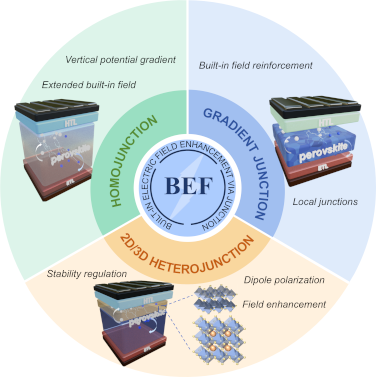
- Tong Xiao Ke Xu School of Electrical & Control Engineering, Shenyang Jianzhu University, Shenyang, China 10.3762/bjnano.17.42 Abstract The performance of perovskite solar cells (PSCs) is primarily governed by the built-in electric field (BEF), which dictates photocarrier separation, drift
- , carriers migrate at the interface through diffusion and drift, gradually establishing a built-in electric field (BEF) that aligns the Fermi levels on both sides. This field is not only the primary driving force that sustains carrier separation but also a direct determinant of device photovoltaic conversion
- efficiency [5][6][7]. In PSCs, moderate enhancement of the BEF can effectively promote the separation and extraction of electron–hole pairs, reducing recombination losses and leading to higher open-circuit voltage (Voc) and fill factor (FF) [8][9][10][11][12]. However, excessive enhancement of the BEF may



Synthesis of Cu–Mo/TiO2 and Co–Mo/TiO2 photocatalysts for the efficient degradation of organic pollutants in water
Beilstein J. Nanotechnol. 2026, 17, 559–570, doi:10.3762/bjnano.17.37
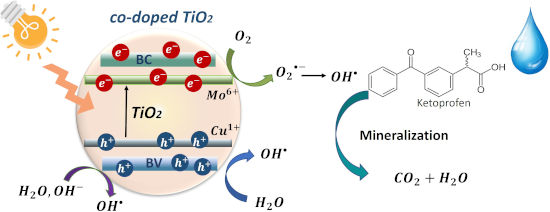
- into the semiconductor matrix. The incorporation of co-dopants results in the formation of heterostructures with different electronic structures compared to the TiO2 structure, which promotes charge separation and visible light absorption [6]. The incorporation of two types of cations into the TiO2
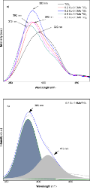
- separation of photogenerated charges in the photocatalysts, a photoluminescence analysis was performed. Figure 4 shows the photoluminescence spectra of pure titanium oxide and oxides containing Cu–Mo or Co–Mo obtained with an excitation wavelength of 310 nm. A broad signal centered at 392 nm is observed in
- deconvoluted spectrum of the 0.2 Cu–0.5 Mo/TiO2 material shows a new signal, which could indicate the generation of defects, which are generally related to the ability to capture electrons [36]. The PL intensity increase suggests a poor e−/h+ pair separation. So, it is possible that increased defect-related



Upcycling agroindustrial waste into graphene oxide supports for gold nanoparticles: toward sustainable nanomaterials
Beilstein J. Nanotechnol. 2026, 17, 489–504, doi:10.3762/bjnano.17.32
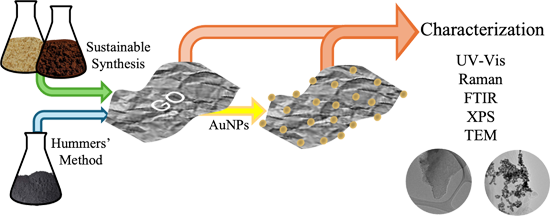
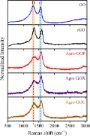
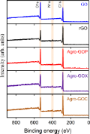
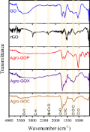
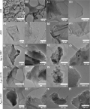
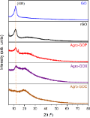
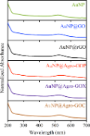
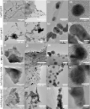
- as substrates for AuNP photodeposition to evaluate how their surface chemistry governs nanoparticle nucleation and dispersion. Agro-GO@AuNPs composites demonstrate a green, circular-economy approach with promising potential for applications in sensing, diagnostics, energy storage, and separation



Nanocarrier-integrated multilayer films produced by 3D printing for improved skin adhesion and curcumin photostability
Beilstein J. Nanotechnol. 2026, 17, 440–453, doi:10.3762/bjnano.17.30
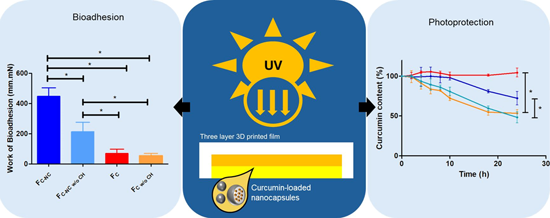
- restricting molecular mobility and reducing direct light exposure within the matrix. However, the most pronounced protective effect was clearly associated with the presence of the TiO2-containing layer, indicating that spatial separation of functions enabled by multilayer 3D printing is critical for achieving
- the spatial separation of adhesion, drug delivery, and photoprotection functions, representing a significant advance over conventional single-layer topical films. Regarding rheological properties, both yield stress and complex viscosity were estimated using an oscillatory amplitude sweep test. Yield


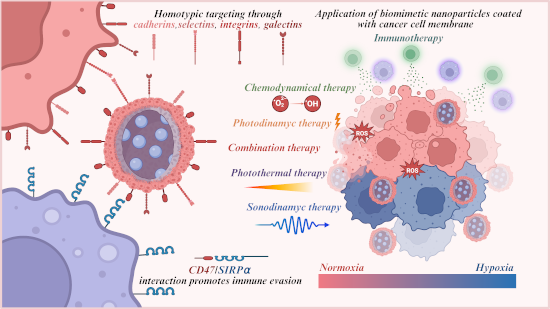
Biomimetic nanoparticles in cancer photodynamic therapy: a review of targeted delivery systems and therapeutic outcomes
Beilstein J. Nanotechnol. 2026, 17, 396–422, doi:10.3762/bjnano.17.27


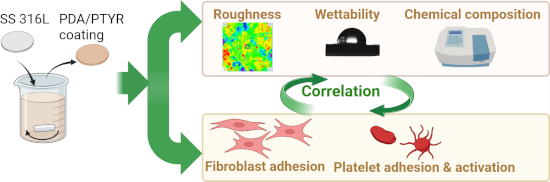
Polycatecholamine nanocoatings on stainless steel: the effect on attachment of human fibroblasts and platelets
Beilstein J. Nanotechnol. 2026, 17, 365–380, doi:10.3762/bjnano.17.25
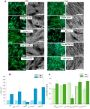
- immediately after PRP separation. Samples were incubated for 90 min at 37 °C and 5% CO2. Following the incubation process, samples were washed several times with PBS to remove the unattached platelets and fixed 4% buffered paraformaldehyde. Platelet visualization was performed using an ultrahigh-resolution




Ferroelectric nanodot reservoir for neuromorphic computing
Beilstein J. Nanotechnol. 2026, 17, 352–364, doi:10.3762/bjnano.17.24
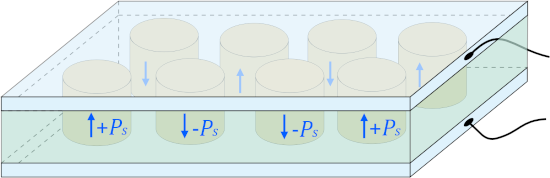
- changes in the input sequence (field trajectory) can cause large and qualitatively different polarization responses. This sensitivity enables powerful separation of input classes in the reservoir state space. (ii) Short-term memory. The system retains a history of past field variations through its current


Beam shaping techniques for pulsed laser ablation in liquids: Unlocking tunable control of nanoparticle synthesis in liquids
Beilstein J. Nanotechnol. 2026, 17, 309–342, doi:10.3762/bjnano.17.22
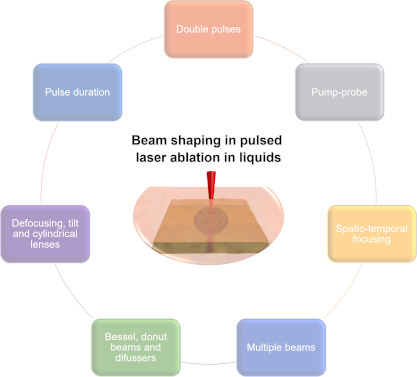
- mass in suspension. Incomplete solvent evaporation or residual organics can bias gravimetric results, making vacuum drying preferable. NP adhesion to container walls requires vessel washing, and aggregation during or after ablation may need sonication or size-separation steps. Overall, gravimetry







Advancing nanolithography: a comprehensive review of materials for local anodic oxidation with AFM
Beilstein J. Nanotechnol. 2026, 17, 275–291, doi:10.3762/bjnano.17.19
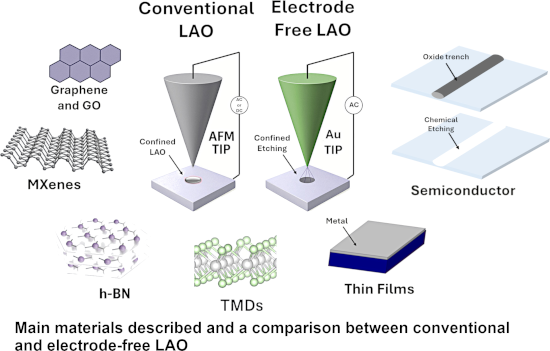
- preparation steps, LAO enables direct chemical modification, with precise control of the tip–sample separation during the writing process. This is typically achieved in contact mode, where the tip apex is in direct contact with the substrate, ensuring capillary condensation and the formation of a stable water


Comparative study on 3D morphologies of delignified, single tracheids and fibers of five wood species
Beilstein J. Nanotechnol. 2026, 17, 239–250, doi:10.3762/bjnano.17.16
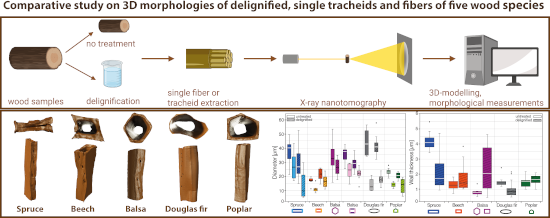
- resulted in facilitated separation of fibers and tracheids and frayed wall appearance. We observed similar tracheid/fiber diameters and wall thicknesses for all five wood species. These findings enhance our understanding of the wood fiber and tracheid structures across species and the effects of
- adapt to various environments [48][49], while balsa trees favor tropical and subtropical climates [50]. Across all wood types studied, delignification results into (1) facile separation of fibers and tracheids with visible spaces between neighboring walls (removal of the lignin-rich middle lamella) and


Gold nanoparticle-decorated reduced graphene oxide as a highly effective catalyst for the selective α,β-dehydrogenation of N-alkyl-4-piperidones
Beilstein J. Nanotechnol. 2026, 17, 218–238, doi:10.3762/bjnano.17.15
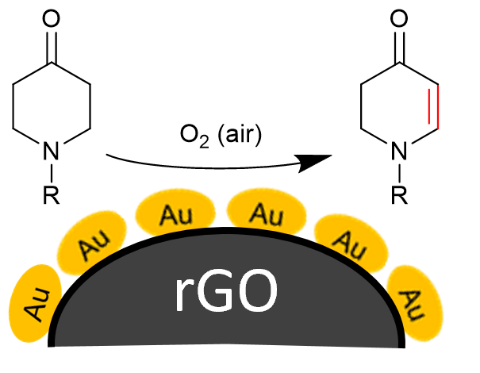
- -metal nanoparticles in heterogeneous catalysis is their separation from the reaction mixture for re-use or recycling, and also to avoid contamination of the products. The difficulty in separating small nanoparticles demands for the efficient and easy formation of a composite that can be separated by
- be suitable for long-term reactions. Although it exhibits a slower reaction rate due to the preparation method as discussed earlier, it maintains a more consistent catalytic activity over time than Au-Cit/rGO. An important aspect of the AuNP heterogenization on a carbon support is the separation


Influence of surface characteristics on the in vitro stability and cell uptake of nanoliposomes for brain delivery
Beilstein J. Nanotechnol. 2026, 17, 139–158, doi:10.3762/bjnano.17.9
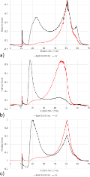
- for asymmetric flow field-flow fractionation analysis (AF4 analysis). Experiments were carried out by in-line coupling the AF4 system with UV–vis, multi-angle light scattering (MALS), and dynamic light scattering (DLS) detectors. The AF4 system used was composed of an Eclipse Dualtec separation system
- nm. In the Eclipse SC separation channel, regenerated cellulose membranes (10 kDa) and a spacer height of 350 μm were used. Phosphate buffer was used as the eluent. The detector flow rate was set to 0.5 mL/min and the injection volume was 50 µL. The separation settings were: a) elution 0–3 min; b
- intensive but excels in fractionating samples under optimal flow and separation conditions. This method is distinguished by gentle separation conditions and a wide operational range. Unlike conventional chromatography, AF4 does not utilize a stationary phase. The separation mechanism involves a longitudinal




Microscopic study of the intermediate mixed state in intertype superconductors
Beilstein J. Nanotechnol. 2026, 17, 57–62, doi:10.3762/bjnano.17.5
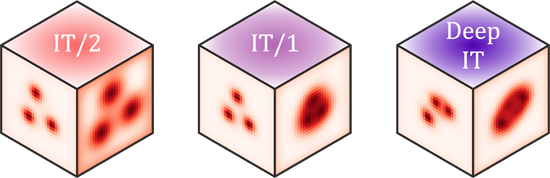
- (T = 0.9Tc), vortices form an equilateral triangle with maximal inter-vortex separation, which is typical for type-II superconductivity. As the temperature decreases to T = 0.1Tc, the triangular arrangement persists, but the inter-vortex distance shrinks, indicating the appearance of a minimum in the
- = 3.6, shown in the middle row of Figure 1, corresponds to the boundary between the two different IT regimes. In this case, vortices form an equilateral triangle, revealing the IT character of the vortex state at all the temperatures considered. However, the inter-vortex separation is smaller than that


Quantitative estimation of nanoparticle/substrate adhesion by atomic force microscopy
Beilstein J. Nanotechnol. 2026, 17, 1–14, doi:10.3762/bjnano.17.1

- manipulation. It should be noted that the derived values for the total work of manipulation include both the actual work of separation Wsep and the dissipated work Wdiss, which does not contribute to the separation. The relationship can be expressed as: NP motion on a surface may not necessarily proceed as an
- manipulation as a first approximation for the work of adhesion as the details in the process of manipulation are rather complex including adhesion, static and dynamic friction, and humidity [49]. Due to the challenges in direct calculation of the dissipated work, the work of separation is approximated using
- the following equation: where Fstatic is the maximum static lateral force, Fcap represents the capillary force, and Fn is the normal force applied by the cantilever. μ is the coefficient of friction and ls the separation distance given by the distance between the first tip/NP contact and the position



Improving magnetic properties of Mn- and Zn-doped core–shell iron oxide nanoparticles by tuning their size
Beilstein J. Nanotechnol. 2025, 16, 2285–2295, doi:10.3762/bjnano.16.157
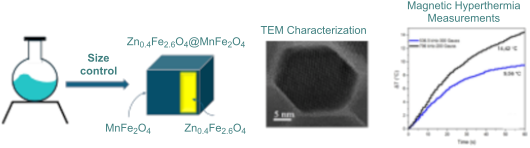
- unique magnetic properties, small size, and biocompatibility, which enable them to be used in a wide range of biomedical applications. These applications include magnetic resonance imaging, magnetic separation, targeted drug delivery, and hyperthermia [1][2]. Magnetic hyperthermia has been extensively



Visualizing nanostructures in supramolecular hydrogels: a correlative study using confocal and cryogenic scanning electron microscopy
Beilstein J. Nanotechnol. 2025, 16, 2274–2284, doi:10.3762/bjnano.16.156
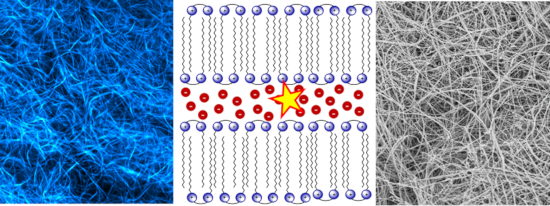
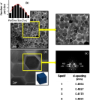
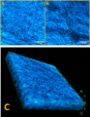
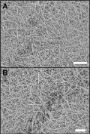
- result in phase separation whereby the water freezes, first expelling the ethanol into concentrated domains, which alters microscale material morphology. Such a phenomenon has been exploited for the fractional freezing of water–ethanol mixtures and in liposomal formulations containing water and DMSO [36



Chiral plasmonic nanostructures fabricated with circularly polarized light
Beilstein J. Nanotechnol. 2025, 16, 2245–2264, doi:10.3762/bjnano.16.154
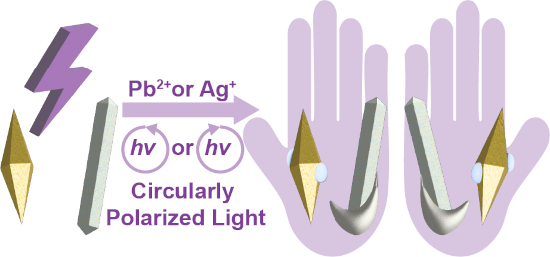
- to treat morning sickness in pregnant women. One of its enantiomers was found to have sedative effects, while the other was identified as teratogenic, leading to tragic consequences, including over 10,000 severe birth defects in children [4][5][6][7][8]. Promoting the separation and detection of
- [13]. In 1848, Pasteur achieved the physical separation of enantiomers for the first time. In his experiments, he crystallized the racemic sodium ammonium salt of tartaric acid, forming two distinct crystals that each rotated the polarization of light in opposite manner [14]. The interaction between
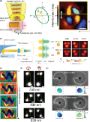
- immobilized should be carefully explored to enhance charge separation and achieve better distribution dissymmetry of hot carriers. These insights will also be valuable for integrating CPL with chiral molecular templates for growing cPNSs. (ii) Periodic arrays of cPNSs can be fabricated using CPL on a