Search results
Search for "size" in Full Text gives 2097 result(s) in Beilstein Journal of Nanotechnology. Showing first 200.
Cross-scale design of chemosensor arrays: from molecular self-assembly in water to paper-based devices for metal ion detection
Beilstein J. Nanotechnol. 2026, 17, 828–838, doi:10.3762/bjnano.17.59
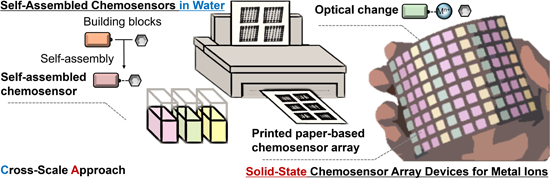
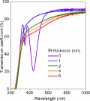
- optimized using a central composite design [58]. The selection of appropriate paper substrates also plays a significant role in reproducible sensing [59]. The mechanical properties of paper substrates depend on their thickness, pore size, and liquid absorbability [21]. In particular, the thickness of the


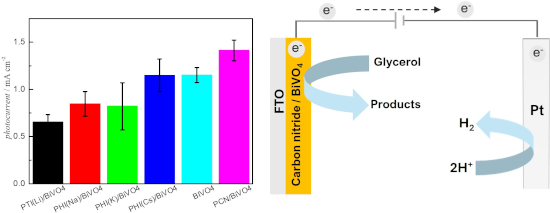
Glycerol photoelectrochemical oxidation reaction at carbon nitrides/BiVO4 materials
Beilstein J. Nanotechnol. 2026, 17, 806–817, doi:10.3762/bjnano.17.57
- acquired from 10° to 80° at a rate of 2°·min−1 with a step size of 0.02°. Morphological features and elemental composition were determined by field-emission scanning electron microscopy (FEG-SEM; Zeiss Supra35) coupled with energy-dispersive X-ray spectroscopy (EDS), operating at 15 kV. Optical properties
- treatment, depending on the alkali cation present or the CN crystallinity. For instance, in PCN/BiVO4 and PHI-Na/BiVO4 (Figure 3b and 3c), the globules decreased in size compared to pure BiVO4, whereas in PHI-K/BiVO4, PHI-Cs/BiVO4, and PHI-Li/BiVO4, they tended to agglomerate into elongated morphologies





Restorative potential of laser-synthesized silver nanoparticles with Salvia officinalis for periodontal disease treatment: an in vitro study
Beilstein J. Nanotechnol. 2026, 17, 781–795, doi:10.3762/bjnano.17.55
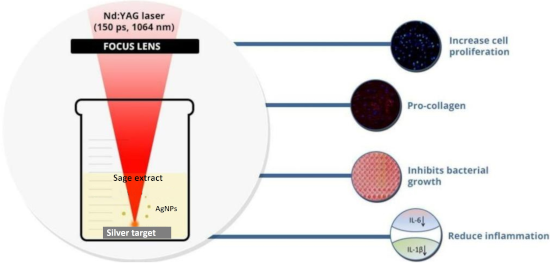
- chemical synthesis offers size control, it typically involves toxic reducing agents, raising biocompatibility concerns [3]. AgNP synthesis using plant extracts has gained attention due to environmental friendliness, but it lacks precise control over size and dispersity of AgNPs. Laser synthesis
- AgNPs in biomedical applications. PLAL addresses the limitations of both biosynthesis and chemical synthesis by offering a reproducible, contaminant-free method with high reproducibility and size control. Combining laser ablation of a metal target with natural compounds is a unique concept that provides
- activity and can modulate cell viability and oxidative stress in a size- and concentration-dependent manner [14]. Based on these findings, we hypothesize that AgNPs produced by PLAL in an aqueous sage extract environment could maintain the bioactive properties of both AgNPs and sage extract, leading to



Substrate-dependent pore formation in molybdenum disulfide monolayers under ion irradiation
Beilstein J. Nanotechnol. 2026, 17, 769–780, doi:10.3762/bjnano.17.54
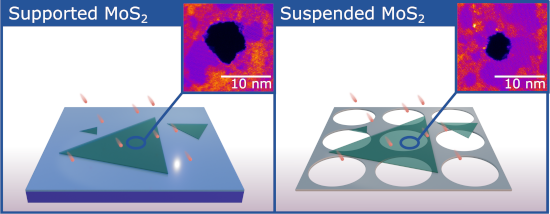
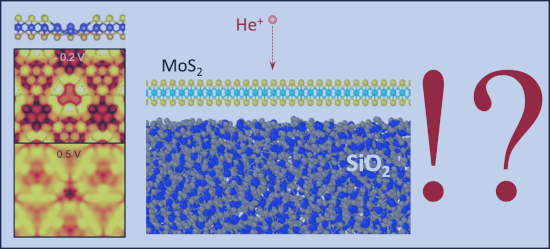
- suspended MoS2, MoS2 on SiO2, bilayer MoS2, and MoS2 on gold. Both pore size and pore formation efficiency exhibit a pronounced dependence on the type of substrate. Pores are largest and most frequent in MoS2 on SiO2, while the gold substrate massively quenches pore formation. The observed pore dimensions
- Information File 1, Figure S1), consistent with the pore morphology previously reported for suspended MoS2 [25]. Representative pores are shown in STEM annular dark-field (ADF) images in Figure 1a–d. We quantified pore-size distributions by measuring ≈150 pores. Mean pore radii are summarized in Figure 1e
- interpretation is inferential – the dissipation pathway is not measured directly – but it is consistent with the pore size enhancement observed under both HCI and SHI irradiation (see below Figure 4a), suggesting the effect is not specific to one excitation regime. The preceding discussion focused on lateral (in


Interface-engineered Caco-2 cell culture on a collagen-coated liquid–liquid interface in a microfluidic device
Beilstein J. Nanotechnol. 2026, 17, 760–768, doi:10.3762/bjnano.17.53
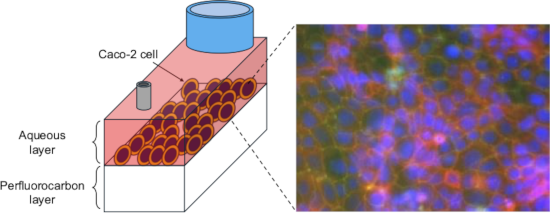
- , see Figure 2, Figure 3, and Supporting Information File 1, Figures S1–S3) and the minimum bounding rectangle of the collagen solution region. The rectangularity for each channel size is shown in Figure 3. When the channel width ranged from 1 to 2 mm, the rectangularity of the aqueous layer was 94% or
- varying both the channel size and the flow rate of the collagen solution (Figure 2, Supporting Information File 1, Figures S1–S3). Our results suggest that interface formation is largely insensitive to the flow rate of the collagen solution, whereas the channel size significantly governs the interfacial


Tailoring Ag–Pt nanoalloys through solid-state dewetting: structural and optical insights
Beilstein J. Nanotechnol. 2026, 17, 748–759, doi:10.3762/bjnano.17.52

- . Observations of alloy formation at the nanoscale confirm that the miscibility between different metals can significantly increase as particle size decreases [3][4][5][6][33]. Nevertheless, in the case of nanoalloy formation induced by thermal dewetting of alternately deposited thin metallic layers, it is
- determined the size distribution of the formed structures, which is presented in Figure 4. It can be observed that annealing the 4 nm Ag/4 nm Pt bilayer at 650 °C for 15 min results in the relatively small average nanostructure size and the well uniform size distribution. This observation prompted the




Environmental applications of silver nanoparticles: state-of-the-art review and emerging trends
Beilstein J. Nanotechnol. 2026, 17, 697–736, doi:10.3762/bjnano.17.49
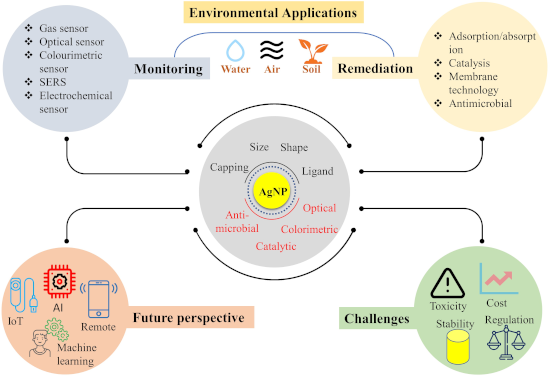
- environmental monitoring and remediation. For example, the optical properties of AgNPs are primarily governed by localised surface plasmon resonance (LSPR ), which occurs in the 380–450 nm region and depends on the nanoparticles’ size and shape. The unique optical properties of nanosilver were utilised to
- develop LSPR-based nanosensors that detect different metal ions [7]. A surface coating of ʟ-carnosine on nanosilver enables size tuning and the detection of metal ions such as As3+, Cr3+, Cd2+, and Pb2+, while cetyltrimethylammonium bromide (CTAB) coating provides selectivity against Hg2+ and Cu2+ [8][9
- particle size, surface composition, state stability, and organic matter, which ultimately generate bioavailability and toxicity concerns [34]. The regulatory framework governing AgNP environmental applications remains fragmented across jurisdictions; while OECD, ISO, EU, and US EPA guidelines address


Molecular engineering of individual dye-based nanoparticle photostability for ultrabright two-photon fluorescence
Beilstein J. Nanotechnol. 2026, 17, 688–696, doi:10.3762/bjnano.17.48
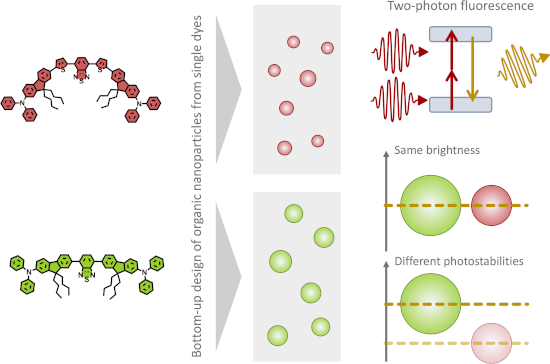
- milestone by performing 3D real-time two-photon-excited SPT on dFONs [21], using the 3D-Redshot setup [22]. In this case, dFONs proved particularly effective compared to more commonly used inorganic probes because they combine a large two-photon (2P) brightness with a small size, allowing for unprecedented
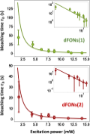
- called 1 and 2 (Figure 1a,b). By adjusting the dye concentration during precipitation [20], we tuned the nanoparticle diameters as can be seen in Figure 1c,d. Whereas dFON(2) exhibits a single size population centered at 20 nm, dFON(1) shows two distinct size populations, namely, a smaller one centered
- at 15 nm and a second, larger and broader population centered at 50 nm. These two size distributions result in highly distinct nanoparticle volume distributions. Specifically, the distribution centered at 50 nm yields average volumes that are at least one order of magnitude larger than those of the


Decontamination from water pollutants and pathogens by electrospun nanofibers doped with heavy-atom-free borafluorene-BODIPY photosensitizers
Beilstein J. Nanotechnol. 2026, 17, 668–682, doi:10.3762/bjnano.17.46
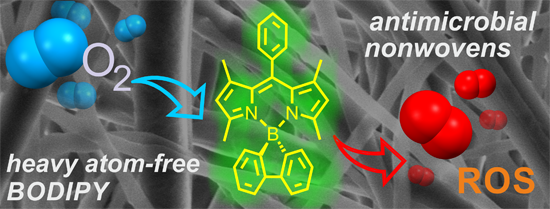
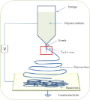
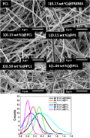
- the theoretical mass of the solid sample, calculated as the product of the density of PCL, 1.081 g·cm−3 [51], and the volume Vt ≈ 3.98 cm3. The pore size (P) was estimated using Equation 2: Here, D denotes the mean fiber diameter for each specimen, (1 − p) corresponds to the area of fibers per unit
- interactions between BODIPY molecules and PCL chains. Increasing the dye content promotes stronger jet stretching in the electric field during electrospinning, leading to the formation of thinner fibers. Porosity and average pore size analysis confirmed the effect of BODIPY addition, leading to increased
- porosity and slightly smaller pore sizes. For pure PCL, the porosity was 88.4%, while for PCL with BODIPY additive, the porosity increased to approximately 94%. The average pore size decreased from 204 ± 7 nm for pure PCL to 192 ± 4 nm after BODIPY addition. The observed increase of porosity is within the



Cellulose as a photocatalyst support material: extraction, structural features, and environmental applications
Beilstein J. Nanotechnol. 2026, 17, 635–652, doi:10.3762/bjnano.17.44
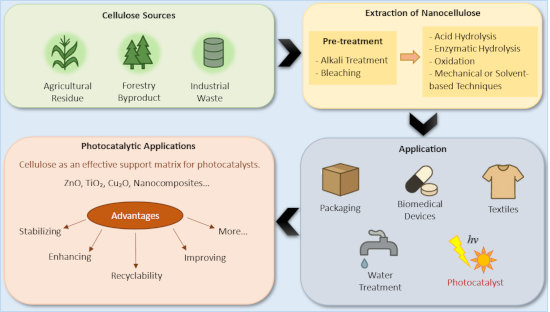
- (CNFs) [7]. CNCs and CNFs differ mainly in their size and crystallinity, as CNFs contain both amorphous and crystalline cellulose chains and can extend to several micrometers in length. In contrast, CNCs exhibit high crystallinity, with lengths typically measuring below 500 nm. Both materials offer
- applications [67]. At the same time, advances in synthetic methods now allow for precise control over the size, shape, and aspect ratio of metal nanomaterials, parameters that directly determine their catalytic properties. Yet, a major challenge persists because INPs are kinetically unstable and their
- applied in wastewater treatment to degrade organic pollutants efficiently [86]. Metal oxides serve as key activators in photocatalytic oxidation by initiating radical chain reactions, and they remain favored for their low cost, minimal toxicity, and ease of modification through strategies such as size


Two-step laser synthesis of Ag@TiO2 nanomaterials for the photocatalytic degradation of rhodamine B
Beilstein J. Nanotechnol. 2026, 17, 622–634, doi:10.3762/bjnano.17.43
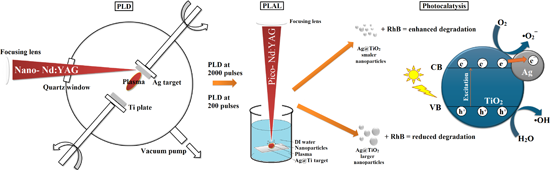
- higher concentration of this metal on Ag@TiO2 2000p affected the ablation rate of the Ti plate and induced a growth of titanium oxide nanostructures on the surface. Morphology and size of Ag@TiO2 (200p and 2000p) Morphology and structure of the obtained samples were analyzed using TEM, HRTEM, and SAED
- times greater in the Ag@TiO2 2000p than in the Ag@TiO2 200p NP solution. The nanoparticle sizes and size distributions were measured using a zeta potential analyzer with dynamic light scattering (DLS). Table 2 summarizes the average dimensions of the synthesized nanoparticles. Ag@TiO2 200p and Ag@TiO2
- 2000p NPs exhibited average hydrodynamic diameters of 145.2 and 134.6 nm, and the size of the nanoparticles averaged in the range of 108–420 and 93–267 nm, respectively (Figure 6). These values are in reasonable agreement with the TEM-derived particle sizes, considering that DLS measures hydrodynamic


Recent progress in enhancing built-in electric fields of perovskite solar cells via junction engineering
Beilstein J. Nanotechnol. 2026, 17, 602–621, doi:10.3762/bjnano.17.42




Towards targeted drugs and next generation of nanomedicines
Beilstein J. Nanotechnol. 2026, 17, 598–601, doi:10.3762/bjnano.17.41

- used for vaccination are composed of a complex mixture of different lipids, all of which have a particular function. Additionally, inorganic nanoparticles can be made with controlled size and shape out of many different materials. Nanotechnology has also made standardized characterization and quality
- size in a "big" human. At the same time, recent findings suggested that nanoparticles may be able to reach tumor tissue also via active mechanisms of uptake and transport across tumor endothelial cells, potentially opening up new ways to reach tumors with drugs [20][21][22]. Next to passive targeting
Probing tribological evolution in atomically thin MoS2 at different scales
Beilstein J. Nanotechnol. 2026, 17, 586–597, doi:10.3762/bjnano.17.40
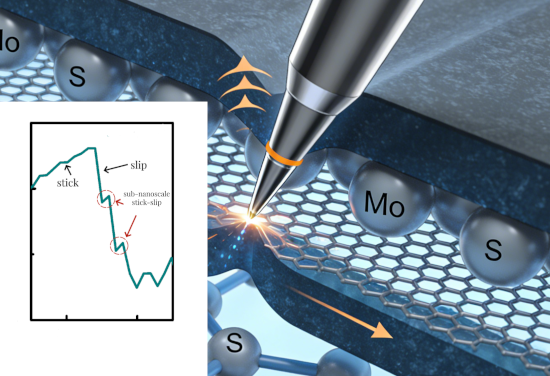
- factor limiting the performance and reliability of nanotechnology-enabled devices, including magnetic storage systems and micro/nanoelectromechanical systems (MEMS/NEMS) [1][2]. Unlike macroscale friction, nanoscale friction of two-dimensional (2D) materials exhibits unique size-dependent and interface


Impacts of annealing on structural and photophysical properties of zinc phthalocyanine adsorbed on graphene
Beilstein J. Nanotechnol. 2026, 17, 576–585, doi:10.3762/bjnano.17.39
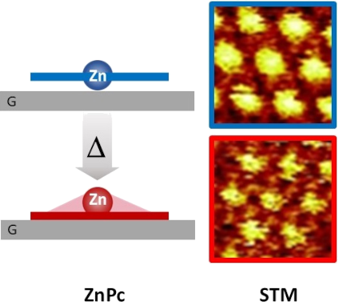
- brings two changes. Firstly, as observed by comparing Figure 3a and Figure 3d, the average size of the domains increases and disordered areas tend to disappear. Such trends are expected for self-assembled monolayers in general and have been reported and analyzed in detail in the specific case of the
- substrate) the ZnPc STM image recenters on the central Zn atom and the visibility of the TSB35-C12 conjugated cores, relative to ZnPc, is improved. Such a better resolution (i.e., a smaller spot size produced by the central Zn atom) is also characteristic of reduced fluctuations through a tighter anchoring
- resolved absorption Absorption spectra at various incidence angles were recorded on a QE-Pro Ocean Optics spectrophotometer. White light (MWWHL4, ThorLabs) was expanded and collimated using an achromatic doublet (AC254-100-A-ML, ThorLabs). Then, a diaphragm was used to obtain a beam size of 1 mm diameter


Laser–material interactions in liquids for the synthesis of nanomaterials: current status and perspectives
Beilstein J. Nanotechnol. 2026, 17, 571–575, doi:10.3762/bjnano.17.38
- generation of surfactant-free, high-purity colloidal nanoparticles. Laser fragmentation in liquids (LFL), in turn, involves the irradiation of colloidal micro- or nanoparticle suspensions with high-intensity pulses above the fragmentation threshold, leading to size reduction through photomechanical or
- photothermal mechanisms [17]. Laser melting in liquids (LML) employs lower pulse intensities to increase particle size [18] and/or modify crystallinity and morphology through melting and resolidification [19]. At moderate laser fluences, close to or even below the melting threshold, irradiation can induce
- changes in atomic structure, enabling defect engineering [20]. The broad materials library accessible through LSPC, combined with the wide range of laser, target, and solvent parameters, creates a complex multidimensional optimization space governing nanoparticle size, internal structure, composition, and
Synthesis of Cu–Mo/TiO2 and Co–Mo/TiO2 photocatalysts for the efficient degradation of organic pollutants in water
Beilstein J. Nanotechnol. 2026, 17, 559–570, doi:10.3762/bjnano.17.37
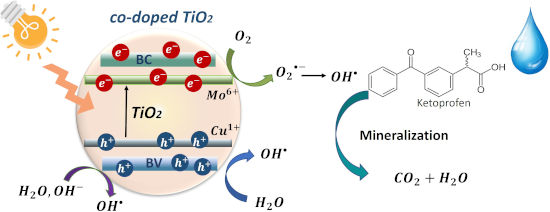
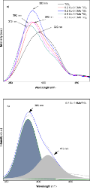
- was evidenced after dopant incorporation into the TiO2 structure. Morphological characterization showed poorly defined spherical particles that decreased in size with increasing Cu and Co concentrations. PL spectra showed an additional signal attributed to the ability of the metal dopants to capture
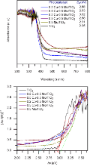
- from these to the lattice distortion. Additionally, the crystallite size of the materials was determined using the Debye–Scherrer equation and the results are reported in Table 1. The presence of Mo, Cu, and Co metal ions decreases the crystallite size. The inhibition of grain growth in the crystal
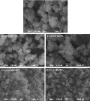
- increase in copper concentration (0.5 wt %) resulted in a decrease in particle size and their agglomeration, leading to particles of undefined shape. In contrast, the incorporation of 0.2 wt % of cobalt resulted in smaller particles forming agglomerations. When the cobalt content is increased, particles



Fractional shot noise of an SU(N) Kondo system
Beilstein J. Nanotechnol. 2026, 17, 515–540, doi:10.3762/bjnano.17.34
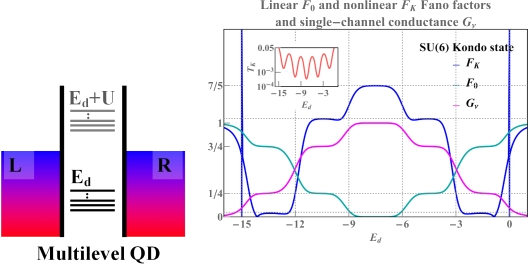
- both fundamental physics and potential quantum information applications, detection, and sensing [1][2][3][4]. To achieve these goals, the increasing ability to manipulate quantum states is crucial. As electrons are confined in fewer dimensions and as the size of the dot decreases, the charging energy
- shift, one must also deal with two particle scattering off the singlet. At finite degeneracy, fluctuations of slave bosons about their mean-field coherent states determine the size of current fluctuations. Motions of the quasiparticles generate fluctuations that create interactions between
- U can be inferred from the size of Coulomb diamonds. For semiconducting carbon nanotubes, the charging energy is of the order of tens of millielectronvolts [7][29] and, for QDs in a 2DEG, U = 1–4 meV [6][100][101]. Γ gives us a quality of contacts and is of the order of millielectronvolts or even


![[Graphic 127]](/bjnano/content/inline/2190-4286-17-34-i187.svg?max-width=637&scale=1.18182)

Probing internal continua and atomic ultrafast charge transfer within size-controlled nanoparticles by post-collision interaction in core-hole clock spectroscopy
Beilstein J. Nanotechnol. 2026, 17, 505–514, doi:10.3762/bjnano.17.33
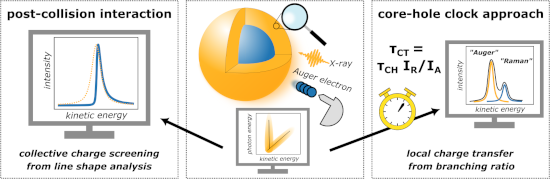
- -Liebknecht-Straße 24/25, 14476 Potsdam-Golm, Germany 10.3762/bjnano.17.33 Abstract This study investigates size-controlled, quantum-confined CdSe/ZnS core–shell quantum dots using core-hole clock spectroscopy in combination with post-collision interaction (PCI) line shape analysis, providing insights into
- local charge transfer dynamics and internal continuum states. We observe an acceleration of charge transfer times by almost one order of magnitude in thin-shell quantum dots, comprising only one or three double layers of ZnS, before reaching a size-independent limit. This size-dependence is governed by
- exhibit pronounced quantum confinement effects on their internal continua with a size-dependent transition from bulk-like band properties toward mixed and also atom-like localization [7]. Thus collective electronic states and local charge transfer between atomic units have significant impact. Central



Upcycling agroindustrial waste into graphene oxide supports for gold nanoparticles: toward sustainable nanomaterials
Beilstein J. Nanotechnol. 2026, 17, 489–504, doi:10.3762/bjnano.17.32
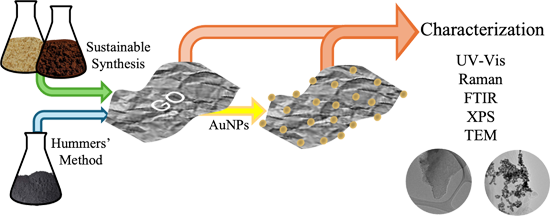
- uniform size distribution before pyrolysis. Synthesis of graphene oxide GO was synthesized using the Hummers' method as modified by Marcano and coworkers [9]. Briefly, 3 g of graphite were added to a flask containing a H2SO4/H3PO4 mixture, followed by the gradual addition of 18 g of KMnO4. The reaction
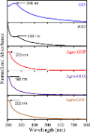
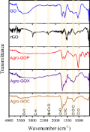
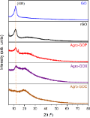
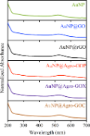
- upon chemical reduction. Conversely, the Agro-GO samples exhibit a different behavior. All three (Agro-GOP, Agro-GOX, and Agro-GOC) show blueshifted π→π* transitions compared with GO, indicating a significant reduction in the size of the conjugated sp2 domains, as smaller and more fragmented sp2
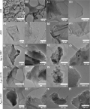
- photochemical growth of AuNPs. This approach takes advantage of the strong affinity between gold precursors and oxygen-containing functional groups on the GO surface, which act as nucleation and anchoring sites for AuNPs, thereby modulating their size, spatial distribution, and interaction with the carbon



Defects and defect-mediated engineering of two-dimensional materials: challenges and open questions
Beilstein J. Nanotechnol. 2026, 17, 454–488, doi:10.3762/bjnano.17.31
- for the atoms in the investigated material, or under specific imaging conditions using STM, as described in section “Where are the limits for controlled defect engineering in terms of spatial precision, single type or size (e.g., hole size), and scalability?”. As a non-invasive technique, Raman
- implemented in the tip-enhanced Raman spectroscopy (TERS) configuration, the well-established D/G ratio depends on the TERS tip enhancement [95] and whether the distance among defects is larger or smaller than the tip apex size [96][97]. As shown in Figure 3, the D/G ratio exhibits three different tendencies
- the groundwork for spin-based quantum technologies in van-der-Waals materials. Where are the limits for controlled defect engineering in terms of spatial precision, single type or size (e.g., hole size), and scalability? Defect engineering in 2D materials is of obvious relevance for applications. For





Nanocarrier-integrated multilayer films produced by 3D printing for improved skin adhesion and curcumin photostability
Beilstein J. Nanotechnol. 2026, 17, 440–453, doi:10.3762/bjnano.17.30
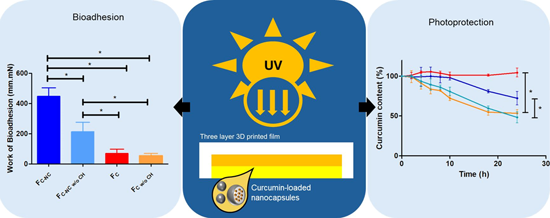
- produced by SSE could address these limitations. To overcome its poor solubility and enhance bioadhesion, curcumin was encapsulated in polymeric nanocapsules (C-NCs), yielding a mean particle size of 218 ± 5 nm, a polydispersity index of 0.10 ± 0.02, a zeta potential of −11 ± 4 mV, and 100% encapsulation
- compared with previously developed hydrogels for skin delivery include improved control over the applied curcumin dose, as well as the personalisation of the size and shape of the printed films for the treatment of specific skin areas, such as wounds. In this proof-of-concept study, we hypothesised that
- concentrated to 10 mL. The experiment was carried out in a dark environment, protected from light. Blank formulations (B-NC) were prepared under the same conditions, without addition of curcumin in the organic phases. All formulations were prepared and characterised in triplicate. Particle size, pH and zeta


First-principles study on elastic properties of Cu, (Cu1−x,Nix)3Sn and interfacial mechanical properties of (Cu1−x,Nix)3Sn/Cu in the lead-free solder joint
Beilstein J. Nanotechnol. 2026, 17, 428–439, doi:10.3762/bjnano.17.29
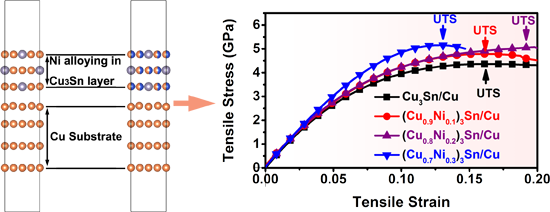
- efficiency without losing the accuracy by reducing the model size of the alloy systems. Considering the phase stability of (CuxNi1−x)3Sn [22], the content of Ni was set within the range from 0 to 30 atom %. As far as the calculations of the structure optimizations and elastic properties are concerned, a


Biomimetic nanoparticles in cancer photodynamic therapy: a review of targeted delivery systems and therapeutic outcomes
Beilstein J. Nanotechnol. 2026, 17, 396–422, doi:10.3762/bjnano.17.27
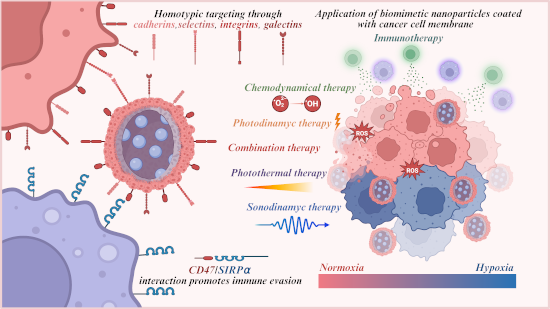
- accumulated in tumors at twice the level of their non-coated counterparts. Fourteen days after treatment, tumor size was reduced to a half with PDT alone and 22-fold with combined


Eco-efficient materials for agricultural crops based on a mineral rich in MOR- and HEU-type zeolites
Beilstein J. Nanotechnol. 2026, 17, 381–395, doi:10.3762/bjnano.17.26
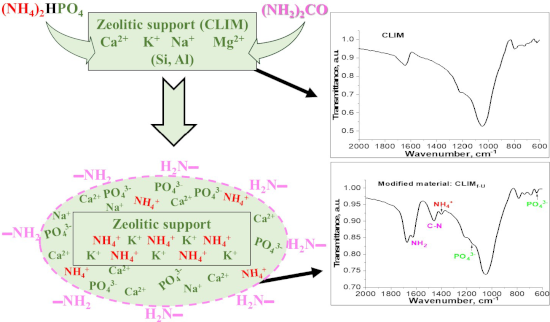
- HEU, which leads to differences in their structural charge. The largest channel of HEU has ten tetrahedra and a size of 3.1 × 7.5 Å [16][35], while, in MOR it has twelve tetrahedra with a size of 6.7 × 7.0 Å [37]. Therefore, this observed difference may be the result of differences in the interaction
- with the zeolitic phase and urea, that is, water molecules in intermediate positions [9][39]. Given the similarity in size between urea molecules (5.6 × 6.3 × 3.0 Å) [41] and the maximum channel sizes of HEU (3.1 × 7.5 Å) and MOR (7.0 × 6.5 Å) [5][36][37], it is possible that urea can be retained in
- zeolitic minerals in agriculture allows one to obtain low-cost, eco-efficient materials for massive application, with rational use of nutrients and agroecological benefits. Experimental Materials and methods In this work, a zeolitic mineral from the San Andrés deposit in Holguín, Cuba, with a particle size