Search results
Search for "sputtering" in Full Text gives 402 result(s) in Beilstein Journal of Nanotechnology. Showing first 200.
Nanoglasses: a trail towards uncharted regions of vitreous materials and their properties?
Beilstein J. Nanotechnol. 2026, 17, 1047–1062, doi:10.3762/bjnano.17.72

- ), the potential structures can vary much more significantly than in any crystalline state. In fact, it is only through the consideration of processing routes beyond the conventional liquid quenching and subsequent relaxation methods, such as gas-phase condensation, sputtering, or electrochemical
- versatile and more reliable approach for nanoglass fabrication, potentially overcoming the porosity- and impurity-related limitations of nanoglasses prepared by inert gas condensation. Tracer diffusion measurements were conducted using ion beam sputtering and time-of-flight secondary ion mass spectrometry


Synthesis and characterization of RF-sputtered ZnTe/Cu2−xTe thin films for solar cell applications
Beilstein J. Nanotechnol. 2026, 17, 1016–1027, doi:10.3762/bjnano.17.69
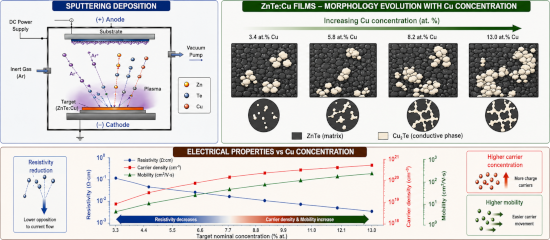
- /bjnano.17.69 Abstract The incorporation of copper and oxygen into zinc telluride (ZnTe) thin films deposited by radio-frequency magnetron sputtering from a single ZnTe–CuO composite target was investigated. The nominal Cu and O concentrations ranged from 3 to 13 atom %, and films were grown at substrate
- : back contact materials; Cu2−xTe phases; phase segregation; RF magnetron sputtering; ZnTe thin films; Introduction CdTe solar cells remain one of the leading thin-film photovoltaic technologies due to the near-optimal direct bandgap of CdTe (≈1.45 eV) and its high absorption coefficient (>104 cm−1
- still promote Cu diffusion into the CdTe absorber. Furthermore, the complex polymorphic nature of the CuxTe system and the difficulty in phase control may result in inconsistent electrical behavior and reduced reproducibility. Similarly, ZnTe:Cu thin films deposited by RF sputtering have been



Materials challenges in solid-state sensors for continuous monitoring of ions in water
Beilstein J. Nanotechnol. 2026, 17, 935–973, doi:10.3762/bjnano.17.66
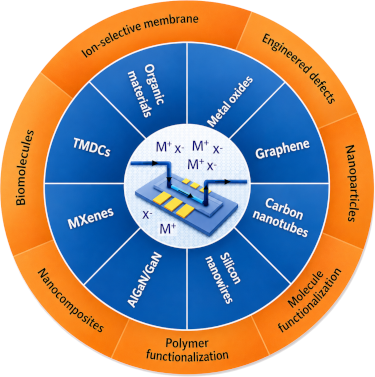
- sensing by metal-oxide FETs has developed more slowly. In terms of device fabrication, metal oxides often endure harsh aqueous conditions (acidic and alkaline) better than many organics, making them favorable for long‐term deployment. They have well-established fabrication methods (thin films, sputtering



Enhanced erosion resistance and radiation stability of WC–WO3 nanocomposite films under 100 keV Kr+ ion irradiation
Beilstein J. Nanotechnol. 2026, 17, 922–934, doi:10.3762/bjnano.17.65
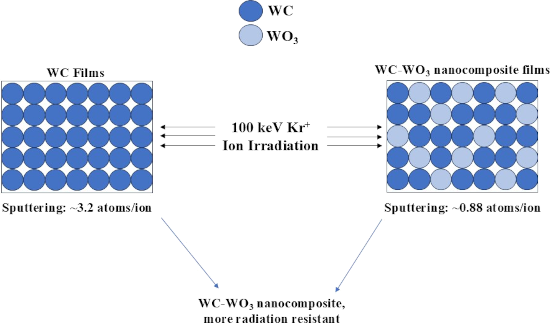
- /bjnano.17.65 Abstract Plasma-facing components (PFCs) in fusion reactors are exposed to extreme radiation and thermal environments, leading to material degradation processes such as sputtering erosion and amorphization. This study investigates and compares the erosion behaviour of tungsten (W) in
- evaluate W sputtering yields and compositional stability. The WC–WO3 nanocomposite exhibited significantly reduced W erosion compared to pure WC films, attributed to the higher W binding energy and the existence of heterointerfaces within the nanocomposite matrix. SRIM simulations corroborated the
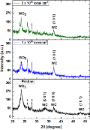
- experimental sputtering trends. Furthermore, preferential sputtering of lower-Z elements (C and O) was observed in both material systems. Glancing incidence X-ray diffraction analysis revealed post-irradiation grain growth in WC–WO3 films, while scanning electron microscopy results show morphological changes



Tuning the electronic properties of defect-rich MoS2
Beilstein J. Nanotechnol. 2026, 17, 796–805, doi:10.3762/bjnano.17.56
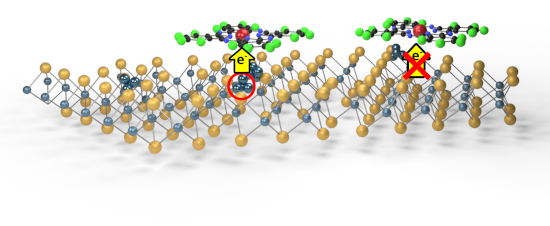
- perfluorinated cobalt phthalocyanine (CoPcF16). Defects were introduced in synthetic MoS2 bulk crystals by gentle argon and neon sputtering. Although the band structure is still visible after sputtering, especially SXPS reveals structural and electronic disturbances of the topmost MoS2 layer. We show how the
- intentionally by sputtering with noble gases, yielding conflicting results in different reports, apparently depending on detailed experimental conditions and the source of the substrates [18][19][20][21]. Recently, a TMDC surface cleaning by noble gas ion bombardment was considered [22]. Amongst other
- in multilayered MoS2 by gentle ion sputtering with argon or neon and analyze the electronic structure after each treatment with PES, XAS, and ARPES. Subsequently, cobalt(II) hexadecafluorophthalocyanine (CoPcF16) is deposited, and the interfacial electronic structure of the defect-rich MoS2/TMPc


Restorative potential of laser-synthesized silver nanoparticles with Salvia officinalis for periodontal disease treatment: an in vitro study
Beilstein J. Nanotechnol. 2026, 17, 781–795, doi:10.3762/bjnano.17.55
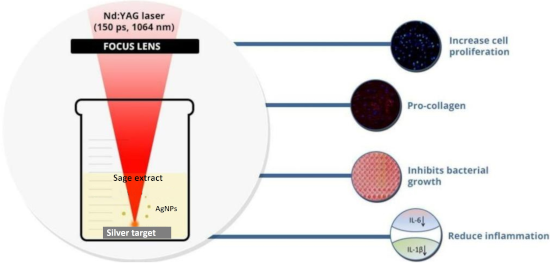
- employ silver nitrate as a precursor and different reducing agents as a stabilizer, (ii) biological methods, which use natural precursors like bacteria, enzymes, and plant extracts, and (iii) physical methods based on arc discharge, sputtering, physical vapor deposition, or laser ablation [2]. While



Substrate-dependent pore formation in molybdenum disulfide monolayers under ion irradiation
Beilstein J. Nanotechnol. 2026, 17, 769–780, doi:10.3762/bjnano.17.54
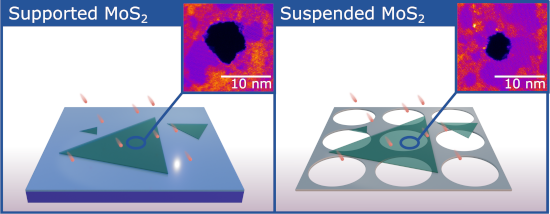
- systematically larger by ≈1 nm across all charge states. In addition, within our experimental resolution, we observe no significant dependence of pore radius on kinetic energy over the investigated range. This observation is consistent with sputtering experiments of monolayer MoS2 carried out by Skopinski et al
- . [42], who found that the sputtering yield of Mo is significantly more sensitive to changes in the charge state of the HCIs rather than their kinetic energy. These observations suggest that nuclear sputtering contributes only weakly under the present conditions and pore formation is dominated by the


Tailoring Ag–Pt nanoalloys through solid-state dewetting: structural and optical insights
Beilstein J. Nanotechnol. 2026, 17, 748–759, doi:10.3762/bjnano.17.52

- .17.52 Abstract In this work, a cost-effective method for fabricating silver–platinum nanoalloys through thermally activated dewetting of thin metallic films is demonstrated. Ag and Pt bilayers with a total thickness of 8 nm were deposited using DC magnetron sputtering, followed by annealing at 650 °C
- were employed for optical investigations. Both types of substrates were cleaned with acetylacetone, subsequently rinsed with ethanol, and dried. Thin Pt and Ag thin films were sputtered using a table-top DC magnetron sputtering coater (EM SCD 500, Leica) in a pure Ar plasma environment (Argon, Air
- integrated within the sputtering system allowed for in situ monitoring of film thickness. Ag–Pt nanoalloyed structures were prepared by sequential deposition of Ag and Pt thin films, as shown in Figure 10a. In this process, Pt was deposited onto Ag due to the lower chemical reactivity of platinum, which




Environmental applications of silver nanoparticles: state-of-the-art review and emerging trends
Beilstein J. Nanotechnol. 2026, 17, 697–736, doi:10.3762/bjnano.17.49
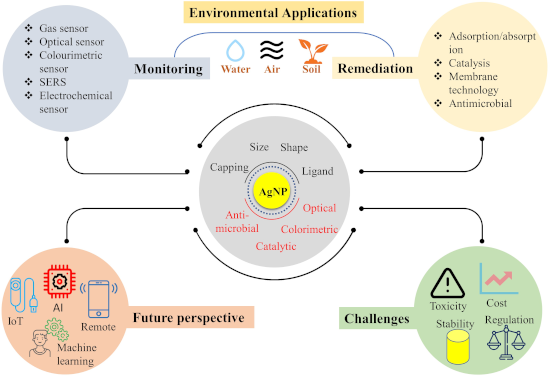
- sensing, allowing for a design tailored to a specific application. For example, PVP-capped AgNPs were used to selectively detect Hg2+ in the presence of methionine as a linker molecule [39]. Laser ablation, evaporation–condensation, and sputtering fall under physical syntheses and offer the advantage of


Defects and defect-mediated engineering of two-dimensional materials: challenges and open questions
Beilstein J. Nanotechnol. 2026, 17, 454–488, doi:10.3762/bjnano.17.31
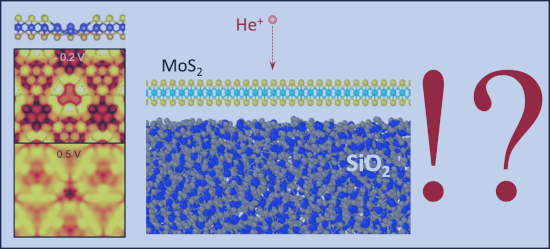
- migration barriers for S vacancies on the WS2 surface exceed 2 eV, rendering vacancy migration unlikely at room temperature and under typical experimental conditions [62]. This suggests that large vacancy clusters form as a result of non-diffusive processes, such as sputtering and etching of the surface
- residues and other contaminants may alter the XPS spectra, leading to misinterpretation of defect characteristics. To mitigate this, careful sample preparation in controlled environments and in situ cleaning methods, such as argon ion sputtering, are essential. However, these approaches must be applied





Beam shaping techniques for pulsed laser ablation in liquids: Unlocking tunable control of nanoparticle synthesis in liquids
Beilstein J. Nanotechnol. 2026, 17, 309–342, doi:10.3762/bjnano.17.22
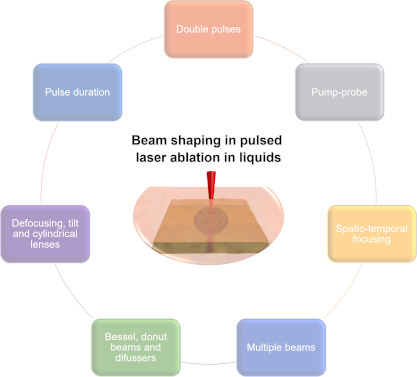
- indeed eco-friendly and offer advantages like low toxicity and reduced environmental impact; however, they generally offer less control over NP properties. Moreover, other physical methods such as milling, pyrolysis, sputtering, and arc discharge, or gas-phase processes such as flame spray pyrolysis or







Fast vortex dynamics and relaxation times in NbRe-based heterostructures
Beilstein J. Nanotechnol. 2026, 17, 292–302, doi:10.3762/bjnano.17.20
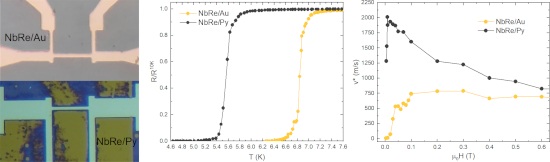
- analysis of Abrikosov vortex dynamics and flux-flow instabilities was performed in NbRe/Au and NbRe/Py bilayers to compare superconducting/normal metal (S/N) and superconducting/ferromagnetic (S/F) heterostructures based on the same superconducting layer. The heterostructures, fabricated by sputtering
- both spectral and kinetic proximity effects cooperate in promoting faster quasiparticle relaxation in hybrid systems. Experimental Bilayers were deposited by DC magnetron sputtering in an ultrahigh vacuum system at room temperature from Nb0.18Re0.82 (NbRe), Au, and Ni0.80Fe0.20 (permalloy, Py) targets


Time of flight secondary ion mass spectrometry imaging of contaminant species in chemical vapour deposited graphene on copper
Beilstein J. Nanotechnol. 2026, 17, 200–213, doi:10.3762/bjnano.17.13
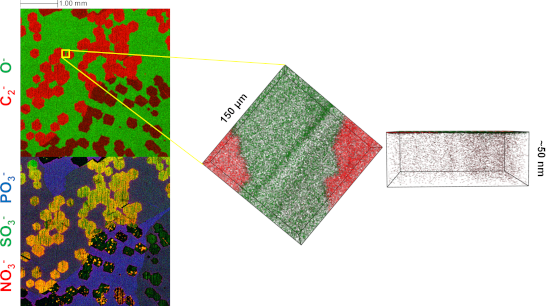
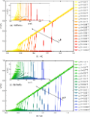
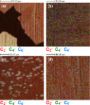
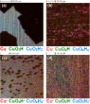
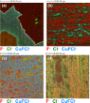
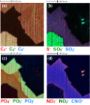
- of 30 nA were used for sputtering cycles. The interleaved image spectra were acquired using 25 keV Bi3+ ions from a liquid metal ion gun, orientated at 45° to the sample surface. This was operated at an ion current of 0.1 pA, in an interlaced mode with a cycle time of 100 µs, in spectroscopy mode to





Capabilities of the 3D-MLSI software tool in superconducting neuron design
Beilstein J. Nanotechnol. 2026, 17, 122–138, doi:10.3762/bjnano.17.8

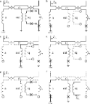
- thicknesses of the superconducting layers were 200, 250, and 350 nm for M1, M2, and M3, respectively. The SiO2 insulating layers had thicknesses of 200 nm (I1) and 300 nm (I2). Deposition of metallic layers was performed via magnetron sputtering in argon atmosphere, while insulating layers were thermally



Quantitative estimation of nanoparticle/substrate adhesion by atomic force microscopy
Beilstein J. Nanotechnol. 2026, 17, 1–14, doi:10.3762/bjnano.17.1

- strategies for tailoring nanoparticle/substrate interactions. Keywords: adhesion; atomic force microscopy; magnetron sputtering; nanomanipulation; nanoparticles; Introduction Nanoparticles (NPs) are at the forefront of basic research and technological innovation, captivating researchers and engineers from
- × 10−7 mbar. Ar was introduced as a sputtering gas, keeping a constant flow rate of 40 sccm. Sputtering was carried out at a constant current of 200 mA (≈70 W) applied to the target. The sputtered atoms start to form NPs and to grow in the aggregation zone, where the aggregation length was adjusted to



Visualizing nanostructures in supramolecular hydrogels: a correlative study using confocal and cryogenic scanning electron microscopy
Beilstein J. Nanotechnol. 2025, 16, 2274–2284, doi:10.3762/bjnano.16.156
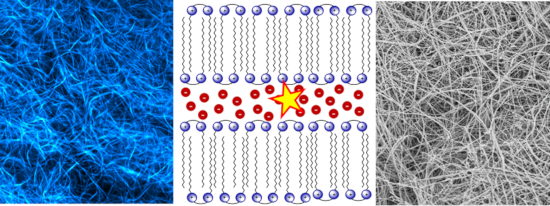
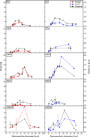
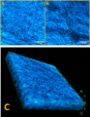
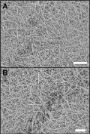
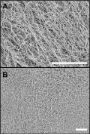
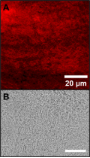
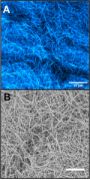
- PP3010. The gel sample underwent 5 min of etching via sublimation at −100 °C followed by sputtering in an argon environment using platinum for 60 s at a current of 10 mA. Once coated, the shuttle was transferred to the cryo-stage in the SEM chamber and maintained at −170 °C. Finally, the microstructure



Evaluating metal-organic precursors for focused ion beam-induced deposition through solid-layer decomposition analysis
Beilstein J. Nanotechnol. 2025, 16, 1942–1951, doi:10.3762/bjnano.16.135
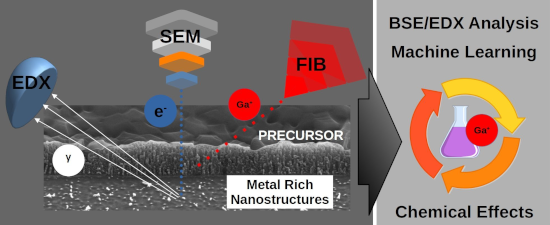
- backscattered electron (SEM BSE) analysis. For each studied precursor, an optimal ion fluence was determined, defined as the ion fluence at which the sputtering of the formed metal-rich structures becomes the dominant process, exceeding the rate of precursor decomposition and material buildup. While sputtering
- irradiation and what kind of morphology is developed for the finally formed metal-rich structures. (3) Analyzing BSE images of the evolving surface morphology at successive stages of FIB irradiation in order to determine “the sputtering point”, that is, the threshold ion fluence at which the sputtering
- , the BSE signal rapidly drops; all precursor material already decomposed into the metal-rich phase, the sputtering of the metal phase has begun to dominate, and the layer is getting thinner and thinner and finally is sputtered off (as in Figure 1b–e). From this dependence, one can determine the optimal


Quantum circuits with SINIS structures
Beilstein J. Nanotechnol. 2025, 16, 1931–1941, doi:10.3762/bjnano.16.134
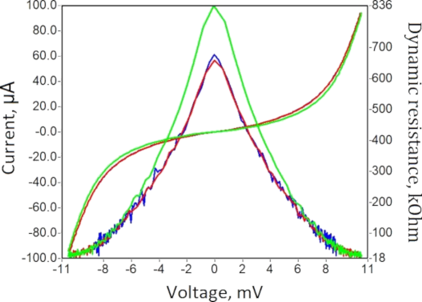
- . Microwave detectors, electron coolers, primary thermometers, and Aharonov–Bohm interferometers have been fabricated by various methods and measured at temperatures down to 100 mK. The manufacturing methods included Dolan-type shadow evaporation, Manhattan-type shadow evaporation, and magnetron sputtering
- deposition plants with thermal or e-beam evaporation. A much more available and simple deposition equipment is magnetron sputtering, but it provides only isotropic deposition, which is incompatible with anisotropic shadow evaporation. The practical solution for a magnetron sputtering is selective etching of
- different layers of superconducting aluminum and normal metal (e.g., copper). In case of chemical wet etching, this is achieved through an alkali and acid pair, for dry etching, chlorine and fluorine plasmas are used. Alternatively, in the case of magnetron sputtering and separate lithography, ion etching


Electrical, photocatalytic, and sensory properties of graphene oxide and polyimide implanted with low- and medium-energy silver ions
Beilstein J. Nanotechnol. 2025, 16, 1794–1811, doi:10.3762/bjnano.16.123
- implantation primarily affects subsurface layers, leading to bulk modifications with more gradual structural changes and less surface sputtering. The details of the energy stopping powers at the depth of ion implantation are given in Figure 1. Elemental characterization by RBS and ERDA The elemental
- sputtering and the increase in surface roughness during implantation may result in a shallower experimental profile than predicted. Differences can also arise from the finite depth resolution of RBS, which is influenced by energy straggling and multiple scattering effects, leading to a broadening of the
- reduction in roughness is observable at any ion fluence relative to the reference condition. The lowest roughness in this instance was achieved with an ion fluence of 3.75 × 1012 cm−2. One possible explanation for the change in surface roughness measured by AFM may be surface sputtering. When there is


Ambient pressure XPS at MAX IV
Beilstein J. Nanotechnol. 2025, 16, 1677–1694, doi:10.3762/bjnano.16.118
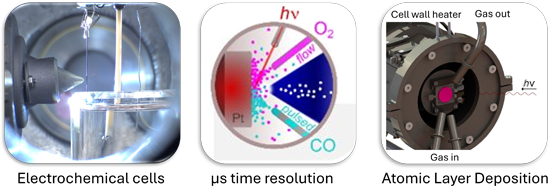
- equipped with complementary instruments (e.g., mass spectrometers) mainly allowing researchers to probe gas phase products and connect this information easily to the XPS data acquired from the surface. Common in-vacuum surface preparation tools (e.g., Ar ion sputtering and sample annealing) are





Prospects of nanotechnology and natural products for cancer and immunotherapy
Beilstein J. Nanotechnol. 2025, 16, 1644–1667, doi:10.3762/bjnano.16.116

- nanoparticles Gold nanoparticles are nanometer-scale structures composed of a gold core with surface ligands, which can be structured into nanospheres, nanocages, nanorods, and nanoshells [146][147]. There are various manufacturing processes such as vacuum sputtering, biosynthesis, methods based on ultraviolet


Automated collection and categorisation of STM images and STS spectra with and without machine learning
Beilstein J. Nanotechnol. 2025, 16, 1367–1379, doi:10.3762/bjnano.16.99
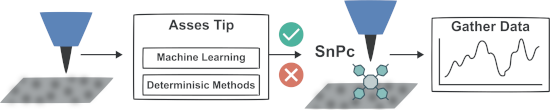
- was operated using an RC5 Nanonis controller, with all experiments carried out in UHV (base pressure ≤5 × 10⁻¹¹ mbar) cooled to 5 K. Gold and silver crystals (spl.eu) were prepared via repeated sputter–anneal cycles, sputtering under an argon pressure of ≈5 × 10⁻⁵ mbar, with a beam energy of 1.5 kV




Enhancing the photoelectrochemical performance of BiOI-derived BiVO4 films by controlled-intensity current electrodeposition
Beilstein J. Nanotechnol. 2025, 16, 1289–1301, doi:10.3762/bjnano.16.94
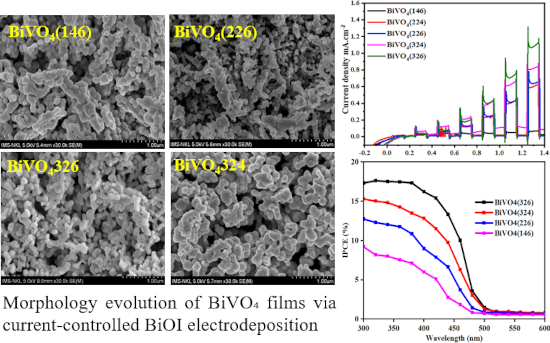
- thickness. Alternatively, Liu et al. [16] employed RF sputtering with a single BiVO4 target, but the volatility of Bi in a vacuum environment often led to an imbalanced Bi/V ratio, requiring precise regulation of oxygen partial pressure. Gong et al. [17] utilized DC co-sputtering of Bi and V targets to

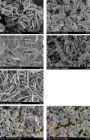


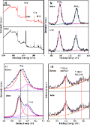
Crystalline and amorphous structure selectivity of ignoble high-entropy alloy nanoparticles during laser ablation in organic liquids is set by pulse duration
Beilstein J. Nanotechnol. 2025, 16, 1141–1159, doi:10.3762/bjnano.16.84
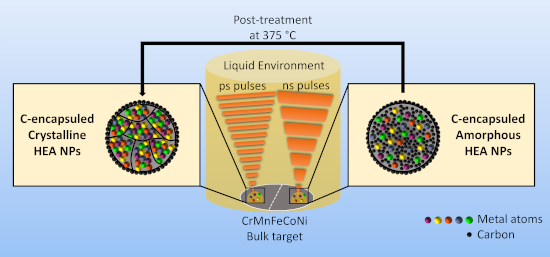
- approach for the synthesis of colloidal HEA NPs is magnetron sputtering, though special requirements such as vacuum stable solvents (e.g., ionic liquids) limit its widespread use [32] and scalability is limited. Colloidal NP products have several advantages. For instance, in the fabrication of
- example in magnetron sputtering techniques. Colloidal HEA NPs by LSPC were first reported in 2019 by Waag et al. [35], where CrMnFeCoNi NPs were produced in ethanol, using a picosecond-pulsed laser for ablation (ps-LAL), yielding colloids of HEA NPs with a mean diameter below 10 nm and productivities of 3


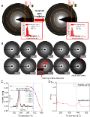


Influence of ion beam current on the structural, optical, and mechanical properties of TiO2 coatings: ion beam-assisted vs conventional electron beam evaporation
Beilstein J. Nanotechnol. 2025, 16, 1097–1112, doi:10.3762/bjnano.16.81
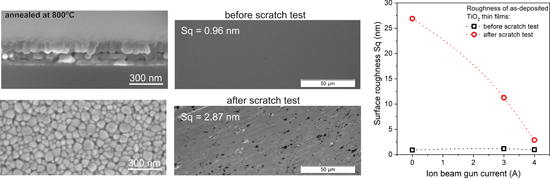
- advantages including low manufacturing cost, high deposition rate, and the possibility to coat large surface areas [3][5][6]. However, the quality of the deposited coatings is relatively poor compared to, for example, magnetron sputtering, which guarantees the production of thin films with good coating
- -grown TiO2 films at room temperature, which is consistent with values reported in other studies [50][51]. However, it should be noted that the films in [49][50][51] were deposited using radio-frequency reactive and pulsed DC magnetron sputtering. These results indicate that the value of optical bandgap
- anatase and rutile phases, prepared by magnetron sputtering using continuous and pulsed gas flow processes were 0.17 and 0.24 eV, respectively. It was found that the lower value of Eu was obtained for the anatase thin film, which was directly related to the much more ordered structure of this layer, as