Search results
Search for "sulfur" in Full Text gives 208 result(s) in Beilstein Journal of Nanotechnology. Showing first 200.
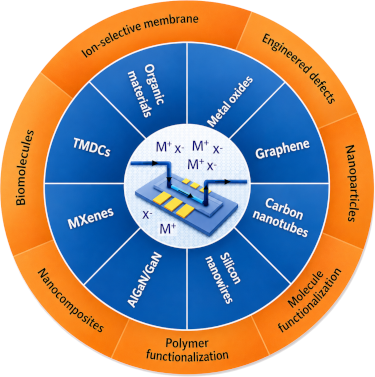
Materials challenges in solid-state sensors for continuous monitoring of ions in water
Beilstein J. Nanotechnol. 2026, 17, 935–973, doi:10.3762/bjnano.17.66



Light-driven ammonia electrooxidation via carbon nitride–ruthenium molecular interfaces
Beilstein J. Nanotechnol. 2026, 17, 854–862, doi:10.3762/bjnano.17.61
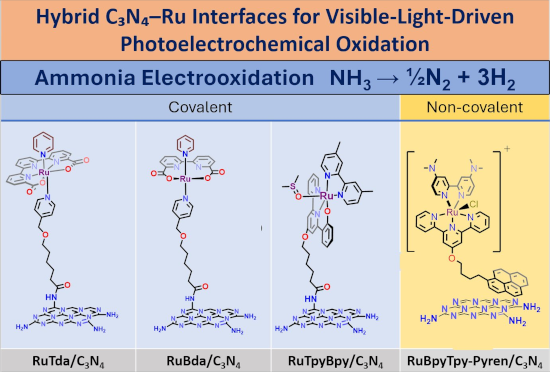
- , electronic coupling, and catalyst stability differently. This perspective article examines how the structural diversity of the C3N4 allotropes, spanning semicrystalline polymeric C3N4, highly ordered poly(heptazine imide), and high-surface-area amorphous sulfur-doped C3N4, offers a tunable platform for
- photoelectrocatalytic performance [19]. Amorphous sulfur-doped C3N4 (S-C3N4, Table 1), prepared from sulfur-containing precursors such as purpald, achieves a narrower bandgap of 1.8–2.0 eV and a higher surface area, accessing a larger fraction of the solar spectrum at the cost of somewhat reduced charge transport


Cross-scale design of chemosensor arrays: from molecular self-assembly in water to paper-based devices for metal ion detection
Beilstein J. Nanotechnol. 2026, 17, 828–838, doi:10.3762/bjnano.17.59
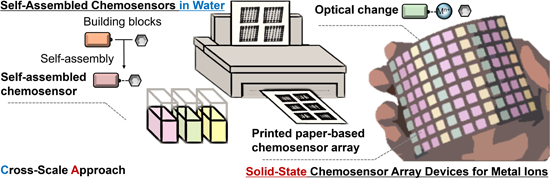
- chemosensors for metal ion sensing The general strategy of metal-ion recognition primarily relies on multivalent coordination between target metal ions and donor atoms (e.g., nitrogen, oxygen, and sulfur) of binding sites [44]. Upon metal ion capture, the chemical information is visualized using optical units


Tuning the electronic properties of defect-rich MoS2
Beilstein J. Nanotechnol. 2026, 17, 796–805, doi:10.3762/bjnano.17.56
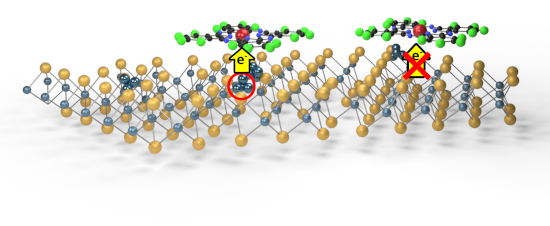
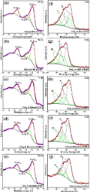
- the same sputtering time. These results indicate a severe degradation of the topmost layer of sulfur atoms during sputtering. It is noted that, based on the mean free path, one would expect similar surface sensitivities for the valence band spectra in Figure 1 (λ = 5–10 Å) [44][45][46] and the core
- valence band and core level spectra reveal p- or n-type doping effects, most likely due to the presence of sulfur vacancies and metallic Mo. Nevertheless, the deposition of CoPcF16 affects the position of the Fermi energy, which illustrates that a tuning of electronic properties is also possible in the


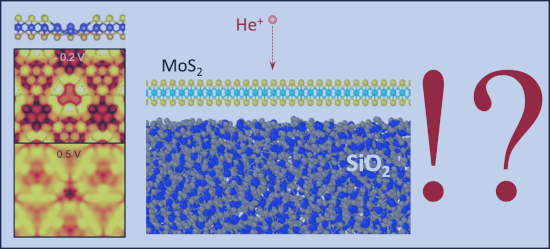
Substrate-dependent pore formation in molybdenum disulfide monolayers under ion irradiation
Beilstein J. Nanotechnol. 2026, 17, 769–780, doi:10.3762/bjnano.17.54
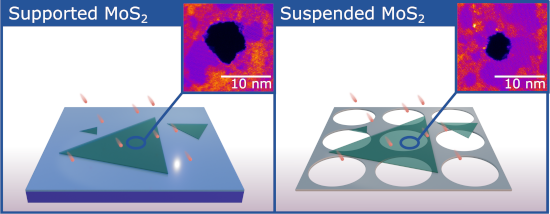
- . In the first zone ≈60 mg of sulfur is placed. An argon flow of 500 sccm is used to purge the quartz tube containing the reagents and as a means to transport the precursors. During the 30 min process, the first zone reaches 150 °C, while the second zone reaches 750 °C. After the process has finished


Environmental applications of silver nanoparticles: state-of-the-art review and emerging trends
Beilstein J. Nanotechnol. 2026, 17, 697–736, doi:10.3762/bjnano.17.49
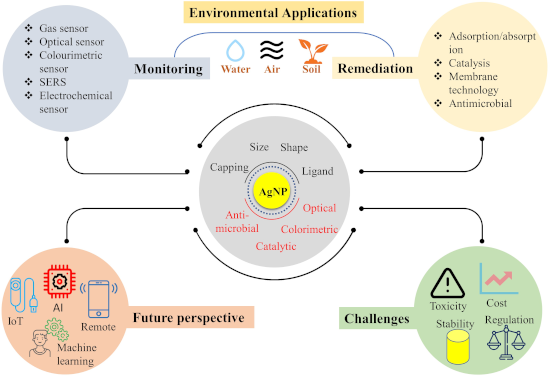
- . aureus, with inhibition zones of 1.52 and 2.04 mm, respectively [153]. AgNPs exhibit antimicrobial properties and reduce foul-smelling pollutants, helping maintain air quality. The AgNPs–cellulose derivative-impregnated PP fibres were used to correct air odour by removing sulfur compounds [154]. The


Decontamination from water pollutants and pathogens by electrospun nanofibers doped with heavy-atom-free borafluorene-BODIPY photosensitizers
Beilstein J. Nanotechnol. 2026, 17, 668–682, doi:10.3762/bjnano.17.46
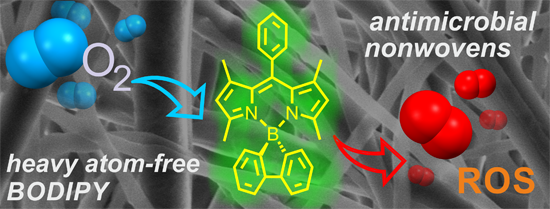
- coworkers [64], cimetidine undergoes initial S-oxidation to the sulfoxide followed by C–S bond cleavage to yield (5-methyl-1H-imidazol-4-yl)methanol. A similar pathway is expected for ranitidine, which also incorporates a sulfur atom in the structure. Propranolol oxidation with ROS produces 4



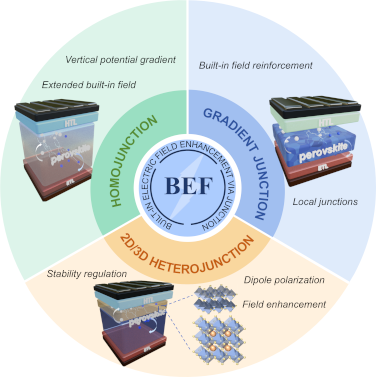
Recent progress in enhancing built-in electric fields of perovskite solar cells via junction engineering
Beilstein J. Nanotechnol. 2026, 17, 602–621, doi:10.3762/bjnano.17.42




Probing internal continua and atomic ultrafast charge transfer within size-controlled nanoparticles by post-collision interaction in core-hole clock spectroscopy
Beilstein J. Nanotechnol. 2026, 17, 505–514, doi:10.3762/bjnano.17.33

- times are drastically reduced and converge to values below 10 as for the smallest quantum dots and to approximately 30 as for the largest quantum dots. These values are comparable to charge transfer times observed in PbS quantum dots [27] and other sulfur-containing nanomaterials [29][24]. The size




Defects and defect-mediated engineering of two-dimensional materials: challenges and open questions
Beilstein J. Nanotechnol. 2026, 17, 454–488, doi:10.3762/bjnano.17.31
- one containing a sulfur vacancy, decreasing from 1.59 to 0.80 eV [55][56][57][58]. This suggests that the reaction of O2 with a pristine surface is unlikely [59][60] and that S vacancies are likely to play an important role in the process. STM measurements on MoS2 demonstrated a high intrinsic
- MoSe2 on a gold substrate to the Janus MoSeS structure [77]. Also, a facile low-temperature thiol chemistry route was suggested to remove sulfur vacancies in 2D MoS2 [78], which resulted in a significant drop in the number of the charged impurities and traps and increased the mobility. Qualitatively





Functional surface engineering for cultural heritage protection: the role of superhydrophobic and superoleophobic coatings – a comprehensive review
Beilstein J. Nanotechnol. 2026, 17, 63–96, doi:10.3762/bjnano.17.6

- transparency and reversibility, while smoother substrates favor thinner, more controllable films. Furthermore, artworks having stone or inorganic surfaces, may experience erosion due to the effect of acid rain if in outdoor environment (limestone might shift to gypsum due to sulfur dioxide, becoming porous and





Reduced graphene oxide paper electrode for lithium-ion cells – towards optimized thermal reduction
Beilstein J. Nanotechnol. 2026, 17, 24–37, doi:10.3762/bjnano.17.3
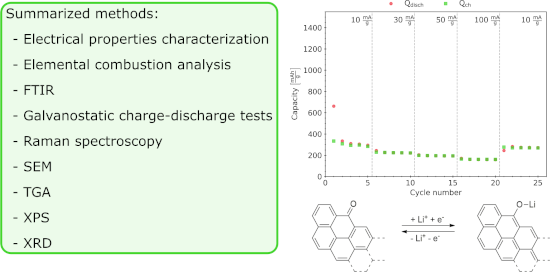
- lithium sulfur batteries [19]. Such an improvement is enabled by the graphene-like structure and the defects within the flakes, represented not only by non-regular rings in the carbon lattice but also by the presence of oxygen functionalities and their percentile content [20][21][22]. A schematic




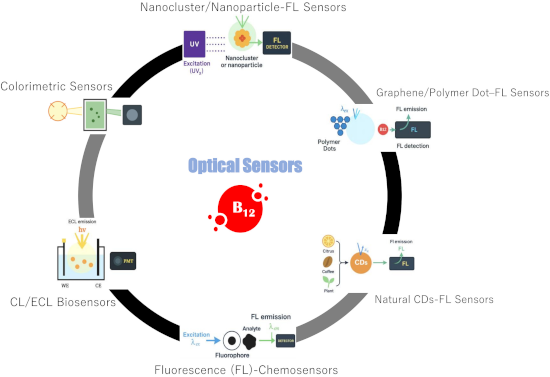
Optical bio/chemical sensors for vitamin B12 analysis in food and pharmaceuticals: state of the art, challenges, and future outlooks
Beilstein J. Nanotechnol. 2025, 16, 2207–2244, doi:10.3762/bjnano.16.153


Microplastic pollution in Himalayan lakes: assessment, risks, and sustainable remediation strategies
Beilstein J. Nanotechnol. 2025, 16, 2144–2167, doi:10.3762/bjnano.16.148

- is TiO2, which is known for being stable, effective, and able to produce ROS when exposed to UV light [43]. The effectiveness of TiO2 has been improved recently by doping it with nonmetals like sulfur and nitrogen or combining it with carbon-based compounds like graphene. According to Xiao et al


Rapid synthesis of highly monodisperse AgSbS2 nanocrystals: unveiling multifaceted activities in cancer therapy, antibacterial strategies, and antioxidant defense
Beilstein J. Nanotechnol. 2025, 16, 2105–2115, doi:10.3762/bjnano.16.145
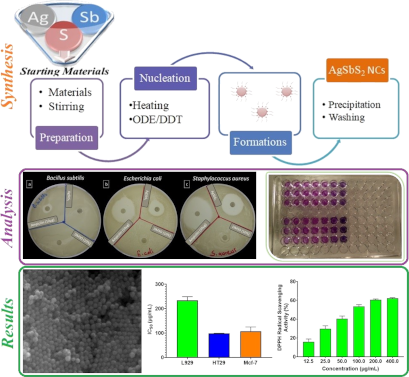
- separate interaction exists between 6 sulfur atoms and silver and antimony atoms. Also, the obtained diffraction peaks are neat and intense, indicating the absence of other secondary phase peaks, and proving the successful synthesis of the desired structure. FTIR analysis was carried out in the range of


Stereodiscrimination of guests in chiral organosilica aerogels studied by ESR spectroscopy
Beilstein J. Nanotechnol. 2025, 16, 2034–2054, doi:10.3762/bjnano.16.140
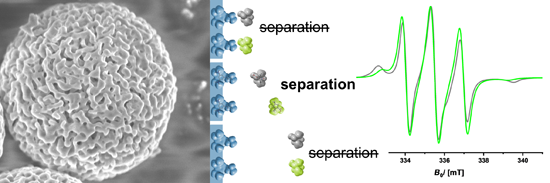
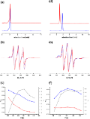
- aerogels. After deprotection, one obtains SH-AlaNHzoSIL; the data is given in Supporting Information File 1, Figure S8. In particular, energy-dispersive X-ray spectroscopy analysis proves the presence of sulfur and, thus, the successful incorporation of the thiophenyl groups. The value of the thiol groups




The cement of the tube-dwelling polychaete Sabellaria alveolata: a complex composite adhesive material
Beilstein J. Nanotechnol. 2025, 16, 1998–2014, doi:10.3762/bjnano.16.138
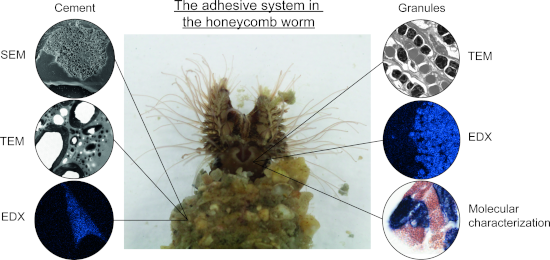
- analysis on six cement spots from natural tubes embedded in epoxy resin (Figure 5D). Our measurements revealed that, in addition to carbon and oxygen, the cement primarily consisted of calcium (15.5% ± 4.5%) and phosphorus (3.7% ± 1.1%). Additionally, we detected smaller amounts of sulfur (0.6% ± 0.1



Laser ablation in liquids for shape-tailored synthesis of nanomaterials: status and challenges
Beilstein J. Nanotechnol. 2025, 16, 1963–1997, doi:10.3762/bjnano.16.137
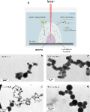
- mercaptan using millisecond laser pulses. The authors propose a mechanism in which zinc sulfide is formed via the reactions of zinc species formed in plasma with sulfur-containing reactive species formed as a result of liquid decomposition. The formation of nanowires was only observed in a narrow window of





Further insights into the thermodynamics of linear carbon chains for temperatures ranging from 13 to 300 K
Beilstein J. Nanotechnol. 2025, 16, 1818–1825, doi:10.3762/bjnano.16.125
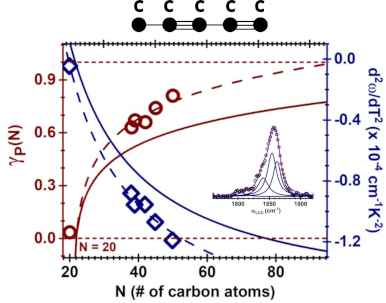
- interactions, and that mutual interactions between chain-like structures and their hosts are second-order effects [61][62][63][64][65]. Sulfur chains inside SWCNT have also demonstrated enhanced field-emission properties and outstanding gas-sensing properties [66][67], which once again corroborate the idea


![[Graphic 23]](/bjnano/content/inline/2190-4286-16-125-i25.svg?max-width=637&scale=1.18182)
Laser processing in liquids: insights into nanocolloid generation and thin film integration for energy, photonic, and sensing applications
Beilstein J. Nanotechnol. 2025, 16, 1428–1498, doi:10.3762/bjnano.16.104






Enhancing the therapeutical potential of metalloantibiotics using nano-based delivery systems
Beilstein J. Nanotechnol. 2025, 16, 1350–1366, doi:10.3762/bjnano.16.98
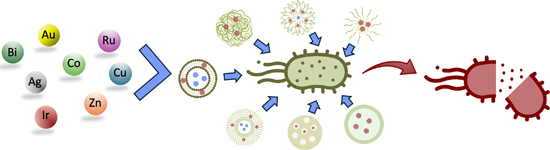
- been suggested that the antibacterial action is strongly related to bioavailability and stability. In fact, the poor water solubility, the degradation (precipitation) by chloride in the bloodstream, the interaction with sulfur-containing proteins, and the rapid clearance by macrophages are the main


Ferroptosis induction by engineered liposomes for enhanced tumor therapy
Beilstein J. Nanotechnol. 2025, 16, 1325–1349, doi:10.3762/bjnano.16.97
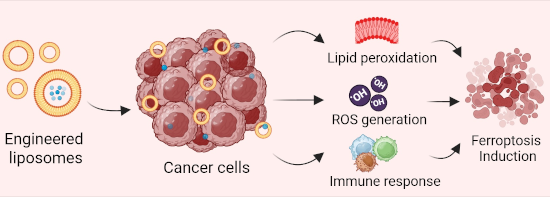
- reason, this transporter is considered a common biomarker for ferroptosis [40][73]. Cancer cells are highly dependent on elevated levels of the iron–sulfur cluster biosynthetic enzyme cysteine desulfurase (NFS1). By blocking NFS1 and inhibiting cysteine transport, ferroptosis was induced in vitro, which


Electronic and optical properties of chloropicrin adsorbed ZnS nanotubes: first principle analysis
Beilstein J. Nanotechnol. 2025, 16, 1184–1196, doi:10.3762/bjnano.16.87
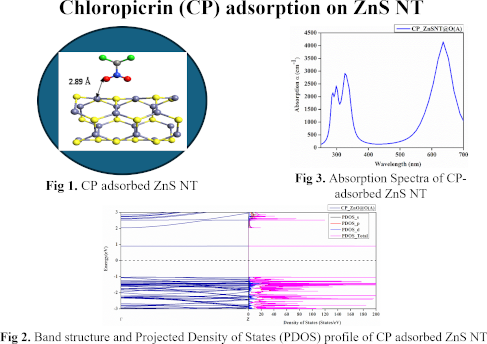
- ”, respectively. Table 1 shows EC, which is the energy required to break the NT into individual atoms, the average diameter between two opposite sulfur (dS) and zinc (dZn) atoms, and the radial buckling δ. The cohesive energy of the ZnS NT (ZnS NT) is calculated to be −3.832 eV/atom. This negative energy
- (Orientation B), (iv) CP adsorbed ZnS NT (Orientation C), and (v) CP adsorbed ZnS NT (Orientation D). Yellow and light grey spheres represent sulfur and zinc atoms, respectively, while red, green, blue, and dark grey spheres indicate oxygen, chlorine, nitrogen, and carbon atoms of the CP molecule. Band
- (Orientation B), (iv) CP adsorbed ZnS NT (Orientation C), and (v) CP adsorbed ZnS NT (Orientation D). The cohesive energy (EC), average diameter between two opposite sulfur (dS) and zinc (dZn) atoms, and the radial buckling δ of the armchair ZnS NT. Variations in the Zn–S bond length of ZnS NT near the CP


Synchrotron X-ray photoelectron spectroscopy study of sodium adsorption on vertically arranged MoS2 layers coated with pyrolytic carbon
Beilstein J. Nanotechnol. 2025, 16, 847–859, doi:10.3762/bjnano.16.64
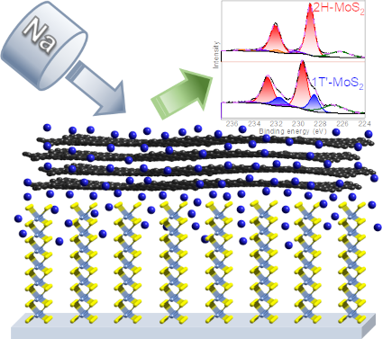
- decomposition residues. Results and Discussion Figure 1a shows the schematic diagram of the synthesis route of a hybrid film consisting of MoS2 coated with PyC. A molybdenum layer is deposited on a SiO2/Si substrate by magnetron sputtering for a short time of 10 s. This layer interacts with sulfur vapor at a
- temperature of 873 K for 30 min. Heating the raw film in a hydrogen atmosphere at 1073 K removes excess sulfur and other contaminations from the film surface. In the final step, a thin PyC film synthesized by chemical vapor deposition (CVD) technique is placed on the surface of the cleaned MoS2 film using the
- with the p orbitals of sulfur [44]. Figure 3 shows the sequence of a three-step sodiation/desodiation experiment performed with samples in the UHV chamber of the spectrometer. Sodium vapor was deposited simultaneously on three studied samples for 10 min. The second step included additional deposition


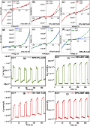
Morphology and properties of pyrite nanoparticles obtained by pulsed laser ablation in liquid and thin films for photodetection
Beilstein J. Nanotechnol. 2025, 16, 785–805, doi:10.3762/bjnano.16.60
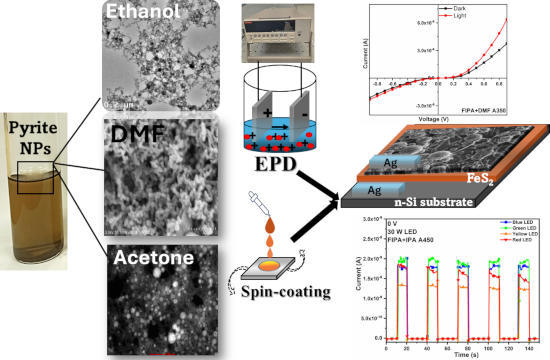
- performance by first fabricating amorphous iron oxide films on normal glass substrates by spray pyrolysis followed by heating in sulfur atmosphere at 350 and 400 °C [20]. For pyrite film fabrication, solvothermal or hydrothermal and chemical synthetic routes are generally adopted [21][22][23]. Henríquez et al
- . Sufurization of films For this experiment, FDMF was drop-casted onto FTO substrates (2.5 × 2 × 0.1 cm) and the film was annealed for 1 h at 300 °C in a sulfur environment. In a semi-cylindrical glass container (12 × 2.5 cm), 5 mg of sulfur powder was added, and samples were maintained closely to the powder
- temperatures and amounts of sulfur. Characterization The morphological analyses of pyrite NPs were recorded using the FEI Titan G2 80–300 for TEM, high-angle annular dark-field scanning transmission electron microscopy (HAADF-STEM), high-resolution TEM (HRTEM) and selected area electron diffraction (SAED). The