


Search results
Search for "tissue regeneration" in Full Text gives 30 result(s) in Beilstein Journal of Nanotechnology.
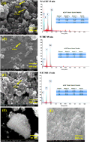
Ultrasonic irradiation in the synthesis of nanohydroxyapatite: a chemically friendly technique for improving hemocompatibility and antibiofilm applications
Beilstein J. Nanotechnol. 2026, 17, 991–1015, doi:10.3762/bjnano.17.68
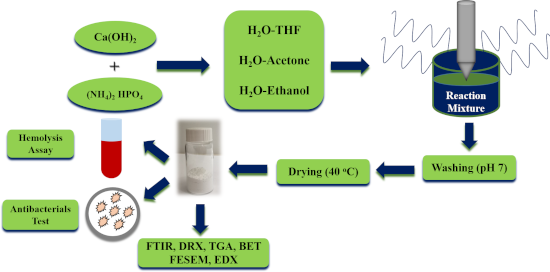
- position these nanosystems as ideal candidates for tissue regeneration applications and site-specific delivery systems. Despite these promising results, the need for exhaustive biological validation through in vitro cytotoxicity assays with osteoblastic cell lines is recognized as a limitation of this work




Development of Protium heptaphyllum essential oil-loaded nanocapsules: experimental design and biological activity
Beilstein J. Nanotechnol. 2026, 17, 974–990, doi:10.3762/bjnano.17.67
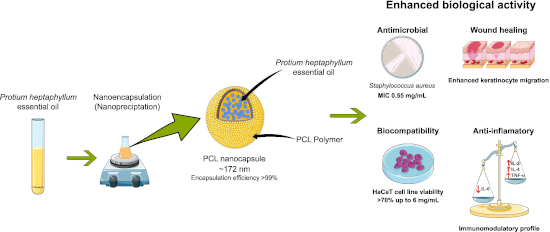
- ) in nanocapsule-treated fibroblasts, suggesting an anti-inflammatory profile that supports tissue regeneration while minimizing nonspecific inflammation. Together, these findings establish nanoprecipitation as an effective and scalable strategy to engineer polymeric nanosystems that stabilize




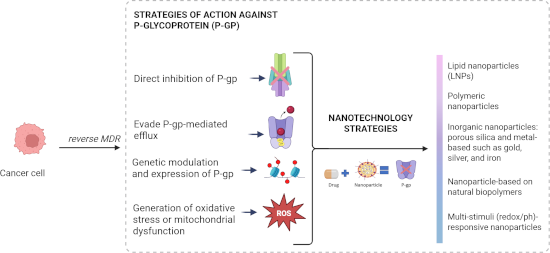
Nanocarrier strategies to overcome P-glycoprotein-mediated drug resistance in cancer therapy
Beilstein J. Nanotechnol. 2026, 17, 882–921, doi:10.3762/bjnano.17.64


Cellulose as a photocatalyst support material: extraction, structural features, and environmental applications
Beilstein J. Nanotechnol. 2026, 17, 635–652, doi:10.3762/bjnano.17.44
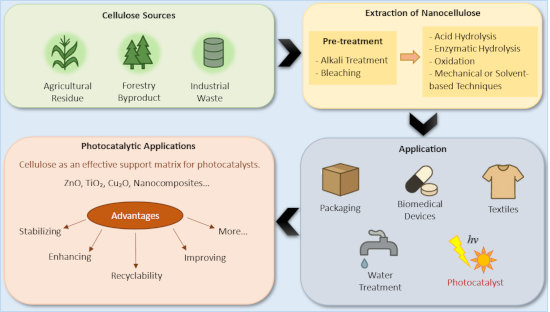
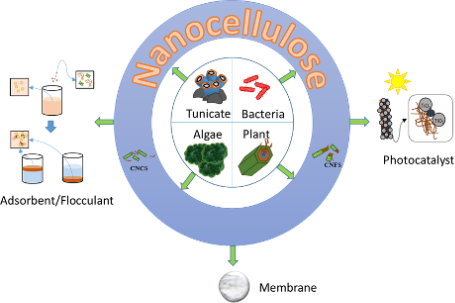
- solubility, improved compatibility with biological systems, and the ability to be tuned or functionalized for the development of advanced composite materials [68][69]. These forms of cellulose are particularly valuable in producing highly purified wound dressings that promote tissue regeneration, especially


On the road to sustainability – application of metallic nanoparticles obtained by green synthesis in dentistry: a scoping review
Beilstein J. Nanotechnol. 2025, 16, 1851–1862, doi:10.3762/bjnano.16.128
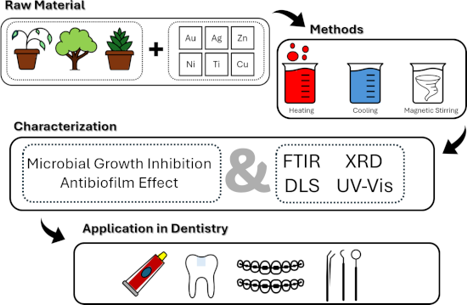
- into scaffolds and regenerative membranes designed to stimulate osteogenesis and promote periodontal tissue regeneration [16][17]. These nanoparticles not only provide antimicrobial protection but also actively modulate cellular behavior, such as proliferation and differentiation, thereby enhancing the


Nanomaterials for biomedical applications
Beilstein J. Nanotechnol. 2025, 16, 1499–1503, doi:10.3762/bjnano.16.105

- , Istanbul, Turkey 10.3762/bjnano.16.105 Keywords: biomedical applications; drug delivery; nanocarriers; nanomaterials; nanomedicine; nanoparticles; polymeric nanoparticles; tissue regeneration; Medicine has rapidly advanced over the last few decades, and nanotechnology has played a significant role in
- adverse effects and increasing the success rate of the delivery. Since nanomaterials can be tunable, the vast majority of health sectors are investigating their potential in a wide range of applications, such as targeted drug delivery, gene therapy, tissue regeneration, imaging, and diagnostic tools [2
- used in the future for tissue recovery, which was previously thought to be beyond repair [31]. In addition to diagnosis and tissue regeneration, nanomaterials can create new treatment methods and enhance the design and performance of medical implants. An area that is getting a lot of attention is
Ferroptosis induction by engineered liposomes for enhanced tumor therapy
Beilstein J. Nanotechnol. 2025, 16, 1325–1349, doi:10.3762/bjnano.16.97
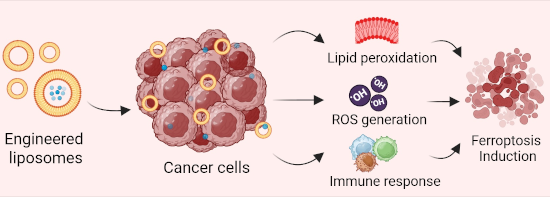
- , hybrid systems can overcome the disadvantages of each component of the hybrid system. Hydrogel systems included with liposomes demonstrate exceptional chemical tunability, biocompatibility, and biodegradability. These hybrid platforms offer enormous potential for facilitating tissue regeneration or for


Hydrogels and nanogels: effectiveness in dermal applications
Beilstein J. Nanotechnol. 2025, 16, 1216–1233, doi:10.3762/bjnano.16.90
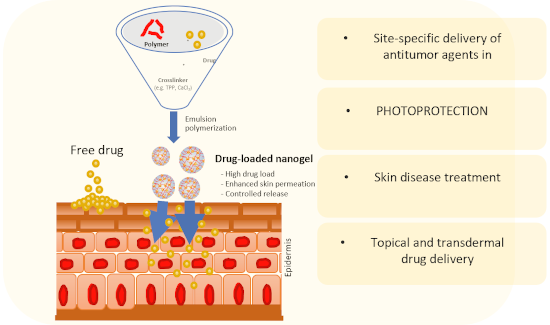
- recent years, such as tissue regeneration or tumor models in vivo. For example, 3D-printed scaffolds have been employed and shown to be effective in bone regeneration [226] and in promoting the restoration of craniofacial cartilage defects [227]. Also, in in vivo breast cancer models, doxorubicin-loaded
- vehicle [169][170][179]. Hence, these are the basic principles for designing a new topical DDS, and all of them should be addressed to reach the goal, whether it is a nanostructured system or not. Hydrogel dermal applications When obtained from natural polymers, hydrogels are efficient in tissue
- regeneration due to their environment, which allows the modulation of cellular behavior [181][182][183]. The three-dimensional structure, along with cell permeability and mechanical stability, also qualifies hydrogels as useful drug carriers. Hydrogels have been used for dermal applications due to their


Piezoelectricity of hexagonal boron nitrides improves bone tissue generation as tested on osteoblasts
Beilstein J. Nanotechnol. 2025, 16, 1068–1081, doi:10.3762/bjnano.16.78
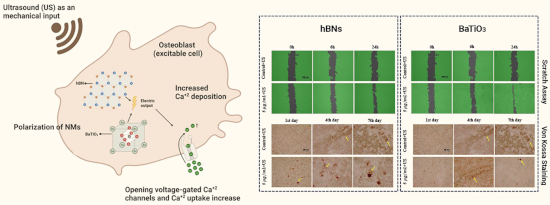
- potential to accelerate bone tissue regeneration and promote bone healing. These findings offer a promising avenue for developing new therapies for bone-related injuries and conditions requiring significant bone remodeling. Keywords: bone healing; hexagonal boron nitrides; human osteoblasts; nanomaterials
- biocompatible wireless tissue stimulation applications but also envision a future where these materials could revolutionize noninvasive therapeutic strategies. The biocompatibility and effectiveness of hBNs make them a promising candidate for future therapeutic applications aimed at enhancing tissue
- regeneration and bone healing, potentially ushering in a new era of medical advancements. PRFM amplitude and phase images of hBNs and BaTiO3. Viability of HOb cells treated with hBNs, hBNs+US, BaTiO3, and BaTiO3+US for (a) 24 h and (b) 48 h. Statistically significant change compared to the control group were


Colloidal few layered graphene–tannic acid preserves the biocompatibility of periodontal ligament cells
Beilstein J. Nanotechnol. 2025, 16, 664–677, doi:10.3762/bjnano.16.51
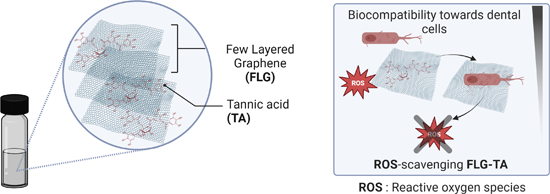
- transformative approach to enhance their efficacy [2]. Actually, incorporating nanomaterials into dental biomaterials has already offered advantages like enhanced tissue regeneration, increased mechanical strength of composites, and improved sealing of filler materials [3]. Graphene-based materials (GBMs) stand




A formulation containing Cymbopogon flexuosus essential oil: improvement of biochemical parameters and oxidative stress in diabetic rats
Beilstein J. Nanotechnol. 2025, 16, 617–636, doi:10.3762/bjnano.16.48
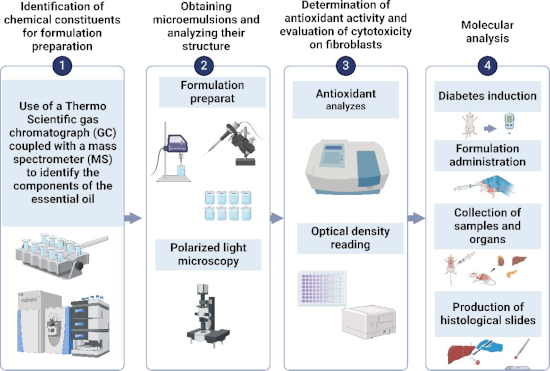
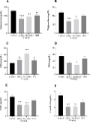
- indicate that, despite the significant damage observed in the MET group, there are signs of tissue regeneration, showing a dynamic balance between inflammatory aggression and the liver’s reparative response. Histopathological analysis of the CONTROL group (Figure 13) revealed less inflammation and vascular




Polyurethane/silk fibroin-based electrospun membranes for wound healing and skin substitute applications
Beilstein J. Nanotechnol. 2025, 16, 591–612, doi:10.3762/bjnano.16.46
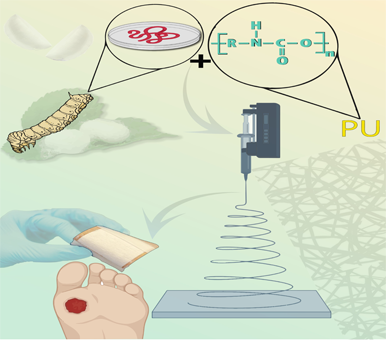
- transport and gas exchange, which supports tissue regeneration and cell proliferation [22]. Furthermore, they have mechanical qualities that are similar to those of natural tissues, promoting and protecting the healing process [23]. Review Wound healing and skin regeneration The skin is a vital, protective
- more effective wound-healing substitutes [50]. Recent advancements in tissue regeneration have further led to the development of innovative wound dressings such as hydrogels and electrospun scaffolds [51]. Electrospinning is an extremely flexible technique that can convert liquids, suspensions, or
- functional similarities as both serve as supportive framework. Electrospun membranes are specifically designed to replicate the fibrous architecture and functional properties of the ECM, thereby promoting cellular activity and facilitating tissue regeneration in the same way the natural matrix does within



Synthetic-polymer-assisted antisense oligonucleotide delivery: targeted approaches for precision disease treatment
Beilstein J. Nanotechnol. 2025, 16, 435–463, doi:10.3762/bjnano.16.34


Nanocarriers and macrophage interaction: from a potential hurdle to an alternative therapeutic strategy
Beilstein J. Nanotechnol. 2025, 16, 97–118, doi:10.3762/bjnano.16.10
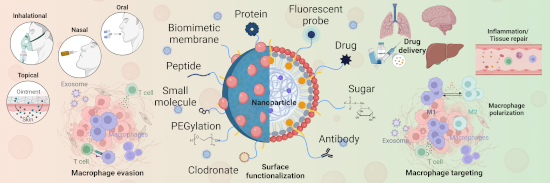
- inflammation through the secretion of IL-10 and low levels of TNF-α. M2c macrophages, stimulated by IL-10 and glucocorticoids, resolve inflammation and promote tissue regeneration. Last, M2d macrophages, known as tumor-associated macrophages (TAMs), are activated by adenosine and IL-6 and characterized by
- factors such as PPARγ has shown the potential to promote M2 polarization, thereby supporting tissue regeneration and reducing chronic inflammation. These systems demonstrate the versatility of mRNA-based therapies in addressing various pathological conditions. However, translating RNA-based therapeutics


Natural nanofibers embedded in the seed mucilage envelope: composite hydrogels with specific adhesive and frictional properties
Beilstein J. Nanotechnol. 2024, 15, 1603–1618, doi:10.3762/bjnano.15.126
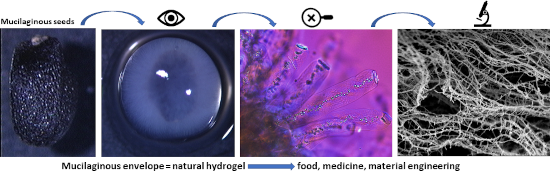
- tasteless [11][21]. Its chemical composition and special physical properties allow many applications of mucilage, for example, as thickening and structuring (gel-forming) agent, emulsifier or stabiliser for food products, scaffold for tissue regeneration, additive in formation of medicinal tablets, and for


Electrospun nanofibers: building blocks for the repair of bone tissue
Beilstein J. Nanotechnol. 2024, 15, 941–953, doi:10.3762/bjnano.15.77
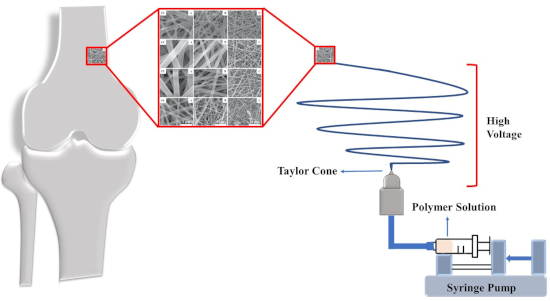
- mixed polymers, and the formation of highly porous and continuous fibers are the remarkable features of this method. The importance of nanofiber-based scaffolds in bone tissue regeneration is increasing because of suitable pore size, high porosity, osteoinduction, induction of bone growth with
- , antibiotics, anticancer agents, proteins, DNA, RNA, and growth factors for tissue regeneration [6][7][8]. In addition, nanofibers as drug delivery systems provide rapid or delayed and controlled release of pharmaceuticals. Apart from being implantable drug delivery systems, nanofiber scaffolds can contribute
- -based nanofiber scaffolds for tissue regeneration (Stellenbosch Nanofiber Company, South Africa) [45]. ReBOSSIS consists of β-tricalcium phosphate, PLGA, and silicon-doped calcium carbonate to support bone formation. ReBOSSIS electrospun fibers are distinguished from other market products by a cotton


Electrospun polysuccinimide scaffolds containing different salts as potential wound dressing material
Beilstein J. Nanotechnol. 2024, 15, 781–796, doi:10.3762/bjnano.15.65
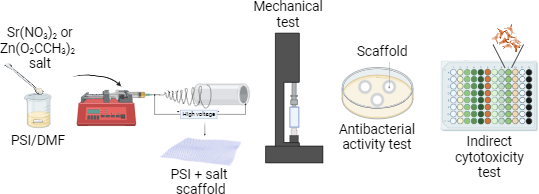
- strategies to fight bacterial pathogens with similar effects to antibiotics and silver is essential. In our study, inorganic salts, namely Zn(O2CCH3)2 and Sr(NO3)2, were added to the polymer fibers. These salts possess antibacterial properties and stimulate cell proliferation as well as tissue regeneration



Biomimetic chitosan with biocomposite nanomaterials for bone tissue repair and regeneration
Beilstein J. Nanotechnol. 2022, 13, 1051–1067, doi:10.3762/bjnano.13.92
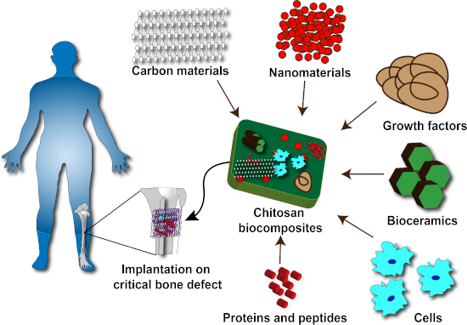
- and physically comparable microenvironment to that of the natural extracellular matrix, containing healing and stimulating components necessary for bone repair, making them a potential option for bone tissue regeneration. As carbon nanotubes are combined with natural polymers, such as chitosan and
- , polyhydroxyethylmethacrylate, and polyethylene glycol were used in composite preparation for bone tissue engineering applications [10]. To create a fibrous scaffold for bone tissue regeneration, zein and chitosan were combined with polyurethane and functionalized multiwalled carbon nanotubes. The developed scaffolds have
- approach has been used to create a graphene oxide with chitosan and hydroxyapatite nanocomposite film for a possible use in bone tissue regeneration. As per study results, the combined chitosan and hydroxyapatite nanocomposite film provides an excellent substrate for the growth of mouse mesenchymal stem
Bioselectivity of silk protein-based materials and their bio-inspired applications
Beilstein J. Nanotechnol. 2022, 13, 902–921, doi:10.3762/bjnano.13.81
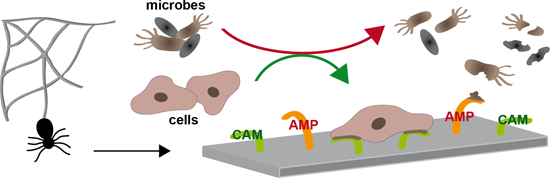
- biomedicine and tissue engineering, since they exhibit promising chemical and physical properties, such as bioactivity, structural integrity, and cell stimulation [29][30]. Biomimetic materials modulating specific cellular responses and tissue regeneration have been developed by adjusting and modifying


Micro- and nanotechnology in biomedical engineering for cartilage tissue regeneration in osteoarthritis
Beilstein J. Nanotechnol. 2022, 13, 363–389, doi:10.3762/bjnano.13.31
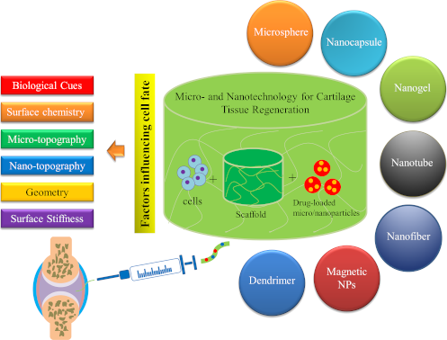
- for cartilage tissue regeneration because it can respond to external magnetic fields and specifically relocate to the defective cartilage to resurface the injured site [62]. Initial OA is a slow, complex process characterized by the inflammation and subsequent production of cartilage degradation
- traditionally incorporated in scaffolds to provide proper cell–matrix interactions for tissue regeneration [149]. Among these, cell adhesion motifs including RGD peptide and fibronectin fragments at the nanoscale are widely used to enhance the cell motility and adhesion functionality of hydrogels [178]. For


Wet-spinning of magneto-responsive helical chitosan microfibers
Beilstein J. Nanotechnol. 2020, 11, 991–999, doi:10.3762/bjnano.11.83
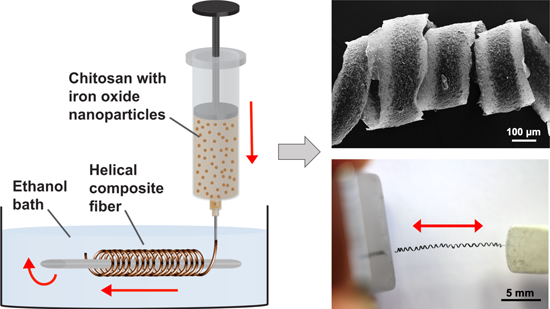
- immunogenicity [17] and, therefore, has become highly used in tissue regeneration [18][19]. Chitosan fibers are particularly well-suited for tissue engineering due to their highly porous scaffold architecture [20]. Using electrospinning, chitosan fibers can be produced with a diameter ranging from several tens


Atomic force acoustic microscopy reveals the influence of substrate stiffness and topography on cell behavior
Beilstein J. Nanotechnol. 2019, 10, 2329–2337, doi:10.3762/bjnano.10.223
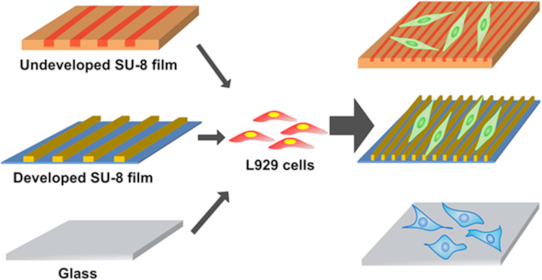
- for the tissue regeneration therapy in biomedicine. Keywords: atomic force acoustic microscopy (AFAM); cell growth; nanopattern; stiffness; SU-8 photoresist; topography; Introduction The interactions of cells with extracellular matrices (ECMs) play important roles in regenerative medicine and tissue


Nanocellulose: Recent advances and its prospects in environmental remediation
Beilstein J. Nanotechnol. 2018, 9, 2479–2498, doi:10.3762/bjnano.9.232


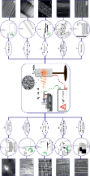
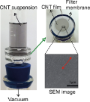
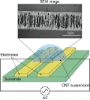
Engineering of oriented carbon nanotubes in composite materials
Beilstein J. Nanotechnol. 2018, 9, 415–435, doi:10.3762/bjnano.9.41
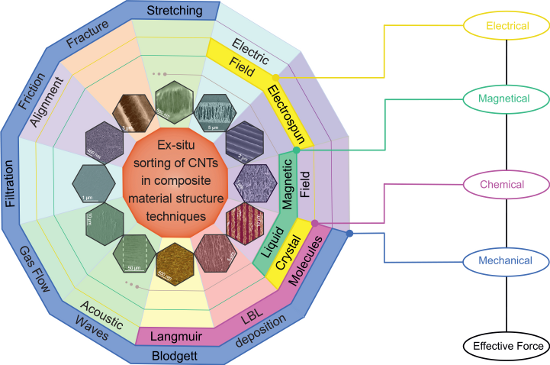
- oxides for metal-free catalysis [15] or in synergy with metal oxides [16][17], especially for sustainable energy applications [18][19]. Because of their electronic properties, CNT composites offer unmatched opportunities for conductive tissue regeneration [20], particularly if alignment, and thus 3D








Liquid-crystalline nanoarchitectures for tissue engineering
Beilstein J. Nanotechnol. 2018, 9, 205–215, doi:10.3762/bjnano.9.22
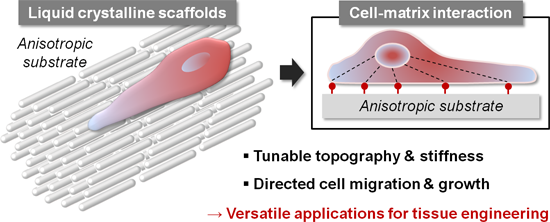
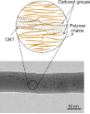
- a strongly demanded feature in every kind of templates and scaffolds for tissue regeneration [21][22]. A biologically derived or biocompatible synthetic LC material can provide close resemblance to those in native tissues, by forming self-assembled 3D nanoarchitectures. Nevertheless, this aspect has
- for applying LC nanoarchitectures to tissue regeneration purposes is discussed. Liquid crystalline phases of biological polymers and colloids in vitro Geometry in biological LCs Lyotropic LC phases are observed in the aqueous dispersions of various types of biological rod-like building blocks, such as
- [36] and drug delivery systems [37]. For tissue regeneration, the mostly studied biomaterials are collagen and chitin, which are, respectively, protein-based and glucose-based biopolymers [38][39]. When denatured, collagen and chitin can be transformed into gelatin and chitosan, respectively, which





