Search results
Search for "ultrasonication" in Full Text gives 108 result(s) in Beilstein Journal of Nanotechnology.
Oxidative atmosphere-driven formation of single-phase spinel CuRh2O4 nanofibers for alkaline water oxidation
Beilstein J. Nanotechnol. 2026, 17, 737–743, doi:10.3762/bjnano.17.50
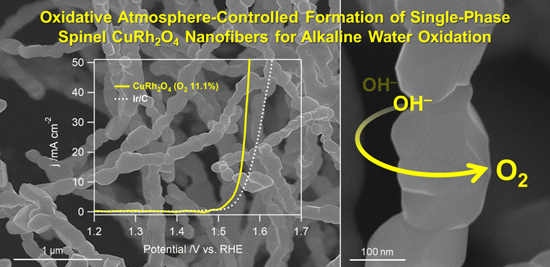
- metal precursors at concentrations of 0.151 and 0.076 mol/L, respectively, in 2.2 mL of a mixed solvent comprising ethanol (1.5 mL) and deionized water (0.7 mL), followed by ultrasonication for 30 min to achieve complete homogenization. Subsequently, 200 mg of PVP was added to the precursor solution




Cellulose as a photocatalyst support material: extraction, structural features, and environmental applications
Beilstein J. Nanotechnol. 2026, 17, 635–652, doi:10.3762/bjnano.17.44
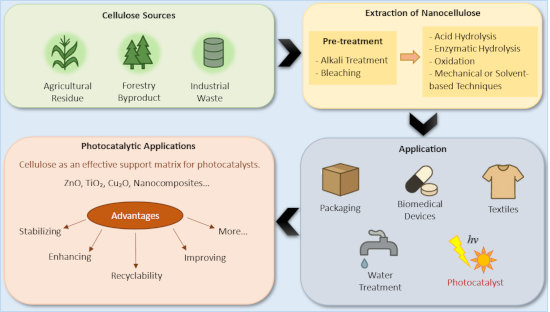
- explosion, with ultrasonication proving particularly effective, as it uses high-frequency sound waves to disrupt fiber structures, removing non-cellulosic substances that normally bind the fibers together. Once these cementing materials are broken down, individual nanofibrils separate from larger fiber


Electrochemical determination of ciprofloxacin using a MIL-101/reduced graphene oxide-modified electrode
Beilstein J. Nanotechnol. 2026, 17, 541–554, doi:10.3762/bjnano.17.35
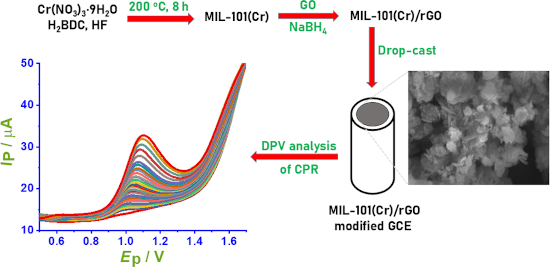
- stirring, followed by ultrasonication for 30 min. Sodium borohydride (NaBH4) was then introduced into the mixture, which was heated at 60 °C and stirred continuously for 12 h to reduce GO and form the MIL-101/rGO composite (Table 1). After the reaction was completed, the product was collected by filtration
- µm) on a polishing cloth, thoroughly rinsed with deionized water, and sonicated in ethanol and water to remove residual impurities. To prepare the modified electrode, a specific amount of MIL-101/rGO composite was dispersed in deionized water using ultrasonication to create a uniform suspension (1


Upcycling agroindustrial waste into graphene oxide supports for gold nanoparticles: toward sustainable nanomaterials
Beilstein J. Nanotechnol. 2026, 17, 489–504, doi:10.3762/bjnano.17.32
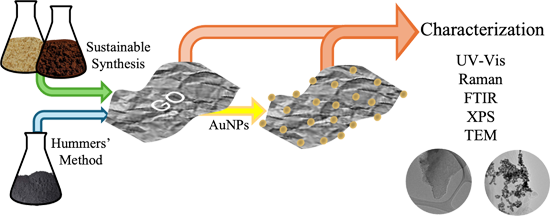
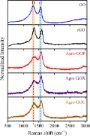
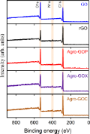
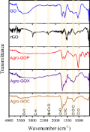
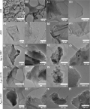
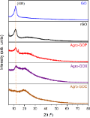
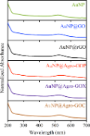
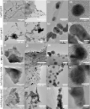
- ) using a photoreduction method adapted from Hernández-Sánchez and coworkers [30]. 1 mg of the corresponding GO material was dispersed in 80 mL of a 1 M methanol–water solution by ultrasonication. Once the dispersion was stabilized, 58.4 mg of citric acid were added as both reducing and stabilizing agent



Influence of surface characteristics on the in vitro stability and cell uptake of nanoliposomes for brain delivery
Beilstein J. Nanotechnol. 2026, 17, 139–158, doi:10.3762/bjnano.17.9
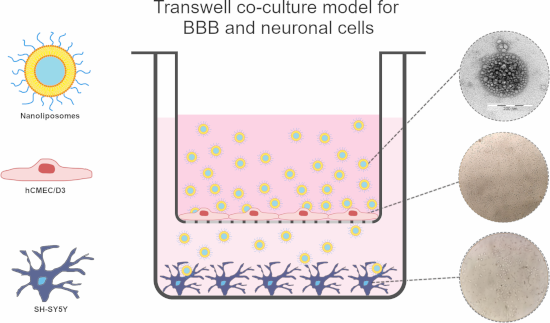
- evaporated under vacuum using a rotary evaporator (25 °C, 50 rpm, 50 mbar; Büchi 215, Switzerland). The resulting thin lipid film was hydrated with phosphate buffer (PB) at pH 7.4. The hydration process involved four consecutive cycles, each consisting of three 5 min steps: ultrasonication (50/60 Hz




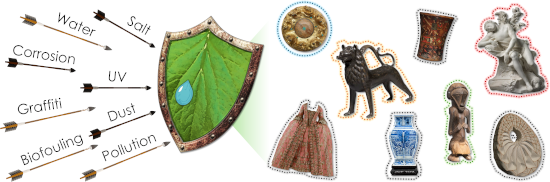
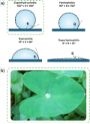
Functional surface engineering for cultural heritage protection: the role of superhydrophobic and superoleophobic coatings – a comprehensive review
Beilstein J. Nanotechnol. 2026, 17, 63–96, doi:10.3762/bjnano.17.6


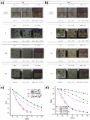
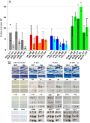
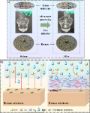
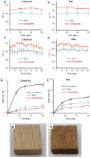


Beyond the shell: exploring polymer–lipid interfaces in core–shell nanofibers to carry hyaluronic acid and β-caryophyllene
Beilstein J. Nanotechnol. 2025, 16, 2015–2033, doi:10.3762/bjnano.16.139
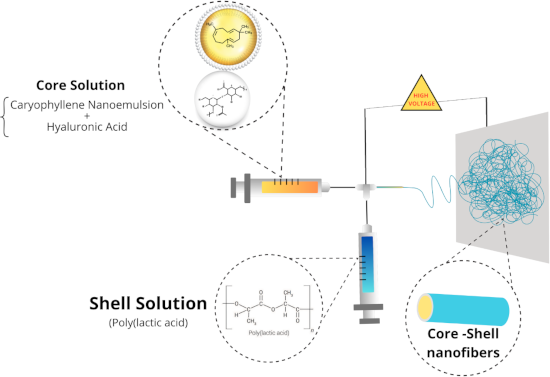
- stability and bioavailability [35] of the compound and enable its incorporation into nanofibers. In this study, a Box–Behnken design was applied to develop an optimized βCp nanoemulsion (NE-βCp). This experimental design employed ultrasonication as the manufacturing method with the oil: βCp ratio (0–80
- an oil phase were prepared under magnetic stirring, with their composition specified in Table 4. Subsequently, the aqueous phase was carefully added to the oil phase. The mixture was subjected to vortex (IKA) mixing for 5 min, followed by ultrasonication for 5 min at an amplitude of 40% using an




Laser ablation in liquids for shape-tailored synthesis of nanomaterials: status and challenges
Beilstein J. Nanotechnol. 2025, 16, 1963–1997, doi:10.3762/bjnano.16.137
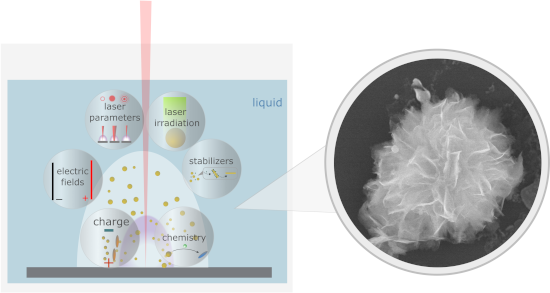
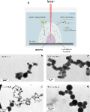
- pressure waves induced by ultrasonication influence the cavitation bubbles, formed by laser ablation, by creating regions with high and low pressure. As a result, bismuth species are allowed to nucleate and grow in the regions of low pressure, which promotes planar shape of the forming material. 3.2 Laser




Targeting the vector of arboviruses Aedes aegypti with nanoemulsions based on essential oils: a review with focus on larvicidal and repellent properties
Beilstein J. Nanotechnol. 2025, 16, 1894–1913, doi:10.3762/bjnano.16.132
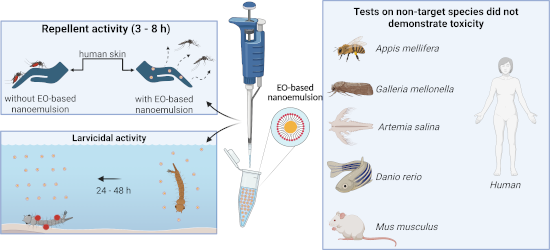
- ultrasonication (40 kHz). This formulation demonstrated physicochemical stability, with good optical transparency and absence of phase separation. Characterization by TEM revealed spherical droplets with sizes between 20 and 40 nm. In the larvicidal bioassay, fourth-instar larvae of Ae. aegypti were exposed to


Multifunctional anionic nanoemulsion with linseed oil and lecithin: a preliminary approach for dry eye disease
Beilstein J. Nanotechnol. 2025, 16, 1711–1733, doi:10.3762/bjnano.16.120
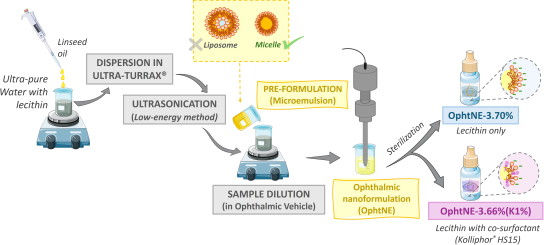
- required to produce nanoemulsions with a uniform particle size and incorporated a co-surfactant to enhance the stability of the nanoformulation. A straightforward method was proposed, involving the dilution of the preformulation in an ophthalmic vehicle, followed by homogenization through ultrasonication



Prospects of nanotechnology and natural products for cancer and immunotherapy
Beilstein J. Nanotechnol. 2025, 16, 1644–1667, doi:10.3762/bjnano.16.116


Dendrimer-modified carbon nanotubes for the removal and recovery of heavy metal ions from water
Beilstein J. Nanotechnol. 2025, 16, 1522–1532, doi:10.3762/bjnano.16.107

- (CNTs) by growing dendrimers on their surface. First, CNTs were pre-functionalized with maleic acid (MA) via Diels–Alder reaction in presence of a deep eutectic solvent under ultrasonication. Subsequently, dendrimers of varying length were grown by the repeated reaction of ethylene diamine and MA. Raman
- wetting and dispersion. The resulting suspension then underwent ultrasonication at 60 °C for 4 h using a bath sonicator (40 kHz, 150 W) to facilitate the Diels–Alder reaction between the CNT surface and MA. The resulting CNTs functionalized with MA (CNTs-MA) were collected by vacuum filtration using a


Enhancing the photoelectrochemical performance of BiOI-derived BiVO4 films by controlled-intensity current electrodeposition
Beilstein J. Nanotechnol. 2025, 16, 1289–1301, doi:10.3762/bjnano.16.94
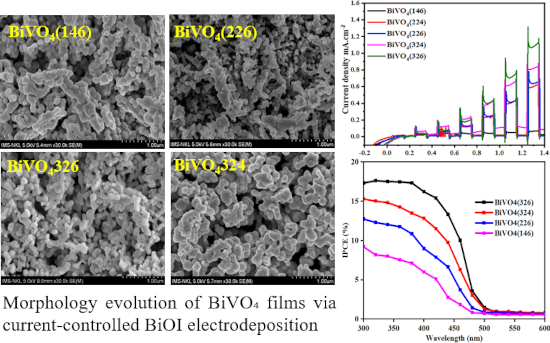
- of ethanol via ultrasonication for 30 min and added to the solution. The FTO glass substrates were cleaned with ethanol and distilled water via sequential ultrasonication. The BiOI film was electrochemically deposited onto the FTO substrate at various current deposition intensities (14, 22, and 32 mA



Efficiency of single-pulse laser fragmentation of organic nutraceutical dispersions in a circular jet flow-through reactor
Beilstein J. Nanotechnol. 2025, 16, 711–727, doi:10.3762/bjnano.16.55
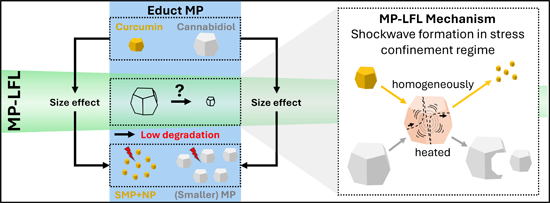
- Discussion To evaluate the laser fragmentation efficiency in the CJ setup, the nutraceuticals curcumin and CBD (Figure 1) were dispersed at different concentrations (0.01 to 1.0 wt %) in deionized water and homogenized by ultrasonication. The MP-LFL yield of SMPs and NPs was quantified by the extinction


Colloidal few layered graphene–tannic acid preserves the biocompatibility of periodontal ligament cells
Beilstein J. Nanotechnol. 2025, 16, 664–677, doi:10.3762/bjnano.16.51
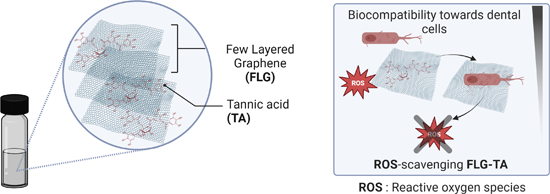
- few defects The synthesis process combined graphite and TA in a 10:1 mass ratio in an aqueous medium, followed by probe ultrasonication enhanced by magnetic stirring, resulting in a stable colloid as shown in Figure S3, Supporting Information File 1. The polyphenolic structure of tannic acid
- groups into the graphene structure. In our scenario, the integration of mixing and ultrasonication greatly aided the homogenization process and improved the interactions at the molecular level between the functional groups of tannic acid and the carbon layers of graphene, resulting in defects mainly




Mn-doped ZnO nanopowders prepared by sol–gel and microwave-assisted sol–gel methods and their photocatalytic properties
Beilstein J. Nanotechnol. 2024, 15, 1283–1296, doi:10.3762/bjnano.15.104
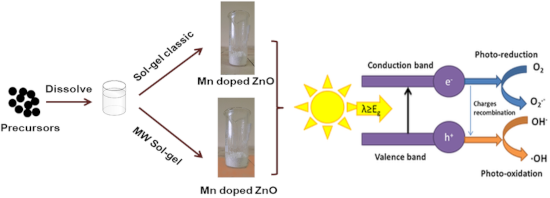
- resolution of 0.5 nm, and 10 nm slits in excitation and emission. All measurements were performed for 0.001 g catalyst suspended after ultrasonication in ultrapure water at room temperature (25 °C) and λexc = 270 nm. For ROS identification, ·OH radicals trapping was performed with 10 mM coumarin solution


Enhanced catalytic reduction through in situ synthesized gold nanoparticles embedded in glucosamine/alginate nanocomposites
Beilstein J. Nanotechnol. 2024, 15, 1227–1237, doi:10.3762/bjnano.15.99
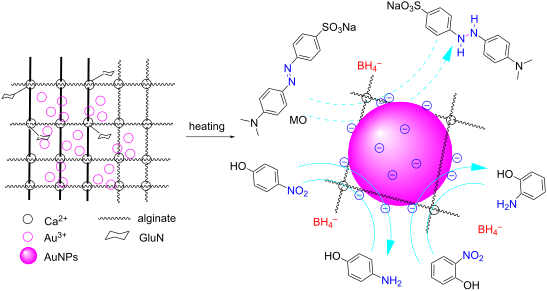
- mg·mL−1) was added to the Alg/Ca2+ gelispheres and stirred for 1 h at 1300 rpm. The resulting GluN/Alg suspension underwent ultrasonication for 30 min and was left overnight to ensure the formation of a stable gel. The resulting nanocomposite mixture was centrifuged at 3000 rpm for 10 min and washed



Radiofrequency enhances drug release from responsive nanoflowers for hepatocellular carcinoma therapy
Beilstein J. Nanotechnol. 2024, 15, 569–579, doi:10.3762/bjnano.15.49
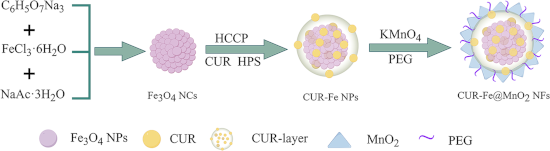
- ultrasonication (XM-P06H, Xiaomei Ultrasonic Instrument Co., Ltd., Kunshan, China) for 30 min at room temperature. HCCP (15 mg), CUR (15.9 mg), and HPS (5.4 mg) were subsequently added with sonication for 30 min. TEA (2 mL) was dispersed into acetonitrile (10 mL), and this mixed solution was added dropwise to the
- with KMnO4 powder (1.5 mg) for 10 min at room temperature to ensure that the NPs were well suspended. Then, MES (2.7 mg) and PEG (0.3 mg) were dispersed into 5 mL of water and added to the mixture dropwise for 5 min with ultrasonication (100 W, 40 kHz) at room temperature for 30 min [34]. The obtained


Controllable physicochemical properties of WOx thin films grown under glancing angle
Beilstein J. Nanotechnol. 2024, 15, 350–359, doi:10.3762/bjnano.15.31
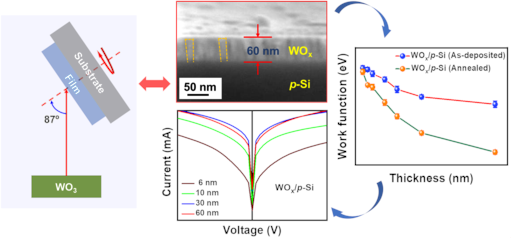
- thin films were deposited on ultrasonically cleaned p-Si (100) and soda lime glass substrates of 1 × 1 cm2 dimension using a rf magnetron sputtering setup (Excel Instruments). Trichloroethylene, propanol, acetone, and DI water were used to carry out ultrasonication of the substrates for removing


Comparative electron microscopy particle sizing of TiO2 pigments: sample preparation and measurement
Beilstein J. Nanotechnol. 2024, 15, 317–332, doi:10.3762/bjnano.15.29
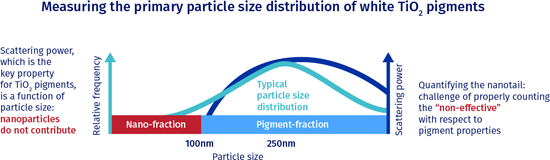
- application laboratory in Waldbronn, Germany, and the particle counting threshold was set at 30 nm. The samples were first intensively dispersed by ultrasonication in a polyphosphate solution in water (562 J/mL, 2.5% pigment, 2% polyphosphate) one day before measurement. The energy of 562 J/mL was chosen


Upscaling the urea method synthesis of CoAl layered double hydroxides
Beilstein J. Nanotechnol. 2023, 14, 927–938, doi:10.3762/bjnano.14.76
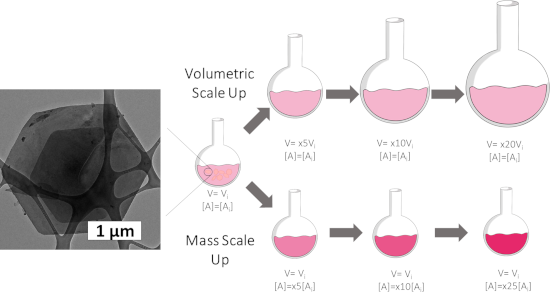
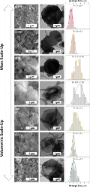
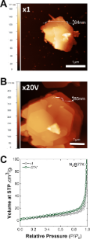
- corresponding structure. Microscopy Sample preparation The dried solids were suspended in ethanol and drop cast onto Au TEM grids covered with a lacy carbon film, and the solvent was left to evaporate. SEM samples were prepared from the same solution after 5 min of ultrasonication. The sonicated suspension was


Nanostructured lipid carriers containing benznidazole: physicochemical, biopharmaceutical and cellular in vitro studies
Beilstein J. Nanotechnol. 2023, 14, 804–818, doi:10.3762/bjnano.14.66
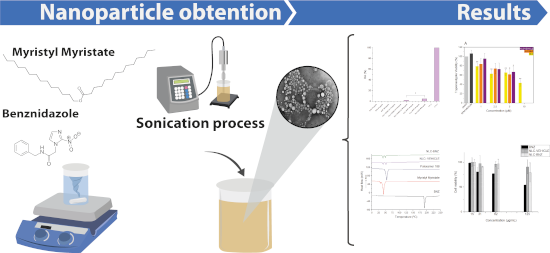
- bioavailability by modifying the absorption, distribution, and elimination of the drug. In this study, BNZ was successfully loaded into nanocarriers composed of myristyl myristate/Crodamol oil/poloxamer 188 prepared by ultrasonication. A stable NLC formulation was obtained, with ≈80% encapsulation efficiency (%EE
- other researchers working in the field. Results and Discussion Formulation and physicochemical characterization of NLC-BNZ Nanoparticle formulations were prepared by the ultrasonication method and named as NLC-BNZ or NLC-VEHICLE, in that order, depending on whether they contained BNZ or not. Stable
- analysis of the formulations were of analytical grade and were obtained from different commercially available sources. Formulation of benznidazole-loaded nanostructured lipid carriers BNZ-loaded NLCs were obtained via ultrasonication as previously described in Scioli-Montoto et al. (2022) [53]. Solid


Metal-organic framework-based nanomaterials as opto-electrochemical sensors for the detection of antibiotics and hormones: A review
Beilstein J. Nanotechnol. 2023, 14, 631–673, doi:10.3762/bjnano.14.52
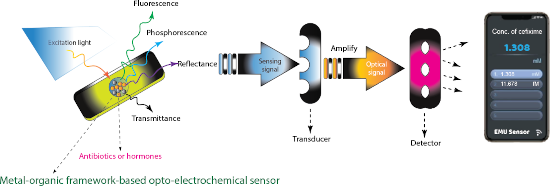
- improved electrochemical performance [63][67]. In a recent study, Tang et al. [29] used an ultrasonication and reduction process to combine nanostructured Ag nanoparticles with a MOF (ZIF-67) to fabricate nanopinna-based composite electrochemical sensors for acetaminophen detection. The results showed a


Single-step extraction of small-diameter single-walled carbon nanotubes in the presence of riboflavin
Beilstein J. Nanotechnol. 2022, 13, 1564–1571, doi:10.3762/bjnano.13.130
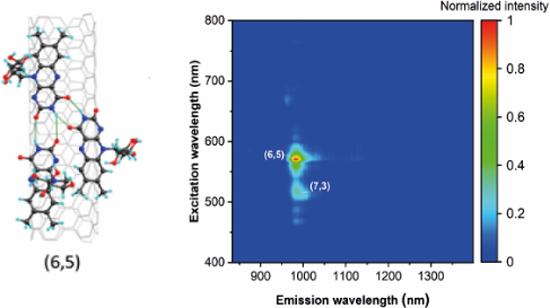
- by the same ultrasonication protocol. Single-step gel extraction protocol A single-step gel extraction procedure was developed based on the size-exclusive gel chromatography method published elsewhere [22]. Medical syringes (20 mL, 10 cm in length, and 1.5 cm in inner diameter) were used as the


Rapid and sensitive detection of box turtles using an electrochemical DNA biosensor based on a gold/graphene nanocomposite
Beilstein J. Nanotechnol. 2022, 13, 1458–1472, doi:10.3762/bjnano.13.120
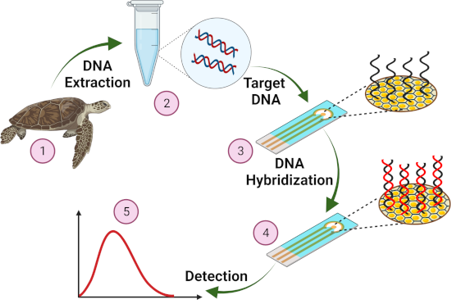
- solution at a scan rate of 50 mV/s. After that, the electrode was entirely washed with ultrapure water, then ultrasonically cleaned in ultrapure water, and dried in an oven at 50 °C for 2 h. Graphere was dispersed into deionised water by ultrasonication to form a Gr dispersion with a 1 mg/mL concentration