Search results
Search for "waste" in Full Text gives 128 result(s) in Beilstein Journal of Nanotechnology.
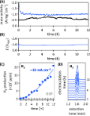
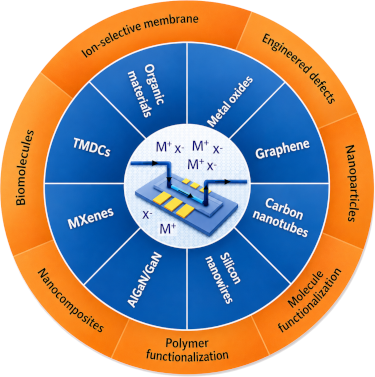
Materials challenges in solid-state sensors for continuous monitoring of ions in water
Beilstein J. Nanotechnol. 2026, 17, 935–973, doi:10.3762/bjnano.17.66
- static power waste, preventing reliable digital switching performance. Efforts to induce a bandgap, such as graphene nanoribbons, bilayer gating, or strain engineering, inevitably degrade mobility and increase scattering. Device performance is further limited by strong sensitivity to substrate



Sustainable fabrication of 2D-based devices through reuse of substrates with microfabricated electrodes
Beilstein J. Nanotechnol. 2026, 17, 818–827, doi:10.3762/bjnano.17.58
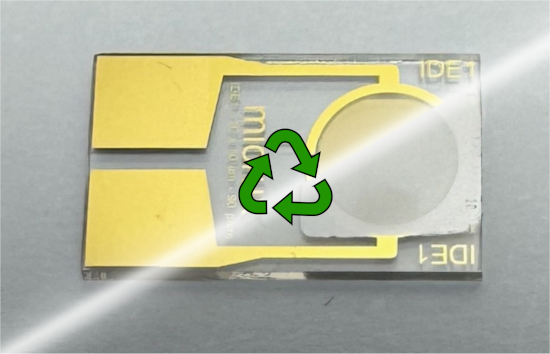
- reducing material waste and enabling repeated use of substrates in epitaxial growth applications [22]. Building on these previous studies, we propose a reliable and reproducible cleaning process for reusing microfabricated substrates with pre-patterned electrodes in 2D materials research. Previous studies


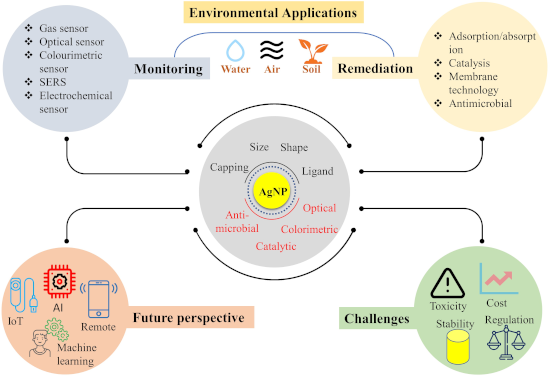
Environmental applications of silver nanoparticles: state-of-the-art review and emerging trends
Beilstein J. Nanotechnol. 2026, 17, 697–736, doi:10.3762/bjnano.17.49
- , medical and research institutions, household waste, and agricultural practices are major contributors [1]. Pollution arises from any chemical, biological, physical, or radiological substance that impacts soil, water, air, or living beings. These include metals (e.g., lead, mercury, arsenic, cadmium


Protein-based custom-designed molecular nanotraps for biomedical applications
Beilstein J. Nanotechnol. 2026, 17, 683–687, doi:10.3762/bjnano.17.47

- balance between cost-effectiveness and material quality remains nontrivial and may necessitate the use of recovered or waste-derived feedstocks, which must nonetheless meet stringent medical-grade certification requirements. Furthermore, the use of whole proteins introduces potential risks associated with

Cellulose as a photocatalyst support material: extraction, structural features, and environmental applications
Beilstein J. Nanotechnol. 2026, 17, 635–652, doi:10.3762/bjnano.17.44
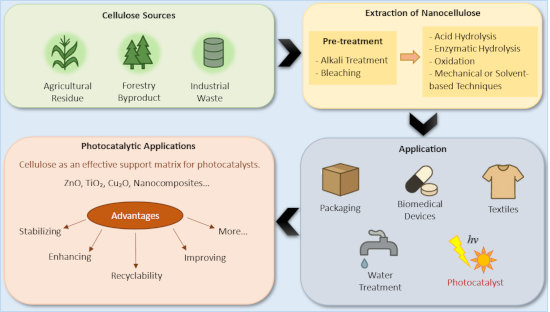
- promising candidate for sustainable material development across various industries. This review focuses on the extraction and isolation of cellulose from different types of biomass waste, including agricultural residues, forestry byproducts, and industrial waste. Several conventional and advanced methods
- technologies. Keywords: biomass waste; cellulose; green technology; photocatalysis; sustainable materials; Introduction The utilization of biomass has gained a lot of interest among researchers; biomass materials for extraction of biopolymers originate from plants, wood, and waste such as fruit peels and
- exciting possibilities for diverse applications [6]. Extracting cellulose from waste is crucial for its effective use. Several methods exist such as acid hydrolysis [3], enzymatic hydrolysis [8], green solvent-based extraction [9], and ionic liquid treatment [10], where each method has specific advantages


Upcycling agroindustrial waste into graphene oxide supports for gold nanoparticles: toward sustainable nanomaterials
Beilstein J. Nanotechnol. 2026, 17, 489–504, doi:10.3762/bjnano.17.32
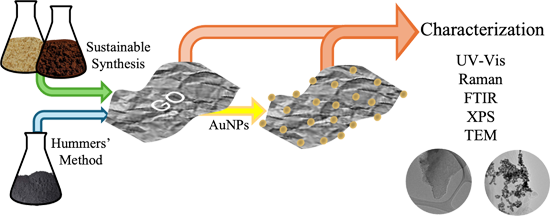
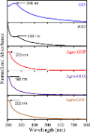
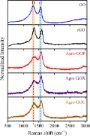
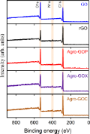
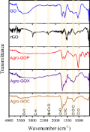
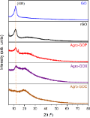
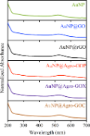
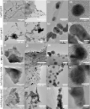
- develop a sustainable route for producing graphene oxide-based materials from agroindustrial waste and to evaluate their structural and chemical properties in comparison with conventional graphene oxide (GO) and reduced graphene oxide (rGO). Agroindustrial waste-derived graphene oxide (Agro-GO) was
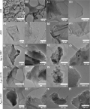
- -related applications. The results reveal that Agro-GO exhibits tunable oxidation levels, diverse surface functionalities, and morphologies comparable to those of conventional GO; these properties strongly depend on the type of agroindustrial waste precursor used. These findings demonstrate the feasibility
- of transforming agroindustrial waste into high-value graphene-based nanomaterials and highlight the potential of sustainable synthesis routes for advancing environmentally responsible carbon-based technologies. Keywords: agroindustrial waste; gold nanoparticles; graphene oxide; green synthesis



Safe and sustainable by design with ML/AI: A transformative approach to advancing nanotechnology
Beilstein J. Nanotechnol. 2026, 17, 176–185, doi:10.3762/bjnano.17.11
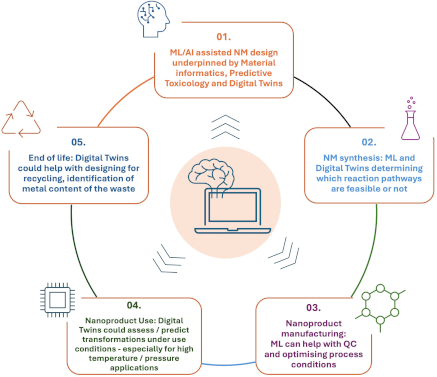
- simulate how ENMs behave over time, guiding strategies for safe disposal and recycling [54]. Such tools consider factors such as nanomaterial persistence, potential bioaccumulation in ecosystems, and the efficacy of waste treatment processes, helping to pinpoint when and where SSbD interventions may be
- detailed picture of how ENMs move through – and possibly accumulate in – soil, water, and air. By enabling stakeholders to test “what-if” scenarios, such as accidental spills or long-term usage in consumer products, digital twins enhance predictive accuracy and decision-making regarding waste management


Optical bio/chemical sensors for vitamin B12 analysis in food and pharmaceuticals: state of the art, challenges, and future outlooks
Beilstein J. Nanotechnol. 2025, 16, 2207–2244, doi:10.3762/bjnano.16.153
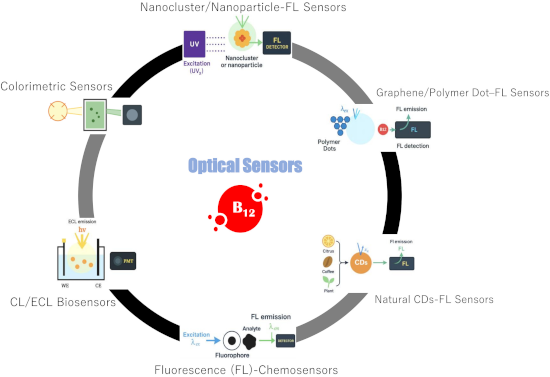
- measuring capacity were 97.8–102.1%, less than 2.2%, and 72 samples per hour, respectively. The authors claimed that this system featured straightforward design, adaptability, and multifunctionality, coupled with reduced usage of reagents and samples, and generated minimal waste [106]. In two distinct
- sample–conjugate interaction, a nitrocellulose membrane for VB12–bovine serum albumin (BSA) conjugation, secondary antibodies as test and control lines, and an absorbent pad for waste. Designed for the small molecular size of VB12, this structure ensures its competitive binding to antibodies. A crucial


Missing links in nanomaterials research impacting productivity and perceptions
Beilstein J. Nanotechnol. 2025, 16, 2168–2176, doi:10.3762/bjnano.16.149
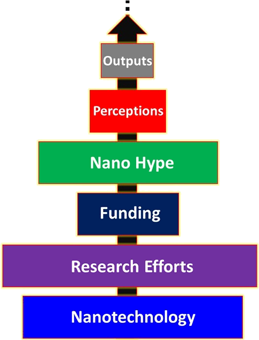
- , phosphoric acid, nitric acid, hydrochloric acid, sodium hydroxide and potassium hydroxide [21]. To produce nanomaterials, these chemicals are not used in trace amounts but in substantial quantities. During synthesis, nearly 40–50% of these chemicals result in waste, which harms ecological systems by
Microplastic pollution in Himalayan lakes: assessment, risks, and sustainable remediation strategies
Beilstein J. Nanotechnol. 2025, 16, 2144–2167, doi:10.3762/bjnano.16.148
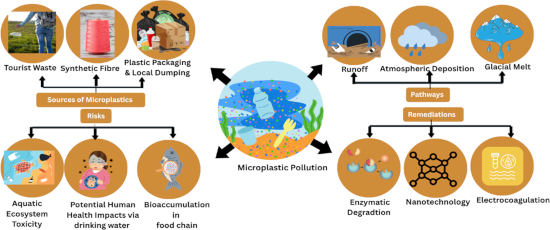
- increasing load of MPs in inland water bodies, for example, rivers, lakes, and estuaries [5]. For South Asia, especially, high MP loads in major river systems such as the Ganges and Brahmaputra have all been driven by rapid urbanization, poor plastic waste management, and hydrological connectivity [6]. Yet
- to MP pollution [4][7][8][9]. MPs enter these ecosystems due to glacier melting, tourism, agricultural runoff, and inadequate waste management. Anchar Lake and Dal Lake in Kashmir, for instance, exhibit high MP levels owing to household waste and touristic activities [10]. Recreational activities and
- water systems [12]. According to Kumar et al., the distribution and accumulation of MP are considerably influenced by anthropogenic activities within catchment areas, which is further worsened by inadequate waste management systems. This is evident in studies conducted on lakes such as Nainital and


On the road to sustainability – application of metallic nanoparticles obtained by green synthesis in dentistry: a scoping review
Beilstein J. Nanotechnol. 2025, 16, 1851–1862, doi:10.3762/bjnano.16.128
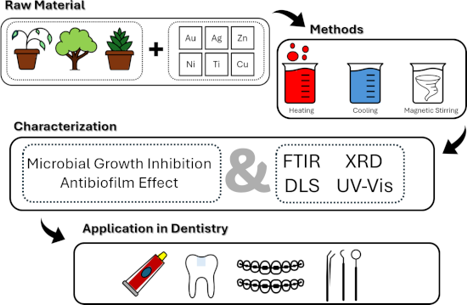
- energy consumption, and hazardous reducing agents; also, they result in environmental waste, in addition to producing nanoparticles that may be toxic and poorly biocompatible [3][7]. Given the limitations of conventional synthesis methods, the green synthesis of nanoparticles has emerged as a sustainable
- significantly reduces the generation of toxic waste, occupational risks, and environmental impacts [13][14][15]. Furthermore, green-synthesized nanoparticles demonstrate enhanced biocompatibility, improved bioavailability, and reduced cytotoxicity, which broadens their applicability in fields such as dental


Current status of using adsorbent nanomaterials for removing microplastics from water supply systems: a mini review
Beilstein J. Nanotechnol. 2025, 16, 1837–1850, doi:10.3762/bjnano.16.127
- projected to rise to 33,000 million tonnes by 2050 [1]. However, despite this significant increase in production, the global recycling rate remaines low at approximately 9% since 1950, resulting in the accumulation of plastic waste in ecological and environmental systems [2][3]. The issues of microplastics
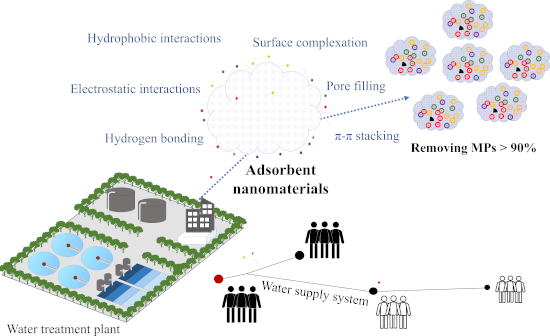
- breakdown of plastic waste by physical, chemical, or biological factors [27]. Figure 1 illustrates the sources and distribution of MPs from the natural environment to water supply systems. According to the study of Osman et al., land-based sources originating from plastic bags, bottles, personal care


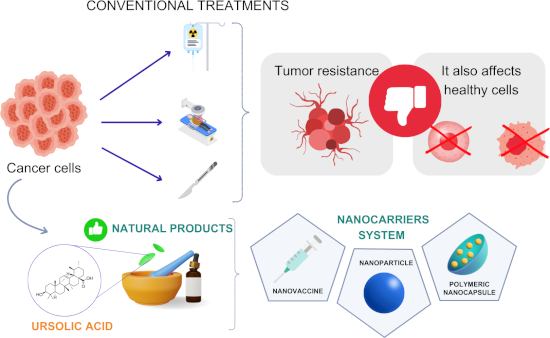
Prospects of nanotechnology and natural products for cancer and immunotherapy
Beilstein J. Nanotechnol. 2025, 16, 1644–1667, doi:10.3762/bjnano.16.116


Nanotechnology-based approaches for the removal of microplastics from wastewater: a comprehensive review
Beilstein J. Nanotechnol. 2025, 16, 1607–1632, doi:10.3762/bjnano.16.114
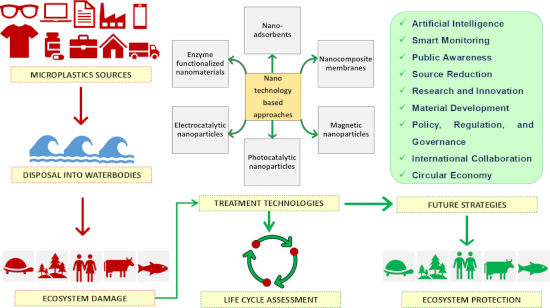
- ; nanotechnology; nanoadsorbents; nano robots; photocatalysis; Introduction Plastic pollution has become a crucial environmental concern recently. It was reported that from 1950 to 2015, global plastic production increased from 5 to over 300 megatons, with approximately 60 to 99 megatons turning into waste. It is
- estimated that, by 2060, the plastic waste generation could increase annually to 155–265 megatons. In spite of the continuous increase in the production of plastic, the rate of recycling remains low worldwide [1]. Microplastics (MPs) are tiny debris pertaining to plastic of size less than 5 mm. They are
- ). The paper mills studied, manufacture a variety of paper products, including tissue paper, cardboard, and specialized items, using different raw materials and polymeric additives like polymeric fibres and coating colours. It was observed that, in paper mill waste, the polymeric additives are the


Transient electronics for sustainability: Emerging technologies and future directions
Beilstein J. Nanotechnol. 2025, 16, 1545–1556, doi:10.3762/bjnano.16.109
- ; encapsulation; fabrication strategy; transient electronics; Introduction In recent years, a growing global concern has emerged regarding the unintended consequences of material longevity on sustainability initiatives, particularly in light of the escalating crisis of plastic waste accumulation in landfills and
- complete physical degradation in situ, leaving no waste or residual materials [14]. In contrast to conventional electronics designed for permanent installation or single-use disposal, transient electronics represent a paradigm shift that redefines the relationship between a functionality and physical


Dendrimer-modified carbon nanotubes for the removal and recovery of heavy metal ions from water
Beilstein J. Nanotechnol. 2025, 16, 1522–1532, doi:10.3762/bjnano.16.107

- acidic waste at the same time. Covalent functionalization of dendrimers on CNT surfaces via Diels–Alder reactions transforming sp2 carbon into sp3 carbon is a desirable alternative. This technique has been successfully used to generate various functionalities on CNT surfaces using different organic


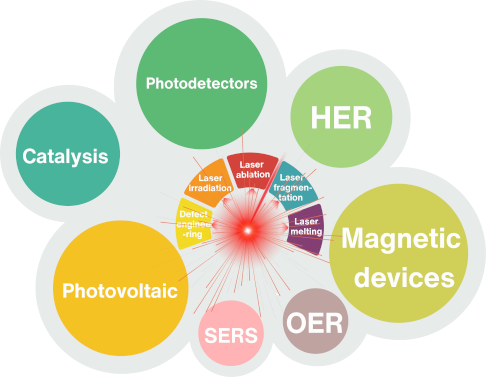
Laser processing in liquids: insights into nanocolloid generation and thin film integration for energy, photonic, and sensing applications
Beilstein J. Nanotechnol. 2025, 16, 1428–1498, doi:10.3762/bjnano.16.104






The role of biochar in combating microplastic pollution: a bibliometric analysis in environmental contexts
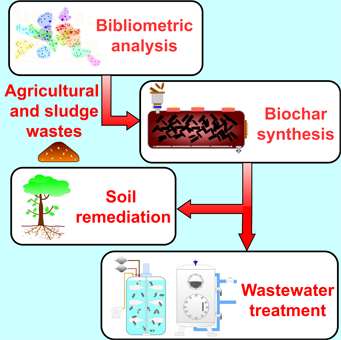
Beilstein J. Nanotechnol. 2025, 16, 1401–1416, doi:10.3762/bjnano.16.102
- capita consumption of plastic is 60 kg/year, with Europe exhibiting a significantly higher rate of 150 kg/year [1]. However, the rapid increase in plastic consumption is accompanied by the generation of substantial plastic waste. For example, China, the leading producer and consumer of plastic, generated
- 26.74 million tons of plastic waste in 2019, with projections indicating an increase to 34.82 million tons by 2035 [2]. Within Europe, Ireland has the highest per capita plastic packaging waste generation, approximately 67 kg/year [3]. Despite efforts to recycle plastic, only 9% of virgin plastic was
- as “adsorbent”, “adsorbent mechanism”, “waste”, and “walnut shell”, highlight the development of biochar from agricultural residues and adsorption mechanism evaluations. Similarly, terms like “aggregate”, ”soil remediation”, “identification”, “mechanism”, and “kinetics” indicate a research trajectory



Single-layer graphene oxide film grown on α-Al2O3(0001) for use as an adsorbent
Beilstein J. Nanotechnol. 2025, 16, 1082–1087, doi:10.3762/bjnano.16.79
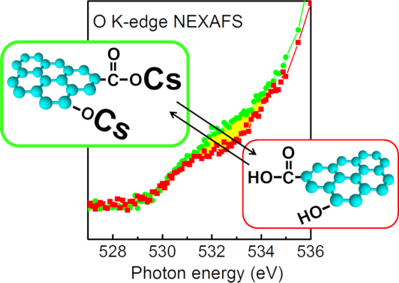
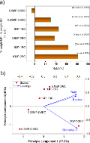
- were conducted into its adsorption properties. A significant accident at a nuclear facility can result in the release of substantial amounts of radioactive cesium (Cs) and strontium (Sr) into the environment [19][20]. The development of a method for reducing the volume of these radioactive waste is
- imperative. Cs and Sr exhibit strong adsorption to particles of rocks and soils, resulting in their water insolubility and substantial volume. A viable method for the disposal of radioactive waste is the application of an acid treatment, which has been demonstrated to be effective in the efficient separation


Synthesis of biowaste-derived carbon-dot-mediated silver nanoparticles and the evaluation of electrochemical properties for supercapacitor electrodes
Beilstein J. Nanotechnol. 2025, 16, 933–943, doi:10.3762/bjnano.16.71
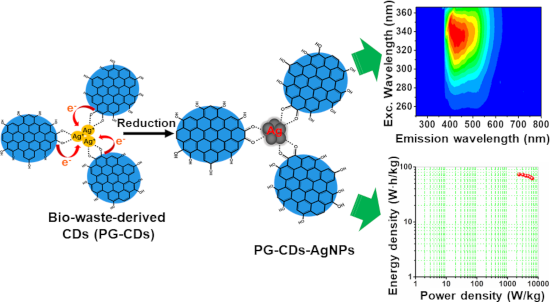
- using UV–vis spectroscopy. Supporting Information File 1, section S1 contains the details of the material characterization techniques. Results and Discussion Plant extract-mediated production of nanoparticles from noble metal precursors are well reported. In the present work, waste P. pinnata leaf
- successfully adopted for the production of AgNPs using CDs produced from waste biomass as a stabilizing and reducing agent. The TEM analysis showed that the produced PG-CDs-AgNPs have more uniform surfaces and spherical shapes with an average particle size of 10–11 nm. The synthesized PG-CD-AgNPs are


Supramolecular hydration structure of graphene-based hydrogels: density functional theory, green chemistry and interface application
Beilstein J. Nanotechnol. 2025, 16, 806–822, doi:10.3762/bjnano.16.61
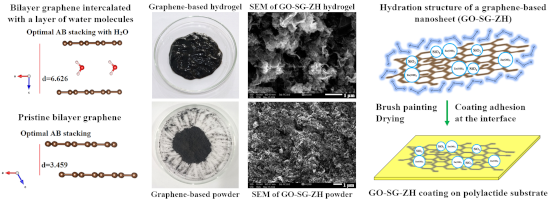
- graphene oxide–nanosilica–zinc hydroxide nanocomposites (GO-SG-ZH). Graphite oxidation reaction in a cascade design gives good efficiency values of energy, chemical reaction, and reaction time [14][15]. The recycling of rice husk ash waste into nanosilica products is eco-friendly and sustainable for
- dispersed in water and sonicated for 1 h. After natural sedimentation overnight, the suspension was decanted to collect the supernatant dispersion of GO nanosheets. Preparation of nanosilica from rice husk ash waste Rice husk ash that was discarded from industrial boilers was collected for recycling
- experiments. Our method of nanosilica synthesis using potassium hydroxide and acetic acid was mentioned in a recent paper [21]. Raw material from rice husk ash waste was dispersed in a 7% potassium hydroxide solution. The suspension was agitated for 1 h at a temperature range of 80–90 °C. After careful


Synthesis of a multicomponent cellulose-based adsorbent for tetracycline removal from aquaculture water
Beilstein J. Nanotechnol. 2025, 16, 728–739, doi:10.3762/bjnano.16.56
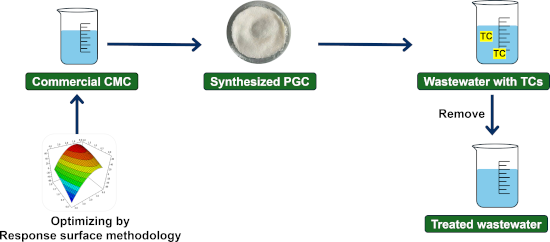
- and sample solution, respectively, was successfully eliminated from water during a single-stage PGC treatment. PGC material ultilization promotes the valorization of agricultural waste, offering an effective strategy for its reuse, particularly relevant for agricultural countries like Vietnam. This
- adsorbents from sustainable, cellulose-based materials derived from agricultural waste. Experimental Materials Tetracycline hydrochloride (97.2%), oxytetracycline dihydrate (98%), and chlortetracycline hydrochloride (94.6%), all sourced from the Institute of Drug Quality Control, Ho Chi Minh City (Vietnam


Colloidal few layered graphene–tannic acid preserves the biocompatibility of periodontal ligament cells
Beilstein J. Nanotechnol. 2025, 16, 664–677, doi:10.3762/bjnano.16.51
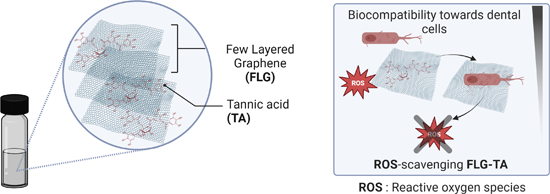
- patients during pre-operative appointments, and oral informed consent and non-opposition to the use of their biological waste for research reasons was obtained. Before use, the cells’ phenotypic characteristics were validated through flow cytometry, evaluating the expression of CD90, CD73, CD34, CD45, HLA




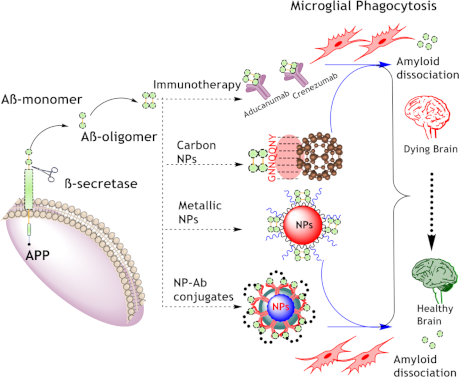
Nanomaterials in targeting amyloid-β oligomers: current advances and future directions for Alzheimer's disease diagnosis and therapy
Beilstein J. Nanotechnol. 2025, 16, 561–580, doi:10.3762/bjnano.16.44


Pulsed laser in liquid grafting of gold nanoparticle–carbon support composites
Beilstein J. Nanotechnol. 2025, 16, 349–361, doi:10.3762/bjnano.16.26
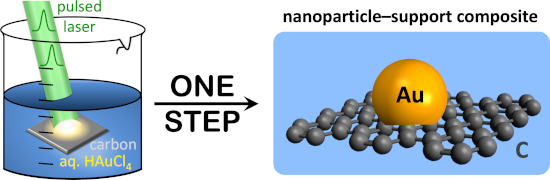
- synthesis–attachment are long preparation times, the generation of hazardous organic solvent and ligand waste [15], and poor electrical contact at the nanoparticle–support interface, particularly for nanoparticles with surfactant-terminated surfaces [16]. Conventionally made nanoparticles rely on
- reactions and can create unwanted side products [7]. Long-term surfactant stability and associated catalyst agglomeration or detachment are another issue. Post-synthetic attachment of catalyst nanoparticles is poorly scalable, creates large amounts of organic hazardous waste, and results in wastage of