


Search results
Search for "E. coli" in Full Text gives 77 result(s) in Beilstein Journal of Nanotechnology.
Studies of probe tip materials by atomic force microscopy: a review
Beilstein J. Nanotechnol. 2022, 13, 1256–1267, doi:10.3762/bjnano.13.104
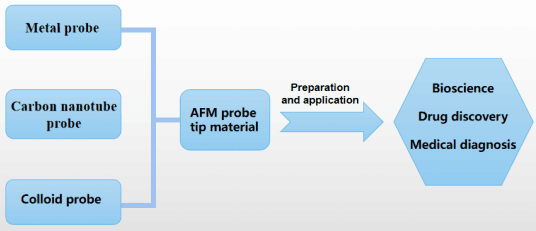
- , Liu et al. [52] prepared single-chain antibodies against Listeria monocytogenes (Lm) with an E. coli expression system, prepared colloidal gold by the trisodium citrate method, used colloidal gold as a tracer, optimized the preparation of colloidal gold probes, combined with purified scFv to prepare
Green synthesis of zinc oxide nanoparticles toward highly efficient photocatalysis and antibacterial application
Beilstein J. Nanotechnol. 2022, 13, 1108–1119, doi:10.3762/bjnano.13.94
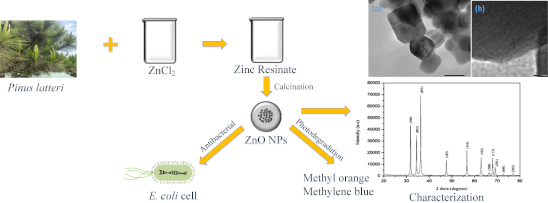
- the same conditions; however, it achieved lower efficiencies. In addition, ZnO NPs were also tested regarding their antibacterial activity, and the results showed that the prepared ZnO samples had the highest (i.e., 100%) antibacterial efficiency against E. coli. Keywords: green synthesis; methylene
- demonstrated against E. coli and S. aureus bacteria. As mentioned previously, plant extracts were used as common precursors for nanomaterial synthesis due to their relatively high levels of the steroids, saponins, carbohydrates, and flavonoids which act as reducing agents and phytoconstituents as capping
- and zinc chloride salt. The antibacterial activity of the synthesized ZnO material against Escherichia coli (E. coli) was studied. In addition, the study also determined the ability of ZnO NPs to act as photocatalysts and to degrade dyes including MB and methyl orange (MO). Experimental Design




Recent advances in green carbon dots (2015–2022): synthesis, metal ion sensing, and biological applications
Beilstein J. Nanotechnol. 2022, 13, 1068–1107, doi:10.3762/bjnano.13.93




Bioselectivity of silk protein-based materials and their bio-inspired applications
Beilstein J. Nanotechnol. 2022, 13, 902–921, doi:10.3762/bjnano.13.81
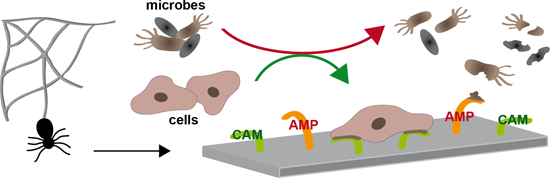
- composition, surface structuring on the micro-/nanoscale, and the introduction of low-surface-energy compounds [62]. Various studies demonstrated that the adhesion of Staphylococcus aureus, Pseudomonas aeruginosa, and Escherichia coli (E. coli) bacteria was significantly reduced on superhydrophobic coatings
- –usher polymerization pathway in Gram-negative microorganisms involved in pili protein synthesis [79]. For instance, the inhibitor targets pilus chaperone PapD, thereby reducing the adhesion to cell lines by 90% [80]. These pilicides inhibit curli formation in uropathogenic E. coli by preventing the
- pseudotuberculosis, and enteropathogenic E. coli [83][84]. Another protein-based antimicrobial strategy in nature is the use of antimicrobial peptides (AMPs) [85]. These molecules are short-length amphipathic peptide molecules (between 10 and 50 amino acids), usually with cationic charges and hydrophobic residues


Antibacterial activity of a berberine nanoformulation
Beilstein J. Nanotechnol. 2022, 13, 641–652, doi:10.3762/bjnano.13.56
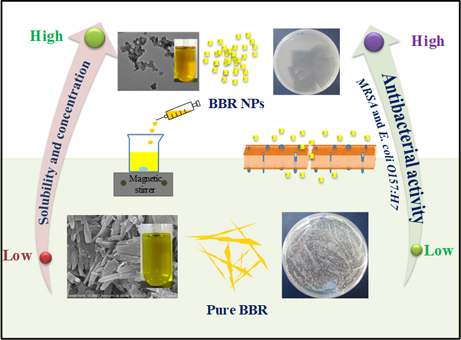
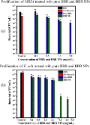
- BBR NPs in water. Antibacterial activity The antibacterial activity of pure BBR and BBR NPs prepared at different concentrations against MRSA and E. coli O157:H7 was compared in vitro using the modified disk diffusion method. Figure 4 and Table 1 show the inhibitory zones of pure BBR (at the
- saturation concentration of 2.0 mg/mL) and BBR NPs (2.0, 3.0, and 4.0 mg/mL) against MRSA and E. coli O157:H7. An inhibitory zone with a diameter of 15 mm was found for pure BBR against MRSA at a concentration of 2.0 mg/mL (Figure 4a). At the same concentration, BBR NPs gave a higher diameter of the
- least 2.0 mg/mL. Higher concentrations of BBR could be obtained due to the nanoformulation. Thus, the antibacterial activity could be enhanced. In contrast, determining the inhibition zones against E. coli O157:H7 at different concentrations was very difficult (Figure 4b). Therefore, this method is



Engineered titania nanomaterials in advanced clinical applications
Beilstein J. Nanotechnol. 2022, 13, 201–218, doi:10.3762/bjnano.13.15
- TiO2 nps to kill even desiccation-resistant microbes, their value has increased in the food, cosmetic, and drug industries. Recently, glass surfaces coated with silver and TiO2 nps showed promising results against bacteria S. aureus (Gram positive) and E. coli (Gram negative) as compared to the
- TiO2 nps [83]. TiO2 supported on silica nanospheres was checked for its antibacterial activity against E. coli, and the result demonstrated a more effective growth inhibition than that of commercial TiO2-P25 under ultraviolet and visible light [84]. Copper is well known for its antimicrobial properties
- [92]. Shabib and his colleagues published an interesting study on the synthesis of TiO2 nps from the root extract of W. somnifera and examined its broad-spectrum antibiofilm potential against E. coli, Pseudomonas aeruginosa, methicillin-resistant S. aureus, Listeria monocytogenes, Serratia marcescens


Bacterial safety study of the production process of hemoglobin-based oxygen carriers
Beilstein J. Nanotechnol. 2022, 13, 114–126, doi:10.3762/bjnano.13.8
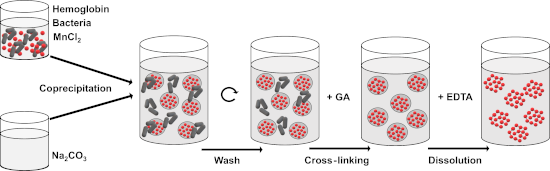
- the CCD method after precipitation, as well as after cross-linking, dissolution, and final washing steps are shown in Figure 1. The zeta potential of HbMP in phosphate-buffered saline (PBS), pH 7.4, was −8.51 ± 0.9 mV. The zeta potential in PBS, pH 7.0, of E. coli was −16 mV, that of S. epidermidis
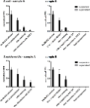
- bacteria were found in the fraction of the sediment. Influence of glutaraldehyde on bacterial growth E. coli cells cultivated with 0.02% glutaraldehyde at 37 °C showed a significantly reduced growth compared to the control group in normal growth medium (Figure 2A). However, the growth of bacteria was
- ). Glutaraldehyde significantly inhibits the proliferation of bacteria under the given conditions. During cultivation of E. coli with the addition of glutaraldehyde at room temperature, there were also significant differences in growth rates compared to the control (Figure 2C). After a small increase in the optical


Theranostic potential of self-luminescent branched polyethyleneimine-coated superparamagnetic iron oxide nanoparticles
Beilstein J. Nanotechnol. 2022, 13, 82–95, doi:10.3762/bjnano.13.6
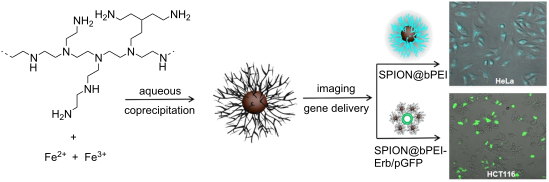
- -stranded PIC, this solution was heated to 55 °C then cooled back to room temperature according to the instructions from the manufacturer. As DNA plasmids, GFP plasmids (16542: pBI-MCS-EGFP) were purchased from Addgen, propagated in DH5α competent E. coli bacteria, and purified using the QIAGEN EndoFree




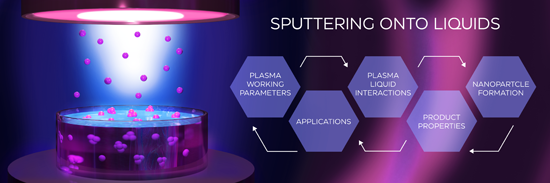
Sputtering onto liquids: a critical review
Beilstein J. Nanotechnol. 2022, 13, 10–53, doi:10.3762/bjnano.13.2






The role of deep eutectic solvents and carrageenan in synthesizing biocompatible anisotropic metal nanoparticles
Beilstein J. Nanotechnol. 2021, 12, 924–938, doi:10.3762/bjnano.12.69
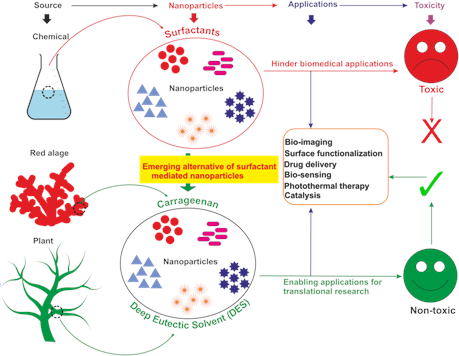
- International Licence, http://creativecommons.org/licenses/by/4.0/. (A) A κ-carrageenan-stabilized hydroxyapatite rod-shaped nanocomposite. (B) Antibacterial study using E. coli, S. aureus, B. subtilis, P. aeruginosa showing the bactericidal properties of the nanocomposite. (C) The nanocomposite shows


Silver nanoparticles nucleated in NaOH-treated halloysite: a potential antimicrobial material
Beilstein J. Nanotechnol. 2021, 12, 798–807, doi:10.3762/bjnano.12.63
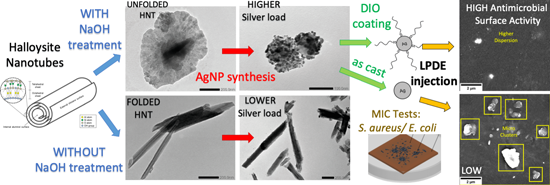
- analysis and differential scanning calorimetry. The antimicrobial properties of the Ag-NPs were investigated against E. coli and S. aureus. The potential of the Ag-NPs for industrial application was tested by dispersing them into low-density polyethylene. The importance of the chemical affinity between
- 25922) and Staphylococcus aureus (ATCC 29213). This was achieved by inoculating the bacteria in selective culture media (rapid coliform broth agar for E. coli and salted manitol agar for S. aureus), followed by 24 h of incubation at 37 °C. After incubation, five colonies of each bacterial species were
- , antimicrobial surface activity tests were performed for LDPE samples doped with Ag/HNT-8 and Ag/HNT-8/DIO. The tests were performed following the guidelines specified in the JIS Z2801 standard, and consist of preparing E. coli and S. aureus suspensions (analogous to the ones produced in the MIC analysis) and




Recent progress in actuation technologies of micro/nanorobots
Beilstein J. Nanotechnol. 2021, 12, 756–765, doi:10.3762/bjnano.12.59
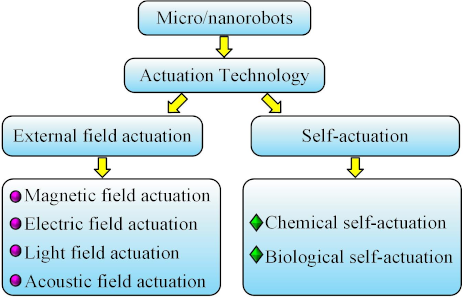
- /nanorobots, for example, the flagella or cilia of swimming microorganisms. Behkam and Sitti [45] suspended droplets of bacteria, such as E. coli, and polystyrene in a solution of water and glucose. After absorbing the glucose nutrient, the rotating flagella of the bacteria pushed the droplets forward, and


A review on nanostructured silver as a basic ingredient in medicine: physicochemical parameters and characterization
Beilstein J. Nanotechnol. 2021, 12, 440–461, doi:10.3762/bjnano.12.36
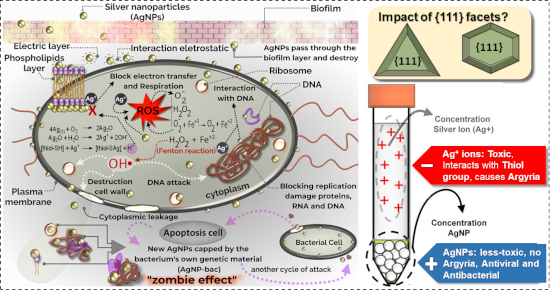
- activity against E. coli, Bacillus subtilis, and Staphylococcus aureus of spherical AgNPs of various sizes and concluded that their effectiveness increased with decreasing size, regardless of the bacterial strains [43]. On the other hand, studies indicate that the reactivity and antibacterial activity of


Imaging of SARS-CoV-2 infected Vero E6 cells by helium ion microscopy
Beilstein J. Nanotechnol. 2021, 12, 172–179, doi:10.3762/bjnano.12.13
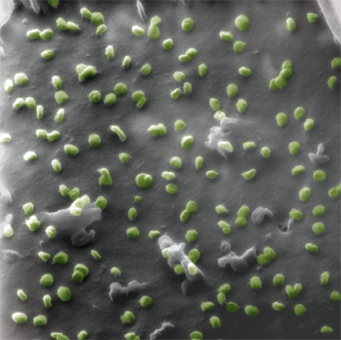
- field of cell biology for imaging various human and animal cells. These include cartilage [2], cancer [3], liver [4], kidney [5] and stem cells [6], as well as fibrin fibers [7]. To visualize viruses and their host organisms, HIM has so far been applied to image T4 phage-infected E. coli bacteria [8


A review on the green and sustainable synthesis of silver nanoparticles and one-dimensional silver nanostructures
Beilstein J. Nanotechnol. 2021, 12, 102–136, doi:10.3762/bjnano.12.9
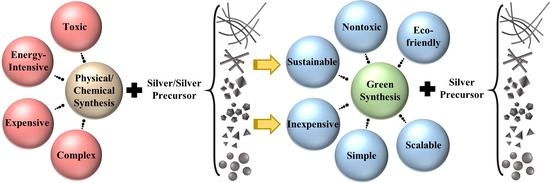
- including Escherichia coli (E. coli) and K. Pneumonia when the cell culture supernatant is used [268]. However, the main downside of bacteriogenic synthesis is the slow synthesis rate and large size distribution compared to other green methods [104][259]. The applications of bacteria-synthesized AgNPs can


Bio-imaging with the helium-ion microscope: A review
Beilstein J. Nanotechnol. 2021, 12, 1–23, doi:10.3762/bjnano.12.1
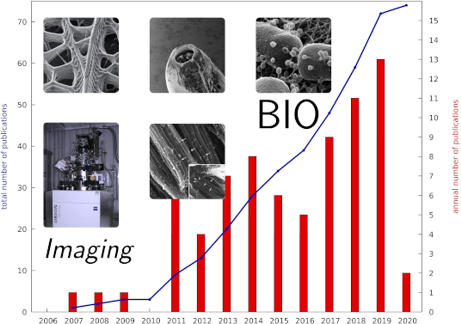
- nanopillar texture on the wing of a dragonfly Orthetrum villosovittatum was studied. In addition to imaging the wing alone, samples were prepared with E. coli bacteria on them, to study the bactericidal properties of the nanostructure. Along similar lines, the nanostructures on the wings of three different
- fabrication (lamellae preparation and conductive coatings) have hindered the studies of phage–bacterium interactions in their natural microbial environments. HIM imaging of phages and phage–bacterium interactions were performed for the first time in 2017 in [17] for bacterial colonies of E. coli on an agar
- prey cell is transformed into a bdelloplast, in which the predator elongates and divides. In a final step, the bdelloplast lyses and the Bdellovibrio offspring is released and ready to attack another cell. A HIM micrograph of the attachment of a Bdellovibrio to E. coli is shown in Figure 9. Again, it


Antimicrobial metal-based nanoparticles: a review on their synthesis, types and antimicrobial action
Beilstein J. Nanotechnol. 2020, 11, 1450–1469, doi:10.3762/bjnano.11.129
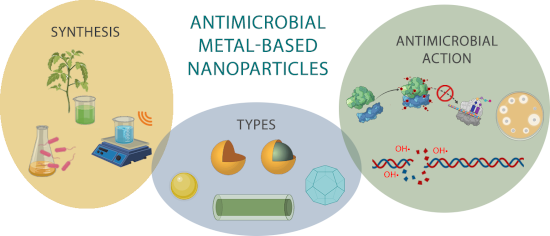
- bacteria (inhibition zone diameter of E. coli: 22 ± 0.86 mm) and Gram-positive bacteria (inhibition zone diameter of B. subtilis: 23 ± 0.9 mm) [88]. Bio-reduction of silver nitrate with Parkia speciosa leaf extract generated spherical Ag NPs with an average particle size of 31 nm [89]. A major
- antibacterial activity against S. aureus was followed by B. subtilis, E. coli and P. aeruginosa. By using latex extracted from an immature Papaya carica fruit and silver nitrate, spherical and highly stable Ag NPs were also obtained. The reduction in Gram-positive bacteria, such as E. faecalis and B. subtilis
- , was lower than the reduction in Gram-negative bacteria, such as V. cholerae, P. mirabilis, E. coli, and K. pneumonia. ZnO NPs are of great interest because their synthesis is economical, safe and easy [72]. Vijayakumar et al. (2018) investigated the antimicrobial and antifungal effect of spherical ZnO


Photothermally active nanoparticles as a promising tool for eliminating bacteria and biofilms
Beilstein J. Nanotechnol. 2020, 11, 1134–1146, doi:10.3762/bjnano.11.98
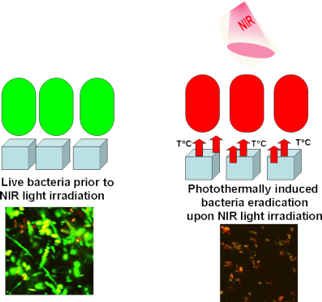
- tested [53]. It was shown that gold-nanoshell-modified surfaces can effectively kill E. faecalis on silicone surfaces under NIR irradiation. Several bacterial strains (E. coli, Bacillus subtilis, Exiguobacterium sp. AT1b), deposited on surfaces precoated with nanoporous gold disks, were inactivated after
- 80 °C, sufficient for the photothermal ablation of both Gram-positive (Bacillus subtilis and S. aureus) and Gram-negative bacteria (E. coli and P. aeruginosa). Polymeric nanocomposites containing photothermally active gold nanoparticles for bacteria and biofilm ablation Despite the increasing number
- . The local photothermal effect triggered by the NIR irradiation of PVA-GNS films was highly efficient in eliminating E. coli bacteria, as shown in Figure 4. In a very recent study, the antimicrobial activity of a chitosan-based hydrogel with embedded gold nanorods under low-power (200 mW) diode laser


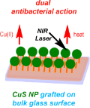
Gram-scale synthesis of splat-shaped Ag–TiO2 nanocomposites for enhanced antimicrobial properties
Beilstein J. Nanotechnol. 2020, 11, 1119–1125, doi:10.3762/bjnano.11.96
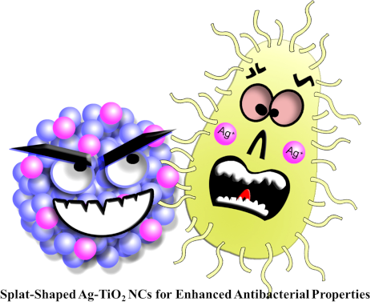
- –TiO2 NCs was tested against the Gram-positive Staphylococcus aureus (S. aureus) and Gram-negative Escherichia coli (E. coli) bacterial strains. The Ag–TiO2 NCs exhibited promising and superior antibacterial properties compared to TiO2 nanospheres as confirmed by the bacterial growth and inhibition zone
- activity of the as-prepared nanocomposites was investigated against Gram-positive S. aureus and Gram-negative E. coli. Experimental Synthesis of the Ag–TiO2 nanocomposite A hydrothermal method was used to prepare the Ag–TiO2 nanocomposite on a gram-scale. 1.25 mol/L of a 16.0 mL titanium sulfate solution
- Gram-positive Staphylococcus aureus (S. aureus) (ATCC 6538) and Gram-negative Escherichia coli (E. coli) (ATCC 8099) were obtained from the Shanghai Amoy Strain Biotechnology Co. (Shanghai, China). The disc diffusion method was applied to check the antibacterial activity of the prepared pure TiO2 NPs


Silver-decorated gel-shell nanobeads: physicochemical characterization and evaluation of antibacterial properties
Beilstein J. Nanotechnol. 2020, 11, 620–630, doi:10.3762/bjnano.11.49
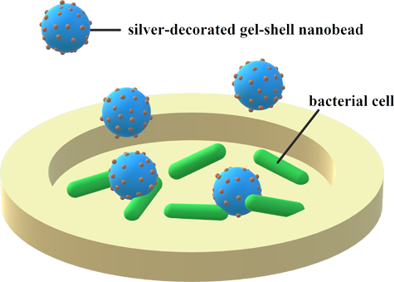
- number of studies has been devoted to non-supported silver nanoparticles and their antimicrobial properties. For example, Martínez-Castañón and co-workers showed that spherical silver nanoparticles of 7 nm in size inhibit the growth of E. coli and S. aureus in concentrations of 6.25 and 7.5 μg/mL
- , respectively [25]. In another study, citrate-stabilized nanoparticles (average diameter of 9 nm) inhibited the growth of E. coli and S. aureus at 10 and 5 μg/mL, respectively [26]. We report herein on the synthesis of nanocomposites with antibacterial properties. The polystyrene nanobeads were modified with
- silver nanoparticles. Radzig and co-workers observed that Ag nanoparticles of 8.3 ± 1.9 nm in size hamper the biofilm formation of E. coli and P. aeruginosa. The reduction of bacterial biomass in the biofilm was visible when the concentration was higher than 5 μg/mL for E. coli and 10 μg/mL for P


Correction: Photocatalytic antibacterial performance of TiO2 and Ag-doped TiO2 against S. aureus. P. aeruginosa and E. coli
Beilstein J. Nanotechnol. 2020, 11, 547–549, doi:10.3762/bjnano.11.43

Luminescent gold nanoclusters for bioimaging applications
Beilstein J. Nanotechnol. 2020, 11, 533–546, doi:10.3762/bjnano.11.42
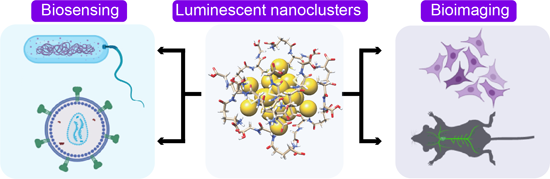
- systematic study used several other pathogenic bacteria, including Streptococcus pyogenes, vancomycin-resistant Enterococcus faecalis (VRE), E. Coli J96, Pseudomonas aeruginosa, pandrug-resistant Acinetobacter baumannii and Enterobacter cloacae in phosphate-buffered saline (PBS) at pH 6 (Figure 2A
- rigidify the surface resulting in a 28-fold increase in the PL of Au-MTU/Prot NCs compared to that of Au-MTU NCs. The resulting Au-MTU/Prot NCs displayed antibacterial properties with abilities to kill both Gram-positive and Gram-negative bacteria, which was shown using E. coli and SA strains. The addition


Preparation and in vivo evaluation of glyco-gold nanoparticles carrying synthetic mycobacterial hexaarabinofuranoside
Beilstein J. Nanotechnol. 2020, 11, 480–493, doi:10.3762/bjnano.11.39
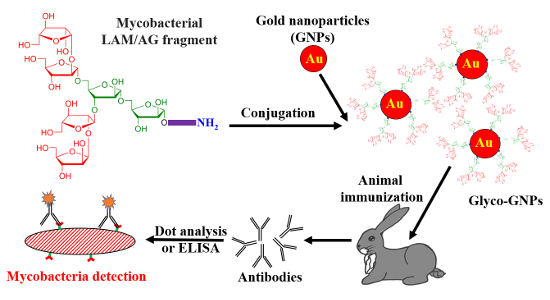
- glyco-GNPs. Both antisera contained high titers of antibodies specific for Mycobacteria as shown by enzyme-linked immunosorbent assay using M. bovis and M. smegmatis cells as antigens while there was only a weak response to M. phlei cells and no interaction with E. coli cells. The results obtained
- detected M. phlei cells significantly weaker than M. bovis and M. smegmatis cells. Importantly, none of the antisera interacted with E. coli cells. Control experiments showed that the observed specificity of the antisera against Ara6-GNPs 3 and 4 is due to the presence of the Ara6-epitope in Ara6-GNPs 3
- antiserum against LPS of Azospirillum brasilense Sp7, generated in the presence of CFA [99], with M. bovis, M. phlei, M. smegmatis and E. coli cell suspensions could be detected (Figure 6). Discussion The biosynthesis of antibodies in mammals is induced by immunogenic substances. These compounds are


Facile biogenic fabrication of hydroxyapatite nanorods using cuttlefish bone and their bactericidal and biocompatibility study
Beilstein J. Nanotechnol. 2020, 11, 285–295, doi:10.3762/bjnano.11.21
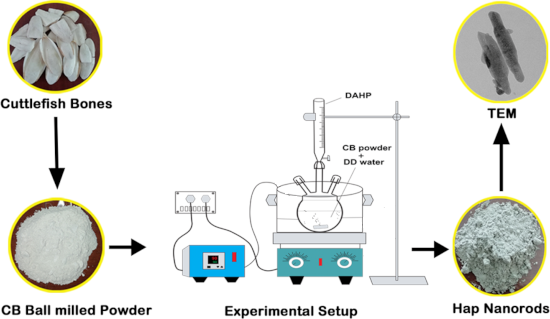
- the TGA data revealed the thermal stability of Hap NRs. In addition, the antibacterial study showed a significant inhibitory effect of CB-Hap NRs against S. aureus (zone of inhibition – 14.5 ± 0.5 mm) and E. coli (13 ± 0.5 mm), whereas the blood compatibility test showed that the CB-Hap NRs exhibited
- can be noted from the literature that nanometer-sized Hap can effectively inhibit antibacterial activity but only when doped or cationic-substituted [55][56]. In contrast, the CB-derived Hap nanorods in the present study show optimum bactericidal effect on E. coli and S. aureus due to the size (>50 nm
- ) and morphology of the material. However, no such activity was observed for CB alone. The obtained results are displayed in Figure 6 and the zone of inhibition in Table 1 shows a better bactericidal effect of Hap NRs towards S. aureus as compared with E. coli. This is due to the variations in cell


Molecular architectonics of DNA for functional nanoarchitectures
Beilstein J. Nanotechnol. 2020, 11, 124–140, doi:10.3762/bjnano.11.11
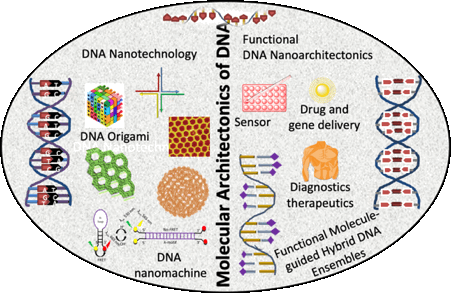
- . The dipicolinamide-guided transfection with plasmid DNA was found to stimulate the growth of E. coli, which confirmed the good transfection efficiency of the small-molecule (dipicolinamide) vector. Izawa and co-workers reported the use of anthracene derivatives to drive the self-assembly of ssDNA into





