


Search results
Search for "MTT assay" in Full Text gives 67 result(s) in Beilstein Journal of Nanotechnology.
Photothermal ablation of murine melanomas by Fe3O4 nanoparticle clusters
Beilstein J. Nanotechnol. 2022, 13, 255–264, doi:10.3762/bjnano.13.20
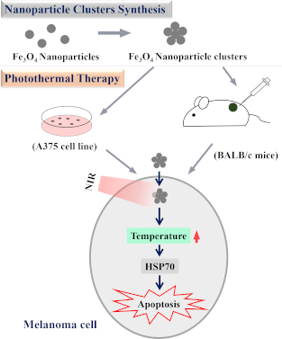
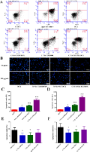
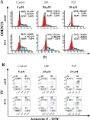
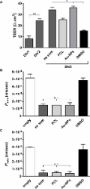
- cells. (b) Apoptotic and necrotic rates of A375 cells, as revealed by flow cytometry, after photothermal treatment with 0.0625 mg/ml NPCs under 10 min of NIR irradiation. (c) MTT assay showing viability of A375 cells after their incubation with NPCs at different concentrations with or without NIR


Theranostic potential of self-luminescent branched polyethyleneimine-coated superparamagnetic iron oxide nanoparticles
Beilstein J. Nanotechnol. 2022, 13, 82–95, doi:10.3762/bjnano.13.6
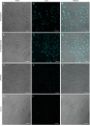
- µg/mL. This is in agreement with the MTT assay results (Figure 5). The optimized formulation and dose were also applied to HeLa and MCF7 cell lines under identical conditions. Erb-tagged nanoparticles enhanced GFP transfection to HeLa cells but not as much as the transfection observed in HCT116, as
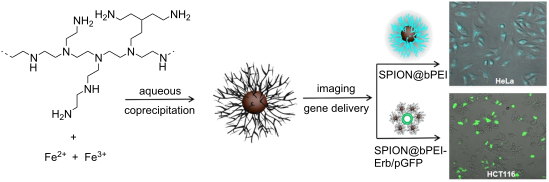
- nanoparticles (Figure 2b). All these nanoparticles exhibit a strong blue emission with a maximum value at 480 nm when excited at 360 nm. In order to evaluate the cytocompatibility of SPION@bPEI as a gene delivery vehicle and determine the therapeutic outcome of PIC delivery by SPION@bPEI to HeLa cells, the MTT
- assay was used (Figure 3). Since the potentially toxic component is bPEI, the doses of the nanoparticles were reported based on their bPEI content (7.6, 15, and 22 μg/mL) determined by TGA. The HeLa cells were also treated with free bPEI for comparison. Free bPEI demonstrated a dose-dependent




Biocompatibility and cytotoxicity in vitro of surface-functionalized drug-loaded spinel ferrite nanoparticles
Beilstein J. Nanotechnol. 2021, 12, 1339–1364, doi:10.3762/bjnano.12.99
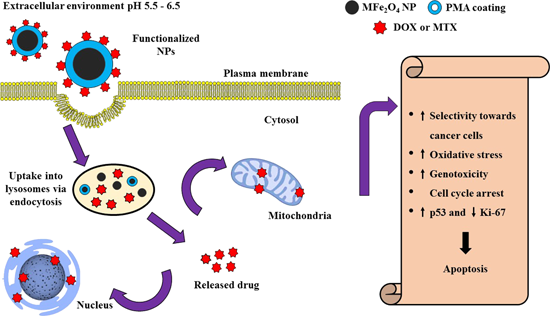
- combating MDR in cancer cells. Functionalized MFe2O4 NPs showed higher IC50 in normal cells as compared to cancer cells The cytotoxicity of drug-loaded NPs was assessed in fresh human lymphocytes to determine their biocompatibility in vitro using the MTT assay. Freshly collected lymphocytes were exposed to





Comprehensive review on ultrasound-responsive theranostic nanomaterials: mechanisms, structures and medical applications
Beilstein J. Nanotechnol. 2021, 12, 808–862, doi:10.3762/bjnano.12.64


Silver nanoparticles induce the cardiomyogenic differentiation of bone marrow derived mesenchymal stem cells via telomere length extension
Beilstein J. Nanotechnol. 2021, 12, 786–797, doi:10.3762/bjnano.12.62
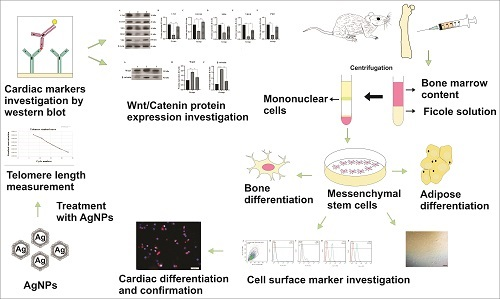
- differentiated BM-MSCs were treated with different concentrations of Ag-NPs for 14 days and cell proliferation was examined by MTT assay. As shown in Figure 4, there was a significant difference in the proliferation of cardiomyogenically differentiated BM-MSCs between the treated groups with 2.5 µg/mL of Ag-NPs
- ) formation as cardiac and liver markers [31]. In the present study, the in vitro effect of Ag-NPs was investigated on cardiac differentiation potency as well as TL of MSCs. The suitable concentration of Ag-NPs which prolong the cell viability of MSCs was determined by MTT assay as previously examined by
- and the fluorescent cells were visualized under a fluorescence microscope. Cell proliferation assay by MTT The 3-(4,5-dimethylthiazol-2-yl)-2,5-diphenyltetrazolium bromide (MTT) assay measures the mitochondrial activity of the cells [45]. After the BM-MSCs grew to 70–80% confluence, they were washed


Doxorubicin-loaded gold nanorods: a multifunctional chemo-photothermal nanoplatform for cancer management
Beilstein J. Nanotechnol. 2021, 12, 295–303, doi:10.3762/bjnano.12.24
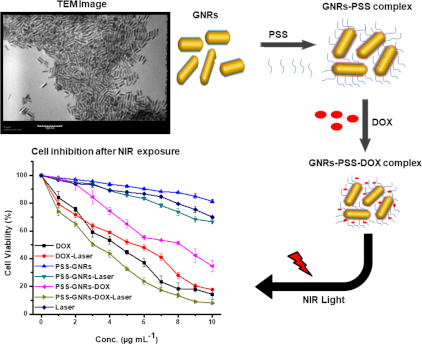
- cytotoxicity against HepG2 (carcinogenic) and 3T3 (non-carcinogenic) cells was evaluated. Cells were treated for 12 h with PSS-GNRs and analyzed using the MTT assay. As shown in Figure 4, cells treated with PSS-GNRs had no significant reduction in cell viability compared to control cells. The viability
- 10% FBS and 1% pen–strep. After 24 h of incubation, cells were exposed to different concentrations of PSS-coated GNRs and were allowed to incubate at 37 °C for additional 24 h. Viability was measured by the MTT assay [40]. Hemolysis assay All human blood samples in this study were from healthy
- . After that, cells were illuminated with a 808 nm NIR laser (power density = 1.5 W/cm2 for 2 min) with a beam spot of 6 mm in diameter and incubated at 37 °C for 24 h. The MTT assay was performed to measure cell inhibition. (a) TEM image of monodispersed GNRs. (b) Histogram showing the aspect ratio of


Characterization, bio-uptake and toxicity of polymer-coated silver nanoparticles and their interaction with human peripheral blood mononuclear cells
Beilstein J. Nanotechnol. 2021, 12, 282–294, doi:10.3762/bjnano.12.23
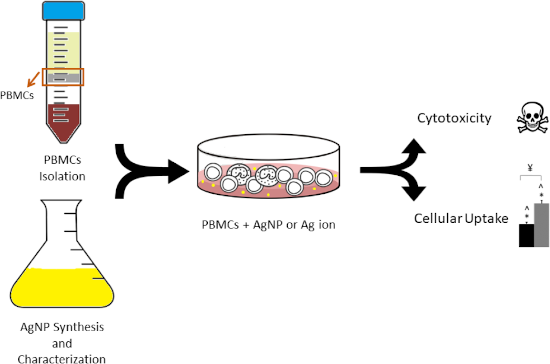
- differential cellular uptake of NPs [55]. Artifacts in the LDH analysis were observed at the highest concentration and not reported. In this study, we reported a cytotoxicity of AgNPs that started at low concentrations (100 µg·L−1). In some of the previous studies using the MTT assay for measuring cell



Differences in surface chemistry of iron oxide nanoparticles result in different routes of internalization
Beilstein J. Nanotechnol. 2021, 12, 270–281, doi:10.3762/bjnano.12.22
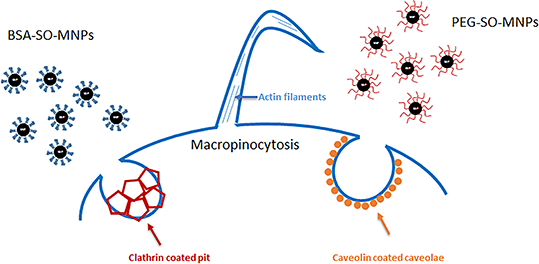
- based on the cell viability determined by MTT assay (Supporting Information File 1, Figure S5 and Figure S6). All inhibitors were purchased from Sigma-Aldrich (Slovakia). The cells exposed to culture medium were used as negative control and cells exposed only to MNPs for 1 h were considered as a
- surface-modified MNPs was 2 mM. RITC-BSA-SO-MNPS were diluted in a phenol-free medium to avoid interference. MTT assay The cytotoxicity of MNPs and endocytic inhibitors in A549 cells was assessed by the 3-(4,5-dimethylthiazol-2-yl)-2,5-diphenyltetrazolium bromide (MTT) assay following the protocol by



Effect of different silica coatings on the toxicity of upconversion nanoparticles on RAW 264.7 macrophage cells
Beilstein J. Nanotechnol. 2021, 12, 35–48, doi:10.3762/bjnano.12.3
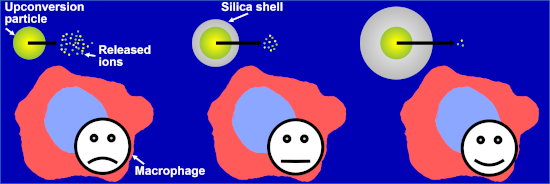
- UCNP samples. However, this does not go along with a higher cytotoxicity since the thin-coated samples had a higher degree of cytotoxicity in the MTT assay in comparison to the thick-coated particles (Figure 2). The cytotoxicity of the thin-coated samples must have been caused by other effects that did
- ± 2 nm); (C) UC@thick (tSiO2 = 21 ± 3 nm). MTT assay results of silica-coated UCNPs and SiO2 nanoparticles on RAW 264.7 cells. (A) SSC histograms of RAW 264.7 cells after particle exposure for 24 h at 37 °C. UC@thin_NH2 is marked by a blue-framed peak, UC@thick_NH2 is marked by a red-framed peak, and


PEG/PEI-functionalized single-walled carbon nanotubes as delivery carriers for doxorubicin: synthesis, characterization, and in vitro evaluation
Beilstein J. Nanotechnol. 2020, 11, 1728–1741, doi:10.3762/bjnano.11.155
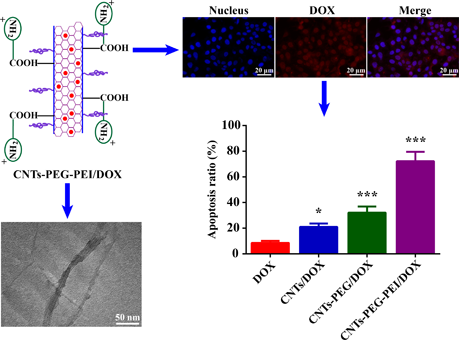
- The in vitro cytotoxicity of different blank nanomaterials and DOX-loaded samples toward MCF-7 cells was assessed by using the MTT assay. In brief, cells were seeded into 96-well plates at a density of 5 × 10⁴ cells per well and attached for 48 h. Then the culture medium was removed, and cells were

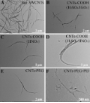

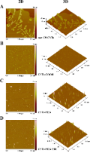
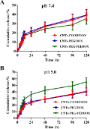


Cardiomyocyte uptake mechanism of a hydroxyapatite nanoparticle mediated gene delivery system
Beilstein J. Nanotechnol. 2020, 11, 1685–1692, doi:10.3762/bjnano.11.150
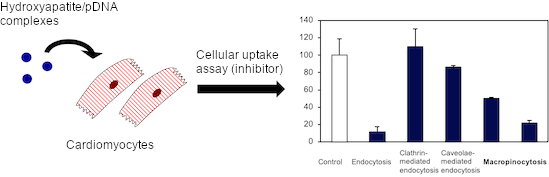
- approximately 1.3 wt % [24]. Cytotoxicity assay Dose-dependent cytotoxicity of HAp/pDNA complexes on HL-1 cells was investigated in the concentration range of 0.1–10 µg/mL. The 3-(4,5-dimethylhiazol-2-yl)-2,5-diphenyl-2H-tetrazolium bromide (MTT) assay was used to assess cytotoxicity. No differences in cell
- ). (d) The FTIR spectra of the HAp nanoparticles in the range of 4000–400 cm−1. The characteristic peaks of HAp are indicated. MTT assay of HL-1 cells treated with HAp nanoparticles for 24 (white bars) and 72 h (black bars) was used to determine cytotoxicity. Non-treated cells were used as the control


Nanoparticles based on the zwitterionic pillar[5]arene and Ag+: synthesis, self-assembly and cytotoxicity in the human lung cancer cell line A549
Beilstein J. Nanotechnol. 2020, 11, 421–431, doi:10.3762/bjnano.11.33
- held at the accelerating voltage of 80 kV in scanning TEM mode using an Oxford Instruments X-Maxn 80T EDS detector. In vitro cell viability The characterization of the A549 cell viability changes under the pillar[5]arenes 3 and 4 action was performed by the MTT assay. A cell suspension of 150 μL/well
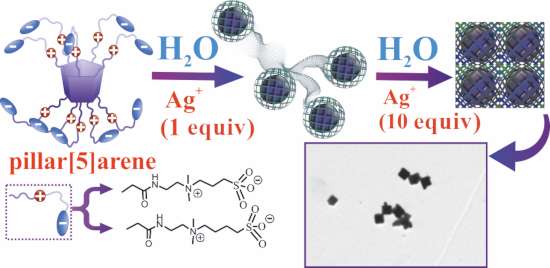
- MS-Excel. To determine the cytotoxicity of the complexes with 3/Ag+ and 4/Ag+ and to obtain a stable mixture of compounds, solutions 3 or 4 and AgNO3 in distilled water was mixed in a molar ratio of 1:10 and incubated for 30 min at 37 °C. The IC50 value using the data obtained in the MTT assay was




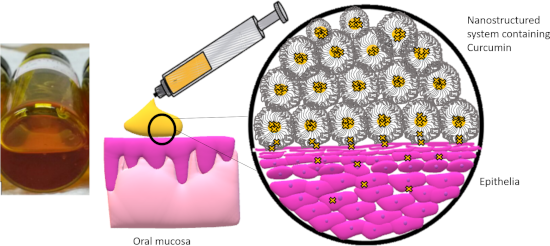
Design of a nanostructured mucoadhesive system containing curcumin for buccal application: from physicochemical to biological aspects
Beilstein J. Nanotechnol. 2019, 10, 2304–2328, doi:10.3762/bjnano.10.222


Targeted therapeutic effect against the breast cancer cell line MCF-7 with a CuFe2O4/silica/cisplatin nanocomposite formulation
Beilstein J. Nanotechnol. 2019, 10, 2217–2228, doi:10.3762/bjnano.10.214
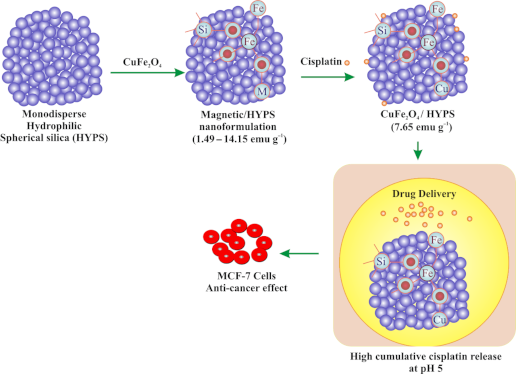
- calculation was made for the other doses as indicated in Table 1. Thus, the treatment concentrations used in this experiment for CuFe2O4 were: 0.0084, 0.0168, 0.0336, and 0.168 mg/mL. The treatment concentrations for cisplatin were: 0.001125, 0.00225, 0.0045, 0.0225 mg/mL. Cell viability – MTT assay The cell
- viability was tested using 3-(4,5-dimethylthiazol-2-yl)-2,5-diphenyltetrazolium bromide (MTT) assay, which is based on the ability to reduce MTT to formazan crystals. The assay was performed using previously published protocols [15]. Briefly, MTT (Sigma-Aldrich) was dissolved in PBS at 5 mg/mL. The working
- cisplatin [20][21]. To overcome these limitations and to ensure specific tumor targeting, cisplatin/CuFe2O4/HYPS nanoparticles were tested. To investigate the cytotoxic efficiency of cisplatin/CuFe2O4/HYPS nanoparticles, we assessed cell viability using the MTT assay. In that assay, healthy cells will be


Incorporation of doxorubicin in different polymer nanoparticles and their anticancer activity
Beilstein J. Nanotechnol. 2019, 10, 2062–2072, doi:10.3762/bjnano.10.201
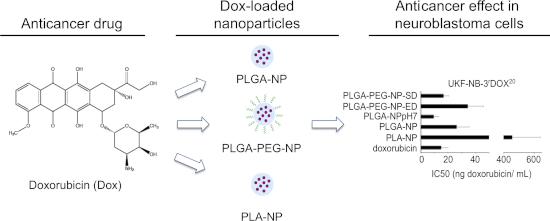
- -dimethylthiazol-2-yl)-2,5-diphenyltetrazolium bromide (MTT) assay modified after Mosmann [59], as previously described [55]. 2 × 10⁴ cells suspended in 100 µL cell culture medium were plated per well in 96-well plates and incubated in the presence of various concentrations of drug or drug preparations for 120 h





Synthesis and potent cytotoxic activity of a novel diosgenin derivative and its phytosomes against lung cancer cells
Beilstein J. Nanotechnol. 2019, 10, 1933–1942, doi:10.3762/bjnano.10.189
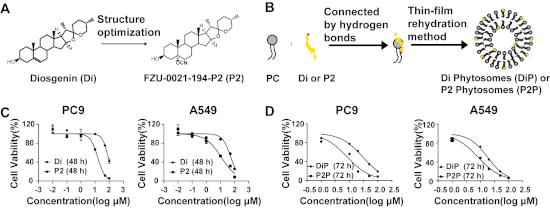
- 5% CO2. In vitro cell viability Cell viability was determined by MTT assay. Cells seeded in 96-well plates at 70–80% confluence were exposed to free drugs (Di, P2) and phytosomes (P, DiP, P2P) at various concentrations for 24, 48 and 72 h. At the end of the treatment period, viability was determined
- by the MTT assay [40]. Cell cycle analysis A549 and PC9 cells were plated in six-well plates at 2 × 10⁵ cells/well. The day after plating, the cells were treated with Di or P2 for 48 h and DiP or P2P for 72 h. Then cells were trypsinized and washed with PBS. The cells were fixed with 75% pre-cooled
- IC50 values of diosgenin (Di), FZU-0021-194-P2 (P2) and their phytosomes against cancer cells by MTT assay. Characterization of different phytosomes. Supporting Information Supporting Information File 138: Additional experimental information. Acknowledgements This work received support from the



Engineered superparamagnetic iron oxide nanoparticles (SPIONs) for dual-modality imaging of intracranial glioblastoma via EGFRvIII targeting
Beilstein J. Nanotechnol. 2019, 10, 1860–1872, doi:10.3762/bjnano.10.181
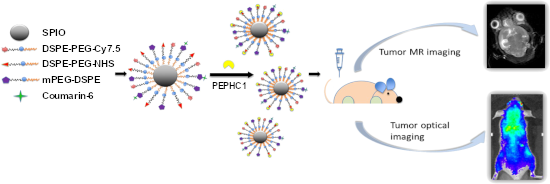
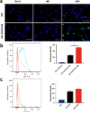
- U87MG-EGFRvIII cells was measured by a typical MTT assay. Briefly, U87MG and U87MG-EGFRvIII cells in the logarithmic growth phase were seeded in 96-well plates with a density of 1 × 10⁴ cells/well. After 24 h of incubation, the medium was discarded and 200 µL of fresh medium including NPs or PNPs with




Toxicity and safety study of silver and gold nanoparticles functionalized with cysteine and glutathione
Beilstein J. Nanotechnol. 2019, 10, 1802–1817, doi:10.3762/bjnano.10.175
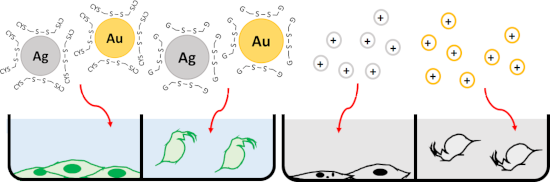
- at 37 °C and 5% CO2 to allow cell attachment. The following day, AgNPs, AuNPs, AgNO3 and HAuCl4 were added to the wells in different concentrations and treated for 24 h. The MTT assay, based on the reduction of the yellow tetrazolium salt MTT (3-(4,5-dimethylthiazol-2-yl)-2,5-diphenyltetrazolium


Doxorubicin-loaded human serum albumin nanoparticles overcome transporter-mediated drug resistance in drug-adapted cancer cells
Beilstein J. Nanotechnol. 2019, 10, 1707–1715, doi:10.3762/bjnano.10.166
- cultured in the presence of the indicated drug concentrations. The cells were routinely tested for mycoplasma contamination and authenticated by short tandem repeat profiling. Cell viability assay Cell viability was determined by 3-(4,5-dimethylthiazol-2-yl)-2,5-diphenyltetrazolium bromide (MTT) assay
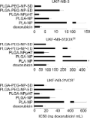
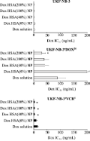
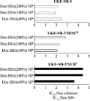
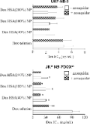
- . Doxorubicin sensitivity of UKF-NB-3, its doxorubicin-adapted sub-line UKF-NB-3rDOX20 and its vincristine-adapted sub-line UKF-NB-3rVCR1. A) Doxorubicin concentrations that reduce cell viability by 50% (IC50) as indicated by MTT assay after 120 h of incubation. B) Fold change in doxorubicin sensitivity
- available amino groups present on HSA. Preparations prepared without glutaraldehyde served as a control (Dox HSA (0%) NP). Values are expressed as concentrations that reduce cell viability by 50% (IC50) as determined by MTT assay after 120 h of incubation. Numerical values are presented in Supporting


Effects of gold and PCL- or PLLA-coated silica nanoparticles on brain endothelial cells and the blood–brain barrier
Beilstein J. Nanotechnol. 2019, 10, 941–954, doi:10.3762/bjnano.10.95
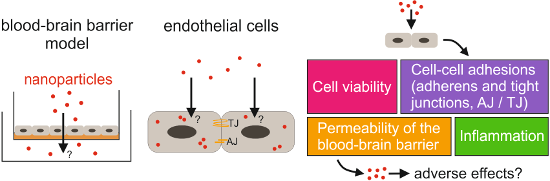
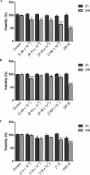
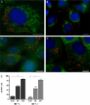
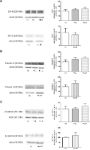
- had a significant effect on the expression levels of Akt or NF-κB or their respective phosphorylated forms indicating that the NPs do not modulate cell proliferation and inflammation. The fact that the MTT assay measures the metabolic activity of a cell might explain the lack of alterations in markers



Characterization and influence of hydroxyapatite nanopowders on living cells
Beilstein J. Nanotechnol. 2018, 9, 3079–3094, doi:10.3762/bjnano.9.286
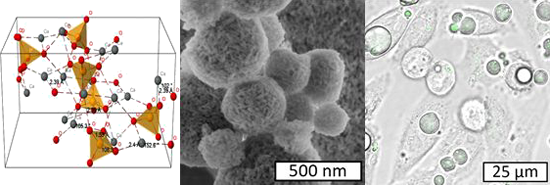
- the cleavage of tetrazolium salt WST-8 (Dojindo Molecular Technologies, Inc, Japan) by mitochondrial dehydrogenases. The WST-8 assay is a development of the MTT assay, which is used for determining the cells metabolic activity. It is a colourimetric assay based on the extracellular reduction of

![[Graphic 1]](/bjnano/content/inline/2190-4286-9-286-i2.svg?max-width=637&scale=1.18182) .
.



Cytotoxicity of doxorubicin-conjugated poly[N-(2-hydroxypropyl)methacrylamide]-modified γ-Fe2O3 nanoparticles towards human tumor cells
Beilstein J. Nanotechnol. 2018, 9, 2533–2545, doi:10.3762/bjnano.9.236
- under Evolution 300 Trino microscope (Delta Optical; Mińsk Mazowiecki, Poland) after cell staining with 0.1% trypan blue. For long-term (72 h) cytotoxicity experiments, MTT assay was used. hMSC, HeLa, and MG-63 cells were plated (5 × 10³) in 100 µL of medium per well in 96-well plates and allowed to
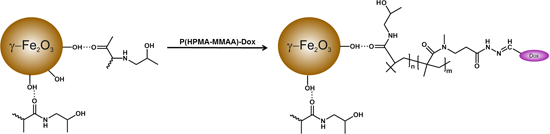
- , human K562 leukemia) demonstrated a similar sensitivity to Dox-conjugated nanoparticles; cell number decreased by 3–10% (Figure 6). Additionally, the long-term effect (72 h) of these nanoparticles was studied towards hMSCs, human MG-63, and HeLa tumor cells by MTT assay and compared to that of free Dox
- -MMAA)-Dox nanoparticles (Dox+NP) towards human cervix carcinoma cells of HeLa line and human osteosarcoma cells of MG-63 line (seeded 5∙103 per 100 µL), MTT assay. Agents were added in 200 µL of medium. Data are relative to the untreated controls and represent the mean +/− SD of three independent


Enhanced antineoplastic/therapeutic efficacy using 5-fluorouracil-loaded calcium phosphate nanoparticles
Beilstein J. Nanotechnol. 2018, 9, 2499–2515, doi:10.3762/bjnano.9.233
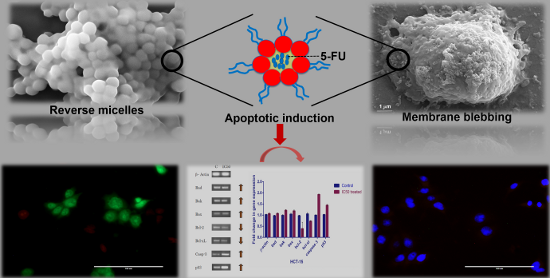
- microscopic (AFM) images (Figure S1, Supporting Information File 1). The size of the nanoparticles was approximated as 163 ± 24.12 nm. MTT assay To determine the antineoplastic potential of 5-FU, CaP@5-FU NPs and CaP NPs, we performed an MTT assay in Duke’s type C colorectal adenocarcinoma (HCT-15) and lung
- and thus the enhanced toxicity in the tumour cells. The sustained release of 5-FU from the CaP@5-FU NPs, as described in the pH-triggered release study, was found to correlate with the findings of the MTT assay. The HCT-15 cell lines showed a saturation limit of the free drug after 10 µg/mL, whereas
- drug. This might be due to the mechanistic action of p-glycoprotein-mediated discharging [40] of the drug at the onset of the saturation concentration. To substantiate the biocompatibility of the nanoparticles, we extended the MTT assay to HEK-293 cells. The results obtained in this study indicate that


Biomimetic and biodegradable cellulose acetate scaffolds loaded with dexamethasone for bone implants
Beilstein J. Nanotechnol. 2018, 9, 1986–1994, doi:10.3762/bjnano.9.189
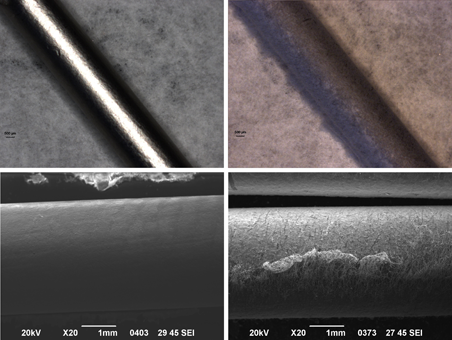
- . Cytotoxicity studies were performed by using MTT assay, methylene-blue staining and SEM fixation and showed very good cell adhesion and proliferation, indicating the cytocompatibility of these fibrous scaffolds. Drug-release kinetics was measured for the evaluation of a controllable and sustained release of
- -Aldrich, Germany. N,N-Dimethylacetamide was obtained from Chem-Lab NV, Belgium. In MTT assay the cells used in this study were mice fibroblasts (L929) and phosphate-buffered saline (PBS), Dulbecco’s Modifies Eagle Medium (DMEM), 10% fetal bovine serum (FBS) and antibiotics were obtained from Gibco® Cell
- was measured at the absorption wavelength of the drug, using a 96-well plate reader (Luminometer Promega Glomax multi detection system). After that, the remaining samples were placed back in the incubator until the next measurement. In vitro cytotoxicity assays MTT assay direct test and methylene blue


Development of polycationic amphiphilic cyclodextrin nanoparticles for anticancer drug delivery
Beilstein J. Nanotechnol. 2017, 8, 1457–1468, doi:10.3762/bjnano.8.145
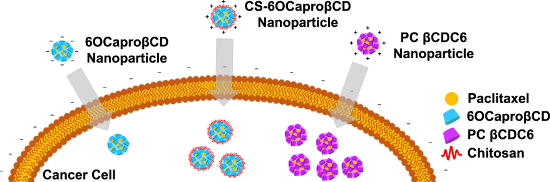
- assay. This cell line is recommended by the U.S. Pharmacopeial Convention (USP) for the cytotoxicity evaluation of polymeric systems and was therefore used. According to MTT assay, cell viability for L929 cells is given in Figure 6. It is clearly shown that all blank amphiphilic CD nanoparticle
- positive charge can improve drug loading capacity, slow down drug release and improve cellular interaction due to the negative charge of the cell membrane. Furthermore, unloaded or loaded nanoparticle cytotoxic effects were demonstrated with MTT assay in this study. In the light of the results of this
- µL), separately. After the L929 cells reached confluence, DMEM was removed from the cells and fresh medium containing blank amphiphilic CD nanoparticles was replaced and incubated for 48 h. In order to determine cell viability, 3-(4,5-dimethylthiazol-2-yl)-2,5-diphenyltetrazolium bromide (MTT) assay





