


Search results
Search for "TGA" in Full Text gives 149 result(s) in Beilstein Journal of Nanotechnology.
Upscaling the urea method synthesis of CoAl layered double hydroxides
Beilstein J. Nanotechnol. 2023, 14, 927–938, doi:10.3762/bjnano.14.76
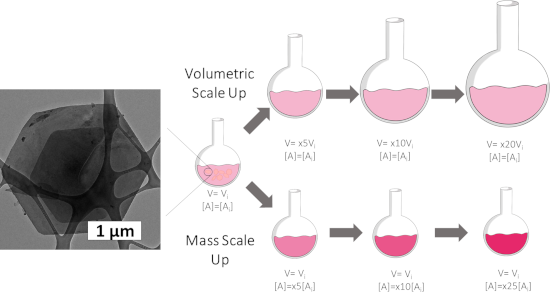
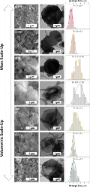
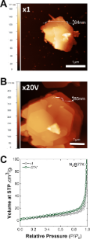
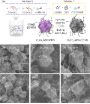
- CoAl-LDH synthesis method. We thoroughly study the effects of the mass scale-up (25-fold: up to 375 mM) and the volumetric scale-up (20-fold: up to 2 L). For this, we use a combination of several structural (XRD, TGA, and N2 and CO2 isotherms), microscopic (SEM, TEM, and AFM), magnetic (SQUID), and
- oxidative (air) atmospheres was measured through thermogravimetric analysis (TGA). Typically, the decomposition of layered hydroxide structures consists of at least two main mass loss steps. The first, below 200 °C, is related to the release of physisorbed and interlayer water. The second one consists of
- the loss/decomposition of the interlayer anion and the concomitant dehydroxylation process, which leads to the collapse of the layered hydroxide structure [13][54]. The TGA curve of reference x1 in air (Figure 3) shows a first mass loss step of ca. 12% at 207 °C and a second one of around 14% at 276


Nanostructured lipid carriers containing benznidazole: physicochemical, biopharmaceutical and cellular in vitro studies
Beilstein J. Nanotechnol. 2023, 14, 804–818, doi:10.3762/bjnano.14.66
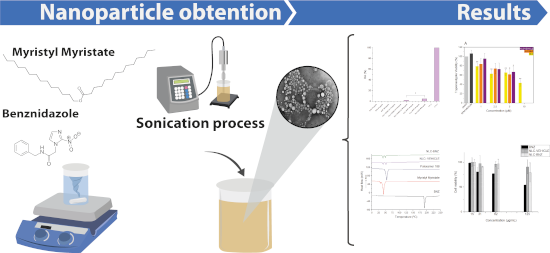
- (ζ) was measured by Doppler anemometry, and it was found to be around −13 mV. Differential scanning calorimetry (DSC) and thermogravimetric analysis (TGA) were performed to determine the thermal stability and melting/recrystallization processes of the components after drug encapsulation. Overlaid DSC
- enthalpies (J·g−1) of the NLC dispersion and the bulk lipid, respectively. The concentration of the lipid phase was 2%. Thermogravimetric analysis Thermogravimetric analysis was performed to assess the thermal stability of BNZ, myristyl myristate, poloxamer 188, and NLC-BNZ on a TGA Q500 apparatus (TA


Silver nanoparticles loaded on lactose/alginate: in situ synthesis, catalytic degradation, and pH-dependent antibacterial activity
Beilstein J. Nanotechnol. 2023, 14, 781–792, doi:10.3762/bjnano.14.64
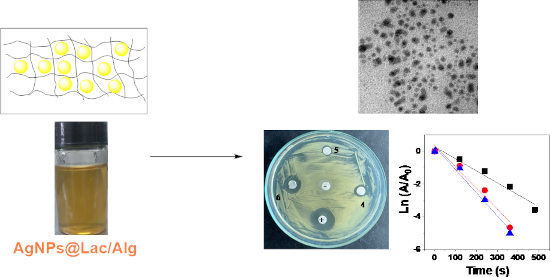
- , respectively, while those of AgNPs@Lac/Alg-0.7 were 4.09 ± 0.2 Å and 68.4 ± 0.8 Å3, respectively [43]. Thus, the XRD data provide evidence for the presence of AgNPs in the nanocomposites. To evaluate the thermal properties of the AgNPs@Lac/Alg nanocomposites, TGA and DSC measurements were performed on both the
- blank composite and the nanocomposites in an air flow of 20 mL/min at a heating rate of 10 °C/min. The TGA curve of AgNPs@Lac/Alg closely resembles that of the blank composite. Between 37 and 200 °C, the nanocomposite AgNPs@Lac/Alg-0.3 exhibited a significantly higher thermal loss (28%) compared to the
- morphology of the nanocomposites was investigated using transmission electron microscopy (TEM) with a JEOL JEM-1400 instrument. Thermal analysis, including thermogravimetry analysis (TGA) and differential scanning calorimetry (DSC), was conducted using a LabSys Evo 1600 thermal analyzer (SETARAM, France


Control of morphology and crystallinity of CNTs in flame synthesis with one-dimensional reaction zone
Beilstein J. Nanotechnol. 2023, 14, 741–750, doi:10.3762/bjnano.14.61
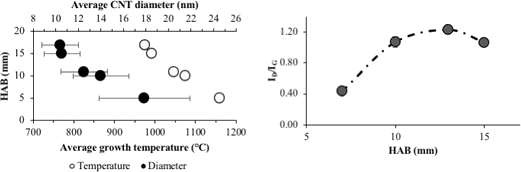
- morphology of the MWCNTs similar to that of MWCNTs obtained from CVD. Raman spectroscopy showed constant IG/ID ratios after all runs, and thermogravimetric analysis (TGA) results showed almost equal CNT oxidation temperatures, indicating similar purity. The constant crystallinity determined from the ID/IG


Carbon nanotube-cellulose ink for rapid solvent identification
Beilstein J. Nanotechnol. 2023, 14, 535–543, doi:10.3762/bjnano.14.44
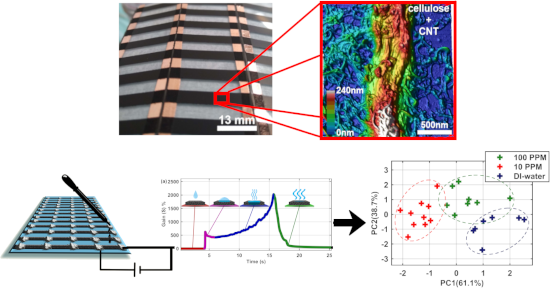
- contact mode. AC160TS silicon cantilevers from Olympus with a typical spring constant of k ≈ 46 N/m, a nominal radius of curvature of r ≈ 7 nm, and a resonant frequency of ω0 ≈ 300 kHz were employed. Heat flow and weight changes of selected solvents were determined by thermogravimetric analysis (TGA


Two-step single-reactor synthesis of oleic acid- or undecylenic acid-stabilized magnetic nanoparticles by thermal decomposition
Beilstein J. Nanotechnol. 2023, 14, 11–22, doi:10.3762/bjnano.14.2
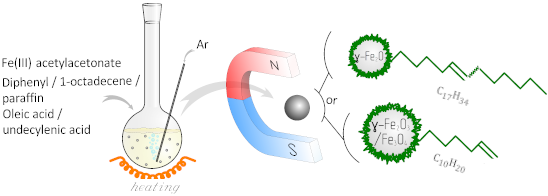
- of the reagents in paraffin compared to the rest of the synthetic approaches, were spherical (Figure 3). However, the yield of this synthesis, which was estimated in terms of maghemite according to the results of thermogravimetric analysis (TGA), was significantly lower compared to those conducted in
- , thereby proving their partial oxidation [39][40]. The Fourier-transform infrared spectroscopy/attenuated total reflectance (ATR-FTIR) and TGA techniques were used for surface characterization in terms of the presence of higher fatty acids, which play an essential role in the stability and future
- with the TGA results, in which the nanoparticles synthesized under the same conditions but with divergent carboxylic acids contained significantly different amounts of the organic phase. Determined from the TGA curves, the content of the stabilizer for the samples TMO-I (coated with OA) and TMU-V


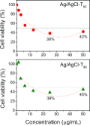
In search of cytotoxic selectivity on cancer cells with biogenically synthesized Ag/AgCl nanoparticles
Beilstein J. Nanotechnol. 2022, 13, 1505–1519, doi:10.3762/bjnano.13.124
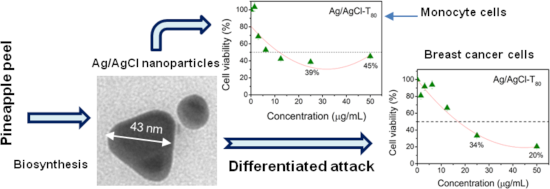
- pineapple peel extracts and their behavior on the breast cancer cell line MCF-7 is shown. Bioreactions were monitored at different temperatures. Fourier-transform infrared spectroscopy (FTIR), ultraviolet–visible spectroscopy (UV–vis), thermogravimetric analysis (TGA), X-ray diffraction (XRD), energy
- /AgCl nanoparticles as observed by FTIR spectroscopy (Figure 5). The reducing species are oxidized and as a consequence have greater thermal stability. Hence, the higher temperature-shifted TGA curves show the thermal behavior of the modified metabolites during chemical reaction. The results are also
- thermal analyzer, with a heating rate of 20 °C/min, under a nitrogen atmosphere, and a temperature range of 30–800 °C. To carry out XRD, EDX, FTIR, and TGA analyses, the pineapple peel extract and the reaction products were previously dried at 110 °C for 24 h. Cell culture In a similar manner to [51], the





Green synthesis of zinc oxide nanoparticles toward highly efficient photocatalysis and antibacterial application
Beilstein J. Nanotechnol. 2022, 13, 1108–1119, doi:10.3762/bjnano.13.94
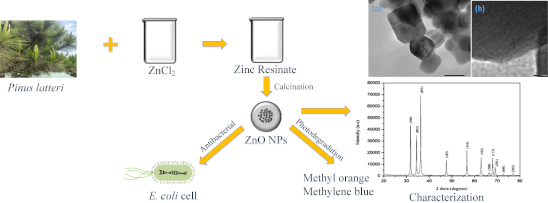
- microscopy (HR-TEM) on a JEOL JEM-2100. The thermal decomposition of zinc resinate to form ZnO NPs were studied by thermal gravimetric analysis (TGA) and differential thermal analysis (DTA) curves using thermal gravimetric analysis (DSC131, LABSYS TG/DSC1600, TMv), by heating up to 1000 °C at a heating rate
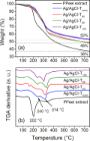
- Characteristics of synthesized ZnO NPs Figure 2 shows the results of DTA/TG analysis of zinc resinate. The TGA curve at a temperature range between 30–300 °C shows an exothermic peak at 172.93 °C and a weight loss of 7%, which corresponds to dehydration of physically adsorbed water. At temperatures between 300




Nanoarchitectonics of the cathode to improve the reversibility of Li–O2 batteries
Beilstein J. Nanotechnol. 2022, 13, 689–698, doi:10.3762/bjnano.13.61
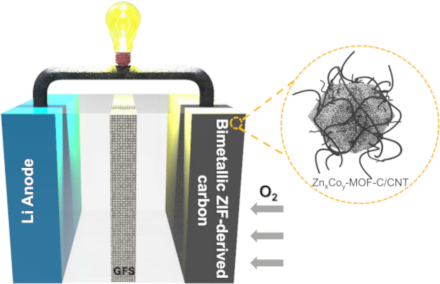
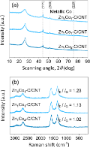
- volume by increasing the Co concentration. Thus, we note that the BET surface area and mesopore volume of ZnxCoy–C/CNT composite can be easily tailored by controlling the Zn/Co ratio. On the other hand, the thermal stability of ZnxCoy–C/CNT composites was also examined by thermogravimetric analysis (TGA
- ), as presented in Figure 5d. From the TGA curves, the weight losses were measured to be 6.1%, 9.2%, and 17.4% for Zn1Co4–C/CNT, Zn1Co1–C/CNT, and Zn4Co1–C/CNT composites, respectively. These weight losses were mainly due to thermal evaporation of adsorbed moisture and Zn, together with thermal
- determined by a porosity analyzer (Micromeritics, Tristar II 3020). The electrical conductivity measurements were conducted by the four-point probe method using a power resistivity measurement system (MCP-PD51) at different applied pressures ranging from 5 to 20 kN. The thermal stability was examined by TGA


Theranostic potential of self-luminescent branched polyethyleneimine-coated superparamagnetic iron oxide nanoparticles
Beilstein J. Nanotechnol. 2022, 13, 82–95, doi:10.3762/bjnano.13.6
- content of the particles was determined by thermogravimetric analysis (TGA). Erbitux conjugation to SPION@bPEI Before any application, Erbitux (Erb) (Merck Serono, UK) with a stock concentration of 5 mg/mL was washed with phosphate-buffered saline (PBS) (Biomatik, Canada) using an ultracentrifugation
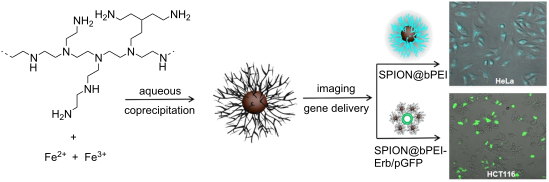
- synthesized luminescent SPION@bPEI was published by Unal et al. in 2018 [35]. The total organic content of the particles was determined to be 76% by TGA. The average crystal size of SPION@bPEI nanoparticles was measured from transmission electron microscopy (TEM) images to be approx. 6 nm (Figure 1a). The TEM
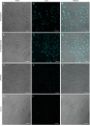
- assay was used (Figure 3). Since the potentially toxic component is bPEI, the doses of the nanoparticles were reported based on their bPEI content (7.6, 15, and 22 μg/mL) determined by TGA. The HeLa cells were also treated with free bPEI for comparison. Free bPEI demonstrated a dose-dependent




Silver nanoparticles nucleated in NaOH-treated halloysite: a potential antimicrobial material
Beilstein J. Nanotechnol. 2021, 12, 798–807, doi:10.3762/bjnano.12.63
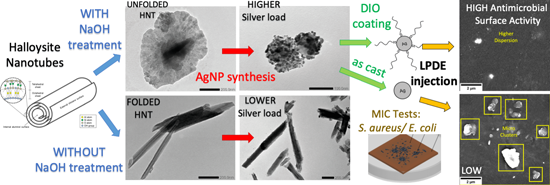
- . Transmission electron microscopy (TEM) was performed in a Jeol JEM-1400 plus (480 keV), energy-dispersive X-ray spectroscopy (EDS) and scanning electron microscopy (SEM) in a Zeiss EVO MA15, and thermogravimetric analysis (TGA) and differential scanning calorimetry (DSC) in a simultaneous thermal analyzer
- metallic silver. They were then labelled Ag/HNT-0, Ag/HNT-4, and Ag/HNT-8 (according to the NaOH treatment), and characterized by TEM and EDS. Sample Ag/HNT-8 was also characterized by XRD. Ag-NPs nucleation analysis In order to study the nucleation of silver nanoparticles, 1 g of Ag/HNT-8 was used for TGA
- and DSC analysis, from room temperature up to 600 °C, at constant heating of 20 °C/min. In order to observe the phases identified in the DSC/TGA measurements, four 10 g samples of HNT-8 were loaded with AgNO3 using the process described in section “Silver nanoparticle synthesis” and heated up to 65




The preparation temperature influences the physicochemical nature and activity of nanoceria
Beilstein J. Nanotechnol. 2021, 12, 525–540, doi:10.3762/bjnano.12.43
- , of one hundred particles were calculated using ImageJ software. Energy-dispersive X-ray spectroscopy (EDS) and electron energy loss spectroscopy (EELS) were conducted using Thermo Scientific’s SuperX G2 and Gatans’ Enfinium ER, respectively. Thermogravimetric analysis (TGA) (PerkinElmer TGA7) was
- used to determine the organic weight percent. This was repeated three times. TGA runs were completed under a nitrogen atmosphere to prevent the oxidation of organic matter. The sample was heated from 20 to 125 °C at 10 °C/min, held at 125 °C for 30 min to release physiosorbed water, and then heated to
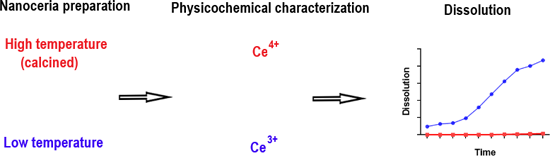
- core exhibit ca. 90% Ce4+ (Figure 2), consistent with nanoceria calcined at T ≥ 400 °C [18]. In contrast, the surface of the solvothermally synthesized nanoceria exhibits primarily Ce3+ (Figure 3b of [35]). TGA showed an average weight loss from 20 to 400 °C of ca. 1.3% for NM-212 (Figure 3




Electron beam-induced deposition of platinum from Pt(CO)2Cl2 and Pt(CO)2Br2
Beilstein J. Nanotechnol. 2020, 11, 1789–1800, doi:10.3762/bjnano.11.161
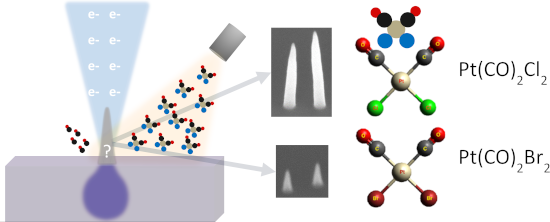
- -dispersive X-ray spectroscopy (EDX); focused electron beam-induced deposition (FEBID); nanofabrication; platinum precursors; scanning electron microscopy (SEM); thermogravimetric analysis (TGA); Introduction Focused electron beam-induced deposition (FEBID) is a direct-write nanopatterning technique. FEBID
- compound is not sensitive to air or humidity. Thermogravimetric analysis Thermogravimetric analysis (TGA) of Pt(CO)2X2 was conducted on an ISI TGA-1000 instrument housed inside a nitrogen-atmosphere glove box, using Pt sample pans, with a 5 cc/min flow of ultrahigh-purity N2. The complexes were measured
- thermal stability of Pt(CO)2Cl2 and to study its volatility at near-atmospheric pressure (approx. 1.2 atm positive pressure under N2). In the standard TGA experiment (Figure 1a), the compound underwent an initial mass loss beginning at roughly 80 °C, resulting in an intermediate residual mass of


Plant growth regulation by seed coating with films of alginate and auxin-intercalated layered double hydroxides
Beilstein J. Nanotechnol. 2020, 11, 1082–1091, doi:10.3762/bjnano.11.93
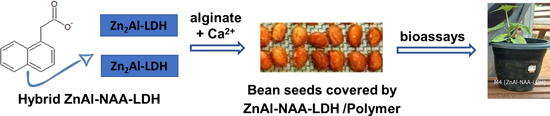
- analyses (TG-DSC-MS) were performed on a Netzsch thermoanalyzer model TGA/DSC 409 PC – Luxx coupled to an Aëolos 403 C mass spectrometer, using alumina crucibles and a heating rate of 10 °C/min under synthetic air flow of 50 cm3/min from ambient temperature up to 1000 °C. Surface area analysis was



Nickel nanoparticles supported on a covalent triazine framework as electrocatalyst for oxygen evolution reaction and oxygen reduction reactions
Beilstein J. Nanotechnol. 2020, 11, 770–781, doi:10.3762/bjnano.11.62
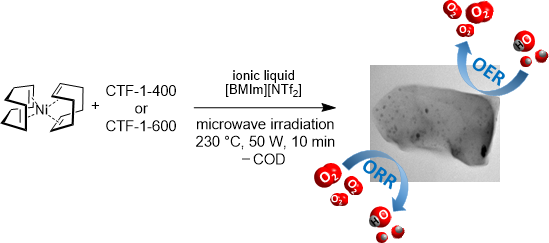
- for CTF-1-600 (see Table S2, Supporting Information File 1, for details). Elemental analyses, thermogravimetric analyses (TGA) and scanning electron microscopy (SEM) characterization data of the materials can be found in Table S1 and Figures S3–S5 in Supporting Information File 1. Synthesis and
- calculations based on N2 at 77 K on carbon with slit pores. Thermogravimetric analysis (TGA) was done with a Netzsch TG 209 F3 Tarsus device equipped with an Al crucible applying a heating rate of 10 K/min under inert atmosphere. Elemental analyses (CHN) were performed with a Perkin Elmer 2400 apparatus. Flame


Silver-decorated gel-shell nanobeads: physicochemical characterization and evaluation of antibacterial properties
Beilstein J. Nanotechnol. 2020, 11, 620–630, doi:10.3762/bjnano.11.49
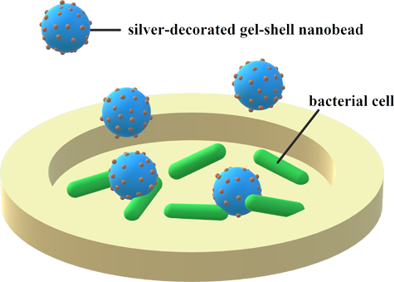
- polystyrene [39][40]. The important information is that the mass decreases to a residual value of 1.2%. For the PSSAg sample the decomposition starts at a lower temperature (320–450 °C) and the final relative residual mass is ca. 18.6%. It seems that the difference in the TGA curves for PSS and PSSAg samples
- , oil immersion phase-contrast objective (excitation wavelength 488 nm). Thermogravimetric analysis Thermogravimetric analysis was performed with a TGA Q50 (TA Instruments). The measurements were performed under a nitrogen/oxygen atmosphere. Combustion elemental analysis The elemental analysis was
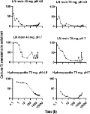
- circles), PSSAg (blue squares) and silver nanoparticles (red squares) as a function of the pH value. TGA thermograms of sulfonated PSS (dashed line) and PSSAg nanobeads (solid line). Confocal microscopy images of P. aeruginosa cells in biofilms (A) without PSSAg nanobeads and (B) incubated with 0.5 µg/mL


Adsorptive removal of bulky dye molecules from water with mesoporous polyaniline-derived carbon
Beilstein J. Nanotechnol. 2020, 11, 597–605, doi:10.3762/bjnano.11.47
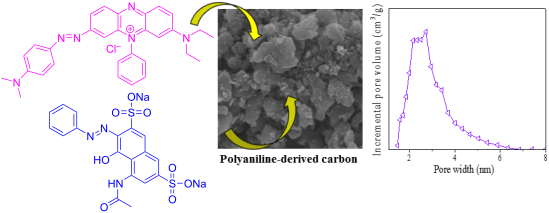
- adsorbents. The pore size distributions were calculated with nonlocal density functional theory (NLDFT). The hydrophobicity of the studied adsorbents was evaluated by measuring the relative quantities of adsorbed water and n-octane at 30 °C with thermogravimetric analysis (TGA, Perkin-Elmer TGA 4000 system


Facile biogenic fabrication of hydroxyapatite nanorods using cuttlefish bone and their bactericidal and biocompatibility study
Beilstein J. Nanotechnol. 2020, 11, 285–295, doi:10.3762/bjnano.11.21
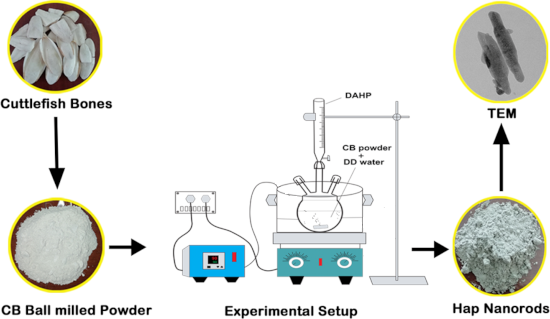
- ) nanorods using cuttlefish bone powder as a precursor (CB-Hap NRs). The obtained CB-Hap NRs were investigated using transmission electron microscopy (TEM), Fourier transform infrared spectroscopy (FTIR), X-ray diffraction (XRD) and thermogravimetric analysis (TGA) techniques to evaluate their
- the TGA data revealed the thermal stability of Hap NRs. In addition, the antibacterial study showed a significant inhibitory effect of CB-Hap NRs against S. aureus (zone of inhibition – 14.5 ± 0.5 mm) and E. coli (13 ± 0.5 mm), whereas the blood compatibility test showed that the CB-Hap NRs exhibited
- analysis Figure 3 shows the thermogravimetric analysis (TGA) of cuttlefish bone and CB-Hap nanorod powder. Both CB and CB-Hap NRs show a similar gradual weight loss of 6% from 38 to 583 °C due to the evaporation of water and organic substances of cuttlefish [32]. A drastic weight loss of 22% was observed


Size effects of graphene nanoplatelets on the properties of high-density polyethylene nanocomposites: morphological, thermal, electrical, and mechanical characterization
Beilstein J. Nanotechnol. 2020, 11, 167–179, doi:10.3762/bjnano.11.14
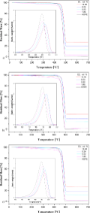
- -based nanocomposites. The parameters for the thermal stabilities predicted by TGA are given in Table 3. TGA curves of the samples are shown in Figure 7. Figure 7 shows that pure HDPE and the three HDPE/GnP nanocomposites all demonstrated a single-step thermal decomposition behavior between almost 440 °C
- each sample. Thermogravimetric analysis (TGA) of the samples was performed using a Q500 system from TA Company. TGA was carried out at a heating rate of 10 °C/min from room temperature to 700 °C under a nitrogen atmosphere. Differential scanning calorimetry (DSC) analysis was performed using a
- thermal conductivity of the matrix). Relative mechanical properties of the HDPE/GnP nanocomposites: a) Young’s moduli and b) tensile strengths. TGA thermographs of the HDPE/GnP nanocomposites with a) G1, b) G2, and c) G3 filler. The insets show derivative thermogravimetric (DTG) curves. Apparent surface


Simple synthesis of nanosheets of rGO and nitrogenated rGO
Beilstein J. Nanotechnol. 2020, 11, 68–75, doi:10.3762/bjnano.11.7
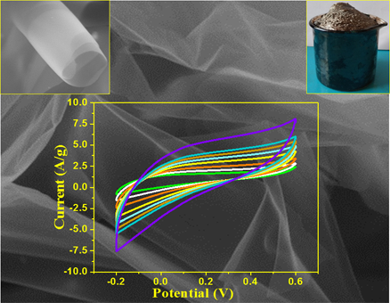
- -hybridized carbon atoms in the rGO domains. The 2D-band is the second order of the D-band. The Raman results are consistent with previous reports [5]. Thermogravimetric analysis (TGA) was carried out to investigate the thermal stability of the rGO and N-rGO nanosheets. The study was performed in an oxygen
- force microscopy (AFM), X-ray diffraction (XRD) and thermogravimetric analysis (TGA). X-ray diffraction patterns of the samples were collected in the range of 10–70° (2θ) using a Bruker D8 diffractometer with a Cu Kα source (λ = 0.154178 nm). The morphology of the samples was examined using a Tescan
- discharge cycle. XRD patterns of (a) rGO and (b) N-rGO nanosheets. Raman spectra of (a) rGO and (b) N-rGO nanosheets. TGA curves of (a) rGO and (b) N-rGO nanosheets. (a, b) SEM images, (c) EDS pattern and chemical composition (inset), and (d) TEM image and SAED pattern (inset) of the rGO nanosheets. (a, b


pH-Controlled fluorescence switching in water-dispersed polymer brushes grafted to modified boron nitride nanotubes for cellular imaging
Beilstein J. Nanotechnol. 2019, 10, 2428–2439, doi:10.3762/bjnano.10.233
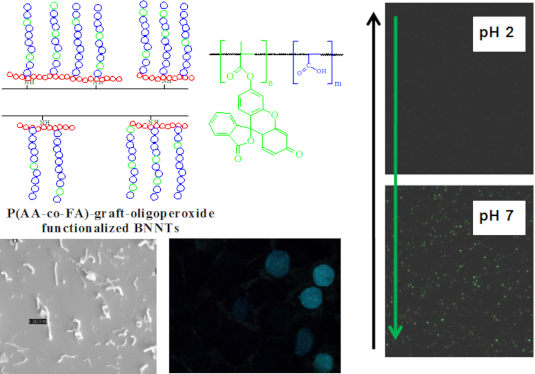
- thermogravimetric analysis (TGA), Fourier transform infrared spectroscopy (FTIR), dynamic light scattering (DLS), ultraviolet–visible spectrophotometry (UV–vis), laser scanning confocal microscopy (LSCM) and scanning electron microscopy (SEM). The DLS results demonstrated that P(AA-co-FA)-functionalized BNNTs
- BNNTs were dried and stored as a powder. Characterization of BNNTs Thermogravimetric analysis (TGA) TGA analysis was performed using a Perkin Elmer Pyris 1 TGA instrument with Thermal Analysis Gas Station and Pyris Version 11.1.1.0497 software. The samples were analyzed under N2 gas flow, which was
- spectroscopic, gravimetric and imaging techniques including FTIR, UV–vis, DLS, TGA, LSCM and SEM. The fabrication of the oligoperoxide-functionalized BNNTs was described in detail in our previous publication [12] and here we focus on the synthesis and properties of the P(AA-co-FA)-functionalized BNNTs. The


Design and facile synthesis of defect-rich C-MoS2/rGO nanosheets for enhanced lithium–sulfur battery performance
Beilstein J. Nanotechnol. 2019, 10, 2251–2260, doi:10.3762/bjnano.10.217
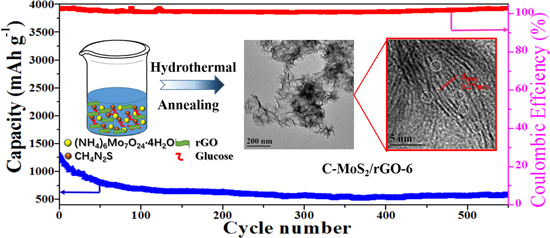
- sulfur in the samples were analyzed by thermogravimetric (TGA) on a Netzsch STA 449C analyzer in air for the amorphous carbon and rGO or in N2 atmosphere for the sulfur at a temperature ramp rate of 10 °C·min−1. Lithium polysulfide adsorption tests The concentration of the fabricated Li2S6 solution was
- specific surface area. The sulfur contents in the different composites as tested by TGA were about 75 wt % as shown in Figure 5c. The capability to adsorption polysulfides of pristine MoS2, C-MoS2/rGO and C-MoS2/rGO-6 was also measured as shown in Figure 5d. From the inset photograph, C-MoS2/rGO-6


Long-term entrapment and temperature-controlled-release of SF6 gas in metal–organic frameworks (MOFs)
Beilstein J. Nanotechnol. 2019, 10, 1851–1859, doi:10.3762/bjnano.10.180
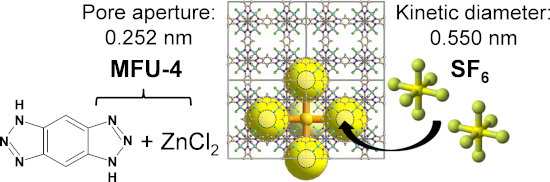
- molecules left in the pores, thus ensuring that the whole pore volume was available for trapping the SF6 guest. The bulk sample was analyzed before and after the gas loading by conventional analytical methods, including FTIR, powder X-ray diffraction (XRD) and thermogravimetric analysis (TGA). SF6-loading
- highest loading was achieved after 18 hours at 250 °C (sample 3). Prolonging the loading time did not lead to a higher loading. Therefore, sample 3 was used in the following studies. To estimate the amount of the guest loaded into the MOF, we used TGA (Figure 1 and Figure S2 in Supporting Information File
- SF6 was gradually released from 150 to 390 °C (Figure S3 in Supporting Information File 1). Therefore, this temperature range was used to quantify the amount of loaded SF6 from the TGA data (Table 1). The activation energy for the guest release was estimated by temperature-modulated TGA to be as high


The impact of crystal size and temperature on the adsorption-induced flexibility of the Zr-based metal–organic framework DUT-98
Beilstein J. Nanotechnol. 2019, 10, 1737–1744, doi:10.3762/bjnano.10.169
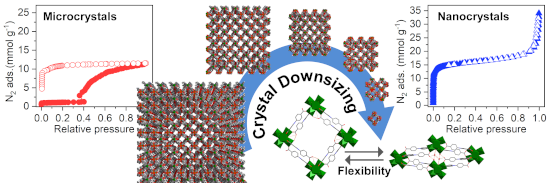
- Information File 1, Figures S4–S7). Thermogravimetric analysis (TGA) of activated DUT-98 samples shows a decrease in the decomposition temperature from 440–420 °C with decreasing crystal size (Supporting Information File 1, Figure S11). However, the general shape of the TGA curves is very similar, indicating



TiO2/GO-coated functional separator to suppress polysulfide migration in lithium–sulfur batteries
Beilstein J. Nanotechnol. 2019, 10, 1726–1736, doi:10.3762/bjnano.10.168
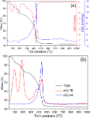
- crystallized with a low degree of crystallinity after spray drying. Thermogravimetric analysis (TGA) of the TiO2/GO composite is presented in Figure 2c. When the temperature was increased from room temperature to 120 °C, a weight decrease of 8.8% was noticed due to the elimination of a small amount of adsorbed
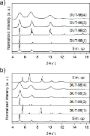
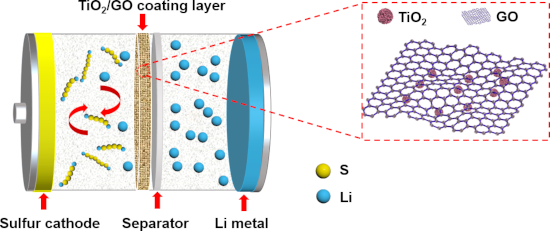
- mV. Schematic illustration of a Li/S battery with a TiO2/GO-coated functional separator. (a) XRD patterns of the as-spun and as-dealloyed Ti10Al90 alloy foils. (b) Raman spectra of TiO2, GO and the TiO2/GO composite. (c) TGA curve and (d) N2 adsorption–desorption isotherms and pore size distribution





