


Search results
Search for "absorption" in Full Text gives 1050 result(s) in Beilstein Journal of Nanotechnology. Showing first 200.
Visualizing nanostructures in supramolecular hydrogels: a correlative study using confocal and cryogenic scanning electron microscopy
Beilstein J. Nanotechnol. 2025, 16, 2274–2284, doi:10.3762/bjnano.16.156
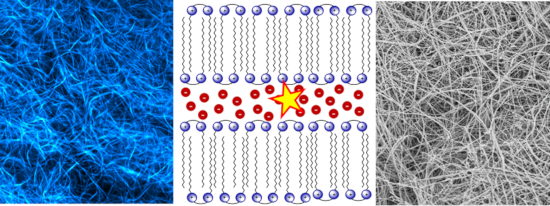
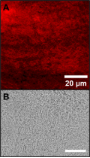
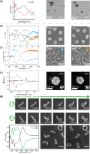
- diketopyrrolopyrrole bis(carboxylic acid) (DPP-BC) (Figure 1), are probed using confocal fluorescence microscopy and cryo-SEM. ZnPc is a water-soluble fluorophore with a conjugated and mainly flat macrocyclic structure, characterized by strong absorption in the red region of the visible spectrum, and has been
- observed upon mixing aqueous and ethanolic solutions, and gelation generally occurred in less than one minute (as judged by vial inversion) to yield the gel materials containing the chosen fluorophore. Photophysical characterization of fluorophore@Gels UV–visible absorption spectroscopy was performed using



Chiral plasmonic nanostructures fabricated with circularly polarized light
Beilstein J. Nanotechnol. 2025, 16, 2245–2264, doi:10.3762/bjnano.16.154
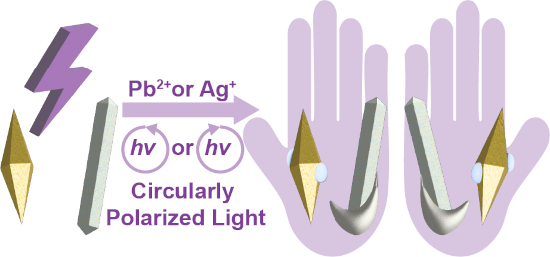
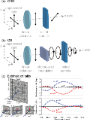
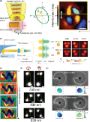
- lengths are usually required to obtain reliable experimental results. These challenges can be addressed using chiral plasmonic nanostructures (cPNSs). cPNSs enhance the intensity of the electromagnetic near field of circularly polarized light (CPL), which accelerates light absorption by molecules
- magnitude) with light-absorbing reactants observed at optical hot spots compared to other locations. Hot carriers generated in PNSs can transfer into molecular species and trigger redox reactions. The rate of hot carrier generation strongly depends on the PNS absorption, proportional to the electric field
- solutions by sonicating the substrates in an aqueous solution of surfactant. 2.4 Plasmon-mediated polymer motions and polymerization using CPL The enhanced EM field under CPL of achiral PNSs can result in a spatially dissymmetric distribution of light absorption by chromophores. As depicted in Figure 5a





Optical bio/chemical sensors for vitamin B12 analysis in food and pharmaceuticals: state of the art, challenges, and future outlooks
Beilstein J. Nanotechnol. 2025, 16, 2207–2244, doi:10.3762/bjnano.16.153
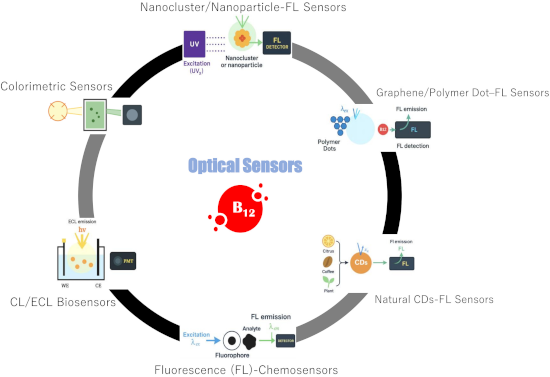
- different food and pharma formulations include high-performance liquid chromatography (HPLC) [14], HPLC coupled with inductively coupled plasma-mass spectrometry (ICP-MS) [15], and a diode array detector [16], atomic absorption spectroscopy [17], surface-enhanced Raman spectroscopy [18][19], capillary
- for adults in the European Union is 4.0 µg [32][33]. The bioavailability of VB12 in food sources for healthy adults with typical absorption efficiency is roughly estimated to be 50%. In contrast, crystalline VB12 incorporated into supplements and fortified foods shows an absorption rate ranging from
- 55% to 74%. Hence, it is important to note that the absorption rates vary greatly depending on the specific food items; for instance, egg products, fish, and lean meat have an absorption rate of 24% to 36% (VB12 dose 0.30–0.94 µg), 42% (dose 1.95–2.18 µg), and 65% (dose 0.95 µg), respectively [34][35


Electromagnetic study of a split-ring resonator metamaterial with cold-electron bolometers
Beilstein J. Nanotechnol. 2025, 16, 2199–2206, doi:10.3762/bjnano.16.152
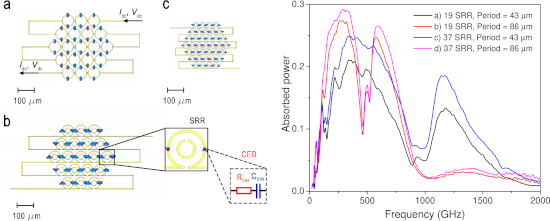
- bandwidth. The trade-off between the bandwidth expansion due to miniaturization and the reduction in absorption efficiency determined by the Airy spot size of the coupling lens is investigated. To solve this issue, a simultaneous miniaturization of the size of the entire structure with an increase in the
- number of array elements is proposed. The design with a 37-element array demonstrates an increase in power absorption by a factor of 1.4 compared to the original 19-element single-ring array, as well as an increase in operating bandwidth from 160 to 820 GHz. Keywords: cold-electron bolometer
- metamaterial comprising 19-ring antennas enabled the reception of external electromagnetic signals in the broad band from 150 to 550 GHz, as well as in the band from 900 to 1300 GHz. To further enhance signal absorption, we propose replacing simple ring antennas with SRRs [19][20][18][21]. The SRR is a well


Ultrathin water layers on mannosylated gold nanoparticles
Beilstein J. Nanotechnol. 2025, 16, 2183–2198, doi:10.3762/bjnano.16.151
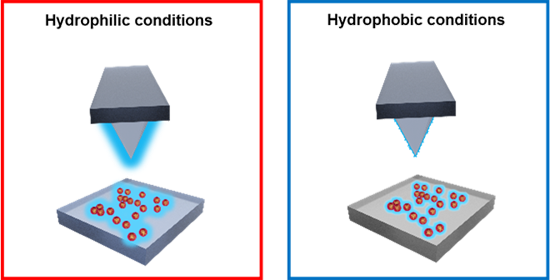
- organic layers. In contrast, VSFG was applied to obtain interface-sensitive information on CH and OH bonds at the AuNP/air interface, under hydration and dehydration. We also used a deuterated water (D2O) atmosphere to distinguish the mannosyl hydroxy groups from adsorbed and absorbed water. Absorption is
- ~1.5 nm (Figure 4). Hence, we propose a 100% thickness increase due to water adsorption or absorption, that is, the water can be adsorbed in a layer or absorbed among the various dimannoside groups. The latter case would correspond to a “swelling” of the AuNP coating, which is agreement with



Microplastic pollution in Himalayan lakes: assessment, risks, and sustainable remediation strategies
Beilstein J. Nanotechnol. 2025, 16, 2144–2167, doi:10.3762/bjnano.16.148
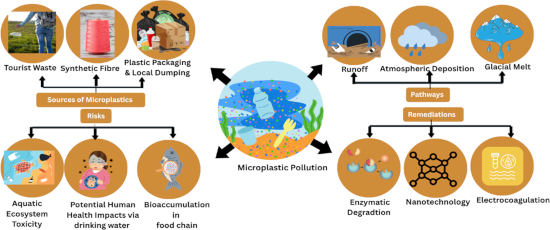
- simultaneously utilizing the abundant UV radiation [75]. It has been demonstrated that the light absorption of ZnO and TiO2 is improved by defect engineering, such as the introduction of oxygen vacancies. According to Kim and Youn, these defects trap light energy, which lowers charge carrier recombination rates


Quality by design optimization of microemulsions for topical delivery of Passiflora setacea seed oil
Beilstein J. Nanotechnol. 2025, 16, 2116–2131, doi:10.3762/bjnano.16.146
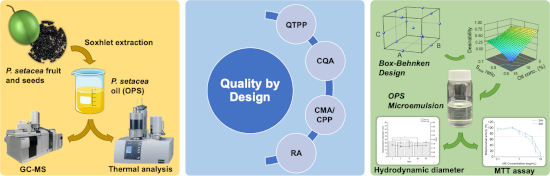
- . De Santana et al. (2015) [3] reported that this enhanced activity, reflected in both radical scavenging and oxygen radical absorption capacities, is associated with the elevated levels of tocopherol isomers and total phenolic compounds in P. setacea samples. Overall, the composition of OPS has been


Stereodiscrimination of guests in chiral organosilica aerogels studied by ESR spectroscopy
Beilstein J. Nanotechnol. 2025, 16, 2034–2054, doi:10.3762/bjnano.16.140
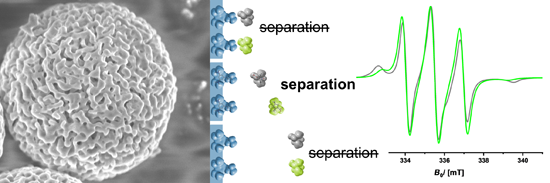
- solid-state situation of the spin probe. In ESR, one always plots the first derivative of absorption spectra, which means that the magnetic susceptibility χ is proportional to the second integral of the curves, that is, proportional to the area of absorption signals. No correlation exists between χ and




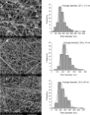
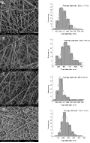
Beyond the shell: exploring polymer–lipid interfaces in core–shell nanofibers to carry hyaluronic acid and β-caryophyllene
Beilstein J. Nanotechnol. 2025, 16, 2015–2033, doi:10.3762/bjnano.16.139
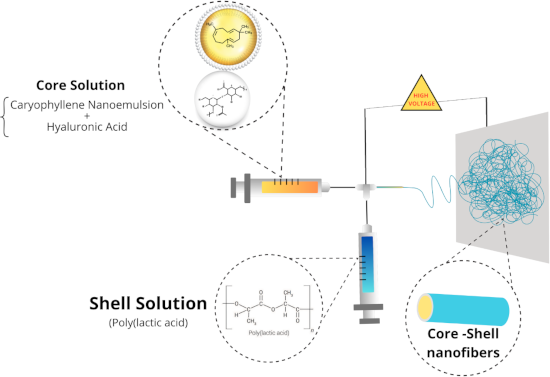
- applications and naturally occurring in vertebrates [26][27]. It is a key element of the extracellular matrix, providing a gelatinous structure where collagen and elastin fibers are embedded. As an endogenous molecule, it demonstrates ideal biocompatibility and full absorption by human tissues. Its natural




Laser ablation in liquids for shape-tailored synthesis of nanomaterials: status and challenges
Beilstein J. Nanotechnol. 2025, 16, 1963–1997, doi:10.3762/bjnano.16.137
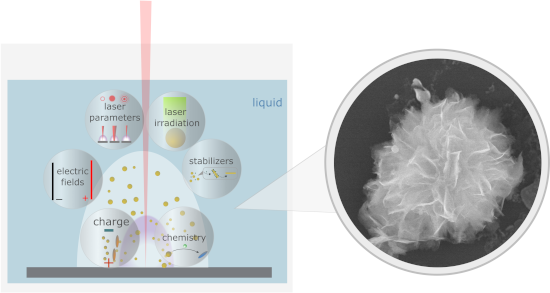
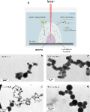
- : thermal evaporation and explosive ejection [1]. According to the thermal evaporation mechanism, the action of a laser beam on the surface of a solid target initiates the absorption of the laser pulse energy. This results in initiation of melting and ionization with the formation of a plasma plume near the
- the anisotropic growth and self-assembly of nanostructures with the formation of nanorods and nanosheets. It is currently agreed that media surrounding the particles also influence the surface energy dependence on nanoparticle size. If ions or surfactants are present in the solution, their absorption
- has an absorption band at 248 nm, the wavelength change from 248 nm to 532 nm resulted in a significant decrease in absorption and consequent production of near-spherical NPs, similarly to those obtained in other solvents that do not directly participate in chemical interactions with the liquid





Evaluating metal-organic precursors for focused ion beam-induced deposition through solid-layer decomposition analysis
Beilstein J. Nanotechnol. 2025, 16, 1942–1951, doi:10.3762/bjnano.16.135
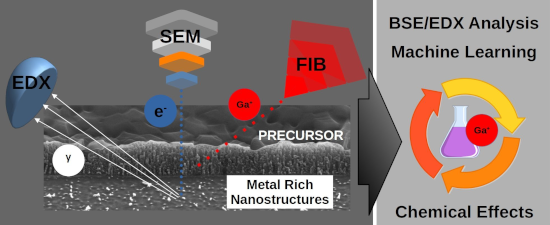
- , precursor 1 exhibited a higher propensity for gallium absorption during irradiation. By analyzing the ion beam-induced decomposition of the precursors, which resulted in the formation of structures with varying chemical composition, we were able to assign performance scores to each precursor. To visualize


Quantum circuits with SINIS structures
Beilstein J. Nanotechnol. 2025, 16, 1931–1941, doi:10.3762/bjnano.16.134
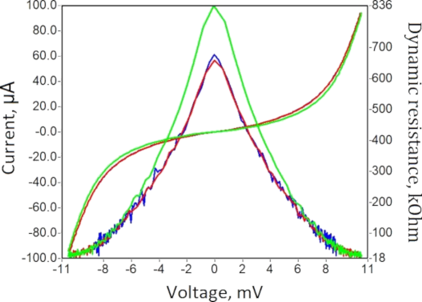
- fact that, in the case of heating the absorber by direct current, the electron temperature of all conduction electrons increases. In the equilibrium state, the electron temperature is determined by the incoming power and the electron–phonon interaction. However, in cases of absorption of a photon with
- an energy much higher than the thermal energy, the quantum absorption mechanism is already realized, and the real absorption picture becomes much more complicated [19]. It is necessary to take into account many other parameters and relaxation mechanisms. An example of the thermalization process of a


Further insights into the thermodynamics of linear carbon chains for temperatures ranging from 13 to 300 K
Beilstein J. Nanotechnol. 2025, 16, 1818–1825, doi:10.3762/bjnano.16.125
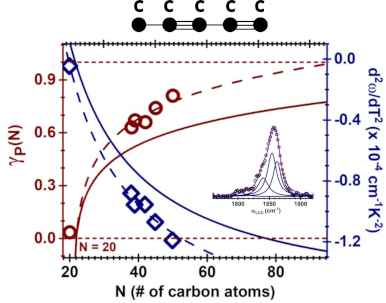
- gradients), and mechanical (e.g., pressure variations) stimuli [1][2][3][4][5][6][7][8][9][10][11][12][13][14][15][16][17][18][19][20][21][22][23]. These responses are directly connected with electronic and transport properties, which in turn depend on the equilibrium between emission and absorption of
- phonons, and gain and loss of energy of carriers [1][2][10][17][24][25][26][27][28]. The phonon lifetime as well as the selection rules behind ph–ph and e–ph interactions determine the efficiency of such phonon emission and absorption [1][2][10][17][24][25][26][27][28]. Phonons need to be in an excited


![[Graphic 23]](/bjnano/content/inline/2190-4286-16-125-i25.svg?max-width=637&scale=1.18182)
Electrical, photocatalytic, and sensory properties of graphene oxide and polyimide implanted with low- and medium-energy silver ions
Beilstein J. Nanotechnol. 2025, 16, 1794–1811, doi:10.3762/bjnano.16.123
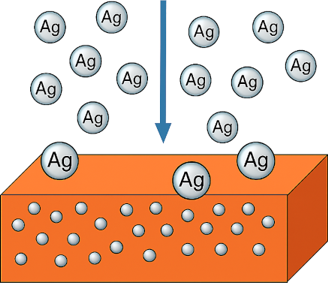
- bandgap and an increased density of states near the Fermi level, promotes absorption in the visible region and facilitates the generation of electron–hole (e−–h+) pairs upon light irradiation. The silver clusters also exhibit plasmonic resonances, which amplify the local electromagnetic field and promote
- the generation of excited states with longer lifetimes [18]. Photocatalysis is a surface-driven process in which the absorption of photons with energy equal to or greater than the material’s bandgap results in the generation of e−–h+ pairs. These photogenerated charge carriers migrate to the surface
- spectral range, enhancing light absorption and enabling the utilization of a broader portion of the solar spectrum [19]. These combined effects result in a significantly higher photocatalytic efficiency of implanted samples compared to their non-implanted samples, both in terms of reaction rate and quantum


Exploring the potential of polymers: advancements in oral nanocarrier technology
Beilstein J. Nanotechnol. 2025, 16, 1751–1793, doi:10.3762/bjnano.16.122
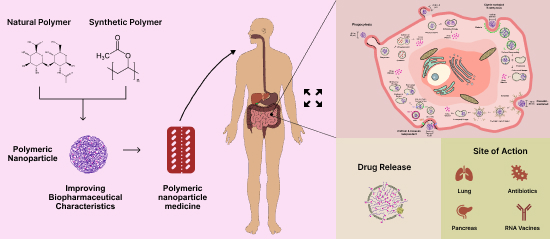
- , and maintaining homeostasis within the GIT. The diverse cells of the intestinal epithelium can be explored as therapeutic targets for oral absorption, given the significant roles they play in the epithelial barrier [9]. Nanotechnology is a field that focuses on the study and production of nanometric
- investigated. These nanoparticles (NPs) preserve the bioactivity of the active compound during gastric transit and facilitate permeation through mucus and absorption by epithelial cells, enabling targeted delivery. In essence, PNs offer superior performance in protecting, targeting, and enhancing both the
- absorption by interacting with food, digestive enzymes, bile salts, electrolytes, and mucus. Polymers enable diverse surface functionalities tailored to therapeutic demands, including adhesive, bioinert, or charge-conversion functionalities that modify zeta potential and hydrophilic properties, among others


Multifunctional anionic nanoemulsion with linseed oil and lecithin: a preliminary approach for dry eye disease
Beilstein J. Nanotechnol. 2025, 16, 1711–1733, doi:10.3762/bjnano.16.120
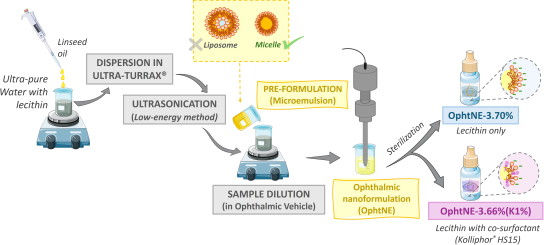
- %) pre-formulation in OV. This process increased the pH of the nanoformulations by buffering salts such as NaHPO4 and Na2PO4. Maintaining the pH within the range of 6.5–8.0 ensures ocular compatibility, avoiding irritation and enhancing drug absorption [92][105][106]. Morphological, stability, and




Beyond the bilayer: multilayered hygroscopic actuation in pine cone scales
Beilstein J. Nanotechnol. 2025, 16, 1695–1710, doi:10.3762/bjnano.16.119
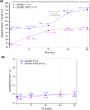
- allowed us to make precise analyses of the moisture content (Figure 4A). The behavior of the sclereid cells and the brown tissue revealed marked differences particularly above 50% RH. During absorption at 60% RH, the moisture content of the brown tissue is 0.37 percentage points lower than that of the
- sclereid cells, when looking at absolute differences. At 90% RH, the moisture content of the brown tissue is 2.13 percentage points lower. The sclerenchyma fibers have a lower moisture content than the other two tissues even at lower RHs. At 30% RH during absorption, their moisture content is 0.43
- , the sclereid cells achieve a moisture content of 27.7 ± 0.4% for desorption and 26.8 ± 0.4% for absorption. In comparison, the sclerenchyma fibers achieve a moisture content of 23.7 ± 0.6% for desorption and 23.0 ± 0.5% for absorption. In terms of the hysteresis observed, the difference in moisture


Ambient pressure XPS at MAX IV
Beilstein J. Nanotechnol. 2025, 16, 1677–1694, doi:10.3762/bjnano.16.118
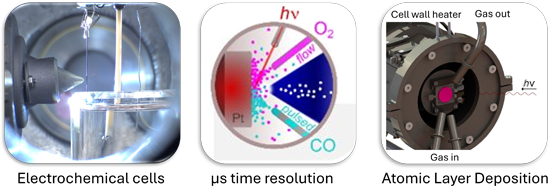
- reactor to expose samples up to 1 bar gas atmosphere and 900 °C connected to the main UHV system. In addition, a polarization modulation infrared reflection absorption spectroscope (PM-IRRAS) is also available, enabling simultaneous APXPS and IRRAS measurements. The SLE at HIPPIE is designed as a large
- direction for the future lies in the multimodal integration of APXPS with complementary surface-sensitive and bulk-sensitive techniques. Combining APXPS with vibrational spectroscopies (such as IRRAS and Raman), structural probes (such as X-ray absorption spectroscopy or X-ray diffraction), and mass





Prospects of nanotechnology and natural products for cancer and immunotherapy
Beilstein J. Nanotechnol. 2025, 16, 1644–1667, doi:10.3762/bjnano.16.116
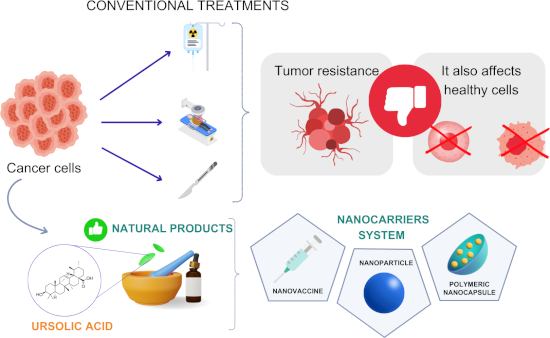
- , cellular absorption, and slow release of drugs [38]. Polymeric nanoparticles are colloidal polymer systems used as drug carriers for targeted therapies and diagnostics [39]. Gold nanoparticles have properties such as chemical reactivity, anti-inflammatory effects, and protein-binding abilities, while
- vasculature of these cells compared to healthy ones. Upon absorption of light during photodynamic therapy, Ce6 generates ROS, causing damage to the cell membrane, proteins, and DNA of the cancer cells, ultimately leading to their destruction. Additionally, the ROS produced by Ce6 destroys the vascular layer


Photocatalytic degradation of ofloxacin in water assisted by TiO2 nanowires on carbon cloth: contributions of H2O2 addition and substrate absorbability
Beilstein J. Nanotechnol. 2025, 16, 1567–1579, doi:10.3762/bjnano.16.111
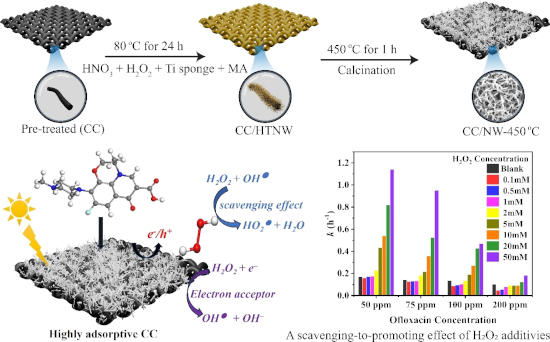
- on porous materials, such as carbon-based adsorbents. These innovations help to slow down electron–hole recombination, broaden light absorption, and enhance surface adsorption sites [11]. Cao et al. synthesized TiO2 nanowires on reduced graphene oxide (rGO) through a solvothermal method, which
- Ultura DLD system (Kratos, UK), and the binding energies were calibrated to C 1s = 284.8 eV. The specific surface area and pore size were analyzed using low-temperature N2 adsorption–desorption measurements conducted with an ASAP 2460 (USA). The absorption spectrum of the sample was acquired through UV


Influence of laser beam profile on morphology and optical properties of silicon nanoparticles formed by laser ablation in liquid
Beilstein J. Nanotechnol. 2025, 16, 1533–1544, doi:10.3762/bjnano.16.108
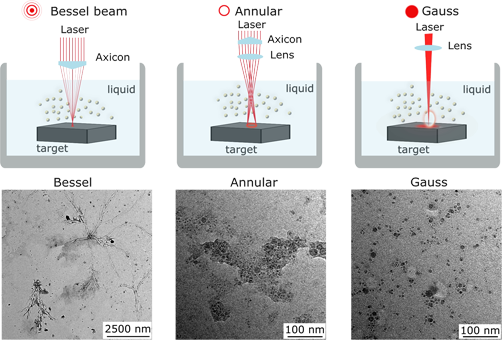
- absorption spectra of the prepared colloids were measured using a Cary 500 Scan spectrophotometer (Varian, USA) in the spectral range of 200–2000 nm in a 10 mm quartz cuvette. The measurements of the PL spectra were carried out at room temperature using a Fluorolog-3 spectrofluorometer (HORIBA Scientific
- the propagation direction [34]. Formation of NPs in liquid media during laser ablation is known to be a complex phenomenon. A typical mechanism assumes that the ablation process starts with absorption of the laser pulse by a target during first tens of nanoseconds, followed by electron–phonon
- laser beams also showed different optical properties, which were characterized using UV–vis absorption and PL spectroscopies. The absorption spectra of the Si colloids prepared using Gauss, Bessel, and annular profiles are shown in Figure 6. In all the spectra, absorption in the visible and near


Dendrimer-modified carbon nanotubes for the removal and recovery of heavy metal ions from water
Beilstein J. Nanotechnol. 2025, 16, 1522–1532, doi:10.3762/bjnano.16.107

- reaction with EDA, the FTIR spectrum of CNTs-G0 reveals new peaks around 3340 cm−1, which correspond to N–H stretching vibrations from the introduced amine groups. Additionally, strong absorption bands at approximately 1700 cm−1 were observed in all other materials, representing the C=O stretching of amide
- CNTs. Additionally, atomic absorption spectroscopy was employed to determine the concentration of heavy metal ions in the aqueous solutions before and after the adsorption process. Preparation of dendrimerized carbon nanotubes 20 g of maleic anhydride was first hydrolyzed into maleic acid at 70 °C
- an additional 2 h at room temperature. The remaining concentrations of Pb2+ and Cd2+ in solution after the adsorption process were determined using atomic absorption spectroscopy. Finally, the recovered dendrimerized CNTs were thoroughly washed with deionized water until neutral pH, thus making them


Cross-reactivities in conjugation reactions involving iron oxide nanoparticles
Beilstein J. Nanotechnol. 2025, 16, 1504–1521, doi:10.3762/bjnano.16.106
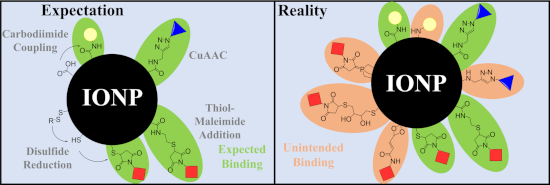
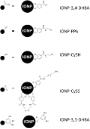
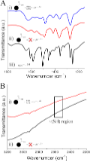
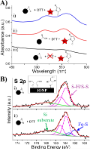
- correspond to the pure Cy5 absorption bands (Supporting Information File 1, Figure S1.i); however, that alone does not prove the successful binding of PPA. For that purpose, we ran two controls, that is, one in which IONP-PPA was subjected to CuAAC reaction conditions, but without the addition of the Cu(I
- significantly contribute to the binding of Cy3-maleimide to the IONP surface. The loading of Cy3-maleimide on IONP-CySH (Figure 9A.i) is observed to be much less than that of Cy5-azide on IONP-PPA (Figure 3B.i), even when the higher absorption coefficient of Cy5 (271,000 cm−1·M−1) relative to Cy3 (162,000 cm−1







Laser processing in liquids: insights into nanocolloid generation and thin film integration for energy, photonic, and sensing applications
Beilstein J. Nanotechnol. 2025, 16, 1428–1498, doi:10.3762/bjnano.16.104
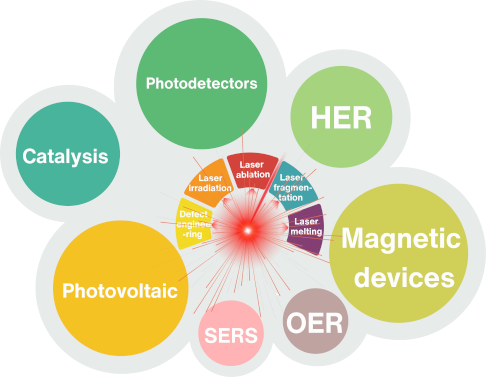
- particles as the resulting droplets are quenched by the surrounding liquid. This process is influenced by the size-dependent optical absorption efficiency and heat capacity of the NPs [43][44]. Utilizing this method, submicrometer spherical particles can be fabricated from a variety of materials, including
- -component materials, spherical particles are easily formed through laser melting, while two-component alloys, like Au–Fe, show distinct morphologies due to differences in heating behavior and optical absorption. Additionally, reactive fabrication of SMSPs with compositions differing from raw materials, such
- factors such as size, surface-to-volume ratio, crystalline structure, composition, oxidation state, shape, and defects [68]. To synthesize NPs, colloids suspended in transparent liquids are irradiated with short or ultra-short laser pulses, which result in selective absorption by the NPs. This occurs






Photochemical synthesis of silver nanoprisms via green LED irradiation and evaluation of SERS activity
Beilstein J. Nanotechnol. 2025, 16, 1417–1427, doi:10.3762/bjnano.16.103
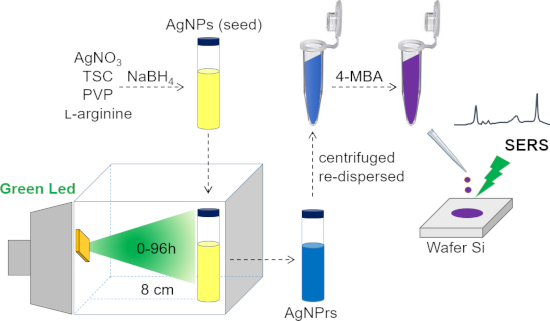
- applications in optical sensing, particularly in surface-enhanced Raman scattering (SERS) [1]. Among ASNPs, silver nanoprisms (AgNPrs) are of particular interest because of their broad absorption in the visible range (400–900 nm), enabling them to display a wide spectrum of colors such as yellow, red, orange
- –vis spectrum exhibited a single absorption peak at 402 nm, characteristic of the in-plane dipole (IPD) resonance of spherical silver nanoparticles. The solution retained its yellow color, indicating that the seed morphology remained largely unchanged and that no formation of anisotropic silver
- began to emerge at approximately 650 nm. This shoulder became more prominent after 24 h, shifting slightly to 662 nm. The appearance of this absorption feature indicated the onset of anisotropic nanoparticle formation, such as silver nanoprisms [4][5][6][7]. After 48 h of LED irradiation, the IPD peak





