


Search results
Search for "aggregation" in Full Text gives 486 result(s) in Beilstein Journal of Nanotechnology. Showing first 200.
Improving magnetic properties of Mn- and Zn-doped core–shell iron oxide nanoparticles by tuning their size
Beilstein J. Nanotechnol. 2025, 16, 2285–2295, doi:10.3762/bjnano.16.157
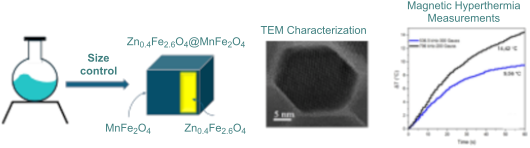
- -capping agents, such as oleic acid, which is commonly used during synthesis to control particle size and prevent aggregation. The broad peak observed at ≈3400 cm−1 is linked to the O–H stretching vibrations of adsorbed water or hydroxy groups on the particle surface, which is a common feature for
- anisotropy energy barriers, leading to zero remanent magnetization when the applied field is removed. Superparamagnetism is a desirable property for biomedical applications, as it prevents particle aggregation in the absence of an external magnetic field. Magnetic hyperthermia analysis In Figure 6, the SAR



Visualizing nanostructures in supramolecular hydrogels: a correlative study using confocal and cryogenic scanning electron microscopy
Beilstein J. Nanotechnol. 2025, 16, 2274–2284, doi:10.3762/bjnano.16.156
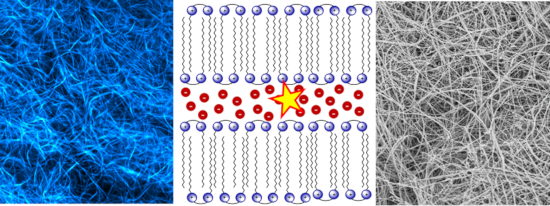
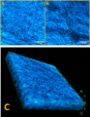
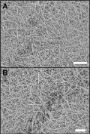
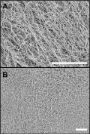
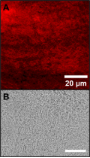
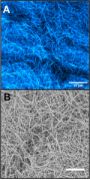
- disruption of the native gel morphology by avoiding aggregation or artefacts associated with high fluorophore loadings, an effect previously observed in such systems [26]. As illustrated in Figure 3A,B, the DPP-BC-containing gels exhibited a robust network of interconnected fibres and bundles across the CLSM



Optical bio/chemical sensors for vitamin B12 analysis in food and pharmaceuticals: state of the art, challenges, and future outlooks
Beilstein J. Nanotechnol. 2025, 16, 2207–2244, doi:10.3762/bjnano.16.153
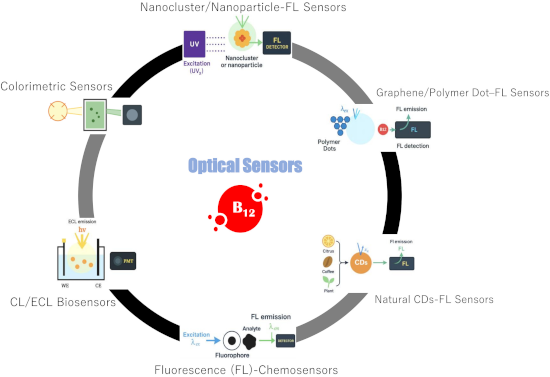
- AuNP suspensions is substantially influenced by their particle size and dispersion speed. 10–20 nm AuNPs with a narrow size distribution tend to absorb light from the blue-green spectrum and reflect red light. In contrast, their aggregation leads to a light absorption shift to longer wavelengths
- , resulting in reflecting light ranging from pale blue to purple [75][76]. Selvakumar and Thakur developed a colorimetric sensor for detecting VB12 using AuNPs and a stable modified RNA aptamer. The RNA aptamer, which attaches to VB12, triggers the aggregation of AuNPs, resulting in a color shift from red to


Ultrathin water layers on mannosylated gold nanoparticles
Beilstein J. Nanotechnol. 2025, 16, 2183–2198, doi:10.3762/bjnano.16.151
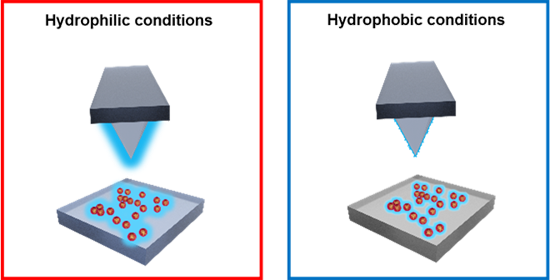
- either case the NPs will expand. We will, however, demonstrate the role of the ligand conformation. We obtained detailed spatial characterization by SEM, to measure size and shape, and to detect aggregation upon adsorption on surfaces of different hydrophilicity (see Supporting Information File 1
- size average of the dimanno-AuNPs is 30.4 ± 1.1 nm (PDI = 0.29) with a peak at 16.8 ± 0.9 nm. This indicates that the dimannoside coating results in reduced nanoparticle aggregation. Hence, a small number of multimers of the NPs is present in the solution (i.e., stronger particle association). DLS is
- inherently sensitive to the hydrodynamic radius, and therefore to aggregation, even when the core sizes are similar. A more hydrated surface is typically associated with higher colloidal stability and lower aggregation, which is consistent with the smaller hydrodynamic size observed by DLS for the dimanno



Microplastic pollution in Himalayan lakes: assessment, risks, and sustainable remediation strategies
Beilstein J. Nanotechnol. 2025, 16, 2144–2167, doi:10.3762/bjnano.16.148
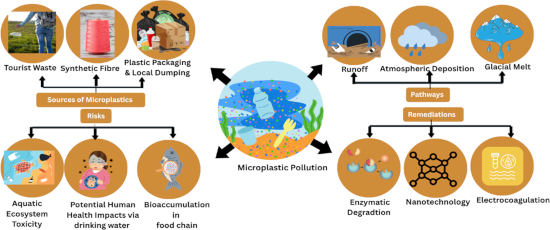
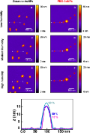
- also seen in research in the Beas catchment, where MPs in low areas are transported upwards into sensitive ecosystems [25]. Such connectivity of the routes and sources is apparent in Figure 2, which presents the wide ecological extent and conveyance of MPs in water bodies. To allow aggregation of


Toward clinical translation of carbon nanomaterials in anticancer drug delivery: the need for standardisation
Beilstein J. Nanotechnol. 2025, 16, 2092–2104, doi:10.3762/bjnano.16.144

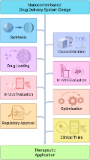
- . CNMs must retain their structural and functional integrity under physiological conditions, including varying pH, ionic strength, and temperature. Instability can result in aggregation, degradation, or loss of therapeutic payload. Strategies such as lyophilisation, drug encapsulation, and the use of



The cement of the tube-dwelling polychaete Sabellaria alveolata: a complex composite adhesive material
Beilstein J. Nanotechnol. 2025, 16, 1998–2014, doi:10.3762/bjnano.16.138
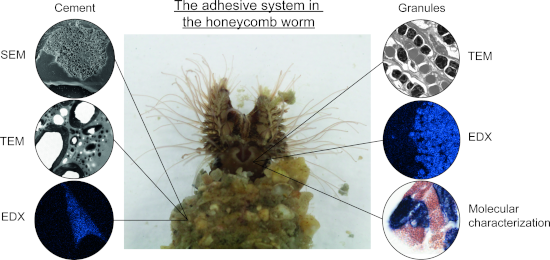
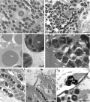
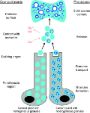
- either homogeneous or heterogeneous containing inclusions [6][10][11][12]. The adhesive proteins are packaged into secretory granules via a process called complex coacervation, which involves the aggregation of oppositely charged proteins along with a sulfated polysaccharide and significant amounts of



Laser ablation in liquids for shape-tailored synthesis of nanomaterials: status and challenges
Beilstein J. Nanotechnol. 2025, 16, 1963–1997, doi:10.3762/bjnano.16.137
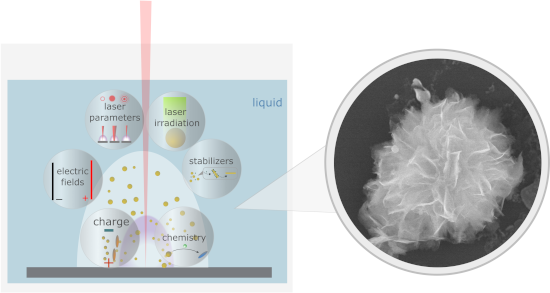
- colloid, preventing aggregation [7]. Charge manipulation can be achieved by applying electric fields or varying laser beam polarization. It can also be used at later stages of the NP formation, ensuring self-assembly and growth into oriented structures. In general, the growth of NPs produced by laser
- modification and oxidation, and influencing the processes of ageing, oxidation, aggregation, and agglomeration. As a result, in [36], the increase of the ambient temperature was demonstrated to induce oriented growth of the NPs with the formation of nanospindles, whereas at room temperature only isotropic




PEGylated lipids in lipid nanoparticle delivery dynamics and therapeutic innovation
Beilstein J. Nanotechnol. 2025, 16, 1914–1930, doi:10.3762/bjnano.16.133
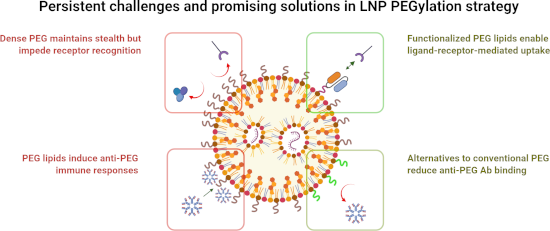
- LNPs, PEG lipids are widely used to provide the nanoparticles with a unique outer layer. The “stealth” properties of PEG chains can prevent nanoparticle aggregation, reduce nonspecific protein adsorption, and delay immune recognition, thereby extending LNP circulation half-life in the bloodstream [2][4
- aggregation [12]. A structural analysis of mRNA-LNPs has provided compelling evidence that the conformation of PEG lipids on the nanoparticle surface plays a significant role. LNPs composed of ionizable lipid ALC-0315, DSPC, cholesterol, and PEG lipid ALC-0159 at a molar ratio of 46.3:9.4:42.8:1.6 were
- careful handling to mitigate possible safety risk [57][58]. For instance, a DBCO-functionalized PEG lipid was found to induce protein aggregation on the nanoparticle surface, primarily due to the hydrophobic nature of the DBCO group, leading to elevated complement activation. Excessive maleimide can react


On the road to sustainability – application of metallic nanoparticles obtained by green synthesis in dentistry: a scoping review
Beilstein J. Nanotechnol. 2025, 16, 1851–1862, doi:10.3762/bjnano.16.128
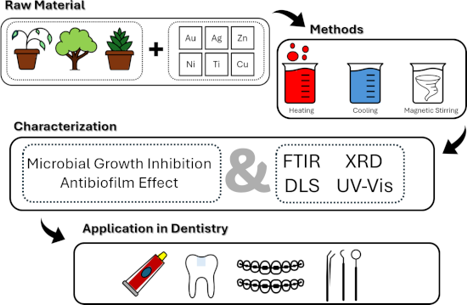
- between them and results in more uniform nucleation and better control over particle size and morphology. Moreover, continuous stirring prevents aggregation of the nanoparticles, contributing to their colloidal stability. Studies have shown that variations in stirring speed can significantly impact the


Electrical, photocatalytic, and sensory properties of graphene oxide and polyimide implanted with low- and medium-energy silver ions
Beilstein J. Nanotechnol. 2025, 16, 1794–1811, doi:10.3762/bjnano.16.123
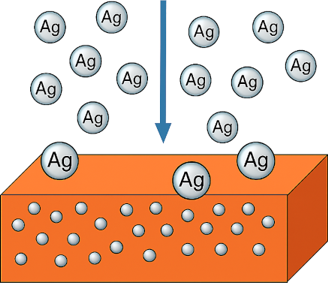
- [10]. The delocalized electrons in these regions can freely pass between neighboring centers, thereby reducing the energy activation for conducting electric current. At the same time, the aggregation of the implanted Ag ions and the formation of metal islands or clusters in the form of nanostructures


Exploring the potential of polymers: advancements in oral nanocarrier technology
Beilstein J. Nanotechnol. 2025, 16, 1751–1793, doi:10.3762/bjnano.16.122
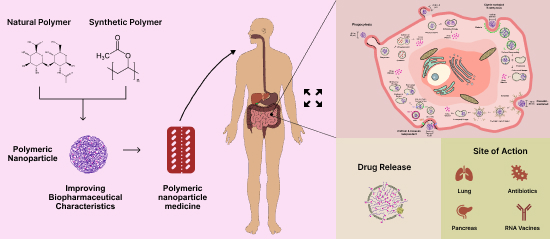
- porosity, crystallinity has a reduced impact on molecule release [61]. The influence on compound diffusion can be attributed to the polymer’s molecular weight, which affects the formulation’s behavior, aggregation, and architecture. Degradation products form more rapidly in polymers with lower molecular
- increasing mucus penetration by modulating cellular absorption and reducing particle entrapment [65][66]. Maisel et al. [67] demonstrated that hydrophobic mucoadhesive particles adhere to mucus, leading to aggregation and limited distribution along the GIT after oral administration. Conversely, non
- mucin chains and consequently modifying the aggregation degree of the mucin network through various interactions [68][69]. Surface coating techniques play a key role in the interaction of PNs with the biological environment. These strategies involve the physical adsorption or covalent attachment of


Multifunctional anionic nanoemulsion with linseed oil and lecithin: a preliminary approach for dry eye disease
Beilstein J. Nanotechnol. 2025, 16, 1711–1733, doi:10.3762/bjnano.16.120
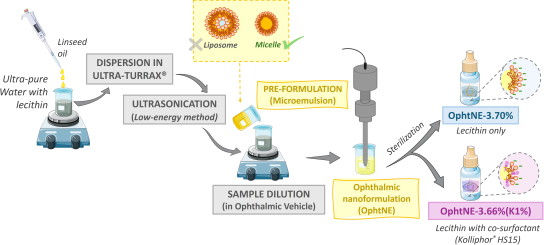
- use can be limited by stability issues like drug leakage, lipid oxidation, and vesicle aggregation, which depend on drug properties and bilayer composition [54]. These challenges are significant regarding chronic topical use. Conversely, micellar nanoemulsions, such as those in this study, offer
- reduced interfacial tension and the reorganization of lecithin molecules, which minimize aggregation over time. However, a high density of ionic surfactants at the system interface requires careful consideration. Strong electrostatic repulsion within the dispersion can generate dipole moments between



Venom-loaded cationic-functionalized poly(lactic acid) nanoparticles for serum production against Tityus serrulatus scorpion
Beilstein J. Nanotechnol. 2025, 16, 1633–1643, doi:10.3762/bjnano.16.115
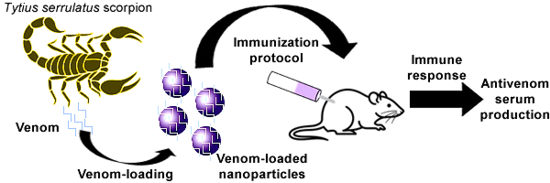
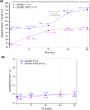
- barrier to aggregation and support long-term colloidal stability [14][37]. The protein release study of venom-loaded PLA cationic nanoparticles occurred in two stages. In the first stage, a burst release effect was due to surface-adsorbed proteins, followed by the diffusion through the external swollen


Photocatalytic degradation of ofloxacin in water assisted by TiO2 nanowires on carbon cloth: contributions of H2O2 addition and substrate absorbability
Beilstein J. Nanotechnol. 2025, 16, 1567–1579, doi:10.3762/bjnano.16.111
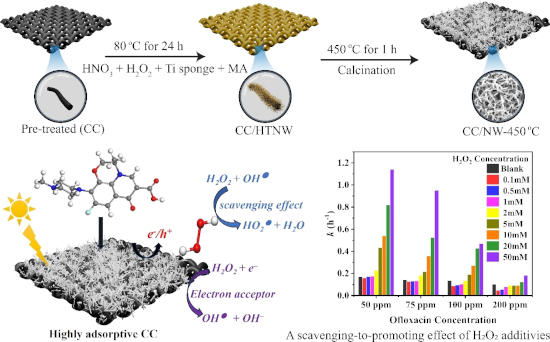
- mitigates the aggregation issues and simplifies the separation and recovery of photocatalysts within a slurry system. TiO2 nanowires are known for their significantly high surface area and are important for photocatalytic and photoelectrochemical applications. Template-mediated methods such as sol–gel
- cloth, facilitating the separation of photogenerated electron–hole pairs [13][35], and (3) the substrate’s fibrous structure significantly enhancing the effective contact area and preventing the aggregation of nanowires. Conclusion TiO2 nanowire thin films of ca. 1.5 μm in thickness were precipitated on


Influence of laser beam profile on morphology and optical properties of silicon nanoparticles formed by laser ablation in liquid
Beilstein J. Nanotechnol. 2025, 16, 1533–1544, doi:10.3762/bjnano.16.108
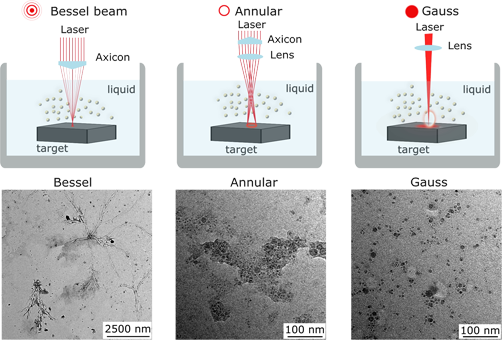
- outer rings of the Bessel beam should be considered when discussing the morphology peculiarities of the formed NPs. At later stages of the process, the outer rings might be also involved in nucleation and growth of nanoparticles by trapping the produced seeds and guiding their aggregation in distinct


Dendrimer-modified carbon nanotubes for the removal and recovery of heavy metal ions from water
Beilstein J. Nanotechnol. 2025, 16, 1522–1532, doi:10.3762/bjnano.16.107

- morphological change during the dendrimer growth process. Moreover, there were no carbon particulates associated with residual carbon polymerization indicating uniform dendrimer growth over the surface of CNTs. However, changes in terms of degree of aggregation were observed (Figure 2). The aggregation among


Laser processing in liquids: insights into nanocolloid generation and thin film integration for energy, photonic, and sensing applications
Beilstein J. Nanotechnol. 2025, 16, 1428–1498, doi:10.3762/bjnano.16.104
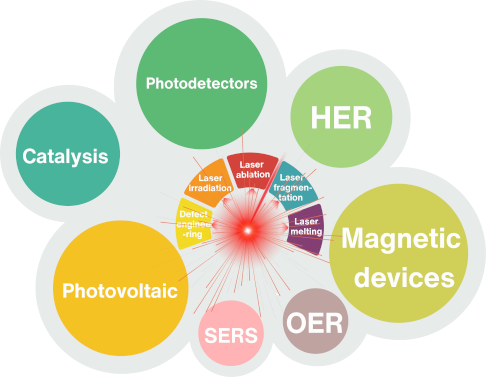
- exposing colloidal NPs dispersed in a liquid medium to pulsed laser irradiation. This technique is known as pulsed laser melting in liquids (PLML) [6][41][42]. PLML involves heating and melting of raw NPs with unfocused laser pulses, leading to their aggregation and the formation of submicrometer spherical






The role of biochar in combating microplastic pollution: a bibliometric analysis in environmental contexts
Beilstein J. Nanotechnol. 2025, 16, 1401–1416, doi:10.3762/bjnano.16.102
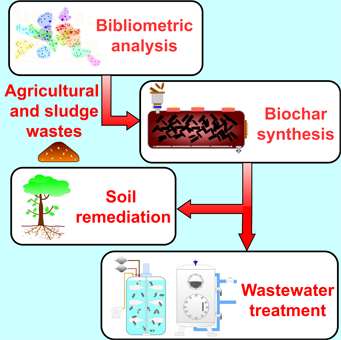
- biochar, MP particle size and the aggregation potential of MPs [43][67]. These findings underscore the importance of optimizing biochar properties to enhance MP removal across different particle types and sizes. Despite advancements in biochar-based filtration and batch treatment, the removal efficiency



Enhancing the therapeutical potential of metalloantibiotics using nano-based delivery systems
Beilstein J. Nanotechnol. 2025, 16, 1350–1366, doi:10.3762/bjnano.16.98
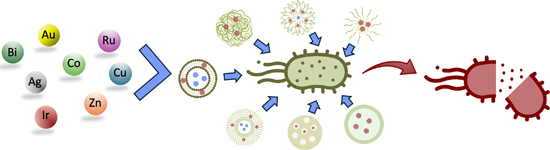
- during storage [83][84]. Their surfaces can be modified for targeted delivery, improving the bioavailability of therapeutic agents and allowing for their use in a variety of medical applications. Despite these advantages, challenges such as particle aggregation and potential toxicity continue to persist
- prevented the aggregation of silver ions, which is crucial for maintaining the antibacterial activity of the silver complexes. The Ag-NHC complex 5 (Figure 3) was also encapsulated in ʟ-tyrosine nanoparticles, which offer enhanced therapeutic potential through controlled and targeted release [103]. This


Ferroptosis induction by engineered liposomes for enhanced tumor therapy
Beilstein J. Nanotechnol. 2025, 16, 1325–1349, doi:10.3762/bjnano.16.97
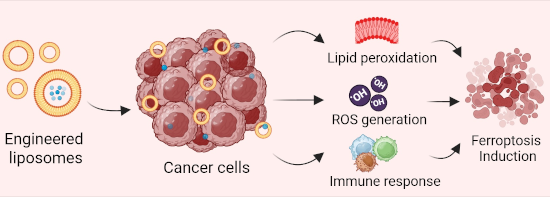
- lung cancer based on the synergistic effect of ferroptosis and apoptosis is hampered by two obstacles, that is, low intracellular Fenton levels and insufficient aggregation of healing agents in the lung. To overcome these obstacles, a liposome was developed and administrated by inhalation. The diameter
- ’ rapid growth and metabolism. Therefore, these stimuli in the TME can be employed as TME-responsive nanomedicine strategies to enhance the efficacy of cancer immunotherapy and reduce side effects through specific aggregation in tumors and regulated release of drugs [171]. In addition to internal stimuli


Acrocomia aculeata oil-loaded nanoemulsion: development, anti-inflammatory properties, and cytotoxicity evaluation
Beilstein J. Nanotechnol. 2025, 16, 1277–1288, doi:10.3762/bjnano.16.93
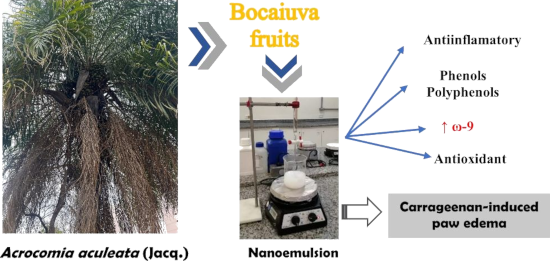
- aggregation [47]. Figure 4 presents the impact of temperature (ranging from 10 to 80 °C) on the nanodroplet size of the AANE formulation over a 180-day period. Between 10 and 60 °C, the nanodroplet size remained relatively stable, ranging from 171 to 181 nm. However, temperatures exceeding 60 °C led to a


Investigation of the solubility of protoporphyrin IX in aqueous and hydroalcoholic solvent systems
Beilstein J. Nanotechnol. 2025, 16, 1209–1215, doi:10.3762/bjnano.16.89
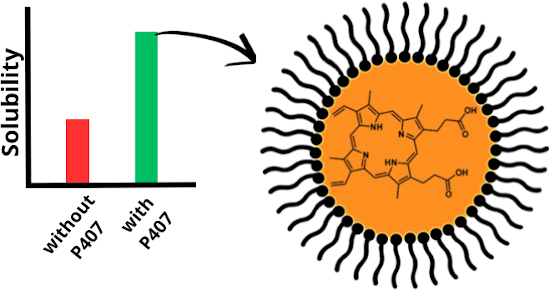
- source, and tissue oxygen. Protoporphyrin IX (PpIX) is commonly used as a PS due to its tumor-targeting properties and phototoxicity. However, the physicochemical properties of PpIX foster self-aggregation, which is a challenge for its incorporation into pharmaceutical formulations. This study aimed to
- PSs have their hydrophobicity as drawback, which can lead to the formation of aggregates in aqueous solutions, compromising bioavailability and photodynamic activity [5]. The aggregation of the PS decreases its photoactive properties since, for its action, it must be in the monomeric form, in which
- aggregation, and improve bioavailability in aqueous media [5][16]. Additionally, at high concentrations, P407 can transition into more complex nanostructured systems, such as hydrogels and lyotropic liquid crystals, providing additional control over drug release and stability. The thermosensitive and self


Chitosan nanocomposite containing rotenoids: an alternative bioinsecticidal approach for the management of Aedes aegypti
Beilstein J. Nanotechnol. 2025, 16, 1197–1208, doi:10.3762/bjnano.16.88
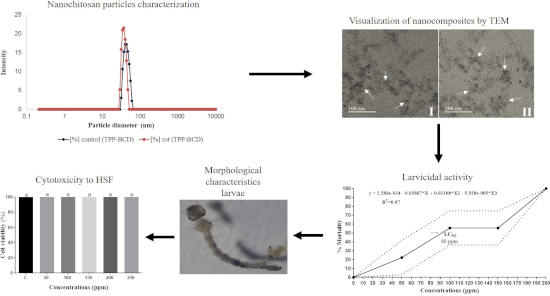
- important parameter for assessing nanoparticle stability and biodistribution. Typically, particles acquire an electric charge at the shear plane when dispersed in a liquid, which is reflected by their zeta potential, that is key to understanding dispersion and aggregation processes in nanoformulations. Zeta
- potential values > ±30 mV are indicative of nanoparticle stability, as strong electrostatic repulsion prevents aggregation and ensures colloidal stability [20][21]. While these measurements provide important physicochemical insights, further evidence of the chemical incorporation and potential interactions



Single-layer graphene oxide film grown on α-Al2O3(0001) for use as an adsorbent
Beilstein J. Nanotechnol. 2025, 16, 1082–1087, doi:10.3762/bjnano.16.79
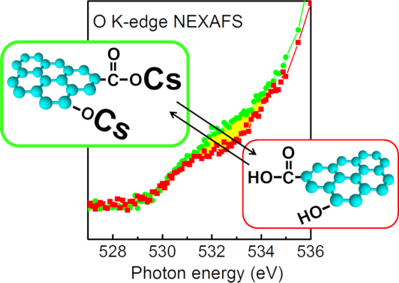
- ions, including radioactive nuclides in aqueous solutions. Large-area and single-layer graphene oxide (SLGO) grown on α-Al2O3(0001) was used as a model structure of GO since the aggregation and re-stacking of the GO sheets prevent the adequate analysis of the adsorption state. The SLGO film was
- adsorption [8], which complicates the evaluation of GO using surface analytical techniques. The SLGO film synthesized in this study is adhered to the α-Al2O3(0001) surface, which prevents GO aggregation and multilayer stacking. It is expected that this will enable detailed evaluation of Cs adsorption on GO





