Search results
Search for "ammonia" in Full Text gives 153 result(s) in Beilstein Journal of Nanotechnology.
Modeling a multiple-chain emeraldine gas sensor for NH3 and NO2 detection
Beilstein J. Nanotechnol. 2022, 13, 721–729, doi:10.3762/bjnano.13.64
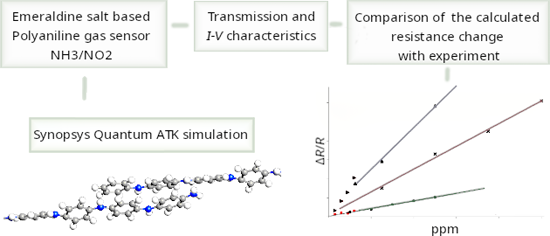
- -equilibrium Green’s functions formalism. The numerical results are compared with experimental data of ammonia and nitrogen dioxide detection. Multiple molecules of PANI in the form of emeraldine salt were studied with more than one absorbed molecule of ammonia or nitrogen dioxide. From the I–V characteristics
- good properties for NO2 detection. Keywords: ammonia; gas sensor; nitrogen dioxide; numerical computation; polyaniline; Introduction Polyaniline is a conducting polymer consisting of benzene rings connected by nitrogen units, which can be used in a wide spectrum of applications, for example, dyes for
- it shows a resistance change when gas molecules are in the vicinity of the chain. Interesting for this application could be the detection of NH3 or NO2 [5]. Mechanism of Gas Sensing When gas molecules interact with the PANI chain, the resistance of the bulk material changes. For example, ammonia gas


A chemiresistive sensor array based on polyaniline nanocomposites and machine learning classification
Beilstein J. Nanotechnol. 2022, 13, 411–423, doi:10.3762/bjnano.13.34
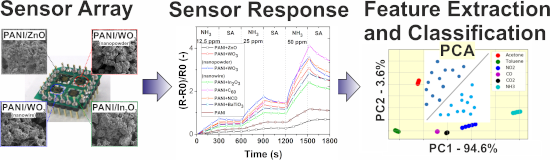
- 1999/2, 182 21 Prague, Czech Republic 10.3762/bjnano.13.34 Abstract The selective detection of ammonia (NH3), nitrogen dioxide (NO2), carbon oxides (CO2 and CO), acetone ((CH3)2CO), and toluene (C6H5CH3) is investigated by means of a gas sensor array based on polyaniline nanocomposites. The array
- data by principal component analysis to be a highly accurate method reach to 99% of the classification of six different gases. Keywords: feature extraction; gas sensor; pattern recognition; sensor array; Introduction The control and monitoring of toxic gaseous substances, such as ammonia, nitrogen
- between VOCs, supported by a vector machine to distinguish between acetone, nitrogen dioxide, and ammonia, and by a neutral network model to distinguish between ammonia and formaldehyde gas [7][8][9]. In our previous work [10], we demonstrated a combination of organic (polyaniline, PANI) and inorganic




Morphology-driven gas sensing by fabricated fractals: A review
Beilstein J. Nanotechnol. 2021, 12, 1187–1208, doi:10.3762/bjnano.12.88
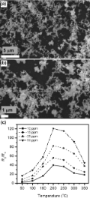
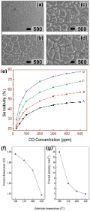
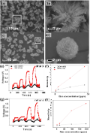
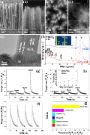
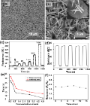
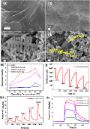
- , carbon monoxide, ammonia, nitrous oxide, and ethanol (Figure 10e,f) at 250 °C. The estimated fractal dimensions were 1.82 for the pore network and 1.72 for the foam sensor. Titanium oxide-based fractals Fusco et al. modified dielectric titanium oxide (TiO2) nanoparticles with fractal structure with a
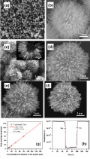
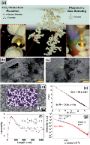
- . The response of sensor was described by the real and imaginary parts of the reflection coefficient using a specific waveguide. The response was found to be linear for ammonia in the range of 0–500 ppm. Zinc oxide-based fractals Hierarchical dandelion-like hollow ZnO structures were reported by Fan et
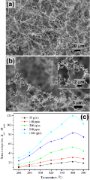
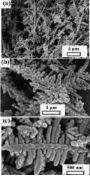
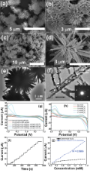
- branches. The dendritic nanostructure allowed the network passage for electron transfer after ammonia molecules interact with the sensing surface. It showed an about 5–8 times enhanced response and an improvement in recovery time by about 30–50 times compared to a pristine NiO sensor. The sensor also










pH-driven enhancement of anti-tubercular drug loading on iron oxide nanoparticles for drug delivery in macrophages
Beilstein J. Nanotechnol. 2021, 12, 1127–1139, doi:10.3762/bjnano.12.84
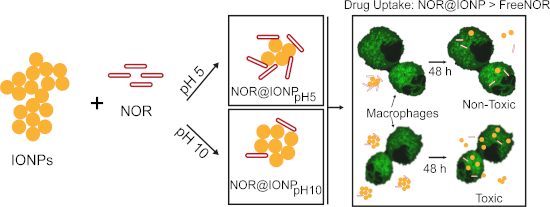
- upon addition of ammonia solution (Figure 1). NOR was loaded onto the IONPs at pH 5 or pH 10 and the nanoparticles were subsequently analyzed. It was noted that the efficacy of NOR against Mycobacterium smegmatis remained unaffected by a change of pH, to either pH 5 or pH 10 (Supporting Information
- the treatment of intracellular pathogens. Experimental Reagents FeCl2·4H2O, FeCl3·6H2O and NOR used in the nanoparticle synthesis were purchased from Sigma-Aldrich, Germany. 25% ammonia solution was purchased from Merck, Germany (GR grade). RPMI-1640 and fetal bovine serum (FBS) used for the culturing
- synthesized by co-precipitation of ferrous and ferric chloride salts [47]. An aqueous solution of Fe2+:Fe3+, taken in the molar ratio of 1:2, was stirred at 700 rpm with nitrogen purging, for 10 min, at 80 °C. The reduction to Fe3O4 was carried out with the addition of 15 mL of 25% ammonia solution. Stirring



Recent progress in actuation technologies of micro/nanorobots
Beilstein J. Nanotechnol. 2021, 12, 756–765, doi:10.3762/bjnano.12.59
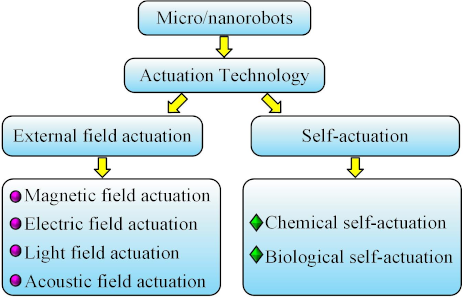
- FRET imaging while propelling the switches. The entire self-actuation process is realized by urease-mediated conversion of urea into ammonia and carbon dioxide. Unlike traditional nanoprobes, DNA nanoswitches can perform pH value measurements within a few microseconds. This research is a big step


Impact of GaAs(100) surface preparation on EQE of AZO/Al2O3/p-GaAs photovoltaic structures
Beilstein J. Nanotechnol. 2021, 12, 578–592, doi:10.3762/bjnano.12.48
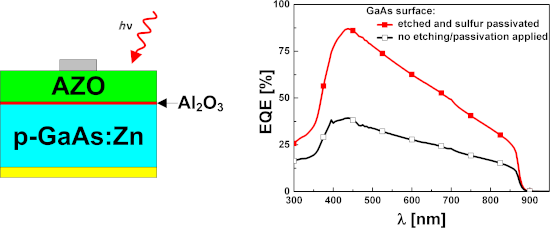
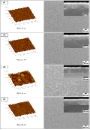
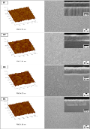
- μm2 for every sample), the lowest RMS values are observed in A4 and B4 samples: 2.05 and 1.96 nm, respectively (those samples were treated with the ammonia aqueous solution during stage 3). Conversely, the highest roughness is observed in samples in which the HCl solution was applied (also during




Effect of different silica coatings on the toxicity of upconversion nanoparticles on RAW 264.7 macrophage cells
Beilstein J. Nanotechnol. 2021, 12, 35–48, doi:10.3762/bjnano.12.3
- measurements (TraceCERT®, c = 1000 mg/mL) were obtained from Sigma-Aldrich. Cyclohexane (tech. 99.5%) and ammonia water (p.a., 25 wt % NH3) were purchased from Roth. Ethanol (EtOH, 100%) was purchased from Berkel AHK, hydrofluoric acid (HF, 30%) was purchased from Riedel de Haën, and sodium hydroxide (NaOH, 99
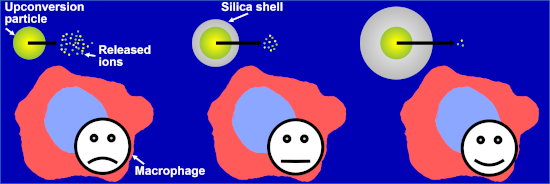
- 33.3 mL of cyclohexane was used. After sonicating for 10 min, 3.736 mL of Igepal CO-520 was added. After a brief mixing using an ultrasonic bath, 0.331 mL of ammonia water was added, and the dispersion was sonicated again for 20 min. Subsequently, 0.331 mL of TEOS was added and the whole mixture was
- sonicated for at least 1 h. Finally, the dispersion was stirred for 12 h at 1200 rpm at room temperature [38]. For growing 21 ± 2 nm thick silica shells, additional cyclohexane, Igepal CO-520, and ammonia water were added to the non-purified dispersion of UCNPs coated with 7 ± 1 nm thick shells to maintain


Towards 3D self-assembled rolled multiwall carbon nanotube structures by spontaneous peel off
Beilstein J. Nanotechnol. 2020, 11, 1865–1872, doi:10.3762/bjnano.11.168
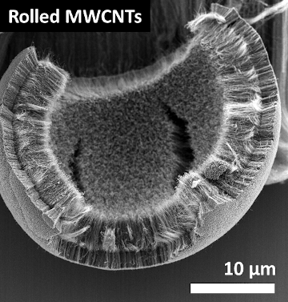
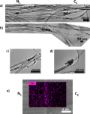
- see Experimental section. Undoped sections of multiwall CNTs (MWCNTs) grown from toluene or acetylene, are referred as “C” whereas nitrogen-doped sections, grown under ammonia-containing atmosphere or using benzylamine, are referred as “N” [21]. The chronological order of the grown sections is shown
- second precursor line, 500 sccm of Ar were used. Next, while the same ferrocene and toluene mixture was injected into the furnace, ammonia (≥99.98%, BOC) was added to the carrier gas at 30 sccm for 15 min. Finally, acetylene (industrial grade, BOC) was used as a gas precursor at 100 sccm with hydrogen



Piezotronic effect in AlGaN/AlN/GaN heterojunction nanowires used as a flexible strain sensor
Beilstein J. Nanotechnol. 2020, 11, 1847–1853, doi:10.3762/bjnano.11.166
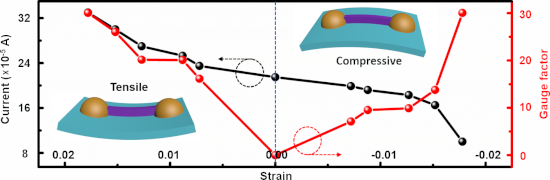
- by MOCVD (Thomas Swan). Trimethylgallium (TMGa), trimethylaluminum (TMAl), and ammonia (NH3) were used as Ga, Al, and N sources, respectively. N2 and H2 were used as carrier gases in the growth process. A 1 μm layer of unintentionally doped GaN was deposited as the buffer layer on a sapphire


Unravelling the interfacial interaction in mesoporous SiO2@nickel phyllosilicate/TiO2 core–shell nanostructures for photocatalytic activity
Beilstein J. Nanotechnol. 2020, 11, 1834–1846, doi:10.3762/bjnano.11.165
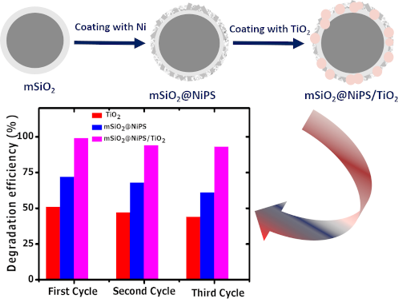
- /ammonia) [45][46][49]. In addition, the pore size distribution of the mSiO2@NiPS core–shell nanocomposite was broader (2–15 nm) than that of mSiO2 (Figure 2b). During the formation of the mSiO2@NiPS/TiO2 composite, the pore diameter slightly increased to 7.7 nm, indicating the presence of interparticle
- between NiPS and TiO2, which resulted in good stability and reusability of the catalyst. The generation of a core–shell nanostructure with tunable surface and optoelectronic properties is a promising approach for the production of efficient photocatalysts. Experimental Starting materials Ammonia solution
- nanoparticles were purchased from Sigma-Aldrich. Synthesis of mSiO2, mSiO2@NiPS and mSiO2@NiPS/TiO2 core–shell nanostructures Ethanol (100 mL) was added to 10 mL of water and the mixture was stirred for 10 min. A solution of 10 mL of ammonia was added to the co-solvents and the resultant mixture was stirred for


Electron beam-induced deposition of platinum from Pt(CO)2Cl2 and Pt(CO)2Br2
Beilstein J. Nanotechnol. 2020, 11, 1789–1800, doi:10.3762/bjnano.11.161
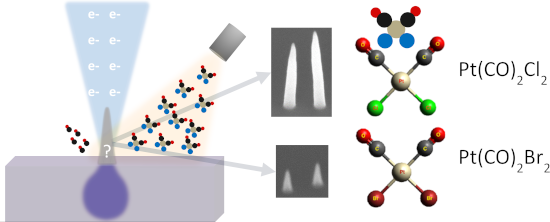
- carbon content. In this way, water has been used for the purification of FEBID of platinum [33][34] and gold [35]. An analogous reaction occurs with ammonia to get rid of the halogen in deposits from the (η3-C3H5)Ru(CO)3Cl precursor [36]. However, this reaction scheme would lead to a much lower carbon


Selective detection of complex gas mixtures using point contacts: concept, method and tools
Beilstein J. Nanotechnol. 2020, 11, 1631–1643, doi:10.3762/bjnano.11.146
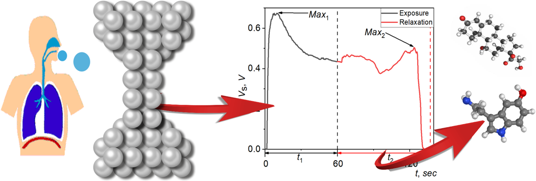
- breath contains oxidizing agents (e.g., nitrogen oxides, carbon oxide, and sulfur oxides), reducing agents (e.g., hydrogen sulfide, ammonia, mercaptans, and organic molecules), and other chemically active components that can participate in various chemical transformations. It is known, for example, that
- hydrochloric acid interacts almost instantaneously with ammonia to form NH4Cl. Therefore, there is a high probability that the composition of the human breath medium is transformed after it is formed in the human body and before it is released in the atmosphere. It should also be noted that the new compounds


![[Graphic 4]](/bjnano/content/inline/2190-4286-11-146-i8.svg?max-width=637&scale=1.18182) in th...
in th...

![[Graphic 7]](/bjnano/content/inline/2190-4286-11-146-i11.svg?max-width=637&scale=1.18182) in the...
in the...
Magnetic-field-assisted synthesis of anisotropic iron oxide particles: Effect of pH
Beilstein J. Nanotechnol. 2020, 11, 1230–1241, doi:10.3762/bjnano.11.107
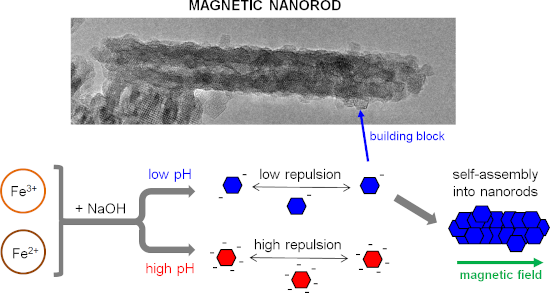
- assays using different molar ratios (R) of ammonia (OH− ion source) and iron ions. The authors showed that Fe3O4 particles were not produced by a direct reaction of Fe3+, Fe2+, and OH− ions, but rather via formation of several iron oxyhydroxides (including goetite or lepidocrocite) and their further





Gas-sensing features of nanostructured tellurium thin films
Beilstein J. Nanotechnol. 2020, 11, 1010–1018, doi:10.3762/bjnano.11.85
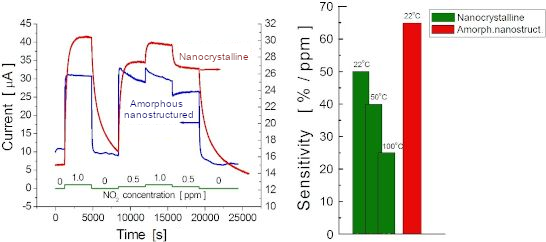
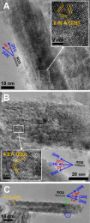
- microcrystalline Te films have remarkable, sensitive properties toward ammonia [8][9] and hydrogen sulfide [10] and, to a lesser extent, to carbon oxides and amines [11]. In the last years, due to the increase in the general interest toward nanodimensional devices and structures, significant attention has been
- NO2, H2S or ammonia. This is the main reason why this method was used in this work to manufacture and examine Te films. According to the SEM image shown in Figure 1A, nanocrystalline Te films grown on glass substrates present a uniform and dense distribution of randomly oriented nanocrystalline grains


Wet-spinning of magneto-responsive helical chitosan microfibers
Beilstein J. Nanotechnol. 2020, 11, 991–999, doi:10.3762/bjnano.11.83
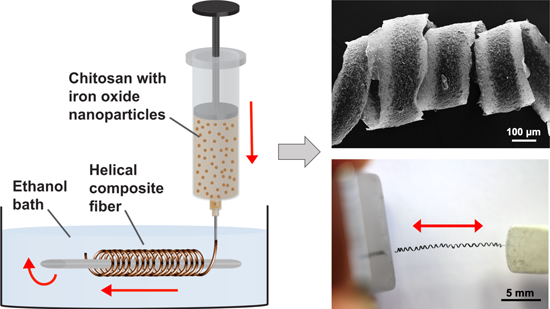
- 4 to 12 MPa were previously obtained for wet-spinning of bare chitosan solutions into ammonia [35]. These results were in good agreement with the Young’s modulus values obtained for our helical chitosan fibers. On the other hand, gel-spinning in combination with a post-drying step led to much higher


Preparation, characterization and photocatalytic performance of heterostructured CuO–ZnO-loaded composite nanofiber membranes
Beilstein J. Nanotechnol. 2020, 11, 631–650, doi:10.3762/bjnano.11.50
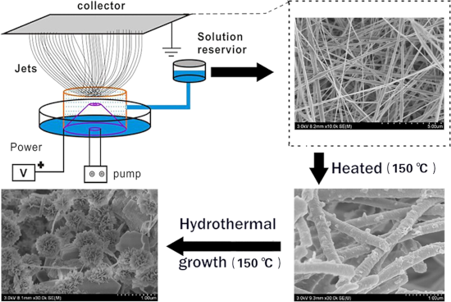
- chloride (ZnCl2, Mw = 73.09 g/mol), hexamethylenetetramine (C6H12N4, Mw = 140.19 g/mol) and ammonia (NH3·H2O, Mw = 17.03 g/mol) were supplied from China Pharmaceutical Group Chemical Reagents Co., Ltd. (Shanghai, China). Methyl orange (Mw = 327.34 g/mol) was purchased from Shanghai Debai Biotechnology Co











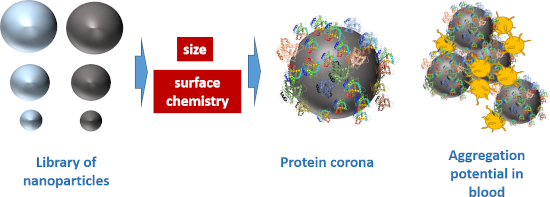
Identification of physicochemical properties that modulate nanoparticle aggregation in blood
Beilstein J. Nanotechnol. 2020, 11, 550–567, doi:10.3762/bjnano.11.44
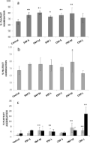
- ) for the medium and small carbon nanoparticles (CNP-M and CNP-S, respectively). Synthesis of silica nanoparticles Silica nanoparticles (SNPs) were prepared by hydrolysis and condensation of TEOS in the presence of ammonia as a catalyst following the Stöber process [25]. Briefly, a defined amount of
- TEOS was added to a solution containing ethanol, ammonia (33%) and ultrapure water under magnetic stirring and at room temperature for 30–40 min. The ratio of the reagents was modified in order to control the NPs size (Table 2). The NP suspension was centrifuged at 11,000 rcf for 15 min and the




Facile biogenic fabrication of hydroxyapatite nanorods using cuttlefish bone and their bactericidal and biocompatibility study
Beilstein J. Nanotechnol. 2020, 11, 285–295, doi:10.3762/bjnano.11.21
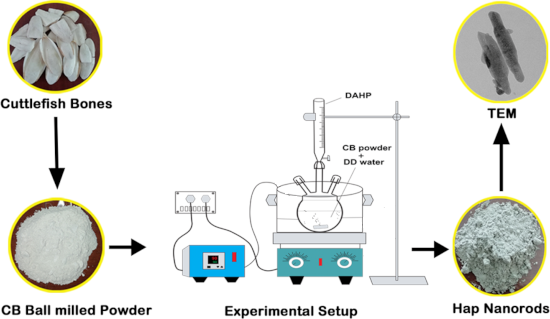
- Hap NRs will be highly useful in the fabrication of novel implants for orthopedic and dental applications. Materials and Methods The experiments were performed in a 1000 mL round bottom flask filled with calcium carbonate (CB powder), (NH4)2HPO4 and ammonia solution. The oil bath setup was used to
- adjusted from 8 to 12 using ammonia solution. This mixture was allowed to stir for various reaction times of 6, 12, 24, and 48 h at 80 °C and then the final precipitate was washed with distilled water and ethanol to remove impurities. Finally, the precipitate was dried at 60 °C in a hot air oven and was


Synthesis of amorphous and graphitized porous nitrogen-doped carbon spheres as oxygen reduction reaction catalysts
Beilstein J. Nanotechnol. 2020, 11, 1–15, doi:10.3762/bjnano.11.1
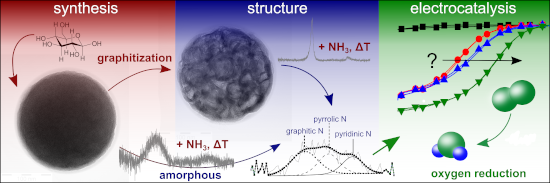
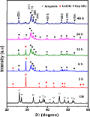
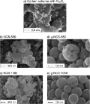
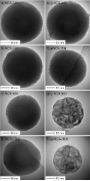
- synthesized by hydrothermal treatment of a glucose solution yielding carbon spheres with sizes of 330 ± 50 nm, followed by nitrogen doping via heat treatment in ammonia atmosphere. The influence of a) varying the nitrogen doping temperature (550–1000 °C) and b) of a catalytic graphitization prior to nitrogen
- are chemical vapor deposition (CVD) and arc discharge methods for N-doped graphene, graphite, and carbon nanotubes [9]. Most commonly, the post-synthetic approach is carried out by thermal treatment of carbon in ammonia atmosphere, typically leading to surface N-doping. A variety of N bonding
- . Annealing graphene oxide (GO) in an ammonia atmosphere at 550 °C led to pyridinic N-doped graphene, while at a temperature of 850 °C graphitic nitrogen coexisted with pyridinic nitrogen, and for higher temperatures the amount of graphitic N increased. Annealing GO at 850 °C in the presence of polyaniline or


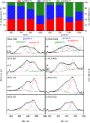


pH-Controlled fluorescence switching in water-dispersed polymer brushes grafted to modified boron nitride nanotubes for cellular imaging
Beilstein J. Nanotechnol. 2019, 10, 2428–2439, doi:10.3762/bjnano.10.233
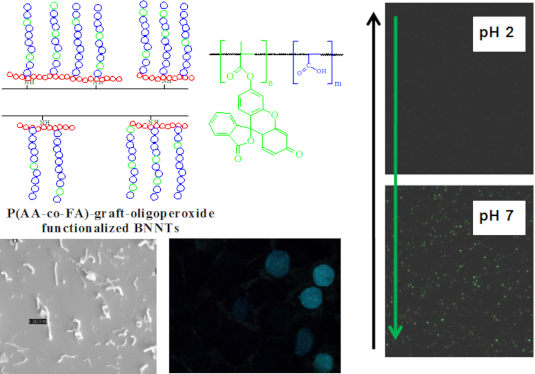
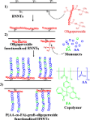
- under acidic conditions [42]. In our previous work [12], we have reported a two-step method for preparation of a responsive surface layer on oligoperoxide-functionalized BNNTs, where amino groups on BNNTs form at the ends and defects. Additional amine groups can be easily introduced with ammonia plasma
- -dependent fluorescence properties. Third, acrylic groups in P(AA-co-FA) can be easy modified for drugs and/or targeting agents similar to that reported in [61]. It is well known that the carboxyl group of acrylic acid can react with ammonia to form acrylamide, or with an alcohol to form an acrylate ester


Coating of upconversion nanoparticles with silica nanoshells of 5–250 nm thickness
Beilstein J. Nanotechnol. 2019, 10, 2410–2421, doi:10.3762/bjnano.10.231
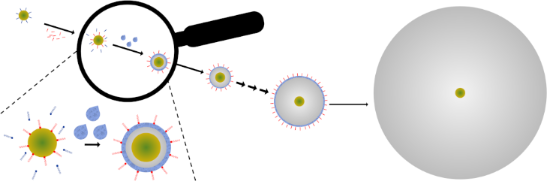
- followed by a stepwise growth of these particles without a purification step, where in each step equal volumes of tetraethyl orthosilicate and ammonia water are added, while the volumes of cyclohexane and the surfactant Igepal® CO-520 are increased so that the ammonia water and surfactant concentrations
- microemulsion method. The Stöber method refers to the process of preparing silica via the hydrolysis and condensation of tetraethyl orthosilicate (TEOS) within an alcohol–ammonia–water system [25]. Related methods are widely used for coating NPs that are dispersible in polar media [26][27]. Modified Stöber
- name Igepal® CO-520) and distributed in the continuous nonpolar phase [44]. The ratio between the aqueous components and the surfactant determines the size of these droplets [30], which act as nanoreactors. For the polycondensation of precursors such as TEOS, ammonia usually acts as a catalyst [43


Synthesis of highly active ETS-10-based titanosilicate for heterogeneously catalyzed transesterification of triglycerides
Beilstein J. Nanotechnol. 2019, 10, 2039–2061, doi:10.3762/bjnano.10.200



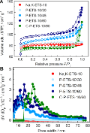


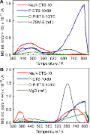
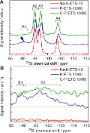

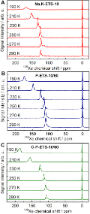


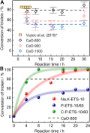
The influence of porosity on nanoparticle formation in hierarchical aluminophosphates
Beilstein J. Nanotechnol. 2019, 10, 1952–1957, doi:10.3762/bjnano.10.191
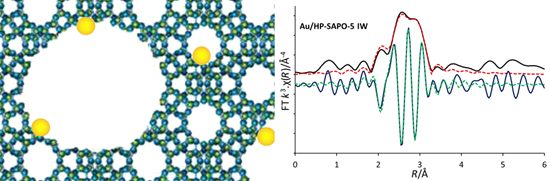
- porosity. Specifically, we compare three known methods for nanoparticle preparation, incipient wetness (IW), wet impregnation (WI) and ammonia evaporation (AE), on the typical microporous (MP-SAPO-5) and corresponding hierarchically porous system (HP-SAPO-5) [15][16]. MP-SAPO-5 was synthesised according to
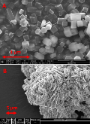
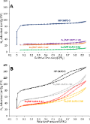
Upcycling of polyurethane waste by mechanochemistry: synthesis of N-doped porous carbon materials for supercapacitor applications
Beilstein J. Nanotechnol. 2019, 10, 1618–1627, doi:10.3762/bjnano.10.157
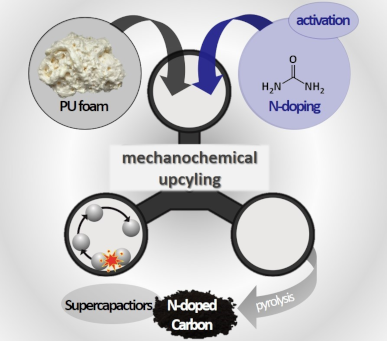
- to 670 m2·g−1 and to 0.27 cm3·g−1, while the nitrogen content increases to 6.3 wt % (Table 1). This observation is related to an intensified chemical activation process due to the high amount of urea and the formation of ammonia during the high-temperature treatment, leading to a higher consumption
- of carbon and its partial textural destruction. In addition to the formation of ammonia and the activation of the carbon, urea can form (NH4)2(CO3), which further decomposes to gaseous H2O, CO2 and NH3 and leads to additional porosity of the carbon. In order to attenuate the activation process, while


High-temperature resistive gas sensors based on ZnO/SiC nanocomposites
Beilstein J. Nanotechnol. 2019, 10, 1537–1547, doi:10.3762/bjnano.10.151
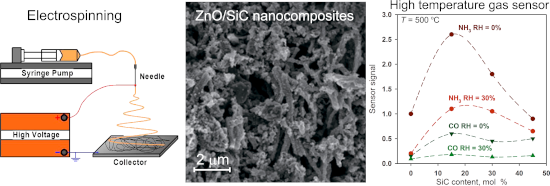
- semiconductor materials: where CO(gas), NH3(gas) are molecules of carbon monoxide and ammonia in the gas phase, is a particle of chemisorbed oxygen, e− is an electron released into the conduction band; CO2(gas), N2(gas), H2O(gas) are the molecules of the reaction products desorbed from the surface of the