Search results
Search for "biosensing" in Full Text gives 103 result(s) in Beilstein Journal of Nanotechnology.
Optimizing PMMA solutions to suppress contamination in the transfer of CVD graphene for batch production
Beilstein J. Nanotechnol. 2022, 13, 796–806, doi:10.3762/bjnano.13.70
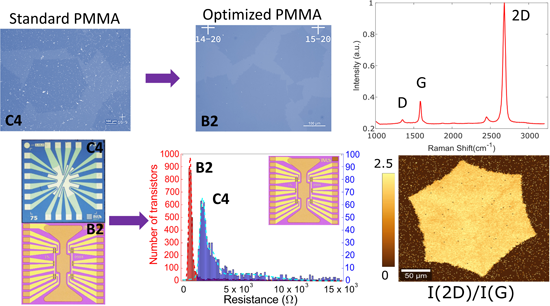
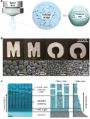
- process in the mass fabrication of arrays of receded-gate graphene field-effect transistors for biosensing applications. Results and Discussion We transferred graphene by using PMMA with two AMWs (15k and 550k), which were dissolved in anisole at two weight ratios (2 and 4 wt %). PMMA with 950,000 (950k




Recent advances in nanoarchitectures of monocrystalline coordination polymers through confined assembly
Beilstein J. Nanotechnol. 2022, 13, 763–777, doi:10.3762/bjnano.13.67
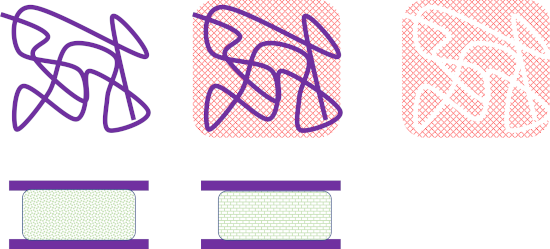
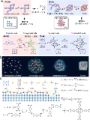
- harsher conditions, such as higher temperatures, and can be released as needed. This finding shows great potential in applications such as nanomedicine, biospecimen preservation, biosensing, and cell and virus manipulation. The related reports have been nicely summarized in a recent review (Figure 3) [105
- . This content is not subject to CC BY 4.0. Monocrystalline coordination polymers encapsulated with bioentities and their applications in nanomedicine, biospecimen preservation, biosensing, and cell and virus manipulation. Figure 3 was reproduced from [105] (© 2021 M. D. Velásquez-Hernández et al




A nonenzymatic reduced graphene oxide-based nanosensor for parathion
Beilstein J. Nanotechnol. 2022, 13, 730–744, doi:10.3762/bjnano.13.65
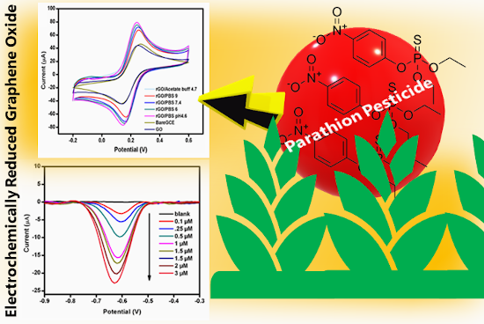
- nonenzymatic approach through electrochemical nanosensing which can also be used in other biosensing applications. Experimental Chemicals The chemicals used in this work are summarized in Supporting Information File 1, Table S1. Sodium dihydrogen phosphate was used to prepare phosphate buffer saline (pH 4.6


Detection and imaging of Hg(II) in vivo using glutathione-functionalized gold nanoparticles
Beilstein J. Nanotechnol. 2022, 13, 549–559, doi:10.3762/bjnano.13.46
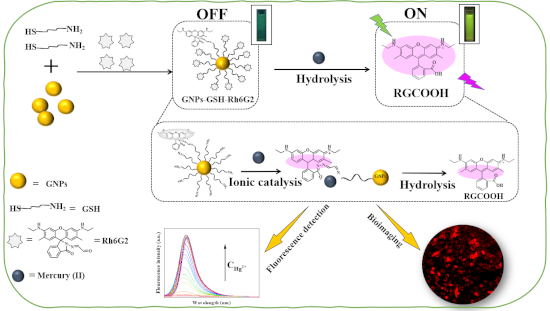
- incubated in HeLa cells. We expect that this new system based on the molecular regulation of functionalized GNPs can have potential applications in pollution monitoring, biosensing, and cellular imaging. Results and Discussion Synthesis and spectral signature of GNPs-GSH-Rh6G2 As shown in Figure 1a, 13 nm


Nanogenerator-based self-powered sensors for data collection
Beilstein J. Nanotechnol. 2021, 12, 680–693, doi:10.3762/bjnano.12.54
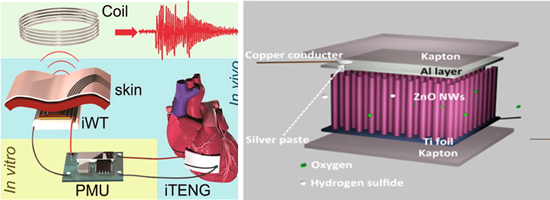
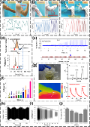
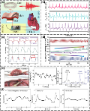
- ://creativecommons.org/licenses/by/4.0). (b) Implantable skin-like glucometer implanted in a mouse and the voltage output of the device under different blood glucose concentrations [31]. (c) The output voltage performance of sweat-evaporation-biosensing sensors in different concentrations of lactic acid [37]. Figure 4c
- ,d was adapted from [37], Nano Energy, vol. 59, by H. Guan, T. Zhong, H. He, T. Zhao, L. Xing, Y. Zhang, X. Xue, “A self-powered wearable sweat-evaporation-biosensing analyzer for building sports big data”, pages no. 754–761, Copyright (2019), with permission from Elsevier. (d) Real-time voltage
- output generated by the sweat-evaporation-biosensing sensor when three people are cycling [37]. (e) The FBFC converts glucose to produce DC output, the FNG produces AC output from the same periodic pressure, and the hybrid system output of FBFC and FNG in series [35]. Figure 4e,f was reproduced from [35



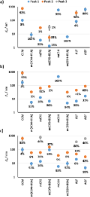
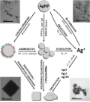
Fate and transformation of silver nanoparticles in different biological conditions
Beilstein J. Nanotechnol. 2021, 12, 665–679, doi:10.3762/bjnano.12.53
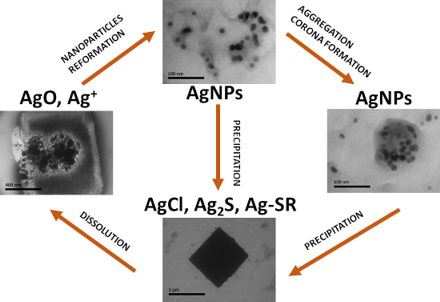
- diagnostics (biosensing, bioimaging) [2][3]. Such prevalence has raised concerns among the regulatory authorities about the safety of AgNPs for humans due to significant lack of relevant regulatory data. Thus, the Scientific Committee on Consumer Safety (SCCS) highlighted in its final Opinion on Colloidal




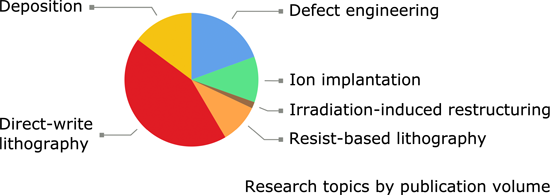
A review of defect engineering, ion implantation, and nanofabrication using the helium ion microscope
Beilstein J. Nanotechnol. 2021, 12, 633–664, doi:10.3762/bjnano.12.52


On the stability of microwave-fabricated SERS substrates – chemical and morphological considerations
Beilstein J. Nanotechnol. 2021, 12, 541–551, doi:10.3762/bjnano.12.44
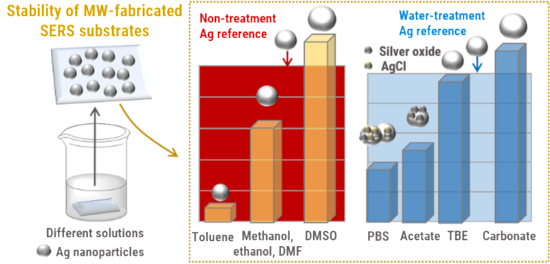
- in chemical and bioanalytical research [1][2]. Its application in chemistry, biosensing, materials science, engineering, and medical diagnostics was successfully introduced and can provide valuable information [1][2][3][4]. Since it was discovered in 1974 by Fleischmann et al. that the intensity of


Effect of different silica coatings on the toxicity of upconversion nanoparticles on RAW 264.7 macrophage cells
Beilstein J. Nanotechnol. 2021, 12, 35–48, doi:10.3762/bjnano.12.3
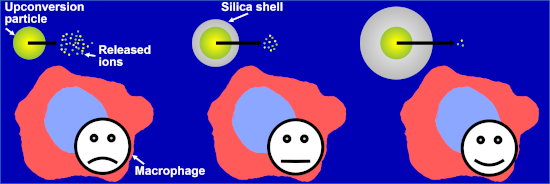
- chemical inertness and relatively low toxicity are also claimed advantages [7][10][11]. Due to these unique features, UCNPs have already been used in medical and biological applications, such as multimodal bioimaging, drug delivery, photodynamic therapy, and biosensing [9][12][13][14][15][16][17]. However


Soybean-derived blue photoluminescent carbon dots
Beilstein J. Nanotechnol. 2020, 11, 606–619, doi:10.3762/bjnano.11.48
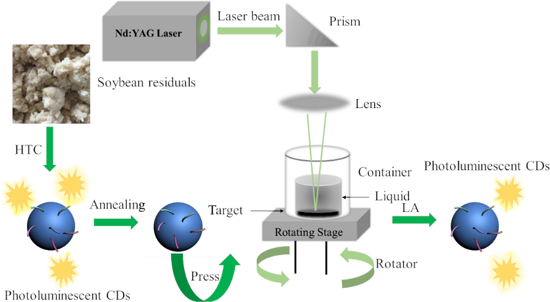
- Engineering and Environmental Engineering, Liaoning Shihua University, Fushun, Liaoning, 113001, China 10.3762/bjnano.11.48 Abstract Biomass-derived carbon dots (CDs) are biocompatible and have potential for a variety of applications, including bioimaging and biosensing. In this work, we use ground soybean
- wavelength [7], and low cost [8]. CDs have been considered as a group of important nanomaterials with potential applications in nanotechnology [9], electrocatalysis [10], metal-ion detection [2], thermal sensing [11], drug delivery [12], and biosensing and bioimaging [1]. Several methods are available for
- CDs in bioimaging and biosensing, we synthesize biocompatible CDs from soybean residuals using two strategies. The first strategy uses a one-step HTC process to produce CDs directly from the soybean residuals, and the second one uses multiple steps to produce CDs from the same soybean precursors


Luminescent gold nanoclusters for bioimaging applications
Beilstein J. Nanotechnol. 2020, 11, 533–546, doi:10.3762/bjnano.11.42
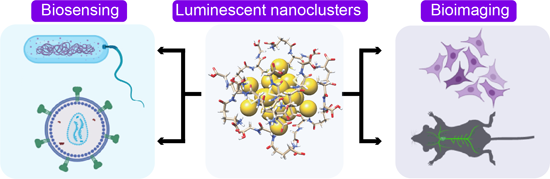
- optoelectronic properties make them suitable for bioimaging and biosensing applications. In this review, an overview of the sensing of pathogens, and of in vitro and in vivo bioimaging using luminescent gold nanoclusters along with the limitations with selected examples are discussed. Keywords: bioimaging
- ; biosensing; gold nanoclusters; immunoassay; luminescence; self-assembly; theranostics; Introduction Imaging methods play a central role in understanding the structural and functional biological processes of biomolecules, cells, tissues, organs, and even entire living organisms [1][2]. The importance of
- been previously summarized in several reports [54][78][79][80][81][82]. This review discusses an overview of the application of gold NCs in biosensing and bioimaging. Importantly, the sensing of pathogenic bacteria and viruses, in vitro imaging of cell lines and in vivo bioimaging using animal models


Multilayer capsules made of weak polyelectrolytes: a review on the preparation, functionalization and applications in drug delivery
Beilstein J. Nanotechnol. 2020, 11, 508–532, doi:10.3762/bjnano.11.41
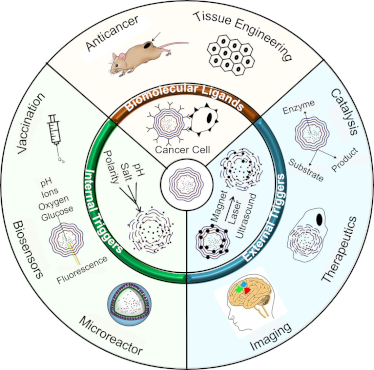
- /biopolymer systems in applications such as therapeutics, biosensing, bioimaging, bioreactors, vaccination, tissue engineering and gene delivery. This review gives an emerging outlook on the advantages and unique responsiveness of weak polyelectrolyte based systems that can enable their widespread use in



Using gold nanoparticles to detect single-nucleotide polymorphisms: toward liquid biopsy
Beilstein J. Nanotechnol. 2020, 11, 263–284, doi:10.3762/bjnano.11.20
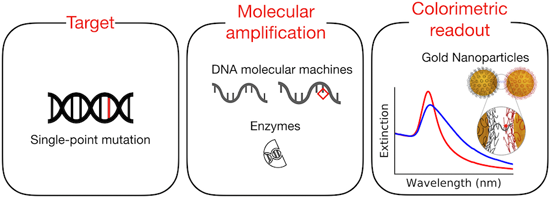
- cancer biomarker. We discuss the main mechanisms of the assays that either are assisted by DNA-based molecular machines or by enzymatic reactions, summarize their performance and provide an outlook towards future developments. Keywords: amplification reactions; biomarkers; colorimetric biosensing; gold
- times larger than their physical diameters) [59], and the lack of photobleaching (unlike organic fluorescent dyes and semiconductor nanocrystals) are additional parameters making plasmonic nanocrystals attractive materials for biosensing. Importantly, the position of the plasmon band and its bandwidth
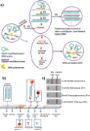
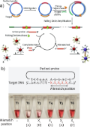
- amplification. Enzyme-free SNP discrimination using gold nanoparticles Although the first works on the selective aggregation of Au@DNA by complementary ssDNA offered a conceptual novelty in the field of biosensing, the simple aggregation of nanoparticles via complementary target DNA suffered from low detection




Molecular architectonics of DNA for functional nanoarchitectures
Beilstein J. Nanotechnol. 2020, 11, 124–140, doi:10.3762/bjnano.11.11
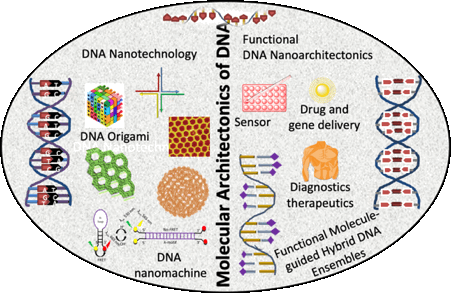
- as potential diagnostic or therapeutic (theranostic) nanoagents. Xu and co-workers demonstrated the derivation of a DNA tetrahedral electroluminescence (ECL) biosensor probe for a functional biosensing assay (Figure 3) [69]. The ECL biosensor platform was constructed based on a DNA tetrahedral


Multiwalled carbon nanotube based aromatic volatile organic compound sensor: sensitivity enhancement through 1-hexadecanethiol functionalisation
Beilstein J. Nanotechnol. 2019, 10, 2364–2373, doi:10.3762/bjnano.10.227
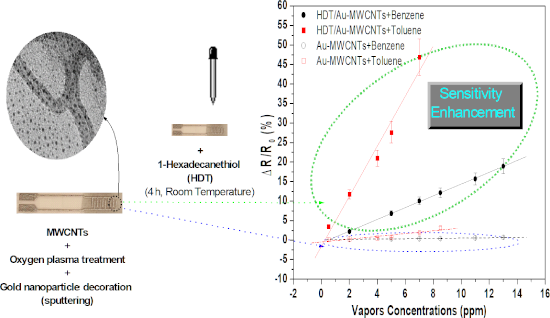
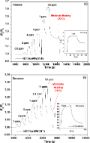
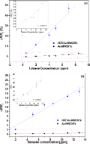
- pressing market need for sensitive, fast response, low power consumption and stable sensors. Benzene and toluene detection is subject to several potential applications such as air monitoring in chemical industries or even biosensing of human breath. In this work, we report the fabrication of a room




Use of data processing for rapid detection of the prostate-specific antigen biomarker using immunomagnetic sandwich-type sensors
Beilstein J. Nanotechnol. 2019, 10, 2171–2181, doi:10.3762/bjnano.10.210
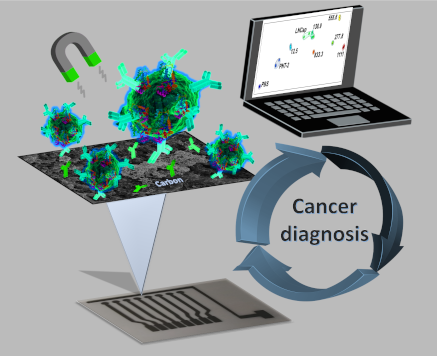
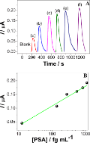
- and PEx-sensors can be found in [32]. This type of analysis provides a map for pattern recognition among samples. It has been applied to biosensing data, mainly with IDMAP, which includes an algorithm to minimize the global error through a pairwise error function [63]. Herein, we combined the


Nitrogen-vacancy centers in diamond for nanoscale magnetic resonance imaging applications
Beilstein J. Nanotechnol. 2019, 10, 2128–2151, doi:10.3762/bjnano.10.207
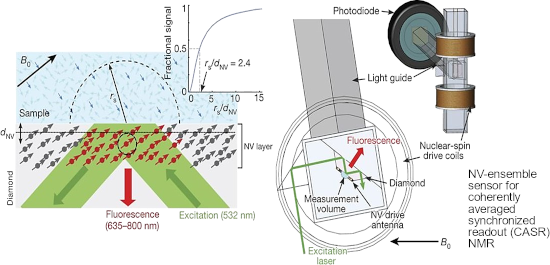
- applications, is given in [21], which includes details on biosensing, bioimaging and drug delivery as well as biocompatibility. The toxicity of diamond nanostructures is also discussed. Electron spin resonance (ESR) of the NVs themselves is exploited in [22] to achieve single-spin subwavelength resolution in


Porous silver-coated pNIPAM-co-AAc hydrogel nanocapsules
Beilstein J. Nanotechnol. 2019, 10, 1973–1982, doi:10.3762/bjnano.10.194
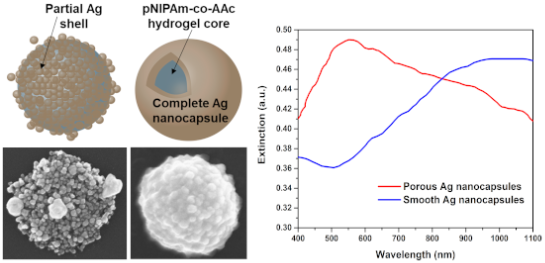
- delivery, biosensing, chemical separation, nanoscale reactors, and catalysis [31][32][33][34][35][36][37][38][39][40]. While these examples represent a vast array of potential applications using nanocapsules, one particularly interesting application involves the use of NIR-responsive metal nanoparticles to


A biomimetic nanofluidic diode based on surface-modified polymeric carbon nitride nanotubes
Beilstein J. Nanotechnol. 2019, 10, 1316–1323, doi:10.3762/bjnano.10.130
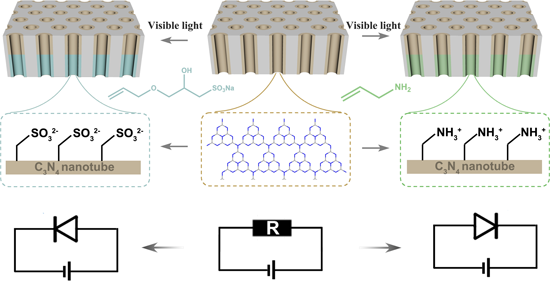
- Chemistry, Beihang University, 100191 Beijing, P.R. China 10.3762/bjnano.10.130 Abstract A controllable ion transport including ion selectivity and ion rectification across nanochannels or porous membranes is of great importance because of potential applications ranging from biosensing to energy conversion


Multicomponent bionanocomposites based on clay nanoarchitectures for electrochemical devices
Beilstein J. Nanotechnol. 2019, 10, 1303–1315, doi:10.3762/bjnano.10.129
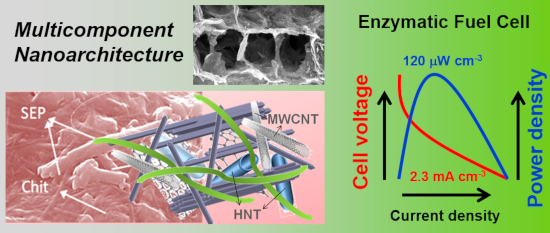
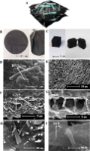
- ][33][34]. This type of hybrid material offers the advantage of a large interface improving the contact efficiency between the entrapped active molecules and the external environment allowing for the development of promising devices for biosensing [35][36] and enzymatic biofuel cells (EBCs) [37][38
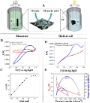
- analyzer) was carried out to estimate the amount of GOx loaded into the HNTs. Biosensing test Cyclic voltammetry (CV) was performed with a standard three-electrode electrochemical cell connected to a Solartron 1480 MultiStat potentiostat. A platinum wire was used as a counter electrode and Ag|AgCl (soaked
- in 1.0 M KCl) was used as a reference electrode. In the biosensing tests, the working electrode was a film of 30 × 5 mm × 0.014 (3.49 mg, containing 0.028 mg of immobilized GOx) immersed in a potassium ferricyanide solution (0.2 mM) as mediator containing 0.1 M of phosphate buffered solution (pH 7



Experimental study of an evanescent-field biosensor based on 1D photonic bandgap structures
Beilstein J. Nanotechnol. 2019, 10, 967–974, doi:10.3762/bjnano.10.97
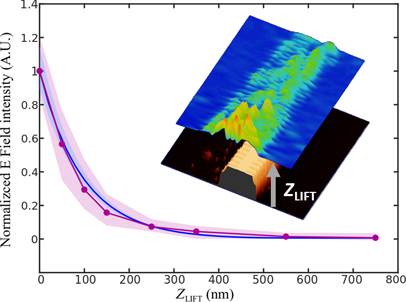
- , biofunctionalization is a key step for providing a label-free biosensing device able to analyze a chemical or a biological sample without requiring any pre-treatment (as for example labeling). Since the operation of photonic biosensors based on evanescent waves relies on the interaction between the target analytes and
- the immobilization density by fluorescence microarray measurements, densities corresponding to a close-packed monolayer of the half-antibodies were obtained with standard deviation of 8% indicating a good reproducibility of the immobilization method [13]. Biosensing experiment Figure 7 shows the
- results obtained for one of the groups of PBG sensing structures in the biosensing experiments carried out. After an initial flow of PBS-T buffer (phosphate buffered saline + 0.01% Tween 20) over a period of 10 min to establish the baseline, BSA 1 µg/mL in PBS-T was flowed over the biofunctionalized PBG


On the transformation of “zincone”-like into porous ZnO thin films from sub-saturated plasma enhanced atomic layer deposition
Beilstein J. Nanotechnol. 2019, 10, 746–759, doi:10.3762/bjnano.10.74
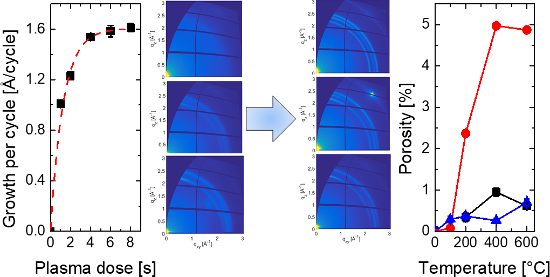
- orientation. The insight obtained in this study could foster further research on Zn-alkoxide-derived porous ZnO, with important applications, e.g., in photocatalysis and biosensing. a) Growth per cycle (GPC) as a function of the plasma dose time. The saturation of the PE-ALD ZnO recipe was reached at 6 s of


Commercial polycarbonate track-etched membranes as substrates for low-cost optical sensors
Beilstein J. Nanotechnol. 2019, 10, 677–683, doi:10.3762/bjnano.10.67
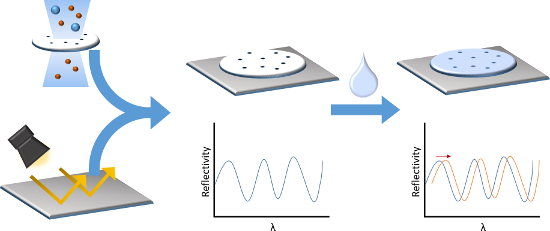
- recognition to happen inside the structure, the whole optical field interacts with the target substances. Furthermore, as the porous structure implies an increase in the surface-to-volume ratio, more receptors and, consequently, more analytes bind to the surface in biosensing applications. This allows the


Advanced scanning probe lithography using anatase-to-rutile transition to create localized TiO2 nanorods
Beilstein J. Nanotechnol. 2019, 10, 412–418, doi:10.3762/bjnano.10.40
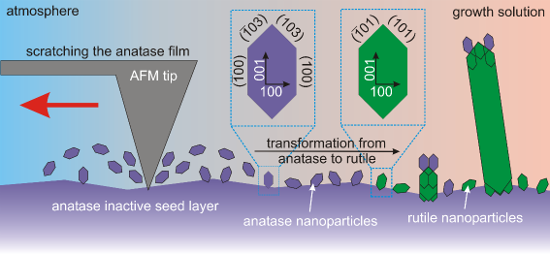
- optoelectronic characteristics. The fabrication of nanostructured TiO2 is inexpensive and hence employed in many applications such as photodetectors [2], photovoltaics [3][4][5][6], photocatalysis [7][8][9][10][11], surficial disinfection [12], biosensing [13], gas sensing [14][15][16], dewetting [17][18][19


Biocompatible organic–inorganic hybrid materials based on nucleobases and titanium developed by molecular layer deposition
Beilstein J. Nanotechnol. 2019, 10, 399–411, doi:10.3762/bjnano.10.39
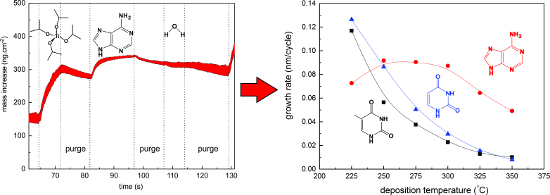
- and therapy, and probes for biosensing [1]. Nucleobases are constituents of DNA and RNA and can interact with different metals to form several molecular assemblies [2][3]. In the 1960s, a powerful antitumor agent named cisplatin (cis-[Pt(NH3)2Cl2]) was discovered by Rosenberg [4]. Later it was