


Search results
Search for "catalysts" in Full Text gives 315 result(s) in Beilstein Journal of Nanotechnology. Showing first 200.
Polyurethane/silk fibroin-based electrospun membranes for wound healing and skin substitute applications
Beilstein J. Nanotechnol. 2025, 16, 591–612, doi:10.3762/bjnano.16.46
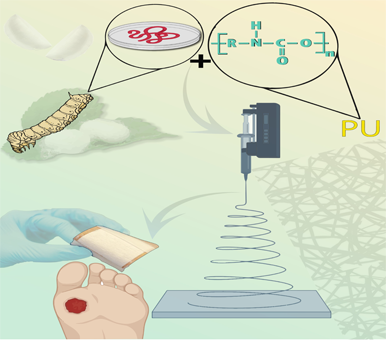
- , cycloaliphatic, aromatic, or polycyclic. Compared to aliphatic isocyanates, aromatic isocyanates are more reactive and used in the preparation of rigid PU [121][122]. Short-chain diols are generally used as chain extenders, and they affect the properties of hard segments [123]. Sometimes, catalysts are also used





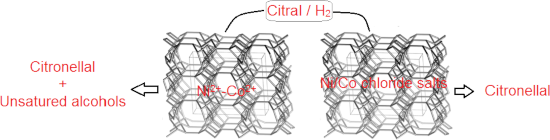
Zeolite materials with Ni and Co: synthesis and catalytic potential in the selective hydrogenation of citral
Beilstein J. Nanotechnol. 2025, 16, 520–529, doi:10.3762/bjnano.16.40
- metallic species for various applications, leading to the invention of new functional materials for sustainable development, such as catalysts [1][2][3]. Among the various methods used to modify zeolites, ion exchange is the most widely employed. Different ion exchange methods are known, such as ion
- systems enables the creation of materials with enhanced properties compared to monocationic zeolites, which is crucial for the development of advanced catalysts and other materials [7][8][9][10]. Natural zeolites attract significant attention because of their abundance, low cost, non-toxic nature, and
- other valuable physical and chemical properties. Modifying these materials with inexpensive metals leads to low-cost catalysts for various different processes. The selective hydrogenation of α,β-unsaturated aldehydes, such as citral, to unsaturated alcohols is a crucial reaction for producing fine


Impact of adsorbate–substrate interaction on nanostructured thin films growth during low-pressure condensation
Beilstein J. Nanotechnol. 2025, 16, 473–483, doi:10.3762/bjnano.16.36

- ], sensors [5], and catalysts [6][7][8]. Nanostructured thin films grown via low-pressure deposition methods have garnered significant attention because of their diverse applications in electronics, optics, catalysis, and sensors [9]. The ability to precisely control properties such as morphology


Effect of additives on the synthesis efficiency of nanoparticles by laser-induced reduction
Beilstein J. Nanotechnol. 2025, 16, 464–472, doi:10.3762/bjnano.16.35
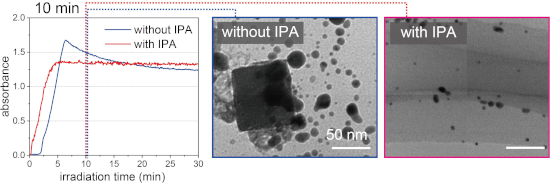
- including electrode materials [1], conductive pastes [2][3], catalysts [4][5], sensors [6][7][8], and drug delivery systems [9]. The chemical reduction [10] and the solvothermal methods [11][12] are well known for synthesizing nanoparticles in large quantities at low cost, but these methods require the use


Size control of nanoparticles synthesized by pulsed laser ablation in liquids using donut-shaped beams
Beilstein J. Nanotechnol. 2025, 16, 407–417, doi:10.3762/bjnano.16.31
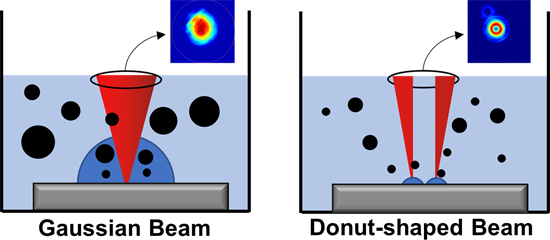
- precise compositional control such as metastable binary core–shell NPs [16] and quinary Cantor high-entropy alloy NPs [17][18]. Such high-entropy nanomaterials are recently being discussed as game changers, providing disruptive design opportunities in multifunctional catalysts or magnetic materials [19


ReactorAFM/STM – dynamic reactions on surfaces at elevated temperature and atmospheric pressure
Beilstein J. Nanotechnol. 2025, 16, 397–406, doi:10.3762/bjnano.16.30
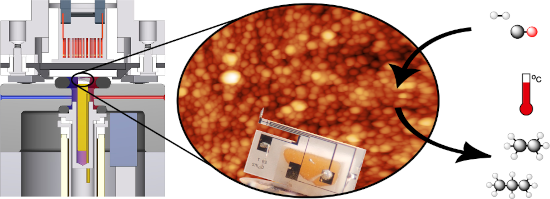
- cobalt nanoparticle catalysts on an aluminum oxide support, industrially relevant in the Fischer–Tropsch synthesis. The catalysts are imaged before and after reaction at 430 K as the current maximum temperature of the qPlus sensor used falls just below the reaction temperature. Quadrupole mass
- in counts while between 490 and 550 K. The added ability to scan various surfaces with combined AFM/STM while monitoring the reaction products demonstrates the versatility offered by the ReactorAFM/STM to study catalysts under realistic industrial conditions. Keywords: combined AFM/STM; conductive
- AFM; model catalysts; nc-AFM; operando catalysis; qPlus tuning fork sensor; Introduction Operando catalysis is the field of research that monitors the structure, composition, and morphology of a catalyst while simultaneously investigating its activity, reactivity, and selectivity under industrially


Pulsed laser in liquid grafting of gold nanoparticle–carbon support composites
Beilstein J. Nanotechnol. 2025, 16, 349–361, doi:10.3762/bjnano.16.26
- -term stability. A widely used ionomer binder is Nafion, which is highly acidic [11] and can corrode earth-abundant catalysts that are not acid-stable [12]. Ionomer binders can additionally lead to undesired side reactions, thus reducing the energy efficiency for the desired transformation [13
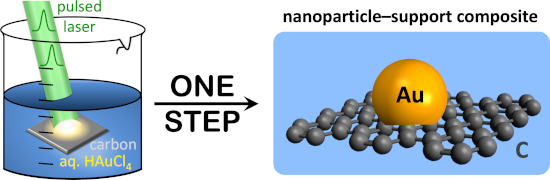
- unattached catalyst material, which is especially problematic with precious catalysts. Overall, separate nanoparticle synthesis–attachment produces composites with adhesion, durability, electrical contact, and concomitant energy efficiency issues. Here, we report a new one-step pulsed laser grafting process
- evaluation of the bicarbonate mass activity because larger gold nanoparticles have been found to be inferior reduction catalysts [69], especially gold nanoparticles larger than 10 nm [70]. Hence, we err on the side of underestimating the benefits of pulsed laser grafting for gold nanoparticle–carbon fiber


Emerging strategies in the sustainable removal of antibiotics using semiconductor-based photocatalysts
Beilstein J. Nanotechnol. 2025, 16, 264–285, doi:10.3762/bjnano.16.21
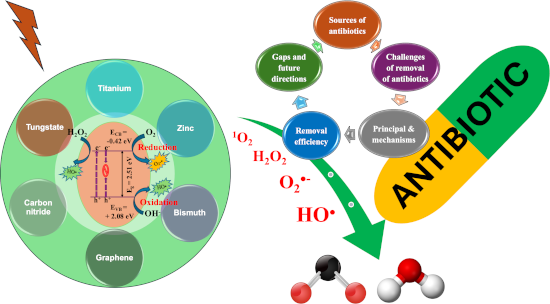
- highly effective in degrading high-strength organic and refractory chemicals [26]. Photocatalyst-based AOPs represent a promising strategy for eliminating antibiotics from polluted water, providing several advantages over other oxidation techniques. By utilizing light energy to activate catalysts, these
- inactive/active support-immobilized TMOs as the third generation, while the fourth generation refers to ternary/quaternary compositions. The first two generations represent suspended catalysts, the third generation is supported catalysts, and the fourth generation can be suspended or supported. Generally
- accomplished the separation with success, greatly enhancing the efficiency of the catalysts and their potential to be reused, while also decreasing the overall cost of synthesis. The construction of the α-Fe2O3@TiO2 photocatalyst resulted in a higher efficiency in removing the antibiotic cefixime (CFX) than



Preferential enrichment and extraction of laser-synthesized nanoparticles in organic phases
Beilstein J. Nanotechnol. 2025, 16, 254–263, doi:10.3762/bjnano.16.20
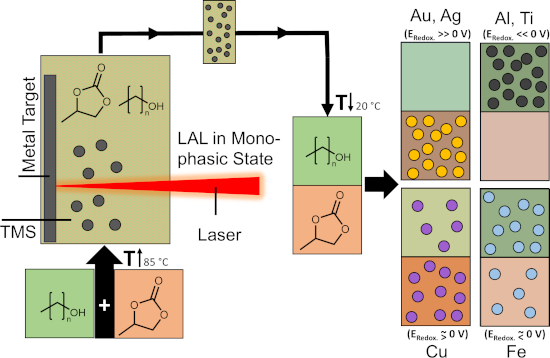
- Chemical Engineering, Laboratory for Industrial Chemistry, TU Dortmund University, Emil-Figge-Str. 66, 44227 Dortmund, Germany 10.3762/bjnano.16.20 Abstract Pulsed laser ablation in liquids (LAL) is an established preparation method of nanoparticles and catalysts, which additionally allows to chemically
- synthesize heterogeneous catalysts by deposition of nanoparticles, the specific nanoparticle solubility, and eventually also the colloidal stability of the individual nanoparticles, in different solvents is required [47][48]. If the colloid does not possess required properties such as colloidal stability




Clays enhanced with niobium: potential in wastewater treatment and reuse as pigment with antibacterial activity
Beilstein J. Nanotechnol. 2025, 16, 141–154, doi:10.3762/bjnano.16.13
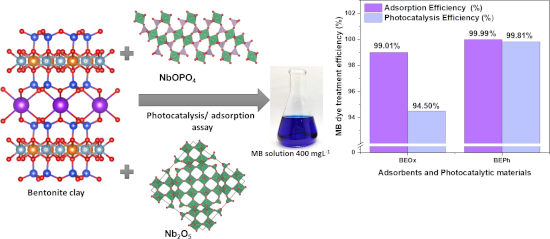
- photocatalysis is a cost-effective alternative to biological treatment methods for purifying polluted water [8]. Using semiconductors as heterogeneous catalysts proves to be more efficient than traditional methods, as the photocatalytic process gradually decomposes contaminating molecules without generating
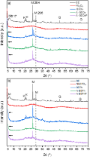
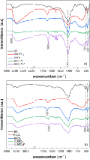
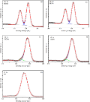
- designate the modification with NbOPO4 and Nb2O5, respectively. Photocatalytic tests were performed using 100 mL of an MB solution at a concentration of 400 mg·L−1. This experiment used 250 mg of the BEPh and BEOx samples as catalysts. The experimental setup system included a thermostatic Pyrex glass


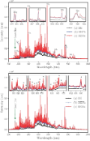
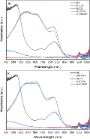

TiO2 immobilized on 2D mordenite: effect of hydrolysis conditions on structural, textural, and optical characteristics of the nanocomposites
Beilstein J. Nanotechnol. 2025, 16, 128–140, doi:10.3762/bjnano.16.12
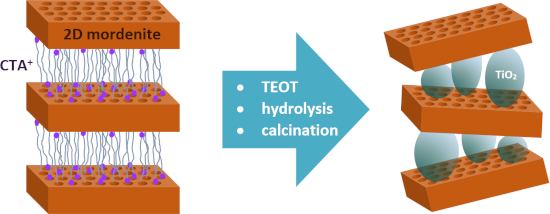
- hydrolysis medium. Keywords: 2D zeolite; hierarchical porosity; mordenite; TEOT; TiO2; titanium tetraethoxide; Introduction Zeolites are important heterogeneous catalysts in various industrial processes. More and more functional materials based on zeolites are being searched for, including zeolites with
- distance and, hence, the mesopore size, but also the aluminum distribution and acidic properties of the obtained material, which are key parameters for catalysts [5][7][8][9][10]. One widely used component for the synthesis of 2D zeolites is CTAB [5][9][11][12][13]. To prepare mesoporous materials from
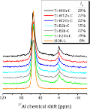
- . Despite the still large bandgap, the immobilization of TiO2 on the zeolite matrix, combined with the mesopore structure important for high mass transfer properties, suggests that these materials may be promising catalysts under flow conditions. However, it is necessary to further search for parameters to



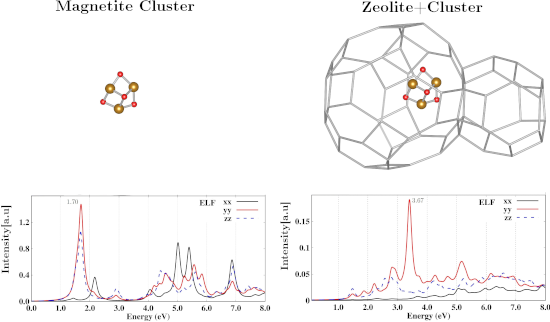
Theoretical study of the electronic and optical properties of a composite formed by the zeolite NaA and a magnetite cluster
Beilstein J. Nanotechnol. 2025, 16, 44–53, doi:10.3762/bjnano.16.5
- example, the active centers of the most efficient heterogeneous catalysts commonly fall within this range [23][24][25][26]. The challenge lies in the fact that, because of their pronounced tendency to aggregate, these materials must be deposited with a high level of dispersion to achieve the desired
- ][40] in bodies of water, addressing a pressing environmental concern. Also, iron-modified zeolites have shown variations in both electric and magnetic properties that allow one to generate catalysts based on zeolites [41]. Among these types of composites consisting of zeolites modified with magnetic




Facile synthesis of size-tunable L-carnosine-capped silver nanoparticles and their role in metal ion sensing and catalytic degradation of p-nitrophenol
Beilstein J. Nanotechnol. 2024, 15, 1576–1592, doi:10.3762/bjnano.15.124
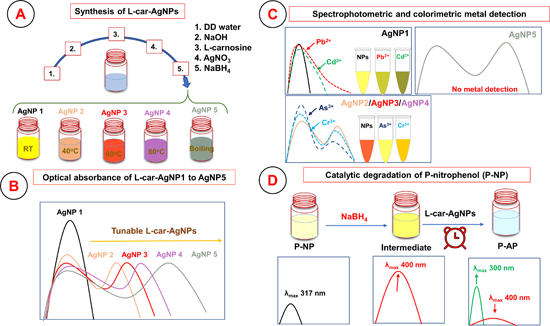
- -effective catalysts for the degradation of nitroaromatic compounds, which are prevalent in industrial effluents and pose significant environmental risks. Conclusion Silver nanoparticles with tunable absorption bands were synthesized for the first time using ʟ-carnosine as a capping agent. This novel
- efficient catalysts for the degradation of nitroaromatic compounds. The selectivity regarding metal ions based on the nanoparticle size demonstrates the potential for developing tailored sensors for specific applications. The catalytic activity of the nanoparticles in the degradation of p-nitrophenol
- highlights their potential as cost-effective and environmentally friendly catalysts for the remediation of industrial effluents. Future studies will focus on optimizing these nanoparticles for broader applications and understanding their interaction mechanisms at the molecular level. Schematic representation




Nanoarchitectonics with cetrimonium bromide on metal nanoparticles for linker-free detection of toxic metal ions and catalytic degradation of 4-nitrophenol
Beilstein J. Nanotechnol. 2024, 15, 1312–1332, doi:10.3762/bjnano.15.106
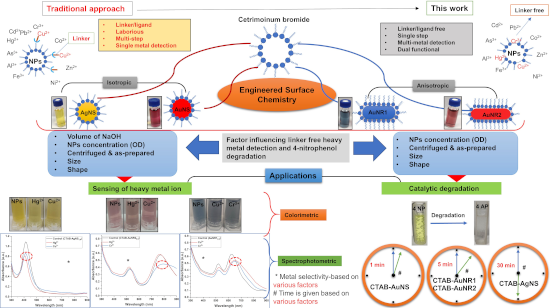
- laborious and requires precious metals such as palladium and platinum as catalysts [20]. Colorimetric detection methods have attracted attention because of their advantages, including simplicity, sensitivity, visualization, and real-time detection, while other methods often require expensive instrumentation




Mn-doped ZnO nanopowders prepared by sol–gel and microwave-assisted sol–gel methods and their photocatalytic properties
Beilstein J. Nanotechnol. 2024, 15, 1283–1296, doi:10.3762/bjnano.15.104
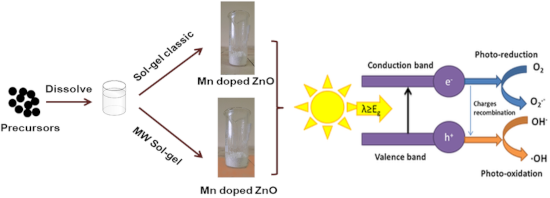
- generated CO2 were measured for both catalysts. These inexpensive semiconductor materials, which proved to be light-responsive, can be further used for developing water depollution technologies based on solar light energy. Keywords: microwave-assisted synthesis; oxalic acid mineralization; semiconductor
- usually involved in the photodegradation of organic compounds in aqueous media as previously reported [54]. The generation of hydroxyl radicals (·OH) by SG and MW catalysts under simulated solar light irradiation (AM1.5) was determined from the PL emission at 451 nm assigned to the presence of a
- investigated samples. The ability of SG and MW catalysts to generate superoxide anions (O2−) under simulated solar light irradiation is shown in Figure 12. This was spectroscopically monitored taking into account the intensity of the characteristic peak of formazan (485 nm). This compound results from the


Enhanced catalytic reduction through in situ synthesized gold nanoparticles embedded in glucosamine/alginate nanocomposites
Beilstein J. Nanotechnol. 2024, 15, 1227–1237, doi:10.3762/bjnano.15.99
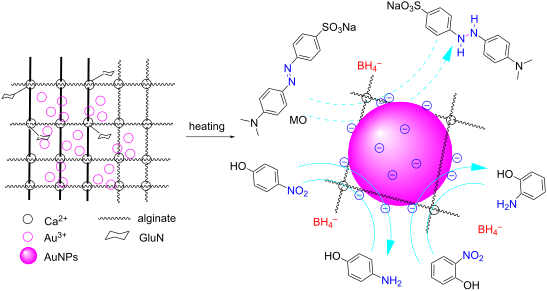
- challenge has spurred extensive research into various remediation methods. Recently, there has been growing interest in catalytic degradation using oxidizing agents such as H2O2 and iron in Fenton reactions [26], as well as reducing agents such as NaBH4 with nanometal catalysts. Additionally, the reduction
- cycle, with 70% and 80% retention, respectively. These findings underscore the effectiveness of AuNPs@GluN/Alg in facilitating the recyclable reduction of 2-NiP. A comparison of MNPs–alginate-based catalysts shows that the AuNPs@GluN/Alg nanocatalyst significantly enhanced catalytic performance in the



Photocatalytic methane oxidation over a TiO2/SiNWs p–n junction catalyst at room temperature
Beilstein J. Nanotechnol. 2024, 15, 1132–1141, doi:10.3762/bjnano.15.92
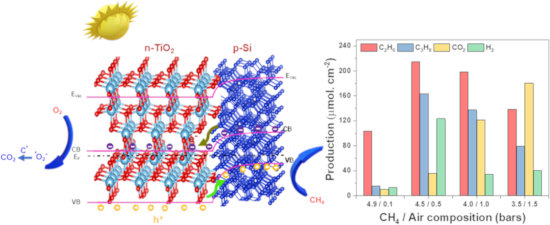
- configuration advantages [34][35][36]. However, the wetness impregnation synthesis of those powder co-catalysts faces the issues of low surface area, low reproducibility, and difficult control of large-scale production. Therefore, the development of novel catalysts with unique morphologies by using precise
- crucial in photogenerated charge separation and adsorption enhancement under UV–vis light. In other words, the ethane productivity of TiO2/Si NWs was five times higher (210 µmol/cm2) than that of pure p-Si NWs (20 µmol/cm2) and glass/TiO2 (30 µmol/cm2). Photocatalytic OCM over TiO2/Si NWs catalysts was


Interface properties of nanostructured carbon-coated biological implants: an overview
Beilstein J. Nanotechnol. 2024, 15, 1041–1053, doi:10.3762/bjnano.15.85
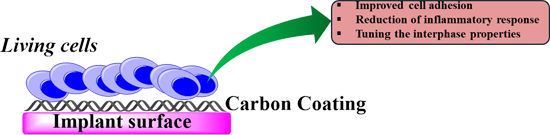
- is strictly related to the desired carbon nanomaterials. Metal catalysts with high carbon solubility primarily involve carbon segregation and precipitation throughout the metal bulk [84], while metal catalysts with low carbon solubility act from the metal surface inward [63]. PVD routes are numerous



Intermixing of MoS2 and WS2 photocatalysts toward methylene blue photodegradation
Beilstein J. Nanotechnol. 2024, 15, 817–829, doi:10.3762/bjnano.15.68
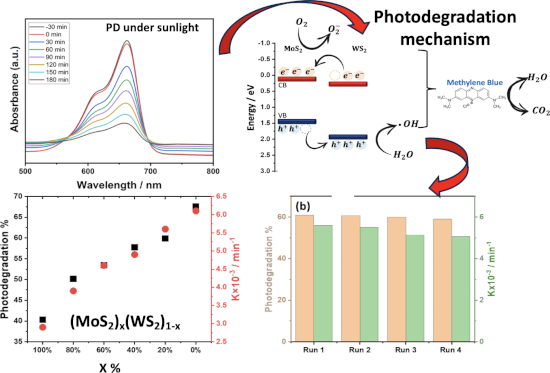
- cocatalysts. Their catalytic properties can be tailored based on their crystal structure, their surface area, and their morphology [12][13]. When TMD catalysts are intermixed, they form semiconductor–semiconductor junctions, enhancing their photocatalytic properties by promoting charge separation and electron
- oxidative polymerization achieved a photodegradation efficiency of 96.15% in 180 min by using 100 mg of the catalyst to degrade 5 mg/L of MB [25]. Nevertheless, most of the reported studies concerned the use of complex heterostructure-based devices and a very high quantity of catalysts, which is not
- caused by the absorption of MB by WS2 [37]. However, upon exposure to light excitation, a considerably greater PD of MB has occurred. As shown in Figure 6c (red dots), there is no direct photolysis of MB, which indicates that the degradation is mainly induced by the presence of MoS2 or WS2 catalysts. For


Green synthesis of biomass-derived carbon quantum dots for photocatalytic degradation of methylene blue
Beilstein J. Nanotechnol. 2024, 15, 755–766, doi:10.3762/bjnano.15.63
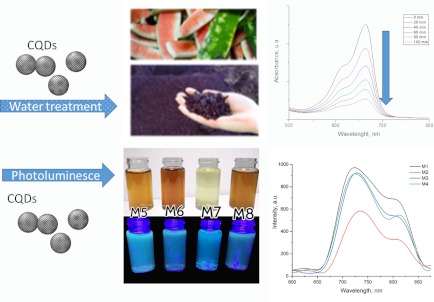
- quantum dots (CQDs) through a hydrothermal method using biomass from watermelon peels and grape pomace. This method is chosen for its ease of production, low cost, and scalability. We aim to evaluate the potential of CQDs as catalysts in the photocatalytic degradation of methylene blue (MB) dye in
- industrial wastewater. Photocatalysis is an environmentally friendly water purification method that uses light-activated catalysts to destroy contaminants, offering an advantage over traditional methods that merely transfer contaminants between phases [17][18][19]. While some studies on CQDs involve costly
- precursors, this research aims to develop a more sustainable and cost-effective approach for producing CQDs as catalysts in the photocatalysis process. Utilizing watermelon peels and grape pomace as raw materials contributes to waste valorization and promotes a circular economy concept. The ultimate goal is


Elastic modulus of β-Ga2O3 nanowires measured by resonance and three-point bending techniques
Beilstein J. Nanotechnol. 2024, 15, 704–712, doi:10.3762/bjnano.15.58
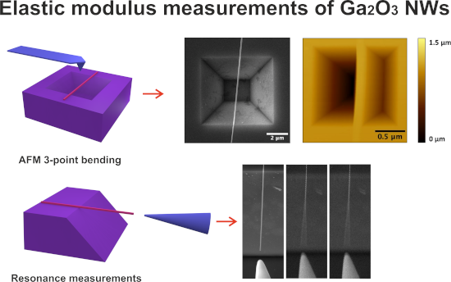
- with Au nanoparticles (NPs, 100 nm of diameter, water suspension, Alfa Aesar) were positioned in a lower-temperature region 10 cm away from the furnace centre. Au NPs served as catalysts for the vapour–liquid–solid (VLS) growth mechanism. The reactor was heated to 1010 °C (high-temperature zone) under


Laser synthesis of nanoparticles in organic solvents – products, reactions, and perspectives
Beilstein J. Nanotechnol. 2024, 15, 638–663, doi:10.3762/bjnano.15.54
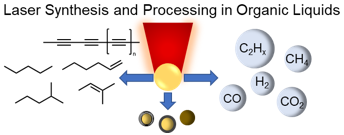
- 23284, USA 10.3762/bjnano.15.54 Abstract Laser synthesis and processing of colloids (LSPC) is an established method for producing functional and durable nanomaterials and catalysts in virtually any liquid of choice. While the redox reactions during laser synthesis in water are fairly well understood




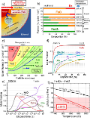

Photocatalytic degradation of methylene blue under visible light by cobalt ferrite nanoparticles/graphene quantum dots
Beilstein J. Nanotechnol. 2024, 15, 475–489, doi:10.3762/bjnano.15.43
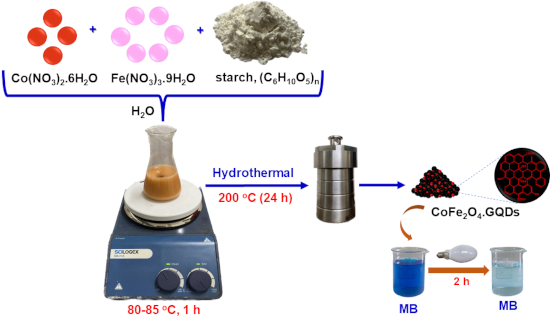
- CF/GQDs samples as catalysts. The decolourisation occurs in two steps. First, the catalyst was mixed with the MB solution in the dark for 60 min to ensure the adsorption/desorption equilibrium; second, the lamp was turned on to irradiate the MB solution under mechanical stirring. It is found that the
- bands at 246 and 292 nm corresponding to aromatic rings (π–π* electron transition). The colour intensity of the MB solution decreases only slightly in the absence of catalysts (0 to 10 h), indicating that MB is stable and exhibits weak self-degradation under incident radiation. However, when CF/GQDs-200
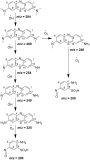
- , oxalates, and sulfates, Scheme 1). Finally, MB could be mineralized to CO2, H2O, and [38]. In order to check the stability of the materials, the prepared CF/GQDs-200 catalysts were reused in three cycles (Figure 9b). After each run, the catalyst was separated with an external magnetic field. It was found




Modification of graphene oxide and its effect on properties of natural rubber/graphene oxide nanocomposites
Beilstein J. Nanotechnol. 2024, 15, 168–179, doi:10.3762/bjnano.15.16
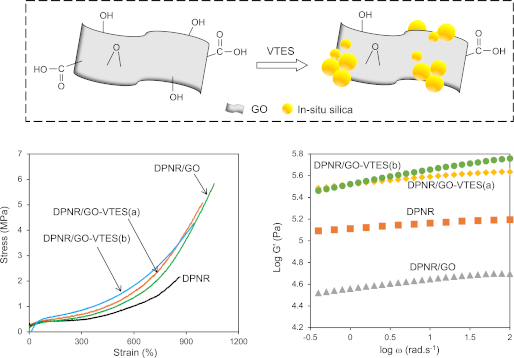
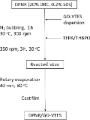
- by the addition of concentrated HCl (1 mL) or NH4OH (1.5 mL) as catalysts. When using HCl, the mixture was stirred for 2 h under a temperature of 75 °C. Conversely, when NH4OH was used, the mixture was stirred at 40 °C for 4 h. The solid mixture, obtained after centrifugation, was rinsed and filtered
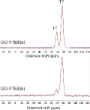
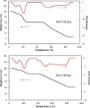
- XRD patterns for GO and silanized GO using acid and base catalysts. The sharp peak at 2θ = 11° is a diffraction pattern for GO [33]. This peak is evidence of the exfoliation of the GO sheet synthesized by the modified Hummers’ method. After modification with VTES, two diffracting patterns appeared in






Influence of conductive carbon and MnCo2O4 on morphological and electrical properties of hydrogels for electrochemical energy conversion
Beilstein J. Nanotechnol. 2024, 15, 57–70, doi:10.3762/bjnano.15.6
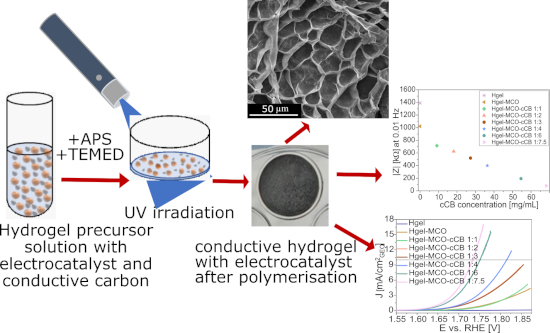
- )porphyrin hydrogel) and PPy/FeTCPP/Co catalyst at 10 mA/cm2 current density, and in 0.1 M KOH, were 1.74 and 1.61 versus RHE, respectively (the catalyst loading equals to 0.3 mg/cm2) [55]. The analysis of , , and hydrogel catalysts in 1 M KOH for the OER process showed that the overpotential at a current





