Search results
Search for "hydrogels" in Full Text gives 73 result(s) in Beilstein Journal of Nanotechnology.
Cyclodextrins as eminent constituents in nanoarchitectonics for drug delivery systems
Beilstein J. Nanotechnol. 2023, 14, 218–232, doi:10.3762/bjnano.14.21
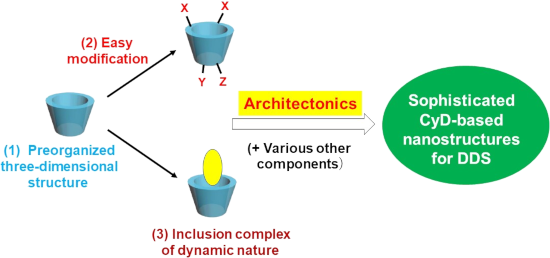
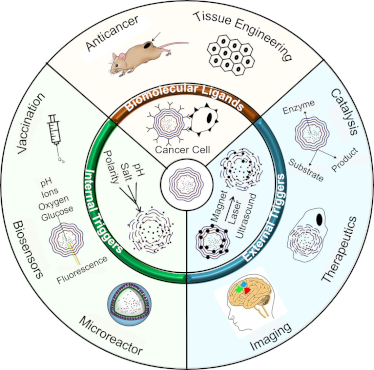
- example, hydrogels and nanoparticles [38][39][40][41][42][43][44][45][46]. More recently, however, precisely designed CyD-based nanoarchitectures are primarily considered since more sophisticated and complicated functions are designable and accomplishable (Figure 1). The construction of sophisticated
- cellulose chains were functionalized with β-CyD, and hydrogels were prepared by adding connector molecules bearing two arylazopyrazole groups at the ends [53]. Without photoirradiation, the arylazopyrazoles are stably accommodated in the cavities of β-CyD groups, and thus the gel is well crosslinked and
- inclusion complexes with β-CyD. Figure 2 was reproduced from [50] (“Supramolecular hydrogels constructed by red-light-responsive host–guest interactions for photo-controlled protein release in deep tissue“ by D. Wang et al., © The Royal Society of Chemistry 2015, distributed under the terms of the Creative




Frequency-dependent nanomechanical profiling for medical diagnosis
Beilstein J. Nanotechnol. 2022, 13, 1483–1489, doi:10.3762/bjnano.13.122
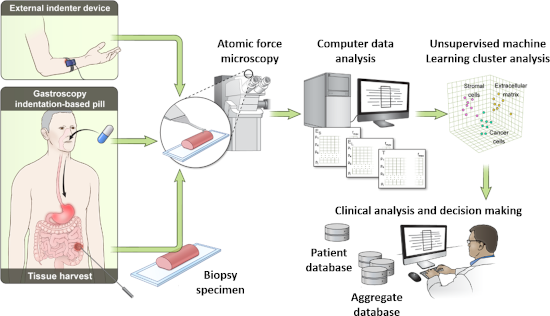
- . Similar considerations exist for the development of soft wearable sensors or hydrogels for wound healing or drug delivery, among others. In all cases, it is of prime importance to create project teams with the appropriate make-up of expertise and within a well-designed strategy, such that ideas can be


Biomimetic chitosan with biocomposite nanomaterials for bone tissue repair and regeneration
Beilstein J. Nanotechnol. 2022, 13, 1051–1067, doi:10.3762/bjnano.13.92
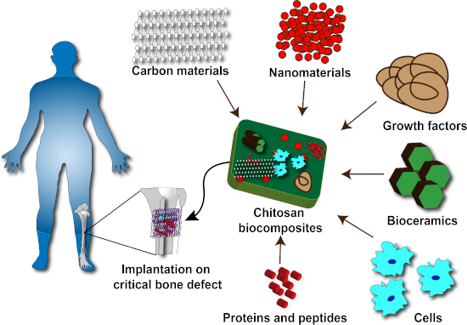
- related to β-catenin signalling for the osteogenic process was confirmed by Western blot analysis [67]. Chitosan–copper nanocomposites Several research discoveries have proven the osteogenic properties of copper nanoparticles (CuNPs). Injectable hydrogels comprising copper with bioactive nanoparticles
- fabrication of scaffolds for cartilage tissue engineering applications. The 2 cm × 2 cm PLGA electrospun nanofibers were prepared by electrospinning which incorporated those with hydroxybutyl chitosan hydrogels. The polycaprolactone scaffold was 3D printed and reinforced with hydrogel scaffolds to mimic the
Bioselectivity of silk protein-based materials and their bio-inspired applications
Beilstein J. Nanotechnol. 2022, 13, 902–921, doi:10.3762/bjnano.13.81
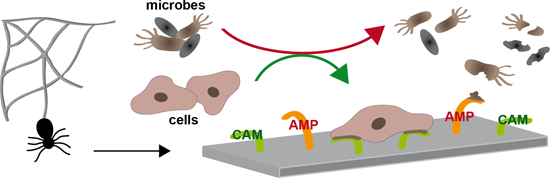
- /nanohydroxyapatite composite hydrogels have been studied regarding bone tissue engineering [124]. Spider silk has also been widely used as a multifunctional material for fishing nets, wound coverings, and sutures for surgery for centuries in Australasia and Greece [108]. Since then, it came in focus of researchers
- coatings, recombinant spider silk proteins based on eADF4 can be processed into 3D scaffolds, such as foams or hydrogels due to their self-assembly properties [169][171][172][173][174]. Balb 3T3 fibroblasts adhered to porous foams made of eADF4(C16)-RGD and showed spreading and cell elongation along the
- hydrogels, while they could not attach to unmodified eADF4(C16) hydrogels [174]. A previously published in vivo study of an arteriovenous loop model in rats showed that RGD-functionalized spider silk hydrogels significantly enhanced angiogenesis by forming new blood vessels compared to unmodified eADF4(C16


Effects of substrate stiffness on the viscoelasticity and migration of prostate cancer cells examined by atomic force microscopy
Beilstein J. Nanotechnol. 2022, 13, 560–569, doi:10.3762/bjnano.13.47
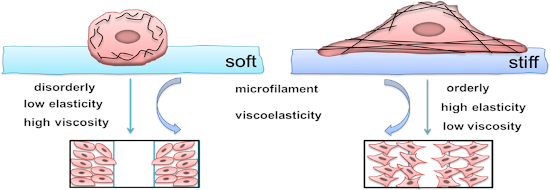
- Information File 1, Figure S1). After culturing the cells on the substrates for 48 h, we measured the ability of the cells to migrate on the hydrogels for 24 h to ensure that the cells were in a stable state on the hydrogels (Figure 2a). We observed that the rate of cell migration on the hydrogel was
- viability of cancer cells and can promote their migration and invasion. Morphological analysis showed different cellular characteristics in different substrates Differences in cell motility on hydrogels with different stiffness values are inevitably limited by the physical limitations of the hydrogel, which
- most visually affects the morphology of the cells. When HPV-PZ-7 and PC-3 cells were cultured on hydrogels of different stiffness values for 48 h, we observed through the analysis of phase-contrast microscopy images that most cells on stiff substrates were elongated and had a higher degree of cell



Ciprofloxacin-loaded dissolving polymeric microneedles as a potential therapeutic for the treatment of S. aureus skin infections
Beilstein J. Nanotechnol. 2022, 13, 517–527, doi:10.3762/bjnano.13.43
- mechanical properties, many studies have shown better mechanical properties of PVA/PVP hydrogels [39][40][41]. In one study, the tensile strength of PVA hydrogel was increased by 133% after blending with less than 2% w/w PVP [42]. This is due to the formation of relatively strong hydrogen bonds between the


Design and characterization of polymeric microneedles containing extracts of Brazilian green propolis
Beilstein J. Nanotechnol. 2022, 13, 503–516, doi:10.3762/bjnano.13.42
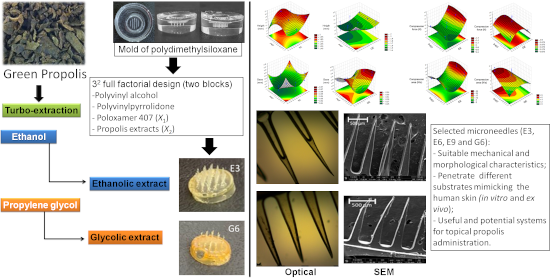
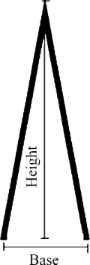
- , microneedles have been developed to cross the stratum corneum and enable the use of the transdermal route in different therapies [6]. Propolis (PRP) has already been studied in wound healing when incorporated in many vehicles, such as ointments, emulsions, hydrogels, films, or as hydroalcoholic or glycolic


Micro- and nanotechnology in biomedical engineering for cartilage tissue regeneration in osteoarthritis
Beilstein J. Nanotechnol. 2022, 13, 363–389, doi:10.3762/bjnano.13.31
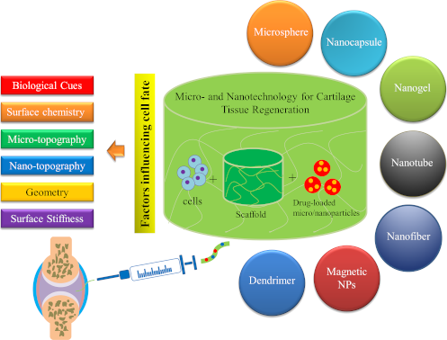
- cells. The incorporation of NPs loaded with bioactive agents in hydrogels has a tremendous impact on the properties and functionality of tissue-engineered scaffolds. In addition to providing sustained release properties, which is a major challenge in TE programs, the incorporation of NPs can improve the
- study, silk fibroin/poly(ethylene glycol) dimethacrylate (PEGDMA) hydrogels containing PLGA nanoparticles were used for the simultaneous delivery of bFGF and TGF-β1 to regenerate articular cartilage tissue [54]. The results showed that the simultaneous release of bFGF and TGFß1 improved the viability
- hyaline cartilage [58]. In addition to providing a scaffold with controlled release properties, the incorporation of NPs eliminates the need for external and intermittent supplements used to develop nanocomposites and enhances the mechanical properties of hydrogels. The fabrication of a photopolymerized


Self-assembly of amino acids toward functional biomaterials
Beilstein J. Nanotechnol. 2021, 12, 1140–1150, doi:10.3762/bjnano.12.85
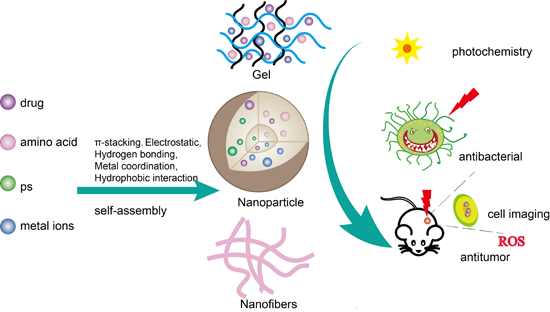
- properties [27] and good antibacterial activity [44]. Hydrogels of other amino acids modified by Fmoc, such as Fmoc-tryptophan, Fmoc-methionine, and Fmoc-tyrosine have also been shown to have antimicrobial activity and to be selectively resistant to Gram-positive bacteria [45]. The combined self-assembly
- -phenylalanine (OTE-ᴅ-Phe), an amino-acid-modified conjugated oligomer [47]. Fmoc-ʟ-Phe/OTE-ᴅ-Phe formed yellow and transparent hydrogels through hydrogen bonding, van der Waals interactions, π–π interactions, and hydrophobic interactions, showing thicker and rougher nanofibers, which had obvious advantages in
- bacteria and aztreonam-encapsulated Fomc-F hydrogels antagonize Pseudomonas aeruginosa and enhance Fomc-F antimicrobial activity. Salicylic acid is loaded in Fmoc-ʟ-phenylalanine hydrogel, which can play a role against Gram-positive bacteria, and the drug release behavior changes at different temperature

Comprehensive review on ultrasound-responsive theranostic nanomaterials: mechanisms, structures and medical applications
Beilstein J. Nanotechnol. 2021, 12, 808–862, doi:10.3762/bjnano.12.64
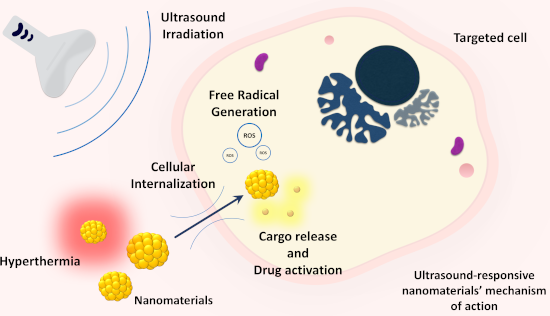
- (conventional and echogenic), niosomes, nanoemulsions, polymeric nanoparticles, chitosan nanocapsules, dendrimers, hydrogels, nanogels, gold nanoparticles, titania nanostructures, carbon nanostructures, mesoporous silica nanoparticles, fuel-free nano/micromotors. Keywords: smart nanomaterials; sonodynamic


Recent progress in magnetic applications for micro- and nanorobots
Beilstein J. Nanotechnol. 2021, 12, 744–755, doi:10.3762/bjnano.12.58
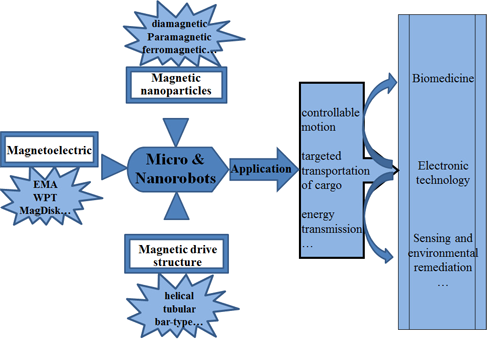
- the design of various magnetic MNRs. Kim et al. [64] proposed a hydrogel microrobot based on the combination of an electroactive hydrogel and MNPs. Electroactive hydrogels are usually made of a single hydrogel [65]. They respond to electric fields and produce mechanical motion in an electrolyte [66
- ]. Also, they respond more sensitively than other stimuli-responsive hydrogels [67]. The proposed microrobot had two arms, both of which were composed of anodic and cathodic electroactive hydrogels and MNPs. So they could be driven in a magnetic field and bent in an electric field to pick up and release


Straightforward synthesis of gold nanoparticles by adding water to an engineered small dendrimer
Beilstein J. Nanotechnol. 2020, 11, 1110–1118, doi:10.3762/bjnano.11.95
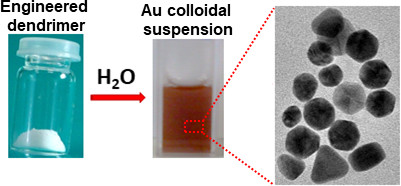
- trimethylammonium chloride), used as a terminal function in dendrimers, can induce dendrimer solubility in water, allowing the colloidal stability of nanolatex covered by such a function and also the formation of structured hydrogels [43][44]. Hydrazine is a well-known reductant, which has been used for the seeded


A 3D-polyphenylalanine network inside porous alumina: Synthesis and characterization of an inorganic–organic composite membrane
Beilstein J. Nanotechnol. 2020, 11, 938–951, doi:10.3762/bjnano.11.78
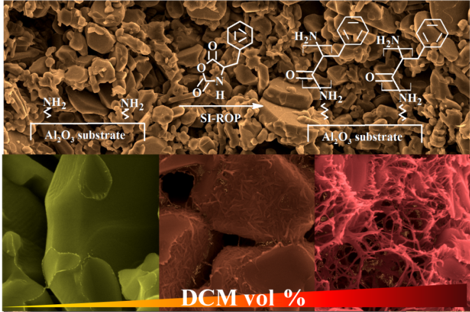
- well as the mechanisms of gel formation have been studied in detail. Hydrophilic gels with functional side groups enable stimuli-responsive hydrogels with interesting properties with regards to drug release systems. A drawback of these gels is their low mechanical stability, which can however be
- deprotection of the side chain. This enables formation of pH-responsive hydrogels [28]. Stable, thermoresponsive organo-gels consisting of polybenzylglutamate-α-helices were studied by Niehoff et al. [29]. Gelated polybenzylglutamate molecules with molecular weight from approximately 7000 to 100 000 g/mol were
- "crosslinking" due to branching and rejoining of fibrillar supramolecular aggregates occurs. Nevertheless "end-to-end" and "side-to-side" interactions of the pBzg-α-helices are essential for the formation of fibrillar networks. Supported hydrogels that were attached to a porous substrate have been reported by




Multilayer capsules made of weak polyelectrolytes: a review on the preparation, functionalization and applications in drug delivery
Beilstein J. Nanotechnol. 2020, 11, 508–532, doi:10.3762/bjnano.11.41
- approached, the morphological changes in PVP/PMA capsules were seen with the decrease in multilayer thickness due to disruption of hydrogen bonds [50]. When the same was cross-linked by carbodiimide chemistry, the swelling was observed at higher pH, leading to the formation of highly swollen hydrogels. To
- between β-cyclodextrin monolayers as host and polymers modified with adamantyl groups as guests, which also resulted in stable multilayers [61]. The first stimuli-responsive supramolecular hydrogels films based on these reactions were built in 2006 using β-cyclodextrin and adamantyl modified chitosan
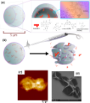
- derivatives [62]. Photo-responsive and redox-responsive hydrogels of cyclodextrin with guest molecules of azobenzene and ferrocene have also been constructed [63]. Very few attempts have been made for fabrication of weak PE capsules under this category, as shown in Figure 3d [39]. Notably, the host and guest



Nanoarchitectonics: bottom-up creation of functional materials and systems
Beilstein J. Nanotechnol. 2020, 11, 450–452, doi:10.3762/bjnano.11.36

- that were formed by metal-assisted chemical etching (MACE) [27], and the formation of high-tolerance crystalline hydrogels from cyclic dipeptides upon self-assembly [28]. In addition, a review on the use of DNA as the fundamental material building block for molecular and structural engineering [29

Interactions at the cell membrane and pathways of internalization of nano-sized materials for nanomedicine
Beilstein J. Nanotechnol. 2020, 11, 338–353, doi:10.3762/bjnano.11.25
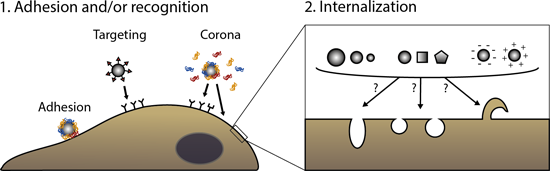
- required to wrap a lipid membrane around a nanoparticle with high aspect ratio [148]. However, also in relation to this aspect, conflicting results were found in which cross-linked poly(ethylene glycol) hydrogels or mesoporous silica particles with higher aspect ratio were internalized quicker and more
- than those with low aspect ratio [125][149]. A few studies have investigated the effect of nanoparticle shape not only on uptake efficiency but also on the endocytic mechanisms involved in uptake [125][134][150]. Cylindric cationic poly(ethylene glycol) hydrogels with two different aspect ratios (1 and


Understanding nanoparticle flow with a new in vitro experimental and computational approach using hydrogel channels
Beilstein J. Nanotechnol. 2020, 11, 296–309, doi:10.3762/bjnano.11.22
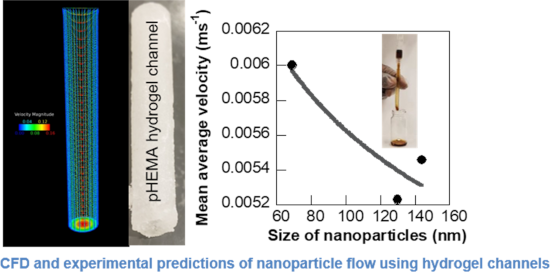
- . Poly(hydroxyethyl)methacrylate hydrogels were used to form soft cylindrical constructs mimicking vascular sections as flow channels for synthesized iron oxide NPs in these first-of-its-kind transport experiments. Brownian dynamics and material of the flow channels played key roles in NP flow, based on
- highlights the reliability of our new in vitro technique in providing mechanistic insights of NP flow for potential preclinical stage applications. Keywords: computational fluid dynamics; drug delivery; iron oxide nanoparticles; nanoparticle flow; poly(hydroxyethyl methacrylate) (pHEMA) hydrogels
- reliably represent the flow and adhesion during drug delivery, it is essential to construct mimics of human vascular network. Hydrogels are unique three-dimensional (3D) networks of insoluble polymers formed from two or more hydrophilic monomers that can absorb large quantities of water. The hydrogels


High-performance asymmetric supercapacitor made of NiMoO4 nanorods@Co3O4 on a cellulose-based carbon aerogel
Beilstein J. Nanotechnol. 2020, 11, 240–251, doi:10.3762/bjnano.11.18
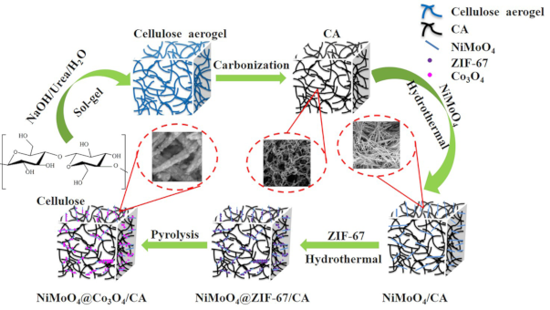
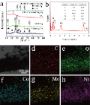
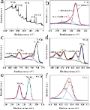
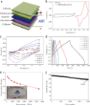
- stirring for 20 min and then dripped into a small beaker and stored at 75 °C for 6 h to form hydrogels. Then, the produced hydrogels were kept in ethanol for 7 days, and subsequently dried under supercritical CO2 to obtain cellulose aerogel. Finally, CA was obtained by carbonization of the cellulose




Molecular architectonics of DNA for functional nanoarchitectures
Beilstein J. Nanotechnol. 2020, 11, 124–140, doi:10.3762/bjnano.11.11
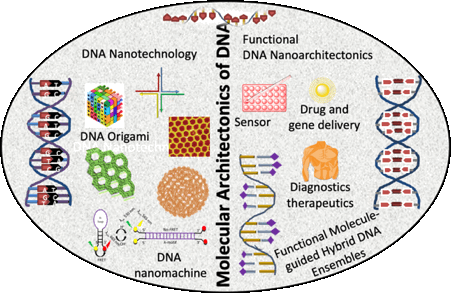
- between the bolaamphiphile and the oligoadenylic acids dTp–20–dTp/d(A)n, n = 2, 4, 6, 8, 10, 20, 40, strictly depended on the chain length of the oligoadenylic acid. Through the presence of equal amounts of adenine and thymine within the ensembles, it was possible to form hydrogels in water upon


Fully amino acid-based hydrogel as potential scaffold for cell culturing and drug delivery
Beilstein J. Nanotechnol. 2019, 10, 2579–2593, doi:10.3762/bjnano.10.249
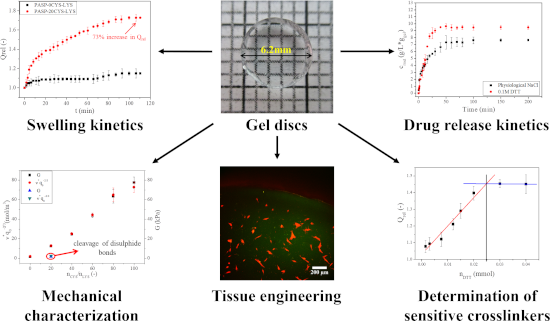
- , Nagyvarad square 4, Budapest, Hungary 10.3762/bjnano.10.249 Abstract Polymer hydrogels are ideal scaffolds for both tissue engineering and drug delivery. A great advantage of poly(amino acid)-based hydrogels is their high similarity to natural proteins. However, their expensive and complicated synthesis
- concentration of the elastically active chain were determined. After reduction of the disulfide bonds of CYS, the presence of thiol side groups was also detected. To determine the concentration of the reactive cross-linkers in the hydrogels, a new method based on the examination of the swelling behavior was
- reductive conditions resulted in an increased drug release due to the cleavage of disulfide bridges in the hydrogels. Consequently, these hydrogels provide new possibilities in the fields of both tissue engineering and controlled drug delivery. Keywords: biocompatibility; cystamine; hydrogel; lysine; poly


Design of a nanostructured mucoadhesive system containing curcumin for buccal application: from physicochemical to biological aspects
Beilstein J. Nanotechnol. 2019, 10, 2304–2328, doi:10.3762/bjnano.10.222
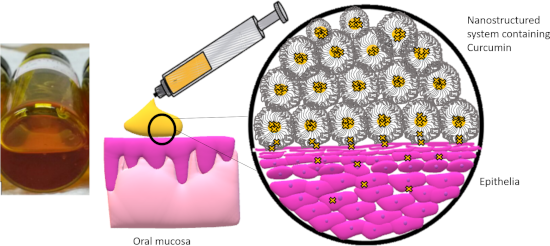
- characteristics beneficial for pharmaceutical and biomedical use [1]. P407 is a non-ionic block copolymer with polypropylene oxide (PPO) and polyethylene oxide (PEO) segments, which can display thermoresponsive properties forming nanometer-sized micelles, hydrogels and lyotropic liquid crystals [2][3]. The


Porous silver-coated pNIPAM-co-AAc hydrogel nanocapsules
Beilstein J. Nanotechnol. 2019, 10, 1973–1982, doi:10.3762/bjnano.10.194
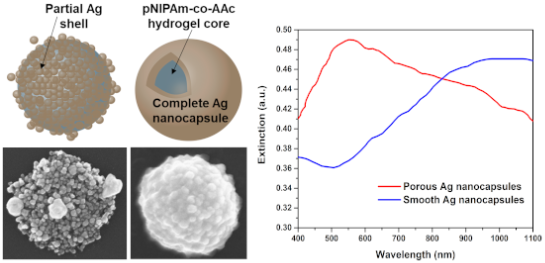
- . The morphology and composition of the composite nanoparticles were characterized by SEM, TEM, and FTIR, respectively. UV–vis spectroscopy was used to characterize the optical properties. Keywords: hydrogels; nanocapsules; photothermal delivery; poly(NIPAM); porous silver shells; Introduction
- adjusted, thus allowing thermally induced structural changes to occur over a wide range of temperatures rather than at one specific temperature. In particular, when poly-N-isopropylacrylamide (pNIPAM)-based hydrogels are co-polymerized with acrylic acid (pNIPAM-co-AAc) or acrylamide (pNIPAM-co-AAm), the
- hydrogels. Figure 1b shows an image of the pNIPAM-co-AAc hydrogels at high magnification. Using statistical image analysis of the SEM images, the typical size of the hydrogels was determined to be 787 ± 81 nm. To bind the negatively charged THPC gold nanoparticles to the surface of the hydrogel particles


High-tolerance crystalline hydrogels formed from self-assembling cyclic dipeptide
Beilstein J. Nanotechnol. 2019, 10, 1894–1901, doi:10.3762/bjnano.10.184
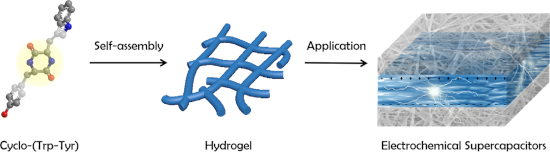
- Engineering, Institute of Process Engineering, Chinese Academy of Sciences, Beijing 100190, China University of Chinese Academy of Sciences, Beijing 100049, China 10.3762/bjnano.10.184 Abstract Peptide-based supramolecular hydrogels, as a new type of biological nanoarchitectonic structure, hold great promise
- hydrogelator for the formation of supramolecular hydrogels. The unique hydrogen bonding in C-WY endows a high propensity for self-assembly and the resulting hydrogels are revealed to be crystalline. The crystalline hydrogels possess excellent mechanical capacity and superior tolerance to various harsh
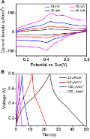
- conditions, including in the presence of charged biopolymers, extreme acid/base environments, and changing thermal conditions. Such high tolerance enables the crystalline hydrogels to be applied in the complex and harsh environments of electrochemistry. In addition, this study demonstrates that the self


Biocatalytic oligomerization-induced self-assembly of crystalline cellulose oligomers into nanoribbon networks assisted by organic solvents
Beilstein J. Nanotechnol. 2019, 10, 1778–1788, doi:10.3762/bjnano.10.173
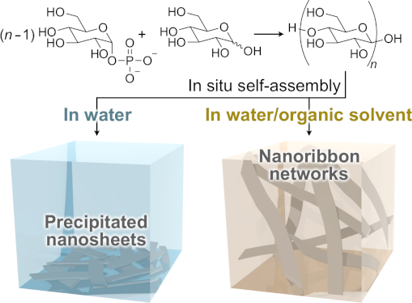
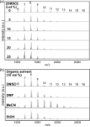
- powdery state were used. The spectra were recorded on an FT/IR-4100 instrument (JASCO) at a cumulative measurement number of 100 and a resolution of 2.0 cm−1 under ambient conditions. For SEM observations, the water solvent of the hydrogels after purification was exchanged stepwise with 10, 20, 30, 40, 50





Multicomponent bionanocomposites based on clay nanoarchitectures for electrochemical devices
Beilstein J. Nanotechnol. 2019, 10, 1303–1315, doi:10.3762/bjnano.10.129
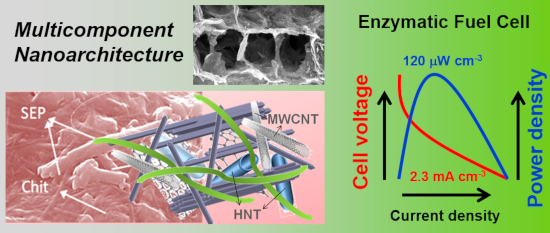
- values measured for other chitosan/clay foams (1.4 MPa) [51] and significantly higher than those of self-assembled graphene hydrogels (0.03–0.3 MPa) [52]. Notably, the specific modulus of the bionanocomposite foams was 50 kNm·kg−1, which is considerably higher than values reported for silica aerogels (5