Search results
Search for "hydrogen peroxide" in Full Text gives 119 result(s) in Beilstein Journal of Nanotechnology.
Bismuth-based nanostructured photocatalysts for the remediation of antibiotics and organic dyes
Beilstein J. Nanotechnol. 2023, 14, 291–321, doi:10.3762/bjnano.14.26
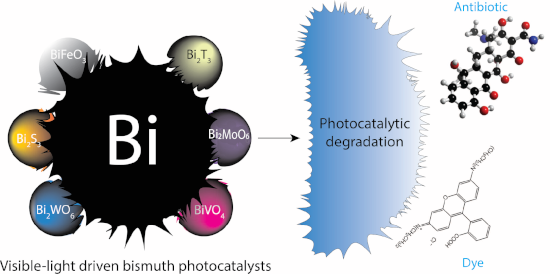
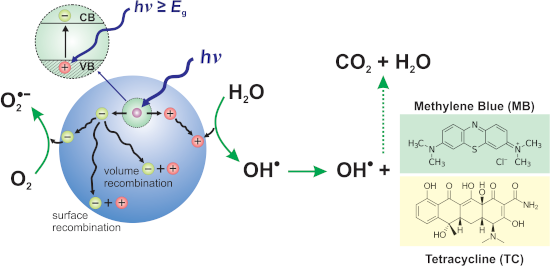
- reaction, along with other species such as oxygen, hydrogen peroxide, and persulfate. This excited electron reduces an acceptor, and the acceptor's hole oxidises donor molecules. What happens to the excited electron and hole depends on the relative positions of conduction band and valence band of the


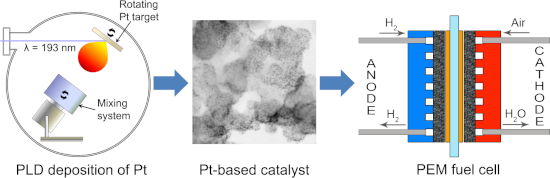
A novel approach to pulsed laser deposition of platinum catalyst on carbon particles for use in polymer electrolyte membrane fuel cells
Beilstein J. Nanotechnol. 2023, 14, 190–204, doi:10.3762/bjnano.14.19
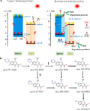
- properties of the investigated catalysts. The number of electrons obtained in the oxygen reduction reaction (the number of electrons per O2 molecule) on electrodes made of the tested catalytic materials, and the resulting amount of hydrogen peroxide produced were determined based on polarization curves
- recorded using a rotating electrode with an RRDE ring [42]. The number of electron was calculated as: while the amount of hydrogen peroxide was calculated from the equation: where ID is the disc current, IR is the ring current, and η is the electrode collection coefficient. The results of RRDE measurements
- electrode. The oxygen reduction efficiency of both commercial catalysts is similar (Figure 5a, Table 2), but the catalyst HiSpec 3000 has a small advantage due to the lower percentage of hydrogen peroxide in the oxygen reduction products (Figure 5d). The fabricated catalysts of series A, B, C, and D also



Electrocatalytic oxygen reduction activity of AgCoCu oxides on reduced graphene oxide in alkaline media
Beilstein J. Nanotechnol. 2022, 13, 1020–1029, doi:10.3762/bjnano.13.89
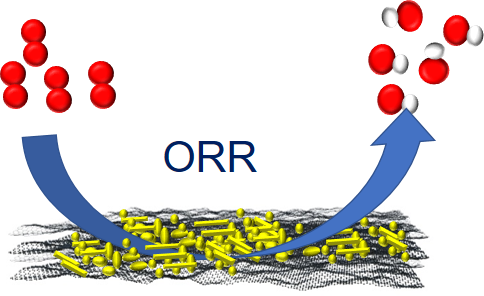
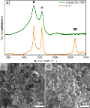
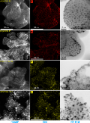
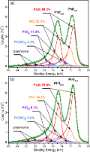
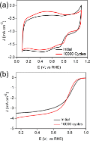
- (K–L) method using Equation S1, Supporting Information File 1. The K–L plot (I−1 vs ω−1/2) obtained from the LSV curves in Figure 3b shows the linearity at different potentials (Figure 3c). Moreover, RRDE studies were carried out to measure the hydrogen peroxide generated during the electroreduction


Solar-light-driven LaFexNi1−xO3 perovskite oxides for photocatalytic Fenton-like reaction to degrade organic pollutants
Beilstein J. Nanotechnol. 2022, 13, 882–895, doi:10.3762/bjnano.13.79
- substances in wastewater [16]. Among these procedures, the Fenton method causes numerous interests due to its convenience and effectiveness. Notably, the Fenton method can produce many hydroxyl radicals (∙OH) by introducing divalent iron solution and hydrogen peroxide, as shown in Equation 1 below. The
- hydrogen peroxide can be remarkably transformed into redox radicals, followed by destroying the organic pollutants. Meanwhile, the remaining divalent iron complexes in the system can return to the circulation of hydrogen peroxide reaction and continuously form new hydroxide radicals [20]. Therefore, based
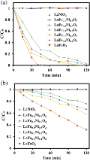
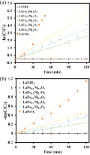
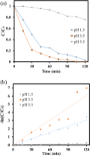
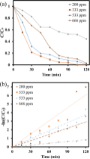
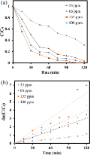
- within 105 min. Based on the 1st order kinetic analysis, the reaction rate constants (k) at pH 1.5, 3.5, and 5.5 were 0.0254, 0.0506, and 0.002, respectively. While the pH value was too high, the hydrogen peroxide in the solution was easily decomposed into oxygen and water [55]. On the other hand, when



Stimuli-responsive polypeptide nanogels for trypsin inhibition
Beilstein J. Nanotechnol. 2022, 13, 538–548, doi:10.3762/bjnano.13.45
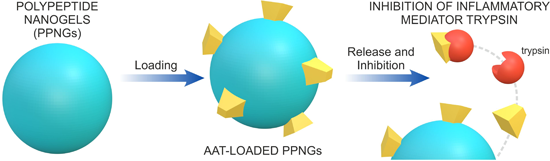
- obtained from Lach-Ner (Czech Republic). The solvents were purified and dried by a standard procedure before use. Aminopropan-2-ol (purified by vacuum distillation) was purchased from Alfa Aesar (Kandel, Germany). 1,6-Diaminohexane, HBr 33 wt % in acetic acid, 30% hydrogen peroxide solution (w/w) in water


A non-enzymatic electrochemical hydrogen peroxide sensor based on copper oxide nanostructures
Beilstein J. Nanotechnol. 2022, 13, 424–436, doi:10.3762/bjnano.13.35
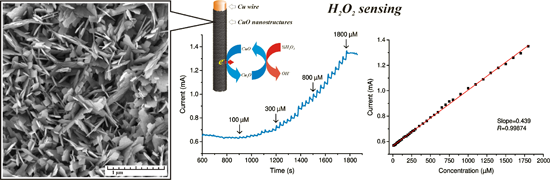
- , Latvia Institute of Solid State Physics, University of Latvia, Kengaraga street 8, Riga, LV-1063, Latvia 10.3762/bjnano.13.35 Abstract This article describes the synthesis of nanostructured copper oxide on copper wires and its application for the detection of hydrogen peroxide. Copper oxide petal
- qualitative detection of H2O2 in real samples, as well as for the quantitative determination of its concentration. Keywords: copper oxide; electrochemical sensor; hydrogen peroxide; nanostructures; Introduction Hydrogen peroxide, a strong oxidant and an essential intermediate product in many biomedical
- milk and mouthwash samples. Materials and Methods Materials Ammonium persulfate ((NH4)2S2O8, CAS number: 7727-54-0), sodium hydroxide (NaOH, CAS number: 1310-73-2), and hydrogen peroxide solution (H2O2, 30%, CAS number: 7722-84-1) were purchased from Merck. Ascorbic acid (C6H8O6, CAS number: 50-81-7





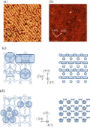
Thermal oxidation process on Si(113)-(3 × 2) investigated using high-temperature scanning tunneling microscopy
Beilstein J. Nanotechnol. 2022, 13, 172–181, doi:10.3762/bjnano.13.12
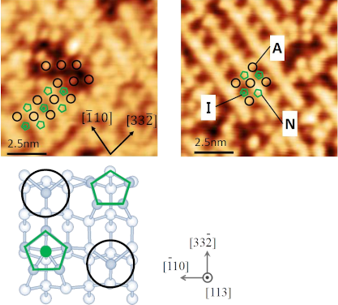
- remove the oily materials, and rinsed with a mixture of sulfuric acid and hydrogen peroxide to remove the organic materials. It was then etched with a mixture of hydrochloride and hydrogen peroxide to form an ultrathin oxide layer before it was introduced to an ultrahigh-vacuum (UHV) chamber. The sample



Morphology-driven gas sensing by fabricated fractals: A review
Beilstein J. Nanotechnol. 2021, 12, 1187–1208, doi:10.3762/bjnano.12.88
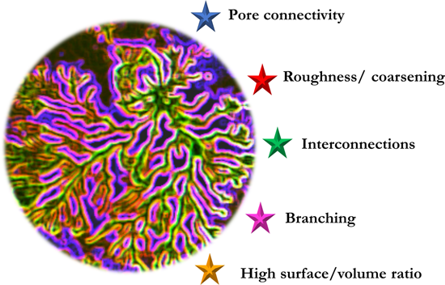
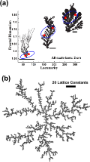
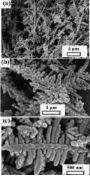
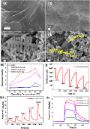
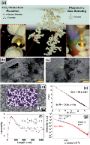
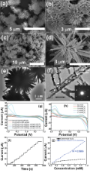
- 2–3 µm length) by a hydrothermal method and calcined the fabricated nanostructure precursors in air [84]. Figure 23a–f shows SEM and TEM micrographs with selected-area electron diffraction (SAED) patterns of the Co3O4 nanostructures. Hydrogen peroxide (H2O2) was detected by an electrochemical sensor










Modification of a SERS-active Ag surface to promote adsorption of charged analytes: effect of Cu2+ ions
Beilstein J. Nanotechnol. 2021, 12, 902–912, doi:10.3762/bjnano.12.67
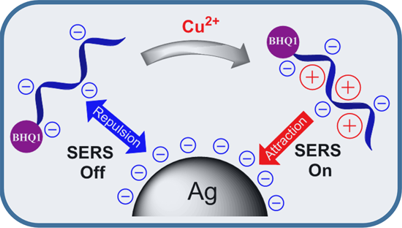
- ]. The same modification protocol was applied as for glass and the silicon supports. The substrates were treated with a 1:1 (by mass) mixture of concentrated H2SO4 and 30% hydrogen peroxide water solution for 2 h, rinsed with distilled water, and dried. The cleaned substrates were treated with a solution


Comprehensive review on ultrasound-responsive theranostic nanomaterials: mechanisms, structures and medical applications
Beilstein J. Nanotechnol. 2021, 12, 808–862, doi:10.3762/bjnano.12.64
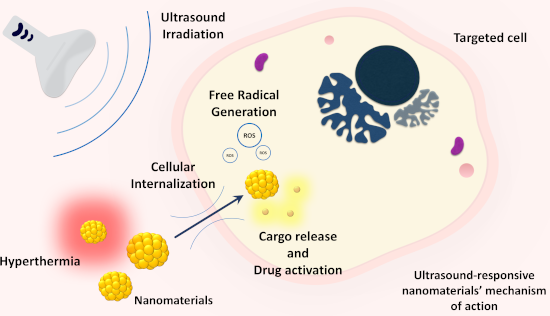
- concentration supports this conclusion [202]. Dong and colleagues prepared plasma MBs by mixing plasma gas and surfactant using an emulsification process. These MBs released the loaded drug and also generated active free radicals (including nitric oxide and hydrogen peroxide) in response to US irradiation [205


Recent progress in magnetic applications for micro- and nanorobots
Beilstein J. Nanotechnol. 2021, 12, 744–755, doi:10.3762/bjnano.12.58
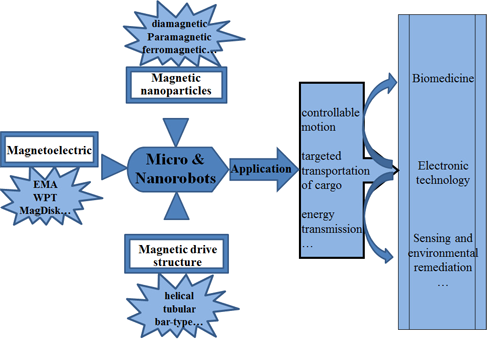
- enabled actuation, control, and observation of the FMSM. In most mobile sensing applications, microrobots are driven by chemical fuels such as hydrogen peroxide (H2O2) and surfactants. In contrast, magnetic drives have good biocompatibility and external power supply. For example, a porous microelectrode


Impact of GaAs(100) surface preparation on EQE of AZO/Al2O3/p-GaAs photovoltaic structures
Beilstein J. Nanotechnol. 2021, 12, 578–592, doi:10.3762/bjnano.12.48
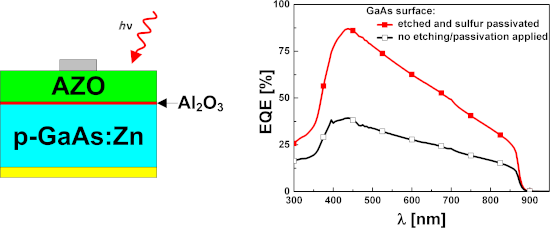
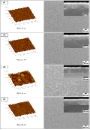
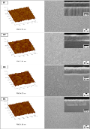
- aqueous solutions are used with the addition of an oxidizer – usually hydrogen peroxide (H2O2). Such an etchant is able to turn GaAs into oxide and dissolve the created oxides “at the same time”. The popular etchants are H2SO4/H2O2/H2O, NH4OH/H2O2/H2O, and citric acid (CA)-based etchants – CA/H2O2/H2O [17
- minutes raised it to room temperature (RT). Just before the etching process, the dissolved CA in DIW was mixed (1:1, v:v) with hydrogen peroxide (30%). The solution temperature was set to 24 °C and kept at this value during the etching process for 2 min in a USC. The etching rate of such a solution, with




A review on nanostructured silver as a basic ingredient in medicine: physicochemical parameters and characterization
Beilstein J. Nanotechnol. 2021, 12, 440–461, doi:10.3762/bjnano.12.36
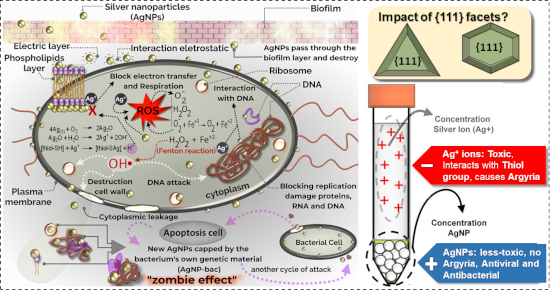
- from the damaged respiratory chain since they depend on thiol groups which are occupied by silver ions. The increase in superoxide and hydrogen peroxide anions in the reaction with iron (Fenton reaction), according to Equation 2 [104] and as described in Figure 6, are indicative of the deleterious


Nanocasting synthesis of BiFeO3 nanoparticles with enhanced visible-light photocatalytic activity
Beilstein J. Nanotechnol. 2020, 11, 1822–1833, doi:10.3762/bjnano.11.164
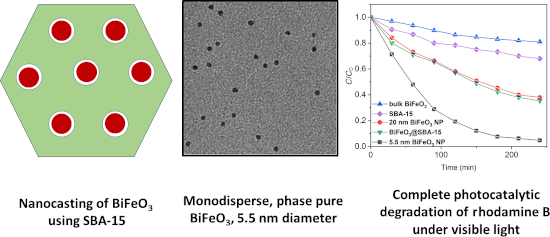
- radicals (•O2−) and hydrogen peroxide (H2O2), while the photogenerated electron hole h+ reacts with H2O to form hydroxyl radicals (•OH). The latter species can additionally be formed by disproportionation of •O2− radicals and a subsequent chain reaction. It has been reported previously that hydroxyl




Antimicrobial metal-based nanoparticles: a review on their synthesis, types and antimicrobial action
Beilstein J. Nanotechnol. 2020, 11, 1450–1469, doi:10.3762/bjnano.11.129
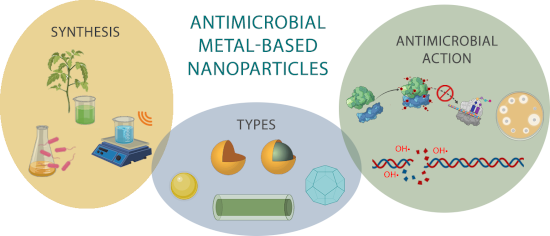
- microorganisms [151]. Superoxide radicals (O2−), hydroxyl radicals (•OH), hydrogen peroxide (H2O2), and singlet oxygen (1O2) are the most well-known ROS. The mechanism that better explains the synthesis of ROS from NPs is based on their photocatalytic activity (Figure 5). Metal compounds receive enough energy
- , genes related to the general stress response were upregulated. Genes protecting against hydrogen peroxide oxidative damage, catalase/hydroperoxidase, superoxide radicals degradation genes, superoxide dismutase, and superoxide removal transcriptional activator, were upregulated in a range varying from


Role of redox-active axial ligands of metal porphyrins adsorbed at solid–liquid interfaces in a liquid-STM setup
Beilstein J. Nanotechnol. 2020, 11, 1264–1271, doi:10.3762/bjnano.11.110
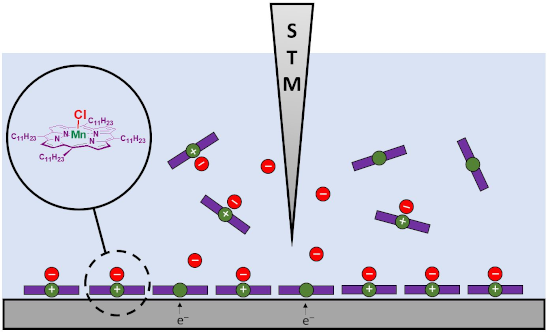
- and hydrogen peroxide. The use of the environmentally most benign oxidant, molecular oxygen (O2), is also possible, but comes with a drawback. To be able to generate an Mn=O complex, the Mn(III) porphyrin first needs to be reduced to a Mn(II) porphyrin, which can subsequently coordinate to O2 and


High permittivity, breakdown strength, and energy storage density of polythiophene-encapsulated BaTiO3 nanoparticles
Beilstein J. Nanotechnol. 2020, 11, 1190–1197, doi:10.3762/bjnano.11.103
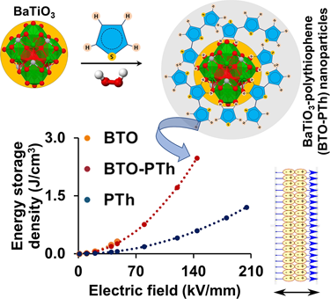
- , hydrogen peroxide (H2O2, solution 30% w/w, Scharlab, S.L.) and copper(II) sulfate pentahydrate (CuSO4·5H2O, reagent grade, ≥98.0%, Honeywell) solution are added to the BTO-Th mixture. The reaction is performed by stirring the mixture for 7 h at 50 °C. The product is washed with double-distilled water and




Luminescent gold nanoclusters for bioimaging applications
Beilstein J. Nanotechnol. 2020, 11, 533–546, doi:10.3762/bjnano.11.42
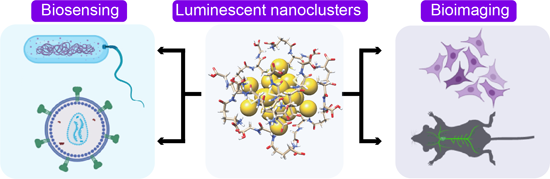
- imaging [91]. Recently Duan et al. reported the synthesis of NIR-luminescent AuNCs capped with N-acetyl-ʟ-cysteine (NAC-CS) for long-time imaging [92]. The Au-NAC-CS NCs were insensitive to hydrogen peroxide and trypsin in contrast to Au NCs coated with BSA or other proteins, allowing for extended imaging
- large amount of ascorbate and an elevated level of hydrogen peroxide, other free radicals and redox ligands appear at the lesions in the brain. Thus, HAuCl4 ions accumulated in the hippocampus can be can be potentially reduced. After tail-vein injection into four-month-old APP/PS1 male mice, imaging was


Multilayer capsules made of weak polyelectrolytes: a review on the preparation, functionalization and applications in drug delivery
Beilstein J. Nanotechnol. 2020, 11, 508–532, doi:10.3762/bjnano.11.41



Preparation and in vivo evaluation of glyco-gold nanoparticles carrying synthetic mycobacterial hexaarabinofuranoside
Beilstein J. Nanotechnol. 2020, 11, 480–493, doi:10.3762/bjnano.11.39
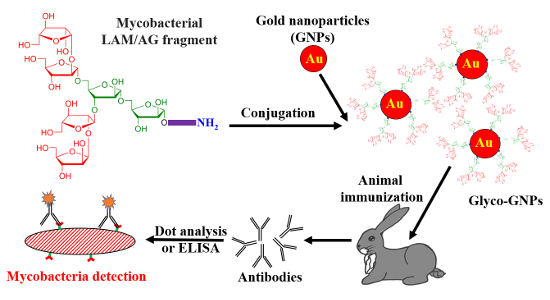
- 0.02% Tween 20 and 0.02% powdered milk for 90 min. The membrane was washed four times for 15 min with PBS containing 0.02% Tween 20. After that, the membrane was treated with a substrate mixture of 0.05% 3,3′-diaminobenzidine and 0.02% hydrogen peroxide in 0.15 M PBS until intense brown dots appeared
- well. After 30 min incubation, the wells were washed twice with 100 μL of PBS containing 0.02% Tween 20, and peroxidase activity was estimated by adding to each well 50 μL of a substrate mixture of 0.03% o-phenylenediamine and 0.02% hydrogen peroxide in 0.1 M sodium citrate buffer (pH 4.5). The enzyme


Electrochemically derived functionalized graphene for bulk production of hydrogen peroxide
Beilstein J. Nanotechnol. 2020, 11, 432–442, doi:10.3762/bjnano.11.34
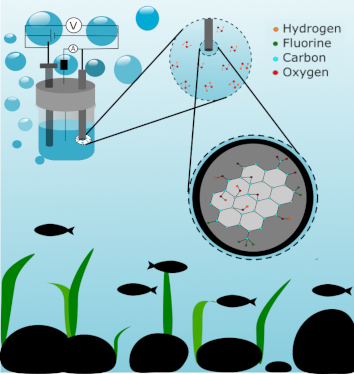
- ; functionalized graphene; H2O2 production; water treatment; Introduction Hydrogen peroxide (H2O2) is identified as one among the most important 100 chemicals in the world, and its applications extend from the pharmaceutical industry to water purification [1][2][3]. Today, a majority of the required H2O2 is
- ), sulfuric acid, and hydrogen peroxide (27% w/v) were obtained from Alfa Aesar. Nafion solution (5% w/w) was purchased from Sigma-Aldrich, and potassium fluoride (KF) and Ce(SO4)2 were obtained from Sisco research laboratories, India. All of the high purity chemicals were employed as-received without any


Poly(1-vinylimidazole) polyplexes as novel therapeutic gene carriers for lung cancer therapy
Beilstein J. Nanotechnol. 2020, 11, 354–369, doi:10.3762/bjnano.11.26
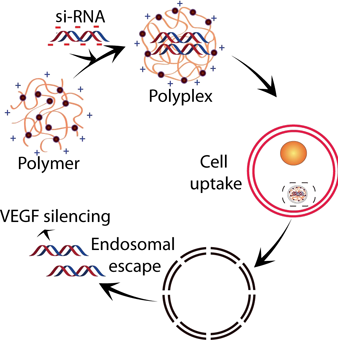
- peroxidase-conjugated secondary antibodies (dilution 1:5000, Cell Signaling Technology, USA) at room temperature. The protein spots were visualized using tetramethyl benzidine/hydrogen peroxide (TMB/H2O2, Bio-Rad, USA) reagent. Membranes were stripped, reblocked, and re-incubated with the primary antibody


Molecular architectonics of DNA for functional nanoarchitectures
Beilstein J. Nanotechnol. 2020, 11, 124–140, doi:10.3762/bjnano.11.11
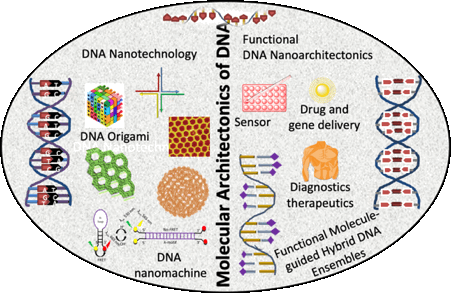
- amplification pathway, the target DNA triggered the release of GOD-S that catalyzed glucose to form hydrogen peroxide, followed by changing the ECL signal. The ECL sensing solution was made up of tripropylamine (TPrA) and glucose (10 mM). The concentration of target DNA could easily be assessed by quantifying
- the ECL quenching via formation of hydrogen peroxide. Kim and co-workers developed an innovative approach of intercalation of the anticancer drug doxorubicin within the DNA tetrahedron that showed improved therapeutic efficacy in drug-resistant breast cancer cells [70]. The doxorubicin-encapsulated


Synthesis of amorphous and graphitized porous nitrogen-doped carbon spheres as oxygen reduction reaction catalysts
Beilstein J. Nanotechnol. 2020, 11, 1–15, doi:10.3762/bjnano.11.1
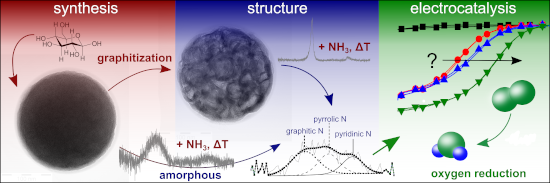
- ) the ring current densities and (Figure 8c,f) the hydrogen peroxide yield. First of all, the data indicate that the carbon NCS-550 spheres are essentially inactive, while with higher nitriding temperatures the NCS samples are significantly more active. For the NCS-550 sample, this inactivity is at
- shell. Also when comparing the H2O2 yields of the TaON@NCS composites [33], we find no advantage of the composite catalysts since the hydrogen peroxide yields are around 40% for all catalysts, which is higher than the values obtained for the pure nitrided carbon spheres (mostly around 20%). Overall, the
- ) scan. For the calculation of the hydrogen peroxide yield we used Equation 1, where Ir is the measured ring current, Id the disc current and N the collection efficiency of the setup (here the measured value specific for the current setup of N is 0.2): The resistance measurements of the catalyst film




Use of data processing for rapid detection of the prostate-specific antigen biomarker using immunomagnetic sandwich-type sensors
Beilstein J. Nanotechnol. 2019, 10, 2171–2181, doi:10.3762/bjnano.10.210

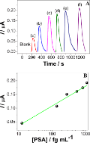
- -hydroxysulfosuccinimide (Sulfo-NHS), hydrogen peroxide (H2O2, 30%), Tween-20, and 2-(N-morpholino)ethanesulfonic acid hydrate (MES) were purchased from Sigma-Aldrich. Monoclonal (mouse) primary anti-human prostate specific antigen (PSA) antibody, natural human prostate-specific antigen (PSA), and standard and secondary