Search results
Search for "migration" in Full Text gives 209 result(s) in Beilstein Journal of Nanotechnology. Showing first 200.
Graphene oxide–chloroquine conjugate induces DNA damage in A549 lung cancer cells through autophagy modulation
Beilstein J. Nanotechnol. 2025, 16, 316–332, doi:10.3762/bjnano.16.24
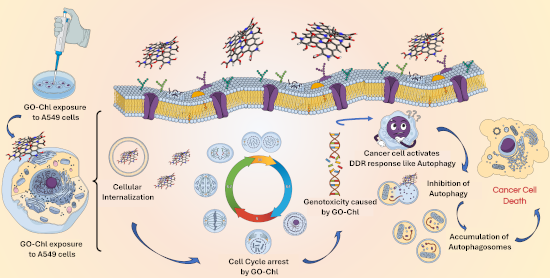
- nanoconjugate. However, as observed in Figure 6E and Figure 6F, the P2 population was slightly moved towards the P5 which could be attributed to either the arrest of cells in the subG0/G1 phase before their migration or could be related to alterations in the marker intensity due to the treatments. Genotoxicity
- effect in A549 cells. Furthermore, a concentration-dependent increase in the tail length was observed (Figure 7b), which is a measure of the extent of DNA damage by analyzing the length of DNA migration during electrophoresis. Furthermore, statistical analysis of the resulting tail-length data yielded



Enhancing mechanical properties of chitosan/PVA electrospun nanofibers: a comprehensive review
Beilstein J. Nanotechnol. 2025, 16, 286–307, doi:10.3762/bjnano.16.22

- nanofibers provide topographic guidance to cells, promoting cell adhesion, proliferation, and migration. Most importantly, aligned fibers are a prominent type of nanofiber that closely mimics the fibers in the ECM of native tissue [194]. Radially aligned nanofiber patches of chitosan/PVA with thyme essential


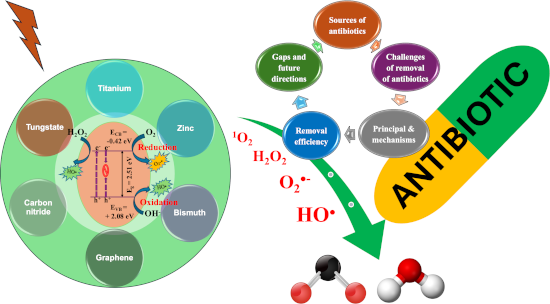
Emerging strategies in the sustainable removal of antibiotics using semiconductor-based photocatalysts
Beilstein J. Nanotechnol. 2025, 16, 264–285, doi:10.3762/bjnano.16.21



Correction: AFM-IR investigation of thin PECVD SiOx films on a polypropylene substrate in the surface-sensitive mode
Beilstein J. Nanotechnol. 2025, 16, 252–253, doi:10.3762/bjnano.16.19

- migration barrier for the use of postconsumer recycled materials in food contact” (TRR 87 - T07 Project number 138690629). This work was supported by the German Research Foundation (DFG) under grant number 407752136 and North Rhine-Westphalia based on the funding for large appliances (AFM-IR).
Radiosensitizing properties of dual-functionalized carbon nanostructures loaded with temozolomide
Beilstein J. Nanotechnol. 2025, 16, 229–251, doi:10.3762/bjnano.16.18
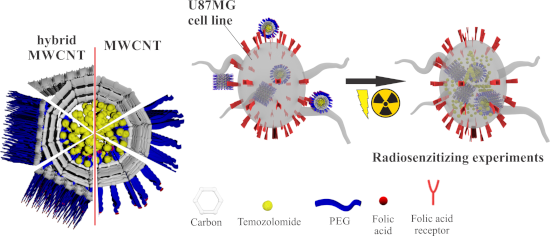
- the ectopic (acentrosomal) microtubule nucleation was observed, with disassembly of the centrosome and a cytoskeletal reorganization that trigger the generation of ineffective biomechanical forces, which leads to migration defects, and ultimately to spindle-assembly checkpoint blockage and apoptosis




Recent advances in photothermal nanomaterials for ophthalmic applications
Beilstein J. Nanotechnol. 2025, 16, 195–215, doi:10.3762/bjnano.16.16
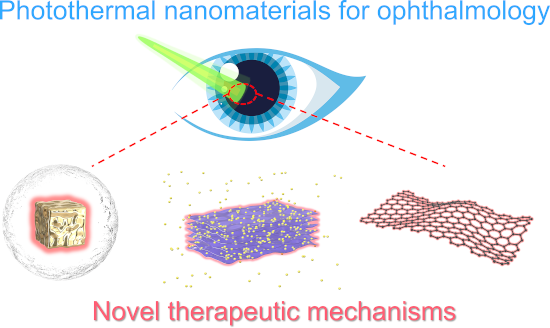
- Posterior capsule opacity (PCO) ranks as one of the most prevalent complications following cataract surgery (Figure 3a) [110]. This condition arises from the rapid proliferation, migration, and fibrosis of residual lens epithelial cells (LECs) that remain on the lens capsule, eventually leading to a
- the migration of LECs and their inflammatory response following photothermal treatment, without causing significant damage to the surrounding healthy tissues (Figure 3f). 3.3 Vitreous turbidity The vitreous is a highly hydrated, transparent gel supported by a network of long and thin collagen fibers
- the AuAg core, work synergistically to eradicate multidrug-resistant bacteria. Additionally, the release of Cu+ ions from the Cu2O shell aids in accelerating endothelial cell angiogenesis and fibroblast migration, thereby enhancing the wound healing process. Clinical assessments, including ophthalmic


Nanocarriers and macrophage interaction: from a potential hurdle to an alternative therapeutic strategy
Beilstein J. Nanotechnol. 2025, 16, 97–118, doi:10.3762/bjnano.16.10


Theoretical study of the electronic and optical properties of a composite formed by the zeolite NaA and a magnetite cluster
Beilstein J. Nanotechnol. 2025, 16, 44–53, doi:10.3762/bjnano.16.5
- because of the migration and coalescence of nanoparticles on the carrier material [21][22]. Such changes can significantly modify the physicochemical properties of the original nanomaterial. Also, the most interesting physicochemical properties are exhibited by clusters with subnanometer dimensions. For




Effect of radiation-induced vacancy saturation on the first-order phase transformation in nanoparticles: insights from a model
Beilstein J. Nanotechnol. 2024, 15, 1453–1472, doi:10.3762/bjnano.15.117

- confirmed by calculations for iron particles under irradiation. Substances characterized by high vacancy migration energy, small diffusion coefficients of defects, and low temperatures of first-order phase transitions can serve as suitable candidates for radiation-induced phase transitions in nanosystems
- . Ceramic nanomaterials, which possess high vacancy migration energy, will have their behavior significantly influenced by radiation doses. In contrast, most metals exhibit small vacancy migration energy and demonstrate better resistance to irradiation, making them recommended candidates for nuclear
- cubic (bcc) Fe lattice it is about 1.5–2.0 eV; the energy of interstitial formation ranges from 2 to 4 eV. It is accepted that interstitials are mobile at room (low) temperature because of significantly less migration energies of 0.01–0.50 eV, whereas vacancies are mobile at very high temperatures


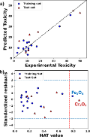
Introducing third-generation periodic table descriptors for nano-qRASTR modeling of zebrafish toxicity of metal oxide nanoparticles
Beilstein J. Nanotechnol. 2024, 15, 1142–1152, doi:10.3762/bjnano.15.93
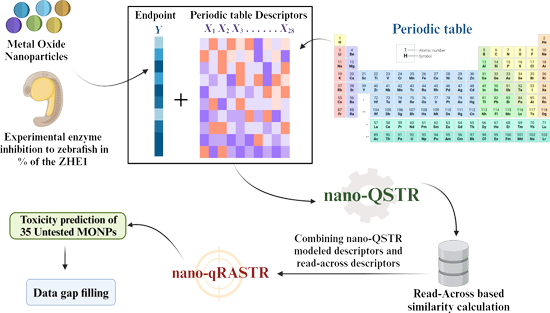
- ’ kinetics, migration, and transformation than in vitro cell culture assays [14]. Meanwhile, it is considered an equivalent model for investigating developmental toxicity and genotoxicity because around 85% of its genes are comparable to those found in humans [15]. The potential harm to human health posed by


Direct electron beam writing of silver using a β-diketonate precursor: first insights
Beilstein J. Nanotechnol. 2024, 15, 1117–1124, doi:10.3762/bjnano.15.90

- energy for migration. The difference between planar and spot deposit is the thickness of the deposit itself. While the silicon substrate suppresses beam-induced heating because of its high thermal conductivity, the deposit itself is most probably a bad heat conductor [39]. Consequently, a temperature


Recent updates in applications of nanomedicine for the treatment of hepatic fibrosis
Beilstein J. Nanotechnol. 2024, 15, 1105–1116, doi:10.3762/bjnano.15.89
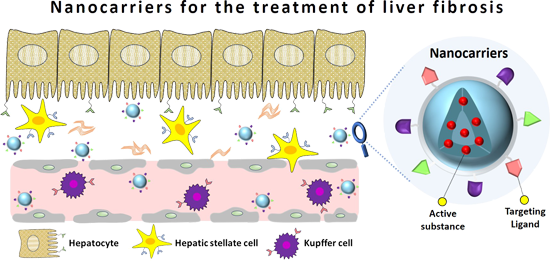
- effects of TiO2 NPs, with diameters around 20 and 200 nm, and SiO2 NPs on proliferation, fibrosis, adhesion, and migration of LX-2 cells as a model of HSC activation were studied. The results show that the internalization of both TiO2 NPs and SiO2 NPs suppressed classical outcomes of cellular fibrosis


Electrospun nanofibers: building blocks for the repair of bone tissue
Beilstein J. Nanotechnol. 2024, 15, 941–953, doi:10.3762/bjnano.15.77
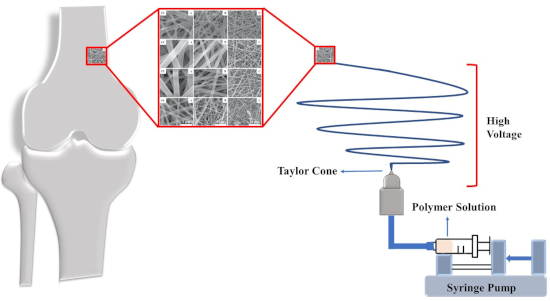
- is, inflammatory, repair, and bone remodeling stages, are observed in bone healing or repair [26]. Bone damage is often accompanied by damage of both periosteum and surrounding soft tissue. In the first stage of healing, a hematoma is immediately formed by the migration of blood cells to the damaged
- , migration, and proliferation than other scaffolds, especially particulate forms [31][32]. (ii) Their large surface area per unit volume, adjustable high porosity, and superior flexibility and mechanical properties enable them to adhere to bone tissue more easily, to carry biofactors such as growth factors


Electron-induced ligand loss from iron tetracarbonyl methyl acrylate
Beilstein J. Nanotechnol. 2024, 15, 797–807, doi:10.3762/bjnano.15.66
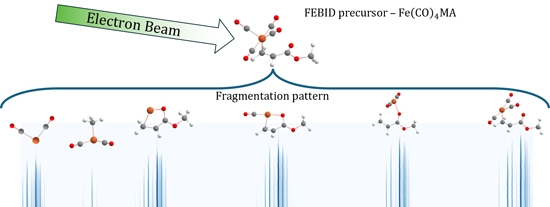
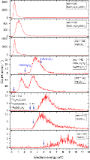
- , which is relatively strong. This mass may correspond to three different structures, all of them requiring considerable rearrangement during the dissociative ionization process. Formation of Fe(CO)OCH2+ requires migration of the methoxy group from the methyl acrylate ligand to the iron atom, formation of



Effect of repeating hydrothermal growth processes and rapid thermal annealing on CuO thin film properties
Beilstein J. Nanotechnol. 2024, 15, 743–754, doi:10.3762/bjnano.15.62
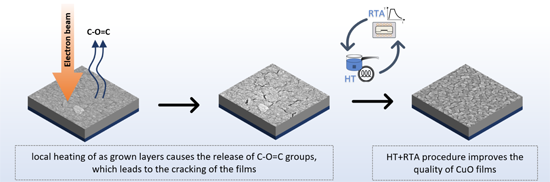
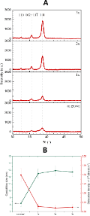
- nanocrystallites are not as clearly distinguishable. Under the influence of temperature, atoms can diffuse along the boundaries between particular crystallites, which leads to their coalescence. Moreover, annealing of polycrystalline films can lead to grain boundary migration to reduce the surface energy of the




AFM-IR investigation of thin PECVD SiOx films on a polypropylene substrate in the surface-sensitive mode
Beilstein J. Nanotechnol. 2024, 15, 603–611, doi:10.3762/bjnano.15.51
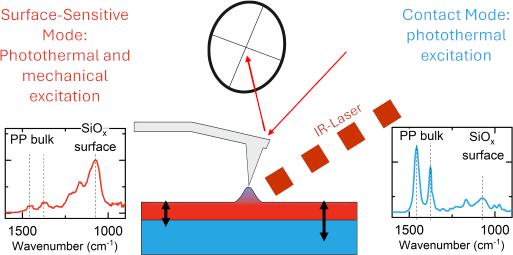
- work was financially supported by the German Research Foundation (DFG) within the project “Functional PECVD coatings as migration barrier for the use of postconsumer recycled materials in food contact” (TRR 87 - T07 Project number 138690629).


A combined gas-phase dissociative ionization, dissociative electron attachment and deposition study on the potential FEBID precursor [Au(CH3)2Cl]2
Beilstein J. Nanotechnol. 2023, 14, 1178–1199, doi:10.3762/bjnano.14.98
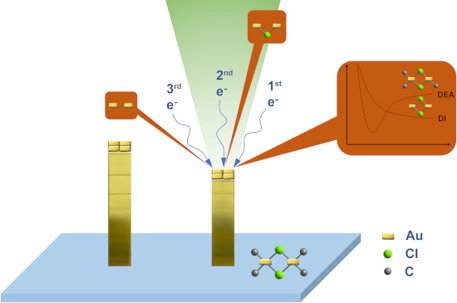
- leading to the neutral counterparts HCl, 2CH4, and C2H3. The threshold value for this reaction is 12.54 and 12.33 eV at the PBE0-TZVP and DLPNO-CCSD(T)-TZVP levels of theory, respectively. However, this reaction requires, in addition to new bond formations, the migration of three hydrogens between the



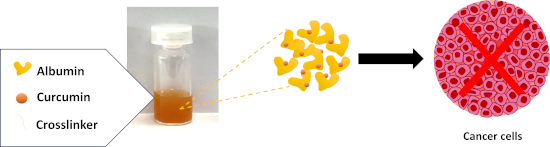
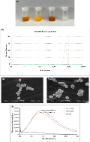
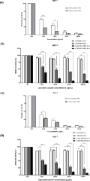
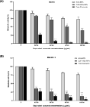
Curcumin-loaded albumin submicron particles with potential as a cancer therapy: an in vitro study
Beilstein J. Nanotechnol. 2023, 14, 1127–1140, doi:10.3762/bjnano.14.93
- and migration of C6 glioma cells in vitro [12]. Other nanoparticles that are being explored as CUR formulations for various applications include silk-based nanoparticles. These are an excellent candidate with longer plasma half-life and slower release rate, indicating high bioavailability [13]. The




Control of morphology and crystallinity of CNTs in flame synthesis with one-dimensional reaction zone
Beilstein J. Nanotechnol. 2023, 14, 741–750, doi:10.3762/bjnano.14.61
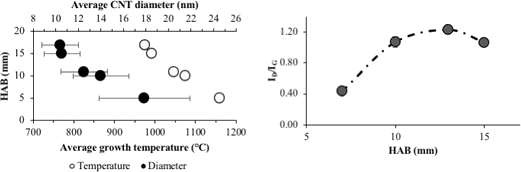
- temperatures and lower HAB values, the particles can combine, sinter, and increase in size either due to Ostwald ripening or particle migration and coalescence [26]. The agglomeration occurs because of the high temperature, creating conditions similar to annealing. At higher HAB values, where the temperature


Bismuth-based nanostructured photocatalysts for the remediation of antibiotics and organic dyes
Beilstein J. Nanotechnol. 2023, 14, 291–321, doi:10.3762/bjnano.14.26
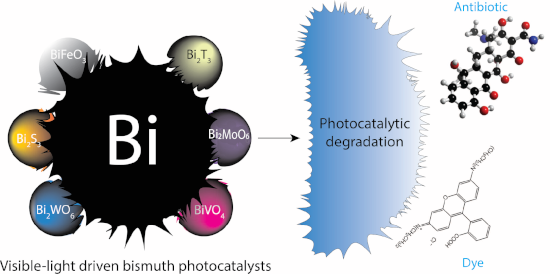
- electrons are elevated by the hybridisation, which benefits the separation of photogenerated electron–hole pairs and the rate of charge carrier migration. Numerous visible-light photocatalysts based on bismuth have been used for the degradation of micropollutants because of their appropriate bandgap and non
- were degraded by 94.8% and 81.1% after 1 h, respectively. Another strategy for overcoming constraints such as low charge migration and the unpredictable direction of charge diffusion is the construction of a Schottky junction. A Schottky junction can be created at the interface between the
- facile solvothermal technique. An intrinsic electric field is created at the interface as a result of the active migration of electrons from BiVO4 to NiSe2. This improves the separation efficiency of the photogenerated carriers, and the interaction at the interface lowers the bandgap of BiVO4, which in


Recent progress in cancer cell membrane-based nanoparticles for biomedical applications
Beilstein J. Nanotechnol. 2023, 14, 262–279, doi:10.3762/bjnano.14.24
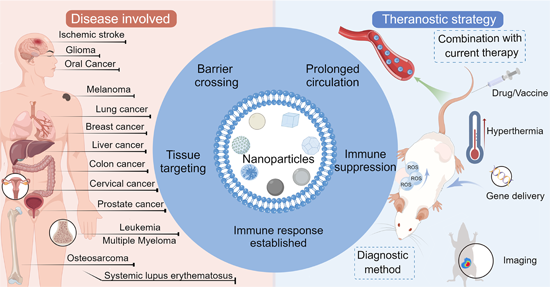
- brain metastasis of some tumors, He et al. tried to apply the 4T1 breast cancer cell membrane to the treatment of ischemic stroke [26]. Expression of syndecan-1 on breast cancer cell membranes promotes migration across the BBB and increases adhesion to perivascular areas of the brain [50]. The


Nanotechnology – a robust tool for fighting the challenges of drug resistance in non-small cell lung cancer
Beilstein J. Nanotechnol. 2023, 14, 240–261, doi:10.3762/bjnano.14.23
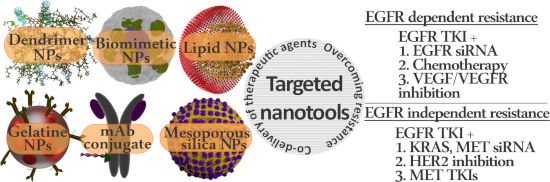
- gastrointestinal tract and distributed in the body, they interact with EGFR signaling pathways of many normal cells influencing their proliferation, differentiation, migration, and apoptosis. This leads to side effects, including rash, erythema, diarrhea, gastrointestinal perforations, ocular lesions, and


Antimicrobial and mechanical properties of functionalized textile by nanoarchitectured photoinduced Ag@polymer coating
Beilstein J. Nanotechnol. 2023, 14, 95–109, doi:10.3762/bjnano.14.11
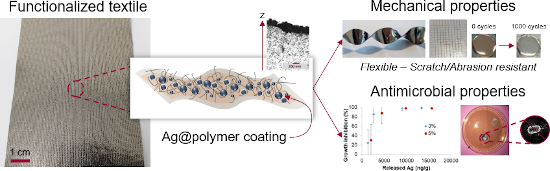
- is denser than in the case of PEG600DA diacrylate monomer, which ultimately limits not only the increase in particle size but also the migration/diffusion of silver ions and NPs towards the surface. This affects the final thickness of the top metal layer, the depth of the concentration gradient and



Photoelectrochemical water oxidation over TiO2 nanotubes modified with MoS2 and g-C3N4
Beilstein J. Nanotechnol. 2022, 13, 1541–1550, doi:10.3762/bjnano.13.127
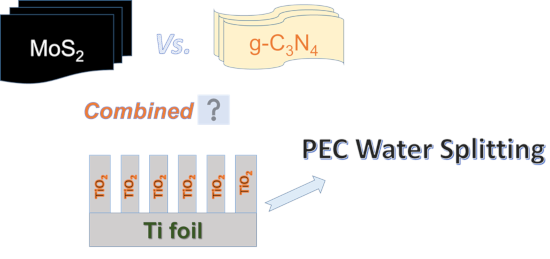
- material. The Mott–Schottky plots of TNAs, g-C3N4, and MoS2 samples yield Efb (or CBM) values of 0.14, −0.38, and −0.032 V vs RHE, respectively. It can be found that the Efb values of g-C3N4 and MoS2 are significantly more negative than that of TNAs, which can facilitate the migration of electrons from g
- incorporation of TNAs with MoS2 and g-C3N4 are all of type II. Type-II heterostructures promote the migration of h+ and e− under visible-light irradiation. Electrons can move from the conduction band (CB) of MoS2 or g-C3N4 to the CB of TNAs in MoS2/TNAs or g-C3N4/TNAs, respectively. In contrast, holes will


Recent trends in Bi-based nanomaterials: challenges, fabrication, enhancement techniques, and environmental applications
Beilstein J. Nanotechnol. 2022, 13, 1316–1336, doi:10.3762/bjnano.13.109
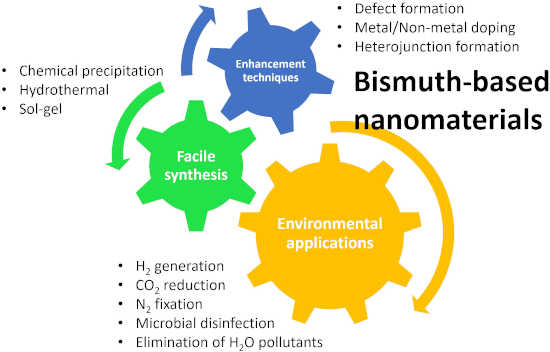
- migration [95][96]. Photoinduced holes in n-type semiconductors are transported to p-type semiconductors by an electric field at the interface, whereas photoinduced electrons from p-type semiconductors are transported to n-type semiconductors (Figure 5b). Using simple and cost-effective experimental
- increased photocatalytic efficiency was the formation of heterojunctions together with the loading of quantum dots, which enhanced the light-harvesting efficiency and promoted the separation and migration of photogenerated carriers. The fabricated composites followed the S-scheme charge transfer mechanism