Search results
Search for "mitochondria" in Full Text gives 44 result(s) in Beilstein Journal of Nanotechnology.
Enhanced antineoplastic/therapeutic efficacy using 5-fluorouracil-loaded calcium phosphate nanoparticles
Beilstein J. Nanotechnol. 2018, 9, 2499–2515, doi:10.3762/bjnano.9.233
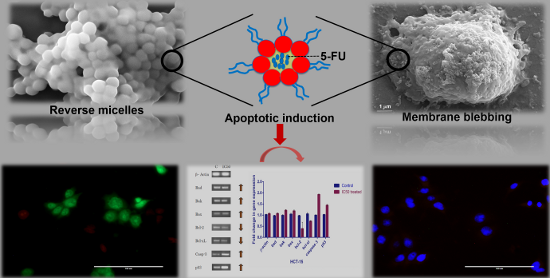
- apoptotic induction upon CaP@5-FU NP incubation occurred inside the cells. The 5-FU-mediated inhibition of the thymidylate synthase causes the release of cytochrome c from mitochondria through the mitochondrial membrane channel by the interaction of BAX and BAK proteins. Located on the outer mitochondrial


Review on nanoparticles and nanostructured materials: history, sources, toxicity and regulations
Beilstein J. Nanotechnol. 2018, 9, 1050–1074, doi:10.3762/bjnano.9.98



Involvement of two uptake mechanisms of gold and iron oxide nanoparticles in a co-exposure scenario using mouse macrophages
Beilstein J. Nanotechnol. 2017, 8, 2396–2409, doi:10.3762/bjnano.8.239
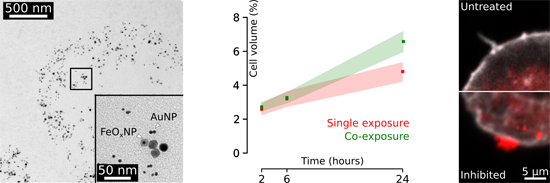
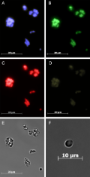
- fluorescence signal of either the AuNPs or FeOxNPs (Figure 8). The colocalisation of both NP types in other cell organelles was also investigated and no signal overlap between NP events and the Golgi apparatus, the mitochondria or the nucleus was found after 24 h (data not shown). Uptake mechanisms Inhibitors
- German cover glass system, NC-155382, Nunc, Milian, Geneva, Switzerland) and kept at 37 °C and 5% CO2. Lysotracker to stain lysosomes, Mitotracker to stain mitochondria and Nunc Blue to stain the nucleus (Molecular Probes) were added to the cells for 1 h, after which the cells were washed once with PSB



Optical techniques for cervical neoplasia detection
Beilstein J. Nanotechnol. 2017, 8, 1844–1862, doi:10.3762/bjnano.8.186

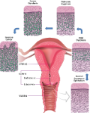
- precancerous modifications of cervical epithelium [31]. The differences in fluorescence spectra of normal and precancerous cervical tissue are explained by the concomitance of two phenomena linked with the CIN progression. An increase in number of metabolically active mitochondria in epithelial cells with CIN



Uptake and intracellular accumulation of diamond nanoparticles – a metabolic and cytotoxic study
Beilstein J. Nanotechnol. 2017, 8, 1649–1657, doi:10.3762/bjnano.8.165
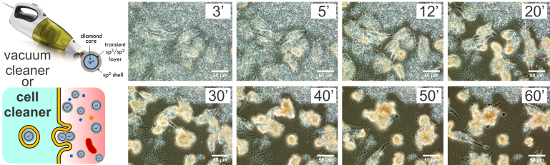
- integrity of cytoplasmic membrane and damage of other membranous organelles like mitochondria and lysosomes were observed. Also, more autophagosomes were produced by the cells cultivated with positively charged nanoparticles ([45] or for a review see [46]). Hydrogenated positively charged ND particles


Uptake of the proteins HTRA1 and HTRA2 by cells mediated by calcium phosphate nanoparticles
Beilstein J. Nanotechnol. 2017, 8, 381–393, doi:10.3762/bjnano.8.40
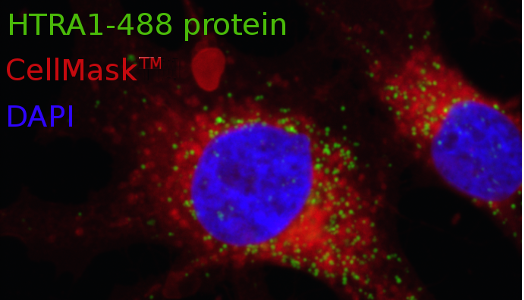
- , however, how its cellular distribution is regulated. HTRA2 is a human serine protease located in the intermembrane compartment of mitochondria [40]. It is known to be involved in mitochondrial quality control, namely through interactions with the antiapoptotic protein HAX-1 [41]. The degradation of this
- protein by HTRA2 induces autophagy, resulting in the clearance of damaged mitochondria. Similar as for HTRA1, the functional unit of HTRA2 is a trimer. Each protomer contains a trypsin-like protease domain and one C-terminal PDZ domain. The proteolytic activity can be modulated by binding of the PDZ
- ]. Neurodegenerative disorders are strongly associated with the aggregation of proteins or protein fragments as well as the accumulation of unfolded proteins in mitochondria [36]. This implies that the HTRA2 protease plays a significant role in maintaining cellular homeostasis by means of protein quality control. The


Facile fabrication of luminescent organic dots by thermolysis of citric acid in urea melt, and their use for cell staining and polyelectrolyte microcapsule labelling
Beilstein J. Nanotechnol. 2016, 7, 1905–1917, doi:10.3762/bjnano.7.182
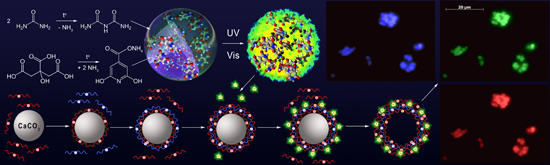
- stress region: A bright glow was observed in the area of preferential localization of mitochondria in the perinuclear space. Increasing the number and size of nucleoli ("ribosomes factories”) correlates with the primary compensatory response of cells to oxidative stress during the first 15 min of contact
- -dependent oxidoreductases which were present in the mitochondria and cytosol of the cells [61][62]. To determine the effect of heat treatment duration on the toxicity of O-dots, a set of samples consisting of 2 g of a mixture of citric acid and urea (molar ratio 1:5) were prepared by heating at 160 °C for 0
- mitochondria were stained with MitoTracker® Green FM (Thermo Fisher Scientific). Statistical analysis Experimental data are presented as the median and interquartile range Me (LQ–UQ), where Me = median (50% percentiles), LQ = 25% percentiles and UQ = 75% percentiles. In the entire series, the number of




On the pathway of cellular uptake: new insight into the interaction between the cell membrane and very small nanoparticles
Beilstein J. Nanotechnol. 2016, 7, 1296–1311, doi:10.3762/bjnano.7.121
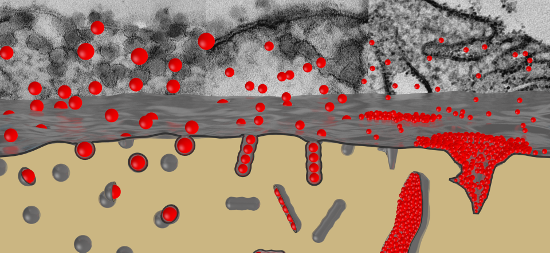
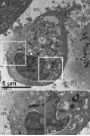
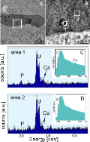
- outer membrane and general signs of necrosis like vacuolization, nuclear membrane disintegration and mitochondria containing agglomerates of dark appearance in TEM brightfield micrographs (Figure 8). From the morphological point of view, the size and frequency of these agglomerates correlates with the
- overall appearance of the cell – the more advanced the necrotic cellular breakdown the more distinct the dark material inside the mitochondria. These agglomerates might be due to deposition of Ca2+ salts within the mitochondria. EELS and EDX measurements revealed a significantly raised content of calcium
- hints at necrotic cell death involving membrane disintegration, cell swelling (and even bursting, Supporting Information File 1, Figure S12), vacuolisation and Ca2+-containing agglomerates inside mitochondria. In EM and cLSM experiments we could not observe any apoptotic bodies. After longer incubation




Unraveling the neurotoxicity of titanium dioxide nanoparticles: focusing on molecular mechanisms
Beilstein J. Nanotechnol. 2016, 7, 645–654, doi:10.3762/bjnano.7.57
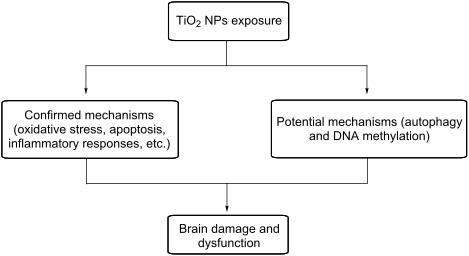
- ultimately be induced. Long et al. [19][20] first revealed in their in vitro studies that TiO2 NPs can induce dose- and time-dependent elevations in H2O2 levels in BV2 cells (an immortalized brain microglia cell line). BV2 internalized TiO2 NPs and subsequently swollen mitochondria were detected by
- transmission electron microscopy (TEM), indicating that the function of the mitochondria was disrupted. Mitochondria are the sites of aerobic respiration, and generally are the major energy production center in eukaryotes. Dysfunction of mitochondria would thus influence energy metabolism. Many in vivo studies
- -2 levels, indicated that mitochondria- and endoplasmic reticulum-mediated signaling pathways were involved in the apoptotic process. TiO2 NPs were also shown to decrease cell viability by inducing apoptosis in the microglia N9 [36] and human astrocytes-like astrocytoma U87 cell lines [37]. Direct
Novel roles for well-known players: from tobacco mosaic virus pests to enzymatically active assemblies
Beilstein J. Nanotechnol. 2016, 7, 613–629, doi:10.3762/bjnano.7.54
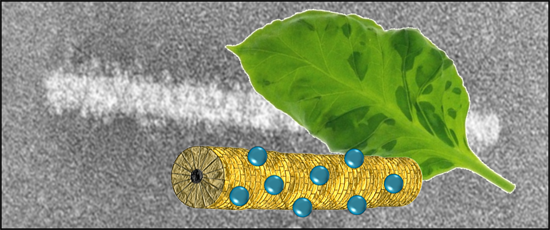
- antioxidative effects on mitochondria, and might be of high value in biosensor setups for the enzymatic detection of reactive oxygen species [133]. Hence, the precise proteinaceous 3D structure of TMV may even be converted into novel types of designer rods with enzymatically active surfaces. Perspectives on


Influence of gold, silver and gold–silver alloy nanoparticles on germ cell function and embryo development
Beilstein J. Nanotechnol. 2015, 6, 651–664, doi:10.3762/bjnano.6.66
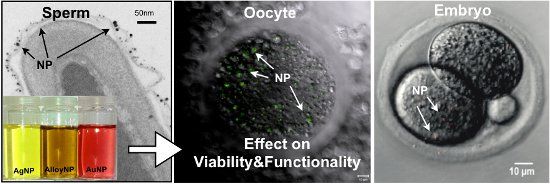
- almost reaches crystalline properties [55][56]. The mitochondria, producers of reactive oxygen species, are placed at the midpiece of the spermatozoon and thus spatially removed from the nucleus, which limits the affliction of oxidative damage to the precious cargo [57]. During the course of our studies




Comparative evaluation of the impact on endothelial cells induced by different nanoparticle structures and functionalization
Beilstein J. Nanotechnol. 2015, 6, 300–312, doi:10.3762/bjnano.6.28
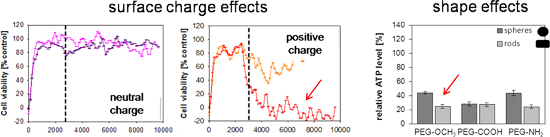
- mitochondria in the immediate vicinity (Figure 5b, white arrow heads). Moreover, it is possible that the cells get rid of these nanoparticles leading to the loss in cell viability. In summary, the size of a nanoparticle defines its intracellular localization. Nanoparticles with a size of 40 nm are localized in
- heads point to affected mitochondria. Scale bars in (b) indicate 2 µm. N = nucleus. Microscopy images of endothelial cells and semi quantitative analysis of nanoparticle uptake to determine the endocytosis pathways of different metal oxide nanoparticles. HMEC-1 cells were treated with 5 µg/mL metal




Mammalian cell growth on gold nanoparticle-decorated substrates is influenced by the nanoparticle coating
Beilstein J. Nanotechnol. 2014, 5, 2479–2488, doi:10.3762/bjnano.5.257
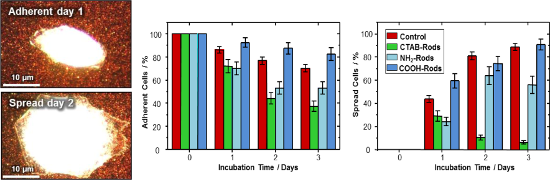
- spreading of cells on the substrate for all samples regardless of nanoparticle coating. The inner cell region containing the nucleus, mitochondria, and dense cytoplasm scatters light so efficiently that it appears white and opaque (Figure 1A). In contrast, the spread cortical membrane is so thin and


Anticancer efficacy of a supramolecular complex of a 2-diethylaminoethyl–dextran–MMA graft copolymer and paclitaxel used as an artificial enzyme
Beilstein J. Nanotechnol. 2014, 5, 2293–2307, doi:10.3762/bjnano.5.238
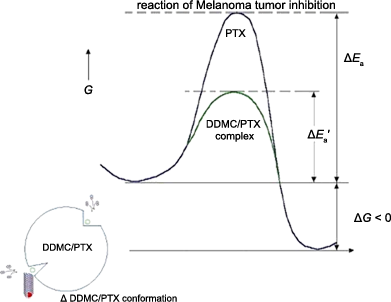
- micelles carrying a drug, they have been shown to be transported to and act on not only endosomes and lysosomes but also the Golgi body and mitochondria [4]. A block copolymer micelle can be used to deliver a hydrophobic drug as a nanocarrier with water-soluble biological affinity. Knowledge of the
- cytoplasmic organelles, including mitochondria. Acting as drug carriers, these micelles affect the cellular distribution of the drug, as well as effectively increase the total quantity of the drug delivered to the cell [4]. It has been shown that by conjugating a drug to a copolymer carrier, the medicinal


Data-adaptive image-denoising for detecting and quantifying nanoparticle entry in mucosal tissues through intravital 2-photon microscopy
Beilstein J. Nanotechnol. 2014, 5, 2016–2025, doi:10.3762/bjnano.5.210
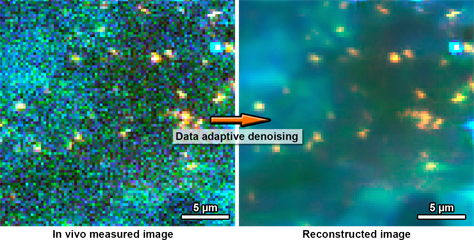
- modified BM3D algorithm (b). In contrast, the structure of densely packed mitochondria is preserved in regions where the optical section runs through the apical cytoplasm of the cells (rectangle in b). Bar = 5 µm. The display colors selected for the 4 spectral channels are listed in a and almost meet the


Imaging the intracellular degradation of biodegradable polymer nanoparticles
Beilstein J. Nanotechnol. 2014, 5, 1905–1917, doi:10.3762/bjnano.5.201
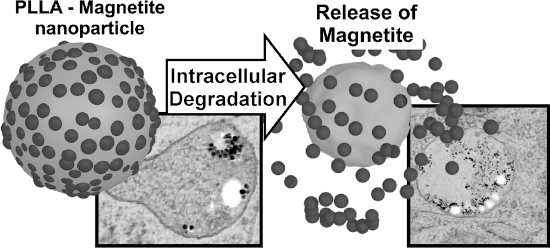
- endosomes and not within other cell compartments such as the cell nucleus, Golgi apparatus, or in mitochondria. Quantitative analysis of TEM observations As stated above, TEM observations of external material inside MSCs are too heterogeneous to provide a coherent picture by presenting only an excerpt of


In vitro interaction of colloidal nanoparticles with mammalian cells: What have we learned thus far?
Beilstein J. Nanotechnol. 2014, 5, 1477–1490, doi:10.3762/bjnano.5.161
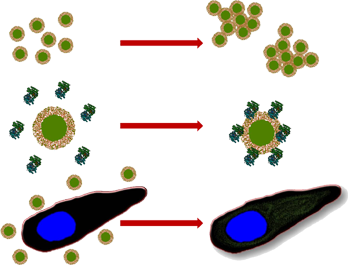
- other hand it is safe to say that different intracellular locations for NPs exist. NPs have been reported in different intracellular organelles such as mitochondria, the nucleus, and free in the cytosol [63][64]. Most of the time such intracellular distributions are analyzed with transmission electron
- located within a lysosome (arrows I) and in the cytosol (arrow II). m and n demark the nucleus and mitochondria, respectively. The scale bar corresponds to 500 nm. Adopted from with permission from [68]. Copyright 2010 Wiley-VCH Verlag GmbH & Co. KGaA, Weinheim. TEM images of a) dispersed and b


The protein corona protects against size- and dose-dependent toxicity of amorphous silica nanoparticles
Beilstein J. Nanotechnol. 2014, 5, 1380–1392, doi:10.3762/bjnano.5.151
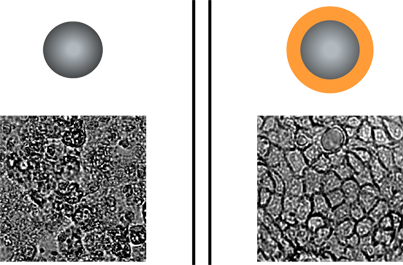
- , such as the mitochondria or ER. As a consequence, ASP–cell interactions may also trigger the production of reactive oxygen species (ROS), causing inflammatory responses and/or induce cell death [19][20][43][45]. Moreover, the direct binding of NP to proteins may additionally modulate downstream
- living cells, image analysis and presentation were performed as described in detail in [53]. Measurement of cell viability Cell viability was determined by using the electric sensing zone method (CASY® TT Cell Counter; Schärfe SystemGmbH, Reutlingen, Germany) or by the mitochondria-dependent reduction of




Cytotoxic and proinflammatory effects of PVP-coated silver nanoparticles after intratracheal instillation in rats
Beilstein J. Nanotechnol. 2013, 4, 933–940, doi:10.3762/bjnano.4.105
- -dependent decrease in cell viability. In addition, a proinflammatory response was shown by increased levels of tumor necrosis factor-α (TNF-α), macrophage inflammatory protein-2 (MIP-2), and interleukin-1β (IL-1β) [18]. Furthermore, AgNP caused damage to mitochondria and an increased production of reactive