


Search results
Search for "monolayer" in Full Text gives 503 result(s) in Beilstein Journal of Nanotechnology. Showing first 200.
Synthesis of a multicomponent cellulose-based adsorbent for tetracycline removal from aquaculture water
Beilstein J. Nanotechnol. 2025, 16, 728–739, doi:10.3762/bjnano.16.56
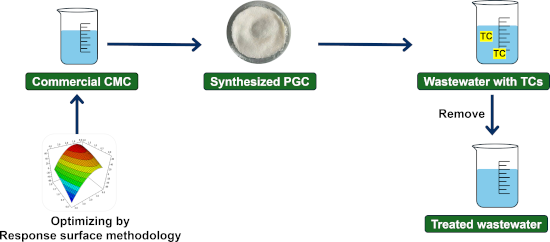
- follows the monolayer adsorption mechanism described by the Langmuir model, the degree of fit was evaluated using the equilibrium coefficient RL. Notably, the RL values, calculated in Table 2 and presented in Figure 5c, range from 0.167 to 0.334, indicating that TC adsorption onto PGC is favorable and
- conforms to the Langmuir isotherm model. The higher R2 value for the Langmuir model compared to that for the Freundlich model (Table 2, Figure 5a,b) suggests that the Langmuir model better describes TC adsorption onto PGC. This finding indicates that TC adsorption onto PGC occurs as monolayer adsorption on


Colloidal few layered graphene–tannic acid preserves the biocompatibility of periodontal ligament cells
Beilstein J. Nanotechnol. 2025, 16, 664–677, doi:10.3762/bjnano.16.51
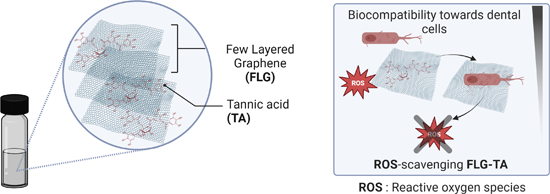
- , compared to those of 1 µg·mL−1 PLG-TA and CTRL+, should have no impact on cell fate because for all conditions the CV values are around 0.4. It was shown that in mouse fibroblasts grown on a graphene monolayer on a glass substrate, chromatin decompaction was induced [44]. Our results differ, probably due




A formulation containing Cymbopogon flexuosus essential oil: improvement of biochemical parameters and oxidative stress in diabetic rats
Beilstein J. Nanotechnol. 2025, 16, 617–636, doi:10.3762/bjnano.16.48
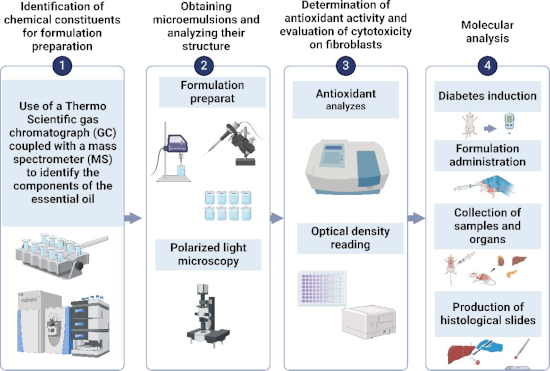
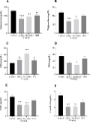
- (surfactants + water, without EOCF), EOCF, and the selected microemulsion containing EOCF (M7-EOCF), at concentrations of 50, 100, and 200 µg/mL, and cultured under the previous conditions for further 24 h. At the end of this phase, the cell monolayer was washed twice with phosphate-buffered saline, and then




Electron beam-based direct writing of nanostructures using a palladium β-ketoesterate complex
Beilstein J. Nanotechnol. 2025, 16, 530–539, doi:10.3762/bjnano.16.41
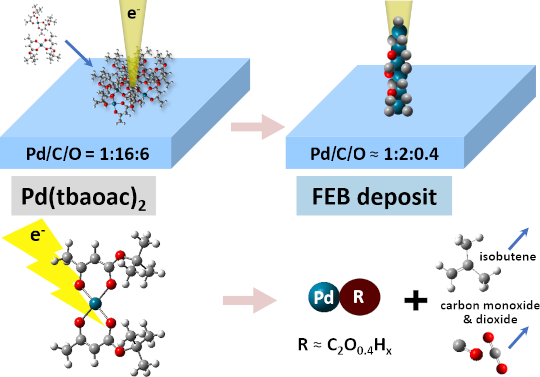
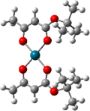
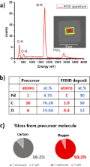
- using the maximum monolayer coverage n0 = 2.72 nm−2 for the Pd(tbaoac)2 molecule. The gas adsorption rate is νgas = 1.36 × 10³ s−1, and the maximum dissociation rate is νdis = 6.16 × 10³ s−1. This gives the upper limit on the desorption rate of νdes = 6.07 × 10⁷ s−1. The ratios νdis/νdes = 1.01 × 10⁻⁴


Water in nanoporous hexagonal boron nitride nanosheets: a first-principles study
Beilstein J. Nanotechnol. 2025, 16, 510–519, doi:10.3762/bjnano.16.39
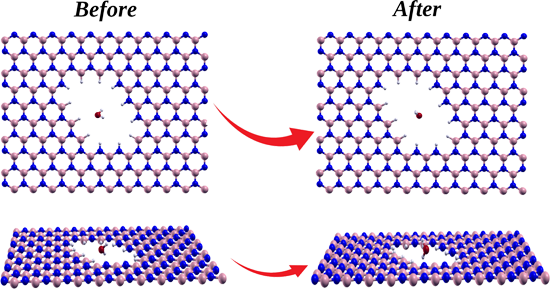
- Cruzeiro, 35400-000, Ouro Preto, MG, Brazil 10.3762/bjnano.16.39 Abstract Nanoporous membranes are being explored as efficient materials for water filtration and desalination applications. In this study, we analyzed the behavior of pores within a freestanding hexagonal boron nitride (h-BN) monolayer in
- passage of ions and polar molecules. However, the use of h-BN as a membrane for water desalination is still a relatively new area of research. In this paper we propose an analysis using first-principles calculations to understand the stability of pores in monolayer h-BN and their interaction with water
- chemical potentials for B and N atoms are interrelated, that is, μB + μN = μBN, where μBN signifies the chemical potential of the h-BN monolayer. Under this constraint, the formation energies of h-BN nanopores with stoichiometric ratios of boron and nitrogen atoms are independent of the individual choices




Impact of adsorbate–substrate interaction on nanostructured thin films growth during low-pressure condensation
Beilstein J. Nanotechnol. 2025, 16, 473–483, doi:10.3762/bjnano.16.36

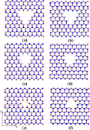
- can have nanometer-scale linear dimensions [10][11]. Experimental observations showed that nanometer-scale vacancy islands can arrange into a perfect triangular lattice when a single monolayer of Ag is deposited on a Ru(0001) surface at room temperature [12]. Similar elongated nanometer-sized islands


Emerging strategies in the sustainable removal of antibiotics using semiconductor-based photocatalysts
Beilstein J. Nanotechnol. 2025, 16, 264–285, doi:10.3762/bjnano.16.21
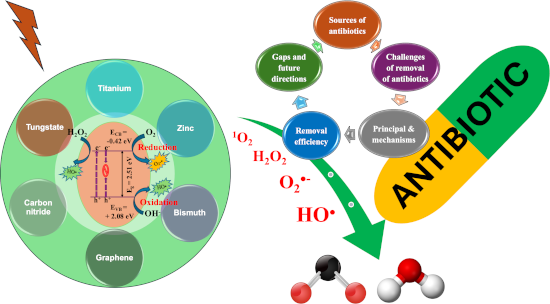
- oxide-based materials Graphene is a monolayer of carbon atoms organized in a hexagonal lattice, with various types of defects present around the edges. This material is categorized based on the level of surface oxidation, which includes pristine graphene, graphene oxide, and reduced graphene oxide (rGO


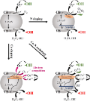

Radiosensitizing properties of dual-functionalized carbon nanostructures loaded with temozolomide
Beilstein J. Nanotechnol. 2025, 16, 229–251, doi:10.3762/bjnano.16.18
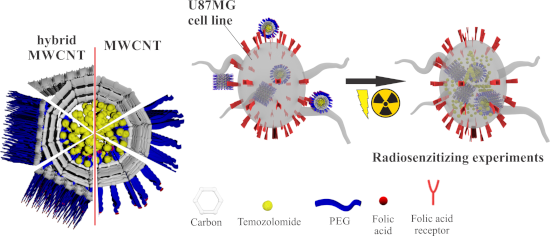


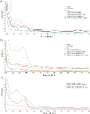


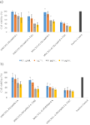
Modeling and simulation of carbon-nanocomposite-based gas sensors
Beilstein J. Nanotechnol. 2025, 16, 90–96, doi:10.3762/bjnano.16.9
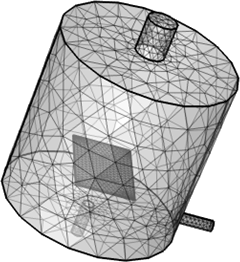
- model was initially formulated to characterize gas adsorption on solid-phase adsorbents such as carbon-based adsorbents [13]. The fundamental assumptions of the Langmuir isotherm include: (1) adsorption occurs as a monolayer; (2) adsorption sites are uniformly distributed; (3) the adsorption energy
- studies related to examining the suitability and limitations of the Langmuir adsorption isotherm for major unconventional gas resources [16]. The Langmuir isotherm is suitable for modeling monolayer adsorption on uniform sites. Fitting experimental adsorption data to the appropriate isotherm model is
- demonstrate that an increase in gas concentration within the test chamber corresponds to an increase in the number of adsorbed molecules on the surface, thereby enhancing surface coverage. The Langmuir adsorption model is used which is suitable when one assumes a monolayer of adsorbed gas molecules on a



Facile synthesis of size-tunable L-carnosine-capped silver nanoparticles and their role in metal ion sensing and catalytic degradation of p-nitrophenol
Beilstein J. Nanotechnol. 2024, 15, 1576–1592, doi:10.3762/bjnano.15.124
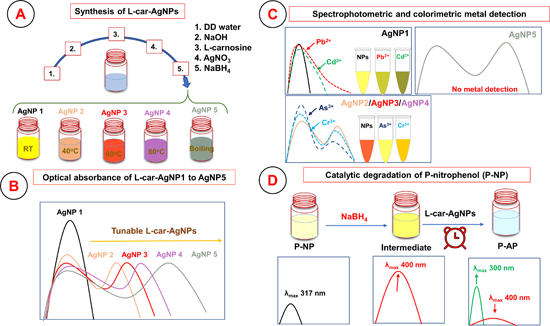
- distribution [27]. ʟ-Carnosine forms a monolayer around the nanoparticles, providing a consistent and uniform surface coverage. This uniformity in surface passivation contributes to the narrow size distribution of the nanoparticles. The formation of stable silver nanoparticles capped with ʟ-carnosine was




Strain-induced bandgap engineering in 2D ψ-graphene materials: a first-principles study
Beilstein J. Nanotechnol. 2024, 15, 1440–1452, doi:10.3762/bjnano.15.116
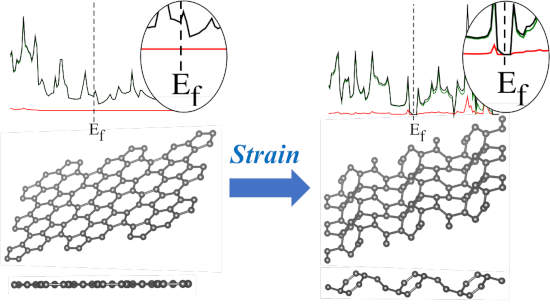
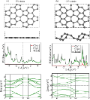
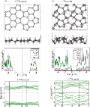
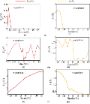
- al. found a shift from an indirect bandgap to a direct bandgap in arsenene under uniaxial strain along the zig-zag direction [37]. Mohan et al. employed DFT to study the effect of strain on the electrical band structure of a silicene monolayer and found a bandgap (335 meV) opening in silicene at 4


Ion-induced surface reactions and deposition from Pt(CO)2Cl2 and Pt(CO)2Br2
Beilstein J. Nanotechnol. 2024, 15, 1427–1439, doi:10.3762/bjnano.15.115

- under steady-state conditions. X-ray photoelectron spectroscopy (XPS) and mass spectrometry data from monolayer thick films of Pt(CO)2Cl2 and Pt(CO)2Br2 exposed to 3 keV Ar+, He+, and H2+ ions indicate that deposition is initiated by the desorption of both CO ligands, a process ascribed to momentum



A biomimetic approach towards a universal slippery liquid infused surface coating
Beilstein J. Nanotechnol. 2024, 15, 1376–1389, doi:10.3762/bjnano.15.111
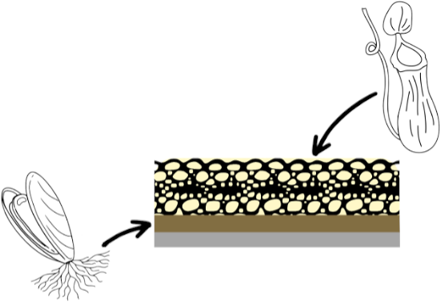
- modification of the PDA film though the formation of a pseudo self-assembled monolayer [19][20]. In this process, molecules that contain thiol groups attach to the newly formed PDA surface via Michael addition [21][22][23]. In this work, we take advantage of PDA to covalently attach fluorinated chains
- square roughness (Rq), a useful metric for comparing surface roughness. The final layer with FDT should increase the surface roughness as only a monolayer is expected to bond. The final value layer of the coating that contains FDT showed Rq values of 70.5 ± 23.5 nm for COC, 46.9 ± 26 nm for Si, and 47.8




Out-of-plane polarization induces a picosecond photoresponse in rhombohedral stacked bilayer WSe2
Beilstein J. Nanotechnol. 2024, 15, 1362–1368, doi:10.3762/bjnano.15.109
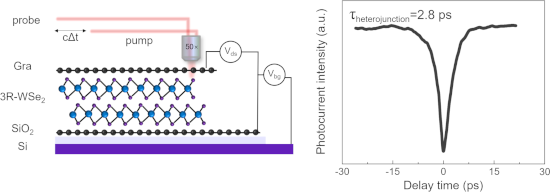
- interlayer engineering, it is viable to fabricate the 2D ferroelectrics using vdW materials, even when the monolayer exhibits centrosymmetry [15][16][17][18][19][20]. Two-dimensional ferroelectrics constructed through interlayer engineering typically break out-of-plane (OOP) symmetry, resulting in the
- graphene/3R bilayer WSe2/graphene vertical heterojunction shown in Figure 1b. We performed SHG measurements with an 800 nm laser to excite monolayer WSe2 and artificially stacked bilayer WSe2. A stronger SHG intensity at 400 nm was detected in bilayer WSe2 constructed by artificial stacking, which
- confirmed its 3R phase (Figure 1c). To highlight the difference in SHG intensity between bilayer WSe2 of various phases and monolayer WSe2, we controlled the stacking angle to prepare 3R and 2H regions on the same monolayer WSe2 (Supporting Information File 1, Figure S2a). The corresponding SHG scanning map


Nanoarchitectonics with cetrimonium bromide on metal nanoparticles for linker-free detection of toxic metal ions and catalytic degradation of 4-nitrophenol
Beilstein J. Nanotechnol. 2024, 15, 1312–1332, doi:10.3762/bjnano.15.106
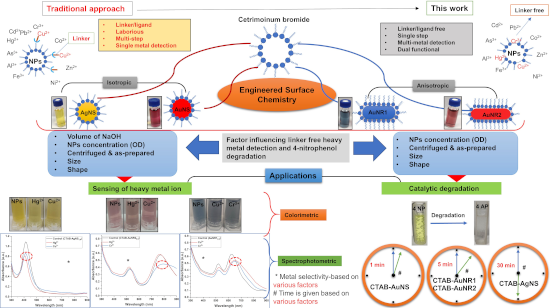
- monolayer around the nanoparticles, providing a consistent and uniform surface coverage. This uniformity in surface passivation contributes to the narrow size distribution of the particles. The long hydrocarbon tails of the CTAB molecules extending from the nanoparticle surface create steric repulsive




Dual-functionalized architecture enables stable and tumor cell-specific SiO2NPs in complex biological fluids
Beilstein J. Nanotechnol. 2024, 15, 1238–1252, doi:10.3762/bjnano.15.100
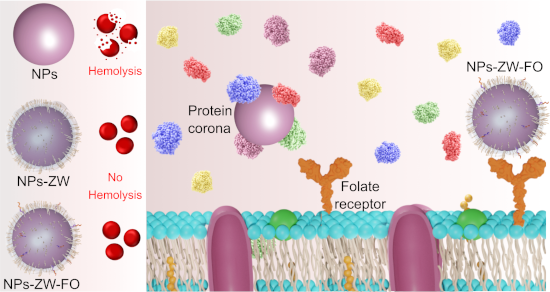
- medium and kept in an atmosphere of 5% CO2, and 95% air at 37 °C in a humidified incubator. Subsequently, cells were seeded onto 96 well microplates at a density of 1 × 10⁴ cells/well at a final volume of 200 μL and incubated for 24 h to obtain a subconfluent monolayer. Cells were exposed to SiO2NPs at


A low-kiloelectronvolt focused ion beam strategy for processing low-thermal-conductance materials with nanoampere currents
Beilstein J. Nanotechnol. 2024, 15, 1197–1207, doi:10.3762/bjnano.15.97

- program SRIM (Monte Carlo simulation) was used to determine the heat flux that 5 keV gallium ions (Ga+) induce in skin. 50000 ions were simulated for each incident ion energy. The methods “surface sputtering/monolayer collision steps” was selected as the calculation type. The plotting window size was

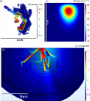


Quantum-to-classical modeling of monolayer Ge2Se2 and its application in photovoltaic devices
Beilstein J. Nanotechnol. 2024, 15, 1153–1169, doi:10.3762/bjnano.15.94
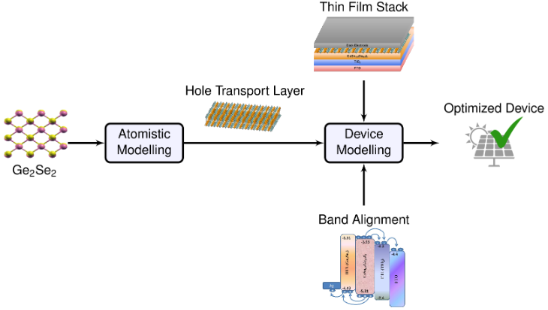
- characteristics of group IV–VI dichalcogenides are yet to be thoroughly investigated. This manuscript reports on monolayer Ge2Se2 (a group IV–VI dichalcogenide), its optoelectronic behavior, and its potential application in photovoltaics. When employed as a hole transport layer, the material fosters an
- –k dispersion reveals the investigated material’s key electronic properties. The calculations reveal a direct bandgap of 1.12 eV for monolayer Ge2Se2. We further extract critical optical parameters using the Kubo–Greenwood formalism and Kramers–Kronig relations. A significantly large absorption
- coefficient and a high dielectric constant inspired the design of a monolayer Ge2Se2-based solar cell, exhibiting a high open circuit voltage of Voc = 1.11 V, a fill factor of 87.66%, and more than 28% power conversion efficiency at room temperature. Our findings advocate monolayer Ge2Se2 for various




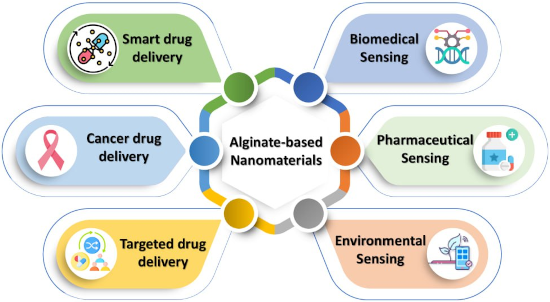
Unveiling the potential of alginate-based nanomaterials in sensing technology and smart delivery applications
Beilstein J. Nanotechnol. 2024, 15, 1077–1104, doi:10.3762/bjnano.15.88
- a monolayer of gas coverage. The surface area of nanomaterials can also be determined by X-ray photoelectron spectroscopy and secondary ion mass spectroscopy [64][65]. Zeta potential: The zeta potential of nanoparticles can be calculated from the electrophoretic mobility of particles in a particular


Interface properties of nanostructured carbon-coated biological implants: an overview
Beilstein J. Nanotechnol. 2024, 15, 1041–1053, doi:10.3762/bjnano.15.85
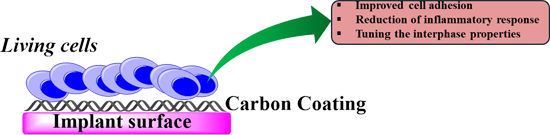
- proliferation. The authors reported a significant improvement of cytocompatibility with the creation of a preosteoblastic monolayer on the coated surface after one week of cell culture. Chen and co-workers [95] investigated the effect of GO coating as antifibrotic on metal implants. They controlled the



Exploring surface charge dynamics: implications for AFM height measurements in 2D materials
Beilstein J. Nanotechnol. 2024, 15, 767–780, doi:10.3762/bjnano.15.64
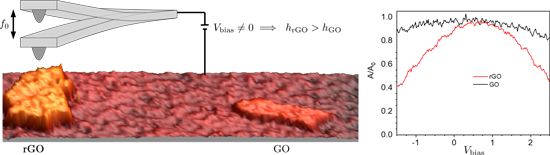
- monolayer flakes of 2D materials is the inaccurate height derived from topography images, often attributed to capillary or electrostatic forces. Here, we show the existence of a Joule dissipative mechanism related to charge dynamics and supplementing the dissipation due to capillary forces. This particular
- , consequently, affect the measured height. To investigate this phenomenon, we conduct measurements on monolayer flakes of co-deposited graphene oxide and reduced graphene oxide. Subsequently, we introduce a general model that elucidates our observations. This approach offers valuable insights into the dynamics
- (a) and (b). (a) Topography and (b) 2ωelec images of rGO and GO monolayer flakes. (c) The top image corresponds to the 3D representation of the topography along the black line shown in (a) as a function of time as Vbias is changed in 0.5 V increments. The bottom plot corresponds to the average height


Electron-induced deposition using Fe(CO)4MA and Fe(CO)5 – effect of MA ligand and process conditions
Beilstein J. Nanotechnol. 2024, 15, 500–516, doi:10.3762/bjnano.15.45
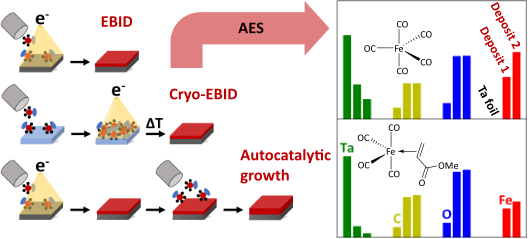
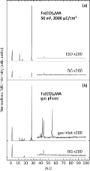
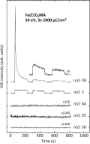
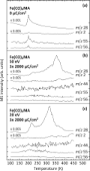
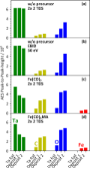
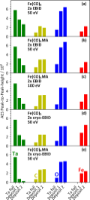
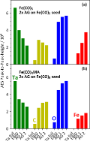
- small attenuation of the TaNNN signal, despite being slightly more pronounced as compared to Figure 6a, is still typical of a coverage in the monolayer regime. For example, a carbon layer with homogeneous thickness of 0.2 nm (scenario A) would lead to an attenuation of the TaNNN signal by about 25



Sidewall angle tuning in focused electron beam-induced processing
Beilstein J. Nanotechnol. 2024, 15, 447–456, doi:10.3762/bjnano.15.40
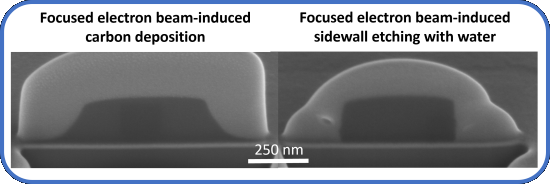
- , the FEBIE precursor, adsorb onto the surface and are assumed to immediately form at least a monolayer. They can be dissociated by the distribution of SE emitted around the point of impact of the primary beam, causing material to be etched. As before the etching profile on a flat deposit is taken as a




Potential of a deep eutectic solvent in silver nanoparticle fabrication for antibiotic residue detection
Beilstein J. Nanotechnol. 2024, 15, 426–434, doi:10.3762/bjnano.15.38
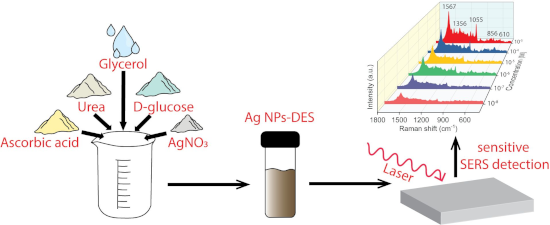
- stirring, the obtained Ag NPs-DES were washed with DI water several times, and the pellets were re-dispersed in DI water for further use. The Ag NPs-DES thin film was prepared following the procedure for self-assembly monolayer construction. A clean glass substrate was treated with oxygen plasma to form


Determining by Raman spectroscopy the average thickness and N-layer-specific surface coverages of MoS2 thin films with domains much smaller than the laser spot size
Beilstein J. Nanotechnol. 2024, 15, 279–296, doi:10.3762/bjnano.15.26
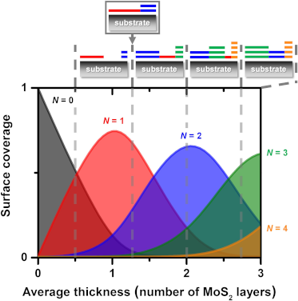
- SiO2 on Si substrates. Then, we discuss the applicability of the same criteria for significantly different DLI-PP-CVD MoS2 samples with average thicknesses ranging from sub-monolayer up to three layers. Finally, an original procedure based on the measurement of the intensity of the layer breathing
- ][8][9] because of a number of remarkable properties [10][11][12]. Particularly, it was found that the properties of layered TMDs drastically change when their thickness is reduced to a monolayer [13][14]. Layered TMD structures have a graphite-like structure with each graphene sheet replaced with an
- transition to a direct bandgap semiconductor with very high photoluminescence quantum yield when thinned down to a monolayer [13][14][15][16][17]. Its unique electronic and optical properties could provide an edge in many future applications. The multilayers MoS2 structures are of the most common 2Hc type





