Search results
Search for "polarity" in Full Text gives 156 result(s) in Beilstein Journal of Nanotechnology.
Fluorescent bioinspired albumin/polydopamine nanoparticles and their interactions with Escherichia coli cells
Beilstein J. Nanotechnol. 2023, 14, 1208–1224, doi:10.3762/bjnano.14.100
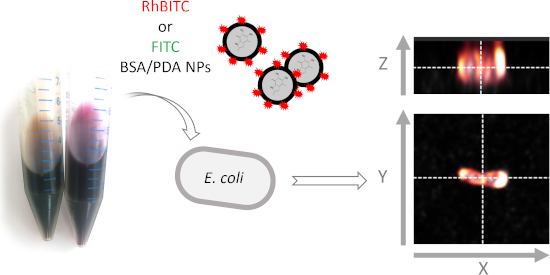
- ). This probably results from a change in polarity in the close environment of the bound fluorophore. In addition, the absorption intensity of FITC-BSA/PDA and RhBITC-BSA/PDA NPs above 600 nm is a typical feature of melanin materials. The high background (decreasing from 400 to 800 nm and similar to the



Dual-heterodyne Kelvin probe force microscopy
Beilstein J. Nanotechnol. 2023, 14, 1068–1084, doi:10.3762/bjnano.14.88
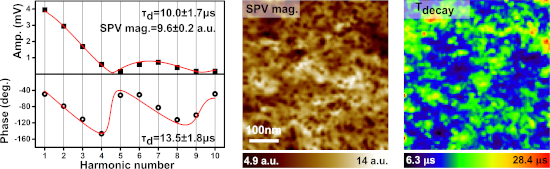
- nanoscale phase segregated donor-acceptor networks. However, it is not possible to perform a phase identification on the sole basis of the harmonic amplitude signal (Figure 3b). Taken alone, that channel gives indeed no information about the polarity of the SPV signal. In principle, one could use the phase
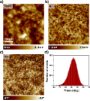
- . Their values are indeed distributed in a relatively narrow band, as shown by the histogram in Figure 3d. This indicates that regardless of the area of the sample being scanned, the SPV – or more specifically, its first harmonic component – keeps a constant polarity (otherwise, 180 phase reversals should
- calculated SPV magnitude image (Figure 4c) displays contrasts, which definitely confirm our former assumptions. It displays indeed local minima that are correlated with the topographic protrusions. At the same time, the full set of phase data confirms that the SPV polarity remains constant over the entire




Biomimetics on the micro- and nanoscale – The 25th anniversary of the lotus effect
Beilstein J. Nanotechnol. 2023, 14, 850–856, doi:10.3762/bjnano.14.69

- approaches, and finally by establishing biomimetics as its own field of science. In this thematic issue, we have gathered 15 publications from several fields of interest, showing the huge diversity of biomimetic approaches. Surapaneni et al. [5] present in the paper “Polarity in cuticular ridge development


Metal-organic framework-based nanomaterials as opto-electrochemical sensors for the detection of antibiotics and hormones: A review
Beilstein J. Nanotechnol. 2023, 14, 631–673, doi:10.3762/bjnano.14.52


Utilizing the surface potential of a solid electrolyte region as the potential reference in Kelvin probe force microscopy
Beilstein J. Nanotechnol. 2022, 13, 1558–1563, doi:10.3762/bjnano.13.129
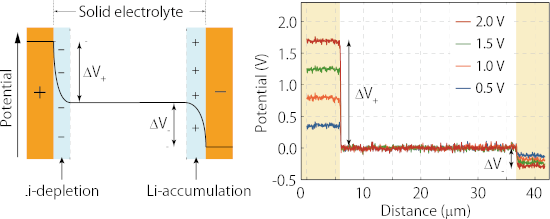
- 1 where the Au1 and Au2 electrode potentials relative to the Li reference electrode during KPFM measurements, monitored by a voltmeter, are summarized). In contrast, when the polarity of the DC voltage was changed from 0 V to −0.5 V in the backward sweep, the change in the Au1 electrode potential




DNA aptamer selection and construction of an aptasensor based on graphene FETs for Zika virus NS1 protein detection
Beilstein J. Nanotechnol. 2022, 13, 873–881, doi:10.3762/bjnano.13.78
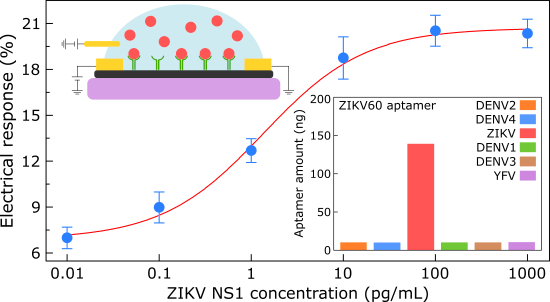
- rinsed with 0.1 M HCl for 5 min, water (DNAse/RNAse free) for 1 min, then borate buffer for 5 min under 50 psi pressure before injection of the incubation mixture at 0.5 psi for 5 s. The mixture was separated under 26 kV (reverse polarity) in borate buffer at 25 °C and monitored through UV absorbance



Direct measurement of surface photovoltage by AC bias Kelvin probe force microscopy
Beilstein J. Nanotechnol. 2022, 13, 712–720, doi:10.3762/bjnano.13.63
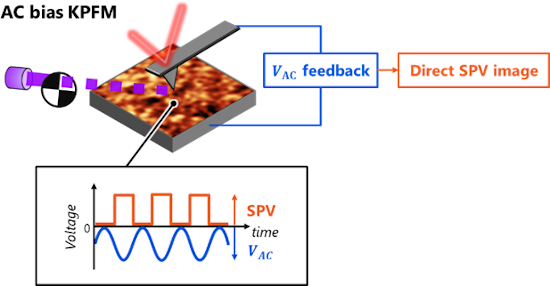
- disappeared in the spectrum of Δf (Figure 2b). Here, we cannot determine the polarity of the SPV because the phase for the lock-in amplifier was adjusted to maximize the absolute value of the demodulated output. We note that the response time of SPV on the rutile TiO2(110) surface is intrinsically


Effects of substrate stiffness on the viscoelasticity and migration of prostate cancer cells examined by atomic force microscopy
Beilstein J. Nanotechnol. 2022, 13, 560–569, doi:10.3762/bjnano.13.47
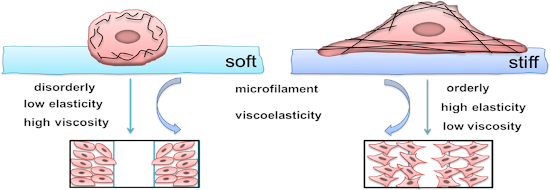
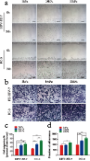
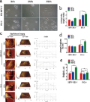
- cultured on stiff substrates (35 kPa) undergone several interesting phenomena compared to those on soft substrates (3 kPa). Here, the stimulation generated by the stiff substrates triggered the F-actin skeleton to bundle its filaments, increasing the polarity index of the external contour of PCa cells
- expansion. In contrast, the cells on soft substrates were rounded and had a lower degree of cell expansion (Figure 3a). By measuring the cell surface area, perimeter, and polarity index, it was found that an increase in substrates stiffness was positively correlated with cell expansion. There was a
- significant difference between the surface area and perimeter of HPV-PZ-7 and PC-3 cells on stiff and soft substrates (Supporting Information File 1, Figure S3a,b). The polarity index showed that PC-3 cells had a higher polarity on stiff substrates, while HPV-PZ-7 cells were not sensitive to substrate



Micro- and nanotechnology in biomedical engineering for cartilage tissue regeneration in osteoarthritis
Beilstein J. Nanotechnol. 2022, 13, 363–389, doi:10.3762/bjnano.13.31
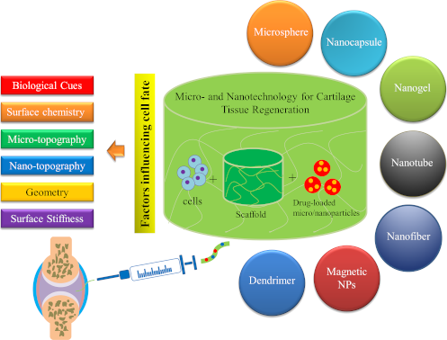
- example, to modify the surface of nanofiber polymers, plasma treatment has been used to provide them with hydroxy, carboxyl, or amine polar groups to improve physical properties such as wettability, polarity, and bioadhesion [102]. As a result, surface-modified nanofibers will more likely absorb bioactive


Investigation of a memory effect in a Au/(Ti–Cu)Ox-gradient thin film/TiAlV structure
Beilstein J. Nanotechnol. 2022, 13, 265–273, doi:10.3762/bjnano.13.21
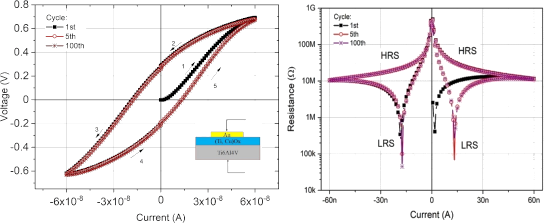
- . Depending on the direction of the applied current, the structure was either in a high-resistance state (HRS) or in a low-resistance state (LRS) at the same absolute value of the current. When the direction of the current was changed to the opposite polarity, the structure still “remembered” its high



Engineered titania nanomaterials in advanced clinical applications
Beilstein J. Nanotechnol. 2022, 13, 201–218, doi:10.3762/bjnano.13.15
- contact angle, which is reported to be favorable for biomedical applications. Likewise, Gatoo et al. proposed that amorphous titania materials are hydrophilic due to the presence of a higher concentration of hydroxy groups upon their surface and the high polarity of the O–Ti–O bond [23]. The surface


A photonic crystal material for the online detection of nonpolar hydrocarbon vapors
Beilstein J. Nanotechnol. 2022, 13, 127–136, doi:10.3762/bjnano.13.9
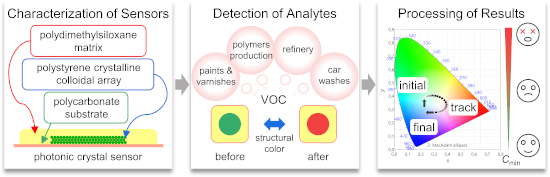
- chlorobenzene [41]. Therefore, the main factor can be considered the affinity of solvents to PDMS, namely the polarity and rate of diffusion of the solvent through the matrix. In addition, the polydimethylsiloxane matrix protects the polystyrene CCA from the effects of high concentrations of hydrocarbons, thus


Influence of magnetic domain walls on all-optical magnetic toggle switching in a ferrimagnetic GdFe film
Beilstein J. Nanotechnol. 2022, 13, 74–81, doi:10.3762/bjnano.13.5
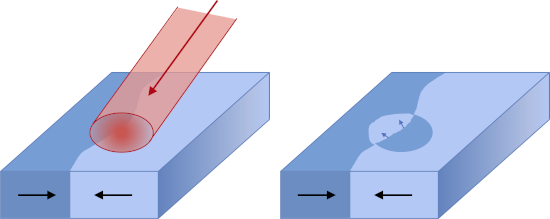
- series of laser exposures, the electromagnet was used to saturate the sample. Magnetic domain walls have been created by subsequently applying magnetic fields of reversed polarity. All images presented here were recorded with positive helicity of circularly polarized X-rays. In those images, light (dark
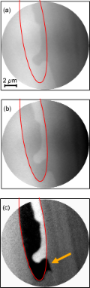


Polarity in cuticular ridge development and insect attachment on leaf surfaces of Schismatoglottis calyptrata (Araceae)
Beilstein J. Nanotechnol. 2021, 12, 1326–1338, doi:10.3762/bjnano.12.98
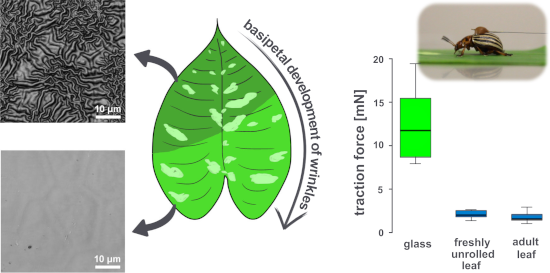
- surfaces. The changes in the micro- and macroscale morphology of the leaves should improve our understanding of the way that plants defend themselves against insect herbivores. Keywords: cuticular ridges; insect adhesion; leaf surfaces; ontogeny; polarity; surface replication; Introduction The plant
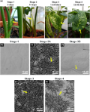
- four characteristic growth patterns: (1) basipetal, (2) acropetal, (3) diffused, and (4) bidirectional [15]. Such polarity in leaf growth is a result of direction-dependent cell differentiation, maturation, and proliferation processes along or perpendicular to the direction of the midrib [15][16][17
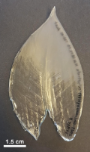
- ][18][19][20][21]. One aspect that would be interesting to know is whether cuticular structures such as ridges also display such polarity during growth in the proximodistal or mediolateral axes. This is the focus of the present study. Such knowledge will help in understanding the mechanical basis of




A review on slip boundary conditions at the nanoscale: recent development and applications
Beilstein J. Nanotechnol. 2021, 12, 1237–1251, doi:10.3762/bjnano.12.91
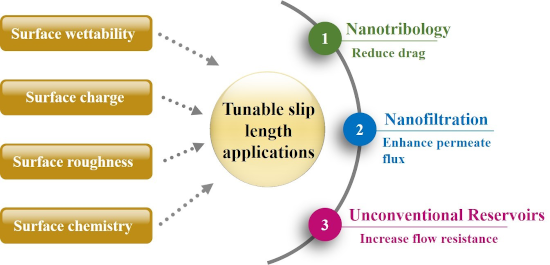
- this conclusion was drawn based on an ideal Lennard–Jones fluid. Its applicability on other Newtonian fluids with properties such as polarity and even on non-Newtonian fluids should be further validated. 2.2 Surface charge effects Investigating electrokinetics phenomena, including electro-osmosis


Progress and innovation of nanostructured sulfur cathodes and metal-free anodes for room-temperature Na–S batteries
Beilstein J. Nanotechnol. 2021, 12, 995–1020, doi:10.3762/bjnano.12.75
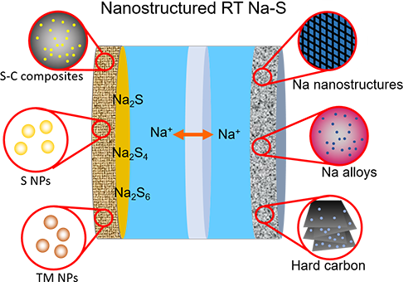
- 10 A·g−1) [49]. Metallic and metal oxide compounds have also attracted much interest due to their electronic conductivity and their high polarity, which leads to strong chemical interaction with polysulfides. For instance, Yan et al. [50] reported an electrode with an excellent performance that is




Self-assembly of Eucalyptus gunnii wax tubules and pure ß-diketone on HOPG and glass
Beilstein J. Nanotechnol. 2021, 12, 939–949, doi:10.3762/bjnano.12.70
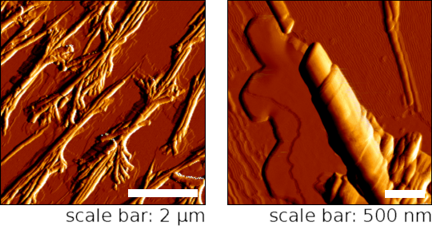
- formation on polar and non-polar substrates was also carried out for nonacosanol tubules [27]. In that study it was shown that the polarity of the substrate had an influence on the formation and the orientation of the tubules: On polar silicon wafers, randomly orientated tubules grew on top of thick crusts
- masses, thus, the surface polarity had no direct influence on the shape of the crystallized structures. Meusel [39] also showed deviant structures such as plates formed by pure hentriacontane-14,16-dione. There, the polymorphism (different shapes formed by the same chemical compound) of the
- the formation of ß-diketone tubules, we cannot yet provide a molecular model of ß-diketone tubules, which explains the observed differences caused by the substrate polarity in this current study. In future studies, the molecular arrangement of the observed layers and tubules could provide a deeper




The role of deep eutectic solvents and carrageenan in synthesizing biocompatible anisotropic metal nanoparticles
Beilstein J. Nanotechnol. 2021, 12, 924–938, doi:10.3762/bjnano.12.69
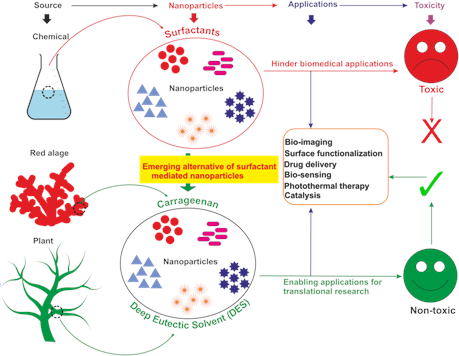
- oxide nanoparticles [28]. Numerous indispensable parameters including surface tension, polarity, viscosity, and hydrogen bonding have an important influence on the reactivity of species. Also, the formation of nanostructures is governed by the mass transport properties of the DES components. It is also
- for dissolving many species of high polarity, for example, amino acids, metal salts, glycerol, benzoic acid, citric acid, and glucose [26][76]. They are also promising in the dissolution of different polymers, such as starch, cellulose, lignin, chitin, and are also used in the pre-treatment of


Silver nanoparticles nucleated in NaOH-treated halloysite: a potential antimicrobial material
Beilstein J. Nanotechnol. 2021, 12, 798–807, doi:10.3762/bjnano.12.63
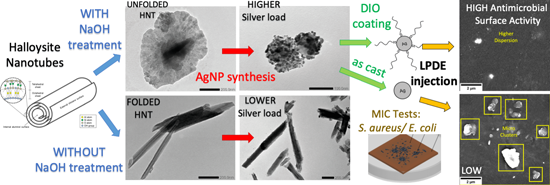
- antimicrobial surface activity obtained with Ag/HNT-8/DIO is consistent with expectations, as well dispersed nanoparticles tend to have higher surface energy. The difference in aggregation between both samples may be explained in terms of matrix polarity. Polymer molecules are polarized to some degree




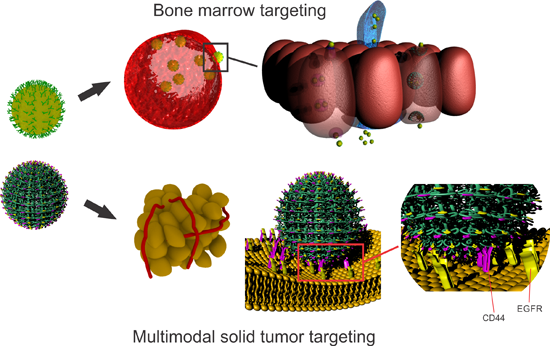
The impact of molecular tumor profiling on the design strategies for targeting myeloid leukemia and EGFR/CD44-positive solid tumors
Beilstein J. Nanotechnol. 2021, 12, 375–401, doi:10.3762/bjnano.12.31


The nanomorphology of cell surfaces of adhered osteoblasts
Beilstein J. Nanotechnol. 2021, 12, 242–256, doi:10.3762/bjnano.12.20
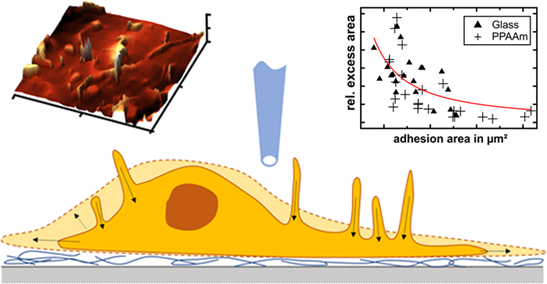
- 500 nm. However, the dimensions and the extent of polarity vary among different cells (not shown). With time, the adhesion interface increases and polarity gets less distinct. Furthermore, the cell exhibits a pronounced elevation of apparently 2 µm with a width of 1 µm (see blue graph in Figure 1b


Paper-based triboelectric nanogenerators and their applications: a review
Beilstein J. Nanotechnol. 2021, 12, 151–171, doi:10.3762/bjnano.12.12
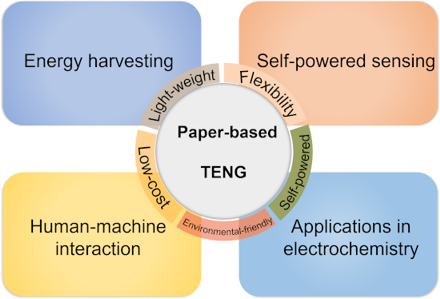
- electrode or into a charge-enriched friction layer to improve P-TENG output performances. As the TENG output performance closely depends on the triboelectric polarity of the friction layer, the engineering of friction layers with more charges with an opposite polarity induces a larger triboelectric charge
- , which are limiting factors for the triboelectric performance of TENG devices, Chen et al. tried to introduce a nitro group into the counter cellulose friction layer to change the triboelectric polarity of cellulose with higher electron-attractive capacity [94]. The hydroxy groups in the cellulose






Fusion of purple membranes triggered by immobilization on carbon nanomembranes
Beilstein J. Nanotechnol. 2021, 12, 93–101, doi:10.3762/bjnano.12.8
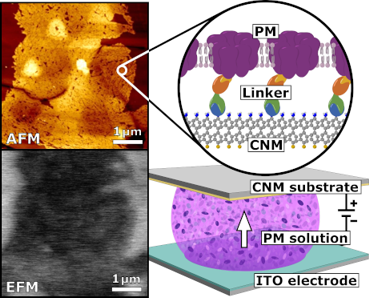
- optimistic that complete substrate coverage can be achieved through further optimization measures. One approach would be to alternate the polarity of the electric field several times after deposition to remove unbound PM patches. WT PM deposited on NBPT CNM using drop-casting and electrophoretic


Absorption and photoconductivity spectra of amorphous multilayer structures
Beilstein J. Nanotechnol. 2020, 11, 1757–1763, doi:10.3762/bjnano.11.158
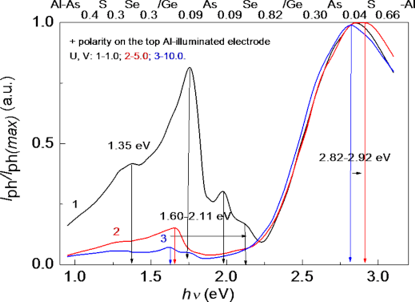
- –Ge0.09As0.09Se0.82–Al, and Al–Ge0.30As0.04S0.66–Al) and of an amorphous heterostructure (Al–As0.40S0.30Se0.30/Ge0.09As0.09Se0.82/Ge0.30As0.04S0.66–Al) at different values of the voltage, with positive or negative polarity, applied to the illuminated top Al electrode are presented and discussed. The complex structure
- agreement with the absorption spectra. The spectral distribution of the photocurrent for the HS is situated between the distributions of the separate layers and depends on the polarity of the illuminated electrode. The positions of the maximum of Al–Ge0.09As0.09Se0.82–Al (hν = 2.47 eV) and the maxima of Al
- –Ge0.30As0.04S0.66–Al (hν = 2.95 eV and hν = 2.42 eV) do not depend on the polarity of the applied voltage. The presence of two maxima in the photoconductivity spectra of Al–Ge0.30As0.04S0.66–Al, located at hν = 2.95 eV and hν = 2.42 eV, indicates a probable separation of this sample into multiple phases that


Direct observation of the Si(110)-(16×2) surface reconstruction by atomic force microscopy
Beilstein J. Nanotechnol. 2020, 11, 1750–1756, doi:10.3762/bjnano.11.157
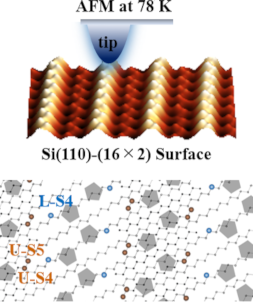
- position of the pentagons, but it was confirmed that the pentagon consisted of five atoms, while in STM images, only four or five bright spots appear depending on the polarity of the tip bias. Finally, we will compare our model (Figure 4b) with the universal building block (UBB) model of Si(110)-(16×2