


Search results
Search for "semiconductors" in Full Text gives 357 result(s) in Beilstein Journal of Nanotechnology. Showing first 200.
Morphology and properties of pyrite nanoparticles obtained by pulsed laser ablation in liquid and thin films for photodetection
Beilstein J. Nanotechnol. 2025, 16, 785–805, doi:10.3762/bjnano.16.60
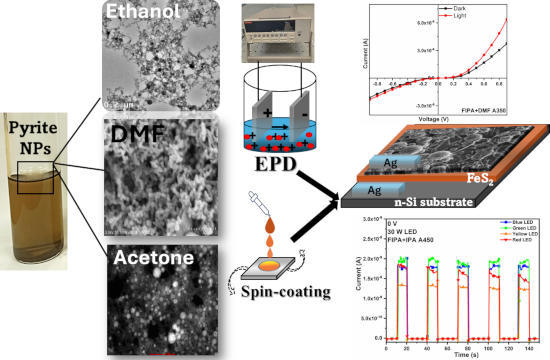
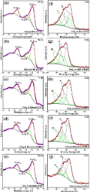
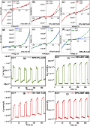
- prepared by PLAL. Keywords: electrophoretic deposition; pulsed laser ablation in liquid; pyrite nanoparticles; self-powered photodetector; spin coating; Introduction Pyrite (FeS2) is one of the earth-abundant and nontoxic semiconductors possessing a promising role in optoelectronic applications. FeS2 has
- without coming into contact with any surface electrons [64]. In summary, self-powered photodetectors operate based on the photovoltaic effect in semiconductors, where incident light generates electron–hole pairs. The resulting photocurrent arises from the separation and directs movement of these charge






Efficiency of single-pulse laser fragmentation of organic nutraceutical dispersions in a circular jet flow-through reactor
Beilstein J. Nanotechnol. 2025, 16, 711–727, doi:10.3762/bjnano.16.55
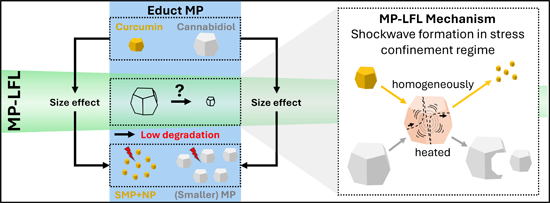
- extraction methods, exemplified by extraction from coffee powders [10] and alkaloid drug extraction from ground root powder [11]. Initially, LSPC research focused on inorganic materials such as metals [12][13], semiconductors [1], and oxides [14][15], where the particle formation mechanisms are well


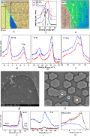
Nanostructured materials characterized by scanning photoelectron spectromicroscopy
Beilstein J. Nanotechnol. 2025, 16, 700–710, doi:10.3762/bjnano.16.54
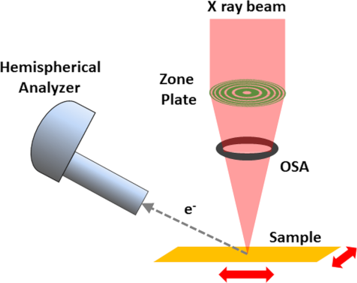
- footprint allows for the combination of different materials with dislocation-free interfaces and to form axial or radial heterostructures of varying material, doping, or crystal phase [17][18][19]. Nanowire heterostructures based on III–V semiconductors are especially promising for electronic


The impact of tris(pentafluorophenyl)borane hole transport layer doping on interfacial charge extraction and recombination
Beilstein J. Nanotechnol. 2025, 16, 678–689, doi:10.3762/bjnano.16.52
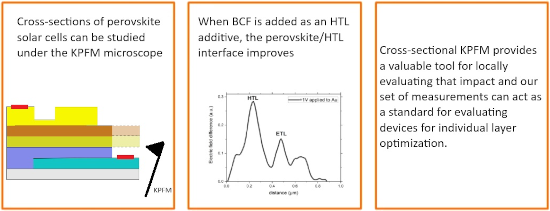
- conductivity of selective contacts, as well as the junction quality and energetic alignment with the absorber. On the hole extracting side, organic semiconductors have been extensively used due to their flexibility and favorable properties. Two of such compatible materials that have yielded high performing
- passivation, post-fabrication treatment, and choice of optimal materials [21][22][23], leaving research on HTL optimization vastly overlooked. In regular n-i-p architecture devices mostly two organic semiconductors have been used as HTL in the past: spiro-OMeTAD and poly[bis(4-phenyl)(2,4,6-trimethylphenyl
- adjacent perovskite. There have been many studies trying to address these points and advance PSC performance through HTL optimization, with conventional approaches mainly focusing on the doping strategies applied to these two materials [26][27][28][29]. The organic semiconductors spiro-OMeTAD and PTAA are


Emerging strategies in the sustainable removal of antibiotics using semiconductor-based photocatalysts
Beilstein J. Nanotechnol. 2025, 16, 264–285, doi:10.3762/bjnano.16.21
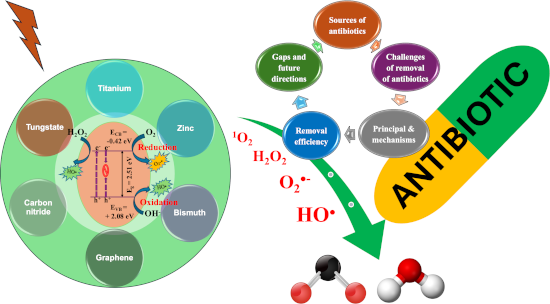
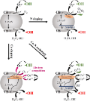
- enable localized surface plasmonic resonance (LSPR). The second strategy focuses on the development of heterojunctions between two semiconductors that is activated by visible light [65][66]. These heterojunctions should have bandgaps and energy levels that match the valence and conduction bands
- shown in Figure 5a. In type-II heterojunctions, however, holes move from SC2 to SC 1 (Figure 5b). In the p–n junction system, a type-II mechanism exchanges electrons and holes. Electrons travel from p-type to n-type semiconductors, whereas holes move from n-type to p-type semiconductors (Figure 5c). The
- , they also reduce compound semiconductors’ redox capacity and pose problems to the continuous flow of electrons and holes because of electrostatic repulsion. A Schottky junction is also formed by combining two different semiconductor materials (Figure 5d). The oxidation capability of Schottky



Recent advances in photothermal nanomaterials for ophthalmic applications
Beilstein J. Nanotechnol. 2025, 16, 195–215, doi:10.3762/bjnano.16.16
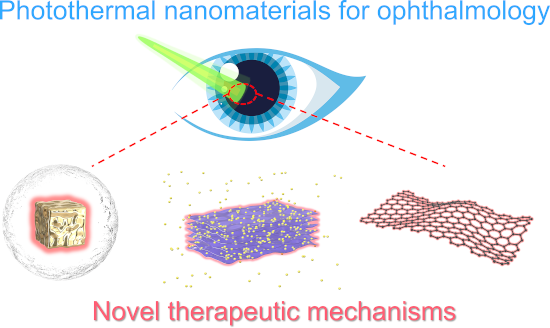
- levels that fall between those of conductors and insulators. Their light absorption characteristics are primarily determined by their bandgap width, ranging from 0 to 3 eV (Figure 2g) [72]. Semiconductors with narrow bandgaps are capable of absorbing incident light energy that is greater than or equal to
- via non-radiative relaxation, resulting in localized lattice heating [76][77]. Therefore, semiconductors with narrow bandgaps typically show broad absorption spectra and high efficiency in photon trapping. In contrast, wide-bandgap semiconductors have a more limited range of light absorption and less
- narrowing of the bandgap, thereby enhancing visible light absorption [83]. For example, pristine TiO2 hardly absorbs visible light with wavelengths greater than 400 nm, while N-doped TiO2 quantum dots exhibit significant visible light absorption between 400 and 1000 nm [84]. Semiconductors that rely on


Clays enhanced with niobium: potential in wastewater treatment and reuse as pigment with antibacterial activity
Beilstein J. Nanotechnol. 2025, 16, 141–154, doi:10.3762/bjnano.16.13
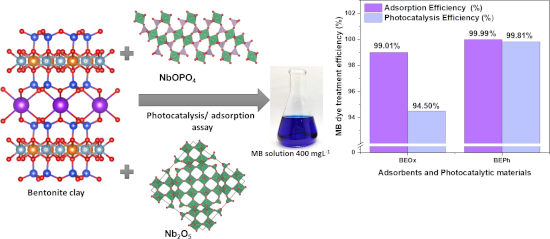
- photocatalysis is a cost-effective alternative to biological treatment methods for purifying polluted water [8]. Using semiconductors as heterogeneous catalysts proves to be more efficient than traditional methods, as the photocatalytic process gradually decomposes contaminating molecules without generating
- residues from the original organic matter, thus avoiding the disposal of sludge [8]. This approach allows the removal of various organic pollutants, including textile dyes, using solid semiconductors (e.g., NbOPO4 and Nb2O5) and photons (with energy greater than the bandgap energy of the semiconductor) to




Characterization of ZnO nanoparticles synthesized using probiotic Lactiplantibacillus plantarum GP258
Beilstein J. Nanotechnol. 2025, 16, 78–89, doi:10.3762/bjnano.16.8
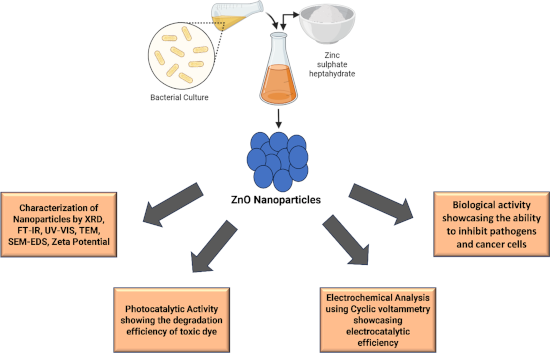
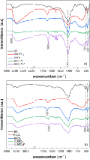
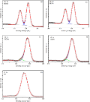
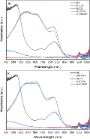
- semiconductors. Also, ZnO NPs exhibit antimicrobial activity, targeted drug delivery, catalytic activity, and antidiabetic, larvicidal, acaricidal and anticancer activity in addition to their usage in different medical devices and pharmaceuticals [11][12][13]. We report the ecologically safe production of ZnO



Strain-induced bandgap engineering in 2D ψ-graphene materials: a first-principles study
Beilstein J. Nanotechnol. 2024, 15, 1440–1452, doi:10.3762/bjnano.15.116
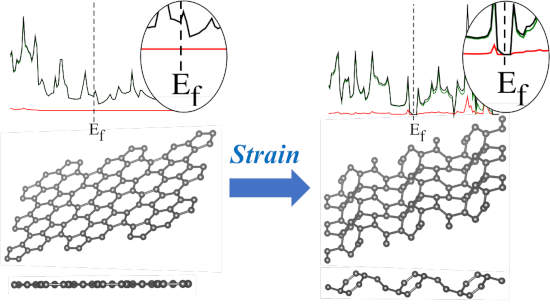
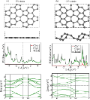
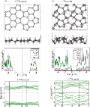
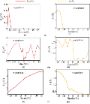
- cannot move from the valence to the conduction band even when strain is applied. This direct bandgap allows the most efficient transport of charge carriers and easy recombination of electrons and holes, indicating its suitability in quantum computing, which requires semiconductors with direct bandgaps. ψ


Various CVD-grown ZnO nanostructures for nanodevices and interdisciplinary applications
Beilstein J. Nanotechnol. 2024, 15, 1390–1399, doi:10.3762/bjnano.15.112
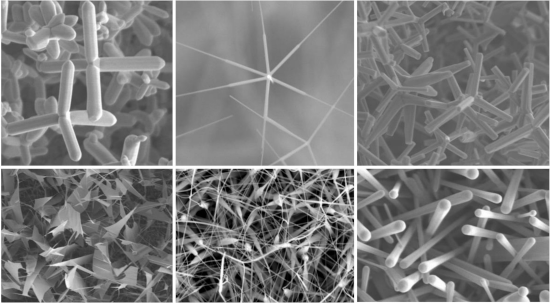
- electronic/optoelectronic devices, energy storage/generation systems, and renewable energy conversion devices with high performance and low-power consumption [1][2][3]. In comparison to semiconductors, ZnO has attracted much more attention. This is due to ZnO having outstanding semiconductor behaviours in
- ordering can also be established in ZnO lattices upon doping with transition-metal and/or rare-earth elements (known as magnetic semiconductors, DMSs). This is expected to enable the development of next-generation spintronic devices [14] applicable to quantum and neuromorphic computing for artificial



Out-of-plane polarization induces a picosecond photoresponse in rhombohedral stacked bilayer WSe2
Beilstein J. Nanotechnol. 2024, 15, 1362–1368, doi:10.3762/bjnano.15.109
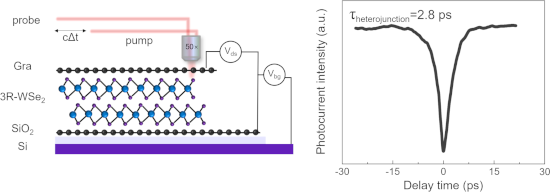
- lead to a high-efficiency photoelectric conversion that has the potential to surpasses the Shockley–Queisser limit [24][31][32][33][34]. In this regard, constructing 2D vdW semiconductors with OOP polarization and moderate bandgap holds great promise for high-performance self-powered BPVE devices. More


Mn-doped ZnO nanopowders prepared by sol–gel and microwave-assisted sol–gel methods and their photocatalytic properties
Beilstein J. Nanotechnol. 2024, 15, 1283–1296, doi:10.3762/bjnano.15.104
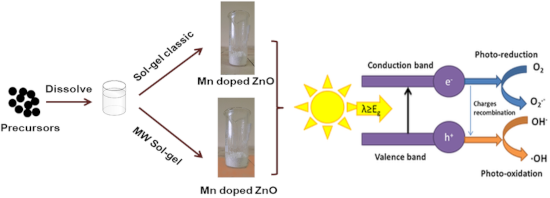
- toxic, and light-responsive. Up to now, advanced oxidation processes (AOPs) were used for the cleaning of waste water. Although AOPs based on engineered materials were performed in conjunction with biological treatments, the need for optimization still remains. Many photoactive semiconductors were
- and MW ZnO samples, with larger Eg values than those of the manganese-doped samples. Photoluminescence Photoluminescence (PL) measurements are usually used to describe the radiative recombinations of electron–hole pairs in semiconductors exposed to light irradiation. A high PL signal measured for a
- value 1/2 for direct-bandgap semiconductors and 2 for indirect-bandgap semiconductors or amorphous compounds. Photoluminescence measurements (PL) were carried out using a Carry Eclipse fluorescence spectrometer from Agilent Technologies and the following parameters: scan rate of 120 nm·min−1, spectral


Introducing third-generation periodic table descriptors for nano-qRASTR modeling of zebrafish toxicity of metal oxide nanoparticles
Beilstein J. Nanotechnol. 2024, 15, 1142–1152, doi:10.3762/bjnano.15.93

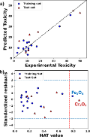
- range of substances that can be categorized as carbon-based, metal oxides, semiconductors, polymers, clays, emulsions, or metals [2]. Metal oxide nanoparticles (MONPs) are metallic oxides that exist within the nanoscale range and can be intentionally created or occur naturally [3]. Under the rapid


Photocatalytic methane oxidation over a TiO2/SiNWs p–n junction catalyst at room temperature
Beilstein J. Nanotechnol. 2024, 15, 1132–1141, doi:10.3762/bjnano.15.92
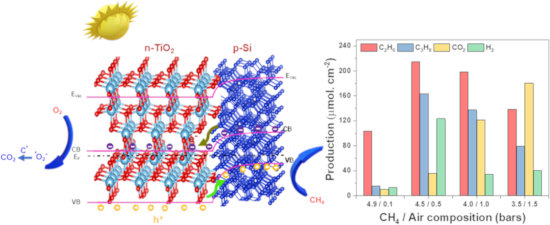
- recombination of charge carriers in semiconductors is a main drawback for photocatalytic oxidative coupling of methane (OCM) reactions. Herein, we propose a novel catalyst by developing a p–n junction titania–silicon nanowires (TiO2/SiNWs) heterostructure. The structure is fabricated by atomic layer deposition
- recombination of charge carriers is mainly attributed to the anisotropic movement of generated electron–hole pairs in semiconductors. Therefore, the implementation of a driving force could remarkably accelerate the oriented motion of electrons and holes, which could suppress recombination and eventually improve


Recent progress on field-effect transistor-based biosensors: device perspective
Beilstein J. Nanotechnol. 2024, 15, 977–994, doi:10.3762/bjnano.15.80
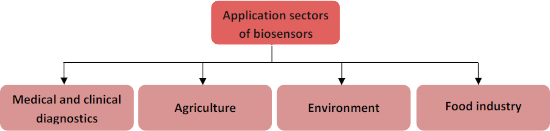
- presents the organization of PKD FET-based biosensor. This structure uses the double-gate architecture with III–V compound semiconductors at the channel and an N+-doped pocket at the junction between the source and channel regions. The drain and source regions are realized with GaSb material. HfO2 was used
- application, as these biosensor topologies exhibit the best current sensitivity and enhanced performances. The PKD TFET-based biosensor uses III–V compound semiconductors in the body channel and N+-doped pockets at the source–channel junction [114], enhancing sensitivity for the detection of biomolecules. The




Simultaneous electrochemical determination of uric acid and hypoxanthine at a TiO2/graphene quantum dot-modified electrode
Beilstein J. Nanotechnol. 2024, 15, 719–732, doi:10.3762/bjnano.15.60
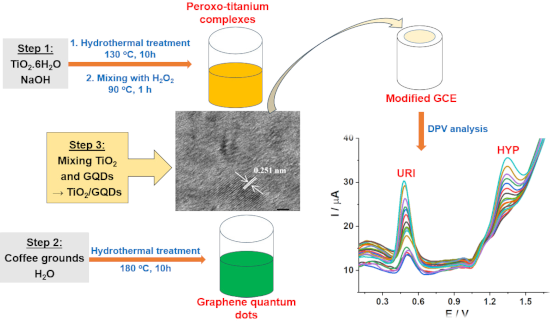
- electrochemistry, combining GQDs with semiconductors, especially TiO2, has been of interest. For example, GQDs have been successfully introduced into TiO2 [17] to enhance its photocatalytic activity. John Peter et al. reported TiO2/GQDs as anodes for enhancing the short-circuit current in solar cells [18]. The


Aero-ZnS prepared by physical vapor transport on three-dimensional networks of sacrificial ZnO microtetrapods
Beilstein J. Nanotechnol. 2024, 15, 490–499, doi:10.3762/bjnano.15.44
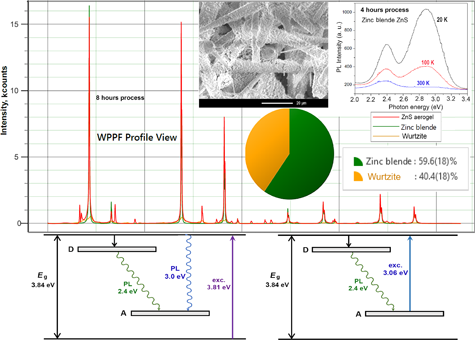
- devices, and in other specific applications, such as electromagnetic interference shielding and microwave absorbing materials. Among inorganic porous materials, several groups predominate, such as metal halide perovskites (MHP) [1], Si and III–V semiconductors [2][3][4][5][6], chalcogenides [7][8][9], and



Investigating ripple pattern formation and damage profiles in Si and Ge induced by 100 keV Ar+ ion beam: a comparative study
Beilstein J. Nanotechnol. 2024, 15, 367–375, doi:10.3762/bjnano.15.33
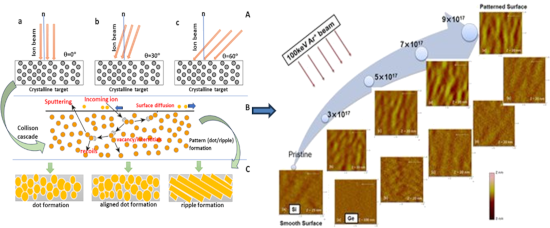
- ions (He+ ≈1–2 MeV). It impinges on the target material which provides good mass and depth resolution and also probes smaller radiation damages [35]. The damage produced by ion implantation in semiconductors consists of randomly distributed atoms displaced from their regular lattice sites up to a depth


Multiscale modelling of biomolecular corona formation on metallic surfaces
Beilstein J. Nanotechnol. 2024, 15, 215–229, doi:10.3762/bjnano.15.21

- (TiO2, SiO2, and Fe2O3), carbonaceous NPs (graphene, carbon nanotubes, and carbon black), semiconductors (CdSe) [26], and polymers [27], it lacks the set of short-range potentials required for calculating milk protein-aluminum adsorption energies. Here, we compute potentials of mean force (PMF) for Al






Determination of the radii of coated and uncoated silicon AFM sharp tips using a height calibration standard grating and a nonlinear regression function
Beilstein J. Nanotechnol. 2023, 14, 1200–1207, doi:10.3762/bjnano.14.99
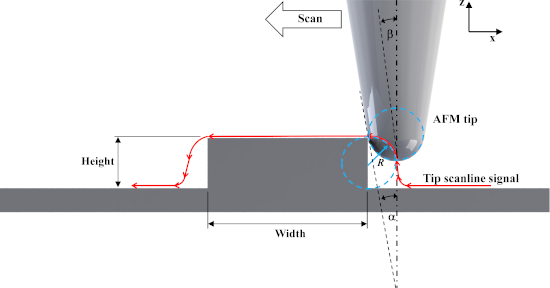
- nanostructured materials, for example, graphene, carbon nanotubes, nanoscale semiconductors, biomaterials, and molecules. Mechanical properties such as surface stiffness, adhesion, friction, electrostatics, and electrowetting can be measured [1][2][3][4]. In contact mode scanning, the contact area between the


A multi-resistance wide-range calibration sample for conductive probe atomic force microscopy measurements
Beilstein J. Nanotechnol. 2023, 14, 1141–1148, doi:10.3762/bjnano.14.94
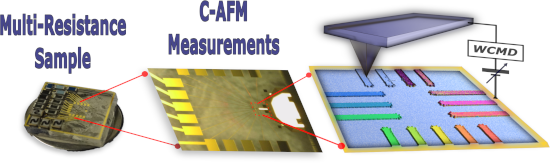
- versatility and high resolution in probing the local conductivity of materials, C-AFM has been extensively used in studying semiconductors [6][7], two-dimensional materials [8][9][10], memristive devices [11][12][13][14][15], photoelectric systems [16][17][18], dielectric films [19][20][21][22][23], molecular


A visible-light photodetector based on heterojunctions between CuO nanoparticles and ZnO nanorods
Beilstein J. Nanotechnol. 2023, 14, 1018–1027, doi:10.3762/bjnano.14.84
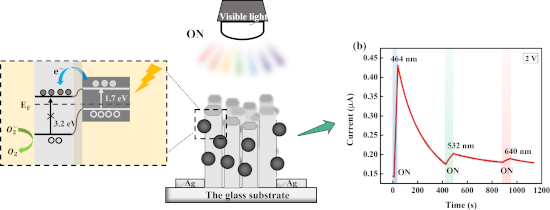
- ][18]. Semiconductors are the heart of photodetectors as their bandgap allows for the absorption of photons in the desired wavelength range [19]. There are many semiconductor materials developed for this application. Among them, zinc oxide (ZnO) has been studied extensively over the last decades
- , these methods still face problems, including the requirements of controlling defects, scale-up for mass production, or troubles relating to decoration uniformity [31][32]. Another method is to form heterojunctions of ZnO and other narrow-bandgap semiconductors (NiO [33], PbS [34], CdS [35], and MoS2[36


Ultralow-energy amorphization of contaminated silicon samples investigated by molecular dynamics
Beilstein J. Nanotechnol. 2023, 14, 834–849, doi:10.3762/bjnano.14.68
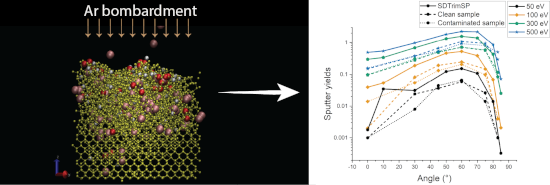
- years, the need to control what happens at the surface of the sample has risen sharply, specifically for semiconductors [3][4], microelectronics [5], and surface patterning [6][7]. Other applications of low-energy beams include the preparation of nanoholes [8][9]. Furthermore, deposition processes are





Silver-based SERS substrates fabricated using a 3D printed microfluidic device
Beilstein J. Nanotechnol. 2023, 14, 793–803, doi:10.3762/bjnano.14.65
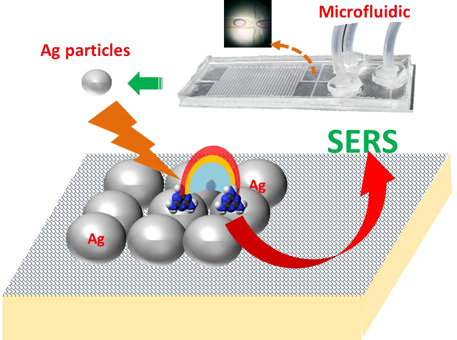
- ], porous aluminum oxide [38], and semiconductors [39] have been reported. Dielectric and semiconductor substrates, such as ZnO nanowires, silicon nanowires, and porous silicon (PS), are particularly popular because of their larger contribution to the amplification of the Raman signal and longer shelf life



Cross-sectional Kelvin probe force microscopy on III–V epitaxial multilayer stacks: challenges and perspectives
Beilstein J. Nanotechnol. 2023, 14, 725–737, doi:10.3762/bjnano.14.59
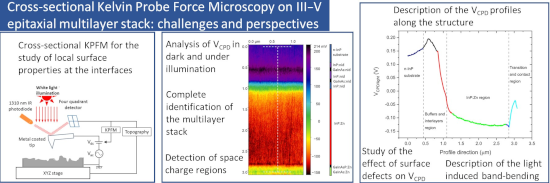
- important to mention that although KPFM is primarily a surface technique, the SPV can be sensitive to the presence of buried interfaces and/or deep charge trap states that may be present far from the surface in the bulk of semiconductors. Therefore, in our study the white light coming from the camera
- values of VCPD/light and VCPD/dark. The SPV along the structure is reported in Figure 5. The SPV progression along the structure shows an overall negative SPV. For highly doped semiconductors in the absence of surface states (or for surface state densities small enough so that they cannot introduce
- experimental surface potential profile of Figure 2c. In conclusion, a quantitative description of the accurate surface defects distributions that characterize the surface of semiconductors materials is a complex task as it is not always certain that surface defects are homogeneously distributed across the





