


Search results
Search for "sustained release" in Full Text gives 56 result(s) in Beilstein Journal of Nanotechnology.
Berberine-loaded polylactic acid nanofiber scaffold as a drug delivery system: The relationship between chemical characteristics, drug-release behavior, and antibacterial efficiency
Beilstein J. Nanotechnol. 2024, 15, 71–82, doi:10.3762/bjnano.15.7
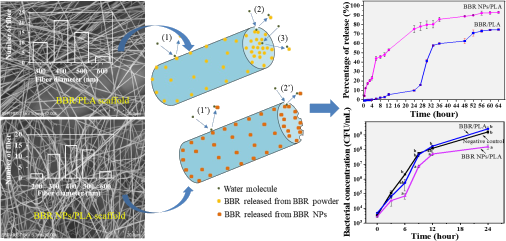
- , the BBR NPs/PLA nanofiber scaffold had more wettability and higher concentration of BBR NPs dispersed on the surface of PLA nanofibers. This led to a sustained release of 75 wt % of the loaded BBR during the first 24 h, and consequently boosted the antibacterial effectiveness. Moreover, the
- the surface of the fibers. In addition, the reduction in the hydrophobicity of the nanofiber network also caused a faster release of the drug. Meanwhile, the hydrophobic PLA nanofiber carrier showed a sustained release behavior of the Dox-base. This was because hydrophobic Dox-base significantly
- release of BBR, combining a fast-release step of BBR from hydrophilic polypyrrolidone nanofibers (47.9 wt % in the first hour) and a sustained-release step of BBR from the insoluble cellulose acetate microparticles (98.6 wt % for 60 h). In comparison with the aforementioned hybrid nanofibers, the release


Nanotechnological approaches in the treatment of schistosomiasis: an overview
Beilstein J. Nanotechnol. 2024, 15, 13–25, doi:10.3762/bjnano.15.2
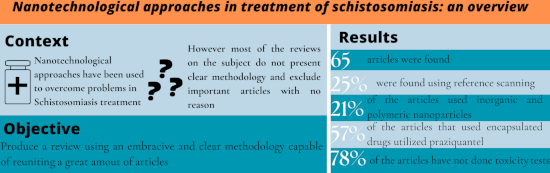
- sustained release and caused extreme changes in parasite tegument. In vivo, nanoparticles could reduce worm load and granuloma diameter and induce new biliary ducts. Nanoformulation was more effective in adult females than in juvenile forms and adult males [92]. Following the aforementioned studies, the


Elasticity, an often-overseen parameter in the development of nanoscale drug delivery systems
Beilstein J. Nanotechnol. 2023, 14, 1149–1156, doi:10.3762/bjnano.14.95
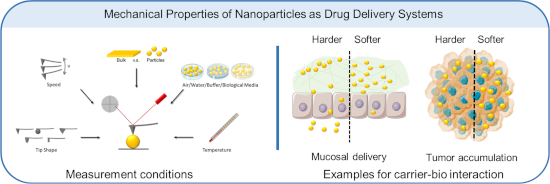
- important parameter. Tissue distribution and blood circulation Independent of the application route, blood circulation and tissue distribution are important factors regarding the fate of nanoparticles in vivo. The plasma half-life time is not only important for a sustained release but also to enhance the


Curcumin-loaded albumin submicron particles with potential as a cancer therapy: an in vitro study
Beilstein J. Nanotechnol. 2023, 14, 1127–1140, doi:10.3762/bjnano.14.93
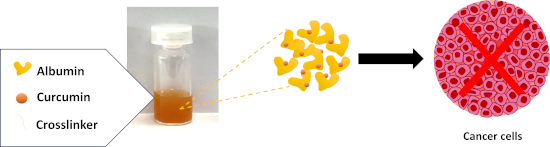
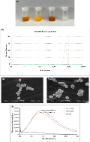
- release of CUR for 6 h. The cumulative release of CUR was 35% when dispersed in 50% ethanol in PBS at pH 7, and 7% when dispersed in RPMI 1640 medium. However, the release in PBS (pH 7.4) was less than 1% after 96 h, as shown in Figure 5. Sustained release is a desirable property in the treatment of
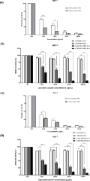
- % (Huh-7, Figure 6B) and 58% to 32% (MCF-7, Figure 6D). The CUR-HSA-MPs showed lower cytotoxicity than free CUR at the same drug concentrations. This could be explained by its drug delivery process, which is a common feature of polymer anticancer drugs. Enhanced and sustained release of CUR is attributed
- constant. When the CUR concentration reached the maximum of 2 mg/mL, CUR started to precipitate and form aggregates after centrifugation. This led to a miscalculation of the EE% and the absolute amount of entrapped CUR (Figure 4B). Release study of CUR from CUR-HSA-MPs CUR-HSA-MPs yielded a sustained




Nanostructured lipid carriers containing benznidazole: physicochemical, biopharmaceutical and cellular in vitro studies
Beilstein J. Nanotechnol. 2023, 14, 804–818, doi:10.3762/bjnano.14.66
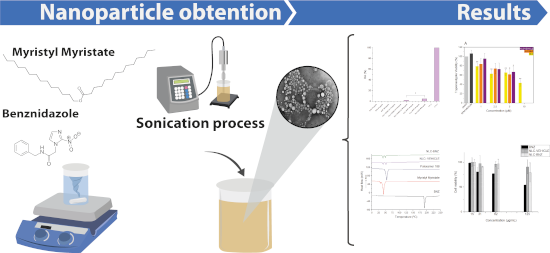
- profiles (Figure 8) showed that 78% of the free drug was dissolved in the first 15 min of the experiment. In contrast, during the first 15 min only about 12% of the drug was released from the NLC formulation. An initial burst release was observed, followed by a sustained release. This phenomenon could be


Polymer nanoparticles from low-energy nanoemulsions for biomedical applications
Beilstein J. Nanotechnol. 2023, 14, 339–350, doi:10.3762/bjnano.14.29
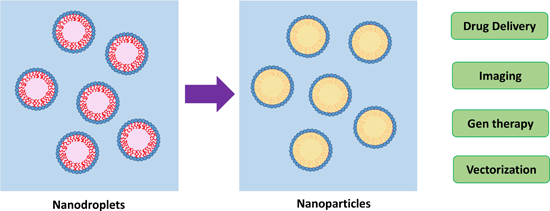
- %) decreased as the O/S ratio increased, and DXM-loaded PLGA nanoparticles showed dose-dependent cytotoxicity (A549 cell line) and hemolytic response. Encapsulation of DXM in PLGA nanoparticles resulted in slower and sustained release as compared to non-encapsulated DXM. Nanoemulsions formed in a 0.16 M PBS (W




Microneedle-based ocular drug delivery systems – recent advances and challenges
Beilstein J. Nanotechnol. 2022, 13, 1167–1184, doi:10.3762/bjnano.13.98
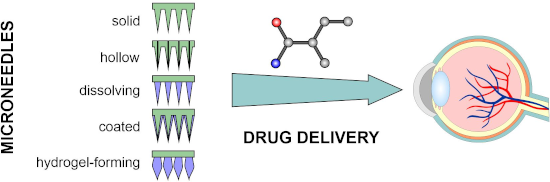
- solution, the authors proposed administering the drug in the form of a single microneedle with detachable tip, which remains in the cornea for a certain period of time, ensuring sustained release (Figure 9). Two model drugs were used, namely FITC-dextran for the determination of release profiles and
- about 90%. Moreover, due to the double compartment structure of the MNs, the rapid release of the anti-inflammatory compound (diclofenac) from the fast dissolving HA-based core provided a synergistic effect with the sustained release of DC101 from the outer layer. The authors also emphasized that it is


Bioselectivity of silk protein-based materials and their bio-inspired applications
Beilstein J. Nanotechnol. 2022, 13, 902–921, doi:10.3762/bjnano.13.81


Detection and imaging of Hg(II) in vivo using glutathione-functionalized gold nanoparticles
Beilstein J. Nanotechnol. 2022, 13, 549–559, doi:10.3762/bjnano.13.46
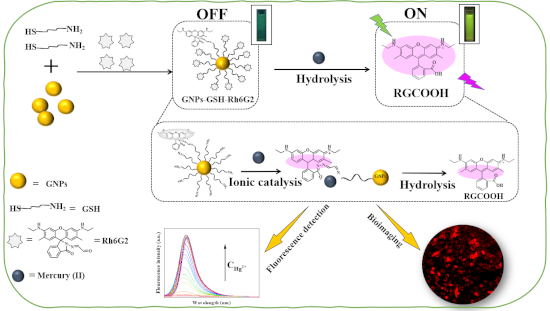
- within 20 h, which indicates a sustained release of RGCOOH from the Rh6G2-loaded GNPs-GSH. Based on the experimental results, the release mechanism of GNPs-GSH-Rh6G2 by Hg2+ is illustrated in Figure 8a. Rh6G2, when conjugated with GNPs-GSH, does not exhibit fluorescence due to the closed spirolactam ring


Ethosomal (−)-epigallocatechin-3-gallate as a novel approach to enhance antioxidant, anti-collagenase and anti-elastase effects
Beilstein J. Nanotechnol. 2022, 13, 491–502, doi:10.3762/bjnano.13.41
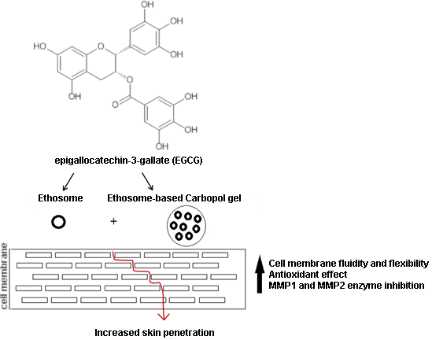
- the solution form of EGCG was found to be significantly lower with nanoformulations. It is thought that this low inhibition failed to maintain the efficacy of the solution form throughout the experiment, whereas sustained release formulations provided higher inhibition. Previous studies have proven



Micro- and nanotechnology in biomedical engineering for cartilage tissue regeneration in osteoarthritis
Beilstein J. Nanotechnol. 2022, 13, 363–389, doi:10.3762/bjnano.13.31
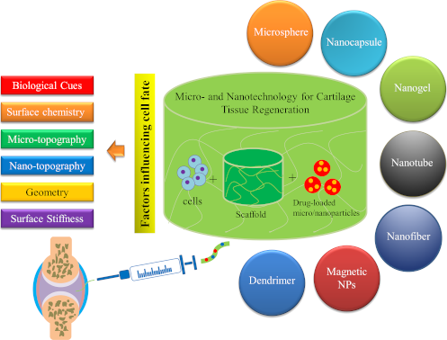
- chondrogenesis of MSCs and cartilage regeneration, which should be performed over a period of several days or weeks. However, a few of the proposed methods achieved the prolonged sustained release of bioactive molecules. For example, low molecular weight polyethyleneimine precoated poly(lactide-co-glycolide
- , microsphere structures can be independently used as carriers for the delivery of drugs and bioactive molecules to repair cartilage defects. The sustained release of PTH (1-34) from PLGA microspheres improved papain-induced defects in a rat model of OA and retained the bioactivity of the released peptide up to
- cells. The incorporation of NPs loaded with bioactive agents in hydrogels has a tremendous impact on the properties and functionality of tissue-engineered scaffolds. In addition to providing sustained release properties, which is a major challenge in TE programs, the incorporation of NPs can improve the


Engineered titania nanomaterials in advanced clinical applications
Beilstein J. Nanotechnol. 2022, 13, 201–218, doi:10.3762/bjnano.13.15
- , were also used to improve the titania implant properties, and the material showed significant antibacterial activity against Staphylococcus aureus with sustained release of vancomycin [64]. Furthermore, the biological activity of TiO2 nanowires, nanofibres, and nanoneedles, was investigated and
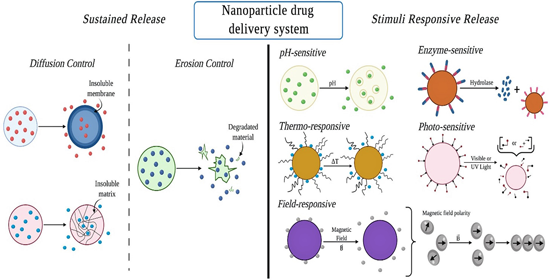
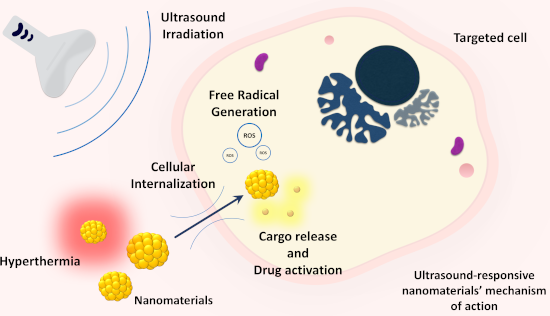
- hindrance inside the tubular structure. This stage of drug release is known as sustained release. The controlled release of drugs is triggered by various external or internal stimuli. Changes in pH value, redox reactions, and enzyme activity are internal stimuli, while light, magnetic fields, and ultrasound


Use of nanosystems to improve the anticancer effects of curcumin
Beilstein J. Nanotechnol. 2021, 12, 1047–1062, doi:10.3762/bjnano.12.78
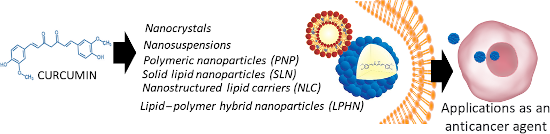
- of nanosystems, precise drug delivery, and sustained release support their recommendation to be used as a drug delivery mechanism to induce apoptosis due to hyperthermia (41.85 °C) [136] and higher drug concentration at the target site [138]. Photodynamic nanosystems. Photodynamic therapy is based on


Comprehensive review on ultrasound-responsive theranostic nanomaterials: mechanisms, structures and medical applications
Beilstein J. Nanotechnol. 2021, 12, 808–862, doi:10.3762/bjnano.12.64


PEG/PEI-functionalized single-walled carbon nanotubes as delivery carriers for doxorubicin: synthesis, characterization, and in vitro evaluation
Beilstein J. Nanotechnol. 2020, 11, 1728–1741, doi:10.3762/bjnano.11.155
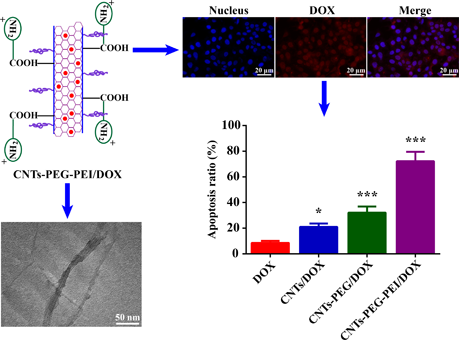
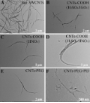
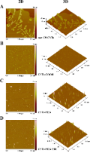
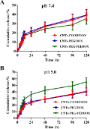
- leakage of drug molecules is prevented, leading to a sustained release. Here, the release of DOX from CNT carriers was investigated in PBS at different pH values. Figure 6 shows the release curves of DOX from different drug-loaded CNTs. CNTs-COOH and CNTs-PEG exhibit a gradual release of DOX in PBS at pH
- [30] exhibited sustained release at pH 7.4, and responsive release under relatively acidic condition, which was similar to our results. In this study, a series of experimental observations with MCF-7 cells were conducted and the results verify the delivery capacity and in vitro antitumor activity




Photothermally active nanoparticles as a promising tool for eliminating bacteria and biofilms
Beilstein J. Nanotechnol. 2020, 11, 1134–1146, doi:10.3762/bjnano.11.98
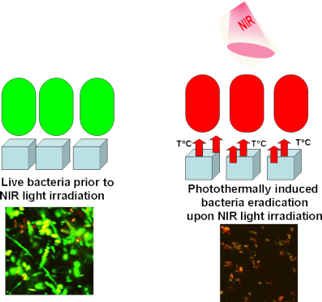
- have advantages over other NPs, such as controlled and sustained release, enhanced solubility and biocompatibility [30][31][32]. Within the wide variety of existing nanomaterials with antibacterial properties, photothermally active nanoparticles, with absorption in the visible–near-infrared (NIR
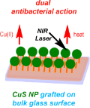
- nanoparticles exhibiting efficient photothermal properties have demonstrated promising results in the field of NIR-triggered bacterial eradication. An important advantage is that such nanoparticles are usually made from materials that are less expensive than gold and, in some cases, the time-sustained release


Plant growth regulation by seed coating with films of alginate and auxin-intercalated layered double hydroxides
Beilstein J. Nanotechnol. 2020, 11, 1082–1091, doi:10.3762/bjnano.11.93
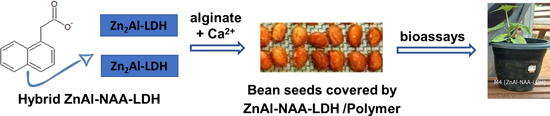
- diversity of crops and cultivation environments, it is necessary to seek more efficient modes of application, which lead to a homogeneous distribution and promote a sustained release according to the plants demand. Seed coating, using films containing a biodegradable polymer and auxins intercalated into
- applied to plantations in higher doses than recommended. These high doses can cause environmental problems such as contamination of soil, water, plants, and animals. The intercalation of agrochemicals in LDHs can generate a sustained release of the organic compounds, reducing the number of applications
- germinated seeds are reduced [13][30]. Thus, the data shown in Figure 5 are satisfactory, as they prove a sustained release of the intercalated NAA, with the best results obtained for the seeds covered with the M4 film. The highest germination speed index (GSI) value obtained among all treatments was that



Key for crossing the BBB with nanoparticles: the rational design
Beilstein J. Nanotechnol. 2020, 11, 866–883, doi:10.3762/bjnano.11.72
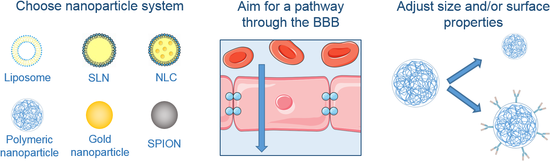
- the brain by local delivery. Local delivery consists of directly delivering the drug to the brain by injection via a catheter or with the help of a convection-enhanced delivery system. Biodegradable polymer implants can also be used for sustained release of the drug [9][10]. These procedures require


Multilayer capsules made of weak polyelectrolytes: a review on the preparation, functionalization and applications in drug delivery
Beilstein J. Nanotechnol. 2020, 11, 508–532, doi:10.3762/bjnano.11.41
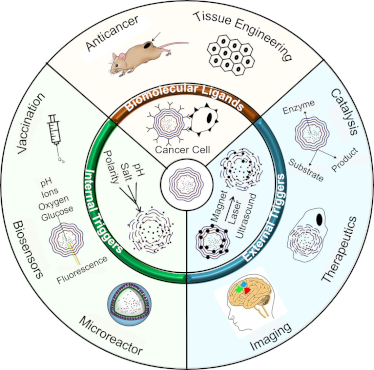



Incorporation of doxorubicin in different polymer nanoparticles and their anticancer activity
Beilstein J. Nanotechnol. 2019, 10, 2062–2072, doi:10.3762/bjnano.10.201
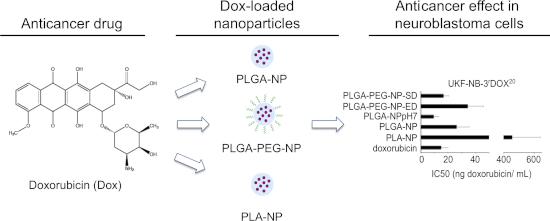
- incorporation into the lipophilic PLGA nanoparticle matrix. This explanation is consistent with data showing that PLGA nanoparticle degradation is unlikely to occur in a 24 h timeframe [50][52]. More sustained release patterns have been shown to be achievable by alternative nanoparticle approaches based on PLGA





Synthesis and potent cytotoxic activity of a novel diosgenin derivative and its phytosomes against lung cancer cells
Beilstein J. Nanotechnol. 2019, 10, 1933–1942, doi:10.3762/bjnano.10.189
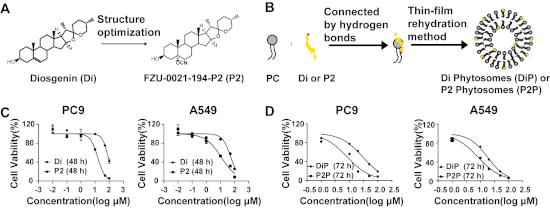
- between cells treated with free drugs and their corresponding phytosomes. The results indicated that phytosomes could be an ideal drug delivery system for Di and its derivatives to obtain sustained release without affecting drug activity. In vitro anticancer mechanisms of P2P Cell cycle and cell apoptosis



Serum type and concentration both affect the protein-corona composition of PLGA nanoparticles
Beilstein J. Nanotechnol. 2019, 10, 1002–1015, doi:10.3762/bjnano.10.101
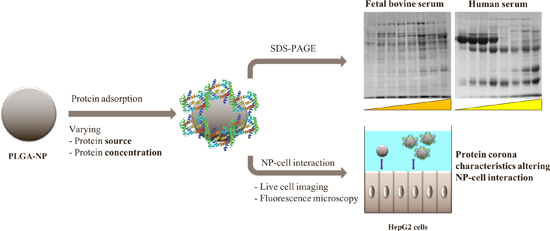
- , and sustained release properties. Furthermore, approval by the US Food and Drug Administration and the European Medicines Agency turned PLGA into a promising candidate as carrier material for NPs in future clinical applications [2]. However, despite intensive preclinical and clinical research only a



Enhanced antineoplastic/therapeutic efficacy using 5-fluorouracil-loaded calcium phosphate nanoparticles
Beilstein J. Nanotechnol. 2018, 9, 2499–2515, doi:10.3762/bjnano.9.233
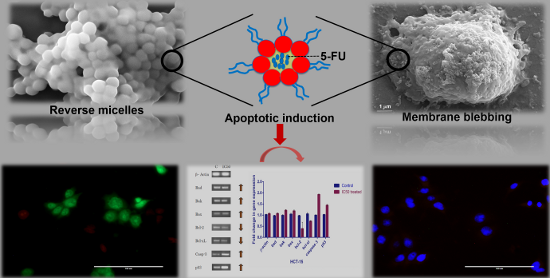
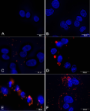
- the acidic microenvironment [25]. In our study, we demonstrated a biphasic release of 5-FU from CaP@5-FU NPs with the characteristic initial burst release followed by slow and sustained release [27]. Within 12 hours, only 36% drug release in physiological pH was shown, whereas 47% was released in
- and thus the enhanced toxicity in the tumour cells. The sustained release of 5-FU from the CaP@5-FU NPs, as described in the pH-triggered release study, was found to correlate with the findings of the MTT assay. The HCT-15 cell lines showed a saturation limit of the free drug after 10 µg/mL, whereas
- . This study is the first demonstration of 5-FU encapsulation inside the core of inorganic calcium phosphate nanoparticles combined with efficient, in vitro cellular delivery. Furthermore, a sustained release profile and a high loading efficiency (64% drug loading into the nanoparticles) enabled improved


Biomimetic and biodegradable cellulose acetate scaffolds loaded with dexamethasone for bone implants
Beilstein J. Nanotechnol. 2018, 9, 1986–1994, doi:10.3762/bjnano.9.189
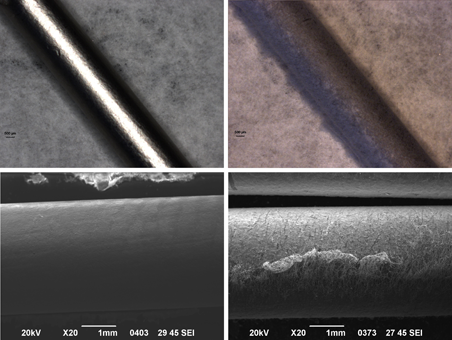
- . Cytotoxicity studies were performed by using MTT assay, methylene-blue staining and SEM fixation and showed very good cell adhesion and proliferation, indicating the cytocompatibility of these fibrous scaffolds. Drug-release kinetics was measured for the evaluation of a controllable and sustained release of


Luminescent supramolecular hydrogels from a tripeptide and nitrogen-doped carbon nanodots
Beilstein J. Nanotechnol. 2017, 8, 1553–1562, doi:10.3762/bjnano.8.157
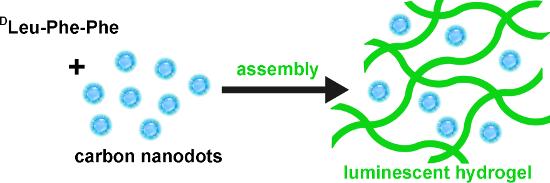
- the sustained release of the poorly soluble antibiotic ciprofloxacin [26]. Fluorescent hydrogels were formed from co-assembly with a dye into nanostructures of different morphology, depending on whether the dye was added initially to the peptide in the alkaline buffer solution, or later to the second





