Search results
Search for "transformation" in Full Text gives 426 result(s) in Beilstein Journal of Nanotechnology. Showing first 200.
Beyond the bilayer: multilayered hygroscopic actuation in pine cone scales
Beilstein J. Nanotechnol. 2025, 16, 1695–1710, doi:10.3762/bjnano.16.119
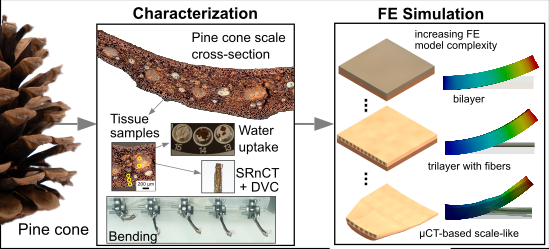
- information. DVC was performed using the image registration software Elastix with its implemented B-spline transformation (ver. 5.1.0) [39]. The images were aligned in a two-step process, first with an affine transformation and then with a B-spline transformation. For both steps, a pyramidal approach with
- five resolution levels using a Gaussian filter was applied. The number of iterations per resolution level was set to 1000 for the affine transformation and 2000 for the B-spline transformation. Advanced normalized correlation was chosen as the correlation metric. The detailed parameter files


Ambient pressure XPS at MAX IV
Beilstein J. Nanotechnol. 2025, 16, 1677–1694, doi:10.3762/bjnano.16.118

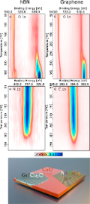
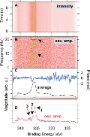
- active sites on catalytic materials. These surface sites, often structurally undercoordinated and electronically distinct from the bulk material, drive the transformation of reactants into products. While catalysts regenerate at the end of each cycle, their surfaces can be highly sensitive and unstable





Energy spectrum and quantum phase transition of the coupled single spin and an infinitely coordinated Ising chain
Beilstein J. Nanotechnol. 2025, 16, 1668–1676, doi:10.3762/bjnano.16.117
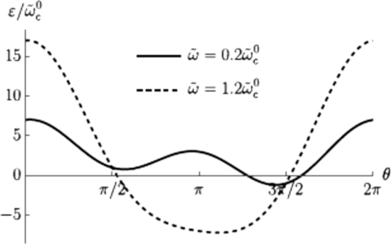
- thermodynamic limit of an infinite chain, we map the chain Hamiltonian to the Hamiltonian of the Lipkin–Meshkov–Glik model, and the system as a whole is described by a generalized Rabi Hamiltonian. Next, the effective Hamiltonian is obtained using the Foulton–Gouterman transformation. In the thermodynamic limit
- ]. The Hamiltonian of the whole system then becomes akin to the Hamiltonian of the generalized Rabi model, but with the bosonic field replaced by the collective spin of the LMG model. Next, it is diagonalized in the spin space using the Fulton–Gouterman transformation and we obtain an effective
- mode, but to a more complicated environment [16][17][18]. Diagonalization in the Spin Space The Hamiltonian in the spin space can be diagonalized using the formula for the determinant of a 2 × 2 block matrix. This is also known as the Fulton–Gouterman transformation [19]. This leads to two effective

![[Graphic 39]](/bjnano/content/inline/2190-4286-16-117-i63.svg?max-width=637&scale=1.18182)


![[Graphic 51]](/bjnano/content/inline/2190-4286-16-117-i75.svg?max-width=637&scale=1.18182)
Photocatalytic degradation of ofloxacin in water assisted by TiO2 nanowires on carbon cloth: contributions of H2O2 addition and substrate absorbability
Beilstein J. Nanotechnol. 2025, 16, 1567–1579, doi:10.3762/bjnano.16.111
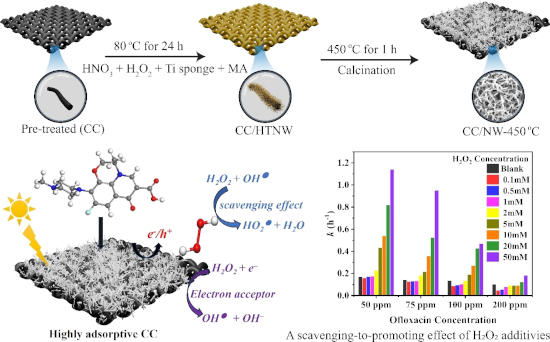
- relative intensity of the hydroxyl peak decreases, and the peaks shift slightly (O–Ti at 529.7 eV and –OH at 531 eV), indicating a reduction in surface –OH groups due to dehydration and phase transformation from hydrogen titanate to anatase TiO2. Based on the area underneath the corresponding O 1s XPS peak


Influence of laser beam profile on morphology and optical properties of silicon nanoparticles formed by laser ablation in liquid
Beilstein J. Nanotechnol. 2025, 16, 1533–1544, doi:10.3762/bjnano.16.108
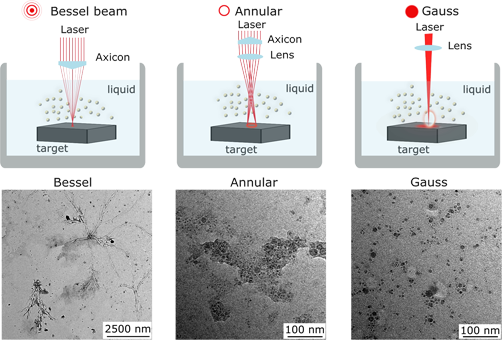
- , phase composition, and lattice parameters of the formed Si nanostructures were determined from HRTEM images by fast Fourier transformation (FFT). The morphology of the produced nanoparticles was also evaluated using scanning electron microscopy (SEM) with a SUPRA 55WDS microscope (Carl Zeiss, Germany


Dendrimer-modified carbon nanotubes for the removal and recovery of heavy metal ions from water
Beilstein J. Nanotechnol. 2025, 16, 1522–1532, doi:10.3762/bjnano.16.107

- 1a. The Raman spectrum exhibits two characteristic peaks, namely, the D peak at 1337 cm−1 and the G peak at 1569 cm−1. The ratio of the intensities of D and G peaks (ID/IG) has increased from 0.89 to 1.11 after MA functionalization, indicating a successful transformation of carbon atoms from sp2 to


Laser processing in liquids: insights into nanocolloid generation and thin film integration for energy, photonic, and sensing applications
Beilstein J. Nanotechnol. 2025, 16, 1428–1498, doi:10.3762/bjnano.16.104






Photochemical synthesis of silver nanoprisms via green LED irradiation and evaluation of SERS activity
Beilstein J. Nanotechnol. 2025, 16, 1417–1427, doi:10.3762/bjnano.16.103
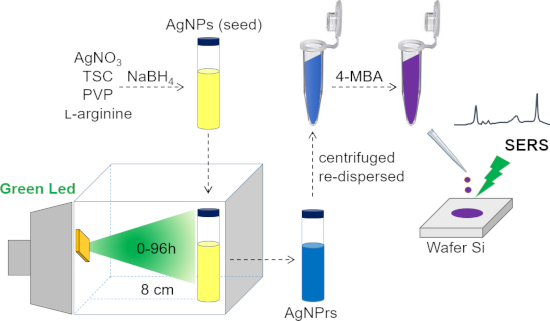
- ± 20 nm) for various periods of time up to 72 h. The growth mechanism was investigated through ultraviolet–visible spectroscopy, field-emission scanning electron microscopy, X-ray diffraction, and transmission electron microscopy analyses, confirming the gradual transformation of spherical seeds into
- ) irradiating the seeds with green LEDs to form AgNPrs with the aid of ʟ-arginine (L-A) [9]. Due to the different SPR properties between AgNPs and AgNPrs, the morphological transformation of silver nanostructures in sample can be observed through UV–vis spectra in Figure 2. After 6 h of LED irradiation, the UV
- stable at 333 and 440 nm, respectively, indicating that the transformation of silver seeds into nanoplates had reached equilibrium. The IPD peak continued to blueshift slightly (to 604 nm and 600 nm, respectively), but no significant changes were observed in the overall UV–vis spectral profiles. Based on


Transfer function of an asymmetric superconducting Gauss neuron
Beilstein J. Nanotechnol. 2025, 16, 1160–1170, doi:10.3762/bjnano.16.85
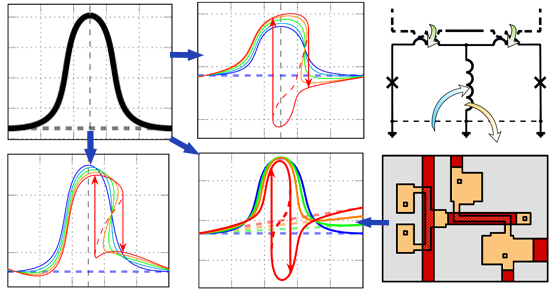
- due to, for example, defects in the thin-film structure. The third type of asymmetry may be associated with unequal signal supply into the input arms of the neuron. Below, we analyze the transformation of the TF in each of these cases and compare it with experimental results [18]. Symmetric Gauss



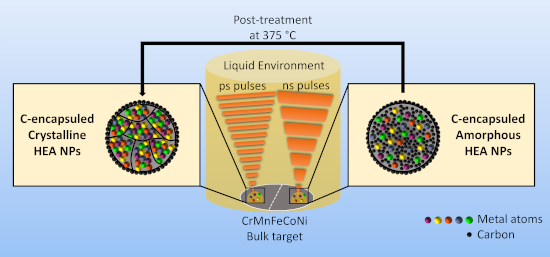
Crystalline and amorphous structure selectivity of ignoble high-entropy alloy nanoparticles during laser ablation in organic liquids is set by pulse duration
Beilstein J. Nanotechnol. 2025, 16, 1141–1159, doi:10.3762/bjnano.16.84
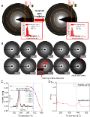
- followed by spontaneous transformation into the thermodynamically favored crystalline state. In addition, we observe a decrease of the full width at half-maximum (FWHM, derived by rotational average from the SAED analysis) of the investigated (111)-ring in the in situ heating experiment (Figure 4C), which




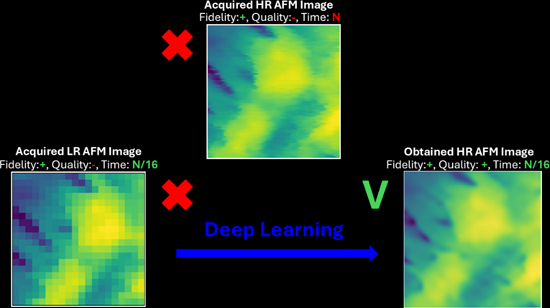
Deep learning for enhancement of low-resolution and noisy scanning probe microscopy images
Beilstein J. Nanotechnol. 2025, 16, 1129–1140, doi:10.3762/bjnano.16.83
- low-resolution images, prepare them as input for the various traditional methods and deep learning SR models (Image normalization), apply those methods and models (Traditional methods and deep learning super-resolution models), transform the values to a standard form (Image value transformation
- ]. Three different models were supplied (NinaSR-B0, NinaSR-B1, NinaSR-B2), ranging from lighter to heavier sizes. The NinaSR model utilizes local attention blocks and a wide expansion ratio of the residual blocks, and it was initialized using methods adapted from NFNet [27][42]. Image value transformation
- , allowing for perspective transformation [45]. The borders of the transformed images and the high-resolution GT images were cropped to ensure precise pixel alignment across the image pairs. Metrics Assessing the effectiveness of traditional methods and SR deep learning models can be divided into two main


Towards a quantitative theory for transmission X-ray microscopy
Beilstein J. Nanotechnol. 2025, 16, 1113–1128, doi:10.3762/bjnano.16.82
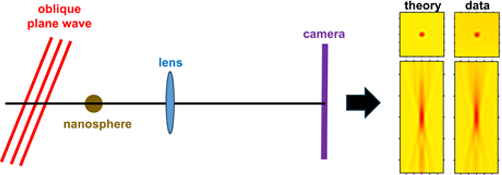
- , and we adapt this by applying a simple geometrical transformation (Supporting Information File 1, Section S3) to account for oblique plane waves emerging from the ellipsoidal-mirror condenser. This yields an expression for the scattered field Sθ(x′,y′) arising due to an oblique plane wave at a polar



Influence of ion beam current on the structural, optical, and mechanical properties of TiO2 coatings: ion beam-assisted vs conventional electron beam evaporation
Beilstein J. Nanotechnol. 2025, 16, 1097–1112, doi:10.3762/bjnano.16.81
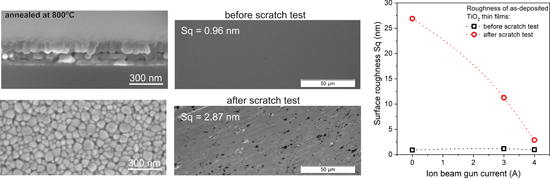
- patterns for deposited and annealed TiO2 thin films prepared by EBE and IBAD methods reveals a significant structural transformation from the amorphous to the anatase phase after annealing. The results show that the use of ion beam-assisted deposition during EBE did not significantly affect the prepared




Soft materials nanoarchitectonics: liquid crystals, polymers, gels, biomaterials, and others
Beilstein J. Nanotechnol. 2025, 16, 1025–1067, doi:10.3762/bjnano.16.77
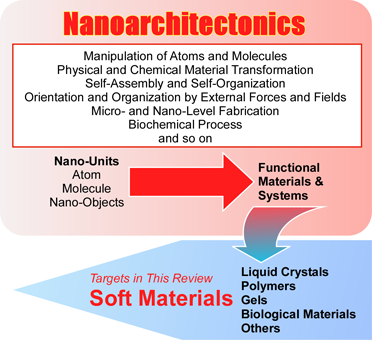
- materials is achieved through the selection and combination of a range of techniques, including the manipulation of atoms and molecules, physical and chemical material transformation, self-assembly and self-organization, orientation and organization by external forces and fields, micro- and nanoscale
- thicknesses. At low temperatures, the molecular nanowires coalesce, whereas, at high temperatures, the nanowires separate to form interconnected networks. The compression of the thin-film structure on the water surface resulted in the transformation of the network into a compact and highly uniform monolayer
- observed to undergo irreversible structural changes, occurring through mechanisms such as loss of monolayer by desorption and local nucleation of defects. In terms of morphology, the nanoscale structure of the monolayer underwent a transformation from a randomly oriented nanowire configuration to a closely






A calix[4]arene-based supramolecular nanoassembly targeting cancer cells and triggering the release of nitric oxide with green light
Beilstein J. Nanotechnol. 2025, 16, 1003–1013, doi:10.3762/bjnano.16.75
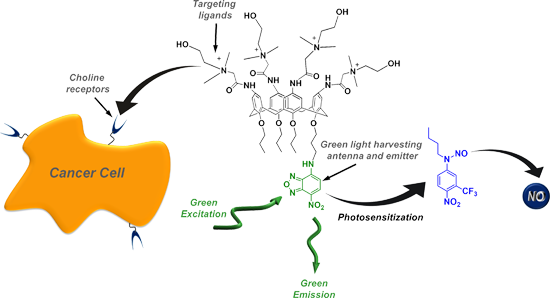
- does not absorb green light (see Figure 3A) and, therefore, is unreactive to this excitation wavelength. However, irradiation of the 1·2 supramolecular complex leads to a photochemical transformation characterized by the increase of the typical absorption of the non-nitrosated derivative 2b (Figure 5A
- determined within the 20% transformation by using the following equation: where [NOPD] is the concentration of phototransformed 2, V is the volume of the irradiated sample, t is the irradiation time, A is the absorbance of the sample at the excitation wavelength, and I is the intensity of the excitation


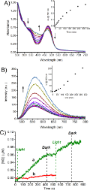
Time-resolved probing of laser-induced nanostructuring processes in liquids
Beilstein J. Nanotechnol. 2025, 16, 968–1002, doi:10.3762/bjnano.16.74
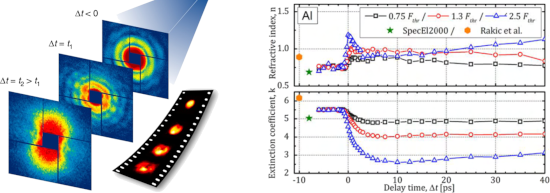
- . Ultrafast time-resolved probing approaches are key to revealing the transient states and pathways that govern material transformation in LSPC. Keywords: electron diffraction; laser processing in liquids; optical imaging; optical spectroscopy; pump–probe; single objects; time-resolved probing; X-ray
- phase transitions when sufficient thermal energy is coupled to the lattice. Depending on the energy density condition the lattice reaches, phase transitions can result in coalescence of multiple NPs [15][105] or in transformation of NPs into vapor, atomic clusters, and small molten NPs. In both cases


Heat-induced transformation of nickel-coated polycrystalline diamond film studied in situ by XPS and NEXAFS
Beilstein J. Nanotechnol. 2025, 16, 887–898, doi:10.3762/bjnano.16.67
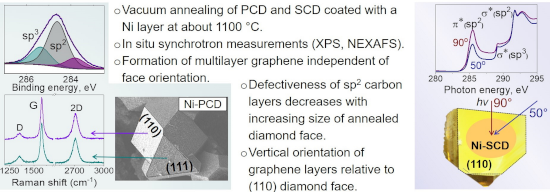
- sp3 hybridization is a metastable material. A significant activation barrier hampers its relaxation into sp2 graphitic carbon, and this transformation occurs during vacuum heating in the temperature range of 1500–1800 °C [9]. According to molecular dynamics simulations, graphitization of nonterminated
- -diamond heterostructures by annealing. Among those, nickel attracts specific attention since the 1960s [33] because its lattice parameter is close to that of diamond. Single-crystal diamond (SCD) substrates were subjected to nickel-assisted graphitization [17][18][19][20][21]. The transformation of the
- -vacuum annealing at a temperature of about 1100 °C. To exclude the influence of impurities from the air, the annealed samples were examined in situ using XPS and NEXAFS without contact with the air. XPS and NEXAFS spectroscopy investigations of heat-induced transformation of the surface of bare and Ni


Synchrotron X-ray photoelectron spectroscopy study of sodium adsorption on vertically arranged MoS2 layers coated with pyrolytic carbon
Beilstein J. Nanotechnol. 2025, 16, 847–859, doi:10.3762/bjnano.16.64
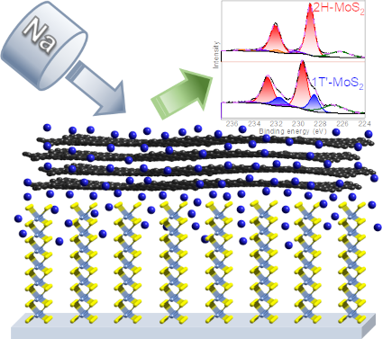
- interaction with MoS2 leads to the transformation of the original hexagonal structure into a distorted tetragonal one. Under the experimental conditions, sodium is unable to diffuse through the carbon film consisting of horizontally oriented graphene domains and is almost completely removed by annealing the
- sandwiched between MoS2 layers, the MoS2 component was not converted to Mo and Na2S even at a high degree of sodiation [18]. An ex situ study of a fully sodiated anode composed of MoS2 nanosheets coupled with few-layered graphene revealed a partial transformation of 2H-MoS2 into a distorted tetragonal


Efficiency of single-pulse laser fragmentation of organic nutraceutical dispersions in a circular jet flow-through reactor
Beilstein J. Nanotechnol. 2025, 16, 711–727, doi:10.3762/bjnano.16.55
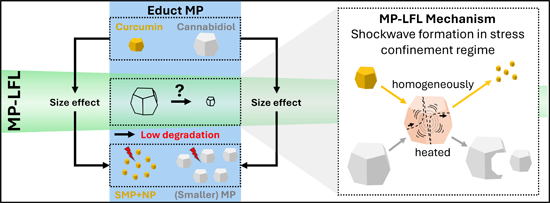
- transformation of all MPs into SMPs (yield of 100%), less than 1% degradation products were detected in naproxen [43], which is in good agreement with the findings for curcumin and CBD. Based on the previous findings, it may be concluded that an increase in fragmentation efficiency and a higher yield of SMPs


Retrieval of B1 phase from high-pressure B2 phase for CdO nanoparticles by electronic excitations in CdxZn1−xO composite thin films
Beilstein J. Nanotechnol. 2025, 16, 551–560, doi:10.3762/bjnano.16.43

- facilitates the reemergence of the B1 phase. The partial damage caused by electronic energy loss during oxygen ion irradiation in the willemite Zn2SiO4 phase is identified as a trigger for the B1 to B2 phase transformation in CdO nanoparticles, enabling the recovery of the B1 phase. The diminishing local
- diverse characterization techniques, demonstrating the potential reversibility of the B1 to B2 phase transformation induced by ion irradiation. Keywords: irradiation; phase transformation; thermal spike; track diameter; X-ray absorption near edge spectroscopy; X-ray photoelectron spectroscopy
- , we reported a local pressure-driven structural phase transformation (PT) from B1 (NaCl) to B2 (CsCl) in CdxZn1−xO (x = 0.4) composite binary oxide thin films [1]. The radiation stability of these phases is crucial for optoelectronic applications in space, where the exposure to high-energy particles


Performance optimization of a microwave-coupled plasma-based ultralow-energy ECR ion source for silicon nanostructuring
Beilstein J. Nanotechnol. 2025, 16, 484–494, doi:10.3762/bjnano.16.37

- transformation of well-defined nanoripples into nanofacets is expected at such near-grazing-incidence irradiation [38]. In the present case, although no prominent nanofacet formation is observed, a clear signature of the transformation of ripple structures into nanofacets is seen. After a sufficiently large


Impact of adsorbate–substrate interaction on nanostructured thin films growth during low-pressure condensation
Beilstein J. Nanotechnol. 2025, 16, 473–483, doi:10.3762/bjnano.16.36

- increase in its coverage and the formation of a smaller number of adsorbate islands of larger size. At elevated adsorption rates, an increase in adsorbate–substrate interactions results in the transformation of the surface morphology and the formation of percolating adsorbate structures. Deposition onto
- morphological transformation of the growing layer. The results obtained within this work can be used to control the morphology of the growing thin films, that is, type and size of surface structures, by exploiting different deposited materials on different substrates. The paper is organized in the following
- increase in δ leads to the transformation of the morphology of the surface layer accompanied by the formation of elongated adsorbate islands (see snapshots at δ = ⟨δ⟩ = 0.2 and δ = ⟨δ⟩ = 0.4 in Figure 7b) for both OCS and MCS. Dependencies of the number of adsorbate islands and their mean size on the


Size control of nanoparticles synthesized by pulsed laser ablation in liquids using donut-shaped beams
Beilstein J. Nanotechnol. 2025, 16, 407–417, doi:10.3762/bjnano.16.31
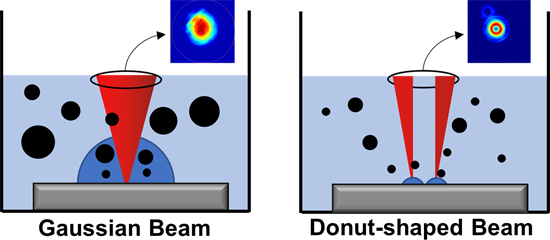
- phase transformation processes do not seem to have a major impact on the resulting sizes of NPs produced with donut-shaped pulses since the observed trends of size reduction and narrowing the distribution are similar to those for the other studied materials. The peak corresponding to the


Pulsed laser in liquid grafting of gold nanoparticle–carbon support composites
Beilstein J. Nanotechnol. 2025, 16, 349–361, doi:10.3762/bjnano.16.26
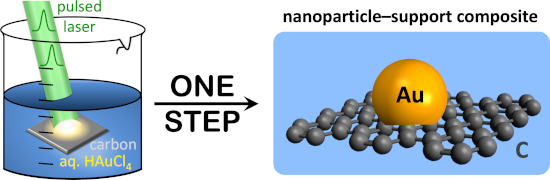
- -term stability. A widely used ionomer binder is Nafion, which is highly acidic [11] and can corrode earth-abundant catalysts that are not acid-stable [12]. Ionomer binders can additionally lead to undesired side reactions, thus reducing the energy efficiency for the desired transformation [13


Emerging strategies in the sustainable removal of antibiotics using semiconductor-based photocatalysts
Beilstein J. Nanotechnol. 2025, 16, 264–285, doi:10.3762/bjnano.16.21
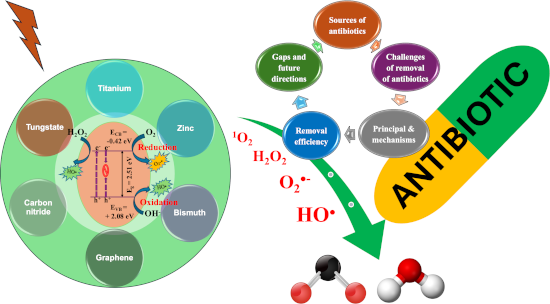
- . Furthermore, the degradation of antibiotics can result in the formation of transformation products [47], which may possess distinct properties and introduce additional environmental and health risks. Low quantities Antibiotics are frequently present in the environment in small amounts, usually in the range of
- -Bi2O3 appearing at high temperatures. Scientists have noted that Bi2O3 in the metastable phase can undergo a transformation into (BiO)2CO3, which limits its potential as an effective visible photocatalyst because of its chemical instability [85]. Furthermore, β-Bi2O3 exhibits enhanced photocatalytic