Search results
Search for "CVD" in Full Text gives 215 result(s) in Beilstein Journal of Nanotechnology. Showing first 200.
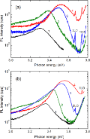
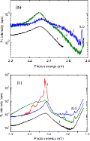
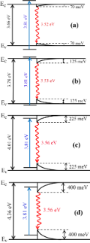
Band tail state related photoluminescence and photoresponse of ZnMgO solid solution nanostructured films
Beilstein J. Nanotechnol. 2020, 11, 899–910, doi:10.3762/bjnano.11.75
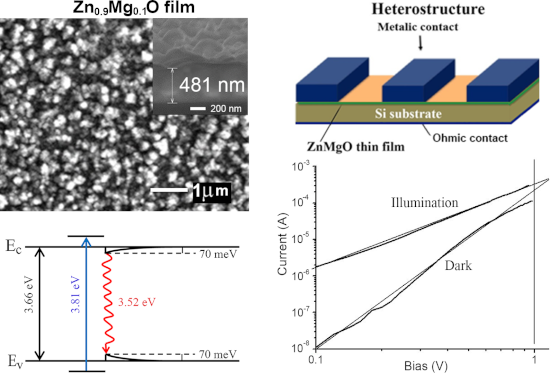
- radio-frequency plasma-assisted molecular beam epitaxy (RF-MBE) [2][7][10][11], DC [12][13] and RF [1][3][6] magnetron sputtering, pulsed laser deposition (PLD) [14][15], plasma-enhanced atomic layer deposition (PE-ALD) [16], chemical vapor deposition (CVD) [17], metal–organic chemical vapor deposition
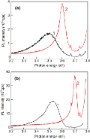
- -ZnMgO films produced by CVD in the composition range x = 0.61–0.81 [17], where a relatively large Stokes-like shift of 0.7–0.8 eV was observed. The understanding of the influence of compositional fluctuations in sol–gel spin-coated ZnMgO thin films on their properties is of particular importance

Templating effect of single-layer graphene supported by an insulating substrate on the molecular orientation of lead phthalocyanine
Beilstein J. Nanotechnol. 2020, 11, 814–820, doi:10.3762/bjnano.11.66
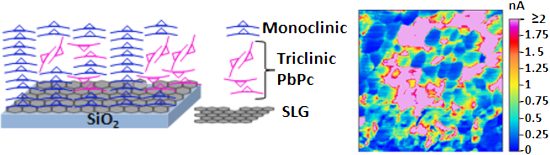
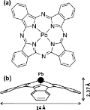
- ) substrate [24]. It will be interesting to explore the molecular orientation of nonplanar PbPc on single-layer graphene supported on a substrate. In this study, we have investigated the molecular orientation of a PbPc film deposited on chemical vapor deposition (CVD)-grown graphene transferred onto a SiO2/Si
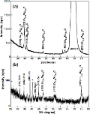
- of PbPc on graphene revealing interconnected highly conducting domains. Results and Discussion The Raman spectrum of CVD-grown single-layer graphene transferred onto a SiO2/Si substrate (referred to as SLG/SiO2/Si hereafter) is presented in Figure 2. A sharp and strong peak at 2680 cm−1 corresponds
- -on configuration are still observed. In the case of CVD graphene transferred on to substrates by the polymer method, it has been reported that the presence of polymer residues can cause edge-on orientation for pentacene on graphene [11]. However, in this work, effort has been taken to remove any


Light–matter interactions in two-dimensional layered WSe2 for gauging evolution of phonon dynamics
Beilstein J. Nanotechnol. 2020, 11, 782–797, doi:10.3762/bjnano.11.63
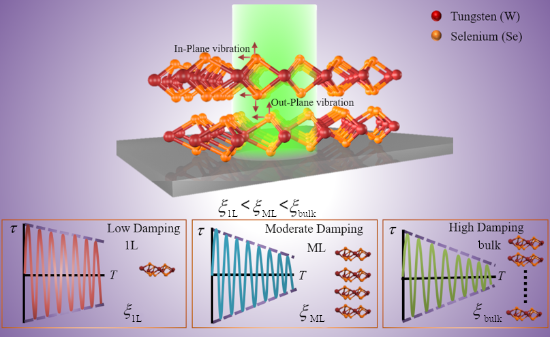
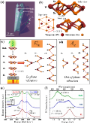
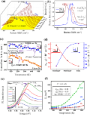
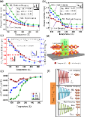
- work reported τ over a range T = 4.4–300 K in naturally abundant and isotopically pure WSe2 grown by the chemical vapor deposition (CVD) method [29]. In one of our recent works, exciton dynamics and phonon lifetimes in CVD-grown and mechanically exfoliated 1L WSe2 nanosheets were analyzed and τ
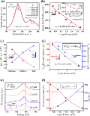
- increase significantly. In one of our prior reports [30], similar trends were observed in the intensities of and A1g mode in CVD-grown 1L WSe2. However, the ΔωT in and A1g modes were found to be less (ΔωT ≈ 5.10 cm−1, ΔωT(A1g) ≈ 3.54 cm−1) in the case of CVD grown 1L WSe2 [30], which could be attributed
- decreased interfacial defect density and built-in strain on sapphire that reduces the electron–phonon interaction in the material [30]. The value of τ obtained in our study is also comparable to what has been reported for τ in 1L CVD grown WSe2 (≈0.76 ps) [30], bilayer CVD grown WSe2 (≈2.4 ps) [29], MoS2
Hexagonal boron nitride: a review of the emerging material platform for single-photon sources and the spin–photon interface
Beilstein J. Nanotechnol. 2020, 11, 740–769, doi:10.3762/bjnano.11.61
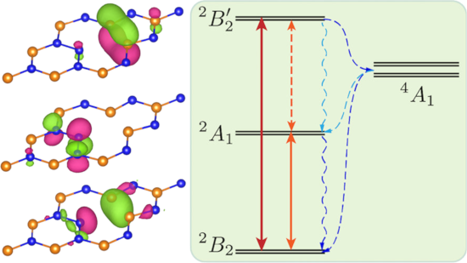
- complexes, it is shown they are low-energy formation defects in h-BN. This suggests that the assignment is presently controversial also considering the successive verification of SPEs as discussed in the following. In [45] h-BN exfoliated flakes, monolayer chemical vapor deposition (CVD) and in-house h-BN
- between different SPEs. A large variety of SPEs was observed. It was observed that thinner and edgier flakes had higher SPE density, and in the CVD material, SPEs had more brightness compared to flakes. The SPEs could be modeled by 2-level and 3-level systems with a variety of decay rates: for a two-level
- , with widespread ZPLs from UV to NIR, which limits the potential development of h-BN-based devices and applications and their controllable formation. In [109], it is shown that in CVD large-area, few-layer h-BN films, more than 85% of the emitters have a ZPL at (580 ± 10) nm, while maintaining a high




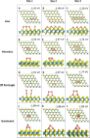
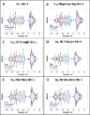
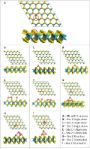
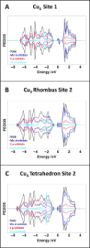
DFT calculations of the structure and stability of copper clusters on MoS2
Beilstein J. Nanotechnol. 2020, 11, 391–406, doi:10.3762/bjnano.11.30
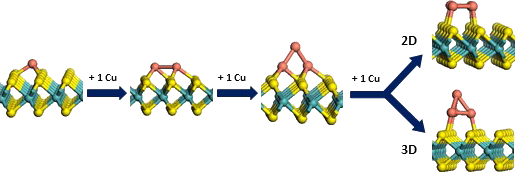
- enable the use of 2D materials in technology applications, processes have been developed to grow 2D materials via chemical vapour deposition (CVD) [16][17] and atomic layer deposition (ALD) [18][19]. The films prepared via thin film deposition were comparable in performance to materials obtained via
- exfoliation. However, the scalability of CVD and ALD processes makes 2D materials grown via these methods more realistic for a wider range of applications [4]. Transition metal dichalcogenides (TMDs) are of particular interest as they exhibit a large variety of properties. TMDs such as MoS2 are intrinsic
Synthesis of amorphous and graphitized porous nitrogen-doped carbon spheres as oxygen reduction reaction catalysts
Beilstein J. Nanotechnol. 2020, 11, 1–15, doi:10.3762/bjnano.11.1
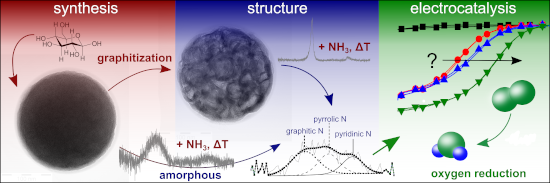
- are chemical vapor deposition (CVD) and arc discharge methods for N-doped graphene, graphite, and carbon nanotubes [9]. Most commonly, the post-synthetic approach is carried out by thermal treatment of carbon in ammonia atmosphere, typically leading to surface N-doping. A variety of N bonding




Facile synthesis of carbon nanotube-supported NiO//Fe2O3 for all-solid-state supercapacitors
Beilstein J. Nanotechnol. 2019, 10, 1923–1932, doi:10.3762/bjnano.10.188
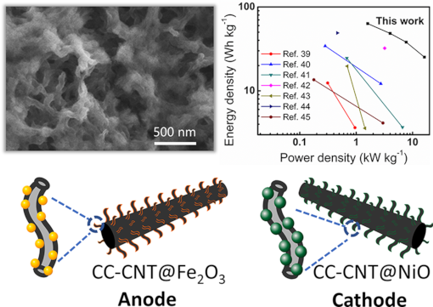
- Discussion Figure 1 shows the process of synthesizing cathode and anode, and finally, the asymmetric supercapacitor. The details can be seen in the Experimental section. Anode material CC-CNT@Fe2O3 CNTs were grown on CC by chemical vapour deposition (CVD). As shown in Figure 2a, CNTs grow homogeneously with
- CVD with a pretreatment of the CC. Typically, the CC (1 × 1 cm2, 11 mg) was treated with a mixture of H2SO4/HNO3 (3:1 volume ratio) at 70 °C for 2 h and then cleaned by sonication in deionized water and finally kept in a drying oven for 12 h. Afterward, the CC was immersed in catalyst, which consists
- of 10 mM Ni(NO3)2 and 1 mM Al(NO3)3 in alcoholic solution before CVD treatment. Flow rates of C2H2, H2, and Ar were set to 10, 20, and 50 sccm. The growth time was 30 min at 700 °C, and the mass loading of CNTs was 1.30 to 1.70 mg·cm−2. The as-prepared CNTs on CC (CC-CNT) was subsequently treated by


Hierarchically structured 3D carbon nanotube electrodes for electrocatalytic applications
Beilstein J. Nanotechnol. 2019, 10, 1475–1487, doi:10.3762/bjnano.10.146
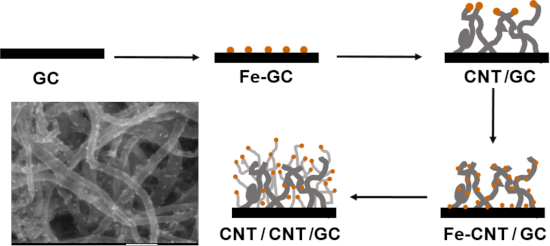
- a glassy carbon (GC) substrate in a sequence of electrodeposition and chemical vapor deposition (CVD) steps as follows: Primary CNTs are grown over electrodeposited iron by CVD followed by a second Fe deposition and finally the CVD growth of secondary CNTs. The prepared 3-dimensional CNT structures
- were additionally characterized by Raman spectroscopy. In this way it is demonstrated that by varying the parameters during the electrodeposition and CVD steps, a tuning of the structural parameters of the hierarchical electrodes is possible. The suitability of the hierarchical electrodes for
- the preparation of hierarchically structured CNTs on glassy carbon (GC) based on a sequential CNT growth over electrodeposited Fe nanoparticles via chemical vapor deposition (CVD) with cyclohexane as the carbon precursor. Pt electrodeposition onto these hierarchical structures leads to active





Growth of lithium hydride thin films from solutions: Towards solution atomic layer deposition of lithiated films
Beilstein J. Nanotechnol. 2019, 10, 1443–1451, doi:10.3762/bjnano.10.142
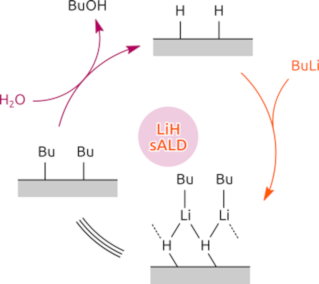
- . The large crystal seen is attributed to CVD growth in bubbles. The rough film is visible around the crystal. SEM of a Si sample cleaved after deposition. The film thickness was estimated to be roughly 45 nm. Growth curve obtained from spectroscopic ellipsometry. The thickness is relative to the SEM


Alloyed Pt3M (M = Co, Ni) nanoparticles supported on S- and N-doped carbon nanotubes for the oxygen reduction reaction
Beilstein J. Nanotechnol. 2019, 10, 1251–1269, doi:10.3762/bjnano.10.125
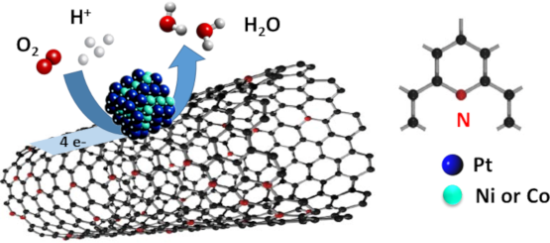
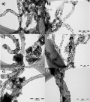
- , 31055 Toulouse Cedex 4, France 10.3762/bjnano.10.125 Abstract Sulfur- (S-CNT) and nitrogen-doped (N-CNT) carbon nanotubes have been produced by catalytic chemical vapor deposition (c-CVD) and were subject to an annealing treatment. These CNTs were used as supports for small (≈2 nm) Pt3M (M = Co or Ni
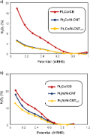
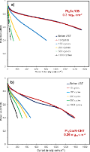
- performance has been aged following a recommended accelerated stress test (AST) cycle for catalyst support corrosion. Results and Discussion Synthesis and characterization of the CNTs and Pt3M/CNT Three kinds of CNTs have been produced by catalytic chemical vapor deposition (c-CVD): undoped (CNTs), N-doped (N
- MEA is then better. This validates the robustness of the synthesized catalyst. Conclusion In summary, a series of undoped, S- and N-doped CNTs have been synthetized by c-CVD. These carbon materials have been used together with an ionic liquid as a support structure for bimetallic Pt3Co and Pt3Ni NPs







Electronic and magnetic properties of doped black phosphorene with concentration dependence
Beilstein J. Nanotechnol. 2019, 10, 993–1001, doi:10.3762/bjnano.10.100
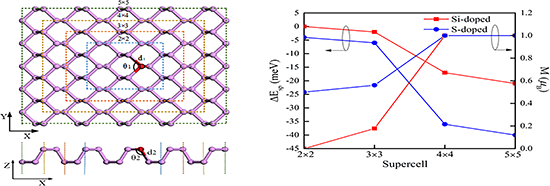
- experimentally demonstrated that substitutional doping of TMDs could be achieved by filling the vacancies observed in CVD-grown monolayer TMDs [18]. Liu et al. [19] prepared epitaxial copper-doped ZnO films and observed that the substitution of Cu for Zn and the presence of strong Cu–Zn–O bonds are necessary for


Direct growth of few-layer graphene on AlN-based resonators for high-sensitivity gravimetric biosensors
Beilstein J. Nanotechnol. 2019, 10, 975–984, doi:10.3762/bjnano.10.98
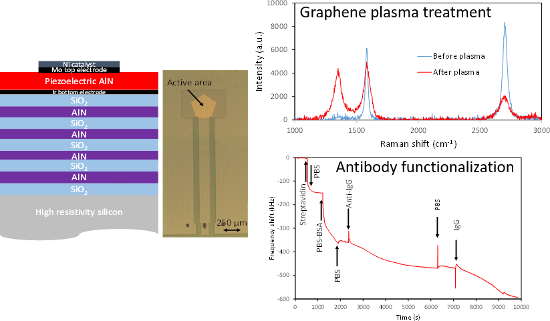
- -based solidly mounted resonators (SMR) using a low-temperature chemical vapour deposition (CVD) process assisted by Ni catalysts, and its effective bio-functionalization with antibodies. The SMRs are manufactured on top of fully insulating AlN/SiO2 acoustic mirrors able to withstand the temperatures
- reached during the CVD growth of graphene (up to 650 °C). The active AlN films, purposely grown with the c-axis tilted, effectively excite shear modes displaying excellent in-liquid performance, with electromechanical coupling and quality factors of around 3% and 150, respectively, which barely vary after
- of their characteristics and then functionalized to manufacture gravimetric biosensors, which eliminates the need to use complex transfer methods. Defect-free few-layer graphene was selectively grown through a low-temperature (650 °C) CVD process on Ni [16] thin-film catalysts previously evaporated


Hydrophilicity and carbon chain length effects on the gas sensing properties of chemoresistive, self-assembled monolayer carbon nanotube sensors
Beilstein J. Nanotechnol. 2019, 10, 565–577, doi:10.3762/bjnano.10.58
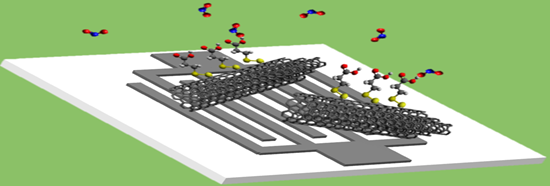
- . Experimental Functionalization of carbon nanotubes Multiwall carbon nanotubes (MWCNTs) functionalized with carboxylic acid (COOH) were purchased from Nanocyl S.A. (Belgium). These nanotubes were produced by a catalytic chemical vapor deposition (c-CVD method) and purified to greater than 95%. The average


Direct observation of the CVD growth of monolayer MoS2 using in situ optical spectroscopy
Beilstein J. Nanotechnol. 2019, 10, 557–564, doi:10.3762/bjnano.10.57
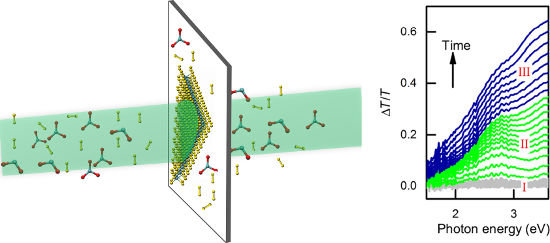
- dichalcogenide (2D TMDC) materials. However, it is very challenging to carry out such studies during chemical vapor deposition (CVD). Here, we report the first, real time, in situ study of the CVD growth of 2D TMDCs. More specifically, the CVD growth of a molybdenum disulfide (MoS2) monolayer on sapphire
- the temperature distribution in the CVD reactor has been revealed. Our results demonstrate the great potential of real time, in situ optical spectroscopy to assist the precisely controlled growth of 2D semiconductor materials. Keywords: chemical vapor deposition (CVD); in situ differential optical
- synthesizing large-area 2D TMDCs have been reported, including mechanical exfoliation, sulphurization of metal thin films, mass transport, molecular beam epitaxy (MBE) and chemical vapor deposition (CVD) [6][7]. In particular, CVD is considered to be an attractive and very promising approach for large-scale


Choosing a substrate for the ion irradiation of two-dimensional materials
Beilstein J. Nanotechnol. 2019, 10, 531–539, doi:10.3762/bjnano.10.54
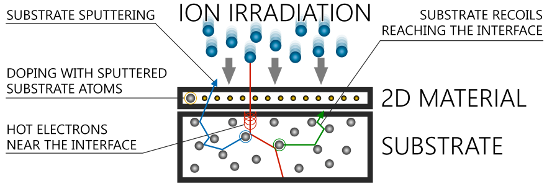
- , initially recognized due to its catalytic effect in the CVD synthesis of graphene. SiO2, the most common material for supporting monolayers (usually in the SiO2/Si alignment), is in turn a typical dielectric, mostly referred to as introducing a comparatively small effect on the properties of 2D materials
Nanocomposite–parylene C thin films with high dielectric constant and low losses for future organic electronic devices
Beilstein J. Nanotechnol. 2019, 10, 428–441, doi:10.3762/bjnano.10.42
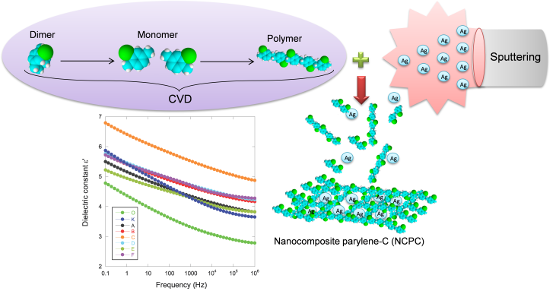
- Nazionale di Fisica Nucleare, Laboratori Nazionali di Legnaro, Viale dell’Università 2, 35020 Legnaro (PD), Italy 10.3762/bjnano.10.42 Abstract Nanocomposite–parylene C (NCPC) thin films were deposited with a new technique based on the combination of chemical vapor deposition (CVD) for parylene C
- voltages of TFTs [2]. Unfortunately these approaches can not be used when parylene C (PPXC) is chosen as gate dielectric as the only proven process for producing high-quality PPXC layers is chemical vapor deposition (CVD). Parylene C has emerged as a particularly interesting material for organic electronic
- increase the dielectric constant of NCPC without degrading its dielectric losses. In this context, this work presents a new strategy to synthesize nanocomposite parylene C materials by a combination of two processes, CVD and RF-magnetron sputtering. The NCPC properties are analyzed in detail by different




Biocompatible organic–inorganic hybrid materials based on nucleobases and titanium developed by molecular layer deposition
Beilstein J. Nanotechnol. 2019, 10, 399–411, doi:10.3762/bjnano.10.39
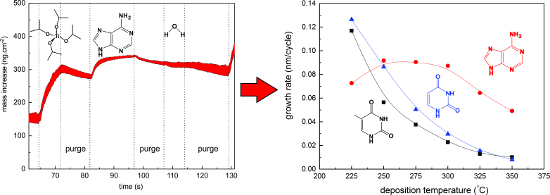
- enables control of cell–surface interactions, which plays a major role in controlling the bioactivity of solid surfaces. Biocompatibility can be enhanced by coating the surface using various thin film deposition techniques such as chemical vapor deposition (CVD), physical vapor deposition (PVD) or atomic
- typically add to the required purge times and lead to impractical process times. A possible bi-reaction during ALD growth is the production of a CVD component leading to increased growth for prolonged pulsing, particularly at higher temperatures [24]. Normally, this contribution is ignored as long as an ALD
- mode dominates the overall film growth. Such a CVD contribution is limited when a practical growth mode is considered sufficient. When highlighting the overall growth dynamics, rather long pulse and purge times for all precursors are used. In this case, a pulse scheme of 7 s TTIP, 10 s purge, 15 s




Sub-wavelength waveguide properties of 1D and surface-functionalized SnO2 nanostructures of various morphologies
Beilstein J. Nanotechnol. 2019, 10, 379–388, doi:10.3762/bjnano.10.37
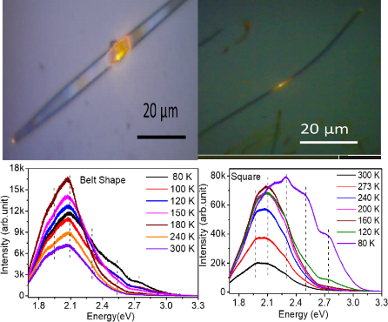
- chemical vapor deposition (CVD) technique has been widely used for the controlled preparation of nanostructures [23]. Especially the vapor–solid (VS) process, without the involvement of catalysts, and the vapor–liquid–solid (VLS) process, with the assistance of catalysts, are utilized for the growth of


Effects of post-lithography cleaning on the yield and performance of CVD graphene-based devices
Beilstein J. Nanotechnol. 2019, 10, 349–355, doi:10.3762/bjnano.10.34
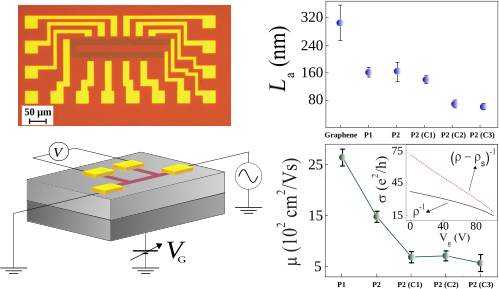
- addition, we show that the size of these well-ordered domains is highly influenced by post-photolithography cleaning processes. Finally, we show that by using poly(dimethylglutarimide) (PMGI) as a protection layer, the production yield of CVD graphene devices is enhanced. Conversely, their electrical
- properties are deteriorated as compared with devices fabricated by conventional production methods. Keywords: CVD graphene; defects; mobility; well-ordered domain; Introduction The unique properties of graphene, such as high conductivity, high carrier mobility at room temperature, high sensitivity of the
- electrical properties to surface phenomena and the existence of several routes for its surface functionalization, grant this 2D material plenty of application possibilities [1][2][3][4][5][6][7][8]. Among the several synthesis methods of high-quality graphene, chemical vapor deposition (CVD) stands out as


Zn/F-doped tin oxide nanoparticles synthesized by laser pyrolysis: structural and optical properties
Beilstein J. Nanotechnol. 2019, 10, 9–21, doi:10.3762/bjnano.10.2
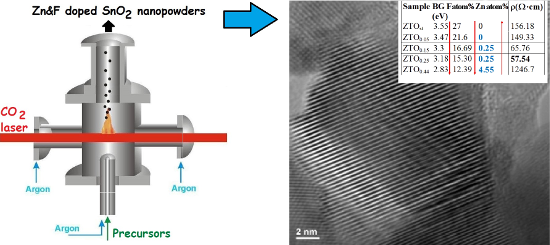
- [17]. Highly conductive films based on amorphous Co-doped SnO2 were also synthesized using a pulsed spray evaporation chemical vapor deposition (CVD) technique [18]. One of the most reported cationic dopants for tin oxide is Zn2+, where the obtained zinc-doped tin oxide (ZTO) films show lower bandgap



Investigation of CVD graphene as-grown on Cu foil using simultaneous scanning tunneling/atomic force microscopy
Beilstein J. Nanotechnol. 2018, 9, 2953–2959, doi:10.3762/bjnano.9.274
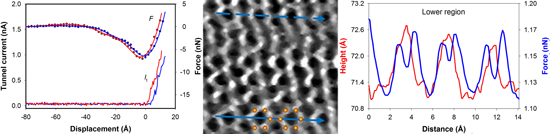
- (CVD) on Cu foils. Truly simultaneous operation is possible only with the use of small oscillation amplitudes. Under a typical STM imaging regime the force interaction is found to be repulsive. Force–distance spectroscopy revealed a maximum attractive force of about 7 nN between the tip and carbon
- array with maxima located in between the two carbon atoms was acquired in STM topography. Keywords: atomic force microscopy; CVD graphene; scanning tunneling microscopy; simultaneous operation; small amplitude; Introduction Graphene has been widely studied because of its potential use in future
- surface, and A is the measured amplitude during tip–surface interactions [34]. Graphene layers were grown on Cu foils using chemical vapor deposition (CVD) [35]. A custom-built atmospheric CVD system was used. Cu foils were heated under H2 + Ar atmosphere up to 950 °C. Upon reaching the process


Charged particle single nanometre manufacturing
Beilstein J. Nanotechnol. 2018, 9, 2855–2882, doi:10.3762/bjnano.9.266
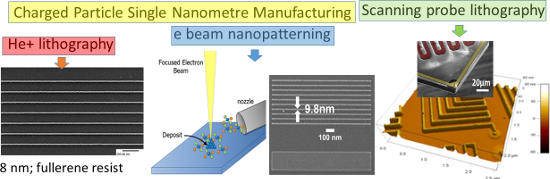
- combined with CVD. As another example, 5 nm GaN quantum dots were deposited by Crozier [86] by EBID from a specially tailored precursor resulting in high-quality uniform deposits on a thin film of Si/SiO2. Shimojo [87] demonstrated the deposition of self-standing nanorods, 10 nm in diameter, by electrons


Contactless photomagnetoelectric investigations of 2D semiconductors
Beilstein J. Nanotechnol. 2018, 9, 2741–2749, doi:10.3762/bjnano.9.256
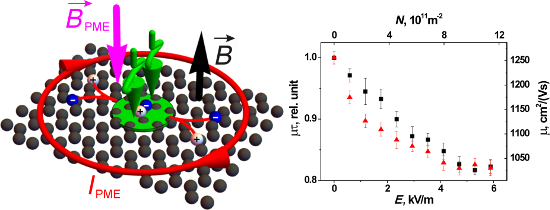
- (). Experimental The investigated graphene samples were supplied by Graphene Supermarket. The single-layer graphene films were grown by CVD processing on a cooper foil and transferred onto a 170 μm thick polyethylene terephthalate (PET) foil. The polycrystalline graphene films covered about 90% of the foil, with

![[Graphic 1]](/bjnano/content/inline/2190-4286-9-256-i2.svg?max-width=637&scale=1.18182) evoked by the PME circulating current in a point-illuminated 2D...
evoked by the PME circulating current in a point-illuminated 2D...

![[Graphic 7]](/bjnano/content/inline/2190-4286-9-256-i8.svg?max-width=637&scale=1.18182) vs the illumination intensity for differe...
vs the illumination intensity for differe...

![[Graphic 15]](/bjnano/content/inline/2190-4286-9-256-i16.svg?max-width=637&scale=1.18182) vs the carrier lifetime for different values ...
vs the carrier lifetime for different values ...


Metal-free catalysis based on nitrogen-doped carbon nanomaterials: a photoelectron spectroscopy point of view
Beilstein J. Nanotechnol. 2018, 9, 2015–2031, doi:10.3762/bjnano.9.191
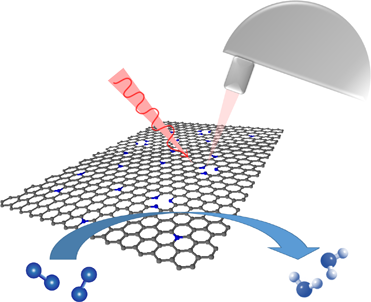
- -synthetic treatments. The most common technique for doping during the synthesis is chemical vapor deposition (CVD), similar to the synthesis of the pristine material [36][69][70], albeit using nitrogen-containing precursors such as benzylamine [71], acetonitrile [72][73], phthalocyanines [74][75] or ammonia
- responsible for the high catalytic performance in the ORR, although they reported a lower efficiency compared to commercial Pt catalysts. Remarkably, Luo and co-workers succeeded to synthesize graphene dope with purely pyridinic N by CVD of hydrogen, ethylene and ammonia on Cu foils [104], with nitrogen
- site is not available for O adsorption. This mechanism was recently observed by Scardamaglia et al. with high-resolution synchrotron measurements in a fully in situ experiment [84] in which contamination was avoided. The authors functionalized single-layer graphene grown by CVD on iridium(111) using




Defect formation in multiwalled carbon nanotubes under low-energy He and Ne ion irradiation
Beilstein J. Nanotechnol. 2018, 9, 1951–1963, doi:10.3762/bjnano.9.186
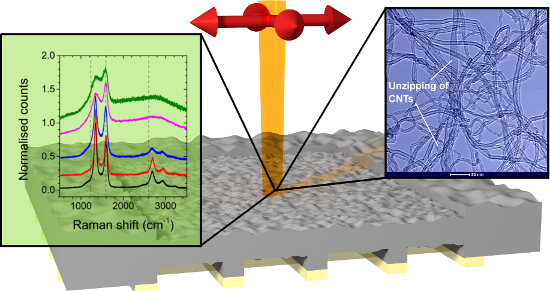
- pristine samples similar to ours were observed by Lehtinen et al. for so-called bamboo MWCNTs [21], and by Ni et al. [22] and Nichols et al. [51] for CVD-grown MWCNTs. Compared to other data in literature the peak related to the D band is more intense than the one for the G band [1]. This indicates that