Search results
Search for "CdS" in Full Text gives 113 result(s) in Beilstein Journal of Nanotechnology.
Direct AFM-based nanoscale mapping and tomography of open-circuit voltages for photovoltaics
Beilstein J. Nanotechnol. 2018, 9, 1802–1808, doi:10.3762/bjnano.9.171
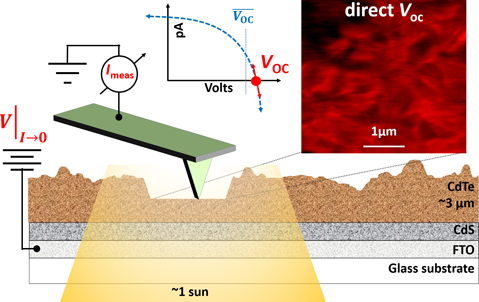
- to move to the underlying n-type CdS layer [6]. Equivalent conclusions have been inferred from complementary techniques such as simple conductive AFM [27], surface-potential mapping [28], and electron beam induced currents [29], though the fully three-dimensional, directly acquired data of ISC* and
- micro-scale. Such novel SPM-based measurements can be crucial to advancing the fundamental understanding, and ultimately performance and reliability, of a wide range of photosensors, photoactivated catalysts, and photovoltaics. pcAFM measurement of a CdTe/CdS solar cell, during specimen illumination


Cathodoluminescence as a probe of the optical properties of resonant apertures in a metallic film
Beilstein J. Nanotechnol. 2018, 9, 1491–1500, doi:10.3762/bjnano.9.140
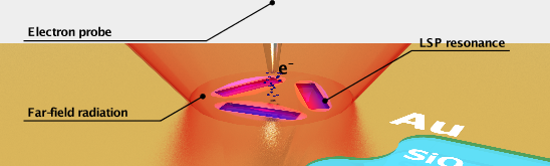
- demonstrated [50]. The spectral properties of core–shell CdSe/CdS quantum dots have also been studied using CL in a transmission electron microscope [51]. The same technique has been used to generate single photons and to characterize quantum states and the nature of the emitted beam with subwavelength


Cr(VI) remediation from aqueous environment through modified-TiO2-mediated photocatalytic reduction
Beilstein J. Nanotechnol. 2018, 9, 1448–1470, doi:10.3762/bjnano.9.137
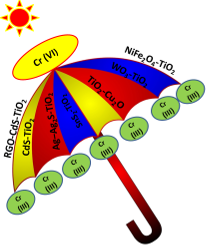
- with given organic compounds under suitable reaction conditions facilitates the selective organic transformations. For example, Hu et al. demonstrated that photocatalytic, selective oxidation of alcohol to aldehyde can be carried out by hVB+ and O2•− on the surface of CdS/TiO2 nanocomposites under
- visible-light irradiation. The authors have also reported that •CO2− radicals (produced by the reaction of hVB+ with HCO2NH4) and eCB− are responsible for the reduction of 4-nitroaniline to p-phenylenediamine over CdS/TiO2 photocatalysts [56]. Photodegradation of pollutants The principle of photocatalysis
- conditions, low cost, high efficiency and reusability. It uses renewable and pollution-free solar energy and produces minimal secondary waste without using toxic chemicals that follow the rules of green chemistry [59][60][61]. Various semiconductor photocatalysts such as CdS, ZnO, WO3, SnO2, and TiO2 have


Review on nanoparticles and nanostructured materials: history, sources, toxicity and regulations
Beilstein J. Nanotechnol. 2018, 9, 1050–1074, doi:10.3762/bjnano.9.98

- ], and metal sulfide quantum dots such as CdS [148][149] and ZnS [150], were synthesized using different strains of bacteria. Other than bacteria, actinomycetes such as Thermomonospora sp and Rhodococcus sp. [151] are also used to produce NPs. This bacteria-mediated NP formation was found to be highly
- supports the formation of Ag NPs [168], phytochelatin-coated CdS by Phaeodactylum tricornutum [169], and nanocomposite and nanoporous structures via coccoliths and diatoms [139]. Since very limited studies are available, the possible mechanisms for algae-mediated nanoparticle formation are still
- synthezing NPs with various sizes and shapes. It is noted that Fusarium oxysporum and Verticillium sp. of fungi have been noted to aid in Au, Ag and Au–Ag alloy NP synthesis [141][172][173]. Enzymes in Fusarium oxysporum fungi also help in the synthesis of CdS quantum dots [174] and serve as a source of


Cyclodextrin inhibits zinc corrosion by destabilizing point defect formation in the oxide layer
Beilstein J. Nanotechnol. 2018, 9, 936–944, doi:10.3762/bjnano.9.86
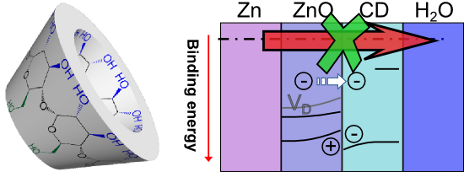
- conversion [9]. β-CD is not surface-active [10]. Although the use in food, medical, and pharmaceutical applications, including drug delivery, is well documented [11], application of CDs in corrosion protection is rare [8][12][13][14]. These applications mostly use CDs to solubilize hydrophobic corrosion


Cyclodextrin-assisted synthesis of tailored mesoporous silica nanoparticles
Beilstein J. Nanotechnol. 2018, 9, 693–703, doi:10.3762/bjnano.9.64
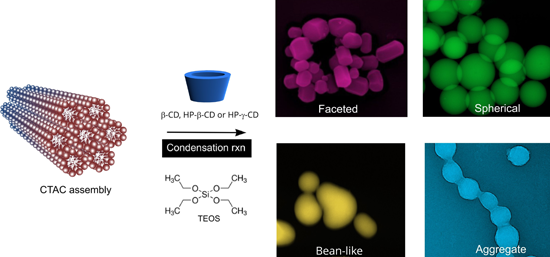
- of pristine CD (β-CD) or hydroxypropyl-functionalized CDs (HP-γ-CD and HP-β-CD). Depending on the formulation conditions, differently shaped MSNs, such as bean-like, spherical, ellipsoid, aggregate and faceted were generated. The morphology and size of MSNs varied with the CD-type used. Generally
- , spherical particles were obtained with β-CD, while a faceted morphology was observed for the particles synthesized using HP-CDs. The particle size could be tuned by adjusting the amount of CD used; increasing the CD concentration led to larger particles. MSNs synthesized in the presence of β-CD displayed a
- smaller particle size than those produced with HP-functional CDs. FTIR, TGA and solid-state 13C NMR demonstrated the adsorption of CDs on the particle surfaces. The proposed concept allows for the synthesis of silica nanoparticles with control over particle shape and size by adjusting the concentration of


Mechanistic insights into plasmonic photocatalysts in utilizing visible light
Beilstein J. Nanotechnol. 2018, 9, 628–648, doi:10.3762/bjnano.9.59
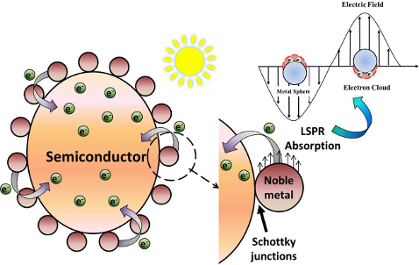
- form, etc. Although many semiconductor metal oxides such as N-doped TiO2 [88], Fe2O3 [89], CdS [90] and Bi2O3 [91][92] have been reported, this section will mainly focus on TiO2, which is the most widely studied. Au or Ag nanoparticles can be employed to produce an outstanding plasmonic effect in the





Sugarcane juice derived carbon dot–graphitic carbon nitride composites for bisphenol A degradation under sunlight irradiation
Beilstein J. Nanotechnol. 2018, 9, 353–363, doi:10.3762/bjnano.9.35
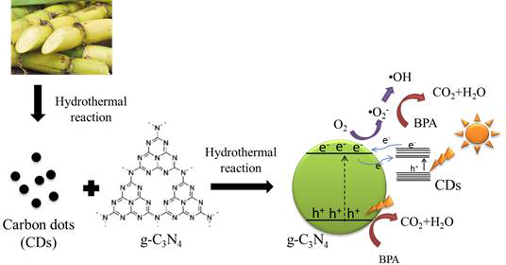
- Laboratory, Department of Environmental Science and Engineering, Indian Institute of Technology (ISM), Dhanbad 826004, Jharkhand, India 10.3762/bjnano.9.35 Abstract Carbon dots (CDs) and graphitic carbon nitride (g-C3N4) composites (CD/g-C3N4) were successfully synthesized by a hydrothermal method using
- urea and sugarcane juice as starting materials. The chemical composition, morphological structure and optical properties of the composites and CDs were characterized using various spectroscopic techniques as well as transmission electron microscopy. X-ray photoelectron spectroscopy (XPS) results
- revealed new signals for carbonyl and carboxyl groups originating from the CDs in CD/g-C3N4 composites while X-ray diffraction (XRD) results showed distortion of the host matrix after incorporating CDs into g-C3N4. Both analyses signified the interaction between g-C3N4 and CDs. The photoluminescence (PL


Review on optofluidic microreactors for artificial photosynthesis
Beilstein J. Nanotechnol. 2018, 9, 30–41, doi:10.3762/bjnano.9.5
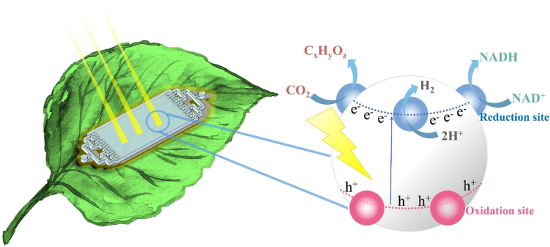
- membrane-based reactors were reported as well, for instance, mesoporous CdS/TiO2/SBA-15@carbon paper composite membranes [77] and copper-decorated TiO2 nanorod thin films [78]. In addition to the PDMS/PMMA-based microchannel reactors, bacterium has been shown to be a good microreactor as well. Yang et al
- . developed a hybrid approach that combined highly efficient light harvesting of inorganic semiconductors with biocatalysts [79]. As shown in Figure 7, they induced a non-photosynthetic bacterium with biologically precipitated CdS nanoparticles, enabling the photosynthesis of acetic acid from CO2. The CdS
- splitting and CO2 reduction [80], but significant progress had already been made before it was combined with the optofluidics [81]. Park et al. developed CdS quantum-dot-sensitized TiO2 nanotube arrays for the photo-regeneration of nicotinamide cofactors [82]. They also used SiO2-supported CdS quantum dots


CdSe nanorod/TiO2 nanoparticle heterojunctions with enhanced solar- and visible-light photocatalytic activity
Beilstein J. Nanotechnol. 2017, 8, 2741–2752, doi:10.3762/bjnano.8.273
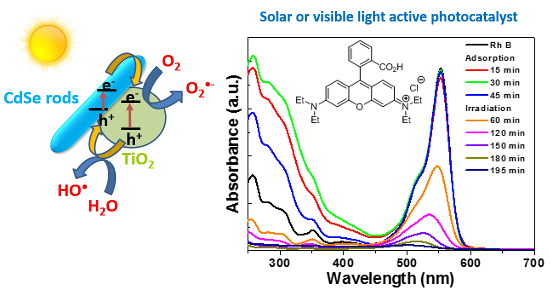
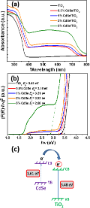
- enhanced because oxidation of water by holes and reduction of oxygen by electrons are retained at two different sites. Recently, many groups demonstrated that the creation of a heterojunction between TiO2 and CdS, CdSe or alloyed CdSeS nanoparticles allows the optical absorption of TiO2 to be extended into
- . used chemical vapor deposition to associate CdS, CdSe or CdSeS rods to TiO2 NRs arrays and demonstrated that the CdSeS/TiO2 heterostructure exhibits the highest performances as photoelectrode [39]. More recently, small CdSe NRs [40] or type II CdSe/CdSexTe1−x NRs [41] were also used as light harvesters






PTFE-based microreactor system for the continuous synthesis of full-visible-spectrum emitting cesium lead halide perovskite nanocrystals
Beilstein J. Nanotechnol. 2017, 8, 2521–2529, doi:10.3762/bjnano.8.252
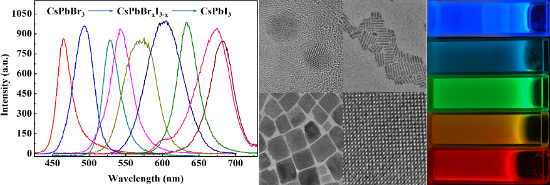
- , there is no report on the continuous synthesis of perovskite nanocrystals via microreactor systems, even though these systems have been successfully used to synthesize CdSe [25], CdSe/ZnS [26], CdSexTe1−x [27], and CdS [28] QDs, as well as monodisperse Au–Ag alloy nanoparticles [29]. In this work, we


Two-dimensional carbon-based nanocomposites for photocatalytic energy generation and environmental remediation applications
Beilstein J. Nanotechnol. 2017, 8, 1571–1600, doi:10.3762/bjnano.8.159
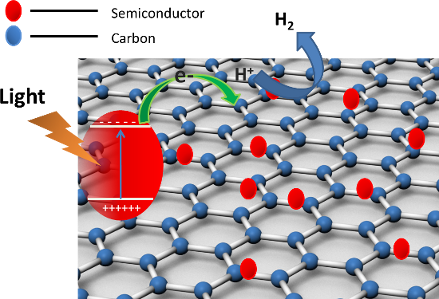
- ]. Hence, in the recent decade, heterogeneous photocatalysis has been widely explored for the conversion of solar energy into chemical energy and for pollutant removal from water [11][12]. Up to now, various interesting semiconductors such as TiO2, ZnO, WO3, CdS, Bi2O3, Fe2O3, SnO2, BiVO4, etc. have been
- coupling with semiconductor materials such as TiO2 [73], ZnO [74], CdS [75], SnO2 [76], CeO2 [77], WO3 [78], Fe2O3 [79], Ag3PO4 [80], Ag3VO4 [81], ZnWO4 [82], SrTiO3 [83], BiVO4 [84], Bi2WO6 [85], BiOX [86][87], etc. These heterojunction formations have proved to be an effective method to improve the
- nanotubes (CNT) and g-C3N4 has been presented in Table 1. The role of graphene as a cocatalyst has been investigated by various research groups. Peng et al. [123] reported graphene oxide (GO)–CdS nanocomposites for photocatalytic hydrogen evolution by using Na2S and Na2SO3 as sacrificial agents, where GO


Development of polycationic amphiphilic cyclodextrin nanoparticles for anticancer drug delivery
Beilstein J. Nanotechnol. 2017, 8, 1457–1468, doi:10.3762/bjnano.8.145
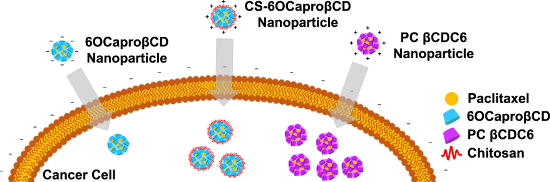
- , delivering the drug bound to the nanocarriers in a considerably lower dose to target tissue. Cyclodextrins (CDs) are cyclic oligosaccharides obtained through enzymatic degradation of starch. The most frequently used CDs in the pharmaceutical field are α-CD, β-CD and γ-CD having 6, 7 and 8 subunits
- , respectively [9]. These molecules have drawn attention as drug carrier systems for several years because of their unique molecular structures and supramolecular capabilities. CDs, although hydrophilic in the external surface, have hydrophobic cavity and this compartment allows them to form strong inclusion
- complexes with non-polar drugs or active molecules [10]. CDs are easily able to modulate physicochemical properties of guest molecules, including solubility and/or stability in biological medium. Despite all the advantages, CDs have some challenges. For instance, it is well known that β-CD has low


ZnO nanoparticles sensitized by CuInZnxS2+x quantum dots as highly efficient solar light driven photocatalysts
Beilstein J. Nanotechnol. 2017, 8, 1080–1093, doi:10.3762/bjnano.8.110
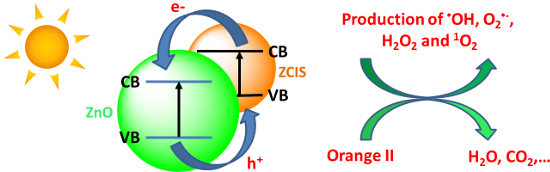
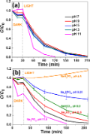
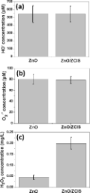
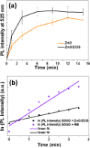
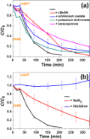
- coupled to those of the QDs [10][11][12]. Heterostructured photocatalysts such as ZnO/CdS or TiO2/CdS or TiO2/PbS exhibit extended light absorption and improved photoreactivity due to the promoted separation of photo-induced charge carriers [13][14][15][16][17][18][19]. However, QDs such as CdS or PbS
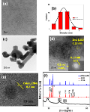
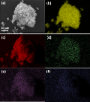
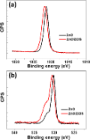

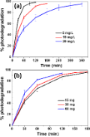



Association of aescin with β- and γ-cyclodextrins studied by DFT calculations and spectroscopic methods
Beilstein J. Nanotechnol. 2017, 8, 348–357, doi:10.3762/bjnano.8.37
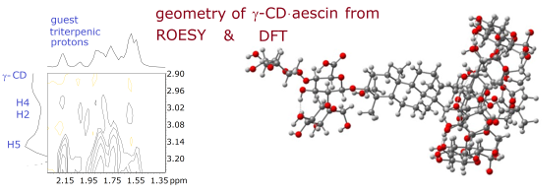
- (CDs) is a technical solution for its incorporation into the textile of stockings, but details of the physicochemistry of these host–guest systems are lacking. This work investigates the inclusion of aescin into the cavities of two native cyclodextrins, β-CD and γ-CD. Results: The continuous variation
- functional theory (DFT) calculations on the interaction of aescin Ib with CDs show that an inclusion can indeed occur and it is further demonstrated that the wider cavity of γ-CD is more adequate to accommodate this large guest. ROESY spectroscopy is consistent with the formation of a complex in which the
- triterpenic moiety of aescin is included into the cavity of γ-CD. The higher stability of this geometry was confirmed by DFT. Furthermore, DFT calculations were applied to determine the chemical shifts of the protons H3 and H5 of the CDs in the optimised structures of the inclusion complexes. The calculated


Photocatalysis applications of some hybrid polymeric composites incorporating TiO2 nanoparticles and their combinations with SiO2/Fe2O3
Beilstein J. Nanotechnol. 2017, 8, 272–286, doi:10.3762/bjnano.8.30
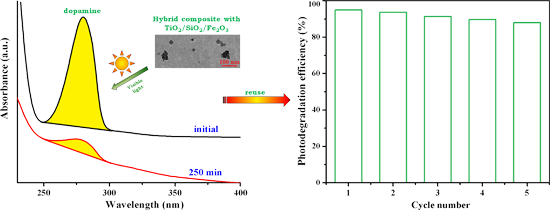
- than the other catalysts studied in literature (ZnO, SnO2, WO3, CdS) because of their superior redox ability and photoelectric properties, the long-term stability, the nontoxicity, and the low cost [10][11][12][13][14][15]. Nevertheless, the practical applications of TiO2 have a major drawback, namely


Performance of colloidal CdS sensitized solar cells with ZnO nanorods/nanoparticles
Beilstein J. Nanotechnol. 2017, 8, 210–221, doi:10.3762/bjnano.8.23
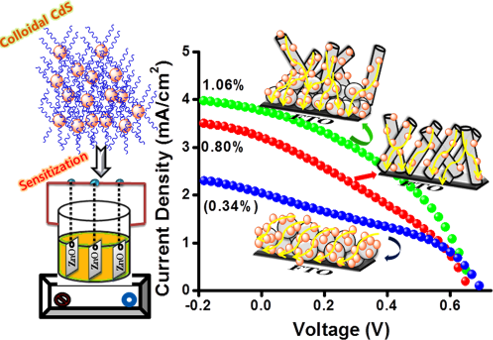
- Division, CSIR-National Chemical Laboratory, Pune 411 008, India 10.3762/bjnano.8.23 Abstract As an alternative photosensitizer in dye-sensitized solar cells, bovine serum albumin (BSA) (a nonhazardous protein) was used in the synthesis of colloidal CdS nanoparticles (NPs). This system has been employed
- to replace the commonly used N719 dye molecule. Various nanostructured forms of ZnO, namely, nanorod and nanoparticle-based photoanodes, have been sensitized with colloidal CdS NPs to evaluate their effective performance towards quantum dot sensitized solar cells (QDSSCs). A polysulphide (Sx2−)-based
- electrons. Commonly used dye molecules are Ru-based N719 and N3. However, recently, chalcogenide semiconductors such as CdS, InP, CdSe, PbS, CdSe, Sb2S3 have been explored for replacing the sensitizers in DSSC [1][2][3][4]. Thus, there has been a renewed interest in the area of DSSC, resulting in the


Role of RGO support and irradiation source on the photocatalytic activity of CdS–ZnO semiconductor nanostructures
Beilstein J. Nanotechnol. 2016, 7, 1684–1697, doi:10.3762/bjnano.7.161
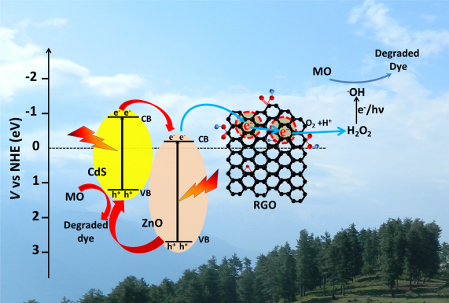
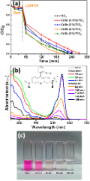
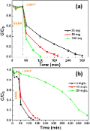
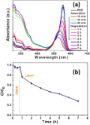
- the photocatalysts. In this work, we have investigated the role of reduced graphene oxide (RGO) support and the irradiation source on mixed metal chalcogenide semiconductor (CdS–ZnO) nanostructures. The photocatalyst material was synthesized using a facile hydrothermal method and thoroughly
- characterized using different spectroscopic and microscopic techniques. The photocatalytic activity was evaluated by studying the degradation of a model dye (methyl orange, MO) under visible light (only) irradiation and under natural sunlight. The results reveal that the RGO-supported CdS–ZnO photocatalyst
- performs considerably better than the unsupported CdS–ZnO nanostructures. In addition, both the catalysts perform significantly better under natural sunlight than under visible light (only) irradiation. In essence, this work paves way for tailoring the photocatalytic activity of semiconductor





The influence of phthalocyanine aggregation in complexes with CdSe/ZnS quantum dots on the photophysical properties of the complexes
Beilstein J. Nanotechnol. 2016, 7, 1018–1027, doi:10.3762/bjnano.7.94
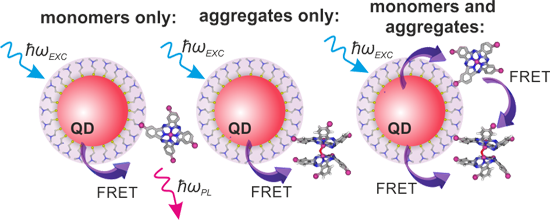
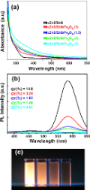
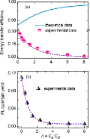
- ][21]. This statement was recently supported by the Nyokong group [22] where FRET efficiencies up to 93% were predicted in nanocomposites based on glutathione-capped CdTe/CdS/ZnS QDs covalently linked with aluminium sulfonated phthalocyanine. However, analysis of donor PL quenching and acceptor PL



Selective photocatalytic reduction of CO2 to methanol in CuO-loaded NaTaO3 nanocubes in isopropanol
Beilstein J. Nanotechnol. 2016, 7, 776–783, doi:10.3762/bjnano.7.69
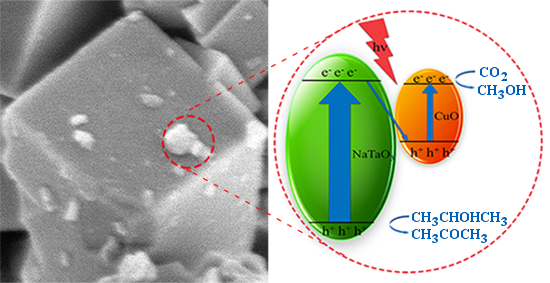
- can be solved simultaneously [3][4][5][6][7]. For this purpose, the photocatalytic conversion of CO2 to fuel is particularly emphasized. In 1979, Inoue et al. [8] first reported the photocatalytic reduction of CO2 in aqueous solution using several semiconductor materials (WO3, TiO2, ZnO, CdS, GaP and


Sonochemical co-deposition of antibacterial nanoparticles and dyes on textiles
Beilstein J. Nanotechnol. 2016, 7, 1–8, doi:10.3762/bjnano.7.1
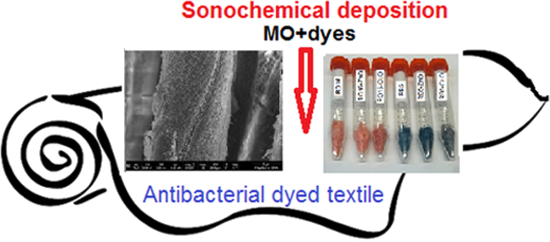
- solution containing precursors. Colored antibacterial textile/NPs composites were generated. The production of textiles on which dyes and antibacterial NPs are co-deposited is normally achieved in a two-stage process. For example, Tabatabee et al. reported on the sonochemical synthesis of CdS and




Surface-enhanced Raman scattering by colloidal CdSe nanocrystal submonolayers fabricated by the Langmuir–Blodgett technique
Beilstein J. Nanotechnol. 2015, 6, 2388–2395, doi:10.3762/bjnano.6.245
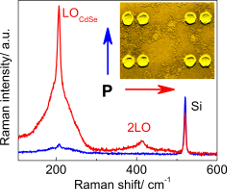
- CdS [17][18], CdTe [19], CdSe [20][21][22][23][24], ZnO [25][26][27][28], GaN [26], and CuxS [29][30], reveal the SERS effect by optical phonons when placed in close proximity of Au or Ag nanoclusters. Among those, CdSe NCs have attracted much attention for SERS experiments for at least two reasons


Surfactant-controlled composition and crystal structure of manganese(II) sulfide nanocrystals prepared by solvothermal synthesis
Beilstein J. Nanotechnol. 2015, 6, 2319–2329, doi:10.3762/bjnano.6.238
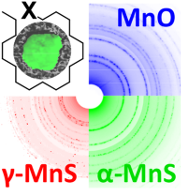
- mono- and dioleate precursors. It was previously shown that at 180 °C elemental sulfur, which is present as cyclo-, catena- and polymeric species [33], reacts with 1-octadecene to produce more reactive H2S (yield ≈2/3), which reacts with cadmium oleate to give CdS NCs [34]. It is reasonable to think
- that H2S is the actual sulfur source in the present case, too. Whereas in the case of CdS it was established that the carboxylic acid did not react with H2S, in our case, the decreased sulfur availability at increased surfactant concentration suggests that reaction between RCOOH and H2S occurs. A
- slowly and/or to a lesser extent than manganese(II) oleates so that more H2S is available for the formation of MnS NCs. One may wonder why the reaction of H2S with the carboxylic acid was not observed in the synthesis of CdS NCs. Our synthesis was carried out at a higher temperature (320 °C) and reagent
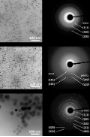


Influence of wide band gap oxide substrates on the photoelectrochemical properties and structural disorder of CdS nanoparticles grown by the successive ionic layer adsorption and reaction (SILAR) method
Beilstein J. Nanotechnol. 2015, 6, 2252–2262, doi:10.3762/bjnano.6.231
- General and Inorganic Chemistry, National Academy of Sciences of Belarus, Surganov St. 9/1, 220072 Minsk, Belarus 10.3762/bjnano.6.231 Abstract The photoelectrochemical properties of nanoheterostructures based on the wide band gap oxide substrates (ZnO, TiO2, In2O3) and CdS nanoparticles deposited by the
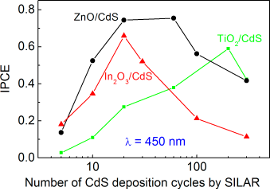
- successive ionic layer adsorption and reaction (SILAR) method have been studied as a function of the CdS deposition cycle number (N). The incident photon-to-current conversion efficiency (IPCE) passes through a maximum with the increase of N, which is ascribed to the competition between the increase in
- optical absorption and photocarrier recombination. The maximal IPCE values for the In2O3/CdS and ZnO/CdS heterostructures are attained at N ≈ 20, whereas for TiO2/CdS, the appropriate N value is an order of magnitude higher. The photocurrent and Raman spectroscopy studies of CdS nanoparticles revealed the


A facile method for the preparation of bifunctional Mn:ZnS/ZnS/Fe3O4 magnetic and fluorescent nanocrystals
Beilstein J. Nanotechnol. 2015, 6, 1743–1751, doi:10.3762/bjnano.6.178
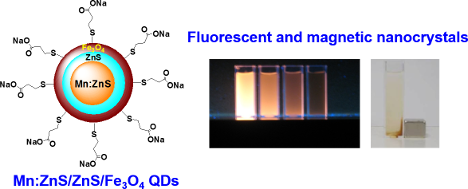
- shell (CdSe or CdS) of thickness between 2–7 nm resulting in either spherical core/shell nanoparticles or heterodimers [20][21][22]. The PL QY of the resulting bifunctional nanoparticles is generally low (typically <5%) due to the quenching effect of the magnetic domain [20][21]. Herein, we describe a