


Search results
Search for "absorption spectra" in Full Text gives 292 result(s) in Beilstein Journal of Nanotechnology. Showing first 200.
Silver nanoparticles loaded on lactose/alginate: in situ synthesis, catalytic degradation, and pH-dependent antibacterial activity
Beilstein J. Nanotechnol. 2023, 14, 781–792, doi:10.3762/bjnano.14.64
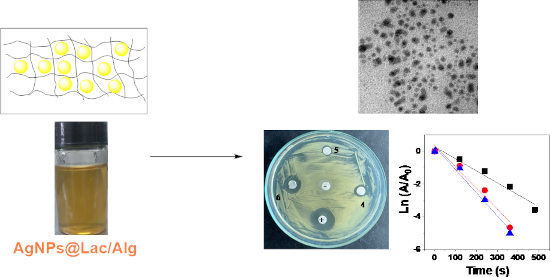
- . Subsequently, AgNPs@Lac/Alg was characterized using various analytical techniques and applied for the catalytic degradation of contaminants and in bacterial activity assays. Absorption spectra were analyzed to monitor changes in physicochemical properties at the maximum peak region of surface plasmon resonance


Metal-organic framework-based nanomaterials as opto-electrochemical sensors for the detection of antibiotics and hormones: A review
Beilstein J. Nanotechnol. 2023, 14, 631–673, doi:10.3762/bjnano.14.52
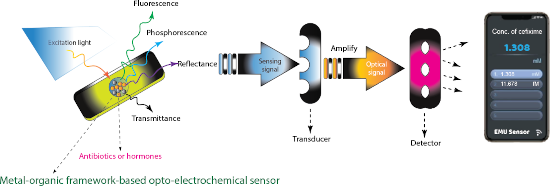
- states produced by this method are “charge-separated” states. The emission and absorption spectra make it simple to discriminate between PET and ICT. Although there is a significant quenching of luminescence intensity in PET, there is no visible spectral shift. Contrarily, ICT yields environment


SERS performance of GaN/Ag substrates fabricated by Ag coating of GaN platforms
Beilstein J. Nanotechnol. 2023, 14, 552–564, doi:10.3762/bjnano.14.46
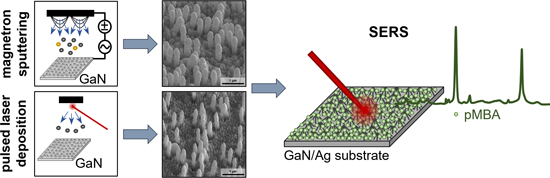
- absorption spectra of the GaN platform and the GaN/Ag SERS substrates fabricated using MS and PLD at different temperatures are shown in Figure 5. The spectrum of GaN shows the typical spectral shape of a broadband semiconductor with an absorption edge around 365 nm (3.4 eV). The spectra of all GaN/Ag


A mid-infrared focusing grating coupler with a single circular arc element based on germanium on silicon
Beilstein J. Nanotechnol. 2023, 14, 478–484, doi:10.3762/bjnano.14.38
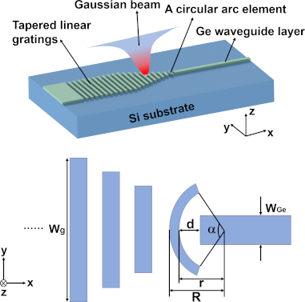
- is called “fingerprint spectrum region” (FSR) [1][4]. Many small biological molecules have unique and identifiable absorption spectra in the MIR band of 6–15 μm [1][5]. It is of great application value to develop photonic biosensors in this FSR. The spectral transparency window of germanium can fully


Mixed oxides with corundum-type structure obtained from recycling can seals as paint pigments: color stability
Beilstein J. Nanotechnol. 2023, 14, 467–477, doi:10.3762/bjnano.14.37
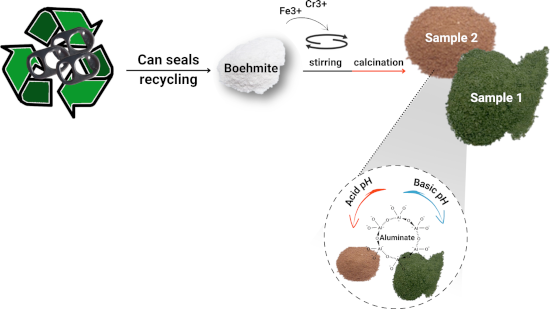
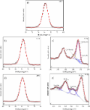
- sample 2. The spectra confirm the oxidation state 3+ in all samples (Al3+, Cr3+, and Fe3+). UV–vis absorption spectra of (a) sample 1 and (b) sample 2, both confirming the oxidation state 3+ of the coloring ions. Distribution of samples according to the hue value (h*): alumina (87.20), sample 1 (80.65
- Information File 4: Additional experimental data. XRD and SEM of the samples, absorption spectra, reflectance spectra, and colorimetric parameters of the oxides and samples. Funding D. F. L. H, J. d. O. P., and N. B. appreciate the Coordenação de Aperfeiçoamento de Pessoal de Nível Superior-Brasil (CAPES




Conjugated photothermal materials and structure design for solar steam generation
Beilstein J. Nanotechnol. 2023, 14, 454–466, doi:10.3762/bjnano.14.36
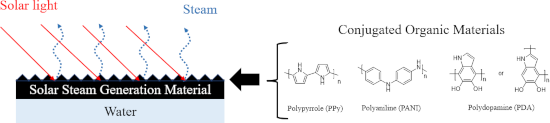
- tunability of molecular structures [5][6]. In fact, there is a long development history of conjugated molecules and polymers, and a clear correlation between their chemical structure and physical properties has been established [7][8][9][10][11][12][13][14][15][16][17]. For example, the absorption spectra
- but not EW end groups. In contrast, DPP-DCV and DPP-INCN have -DCV and -INCN-based EW end groups, respectively. The absorption spectra of the DPP derivatives bathochromically shifted due to the ICT band, and its extinction coefficient increased in the order from DPP-H to DPP-DCV and further to DPP
- International License, https://creativecommons.org/licenses/by-nc/4.0). This content is not subject to CC BY 4.0. Part (a) of the source was redrawn from [24] and part (b) was inspired by [25]. (a) Chemical structures of DPP-H, DPP-DCV, and DPP-INCN and optical absorption spectra of the DPP derivatives (b) in


Evaluation of electrosynthesized reduced graphene oxide–Ni/Fe/Co-based (oxy)hydroxide catalysts towards the oxygen evolution reaction
Beilstein J. Nanotechnol. 2023, 14, 420–433, doi:10.3762/bjnano.14.34
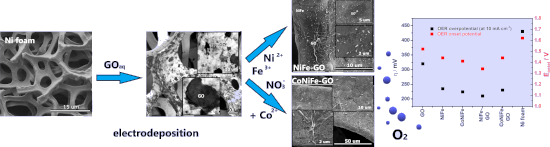
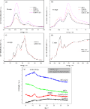
- Figure 3a–d shows the X-ray absorption spectra (XAS) of the L3 edge of nickel (a), iron (b), cobalt (c), and carbon (d) in the studied catalysts. The appearance of a shoulder peak at the L3 edge of the nickel (Figure 3a) at 855 eV indicates the presence of oxides in the structure of the catalysts (Ni in




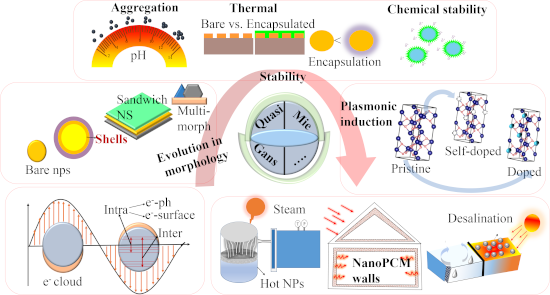
Plasmonic nanotechnology for photothermal applications – an evaluation
Beilstein J. Nanotechnol. 2023, 14, 380–419, doi:10.3762/bjnano.14.33




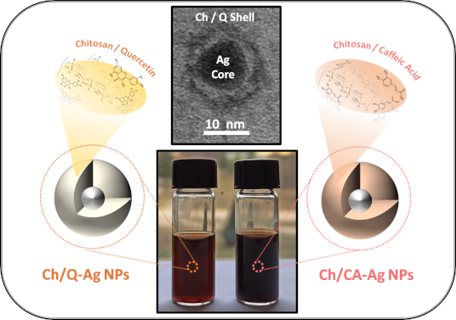
Quercetin- and caffeic acid-functionalized chitosan-capped colloidal silver nanoparticles: one-pot synthesis, characterization, and anticancer and antibacterial activities
Beilstein J. Nanotechnol. 2023, 14, 362–376, doi:10.3762/bjnano.14.31
- nanoparticles The absorption spectra of quercetin, caffeic acid, chitosan, Ch-, Ch/Q-, and Ch/CA-Ag NPs were recorded on a UV–vis double-beam spectrophotometer (Hitachi U-2900) at wavelengths of 200 to 800 nm at 1.0 nm intervals with a quartz cell of 1.0 cm light path. Fourier-transform infrared (FTIR) spectra
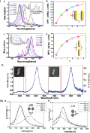
- the absorption spectra is also reflected in the color of nanoparticle solutions (see Figure 2d). Compared to the reference sample (i.e., Ch-Ag NPs), new absorption shoulders appeared at the higher energy side of the spectra (i.e., at about 200 and 345 nm) in the modified chitosan structure with
- the concentration of phenolics. Figure 5c shows the absorption spectra of pure caffeic acid (inset graph) and caffeic acid–FC–Na2CO3 mixtures. The calibration curve was obtained using absorbance values at 762 nm (Figure 5d). Since the phenolic content will be proportional to the amount of caffeic acid


Non-stoichiometric magnetite as catalyst for the photocatalytic degradation of phenol and 2,6-dibromo-4-methylphenol – a new approach in water treatment
Beilstein J. Nanotechnol. 2022, 13, 1531–1540, doi:10.3762/bjnano.13.126
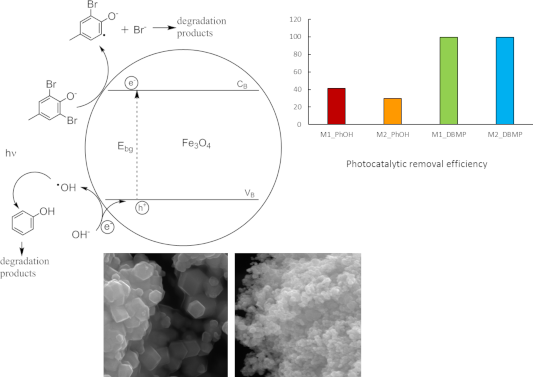
- previous publication of ours [19]. The absorption spectra of the catalysts showed noticeable differences (Figure 1b). Using the absorption spectra, the electron gap energies for M1 and M2 were determined to be 0.11 V and 1.75 V, respectively (Table 1) [20]. Phase identification of the magnetite structure
- multimeter (CPC 411, Elmetron, Poland). External standards of seven concentration levels ranging from 1 × 10⁻⁵ to 1 × 10⁻³ mol·L−1 were used to quantify bromide ions. X-ray diffraction measurements of M1 (red), M2 (blue) (a), and UV–vis absorption spectra of M1 (red) and M2 (blue) (b). Figure 1a and 1b were


In search of cytotoxic selectivity on cancer cells with biogenically synthesized Ag/AgCl nanoparticles
Beilstein J. Nanotechnol. 2022, 13, 1505–1519, doi:10.3762/bjnano.13.124
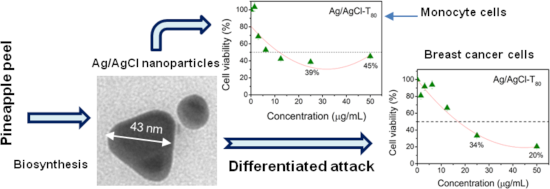
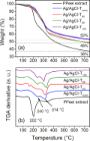
- give rise to a collective oscillation known as surface plasmon effect [34]. This effect can be monitored by UV–vis spectroscopy, where metal nanoparticles absorb radiation at different wavelengths depending on their size [36]. The UV–vis absorption spectra of the reactions at different temperatures are





Facile preparation of Au- and BODIPY-grafted lipid nanoparticles for synergized photothermal therapy
Beilstein J. Nanotechnol. 2022, 13, 1432–1444, doi:10.3762/bjnano.13.118
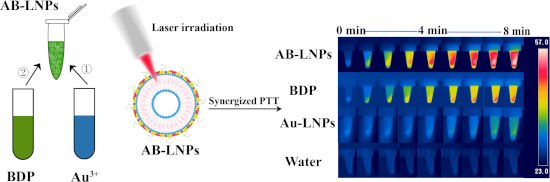
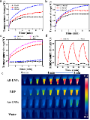
- –visible (UV–vis) absorption spectra were measured with an UV–vis spectrometer (Q-5000, Quawell, America). The amounts of BDP in AB-LNPs were analyzed using UV–vis spectroscopy after the dissolution of AB-LNPs in DMSO by measuring the absorbance at a wavelength of 600 nm. The loading efficiency (LE, %) was




Green synthesis of zinc oxide nanoparticles toward highly efficient photocatalysis and antibacterial application
Beilstein J. Nanotechnol. 2022, 13, 1108–1119, doi:10.3762/bjnano.13.94
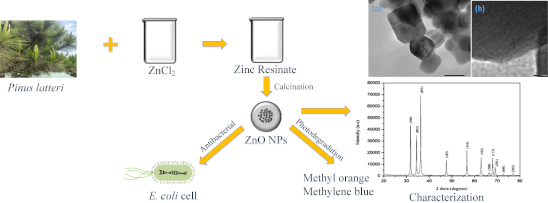
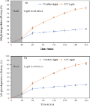
- Equation 3. Figure 8 shows the degradation absorption spectra of MO and MB by synthesized ZnO under visible and UV light for different time intervals. The intensity of the peak decreased with increasing irradiation time. The results in Figure 9 show that the degradation efficiency of MB and MO solutions




Recent advances in green carbon dots (2015–2022): synthesis, metal ion sensing, and biological applications
Beilstein J. Nanotechnol. 2022, 13, 1068–1107, doi:10.3762/bjnano.13.93


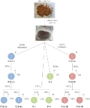


Solar-light-driven LaFexNi1−xO3 perovskite oxides for photocatalytic Fenton-like reaction to degrade organic pollutants
Beilstein J. Nanotechnol. 2022, 13, 882–895, doi:10.3762/bjnano.13.79
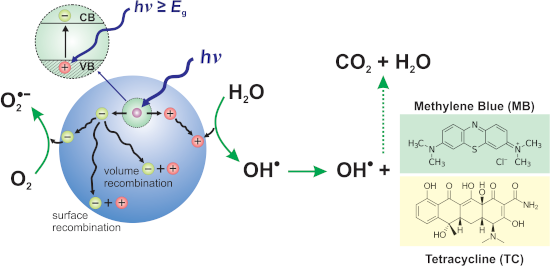
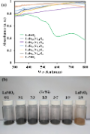
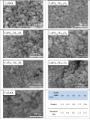
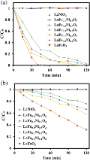
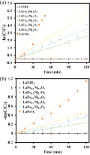
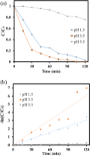
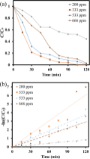
- microscopy (FESEM). The light absorption spectra of the perovskite oxides were inspected using V-670 (Jasco, Japan) to examine the UV–vis absorption capability with diffuse reflectance spectroscopy (DRS) from 200 to 800 nm. The nitrogen adsorption–desorption analyzer, ASAP 2020 PLUS (ASAP, USA), was applied



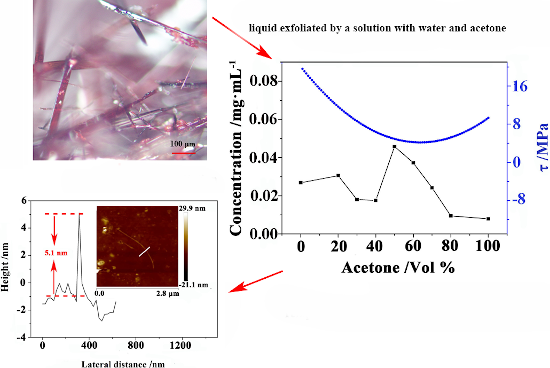
Efficient liquid exfoliation of KP15 nanowires aided by Hansen's empirical theory
Beilstein J. Nanotechnol. 2022, 13, 788–795, doi:10.3762/bjnano.13.69
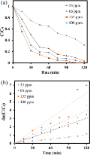
- concentrations of KP15 dispersions in butyrolactone were prepared by liquid exfoliation with a predetermined concentration. UV−visible absorption spectra results are shown in Figure 2. The concentration linearly varies with absorbance. The slope of this fitted linear equation is 3.86 ± 0.13. This means that the


A nonenzymatic reduced graphene oxide-based nanosensor for parathion
Beilstein J. Nanotechnol. 2022, 13, 730–744, doi:10.3762/bjnano.13.65
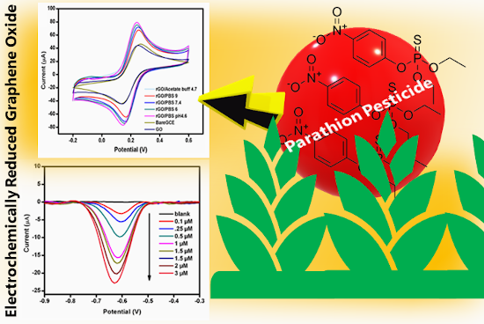
- (ULVAC-PHI, U.S.) with monochromatic Al Kα (hν = 1486.6 eV) radiation, and a beam size of 100 μm. The Fourier transform infrared (FTIR) absorption spectra of GO and ERGO were collected in the 4000–400 cm−1 region on a Perkin Elmer spectrometer as KBr (Sigma-Aldrich, Germany) pellets. The crystalline
- : CV of ERGO/GCE at different scan rates (10–300 mV/s) in 1.0 mM K3Fe(CN)6 solution with 1 M KCl. Figure S2: (A) Storage stability of the proposed sensing matrix (ERGO/GCE), (B) SWV of PT (1.5, 2.5, 5 μM) added in groundwater. Figure S3: (A) Absorption spectra of parathion and (B) corresponding


Tunable high-quality-factor absorption in a graphene monolayer based on quasi-bound states in the continuum
Beilstein J. Nanotechnol. 2022, 13, 675–681, doi:10.3762/bjnano.13.59
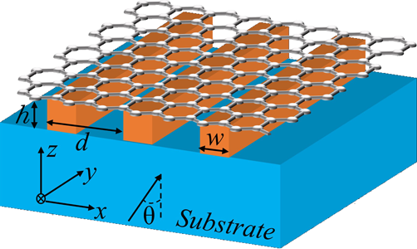
- 0.34 nm. Throughout this work, we assume τ = 0.1 ps. The Fermi level is initially considered to be Ef = 0.3 eV, and its influence on absorption spectra will be analyzed latter. Based on the parameters mentioned above, we calculated the absorption spectra shown in Figure 2. The absorption spectra A(λ
- . Therefore, the geometric tolerance should be precisely controlled inside a certain range during fabrication. We investigate the influence of geometric parameters on the absorption spectra so as to provide a useful guidance for practical fabrication. The results are shown in Figure 6. As shown in Figure 6a
- (Equation 2), a change of the Fermi level should have direct influence on the graphene absorption. In Figure 7, we show the absorption spectra for different Fermi levels. Obviously, the spectral absorptivity exhibits a blueshift with Ef increasing from 0.1 to 0.5 eV. In addition, the corresponding resonant


Antibacterial activity of a berberine nanoformulation
Beilstein J. Nanotechnol. 2022, 13, 641–652, doi:10.3762/bjnano.13.56
- of glycerol on the physicochemical properties of BBR NPs was investigated by UV–vis absorption and FTIR spectroscopy. The UV–vis absorption spectra of pure BBR and BBR NP solutions in distilled water at the same concentration are shown in Figure 1. Glycerol has no absorption band in the UV–vis
- properties of BBR NPs UV–vis absorption spectra of the aqueous solutions of pure BBR and BBR NPs having the same concentration were measured in the wavelength range of 200–550 nm using a UV–vis spectrophotometer (6850 UV/Vis, Jenway). The chemical bonding characteristics of pure BBR powder and BBR NPs
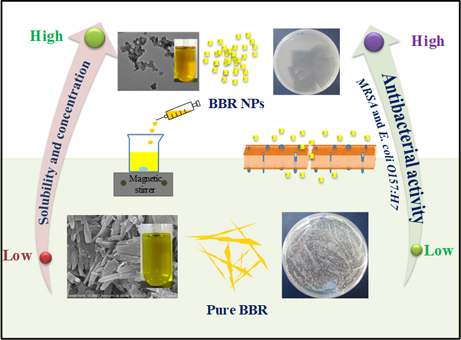
- the preparation of berberine (BBR) in nanoformulation to enhance its solubility and increase its antibacterial effectiveness against hospital-acquired infections. BBR nanoparticles (BBR NPs) were formed by antisolvent precipitation (ASP) using glycerol as a safe organic solvent. UV–vis absorption



Sodium doping in brookite TiO2 enhances its photocatalytic activity
Beilstein J. Nanotechnol. 2022, 13, 599–609, doi:10.3762/bjnano.13.52
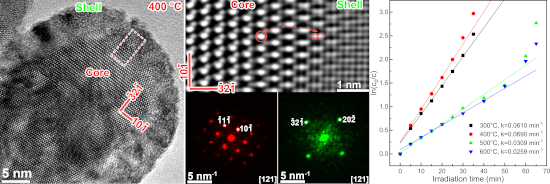
- activity. Results and Discussion Enhanced photocatalytic activity The photocatalytic activity of the samples calcinated at 300–600 °C for 2 h was measured by the photodegradation of MB under UV light at room temperature. Figure 1a and Figure 1b display the dynamic changes in the absorption spectra of MB
- of the MB (≈665 nm) acquired by a UV–vis spectrophotometer. The diffuse reflectance spectra were measured in the wavelength range of 300–800 nm using a UV–vis spectrophotometer. The bandgap was determined by linear fitting the absorption edge of the Tauc plot of the absorption spectra. Structure
- ] and ePDF tools [37] were used to perform pattern indexing and to extract the atomic pair distribution function (PDF). The UV absorption spectra of MB during photocatalytic reactions over samples calcinated at (a) 400 °C, (b) 500 °C. (c) The photodegradation of MB by samples calcinated at 300–600 °C


Detection and imaging of Hg(II) in vivo using glutathione-functionalized gold nanoparticles
Beilstein J. Nanotechnol. 2022, 13, 549–559, doi:10.3762/bjnano.13.46
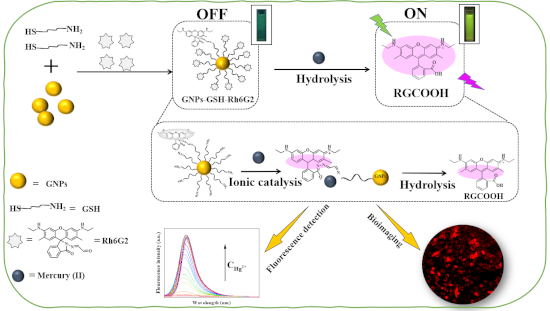
- were of analytical grade. TEM was carried out using a JEM-2100 transmission electron microscope (JEOL, Japan) at an accelerating voltage of 200 kV. UV–vis absorption spectra were obtained using a UV-2100 Spectrophotometer (Shimadzu, Japan). Fluorescence spectra were recorded using an F-7000


Zinc oxide nanostructures for fluorescence and Raman signal enhancement: a review
Beilstein J. Nanotechnol. 2022, 13, 472–490, doi:10.3762/bjnano.13.40
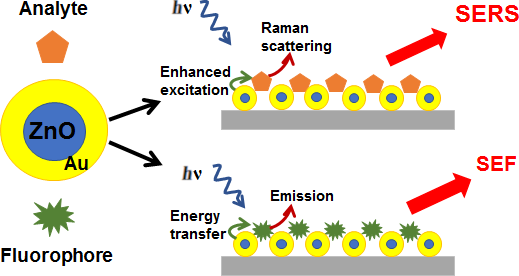




Coordination-assembled myricetin nanoarchitectonics for sustainably scavenging free radicals
Beilstein J. Nanotechnol. 2022, 13, 284–291, doi:10.3762/bjnano.13.23
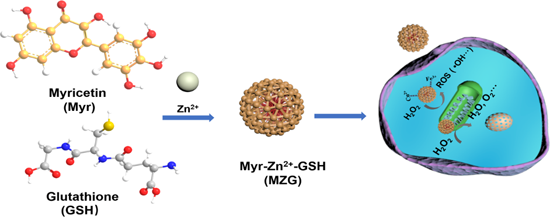
- dynamic light scattering were used to record absorption spectra and size change. Cytotoxicity experiment in vitro The cytotoxicity of the as-prepared MZG nanoparticles was assessed against 3T3 cells. 3T3 cells were cultivated with Dulbecco's Modified Eagle Medium (DMEM) containing 10% (v/v) fetal bovine
- quantitative stoichiometry analysis. The quantitative component analysis by UV–vis and ICP-OES proved that the molar ratio of Myr/GSH/Zn2+ was close to 1:1:1 (Supporting Information File 1, Table S1 and Figure S1). The UV–vis absorption spectra of pure Myr dispersed in 0.1 M NaOH (pH 13), Myr/Zn2+ complex (pH
- different concentrations of H2O2 (0.01, 0.1, 1, 10, and 100 mM), UV–vis absorption spectra and the size of the MZG nanoparticles were measured. The UV–vis absorbance of MZG nanoparticles from 300 to 400 nm (Figure 3e) decreased with the increase of H2O2 concentration. Also, the size of MZG nanoparticles was


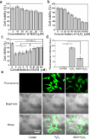
Photothermal ablation of murine melanomas by Fe3O4 nanoparticle clusters
Beilstein J. Nanotechnol. 2022, 13, 255–264, doi:10.3762/bjnano.13.20
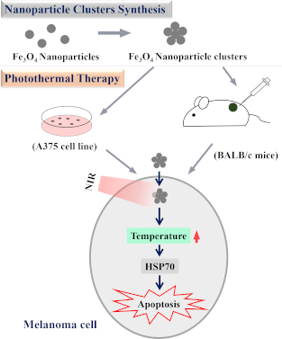
- show that clustered magnetic Fe3O4 nanoparticles induce a redshift in the light absorption spectra, which enhances light absorbance within the NIR region and improves their utilization as photosensitizers during PTT to ablate lung tumors [16]. However, the role of Fe3O4 nanoparticle clusters in the


Tin dioxide nanomaterial-based photocatalysts for nitrogen oxide oxidation: a review
Beilstein J. Nanotechnol. 2022, 13, 96–113, doi:10.3762/bjnano.13.7
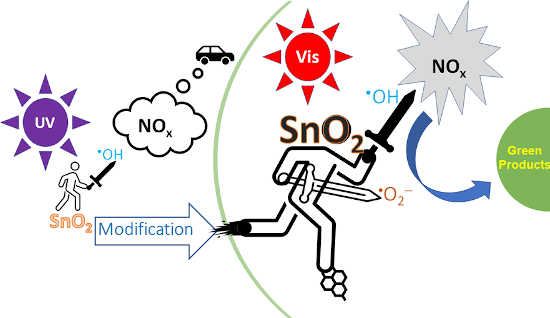
- ] investigated the bandgap of SnO2 when changing the self-doping of SnO2. The change of the color of the powder products and the redshift in the absorption spectra are two quantities that are correlated with each other. Normally, SnO2 is white and optical absorptions in the visible region arise from changes of
- photocatalytic oxidation ability of SnO2. Ultraviolet–visible absorption spectra (a) and corresponding bandgaps of SQDs (b). Figure 3 was reprinted from [46], Materials Letters, vol. 221, by Babu, B.; Neelakanta Reddy, I.; Yoo, K.; Kim, D.; Shim, J. “Bandgap tuning and XPS study of SnO2 quantum dots”, pages 211





