Search results
Search for "adsorption" in Full Text gives 858 result(s) in Beilstein Journal of Nanotechnology. Showing first 200.
Enhancing the photoelectrochemical performance of BiOI-derived BiVO4 films by controlled-intensity current electrodeposition
Beilstein J. Nanotechnol. 2025, 16, 1289–1301, doi:10.3762/bjnano.16.94
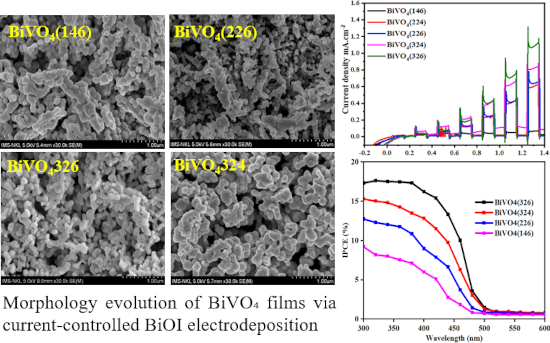
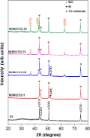
- ) plane exhibited the highest intensity across all samples, which aligns with its high refractive index and superior photocatalytic properties owing to the enhanced adsorption and deionization of water molecules in the structure. Additionally, the (040) peak intensity exhibited a systematic increase at



Better together: biomimetic nanomedicines for high performance tumor therapy
Beilstein J. Nanotechnol. 2025, 16, 1246–1276, doi:10.3762/bjnano.16.92
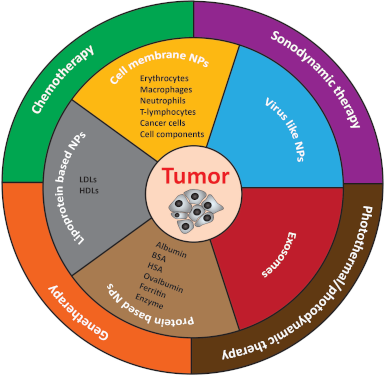
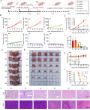
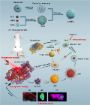
- albumin is the most abundant protein in the blood, precoating with albumin has been shown to prevent adsorption of other plasma proteins and degradation of nanoparticles in vivo [91][92]. 1.3.4 Ovalbumin. Ovalbumin (OVA) is a major component of egg white and a readily available protein for drug delivery






Electronic and optical properties of chloropicrin adsorbed ZnS nanotubes: first principle analysis
Beilstein J. Nanotechnol. 2025, 16, 1184–1196, doi:10.3762/bjnano.16.87
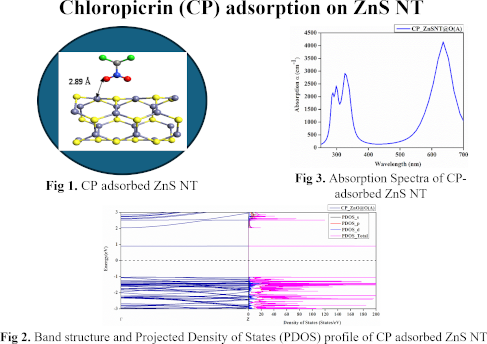
- functional theory (DFT) to explore the sensing capabilities of a ZnS (3,3) nanotube (ZnS NT) for detecting chloropicrin (CP, CCl3NO2), a highly toxic gas. To elucidate the sensing mechanism, we systematically analyze the adsorption configurations, Mulliken charge transfer, band structure, density of states
- adsorption energy ranges from −0.389 to −0.657 eV, indicating weak physisorption. The Mulliken charge transfer varies between 0.06e and 0.109e, confirming effective but nondestructive interaction. A favorable recovery time of ≈3.533 μs at room temperature, along with a significant red shift in the absorption
- ][30][31][32][33][34][35]. ZnS NTs are well-suited for gas sensing applications owing to their unique features. These include a high surface area for enhanced gas adsorption, semiconducting properties that enable measurable conductivity changes in the presence of target gases, and their ability to form


Crystalline and amorphous structure selectivity of ignoble high-entropy alloy nanoparticles during laser ablation in organic liquids is set by pulse duration
Beilstein J. Nanotechnol. 2025, 16, 1141–1159, doi:10.3762/bjnano.16.84
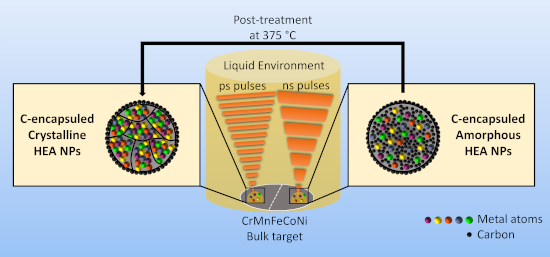
- decomposition [4], oxygen evolution reactions (OER) [14], oxygen reduction reactions (ORR) [15], in CO oxidation [16], and in CO2 and CO reduction [17]. This high activity in catalysis has been attributed to adsorption energy distribution patterns (AEDP) during catalytic reactions [18], which may be tuned based


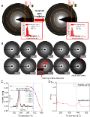


Single-layer graphene oxide film grown on α-Al2O3(0001) for use as an adsorbent
Beilstein J. Nanotechnol. 2025, 16, 1082–1087, doi:10.3762/bjnano.16.79
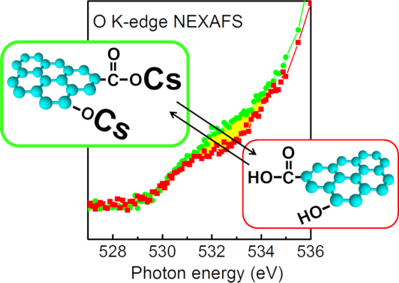
- ions, including radioactive nuclides in aqueous solutions. Large-area and single-layer graphene oxide (SLGO) grown on α-Al2O3(0001) was used as a model structure of GO since the aggregation and re-stacking of the GO sheets prevent the adequate analysis of the adsorption state. The SLGO film was
- obtained by oxidizing monolayer graphene grown by metal-free chemical vapor deposition on the α-Al2O3(0001) surface, and the adsorption state was determined by surface analytical techniques. It was clarified that Cs adsorbs on oxygen functional groups by substituting with H atoms from carboxyl and hydroxy
- groups. It is also estimated that the weight adsorption capacity of SLGO in the 1.0 mol/L-Cs aqueous solution is as much as approximately 70 wt %. It has been demonstrated that GO has great potential to be a promising adsorbent for Cs in aqueous solutions. Keywords: cesium adsorption; chemical vapor


Soft materials nanoarchitectonics: liquid crystals, polymers, gels, biomaterials, and others
Beilstein J. Nanotechnol. 2025, 16, 1025–1067, doi:10.3762/bjnano.16.77
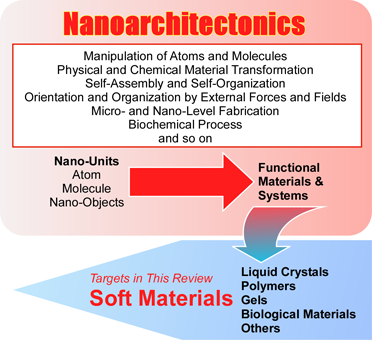
- reversibly alter the orientation of liquid crystals at room temperature. The dissociative adsorption of hydrogen on the palladium/gold film results in the reduction of pre-adsorbed oxygen and the generation of adsorbed hydrogen. This process causes the nitrile-containing liquid crystal to undergo a change in






Synthesis of biowaste-derived carbon-dot-mediated silver nanoparticles and the evaluation of electrochemical properties for supercapacitor electrodes
Beilstein J. Nanotechnol. 2025, 16, 933–943, doi:10.3762/bjnano.16.71
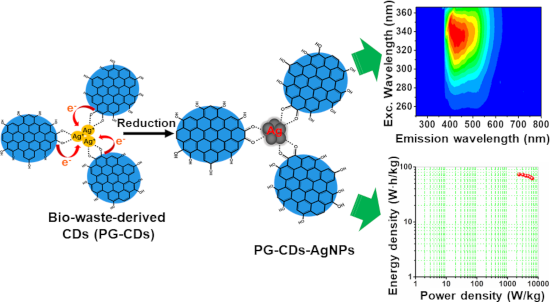
- PG-CDs-AgNPs was determined using the Brunauer–Emmett–Teller (BET) analysis via the N2 adsorption–desorption method, and equivalent BET isotherms are depicted in Supporting Information File 1, Figure S1a. The surface area of PG-CDs-AgNPs was found to be 83.04 m2/g. A uniform nanoscale particle


Insights into the electronic and atomic structures of cerium oxide-based ultrathin films and nanostructures using high-brilliance light sources
Beilstein J. Nanotechnol. 2025, 16, 860–871, doi:10.3762/bjnano.16.65

- energies on the two surfaces are ascribed to the different Ce3+ concentrations in the two ceria films. The different intensity ratios between the methyl- and alkoxy-related peaks on the two surfaces are assigned to different adsorption and dissociation pathways for ethanol on a stoichiometric and a non
- -stoichiometric ceria surface. At higher exposures, the new peaks at 285.6 eV (4) and at 287.0 eV (5) on CeO2(111) and at 286.3 eV (4) and at 287.6 eV (5) on CeO2−x(111) are ascribed to physisorbed ethanol. To identify the role of the interaction between ceria and metals, the adsorption and reaction of ethylene
- ceria, performed with photon energies close to the Ce N45 adsorption edge, the probed valence band photoelectrons have a kinetic energy close to the minimum of their inelastic mean free path, and the information comes from the topmost one or two atomic layers. If photons in the hard X-ray range are used


Synchrotron X-ray photoelectron spectroscopy study of sodium adsorption on vertically arranged MoS2 layers coated with pyrolytic carbon
Beilstein J. Nanotechnol. 2025, 16, 847–859, doi:10.3762/bjnano.16.64
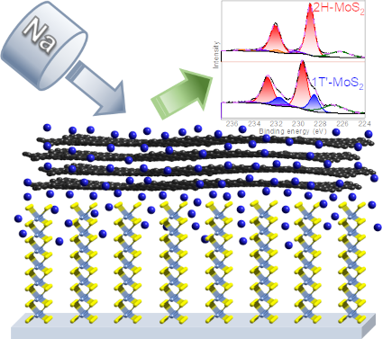
- film, and annealing of the sodiated sample restores its structure. The obtained results demonstrate the important role of the graphitic coating in the development of viable MoS2-based electrodes for energy storage systems. Keywords: graphitic coating; molybdenum disulfide film; Na adsorption
- PyC and MoS2 components. Figure 8 schematically illustrates the difference in the sodium adsorption and desorption on the samples under study. Sodium deposition for 30 min on the PyC film results in a high Na/C ratio of 0.34 at a depth of 3 nm. Sodium is not only adsorbed on the film surface but also
- sodium during the charge–discharge of SIBs. Conclusion Synchrotron XPS tool is invoked to study sodium adsorption/desorption in thin films of graphitic PyC, vertically aligned MoS2 layers, and PyC-MoS2. The MoS2 film with a thickness of about 4 nm was synthesized by sulfurization of a molybdenum layer


Facile one-step radio frequency magnetron sputtering of Ni/NiO on stainless steel for an efficient electrode for hydrogen evolution reaction
Beilstein J. Nanotechnol. 2025, 16, 837–846, doi:10.3762/bjnano.16.63
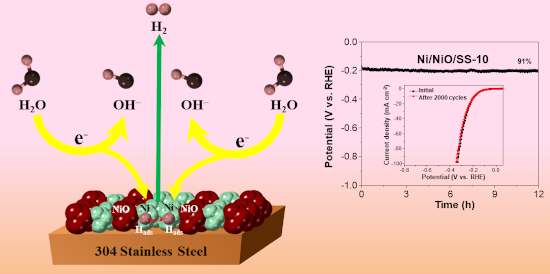
- electrocatalysts have been well accepted as potential candidates to replace Pt-based electrocatalysts for HER because of their suitable Gibbs free hydrogen adsorption energy, good intrinsic catalytic properties, and high stability. However, solution-based synthetic approaches can be highly harmful to human beings
- operation. The high efficiency is attributed to the collaborative work of the NiO and Ni metal components and the good electrical conductivity of SS, which is advantageous for dissociative adsorption of water molecules, recombination of hydrogen atoms, and improvement of electronic/ionic motion. This work
- energy of hydrogen/water adsorption. Also, inexpensiveness and high durability are positive aspects regarding large-scale applications. For instance, Oshchepkov and coworkers revealed that the efficacy of NiO in cleaving H–OH bonds accelerated the formation of hydrogen on a Ni metal catalyst [17]. Yan


Supramolecular hydration structure of graphene-based hydrogels: density functional theory, green chemistry and interface application
Beilstein J. Nanotechnol. 2025, 16, 806–822, doi:10.3762/bjnano.16.61
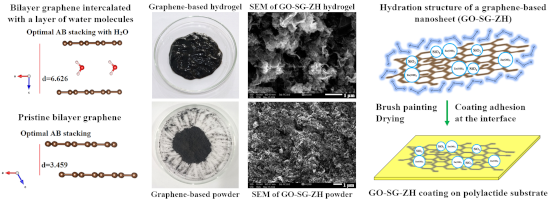
- structures especially under external sonication and mechanical stimuli. Reversible self-assembly of graphene-based nanosheets in water is essential to many applications, such as adsorption, photocatalysis, biosensing, drug delivery, aqueous paints, and multifunctional coatings [48][49][50]. Figure 6c


Changes of structural, magnetic and spectroscopic properties of microencapsulated iron sucrose nanoparticles in saline
Beilstein J. Nanotechnol. 2025, 16, 762–784, doi:10.3762/bjnano.16.59
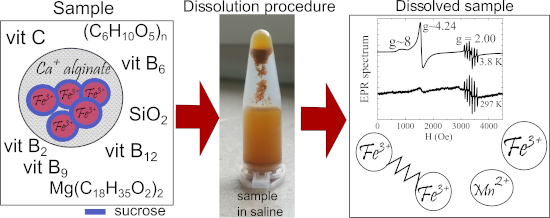
- absorbed water molecules by calcium alginate and cellulose, respectively [88][96][97][98][100]. Conversely, the increase of the 532.96 eV peak area after dissolution was registered, and it seems quite likely that it is the reflection of water adsorption by calcium alginate and cellulose. Based on the




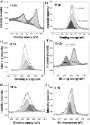

Thickness dependent oxidation in CrCl3: a scanning X-ray photoemission and Kelvin probe microscopies study
Beilstein J. Nanotechnol. 2025, 16, 749–761, doi:10.3762/bjnano.16.58
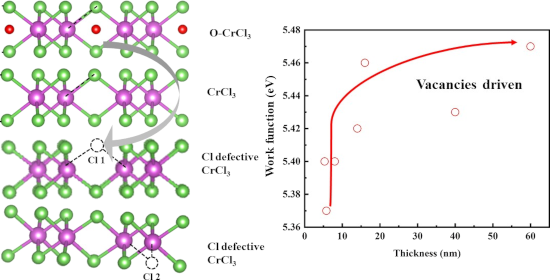
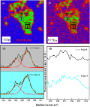
- showed that oxygen adsorption on cleaved surfaces facilitates the formation of a stable structure with charge transfer signatures, as identified by high-resolution photoemission spectroscopy [8]. It remains unclear whether similar effects occur in exfoliated thin flakes. Like in other materials, the

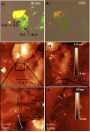


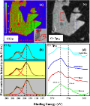


Serum heat inactivation diminishes ApoE-mediated uptake of D-Lin-MC3-DMA lipid nanoparticles
Beilstein J. Nanotechnol. 2025, 16, 740–748, doi:10.3762/bjnano.16.57
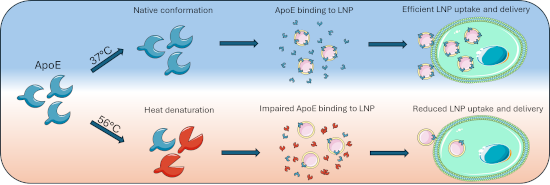
- intravenously after which they are dependent on the adsorption of the plasma protein apolipoprotein E (ApoE) to their surface to efficiently target LDL-receptor expressing cells in the liver and deliver the siRNA cargo [25][26]. As the protein corona seems to play a pivotal role in LNP tissue distribution and


Synthesis of a multicomponent cellulose-based adsorbent for tetracycline removal from aquaculture water
Beilstein J. Nanotechnol. 2025, 16, 728–739, doi:10.3762/bjnano.16.56
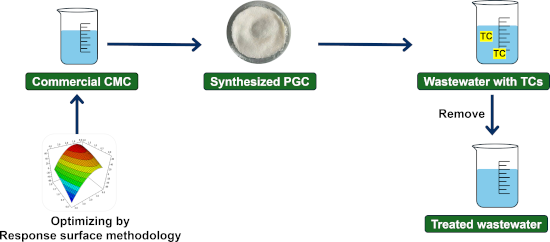
- -based multicomponent adsorbent material (PGC) synthesized from sodium carboxymethyl cellulose and investigated factors influencing its TC adsorption capacity. The synthesis process was optimized using parameters derived from the response surface methodology. The surface and structural properties of PGC
- were characterized, and the TC adsorption efficiency of PGC was assessed using high-performance liquid chromatography–mass spectroscopy (HPLC-MS). Elemental analysis of PGC identified four key mechanisms governing its endothermic TC adsorption mechanism: surface complexation, electrostatic interactions
- , hydrogen bonding, and CH–π interactions, with surface complexation between Ca2+ and TCs being dominant. Batch adsorption experiments conducted to examine the factors influencing adsorption capacity revealed that PGC achieved up to 70% TC removal efficiency at an adsorbent dosage of 40 mg and an initial TC


Nanostructured materials characterized by scanning photoelectron spectromicroscopy
Beilstein J. Nanotechnol. 2025, 16, 700–710, doi:10.3762/bjnano.16.54
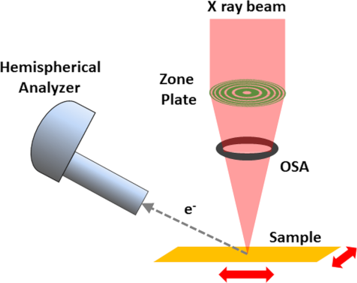
- one-transistor-one-resistor cells with minimal footprint [25] can be realized. Optimizing nanowire diameter and distance further enhances the strong light adsorption of III–V materials, resulting in nanowire-based solar cells of high efficiency [26]. While such nanowire-based devices are highly


High-temperature epitaxial growth of tantalum nitride thin films on MgO: structural evolution and potential for SQUID applications
Beilstein J. Nanotechnol. 2025, 16, 690–699, doi:10.3762/bjnano.16.53
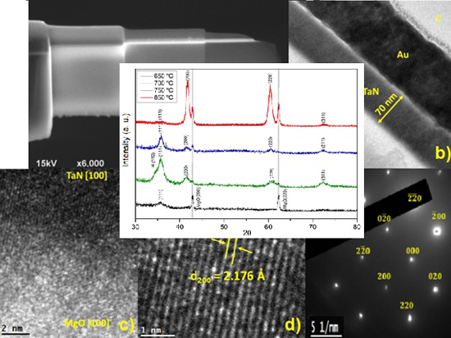
- -vacuum conditions, a small residual oxygen concentration inevitably remains within the deposition chamber. At elevated temperatures, the reactivity of these residual oxygen molecules increases, facilitating their adsorption onto the growing film surface. However, an increase in N2 pressure can lead to


Colloidal few layered graphene–tannic acid preserves the biocompatibility of periodontal ligament cells
Beilstein J. Nanotechnol. 2025, 16, 664–677, doi:10.3762/bjnano.16.51
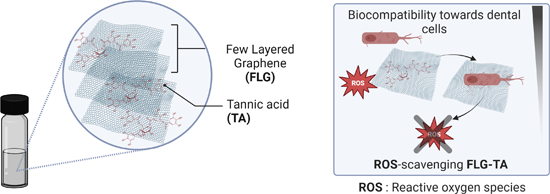
- provided DPPH (Figure S4B0–B2 of Supporting Information File 1). These findings indicate significant oxygen enrichment due to TA adsorption on FLG sheets, supporting earlier Raman spectroscopy results and colloidal stability observations (Figure S3A1, Supporting Information File 1). Both free and adsorbed
- focused on the adsorption mechanisms [15][16]. To date, no studies have explored how FLG–TA affects the biocompatibility of dental cells. The current research provides new insights into the biocompatibility of FLG–TA with PDL cells. We make the assumption that the cytotoxicity of TA present on the surface
- to ROS generation [31][33]. While some TA molecules become less active upon adsorption on the graphene surface, those remaining accessible on the FLG–TA surface, particularly those with exposed chemical moieties oriented away from the graphene sheets, could maintain their free radical scavenging




Electron beam-based direct writing of nanostructures using a palladium β-ketoesterate complex
Beilstein J. Nanotechnol. 2025, 16, 530–539, doi:10.3762/bjnano.16.41
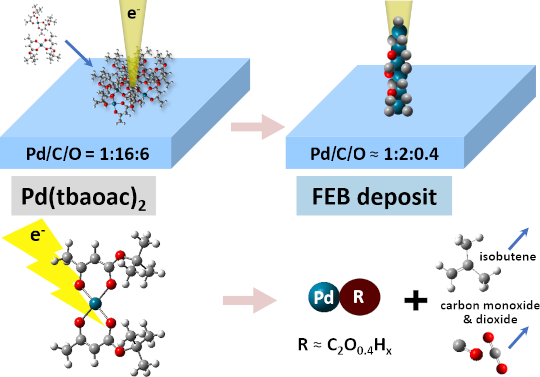
- under electron impact or getting trapped by newly adsorbing precursor molecules or diffusing molecules. The deposition process is governed by dissociation, desorption, adsorption, and diffusion mechanisms, all of which are influenced by experimental parameters [31] such as substrate temperature
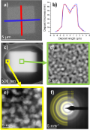
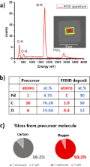
- geometry is primarily due to surface diffusion processes and directional gas flux adsorption [44][45]. No halo region was observed. The volume growth rate was approximately 0.032 µm3·min−1 or 7.62 × 10⁻⁴ µm3·nC−1, with a vertical growth rate of 0.02 nm·s−1. For the STEM analysis, a square deposit was
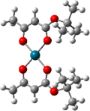
- using the maximum monolayer coverage n0 = 2.72 nm−2 for the Pd(tbaoac)2 molecule. The gas adsorption rate is νgas = 1.36 × 10³ s−1, and the maximum dissociation rate is νdis = 6.16 × 10³ s−1. This gives the upper limit on the desorption rate of νdes = 6.07 × 10⁷ s−1. The ratios νdis/νdes = 1.01 × 10⁻⁴


Zeolite materials with Ni and Co: synthesis and catalytic potential in the selective hydrogenation of citral
Beilstein J. Nanotechnol. 2025, 16, 520–529, doi:10.3762/bjnano.16.40
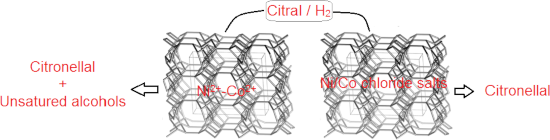
- levels (Figure 3). The chloride originates from the NiCl2 and CoCl2 solutions used in the treatments, which remain as residues on the materials. The residual solution may be retained through surface adsorption within the porosity and mesoporosity formed between the zeolite crystallites, as shown in the
- calcium cations leaving the zeolite, as proven by XRD. In line with expectations for a natural zeolite, the studied materials exhibited hybrid type-I/IV adsorption isotherms (see Figure S2 in Supporting Information File 1), indicating the presence of both microporous and mesoporous structures. The
- for materials obtained by IE are higher than those of ZSA. This increase is consistent with expectations [17][18], as the ion exchange and water washing treatments effectively clean the materials’ surface, thereby enhancing the available surface area and porosity (microporosity) for adsorption. The


Water in nanoporous hexagonal boron nitride nanosheets: a first-principles study
Beilstein J. Nanotechnol. 2025, 16, 510–519, doi:10.3762/bjnano.16.39
- on the density functional theory (DFT) as implemented in the SIESTA [28] code. For the calculations we have used the generalized gradient approximation (GGA), proposed by Perdew, Burke, and Ernzerhof (PBE) [29] as exchange–correlation functional. For the studies of water adsorption, we also use the
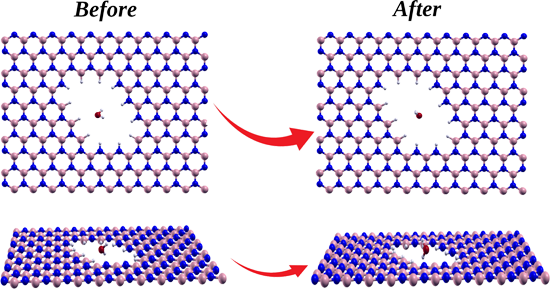
- values, the transition from a B-rich to a N-rich environment has a small effect on the formation energy of the two most stable porous h-BN structures. These structures remain significantly more energetically stable than the other triangular porous h-BN monolayers. The adsorption energy, Eads, was
- stability, whereas an additional N–H pair does not provide the same effect. In fact, Pham et al. observed that N-terminated pores are less stable in air than B-terminated ones [34]. Water molecule in h-BN nanosheets We studied the adsorption process of a water molecule on a porous h-BN nanosheet. Initially




Impact of adsorbate–substrate interaction on nanostructured thin films growth during low-pressure condensation
Beilstein J. Nanotechnol. 2025, 16, 473–483, doi:10.3762/bjnano.16.36

- increase in its coverage and the formation of a smaller number of adsorbate islands of larger size. At elevated adsorption rates, an increase in adsorbate–substrate interactions results in the transformation of the surface morphology and the formation of percolating adsorbate structures. Deposition onto
- , crystallinity, and surface chemistry of the films is crucial for optimizing performance in these applications. In adsorption–desorption processes, where materials are deposited from the gas phase, experimental techniques enable the study the formation of clusters or islands of adsorbed molecules/atoms, which
- structures. In the general case, the reaction–diffusion equation for the field x1(r,t) has the form The reaction term R(x1,x2) is responsible for adsorption, desorption, and diffusion of adatoms between neighbor layers. The adsorbate flow J is defined through the free energy ℱ of the adsorbed layer Here, D0


Size control of nanoparticles synthesized by pulsed laser ablation in liquids using donut-shaped beams
Beilstein J. Nanotechnol. 2025, 16, 407–417, doi:10.3762/bjnano.16.31
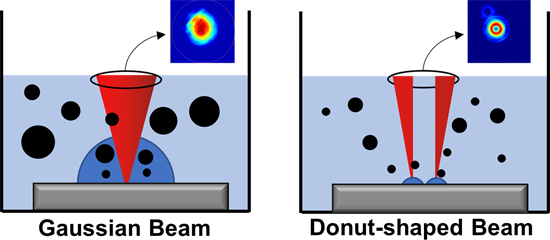
- most elegant, surfactant-free size quenching method by micromolar anion addition only works for soft Lewis-acid nanoparticle materials, in particular, Au, Pt, and Pd, as the process is driven by anion adsorption Hofmeister effects, but not for oxide or multi-base metal materials such as the Cantor


Development of a mucoadhesive drug delivery system and its interaction with gastric cells
Beilstein J. Nanotechnol. 2025, 16, 371–384, doi:10.3762/bjnano.16.28

- , which were also capable of diffusion through artificial mucus. The nanoparticles were not toxic to gastric epithelial cells and can be internalized by the cells within 4 h. The adsorption of nanoparticles onto mucus-secreting gastric cells was found to be correlated with cell number. The delivery system
- nanoparticle administration, the purpose of which was to eliminate non-specific adsorption of nanoparticles onto the well. The calculation of relative mucus interaction was performed as described elsewhere [76] with the formula given in the Experimental section. Based on the calculations, the fractions of
- interaction were 4.5 ± 2.7 and 7.4 ± 0.3 for 6 × 10⁴ and 1.2 × 10⁵ cells/well, respectively. As expected, the nanoparticle adsorption onto the cells depends on the cell concentration. Since the fluorescence measurements were carried out on the cell pellets after washing and centrifugation, the increase in


Fabrication and evaluation of BerNPs regarding the growth and development of Streptococcus mutans
Beilstein J. Nanotechnol. 2025, 16, 308–315, doi:10.3762/bjnano.16.23
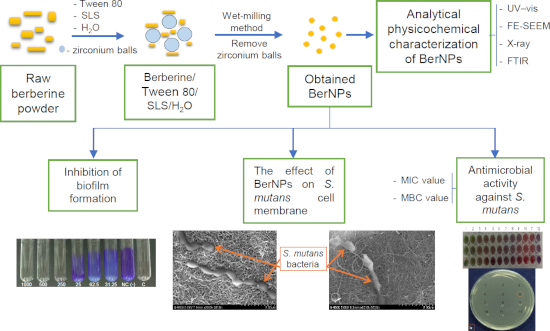
- . Powder BerNPs were obtained by the freeze-drying for 48 h at −55 °C under vacuum. Physicochemical characterization of BerNPs The specific adsorption peak of BerNPs was determined by UV–vis absorption spectroscopy in a wavelength range from 200 to 600 nm after dilution in methanol. The berberine