


Search results
Search for "albumin" in Full Text gives 133 result(s) in Beilstein Journal of Nanotechnology.
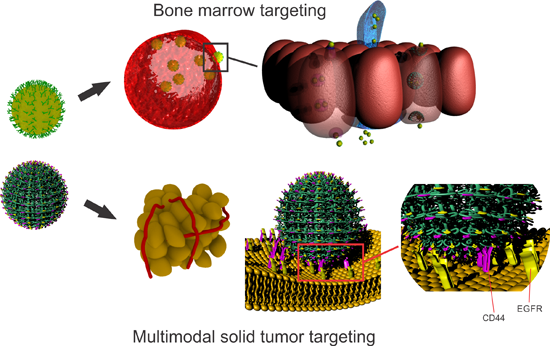
The impact of molecular tumor profiling on the design strategies for targeting myeloid leukemia and EGFR/CD44-positive solid tumors
Beilstein J. Nanotechnol. 2021, 12, 375–401, doi:10.3762/bjnano.12.31


Differences in surface chemistry of iron oxide nanoparticles result in different routes of internalization
Beilstein J. Nanotechnol. 2021, 12, 270–281, doi:10.3762/bjnano.12.22
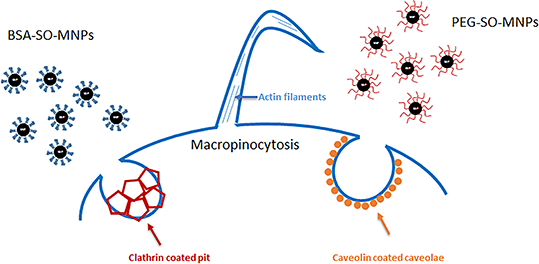
- imaging techniques. The results revealed that the route of MNP entry into cells strongly depends on the surface chemistry of the MNPs. While serum bovine albumin-coated MNPs entered the cells via clathrin-mediated endocytosis (CME), caveolin-mediated endocytosis (CavME) or lipid rafts were preferentially
- involved in the internalization of polyethylene glycol-coated MNPs. Our data indicate that surface engineering can contribute to an enhanced delivery efficiency of nanoparticles. Keywords: bovine serum albumin; cellular uptake; magnetic iron oxide nanoparticles; polyethylene glycol; surface coating
- functionalization to increase their accumulation in the tumor mass [3]. Numerous coating moieties have been employed to modify the surface properties of MNPs [16]. Among them, polyethylene glycol (PEG), a non-degradable polyether of the monomer ethylene glycol, and bovine serum albumin (BSA), a versatile protein



A review on the biological effects of nanomaterials on silkworm (Bombyx mori)
Beilstein J. Nanotechnol. 2021, 12, 190–202, doi:10.3762/bjnano.12.15
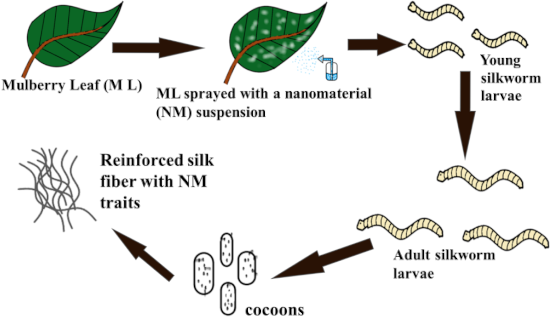
- the resulting silk fiber with a mechanical strength of 1.07 GPa and a strain of 16.8% [170]. The effects of bovine serum albumin (BSA)-stabilized gold nanoclusters (BSA-Au NCs) at different concentrations (9.38, 1.88, 0.938, and 0.188 µg) inserted via intravascular injection in the silkworm was


Effect of different silica coatings on the toxicity of upconversion nanoparticles on RAW 264.7 macrophage cells
Beilstein J. Nanotechnol. 2021, 12, 35–48, doi:10.3762/bjnano.12.3
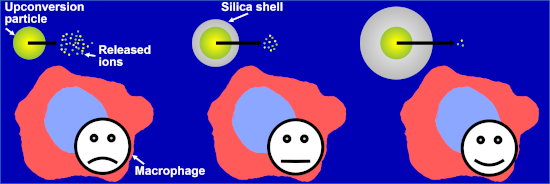
- ionic strength of the cell culture medium (I = 168 mmol/L) reduces the electrostatic stabilization. Besides, the proteins in the DMEM cell culture medium supplemented with 10% FBS contribute to the measured hydrodynamic diameter values [51]. FBS consists mostly of bovine serum albumin. The Z-average


Electrokinetic characterization of synthetic protein nanoparticles
Beilstein J. Nanotechnol. 2020, 11, 1556–1567, doi:10.3762/bjnano.11.138
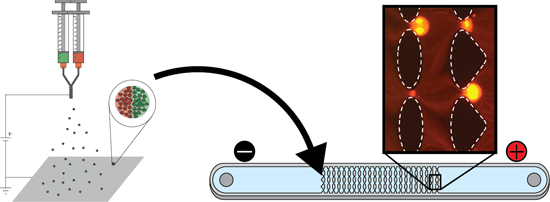
- vaccines [5][6]. Significant advances in self-assembled PNPs via protein engineering techniques have also been observed [7][8]. PNPs have successfully reached the clinic with nab-paclitaxel (Abraxane®), a PNP made of human serum albumin, which is being used for the treatment of metastatic breast cancer
- variety of different particle and fiber architectures can be made [54][55]. Bovine serum albumin (BSA) SPNPs were synthesized via the EHD co-jetting method, with BSA as the protein and an oligomer composed of poly(ethylene glycol) (PEG, 2 kDa) terminally bifunctionalized with N-hydroxysuccinimide (NHS



Transient coating of γ-Fe2O3 nanoparticles with glutamate for its delivery to and removal from brain nerve terminals
Beilstein J. Nanotechnol. 2020, 11, 1381–1393, doi:10.3762/bjnano.11.122
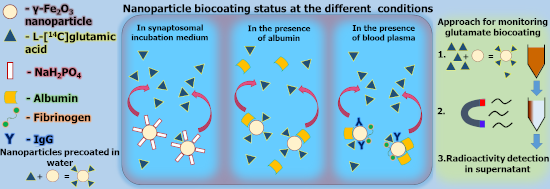
- , that is, 4-(2-hydroxyethyl)-1-piperazineethanesulfonic acid (HEPES) and NaH2PO4, decreased the ability of γ-Fe2O3 nanoparticles to form a glutamate biocoating by about 50% and 90%, respectively. Only 15% of the amount of glutamate biocoating obtained in water was obtained in blood plasma. Albumin did
- nanoparticles was measured in the standard salt solution and in its separate components, that is, KCl (10 mM), NaH2PO4 (1 mM), HEPES (20 mM), and also in albumin (0.125 mg/mL) and blood plasma. An amount of 1.5 µL of ʟ-[14C]glutamate (500 nM, 238 mCi/mmol) and non-radiolabeled glutamate at definite
- concentrations were mixed with abovementioned components along with different amounts of γ-Fe2O3 nanoparticles also added to the probe. The incubation time was 5 min in the salt solutions and 30 min in blood plasma or albumin. After that a magnetic field was applied or the nanoparticles were sedimented in a


Thermophoretic tweezers for single nanoparticle manipulation
Beilstein J. Nanotechnol. 2020, 11, 1126–1133, doi:10.3762/bjnano.11.97
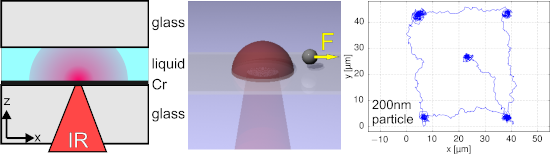
- with an aqueous solution of bovine serum albumin (Sigma-Aldrich) and washed to prevent nanoparticle adhesion to the glass. A collimated IR laser beam (Compass 1064-2500MN, Coherent, λ = 1064 nm) is deflected with a pair of acousto-optic deflectors (AODs). AODs enable the simultaneous generation of


Applications of superparamagnetic iron oxide nanoparticles in drug and therapeutic delivery, and biotechnological advancements
Beilstein J. Nanotechnol. 2020, 11, 1092–1109, doi:10.3762/bjnano.11.94
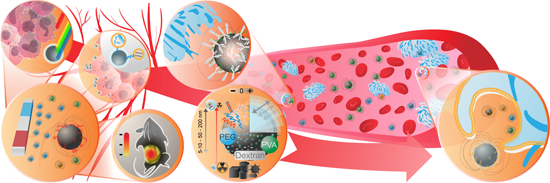
- , dendrimers, albumin, silicones, liposomes, poloxamer, poly-ʟ-lysine, sugars, or polyethylene glycol (PEG) [27][28][29][30][31][32][33]. Hyperthermia treatment for cancer therapy is still under scrutiny. It shows great potential due to the property of SPIONs to produce local heat when placed under an
- be highly toxic [43]. Using Wistar rats, Schlachter et al. [167] tested the release and toxicity of a subcutaneously implanted iron patch made from 15 nm iron oxide particles covered with albumin. Their results also showed that for a period of 6 months there were no toxic effects and no iron overload


Key for crossing the BBB with nanoparticles: the rational design
Beilstein J. Nanotechnol. 2020, 11, 866–883, doi:10.3762/bjnano.11.72
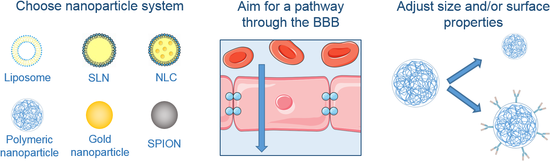
- (e.g., human serum albumin) [28], gold nanoparticles [29] and superparamagnetic iron oxide nanoparticles [30]. This review aims to summarize (i) the different pathways to cross the BBB, (ii) the strategies that can be employed to increase nanoparticle BBB permeation without disrupting the BBB, as well
- lactoferrin receptor [34][41]. More recently, nicotinic acetylcholine receptors (nAChRS) and diphtheria toxin receptor have also been described [34][42]. However, some receptors usually found on peripheral endothelial cells are not expressed, e.g., the albumin receptor [40][43]. Three major categories of
- cationic bovine serum albumin (CBSA) allows them to cross the BBB by AMT, as described above [110][111][112][114]. PEG-PLA nanoparticles were labeled with coumarin-6 and conjugated with either CBSA or BSA in a study by Lu and co-workers [110]. Transcytosis assays were performed on a co-culture BBB in vitro


Identification of physicochemical properties that modulate nanoparticle aggregation in blood
Beilstein J. Nanotechnol. 2020, 11, 550–567, doi:10.3762/bjnano.11.44
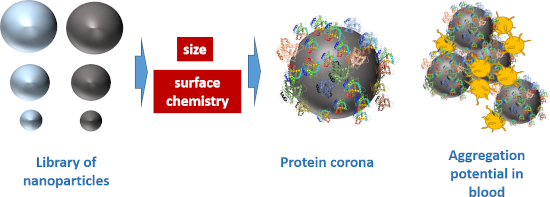
- , custom parallel plate perfusion chambers were coated overnight with 100 μg/mL VWF, washed with phosphate-buffered saline and blocked with 1% bovine serum albumin for 1 h prior to use. Whole blood was labelled with 1 μM DiOC6 (Sigma-Aldrich, Ireland) for 5 min at 37 °C prior to perfusion through the
- was found to strongly bind to the CNPs also at higher concentrations of plasma. Similarly, ApoB100 and histidine-rich glycoprotein were enriched at 10% plasma, but they were displaced by other proteins such as vitronectin and ITIH4 at higher concentrations of plasma. Interestingly, albumin (66 kDa




Luminescent gold nanoclusters for bioimaging applications
Beilstein J. Nanotechnol. 2020, 11, 533–546, doi:10.3762/bjnano.11.42
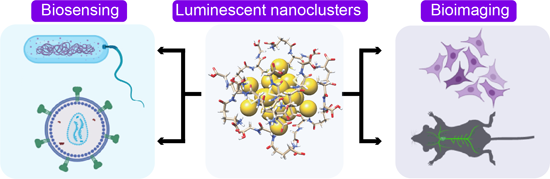
- were observed in N-acetylglutathione (NAGSH) and N-formylglutathione (NFGSH) ligands. Xie and co-workers reported the synthesis of a bovine serum albumin (BSA)-protected water-soluble Au25 nanocluster (Au-BSA) having a red emission at ca. 640 nm with a PL quantum yield of 6% (Figure 1E,F) [63]. More
- importantly, the Au-BSA NCs are stable under ambient conditions and retain their PL even after drying (Figure 1G,H) allowing for long-term storage [64]. Several other proteins including lysozyme, human serum albumin (HSA) and insulin have been used to prepare inherently luminescent AuNCs [65][66][67][68][69
- are presented. In each section representative early examples along with the recent examples are discussed. Biosensing and imaging of pathogens Chan et al. reported human serum albumin (HSA)-stabilized gold NCs (Au-HSA) for sensing Staphylococcus aureus (SA) and methicillin-resistant Staphylococcus


Multilayer capsules made of weak polyelectrolytes: a review on the preparation, functionalization and applications in drug delivery
Beilstein J. Nanotechnol. 2020, 11, 508–532, doi:10.3762/bjnano.11.41
- PE capsules by changing the open and closed state of the capsules. PAH/PMA microcapsules were successfully loaded with fluorescein isothiocyanate-bovine serum albumin (FITC-BSA) at pH < 4 [70]. Confocal microscopy was used to visualize the open and closed state of the capsules at pH 3 and 7



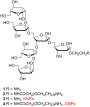
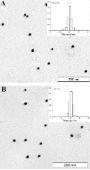
Preparation and in vivo evaluation of glyco-gold nanoparticles carrying synthetic mycobacterial hexaarabinofuranoside
Beilstein J. Nanotechnol. 2020, 11, 480–493, doi:10.3762/bjnano.11.39
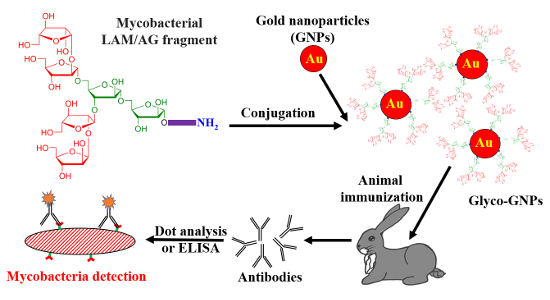
- -called weak antigens (haptens), i.e., a pronounced immune response against them is not developed (in general, substances with molecular mass ca. 1 kDa or less are not immunogenic). As a rule, haptens are conjugated with carrier proteins, such as bovine serum albumin, hemocyanin, ovalbumin, or


Rational design of block copolymer self-assemblies in photodynamic therapy
Beilstein J. Nanotechnol. 2020, 11, 180–212, doi:10.3762/bjnano.11.15
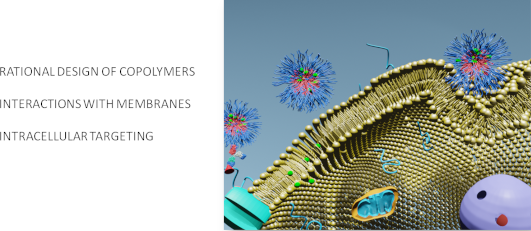
- , the porphyrin photosensitizer was released and the size of the nanoobjects in solution increased (Figure 5d) [77]. For a combined photodynamic therapy/photothermal therapy (PDT/PTT) approach, indocyanine green (ICG) has been encapsulated in a protein, namely human serum albumin. First human serum
- albumin (HSA) is reduced and encapsulates ICG thanks to electrostatic interactions, then the disulfide links are reconstructed for carrier stabilization. This carrier is then glutathione-sensitive and its reduction under in vivo conditions enhanced the PDT efficiency [78]. The cleavage of ROS-responsive
- released [91]. The photoactivity of the photosensitizer can also be modulated by conjugation with a quencher molecule different from the photosensitizer itself. IR780 could be used as a quencher of chlorin-e6 fluorescence in albumin-based nanosystems [107]. Upon NIR excitation and IR780 degradation chlorin






Internalization mechanisms of cell-penetrating peptides
Beilstein J. Nanotechnol. 2020, 11, 101–123, doi:10.3762/bjnano.11.10
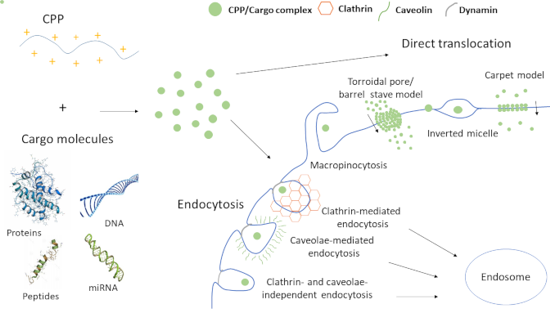
- in numerous functions, having important roles in cell signaling, lipid regulation and endocytosis [91]. The most famous ligand for this pathway seems to be albumin. The binding to its receptor, gp60, provokes internalization of the protein. In addition, there is a growing number of receptors, other


Long-term stability and scale-up of noncovalently bound gold nanoparticle-siRNA suspensions
Beilstein J. Nanotechnol. 2019, 10, 2568–2578, doi:10.3762/bjnano.10.248
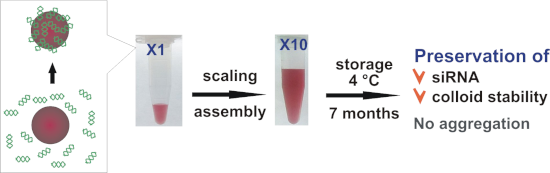
- suspension at 4 °C for different times resulted in the formation of particle clusters of high colloidal stability as demonstrated by conventional methods. These clusters completely disintegrated when albumin was added, indicating that they are agglomerates (and not aggregates) of AuNP-siRNA. The AuNPs-siRNA
- of the clumping of AuNP-siRNA, we used the known property of albumin to increase the dispersion of AuNP suspensions [29]. We added 3% human serum albumin (HSA) (corresponding to 10% serum commonly used in the cell cultivation) to samples ×1 and ×10 (freshly prepared and stored for one or eight days
- disappearance of the AuNP-siRNA clusters (Figure 4D,E,F) even after the addition of 3% albumin to the samples in the DMEM medium, which promoted aggregation of AuNP-siRNA as shown in Figure 2. The hydrodynamic parameters of the AuNP-siRNA particles after the addition of albumin were impossible to evaluate


Use of data processing for rapid detection of the prostate-specific antigen biomarker using immunomagnetic sandwich-type sensors
Beilstein J. Nanotechnol. 2019, 10, 2171–2181, doi:10.3762/bjnano.10.210
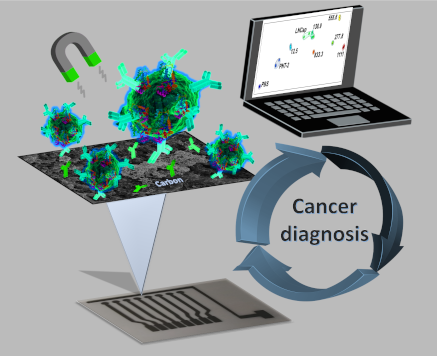
- . Reduced ʟ-glutathione (GSH, 99%), bovine serum albumin (BSA), HAuCl4·3H2O (99.9%), sodium borohydride (99%), horseradish peroxidase (HRP, MW = 44000; 250–330 u·mg−1), poly(diallydimethylammonium chloride) (PDDA, 20 wt % in H20), 1-(3-(dimethylamino)propyl)-3-ethylcarbodiimide hydrochloride (EDC), N
- PBS and incubated with 5 μL of bovine serum albumin (BSA) (2% w/w) diluted in PBS to avoid non-specific binding (NBS). Each step of the modification was monitored with polarization-modulated infrared reflection absorption spectroscopy (PM-IRRAS, see Figure S1F in Supporting Information File 1). The
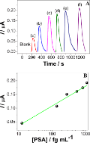
- incubated with 5 μL of bovine serum albumin (BSA) (2% w/w) diluted in phosphate-buffered saline (PBS), to avoid non-specific binding. Preparation of the bioconjugate complex of Ab2 and HRP (Ab2-MNP-HRP). Illustration of the PSA capturing step. Comparison of various sandwich-type immunosensors and


Incorporation of doxorubicin in different polymer nanoparticles and their anticancer activity
Beilstein J. Nanotechnol. 2019, 10, 2062–2072, doi:10.3762/bjnano.10.201
- (vinyl alcohol) (PVA, 30,000–70,000 Da), bovine serum albumin (BSA), HSA, and glutaraldehyde were obtained from Sigma-Aldrich Chemie GmbH (Karlsruhe, Germany). Dulbecco's Phosphate buffered saline (PBS) was purchased from Biochrom GmbH (Berlin, Germany). Doxorubicin was obtained from LGC Standards GmbH
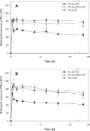
- % (m/v) bovine serum albumin (BSA) was shaken at 37 °C with 500 rpm. Nanoparticle suspensions were centrifuged (30,000g, 15 min) after 0, 0.5, 1, 2, 4, 6, 8, and 24 h, and an aliquot (250 µL) of the supernatant was diluted with 750 µL ethanol (96%, v/v) in order to precipitate BSA. After a second





Gold-coated plant virus as computed tomography imaging contrast agent
Beilstein J. Nanotechnol. 2019, 10, 1983–1993, doi:10.3762/bjnano.10.195
- carbonate, sucrose, dimethyl sulfoxide (DMSO; 25%), 2-(N-morpholino)ethanesulfonic acid (MES) buffer, isopropanol, tetrachloroauric acid, trypsin, ethylenediaminetetraacetic acid (EDTA), HEPES sodium salt, Triton™ X-100, phosphate-buffered saline (PBS) tablets, and bovine serum albumin (BSA) were purchased




Magnetic properties of biofunctionalized iron oxide nanoparticles as magnetic resonance imaging contrast agents
Beilstein J. Nanotechnol. 2019, 10, 1964–1972, doi:10.3762/bjnano.10.193
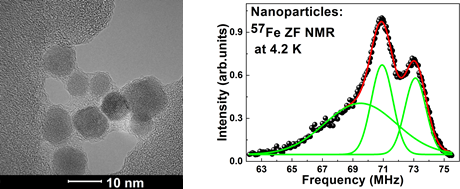
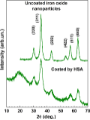
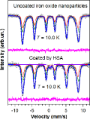
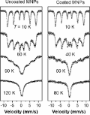
- and human serum albumin coated iron oxide nanoparticles was observed by Mössbauer spectroscopy. Conclusion: This difference in magnetic behavior is explained by the influence of biofunctionalization on the magnetic and electronic properties of the iron oxide nanoparticles. The ZF-NMR spectra analysis
- functionalization of nanoparticles with bovine serum albumin (BSA) and human serum albumin (HSA) is one potential method to enhance their biocompatibility. There are several directions in the development of coating types: coating of the nanoparticles themselves [10], design of BSA microcapsules with iron oxide




Toxicity and safety study of silver and gold nanoparticles functionalized with cysteine and glutathione
Beilstein J. Nanotechnol. 2019, 10, 1802–1817, doi:10.3762/bjnano.10.175
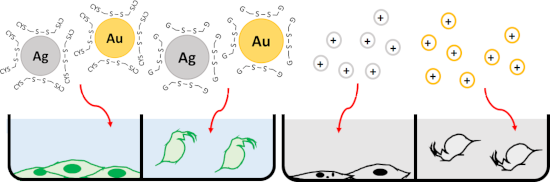
- joined, centrifuged at 800g for 5 min and washed with PBS containing 2% bovine serum albumin (1 mL per sample). The cells were then stained using Muse® Annexin V and a dead cell assay kit (Merck KGaA, Darmstadt, Germany) according to the manufacturer’s instructions. After staining, the cells were washed


Doxorubicin-loaded human serum albumin nanoparticles overcome transporter-mediated drug resistance in drug-adapted cancer cells
Beilstein J. Nanotechnol. 2019, 10, 1707–1715, doi:10.3762/bjnano.10.166
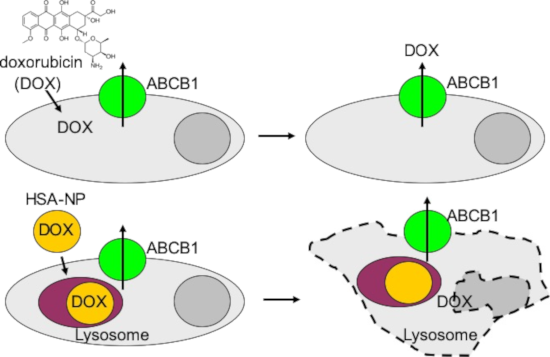
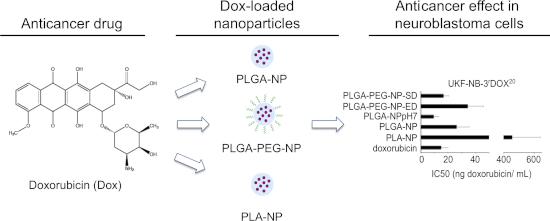
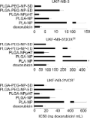
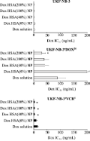
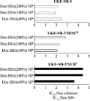
- . Here, we tested doxorubicin-loaded human serum albumin (HSA) nanoparticles in the neuroblastoma cell line UKF-NB-3 and its ABCB1-expressing sublines adapted to vincristine (UKF-NB-3rVCR1) and doxorubicin (UKF-NB-3rDOX20). Doxorubicin-loaded nanoparticles displayed increased anticancer activity in UKF
- body distribution of its many substrates including drugs, xenobiotics, and other molecules. HSA nanoparticles may provide an alternative, more specific way to overcome transporter-mediated resistance. Keywords: ABCB1; cancer; doxorubicin; drug resistance; human serum albumin; nanoparticles
- resistance [6]. This includes various nanoparticle and liposome formulations of the ABCB1 substrate doxorubicin [7][8][9][10][11][12]. Here, we here investigated the effects of doxorubicin-loaded human serum albumin (HSA) nanoparticles in ABCB1-expressing neuroblastoma cells. HSA nanoparticles are easy to


Enhanced inhibition of influenza virus infection by peptide–noble-metal nanoparticle conjugates
Beilstein J. Nanotechnol. 2019, 10, 1038–1047, doi:10.3762/bjnano.10.104
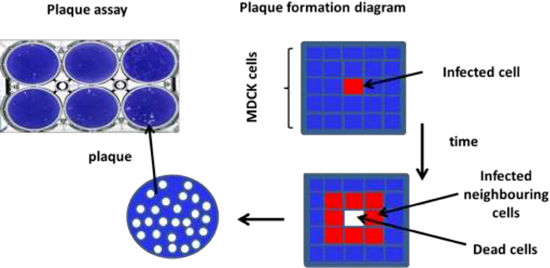
- agarose overlay was prepared by mixing equal volumes of 2% (w/v) of pre-warmed (55 °C) low-melting agarose (Melford Laboratories Ltd, Blideston Road, Ipswich, UK) and the overlay solution (14 mL 10× MEM, 3.7 mL 7.5% (w/v) bovine serum albumin (fraction V, Sigma-Aldrich, UK), 1.4 mL L-glutamine, 2.6 mL 7.5




Serum type and concentration both affect the protein-corona composition of PLGA nanoparticles
Beilstein J. Nanotechnol. 2019, 10, 1002–1015, doi:10.3762/bjnano.10.101
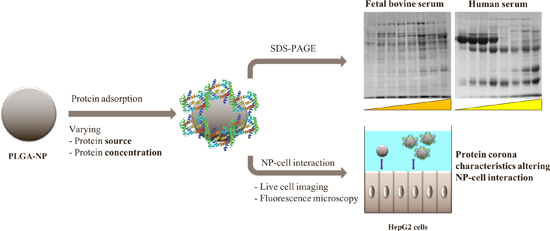
- band corresponding to the molecular weight of serum albumin (67 kDa). In contrast, protein adsorption led to a highly selective enrichment of serum proteins on the surface of PLGA NPs [21], even at the lowest incubation concentration. The NPs are characterized by a protein pattern consisting of
- significantly at low concentration levels but becomes constant when passing to higher serum concentrations. Corona formation is a very dynamic, competitive and time-dependent process. In the early stage, low-affinity proteins with high abundance in serum, for instance, human serum albumin (HSA), adsorb onto the
- (Karlsruhe, Germany). The dye Coomassie Brilliant Blue G-250 was purchased from VWR Life science AMRESCO (Solon, Ohio). Bovine serum albumin (BSA), DL-dithiothreitol (DTT), and iodoacetamide (IAA) were obtained from Sigma-Aldrich (Steinheim, Germany). Trypsin (sequencing grade) for protein digestion was



Experimental study of an evanescent-field biosensor based on 1D photonic bandgap structures
Beilstein J. Nanotechnol. 2019, 10, 967–974, doi:10.3762/bjnano.10.97
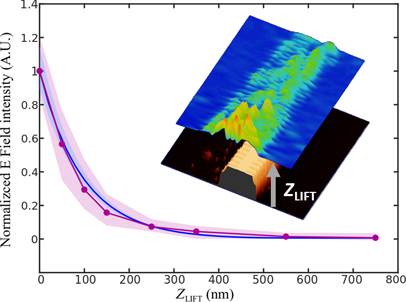
- to bovine serum albumin (BSA) using a UV-induced immobilization procedure. The use of half-antibodies allows one to reduce the thickness of the biorecognition volume down to ca. 2.5 nm, thus leading to a higher interaction with the evanescent field, as well as a proper orientation of their binding
- work we have used an off-flow spotting process for the immobilization of the half-antibodies, which yields a higher surface coverage and thus significantly higher sensing responses, as demonstrated in the reported bovine serum albumin (BSA) detection experiments. Results and Discussion PBG sensing





