


Search results
Search for "alcohol" in Full Text gives 276 result(s) in Beilstein Journal of Nanotechnology. Showing first 200.
Hierarchically patterned polyurethane microgrooves featuring nanopillars or nanoholes for neurite elongation and alignment
Beilstein J. Nanotechnol. 2023, 14, 1157–1168, doi:10.3762/bjnano.14.96
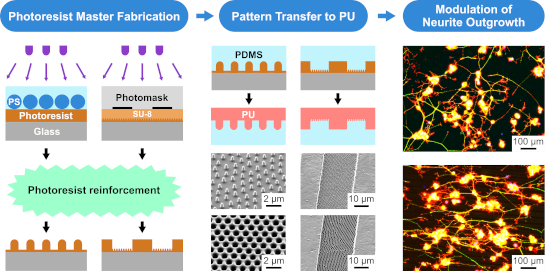
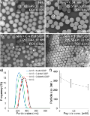
- doses, maybe because of UV oxidation of the films or changes in the shape of the PS-NS caused by residual GBL in the SU-8.) The SU-8 was subjected to a post-exposure bake at 95 °C for 2 min, followed by development in the SU-8 developer for 1 min, rinsing with isopropyl alcohol, and N2 drying (Figure 1A


Metal-organic framework-based nanomaterials for CO2 storage: A review
Beilstein J. Nanotechnol. 2023, 14, 964–970, doi:10.3762/bjnano.14.79
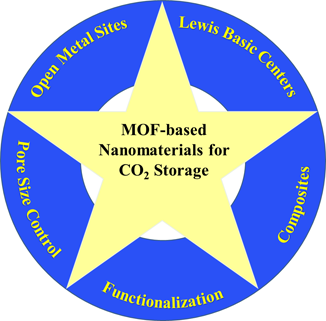
- frameworks (MOFs) [11][12][13]. Notably, MOFs constructed from metal ions and organic linkers are expected to be alternative materials to the organic alcohol amines in CCS [14]. These nanosized materials posess unique properties such as ultrahigh surface area, tunable pore size, open metal sites (OMSs), and




Ni, Co, Zn, and Cu metal-organic framework-based nanomaterials for electrochemical reduction of CO2: A review
Beilstein J. Nanotechnol. 2023, 14, 904–911, doi:10.3762/bjnano.14.74
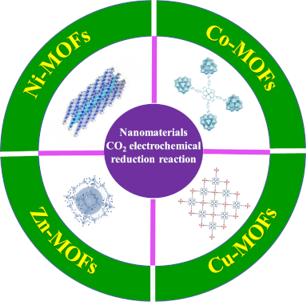
- . Later, the authors improved the CO2 reduction performance by mixing HKUST-1 with a Bi-based MOF (CAU-17) [48]. The optimized sample demonstrated a considerably elevated FE for alcohol production, reaching 36.9%. This enhancement was attributed to the synergistic effects between Cu- and Bi-MOFs, which
- the inherent characteristics of metal sites and organic linkers within the MOF structure. Notably, MOF nanomaterials based on Zn, Co, and Ni have demonstrated potential for CO2 reduction to CO, whereas Cu-related MOFs are favorable for the conversion of CO2 to formate, formic acid, alcohol, and


Industrial perspectives for personalized microneedles
Beilstein J. Nanotechnol. 2023, 14, 857–864, doi:10.3762/bjnano.14.70
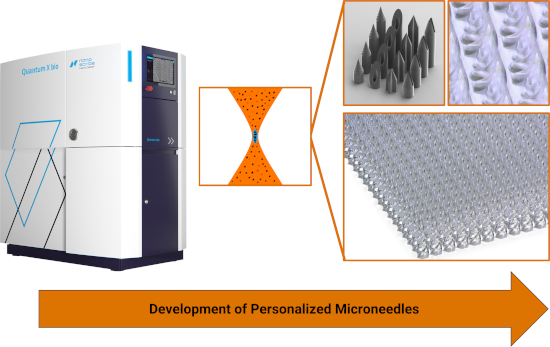
- –20 min, followed by an isopropyl alcohol bath for 2–5 min. Afterwards, the microneedles were allowed to dry in air before UV curing for 20–40 min. The microneedles were fabricated from proprietary and commercially available negative-tone IPX-Q and negative-tone IP-S with the medium (ZEISS 25x NA 0.8


Silver-based SERS substrates fabricated using a 3D printed microfluidic device
Beilstein J. Nanotechnol. 2023, 14, 793–803, doi:10.3762/bjnano.14.65
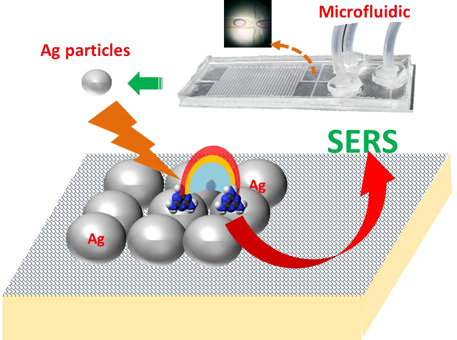
- from Krackeler Scientific (USA). Methyl alcohol, hydrogen peroxide (35%), sodium hydroxide (<97%), ammonia water (25–29%), acetone (99.5%), ethyl alcohol (95%), and 2-propanol (99.5%) were bought from Daejung (Republic of Korea). The Formlabs 3D printer and clear V4 resin were purchased from Formlabs



A graphene quantum dots–glassy carbon electrode-based electrochemical sensor for monitoring malathion
Beilstein J. Nanotechnol. 2023, 14, 701–710, doi:10.3762/bjnano.14.56
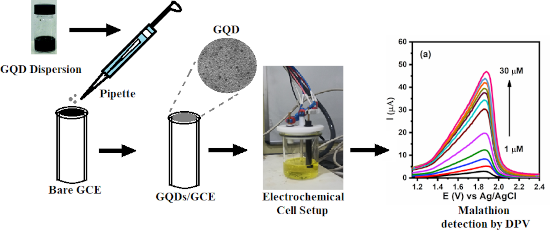
- Fisher chemicals. Malathion (C10H19O6PS2) was obtained from Insecticides India Limited. Disodium phosphate (Na2HPO4·H2O), monosodium phosphate (NaH2PO4), sodium hydroxide (NaOH), ethanol (C2H5OH), and isopropyl alcohol (C3H8O) were procured from Rankem chemicals. Nafion (C9HF17O5S) and activated charcoal
- sonicated in ethanol and rinsed with DI water to remove surface impurities. The GQDs-based ink was prepared in a glass vial with four components, that is 15 mg activated charcoal as a conductivity enhancer, 15 mg GQDs as modifying agent, 25 µL Nafion as binder, and 1 mL isopropyl alcohol as solvent. All


Carbon nanotube-cellulose ink for rapid solvent identification
Beilstein J. Nanotechnol. 2023, 14, 535–543, doi:10.3762/bjnano.14.44
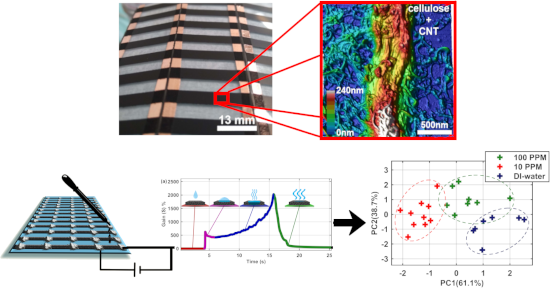
- liquids, namely mixtures of water with low concentrations of glycerin (10 and 100 ppm) and a number of organic solvents (DI water, isopropyl alcohol, toluene, chloroform, and ethyl alcohol). To probe the limit of detection of the MFC/MWCNT composite, we performed measurements of glycerin in water at parts
- electrical responses to DI water, isopropyl alcohol, toluene, ethyl alcohol, chloroform, and acetone are shown in Figure 3a. We set the device temperature to 55 °C to prevent instantaneous evaporation of the more volatile solvents. All solvent measurements were performed on the same MFC/MWCNT transducer
- thermogravimetric analyzer. The system was monitored until the complete evaporation of the liquid, resulting in the curves shown in Figure 5a. The thermal behavior of acetone, chloroform, ethanol, and isopropyl alcohol exhibits significant similarities with the electrical curves presented in Figure 3a, especially


Nanoarchitectonics to entrap living cells in silica-based systems: encapsulations with yolk–shell and sepiolite nanomaterials
Beilstein J. Nanotechnol. 2023, 14, 522–534, doi:10.3762/bjnano.14.43
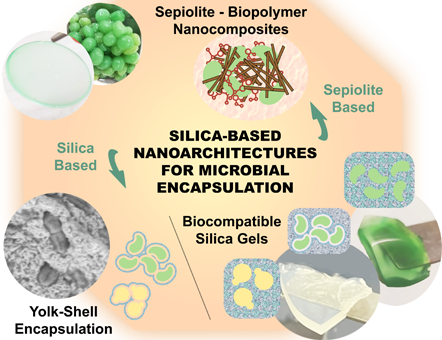
- results only as a tentative experiment to evaluate the biocatalytic performance. However, these preliminary findings combined with the observed CO2 release from the cultures and the detection of alcohol allowed us to confirm that the encapsulated yeast produced ethanol likely faster and in higher amounts
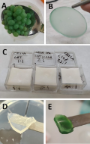
- been disinfected with alcohol and sterilized with the ultraviolet light attached to the hood. Biohybrid sepiolite–biopolymer nanocomposites materials have been prepared adapting a protocol developed in-house previously [8]. A sepiolite slurry (10% w/v clay/water) was mixed with a concentrated


Molecular nanoarchitectonics: unification of nanotechnology and molecular/materials science
Beilstein J. Nanotechnol. 2023, 14, 434–453, doi:10.3762/bjnano.14.35
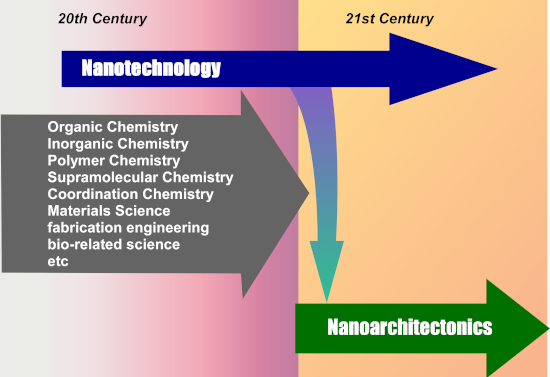
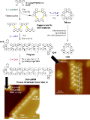
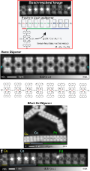
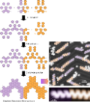
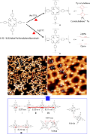
- nanoarchitectonics, Kubo and co-workers have developed room-temperature phosphorescence-active thiophene boronate ester-crosslinked polyvinyl alcohol films [93]. The films are capable of multicolor afterglow emission by changing the amount of sulforhodamine B. Molecular design and nanoarchitectonics can sometimes





Polymer nanoparticles from low-energy nanoemulsions for biomedical applications
Beilstein J. Nanotechnol. 2023, 14, 339–350, doi:10.3762/bjnano.14.29
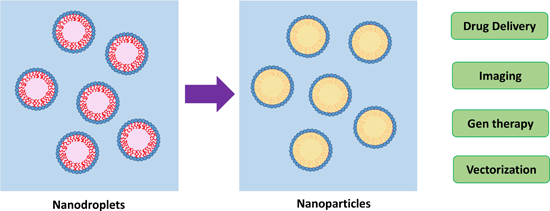
- , in which water is further added to a homogeneous solution composed of oil, a short-chain alcohol, and water (without surfactant) [17]. Assuming that all surfactant molecules are adsorbed at the O/W interface, the diameter of the nanoemulsion droplets (excluding the hydrated surfactant layer) can be




Biocatalytic synthesis and ordered self-assembly of silica nanoparticles via a silica-binding peptide
Beilstein J. Nanotechnol. 2023, 14, 280–290, doi:10.3762/bjnano.14.25
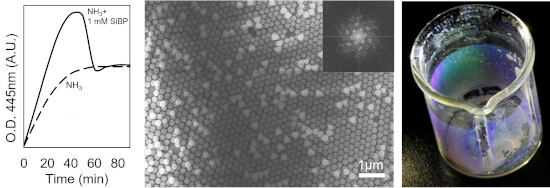
- the solvent, and NH3 (Thermo Fischer Scientific Inc, Waltham, MA, USA) was used as the catalyst. Briefly, the Stöber process involves hydrolysis of an alkoxysilane precursor, such as TEOS, in alcohol (typically methanol or ethanol) in the presence of a catalyst. This is followed by ethanol or water
- hydrolysis of the alkoxysilane, Equation 4 is polymerization via alcohol condensation, and Equation 5 is polymerization via water condensation. The reaction solvent was prepared by mixing equal volumes of gradient grade (≥99.9%) ethanol (Sigma-Aldrich, MO, USA) and deionized water (or a solution of the




A novel approach to pulsed laser deposition of platinum catalyst on carbon particles for use in polymer electrolyte membrane fuel cells
Beilstein J. Nanotechnol. 2023, 14, 190–204, doi:10.3762/bjnano.14.19
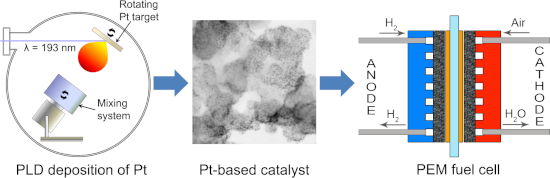
- W, Cole-Parmer, United States) impulse sonication with 150 W energy for approximately 1 min by mixing Pt-coated carbon material, 5% alcohol suspension of Nafion (1100 e.w., Ion Power, United States) and double distilled water. The suspension was prepared in an airtight tube cooled with ice. The



Electrical and optical enhancement of ITO/Mo bilayer thin films via laser annealing
Beilstein J. Nanotechnol. 2022, 13, 1589–1595, doi:10.3762/bjnano.13.133
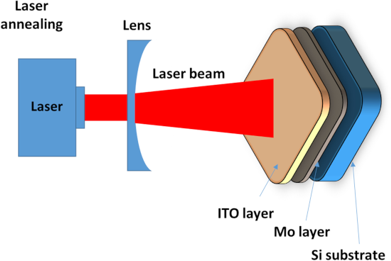
- pieces and cleaned to suit the characterization equipment. The Si substrates were ultrasonically cleaned using acetone, isopropyl alcohol, and distilled water. The glass substrates were cleaned using Decon-90 cleaner. The glass and Si samples were dried with nitrogen gas and treated for 10 min in a


Hydroxyapatite–bioglass nanocomposites: Structural, mechanical, and biological aspects
Beilstein J. Nanotechnol. 2022, 13, 1490–1504, doi:10.3762/bjnano.13.123
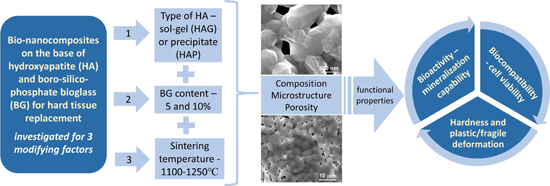
- obtained bioglass in an agate mortar. (vii) Sieving of the BG powder to obtain powder of particle sizes below 64 μm. The HA-BG composites were obtained by mixing 90 or 95 wt % of HA (HAP or HAG) powder with, respectively, 10 or 5 wt % of BG powder. An aqueous solution of 7% polyvinyl alcohol (PVA) was
- medium with 10% FBS and antibiotics/antimycotics in 75 cm2 flasks until 70–80% confluence. The samples for the MTT tests were prepared in the form of discs of 3 mm diameter and 0.7 mm thickness. Before testing, the samples were sterilized in 70% alcohol for two hours and washed twice with HBSS (HiMedia
LED-light-activated photocatalytic performance of metal-free carbon-modified hexagonal boron nitride towards degradation of methylene blue and phenol
Beilstein J. Nanotechnol. 2022, 13, 1380–1392, doi:10.3762/bjnano.13.114
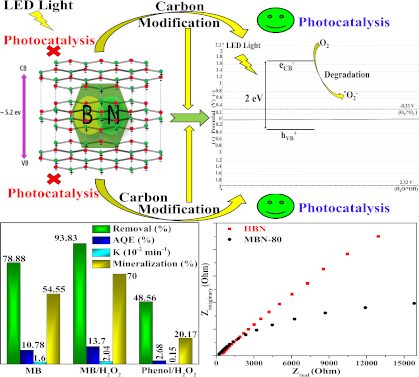
- taking part in the degradation mechanism. The CTA was achieved by taking 1 mmol of p-benzoquinone, isopropyl alcohol (IPA), AgNO3, and triethanolamine (TEA) as quenching agents to trap O2−•, •OH, e−, and h+, respectively [46]. The outcome of CTA was depicted in Figure 8b. The addition of TEA demonstrated


Role of titanium and organic precursors in molecular layer deposition of “titanicone” hybrid materials
Beilstein J. Nanotechnol. 2022, 13, 1240–1255, doi:10.3762/bjnano.13.103
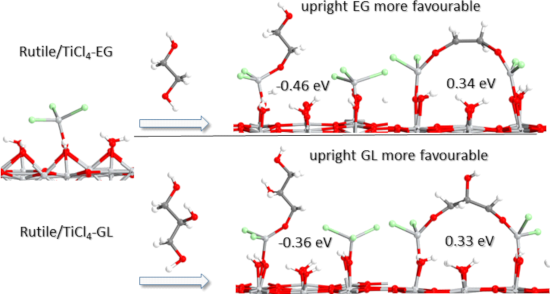
- significant drawback [38]. Fumaric acid (FC) is another alcohol organic precursor that was used to deposit titanicone films using TiCl4 on an Si substrate in a temperature range of 180 °C to 350 °C. A temperature-dependent growth characteristic was observed with the growth rate decreasing from 1.10 Å/cycle at


Design of surface nanostructures for chirality sensing based on quartz crystal microbalance
Beilstein J. Nanotechnol. 2022, 13, 1201–1219, doi:10.3762/bjnano.13.100
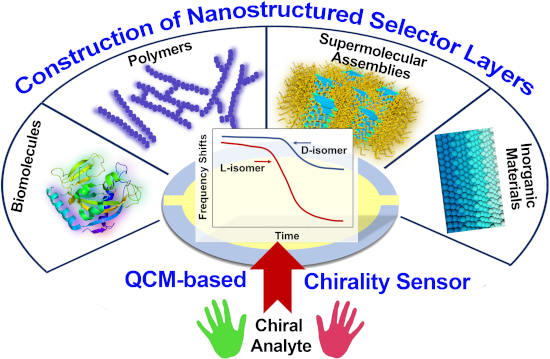
- structures of molecules, steric effects, and complex interactions between moieties of the sensor layer and analytes. To study the influence of chiral moieties of calixarenes, Akpinar et al. synthesized a series of chiral calix[4]arenes bearing chiral amine and amino alcohol moieties on their upper rim and a


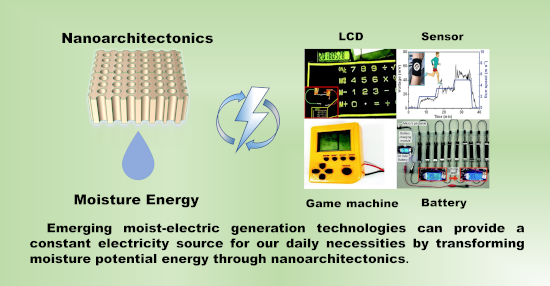
Application of nanoarchitectonics in moist-electric generation
Beilstein J. Nanotechnol. 2022, 13, 1185–1200, doi:10.3762/bjnano.13.99
- available in MEGs, such as polymers, proteins, and natural fibers, poly(4-vinylphenol) (PVP) [75], polyvinyl alcohol (PVA) [76][77], fluorinated ethylene propylene (FEP) [21], and polyvinylidene difluoride (PVDF). These materials show good performance in the application of hydropower conversion. In addition
- Using Polyvinyl Alcohol-Wrapped Dopamine/Polyvinylidene Difluoride Nanofibers”, Small, with permission from John Wiley and Sons. Copyright © 2021 WILEY-VCH GmbH. This content is not subject to CC BY 4.0. (k) MEGs in micro/nano drives. (l, m) The electrical output signal generated by the generator during


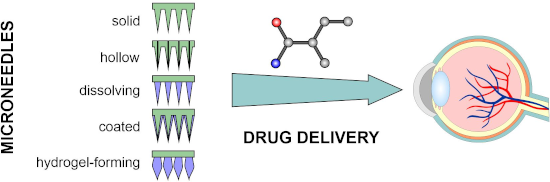
Microneedle-based ocular drug delivery systems – recent advances and challenges
Beilstein J. Nanotechnol. 2022, 13, 1167–1184, doi:10.3762/bjnano.13.98
- ], polyvinyl alcohol (PVA) [123], and polymethacrylates [118][124][125]. Among the biodegradable materials, carbohydrates, including maltose [126], trehalose [127], and sucrose [128], are frequently mentioned. Moreover, biodegradable polymers such as poly(lactic acid) (PLA) [129], poly(glycolic acid) (PGA


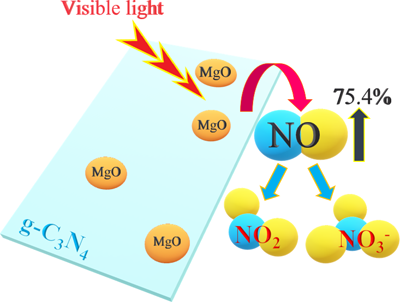
Rapid fabrication of MgO@g-C3N4 heterojunctions for photocatalytic nitric oxide removal
Beilstein J. Nanotechnol. 2022, 13, 1141–1154, doi:10.3762/bjnano.13.96
- min. Trapping experiments were performed to evaluate the photocatalytic process mechanism for NO degradation. Three trapping agents were used representing different active species, namely isopropyl alcohol (IPA) for the hydroxyl radical (•OH), potassium dichromate (K2Cr2O7) for electrons (e−), and





Recent advances in green carbon dots (2015–2022): synthesis, metal ion sensing, and biological applications
Beilstein J. Nanotechnol. 2022, 13, 1068–1107, doi:10.3762/bjnano.13.93
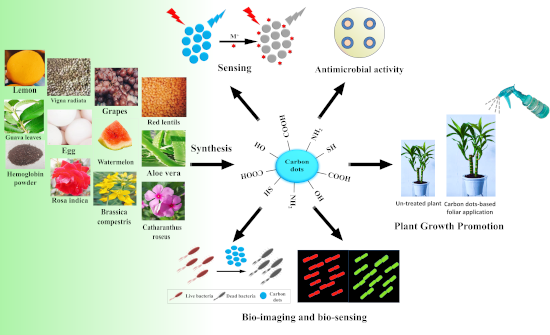
- pepper as a natural precursor was reported by Long et al. to prepare CDs via refluxing in anhydrous alcohol for 24 h. The prepared CDs exhibit dual emission at 520 and 668 nm by using the same excitation wavelength of 420 nm. The red emission around 668 nm was hardly affected by metal ions and amino




Biomimetic chitosan with biocomposite nanomaterials for bone tissue repair and regeneration
Beilstein J. Nanotechnol. 2022, 13, 1051–1067, doi:10.3762/bjnano.13.92
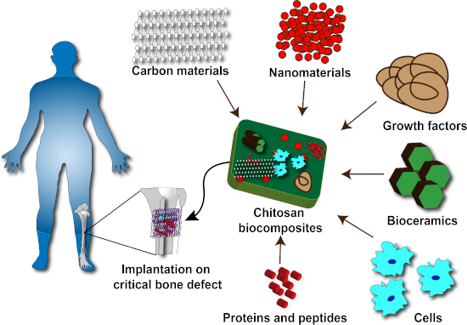
- surface area, antimicrobial activity, mechanical strength, osteoconductive and osteoinductive properties. In this particular study, the scaffolds of chitosan/polyvinyl alcohol/graphene oxide/hydroxyapatite/gold films were used in an orthopaedic application. The mechanical strength of the developed
- composites was 36.4 ± 0.7 MPa. The antibacterial activity of chitosan/polyvinyl alcohol/graphene oxide/hydroxyapatite/gold was investigated against Escherichia coli and Staphylococcus aureus with a zone of inhibition of 3–7 mm as compared to Pseudomonas aeruginosa and Enterococcus faecalis. The alkaline
Design of a biomimetic, small-scale artificial leaf surface for the study of environmental interactions
Beilstein J. Nanotechnol. 2022, 13, 944–957, doi:10.3762/bjnano.13.83
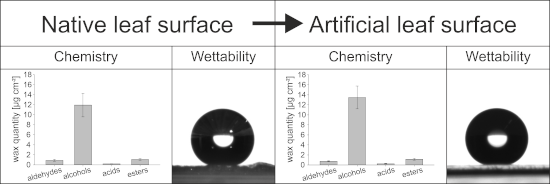
- extracted plant waxes has shown that the diverse microstructures of epicuticular waxes arise by self-assembly and that the micromorphology of wax structures is largely determined by their chemical composition [15][17][18][19][20][21][22][23]. Platelets, which mostly have a high primary alcohol content, are
Bioselectivity of silk protein-based materials and their bio-inspired applications
Beilstein J. Nanotechnol. 2022, 13, 902–921, doi:10.3762/bjnano.13.81


Efficient liquid exfoliation of KP15 nanowires aided by Hansen's empirical theory
Beilstein J. Nanotechnol. 2022, 13, 788–795, doi:10.3762/bjnano.13.69
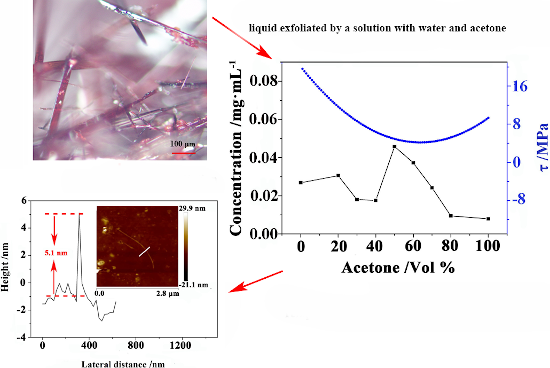
- previous study, we exfoliated KP15 in alcohol; however, this method was still inefficient [13]. Herein, the Hansen's empirical theory was firstly introduced to improve the liquid-phase exfoliation efficiency of KP15 nanowires. In addition, Hansen solubility parameters (HSPs) for KP15 were also obtained in
- absorption coefficient of KP15 is 3.86 ± 0.13 mL·mg−1·cm−1. We selected 20 common solvents, including benzyl benzoate, toluene, ethyl acetate, acetone, alcohol, butyrolactone, N,N'-dimethylpropyleneurea, bromobenzene, cyclopentanone, N-dodecyl-2-pyrrolidone, glycol, vinyl acetate, hexane, isopropyl alcohol
- (alcohol), respectively [13]. When the solvent mixture with a 50% volume fraction of acetone is used for stripping, the concentration of the KP15 dispersion finally increases to 0.0458 mg·mL−1. At this point, the parameter τ is close to the minimum value. The Raman result for the KP15 nanowires exfoliated





